How to Fly on a Private Plane Cheap (Without Compromising Safety)

Jay Franco Ser
August 26, 2026

Flying on a private plane cheaply sounds like a contradiction - until you understand the mechanics behind private aviation pricing. The reality is that thousands of private jet flights depart every week at steep discounts, and the difference between paying full price and getting a deal almost never comes down to safety. It comes down to strategy.

This guide breaks down the cost drivers, access models, and aircraft choices that let business travelers and private owners reduce what they pay per flight hour - while keeping safety and service standards intact.

Key Takeaways

Flying private cheaply is primarily about using empty leg flights, choosing shared charters, and right-sizing your aircraft to the mission. Models like the Citation Mustang and Embraer Phenom 100 offer some of the lowest operating costs in private aviation. Safety is governed by FAA and EASA certification - cost optimization happens through operational efficiency, not by cutting corners on maintenance or crew.

  • 2026 hourly rates by aircraft class: turboprops from ~$2,300/hr, light jets from ~$3,750/hr, midsize from ~$4,700/hr, super midsize from ~$4,700–$7,500/hr, and large jets from ~$8,500/hr. Empty leg flights can reduce these rates by 30–75%.

  • For travelers flying under ~75–100 flight hours per year, charter, empty legs, and jet cards are usually cheaper than owning the entire aircraft.

  • Three main tools to reduce per-hour costs while maintaining safety: empty leg flights, jet cards with fixed hourly rates, and fractional ownership.

  • BusinessJets.com works on the ownership and transaction side - providing appraisals, aircraft for sale, and consulting - to help clients make informed "fly private cheap vs. own" decisions backed by real market data and valuations.

What "Private Plane Cheap" Really Means in 2026

In private aviation, "cheap" does not mean unsafe or substandard. It means optimized - using the right aircraft type, the right access model, and the right timing to get maximum value from every flight hour. Demand for private jet flights has remained above pre-COVID levels through 2024–2026, which keeps base charter prices elevated. However, this same demand has driven more transparency, more competition among brokers, and more published empty leg inventory than ever before.

The realistic entry points for flying private in 2026 look like this:

  • Semi-private or by-the-seat options on scheduled regional flights: from ~$250 per seat.

  • Light jet empty leg deals: ~$2,000–$5,000 total for the entire aircraft on short one-way legs.

  • Full light jet charter round trip (e.g., Los Angeles to Las Vegas): ~$12,000–$15,000.

  • Shared charters allow booking a single seat on a private jet, splitting the flight price among passengers to reduce individual cost.

The core trade-offs are straightforward. Best prices require flexibility so you can avoid sky high costs by adjusting your route, your schedule, and sometimes your departure airport. Larger aircraft cost more per hour but can deliver a lower price point per seat when the cabin is full. And peak demand periods (holidays, major events) push rates up across every aircraft category.

BusinessJets.com helps corporate clients and private owners evaluate when to stay with charter or jet cards and when the economics favor buying a pre-owned jet, using current market valuation data and transaction experience.

Core Cost Drivers: Why Some Private Flights Are Cheaper Than Others

A cheap private plane experience is built by managing five main levers: aircraft type, flight distance, availability (empty leg vs. bespoke charter), airports, and booking strategy. Understanding these drivers is the difference between overpaying and getting competitive prices on every trip.

Key cost drivers include:

  • Aircraft category and size: Turboprops vs. light jets vs. large jets. Aircraft size and type directly affect the hourly rates for private jet charters. Very light jets start around $2,300 per hour for rentals, while VIP airliners cost between $18,000 and $23,000 per hour.

  • Billable flight time: Includes wheels-up to wheels-down time. Repositioning fees apply if a jet must travel empty to pick up the passenger, adding to your total cost.

  • Route and airports: Airport fees and costs vary significantly between major and regional airports. Flying from regional airports often cuts landing fees, handling costs, and ground time.

  • Seasonality and demand spikes: Peak travel times - holidays, large events in Las Vegas, New York, or Miami - can significantly increase private jet rental costs. Frequent travel during off-peak times can reduce availability costs by 10% to 40%.

  • Lead time and flexibility: Flexibility with timing and route can result in greater savings in private aviation. Last-minute repositioning generally costs more; advance planning unlocks better rates.

Current 2026 hourly rate ranges:

  • Turboprops: ~$2,300–$3,500/hr

  • Light jets: ~$3,750–$4,600/hr

  • Midsize jets: ~$4,700–$7,500/hr

  • Super midsize jets: ~$4,700–$7,500/hr

  • Large jets: ~$8,500–$17,000/hr

Empty leg flights can discount those substantially - often by 30–75%. BusinessJets.com, while focused on aircraft sales and appraisals, routinely models these cost drivers when advising buyers considering charter vs. ownership, especially for fleet managers optimizing budgets.

Empty Leg Flights: The Fastest Way to Fly Private for Less

An empty leg flight is a repositioning leg flown without passengers between two charters. These flights occur when jets reposition without passengers - the operator must move the aircraft anyway, often to get into place for its next charter, and would rather monetize the trip than fly empty. Industry estimates suggest 30–40% of all private jet flight hours are repositioning flights, making empty legs a consistently available source of discount inventory.

The terms "empty leg flights," "empty leg," and "leg flights" all refer to the same thing. The critical distinction: you typically get the entire aircraft at a reduced rate, not just a seat. Charter pricing is based on the whole plane, and empty legs follow that same aircraft logic - just at a steep discount.

Concrete 2026 examples: a light jet empty leg from Van Nuys to Las Vegas or Dallas to Houston might run ~$2,000–$5,000 total for the aircraft, vs. $7,000+ for a conventional private jet charter on the same route. Empty leg flights are listed by private jet companies at discounts of 30–75% below regular charter prices. Empty leg flights can save up to 75% on costs compared to standard rates.

Constraints to know: fixed route and narrow departure window; limited ability to change airports or timings; one-way only - the return may be full price or another empty leg if available.

Practical tactics to find leg flights directly:

  • Sign up for empty leg notifications from multiple platforms and operators.

  • Be flexible within a region - any airport within 100–150 miles of your destination.

  • Travel light and be prepared to confirm quickly when a match appears.

  • Flexibility is required for empty leg flight schedules - the best deals go to travelers who can move fast.

For aircraft owners and fleet operators, BusinessJets.com can analyze repositioning patterns and advise on how better fleet deployment or sales and acquisitions can reduce the number of unmonetized empty legs.

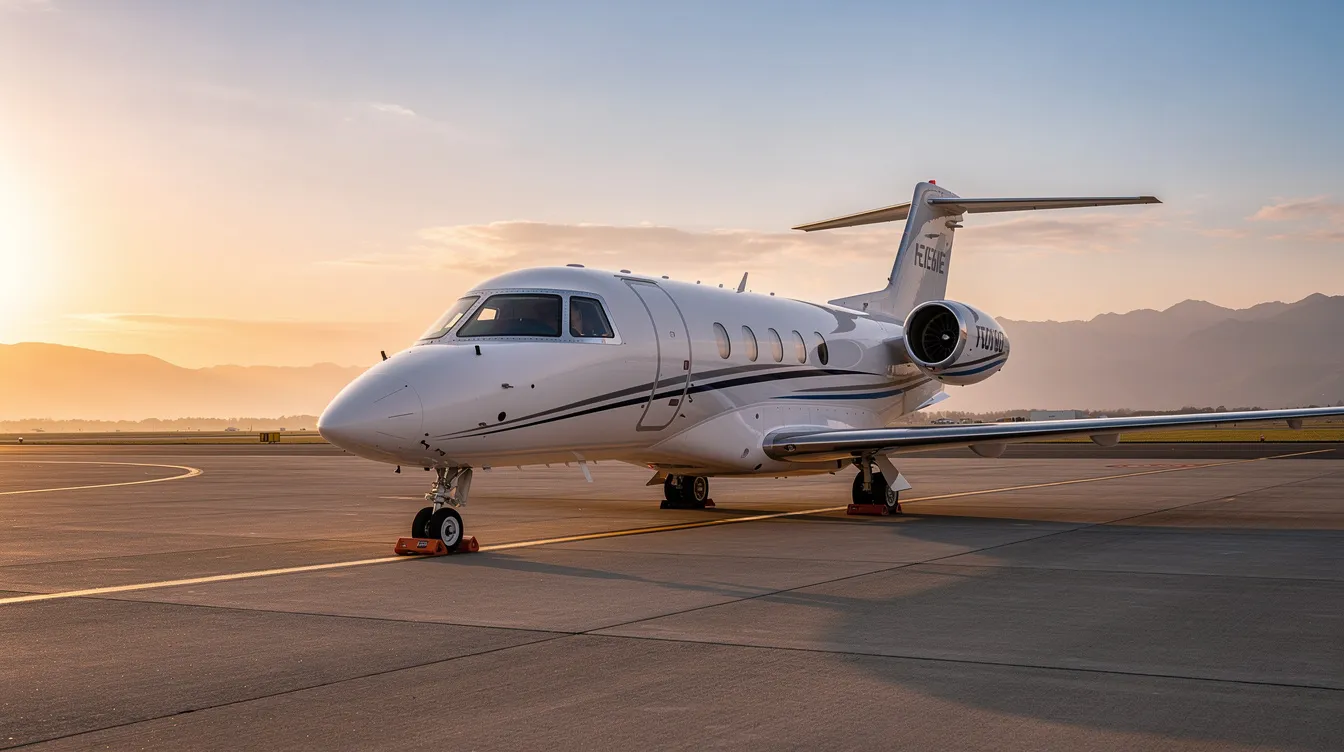
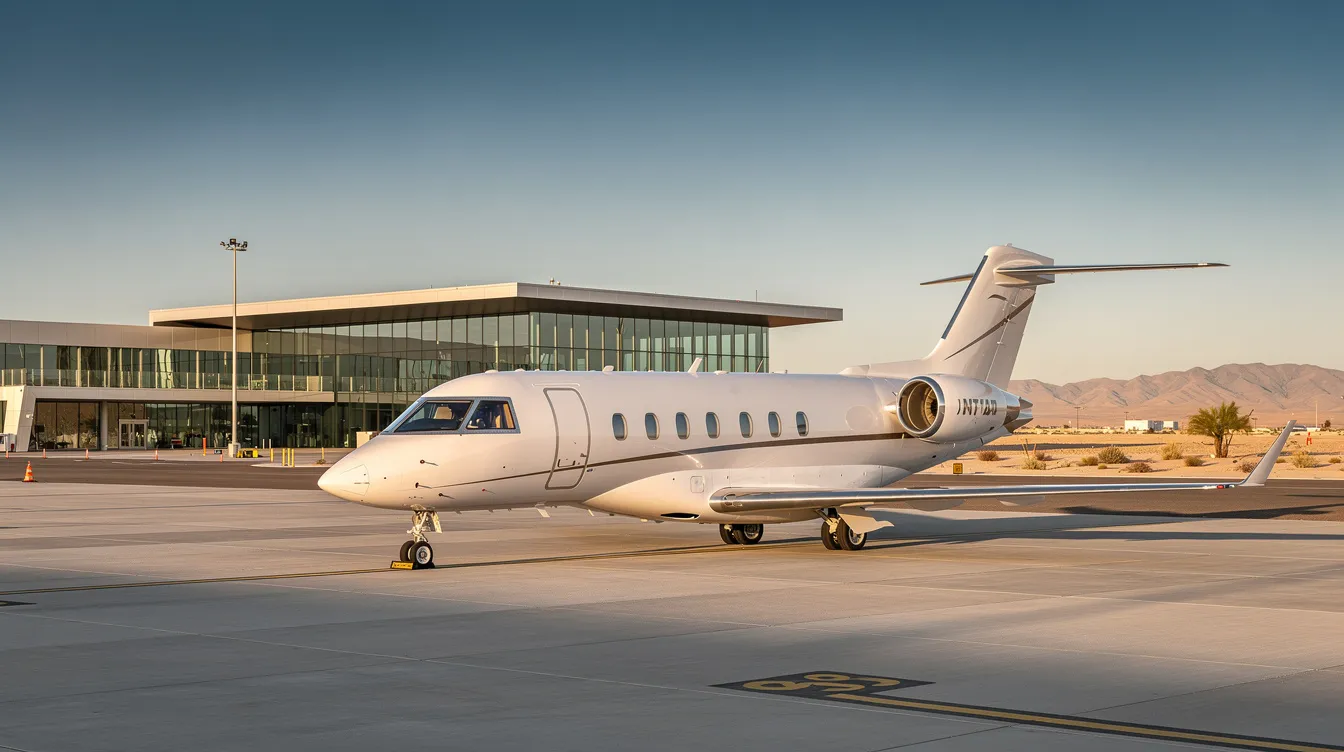
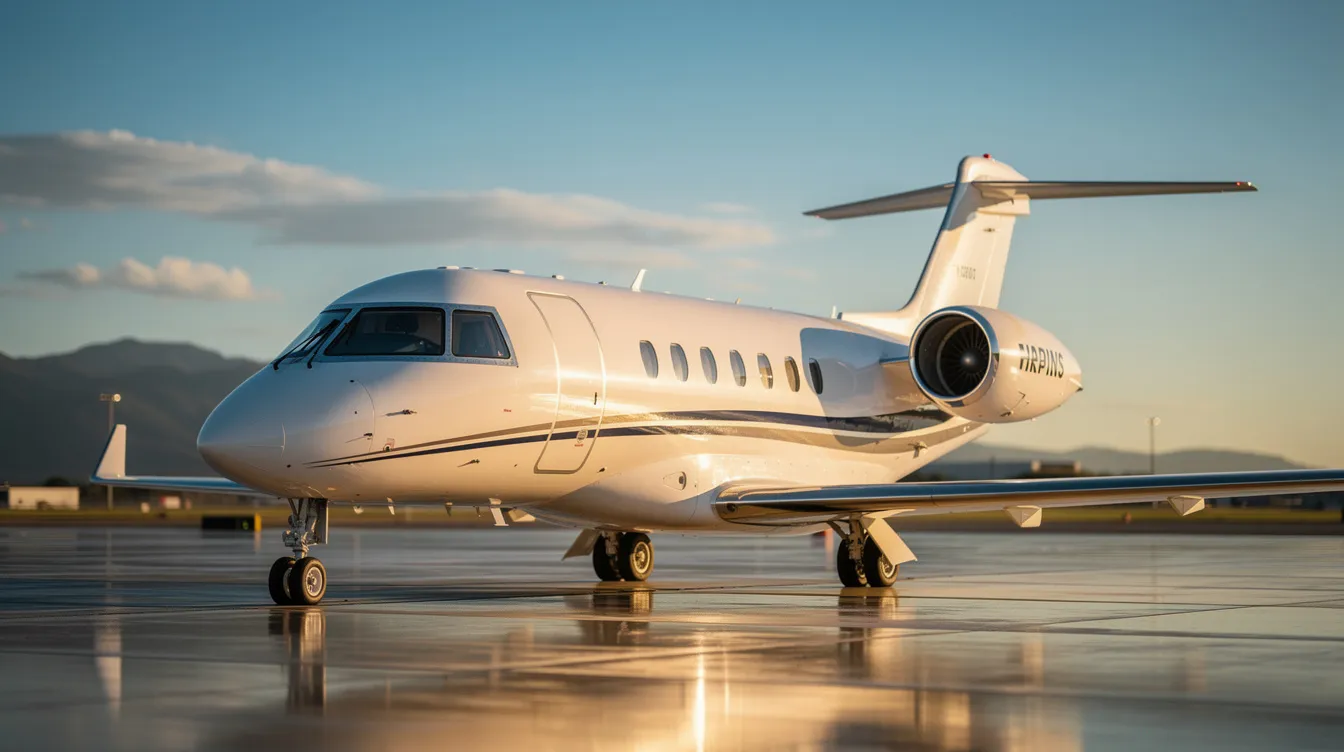
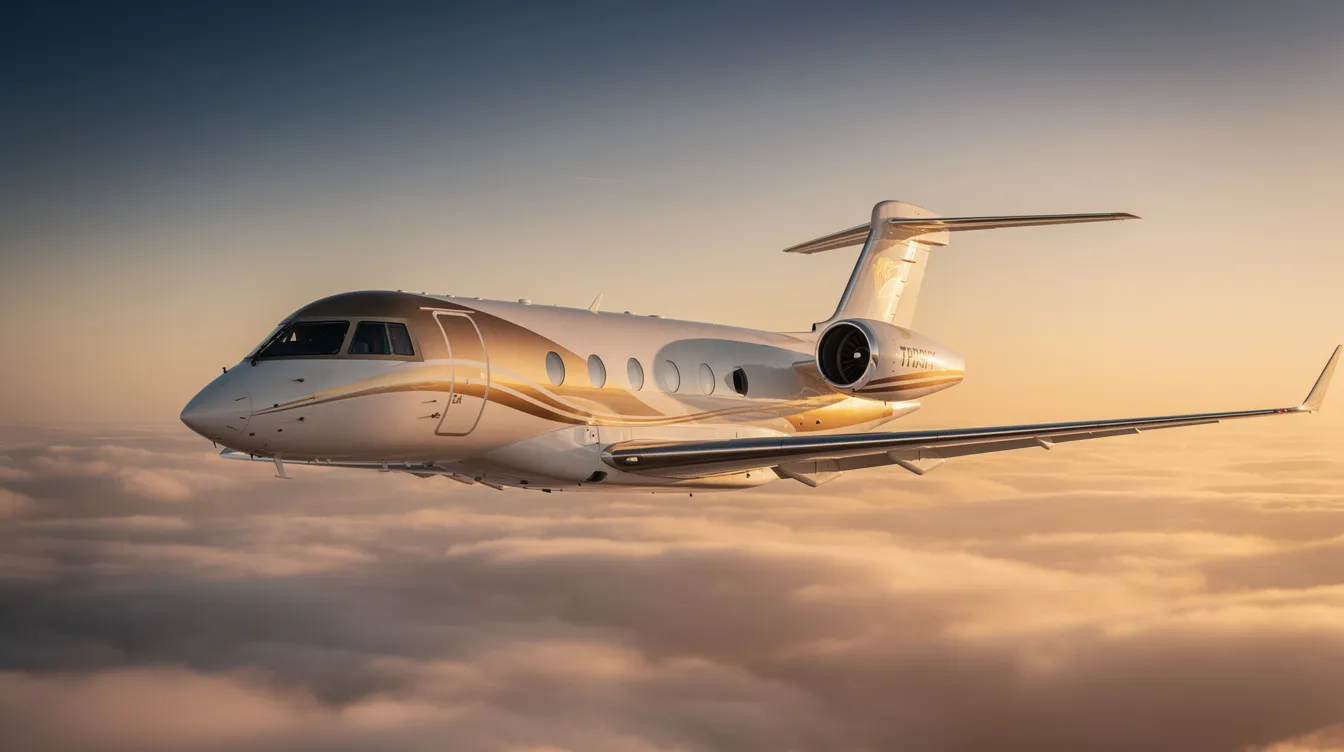
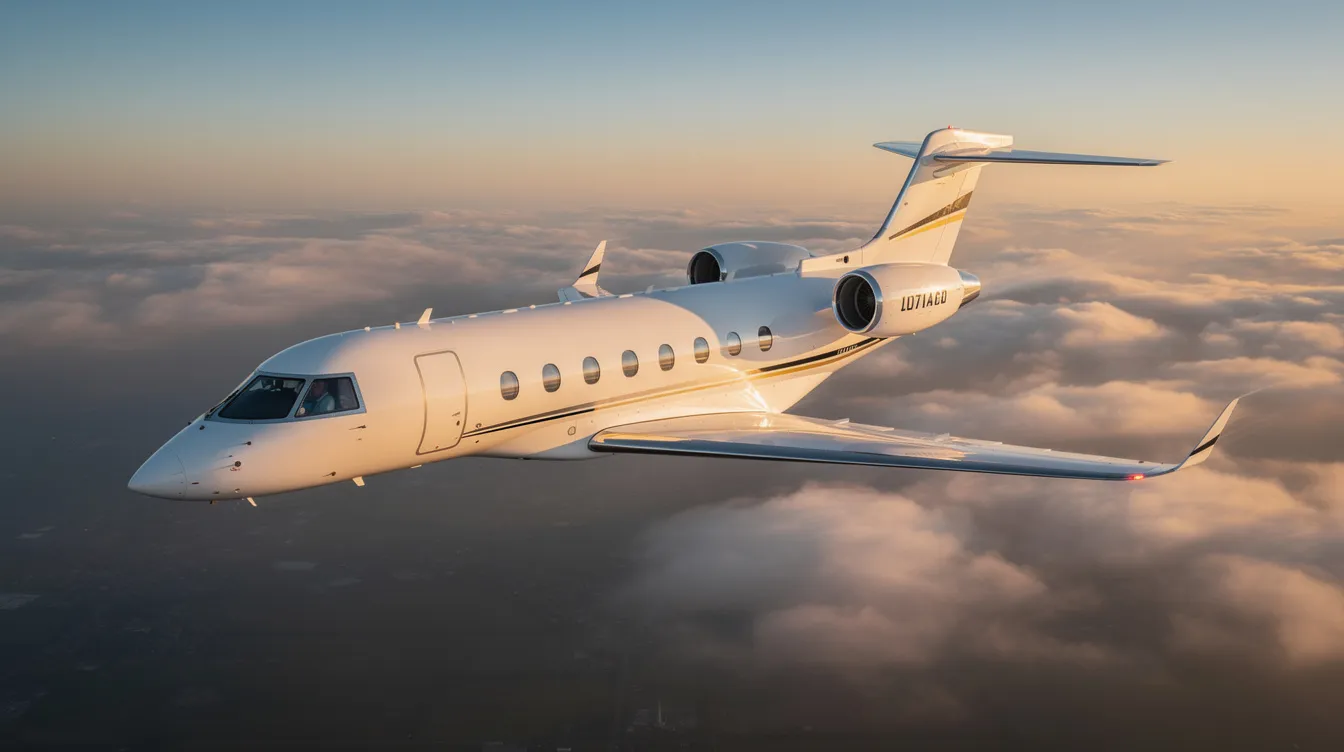
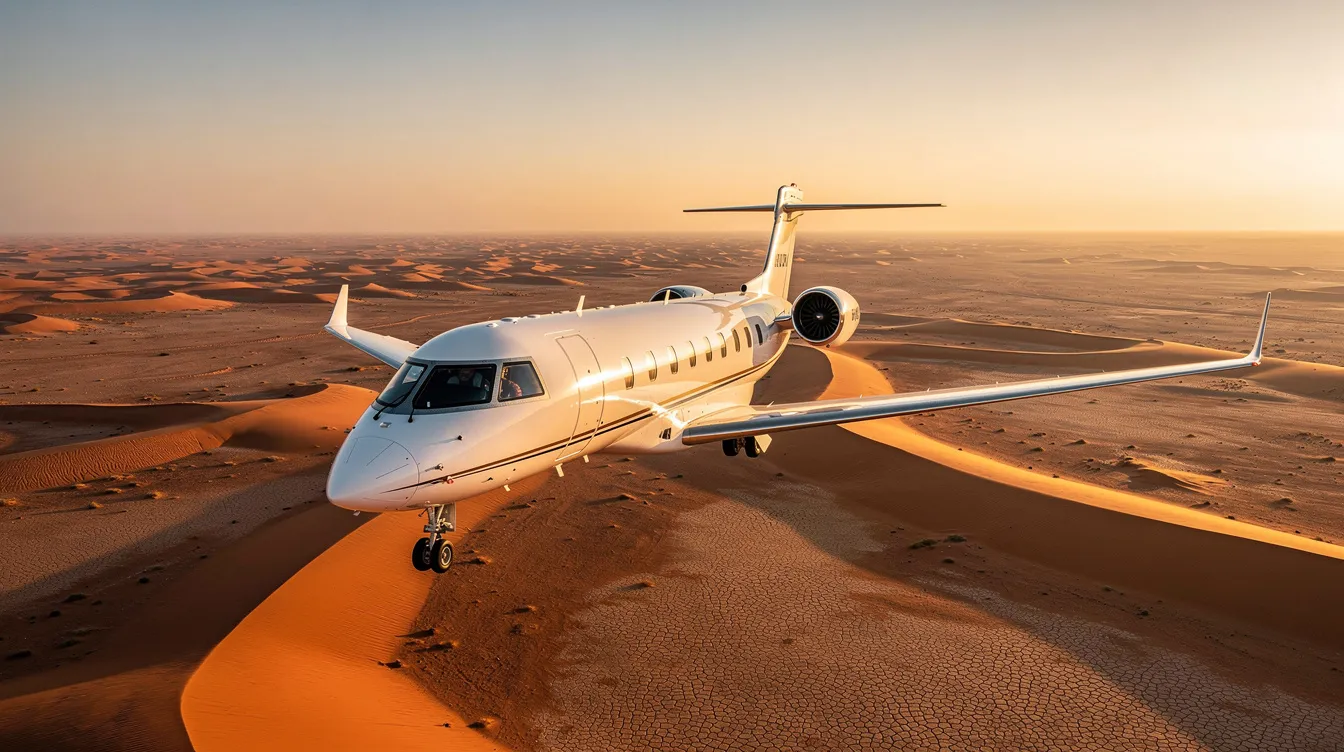
A sleek private jet soars above an arid desert landscape, bathed in the warm glow of golden hour. This striking scene showcases the allure of private aviation, emphasizing the freedom and luxury of flying in a private aircraft.

Jet Charter vs. Jet Cards vs. Fractional Ownership: Which Is Cheapest for You?

Flying private cheap is not one-size-fits-all. The most economical solution depends heavily on annual flight hours, route patterns, and balance sheet preferences. Here is how the three primary access models compare.

On-demand jet charter: Pay-as-you-go with no long-term commitment. Best for under ~50–75 flight hours per year. On-demand charters let you book flights without upfront costs. You retain full control over aircraft category and can shop trip-by-trip for the best hourly rates. The downside: surge pricing during peak demand and variable repositioning fees.

Jet cards: Prepaid blocks of hours at fixed hourly rates and known terms. Jet cards allow prepayment for flight hours at fixed rates, reducing price volatility and repositioning surprises. Typically make sense at ~50–150 hours per year. Light jet hourly rates on a jet card may be slightly higher than the cheapest charter quote, but the predictability and guaranteed availability often make jet cards cheaper over a full year. Membership programs can be attractive for frequent flyers because committed volume often improves convenience and pricing predictability.

Fractional ownership: Purchase a share (e.g., 1/16, 1/8) of an aircraft with access to a managed fleet. Combines capital outlay with monthly management fees and occupied hourly rates. Can be cost-effective in the 100–300 hour/year range, especially for consistent mid- to long-range missions.

When comparing these models, focus on the total economic picture - not just hourly rates:

  • Acquisition cost (fractional share or full aircraft)

  • Blended hourly rates (including fuel, crew, fees)

  • Management fees and monthly fixed costs

  • Exit risk and residual value

  • Balance sheet and tax impact

BusinessJets.com specializes in aircraft brokerage and appraisals, and frequently helps clients pivot from jet cards or fractional to full or shared ownership when their utilization crosses key economic thresholds.

Right-Sizing the Aircraft: From Turboprops to Large Jets

Choosing the smallest aircraft that safely and comfortably completes your mission is one of the most powerful ways to make private flights cheaper per trip. Many operators and business travelers default to more cabin size than their passenger count, comfort expectations, and mission requirements actually call for - and pay thousands more per flight hour as a result.

Aircraft categories at a glance:

  • Turboprops (e.g., King Air 250): 4–8 passengers, ~250–300 knots, ~$2,300–$3,500/hr. Ideal for short regional hops under 500–600 nautical miles. Turboprop rentals start at $2,300 per hour, making them a popular choice for regional flights and shorter runways.

  • Very Light Jet (e.g., Cirrus Vision Jet, Citation Mustang): 3–5 passengers, efficient for 300–900 nautical mile trips with lower fuel burn. This category is the most affordable private jets to rent, starting around $2,300 per hour.

  • Light jets (e.g., Citation Mustang, Embraer Phenom 100): 4–7 passengers, ~1,000–1,200 nautical mile range. Light jets typically cost between $2,900 and $4,600 per hour.

  • Midsize and super midsize jets: Better for coast-to-coast segments and larger groups. Midsize jets offer a range of 1,600–2,000 miles. Super midsize jets typically cost $4,700 to $7,500 per hour.

  • Large jets (e.g., older Dassault Falcon models or Airbus ACJ319 VIP airliners): up to 19 passengers with transatlantic range. Higher hourly rates but lower cost per seat on a full cabin.

Mission example 1: A short-haul business hop with 3 executives from Las Vegas to Phoenix - a Citation Mustang or turboprop completes this at a fraction of what a large jet would cost, with no loss of safety or comfort for the flight distance involved.

Mission example 2: A transcontinental board meeting with 10 passengers from New York to Los Angeles - a large jet, despite a higher hourly rate, may deliver a cheaper per-seat cost and eliminate fuel stops, making it the perfect aircraft for that mission.

BusinessJets.com evaluates these mission profiles when recommending specific aircraft models for purchase, ensuring clients don't overbuy capacity they rarely use.

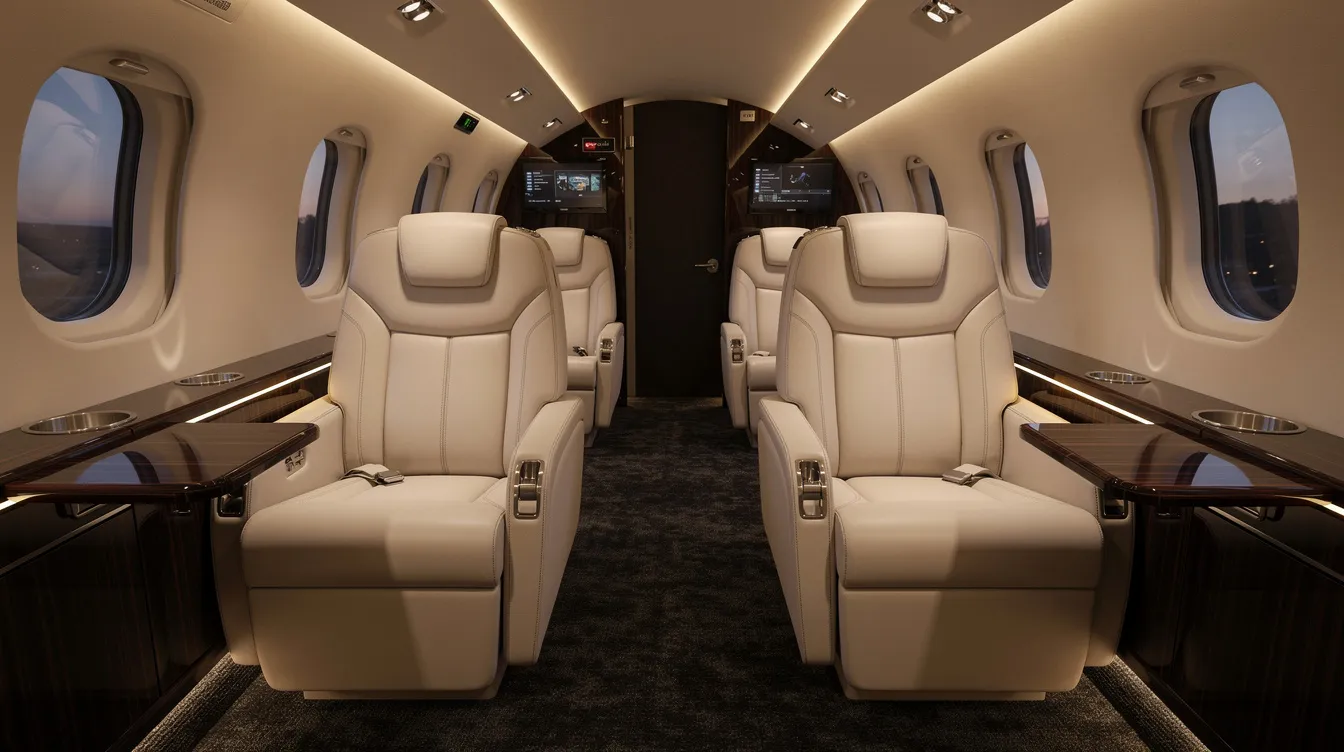
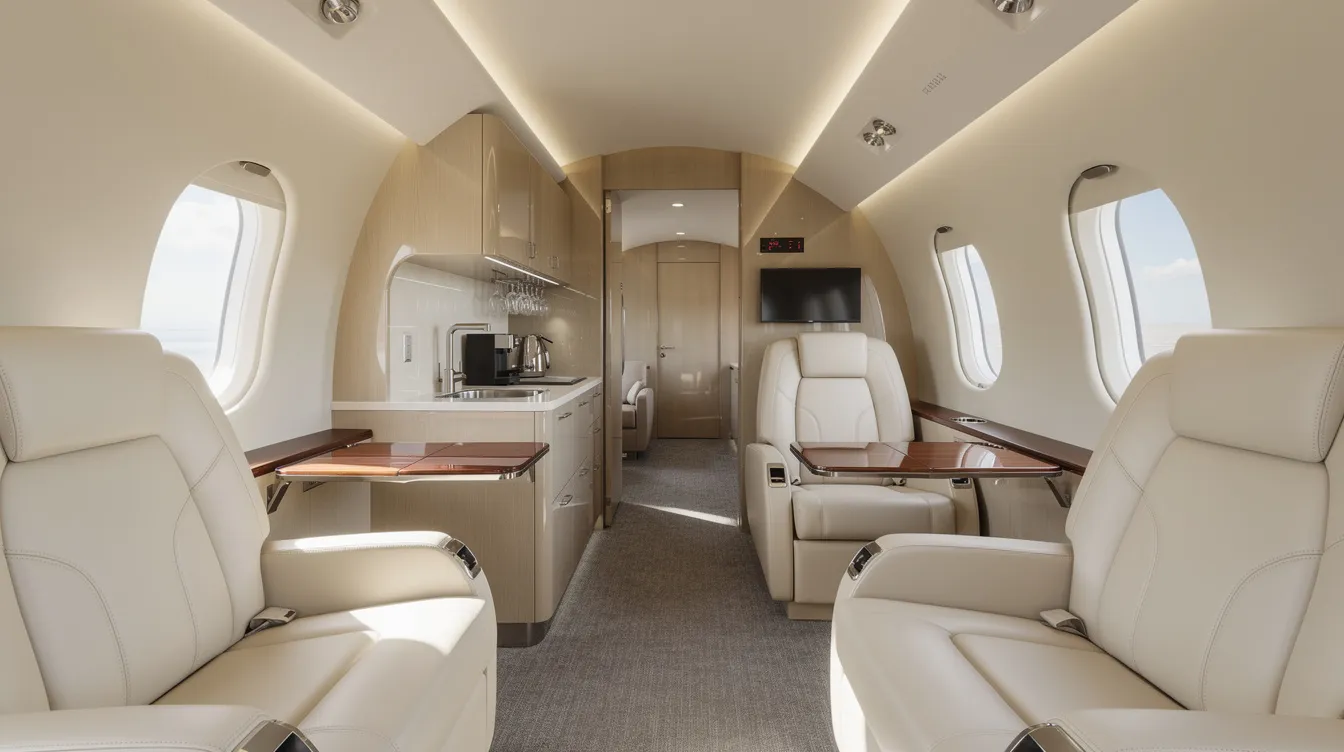
The image depicts the interior of a light jet cabin featuring cream leather seats and a compact galley area, designed for comfort and convenience during private jet flights. This elegant space is ideal for business travelers seeking a luxurious experience in private aviation.

Spotlight on "Cheaper" Jet Models: Citation Mustang, Phenom 100, and More

Some aircraft have become known as relatively affordable ways to experience private aviation, especially on shorter routes, due to low operating costs and strong used-market availability.

Cessna Citation Mustang:

  • Typical 2026 pre-owned prices: ~$1.85–$2.5 million depending on year, hours, and maintenance status. Pre-owned jets can cost less than $2 million after depreciation.

  • Seating for 4 passengers, ~1,150 nautical miles range.

  • Operating cost ballpark: variable costs around $1,000–$1,200 per flight hour excluding ownership overhead; fully burdened (with fixed costs at ~250–300 hours/year) around ~$6,900/hr.

  • Ideal for short trips like Las Vegas to Los Angeles, Dallas to Houston, or similar regional routes.

Embraer Phenom 100:

  • Pre-owned pricing commonly around ~$2–$3.5 million depending on age and configuration.

  • Seats up to 5–6 passengers, ~1,100–1,200 nautical mile range.

  • Known for fuel efficiency and modern avionics, often a popular choice in charter fleets for cost-effective regional hops.

Older large cabin jets (e.g., older Dassault Falcon 50, legacy Challengers) can sometimes be acquired in the $1–$2 million range. But while acquisition may be cheap, operating costs for these aircraft remain significantly higher - fuel burn, engine overhauls, parts availability, insurance premiums, and aging avionics all add up quickly.

A low acquisition price does not automatically make a private aircraft cheap to own. Maintenance cycles, upcoming major inspections, engine programs, and hangar and crew costs all matter. BusinessJets.com provides detailed private jet appraisals and market intelligence on these models, helping buyers avoid the "cheap to buy, expensive to operate" trap.

Private Jet Rental: Hourly Rates, Route Examples, and Savings Tactics

Most conversations about flying private cheap should start with understanding billable hourly rates, then layering on smart tactics like empty legs and secondary airports. Private jet rental costs range from $2,300 to $17,000 per hour depending on aircraft type.

2026 hourly rate summary:

Aircraft Class

Hourly Rate Range

Turboprops

~$2,300–$3,500/hr

Light jets

~$3,750–$4,600/hr

Midsize jets

~$4,700–$7,500/hr

Large jets

~$8,500–$17,000/hr

VIP airliners

~$18,000–$23,000/hr

Route example 1: Round trip Los Angeles to Las Vegas same day on a light jet (~1.5 hours of flight time each way plus positioning). A conventional private jet charter might run $12,000–$15,000. An empty leg flight on the same route, if available, could cost $2,800–$4,500 one-way.

Route example 2: A regional business day trip (e.g., Chicago–Cleveland–Chicago) sharing the entire aircraft among 4–6 passengers. Shared charters can reduce costs by splitting the flight price, bringing per-person pricing closer to first-class commercial fares, particularly on popular routes to major destinations like private jet charter to Paris.

Specific savings tactics:

  • Fly from or to regional airports to reduce fees and positioning. Many operators base aircraft at secondary fields with lower costs.

  • Be flexible on timing to capture empty leg or floating-fleet pricing.

  • Avoid unnecessary fuel stops by choosing the right aircraft range for your flight distance.

  • Booking 30 to 60 days in advance offers the best rates on charter.

  • Booking two one-way charters can sometimes be cheaper than a round-trip charter.

  • Comparing quotes and asking for all-inclusive pricing can help avoid hidden fees. A 7.5% US Federal Excise Tax applies to domestic flights, and daily minimum charges typically range from 2.0 to 3.0 hours.

While BusinessJets.com is not a day-to-day charter platform, its consulting team uses these pricing structures when evaluating whether buying an aircraft or expanding a fleet is justified compared with ongoing jet charter costs.

When Does Owning the Entire Aircraft Become Cheaper Than Charter?

Ownership can be the most economical long-term path - but only above a certain utilization threshold and with the right aircraft type, financing, and operating plan.

Typical break-even ranges: under ~75–100 hours/year, charter, empty legs, and jet cards are usually cheaper. At ~100–250 hours/year, the case is mixed - fractional ownership or co-ownership can be attractive depending on route consistency. At 250+ hours/year with predictable routes, outright ownership often deserves serious consideration.

Key financial factors that must be modeled: acquisition price and financing terms; depreciation and residual values informed by accurate aircraft valuation; fixed annual costs including hangar, crew, insurance, and routine maintenance; and variable costs per flight hour such as fuel, engine reserves, and trip fees.

Incorrect or outdated valuation assumptions can make a "cheap" acquisition look better on paper than it really is. A charter broker or consultant quoting you one rate today may not account for next year's crew salary increases or insurance hikes. Professional private jet appraisals are essential before committing capital.

BusinessJets.com, with its 1,500+ completed transactions and 5,000+ satisfied clients, specializes in building these ownership vs. charter economic models for private owners, corporations, and operators.

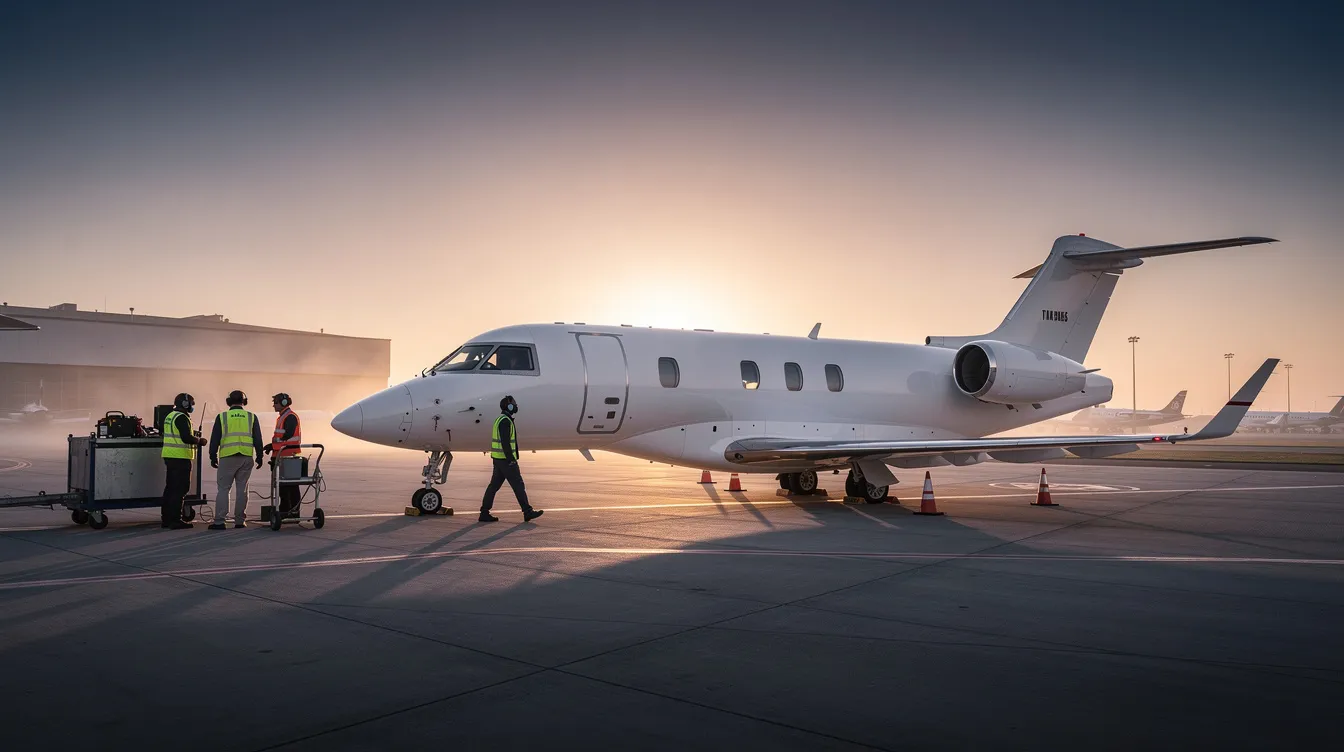
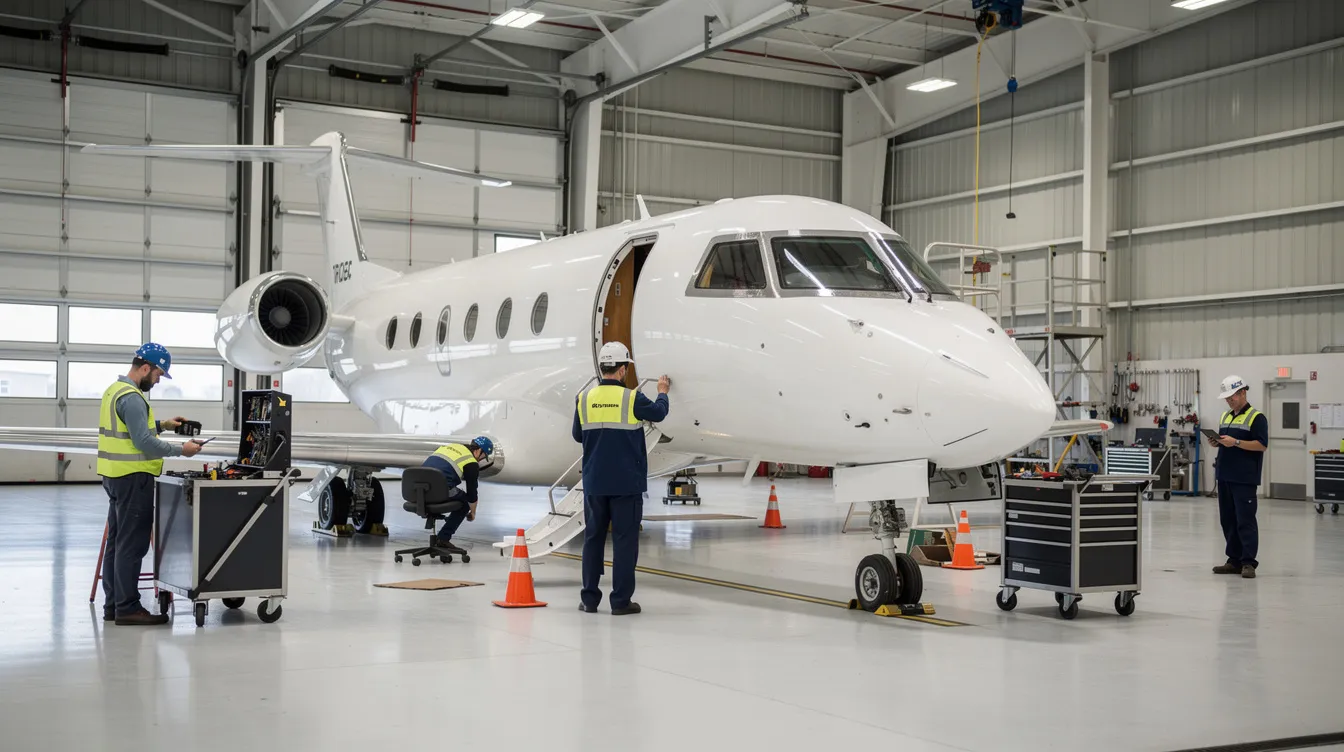
The image shows a private jet inside a well-lit hangar, where mechanics are diligently performing maintenance tasks on the aircraft. The scene captures the essence of private aviation, highlighting the importance of upkeep for safe and efficient private jet flights.

How Aircraft Appraisals and Valuation Keep "Cheap" from Becoming Costly

A low asking price is not enough. Buyers need to know whether an aircraft is fairly valued, what major maintenance events are approaching, and how liquid the model is in the resale market.

A professional aircraft appraisal should cover: comprehensive inspection of logbooks, maintenance history, and damage history; verification of engine and APU program status and upcoming overhauls; market comparison against recent sales and current aircraft for sale; and adjustment for avionics upgrades, cabin refurbishments, and regulatory compliance (e.g., ADS-B, noise rules).

A rigorous valuation can: identify aircraft that look cheap but carry imminent multi-hundred-thousand-dollar maintenance events; reveal opportunities where a well-maintained jet is temporarily undervalued due to regional market imbalances; and help owners time the sale of their aircraft to avoid selling just before a value-enhancing upgrade.

BusinessJets.com provides independent private jet appraisals and valuation insights globally, supporting both one-off buyers and fleet managers seeking to optimize total ownership cost. Any buyer tempted by an unusually low asking price should involve an independent appraiser before signing a letter of intent.

Buying a "Budget" Private Jet: Risk Checks and Due Diligence

Finding the cheapest private jet on paper - older VLJs, light jets, or large jets like legacy Falcons and Challengers - can be attractive. But skipping due diligence can erase any savings within the first year of ownership.

Key due diligence steps: pre-purchase inspection by a type-rated maintenance facility; review of logbooks for completeness, consistency, and any accident or incident entries; verification of airworthiness directives and service bulletins compliance; and assessment of upcoming heavy checks (e.g., 48-month or 96-month inspections) and associated costs.

Operational considerations often missed in "cheap private jet" thinking: availability of parts and support for older or out-of-production models; fuel burn and engine reserves compared to modern alternatives; and insurance availability and premiums for older or high-time airframes.

BusinessJets.com's brokerage and consulting team can coordinate technical experts, analyze inspection findings, and negotiate pricing adjustments to reflect true condition and risk. A well-bought pre-owned jet can indeed be a cost-efficient way to fly private - but only when guided by expert appraisal and transaction support.

Operator and Fleet Strategy: Making Private Flying Cheaper at Scale

For operators and corporate flight departments, "cheap" means reducing cost per available seat mile while maintaining reliability, safety, and brand standards.

Strategic levers operators can use: fleet mix optimization (balancing turboprops, light jets, midsize, and large jets for their home base operations); standardization on a few aircraft types to lower training and maintenance costs across pilot and crew teams; and intelligent scheduling to minimize empty leg flights and deadhead positioning.

Accurate market intelligence and aircraft valuations can: inform which aircraft to sell or replace first; signal when to acquire additional units of a high-performing type (for example, an additional Citation Mustang) to meet demand at lower cost; and help quantify whether adding large jets to capture high-yield routes is justified.

BusinessJets.com supports operators with advisory services, including fleet renewal strategies, aircraft disposal, and acquisition planning aligned with demand, hourly rates, and maintenance cost curves.

How BusinessJets.com Helps You Fly Private Smarter, Not Just Cheaper

BusinessJets.com provides aircraft brokerage, appraisals, and aviation consulting across more than 1,500 successful aircraft transactions and 5,000+ satisfied clients worldwide. Its leadership also has ties to the Air Charter Association of North America.

The firm helps clients on both sides of the "fly private cheap" equation:

  • For buyers and owners: identifying aircraft for sale that deliver low total ownership cost, not just low purchase price.

  • For current owners: appraising and listing aircraft for sale at the right time to release capital and transition into more efficient jets.

  • For operators and fleet managers: designing acquisition and disposal strategies that reduce cost per hour while preserving operational capability.

Typical engagement paths:

  • Request a private jet appraisal or fleet valuation to anchor decisions in current market data.

  • Engage BusinessJets.com for consulting on whether to move from charter or jet cards into fractional or full ownership.

  • List an aircraft for sale and leverage expert representation to maximize net proceeds and minimize time on market.

The next set of decisions you make about how you fly - or what you own - should be informed by data, not guesswork. That is where an experienced partner makes the difference.

Frequently Asked Questions About Flying Private Cheap

Is an empty leg flight always the cheapest way to fly private?

Empty leg flights can be 30–75% cheaper than standard charter, but they come with constraints. They are one-way and inflexible on route and time. They are not always available on desired routes or dates. For round trips with specific timing, a well-priced charter or a shared aircraft cost split among multiple passengers may end up cheaper per person. Flexibility is the price you pay for the discount - if your schedule is rigid, charter or jet cards may be the more affordable path overall.

How many hours a year do I need to fly before owning a jet makes sense?

There is no single threshold, but typical patterns hold: under ~75–100 hours/year, charter, empty legs, and jet cards are generally cheaper. At ~100–250 hours/year, fractional ownership and co-ownership are worth evaluating. At 250+ hours/year, full ownership often becomes economically reasonable, especially for predictable routes and flexible schedules. A detailed cost model and accurate aircraft valuation from BusinessJets.com are essential before deciding.

Can a large jet ever be the "cheapest" option?

On a per-hour basis, large jets are more expensive. But they can be economical when traveling long distances non-stop (avoiding fuel stops that add time and fees), with 8–14 passengers where the cost per seat can compete with multiple first-class commercial tickets, and when cabin time and productivity are highly valuable for executive teams. "Cheapest" should be evaluated per seat and per productive hour - not just total hourly rate.

What's the difference between fractional ownership and buying a whole aircraft share with friends?

Fractional ownership is typically run by a large provider with a managed fleet, standardized contracts, and guaranteed availability. It includes management fees and structured exit terms, and offers access to multiple aircraft types. Informal co-ownership involves a small group buying one entire aircraft and self-managing schedules, costs, and crews. It can be cheaper if managed well but adds complexity and potential disputes without clear agreements. It often benefits from professional legal, tax, and operational advice - which BusinessJets.com can help coordinate as part of acquisition consulting.

How do I know if a "cheap" used jet listing is actually a good deal?

Look beyond the asking price to total cost of ownership: upcoming inspections, engine status, avionics, and interior refurbishment needs. Obtain an independent aircraft appraisal and pre-purchase inspection. Compare the aircraft against recent sale prices for similar models - not just other advertised listings. Engage a brokerage and consulting firm like BusinessJets.com to evaluate risks, negotiate terms, and ensure the aircraft aligns with your mission and budget.

The world of pre-owned jets rewards informed buyers, not just bargain hunters. The world of pre-owned jets rewards informed buyers, not just bargain hunters. Understanding the complexities of private aviation pricing is crucial to making smart decisions. Repositioning fees apply if a jet must travel empty to pick up the passenger, which can add to the overall cost. However, flexibility with timing and route can result in greater savings, especially when leveraging empty leg flights—flights that occur when jets reposition without passengers. These empty leg flights can save up to 75% on costs, with prices typically ranging from $2,000 to $5,000. They are listed by private jet companies at significant discounts but require flexibility in schedule and route.

For those seeking lower-cost options, scheduled regional flights offer by-the-seat or semi-private options, making private aviation more accessible. Shared charters also reduce costs by splitting the flight price among passengers, while membership programs provide discounted rates for frequent flyers. Jet cards allow prepayment for flight hours at fixed rates, offering predictable pricing, and on-demand charters let travelers book flights without upfront costs.

Private jet rental costs vary widely depending on aircraft size and type, ranging from $2,300 to $17,000 per hour. Turboprop rentals start at around $2,300 per hour and are ideal for short regional trips. Very Light Jets (VLJs) are the most affordable private jets, with rental rates starting around $2,300 per hour. Light jets typically cost between $2,900 and $4,600 per hour, while midsize jets, which offer ranges of 1,600 to 2,000 miles, rent for $4,700 to $7,500 per hour.

Large jets, capable of seating up to 19 passengers and offering transatlantic ra Booking strategies also influence pricing. Booking 30 to 60 days in advance generally offers the best rates, and sometimes booking two one-way charters can be cheaper than a round-trip charter. Airport fees and costs vary significantly between major and regional airports, with regional airports often providing cost savings. Frequent travel during off-peak times can reduce availability costs by 10% to 40%, while peak travel times can significantly increase rental costs.

Conclusion

Flying on a private plane cheaply in 2026 is achievable through strategic choices around aircraft type, booking models, and timing without compromising safety or service quality. Leveraging empty leg flights, shared charters, and right-sized aircraft can reduce costs significantly while maintaining the privacy and flexibility that define private aviation. Understanding hourly rates by aircraft category, the impact of repositioning fees, and the value of advance booking empowers travelers and owners to optimize their budgets.

For those flying fewer than 75–100 hours annually, charter and jet card options often provide the best balance of cost and convenience. Beyond that, fractional ownership and full aircraft acquisition may become financially advantageous, provided thorough appraisals and market insights guide the decision. BusinessJets.com stands ready to support clients with expert brokerage, valuation, and consulting services that clarify these complex choices.

How to Fly on a Private Plane Cheap (Without Compromising Safety)
Jay Franco Ser

Flying on a private plane cheaply sounds like a contradiction - until you understand the mechanics behind private aviation pricing. The reality is that thousands of private jet flights depart every week at steep discounts, and the difference between paying full price and getting a deal almost never comes down to safety. It comes down to strategy.

This guide breaks down the cost drivers, access models, and aircraft choices that let business travelers and private owners reduce what they pay per flight hour - while keeping safety and service standards intact.

Key Takeaways

Flying private cheaply is primarily about using empty leg flights, choosing shared charters, and right-sizing your aircraft to the mission. Models like the Citation Mustang and Embraer Phenom 100 offer some of the lowest operating costs in private aviation. Safety is governed by FAA and EASA certification - cost optimization happens through operational efficiency, not by cutting corners on maintenance or crew.

  • 2026 hourly rates by aircraft class: turboprops from ~$2,300/hr, light jets from ~$3,750/hr, midsize from ~$4,700/hr, super midsize from ~$4,700–$7,500/hr, and large jets from ~$8,500/hr. Empty leg flights can reduce these rates by 30–75%.

  • For travelers flying under ~75–100 flight hours per year, charter, empty legs, and jet cards are usually cheaper than owning the entire aircraft.

  • Three main tools to reduce per-hour costs while maintaining safety: empty leg flights, jet cards with fixed hourly rates, and fractional ownership.

  • BusinessJets.com works on the ownership and transaction side - providing appraisals, aircraft for sale, and consulting - to help clients make informed "fly private cheap vs. own" decisions backed by real market data and valuations.

What "Private Plane Cheap" Really Means in 2026

In private aviation, "cheap" does not mean unsafe or substandard. It means optimized - using the right aircraft type, the right access model, and the right timing to get maximum value from every flight hour. Demand for private jet flights has remained above pre-COVID levels through 2024–2026, which keeps base charter prices elevated. However, this same demand has driven more transparency, more competition among brokers, and more published empty leg inventory than ever before.

The realistic entry points for flying private in 2026 look like this:

  • Semi-private or by-the-seat options on scheduled regional flights: from ~$250 per seat.

  • Light jet empty leg deals: ~$2,000–$5,000 total for the entire aircraft on short one-way legs.

  • Full light jet charter round trip (e.g., Los Angeles to Las Vegas): ~$12,000–$15,000.

  • Shared charters allow booking a single seat on a private jet, splitting the flight price among passengers to reduce individual cost.

The core trade-offs are straightforward. Best prices require flexibility so you can avoid sky high costs by adjusting your route, your schedule, and sometimes your departure airport. Larger aircraft cost more per hour but can deliver a lower price point per seat when the cabin is full. And peak demand periods (holidays, major events) push rates up across every aircraft category.

BusinessJets.com helps corporate clients and private owners evaluate when to stay with charter or jet cards and when the economics favor buying a pre-owned jet, using current market valuation data and transaction experience.

Core Cost Drivers: Why Some Private Flights Are Cheaper Than Others

A cheap private plane experience is built by managing five main levers: aircraft type, flight distance, availability (empty leg vs. bespoke charter), airports, and booking strategy. Understanding these drivers is the difference between overpaying and getting competitive prices on every trip.

Key cost drivers include:

  • Aircraft category and size: Turboprops vs. light jets vs. large jets. Aircraft size and type directly affect the hourly rates for private jet charters. Very light jets start around $2,300 per hour for rentals, while VIP airliners cost between $18,000 and $23,000 per hour.

  • Billable flight time: Includes wheels-up to wheels-down time. Repositioning fees apply if a jet must travel empty to pick up the passenger, adding to your total cost.

  • Route and airports: Airport fees and costs vary significantly between major and regional airports. Flying from regional airports often cuts landing fees, handling costs, and ground time.

  • Seasonality and demand spikes: Peak travel times - holidays, large events in Las Vegas, New York, or Miami - can significantly increase private jet rental costs. Frequent travel during off-peak times can reduce availability costs by 10% to 40%.

  • Lead time and flexibility: Flexibility with timing and route can result in greater savings in private aviation. Last-minute repositioning generally costs more; advance planning unlocks better rates.

Current 2026 hourly rate ranges:

  • Turboprops: ~$2,300–$3,500/hr

  • Light jets: ~$3,750–$4,600/hr

  • Midsize jets: ~$4,700–$7,500/hr

  • Super midsize jets: ~$4,700–$7,500/hr

  • Large jets: ~$8,500–$17,000/hr

Empty leg flights can discount those substantially - often by 30–75%. BusinessJets.com, while focused on aircraft sales and appraisals, routinely models these cost drivers when advising buyers considering charter vs. ownership, especially for fleet managers optimizing budgets.

Empty Leg Flights: The Fastest Way to Fly Private for Less

An empty leg flight is a repositioning leg flown without passengers between two charters. These flights occur when jets reposition without passengers - the operator must move the aircraft anyway, often to get into place for its next charter, and would rather monetize the trip than fly empty. Industry estimates suggest 30–40% of all private jet flight hours are repositioning flights, making empty legs a consistently available source of discount inventory.

The terms "empty leg flights," "empty leg," and "leg flights" all refer to the same thing. The critical distinction: you typically get the entire aircraft at a reduced rate, not just a seat. Charter pricing is based on the whole plane, and empty legs follow that same aircraft logic - just at a steep discount.

Concrete 2026 examples: a light jet empty leg from Van Nuys to Las Vegas or Dallas to Houston might run ~$2,000–$5,000 total for the aircraft, vs. $7,000+ for a conventional private jet charter on the same route. Empty leg flights are listed by private jet companies at discounts of 30–75% below regular charter prices. Empty leg flights can save up to 75% on costs compared to standard rates.

Constraints to know: fixed route and narrow departure window; limited ability to change airports or timings; one-way only - the return may be full price or another empty leg if available.

Practical tactics to find leg flights directly:

  • Sign up for empty leg notifications from multiple platforms and operators.

  • Be flexible within a region - any airport within 100–150 miles of your destination.

  • Travel light and be prepared to confirm quickly when a match appears.

  • Flexibility is required for empty leg flight schedules - the best deals go to travelers who can move fast.

For aircraft owners and fleet operators, BusinessJets.com can analyze repositioning patterns and advise on how better fleet deployment or sales and acquisitions can reduce the number of unmonetized empty legs.
A sleek private jet soars above an arid desert landscape, bathed in the warm glow of golden hour. This striking scene showcases the allure of private aviation, emphasizing the freedom and luxury of flying in a private aircraft.

Jet Charter vs. Jet Cards vs. Fractional Ownership: Which Is Cheapest for You?

Flying private cheap is not one-size-fits-all. The most economical solution depends heavily on annual flight hours, route patterns, and balance sheet preferences. Here is how the three primary access models compare.

On-demand jet charter: Pay-as-you-go with no long-term commitment. Best for under ~50–75 flight hours per year. On-demand charters let you book flights without upfront costs. You retain full control over aircraft category and can shop trip-by-trip for the best hourly rates. The downside: surge pricing during peak demand and variable repositioning fees.

Jet cards: Prepaid blocks of hours at fixed hourly rates and known terms. Jet cards allow prepayment for flight hours at fixed rates, reducing price volatility and repositioning surprises. Typically make sense at ~50–150 hours per year. Light jet hourly rates on a jet card may be slightly higher than the cheapest charter quote, but the predictability and guaranteed availability often make jet cards cheaper over a full year. Membership programs can be attractive for frequent flyers because committed volume often improves convenience and pricing predictability.

Fractional ownership: Purchase a share (e.g., 1/16, 1/8) of an aircraft with access to a managed fleet. Combines capital outlay with monthly management fees and occupied hourly rates. Can be cost-effective in the 100–300 hour/year range, especially for consistent mid- to long-range missions.

When comparing these models, focus on the total economic picture - not just hourly rates:

  • Acquisition cost (fractional share or full aircraft)

  • Blended hourly rates (including fuel, crew, fees)

  • Management fees and monthly fixed costs

  • Exit risk and residual value

  • Balance sheet and tax impact

BusinessJets.com specializes in aircraft brokerage and appraisals, and frequently helps clients pivot from jet cards or fractional to full or shared ownership when their utilization crosses key economic thresholds.

Right-Sizing the Aircraft: From Turboprops to Large Jets

Choosing the smallest aircraft that safely and comfortably completes your mission is one of the most powerful ways to make private flights cheaper per trip. Many operators and business travelers default to more cabin size than their passenger count, comfort expectations, and mission requirements actually call for - and pay thousands more per flight hour as a result.

Aircraft categories at a glance:

  • Turboprops (e.g., King Air 250): 4–8 passengers, ~250–300 knots, ~$2,300–$3,500/hr. Ideal for short regional hops under 500–600 nautical miles. Turboprop rentals start at $2,300 per hour, making them a popular choice for regional flights and shorter runways.

  • Very Light Jet (e.g., Cirrus Vision Jet, Citation Mustang): 3–5 passengers, efficient for 300–900 nautical mile trips with lower fuel burn. This category is the most affordable private jets to rent, starting around $2,300 per hour.

  • Light jets (e.g., Citation Mustang, Embraer Phenom 100): 4–7 passengers, ~1,000–1,200 nautical mile range. Light jets typically cost between $2,900 and $4,600 per hour.

  • Midsize and super midsize jets: Better for coast-to-coast segments and larger groups. Midsize jets offer a range of 1,600–2,000 miles. Super midsize jets typically cost $4,700 to $7,500 per hour.

  • Large jets (e.g., older Dassault Falcon models or Airbus ACJ319 VIP airliners): up to 19 passengers with transatlantic range. Higher hourly rates but lower cost per seat on a full cabin.

Mission example 1: A short-haul business hop with 3 executives from Las Vegas to Phoenix - a Citation Mustang or turboprop completes this at a fraction of what a large jet would cost, with no loss of safety or comfort for the flight distance involved.

Mission example 2: A transcontinental board meeting with 10 passengers from New York to Los Angeles - a large jet, despite a higher hourly rate, may deliver a cheaper per-seat cost and eliminate fuel stops, making it the perfect aircraft for that mission.

BusinessJets.com evaluates these mission profiles when recommending specific aircraft models for purchase, ensuring clients don't overbuy capacity they rarely use.
The image depicts the interior of a light jet cabin featuring cream leather seats and a compact galley area, designed for comfort and convenience during private jet flights. This elegant space is ideal for business travelers seeking a luxurious experience in private aviation.

Spotlight on "Cheaper" Jet Models: Citation Mustang, Phenom 100, and More

Some aircraft have become known as relatively affordable ways to experience private aviation, especially on shorter routes, due to low operating costs and strong used-market availability.

Cessna Citation Mustang:

  • Typical 2026 pre-owned prices: ~$1.85–$2.5 million depending on year, hours, and maintenance status. Pre-owned jets can cost less than $2 million after depreciation.

  • Seating for 4 passengers, ~1,150 nautical miles range.

  • Operating cost ballpark: variable costs around $1,000–$1,200 per flight hour excluding ownership overhead; fully burdened (with fixed costs at ~250–300 hours/year) around ~$6,900/hr.

  • Ideal for short trips like Las Vegas to Los Angeles, Dallas to Houston, or similar regional routes.

Embraer Phenom 100:

  • Pre-owned pricing commonly around ~$2–$3.5 million depending on age and configuration.

  • Seats up to 5–6 passengers, ~1,100–1,200 nautical mile range.

  • Known for fuel efficiency and modern avionics, often a popular choice in charter fleets for cost-effective regional hops.

Older large cabin jets (e.g., older Dassault Falcon 50, legacy Challengers) can sometimes be acquired in the $1–$2 million range. But while acquisition may be cheap, operating costs for these aircraft remain significantly higher - fuel burn, engine overhauls, parts availability, insurance premiums, and aging avionics all add up quickly.

A low acquisition price does not automatically make a private aircraft cheap to own. Maintenance cycles, upcoming major inspections, engine programs, and hangar and crew costs all matter. BusinessJets.com provides detailed private jet appraisals and market intelligence on these models, helping buyers avoid the "cheap to buy, expensive to operate" trap.

Private Jet Rental: Hourly Rates, Route Examples, and Savings Tactics

Most conversations about flying private cheap should start with understanding billable hourly rates, then layering on smart tactics like empty legs and secondary airports. Private jet rental costs range from $2,300 to $17,000 per hour depending on aircraft type.

2026 hourly rate summary:

Aircraft Class

Hourly Rate Range

Turboprops

~$2,300–$3,500/hr

Light jets

~$3,750–$4,600/hr

Midsize jets

~$4,700–$7,500/hr

Large jets

~$8,500–$17,000/hr

VIP airliners

~$18,000–$23,000/hr

Route example 1: Round trip Los Angeles to Las Vegas same day on a light jet (~1.5 hours of flight time each way plus positioning). A conventional private jet charter might run $12,000–$15,000. An empty leg flight on the same route, if available, could cost $2,800–$4,500 one-way.

Route example 2: A regional business day trip (e.g., Chicago–Cleveland–Chicago) sharing the entire aircraft among 4–6 passengers. Shared charters can reduce costs by splitting the flight price, bringing per-person pricing closer to first-class commercial fares, particularly on popular routes to major destinations like private jet charter to Paris.

Specific savings tactics:

  • Fly from or to regional airports to reduce fees and positioning. Many operators base aircraft at secondary fields with lower costs.

  • Be flexible on timing to capture empty leg or floating-fleet pricing.

  • Avoid unnecessary fuel stops by choosing the right aircraft range for your flight distance.

  • Booking 30 to 60 days in advance offers the best rates on charter.

  • Booking two one-way charters can sometimes be cheaper than a round-trip charter.

  • Comparing quotes and asking for all-inclusive pricing can help avoid hidden fees. A 7.5% US Federal Excise Tax applies to domestic flights, and daily minimum charges typically range from 2.0 to 3.0 hours.

While BusinessJets.com is not a day-to-day charter platform, its consulting team uses these pricing structures when evaluating whether buying an aircraft or expanding a fleet is justified compared with ongoing jet charter costs.

When Does Owning the Entire Aircraft Become Cheaper Than Charter?

Ownership can be the most economical long-term path - but only above a certain utilization threshold and with the right aircraft type, financing, and operating plan.

Typical break-even ranges: under ~75–100 hours/year, charter, empty legs, and jet cards are usually cheaper. At ~100–250 hours/year, the case is mixed - fractional ownership or co-ownership can be attractive depending on route consistency. At 250+ hours/year with predictable routes, outright ownership often deserves serious consideration.

Key financial factors that must be modeled: acquisition price and financing terms; depreciation and residual values informed by accurate aircraft valuation; fixed annual costs including hangar, crew, insurance, and routine maintenance; and variable costs per flight hour such as fuel, engine reserves, and trip fees.

Incorrect or outdated valuation assumptions can make a "cheap" acquisition look better on paper than it really is. A charter broker or consultant quoting you one rate today may not account for next year's crew salary increases or insurance hikes. Professional private jet appraisals are essential before committing capital.

BusinessJets.com, with its 1,500+ completed transactions and 5,000+ satisfied clients, specializes in building these ownership vs. charter economic models for private owners, corporations, and operators.
The image shows a private jet inside a well-lit hangar, where mechanics are diligently performing maintenance tasks on the aircraft. The scene captures the essence of private aviation, highlighting the importance of upkeep for safe and efficient private jet flights.

How Aircraft Appraisals and Valuation Keep "Cheap" from Becoming Costly

A low asking price is not enough. Buyers need to know whether an aircraft is fairly valued, what major maintenance events are approaching, and how liquid the model is in the resale market.

A professional aircraft appraisal should cover: comprehensive inspection of logbooks, maintenance history, and damage history; verification of engine and APU program status and upcoming overhauls; market comparison against recent sales and current aircraft for sale; and adjustment for avionics upgrades, cabin refurbishments, and regulatory compliance (e.g., ADS-B, noise rules).

A rigorous valuation can: identify aircraft that look cheap but carry imminent multi-hundred-thousand-dollar maintenance events; reveal opportunities where a well-maintained jet is temporarily undervalued due to regional market imbalances; and help owners time the sale of their aircraft to avoid selling just before a value-enhancing upgrade.

BusinessJets.com provides independent private jet appraisals and valuation insights globally, supporting both one-off buyers and fleet managers seeking to optimize total ownership cost. Any buyer tempted by an unusually low asking price should involve an independent appraiser before signing a letter of intent.

Buying a "Budget" Private Jet: Risk Checks and Due Diligence

Finding the cheapest private jet on paper - older VLJs, light jets, or large jets like legacy Falcons and Challengers - can be attractive. But skipping due diligence can erase any savings within the first year of ownership.

Key due diligence steps: pre-purchase inspection by a type-rated maintenance facility; review of logbooks for completeness, consistency, and any accident or incident entries; verification of airworthiness directives and service bulletins compliance; and assessment of upcoming heavy checks (e.g., 48-month or 96-month inspections) and associated costs.

Operational considerations often missed in "cheap private jet" thinking: availability of parts and support for older or out-of-production models; fuel burn and engine reserves compared to modern alternatives; and insurance availability and premiums for older or high-time airframes.

BusinessJets.com's brokerage and consulting team can coordinate technical experts, analyze inspection findings, and negotiate pricing adjustments to reflect true condition and risk. A well-bought pre-owned jet can indeed be a cost-efficient way to fly private - but only when guided by expert appraisal and transaction support.

Operator and Fleet Strategy: Making Private Flying Cheaper at Scale

For operators and corporate flight departments, "cheap" means reducing cost per available seat mile while maintaining reliability, safety, and brand standards.

Strategic levers operators can use: fleet mix optimization (balancing turboprops, light jets, midsize, and large jets for their home base operations); standardization on a few aircraft types to lower training and maintenance costs across pilot and crew teams; and intelligent scheduling to minimize empty leg flights and deadhead positioning.

Accurate market intelligence and aircraft valuations can: inform which aircraft to sell or replace first; signal when to acquire additional units of a high-performing type (for example, an additional Citation Mustang) to meet demand at lower cost; and help quantify whether adding large jets to capture high-yield routes is justified.

BusinessJets.com supports operators with advisory services, including fleet renewal strategies, aircraft disposal, and acquisition planning aligned with demand, hourly rates, and maintenance cost curves.

How BusinessJets.com Helps You Fly Private Smarter, Not Just Cheaper

BusinessJets.com provides aircraft brokerage, appraisals, and aviation consulting across more than 1,500 successful aircraft transactions and 5,000+ satisfied clients worldwide. Its leadership also has ties to the Air Charter Association of North America.

The firm helps clients on both sides of the "fly private cheap" equation:

  • For buyers and owners: identifying aircraft for sale that deliver low total ownership cost, not just low purchase price.

  • For current owners: appraising and listing aircraft for sale at the right time to release capital and transition into more efficient jets.

  • For operators and fleet managers: designing acquisition and disposal strategies that reduce cost per hour while preserving operational capability.

Typical engagement paths:

  • Request a private jet appraisal or fleet valuation to anchor decisions in current market data.

  • Engage BusinessJets.com for consulting on whether to move from charter or jet cards into fractional or full ownership.

  • List an aircraft for sale and leverage expert representation to maximize net proceeds and minimize time on market.

The next set of decisions you make about how you fly - or what you own - should be informed by data, not guesswork. That is where an experienced partner makes the difference.

Frequently Asked Questions About Flying Private Cheap

Is an empty leg flight always the cheapest way to fly private?

Empty leg flights can be 30–75% cheaper than standard charter, but they come with constraints. They are one-way and inflexible on route and time. They are not always available on desired routes or dates. For round trips with specific timing, a well-priced charter or a shared aircraft cost split among multiple passengers may end up cheaper per person. Flexibility is the price you pay for the discount - if your schedule is rigid, charter or jet cards may be the more affordable path overall.

How many hours a year do I need to fly before owning a jet makes sense?

There is no single threshold, but typical patterns hold: under ~75–100 hours/year, charter, empty legs, and jet cards are generally cheaper. At ~100–250 hours/year, fractional ownership and co-ownership are worth evaluating. At 250+ hours/year, full ownership often becomes economically reasonable, especially for predictable routes and flexible schedules. A detailed cost model and accurate aircraft valuation from BusinessJets.com are essential before deciding.

Can a large jet ever be the "cheapest" option?

On a per-hour basis, large jets are more expensive. But they can be economical when traveling long distances non-stop (avoiding fuel stops that add time and fees), with 8–14 passengers where the cost per seat can compete with multiple first-class commercial tickets, and when cabin time and productivity are highly valuable for executive teams. "Cheapest" should be evaluated per seat and per productive hour - not just total hourly rate.

What's the difference between fractional ownership and buying a whole aircraft share with friends?

Fractional ownership is typically run by a large provider with a managed fleet, standardized contracts, and guaranteed availability. It includes management fees and structured exit terms, and offers access to multiple aircraft types. Informal co-ownership involves a small group buying one entire aircraft and self-managing schedules, costs, and crews. It can be cheaper if managed well but adds complexity and potential disputes without clear agreements. It often benefits from professional legal, tax, and operational advice - which BusinessJets.com can help coordinate as part of acquisition consulting.

How do I know if a "cheap" used jet listing is actually a good deal?

Look beyond the asking price to total cost of ownership: upcoming inspections, engine status, avionics, and interior refurbishment needs. Obtain an independent aircraft appraisal and pre-purchase inspection. Compare the aircraft against recent sale prices for similar models - not just other advertised listings. Engage a brokerage and consulting firm like BusinessJets.com to evaluate risks, negotiate terms, and ensure the aircraft aligns with your mission and budget.

The world of pre-owned jets rewards informed buyers, not just bargain hunters. The world of pre-owned jets rewards informed buyers, not just bargain hunters. Understanding the complexities of private aviation pricing is crucial to making smart decisions. Repositioning fees apply if a jet must travel empty to pick up the passenger, which can add to the overall cost. However, flexibility with timing and route can result in greater savings, especially when leveraging empty leg flights—flights that occur when jets reposition without passengers. These empty leg flights can save up to 75% on costs, with prices typically ranging from $2,000 to $5,000. They are listed by private jet companies at significant discounts but require flexibility in schedule and route.

For those seeking lower-cost options, scheduled regional flights offer by-the-seat or semi-private options, making private aviation more accessible. Shared charters also reduce costs by splitting the flight price among passengers, while membership programs provide discounted rates for frequent flyers. Jet cards allow prepayment for flight hours at fixed rates, offering predictable pricing, and on-demand charters let travelers book flights without upfront costs.

Private jet rental costs vary widely depending on aircraft size and type, ranging from $2,300 to $17,000 per hour. Turboprop rentals start at around $2,300 per hour and are ideal for short regional trips. Very Light Jets (VLJs) are the most affordable private jets, with rental rates starting around $2,300 per hour. Light jets typically cost between $2,900 and $4,600 per hour, while midsize jets, which offer ranges of 1,600 to 2,000 miles, rent for $4,700 to $7,500 per hour.

Large jets, capable of seating up to 19 passengers and offering transatlantic ra Booking strategies also influence pricing. Booking 30 to 60 days in advance generally offers the best rates, and sometimes booking two one-way charters can be cheaper than a round-trip charter. Airport fees and costs vary significantly between major and regional airports, with regional airports often providing cost savings. Frequent travel during off-peak times can reduce availability costs by 10% to 40%, while peak travel times can significantly increase rental costs.

Conclusion

Flying on a private plane cheaply in 2026 is achievable through strategic choices around aircraft type, booking models, and timing without compromising safety or service quality. Leveraging empty leg flights, shared charters, and right-sized aircraft can reduce costs significantly while maintaining the privacy and flexibility that define private aviation. Understanding hourly rates by aircraft category, the impact of repositioning fees, and the value of advance booking empowers travelers and owners to optimize their budgets.

For those flying fewer than 75–100 hours annually, charter and jet card options often provide the best balance of cost and convenience. Beyond that, fractional ownership and full aircraft acquisition may become financially advantageous, provided thorough appraisals and market insights guide the decision. BusinessJets.com stands ready to support clients with expert brokerage, valuation, and consulting services that clarify these complex choices.

Related Posts