Aeroplane Buy Guide: How to Choose, Value, and Acquire the Right Aircraft

Jay Franco Ser
September 3, 2026

This guide walks serious buyers through every step of an aeroplane buy-from defining the mission to closing-drawing on 2024–2026 transaction data and real-world models like the Cirrus SR22T, Challenger 650, and Gulfstream G280. BusinessJets.com supports buyers with brokerage, aircraft appraisals, and aviation consulting for everything from piston aircraft to large-cabin jets.

Key Takeaways

  • Aircraft valuation, maintenance history, market timing, and operating costs often matter more to total ownership cost than the initial price tag. The purchase price is only one factor in total cost of ownership.

  • Buyers should decide early between categories-piston aircraft, turboprop, light jet, large-cabin jet, or helicopter-based on range, payload, and regulatory needs (Part 91, Part 135, MedEvac).

  • Realistic cost assessment is essential for aircraft ownership; budgeting should account for fixed and variable costs such as insurance and fuel.

  • Engaging a specialist broker like BusinessJets.com reduces transaction risk, improves pricing, and streamlines technical, legal, and tax work during an aeroplane buy.

Section 1 – Where to Start When You Want to Buy an Aeroplane

Understanding mission is crucial before buying an aeroplane. Whether you are an owner-pilot upgrading from a 2018 piston aircraft, a family office stepping into a light jet, or a corporation replacing a 2010 large-cabin jet, your starting point shapes every decision. Aircraft categories and operational needs vary significantly by buyer type-so begin with the mission, not the planes.

Mission requirements involve trip length, number of passengers, and flight rules. Use this framework:

  • Stage length: 300–500 NM regional hops vs. 2,500+ NM intercontinental sectors

  • Passengers: 2–4 (families with kids, owner-pilots) vs. 10–14 (executive teams)

  • Cargo and luggage: volume-sensitive missions, bulky equipment

  • International/oceanic flying: customs, ETOPS, over-water survival

Before reviewing any aircraft for sale, clarify three things: budget (acquisition plus 5-year operating costs), preferred timing (e.g., delivery before Q4 2026 for tax reasons), and your regulatory framework-Part 91 owner use, Part 135 charter, or special mission. BusinessJets.com runs requirements workshops to produce a short list of realistic aircraft types and model years tailored to each client's mission.

Section 2 – Choosing the Right Aircraft Type (From Piston Aircraft to Large-Cabin Jets)

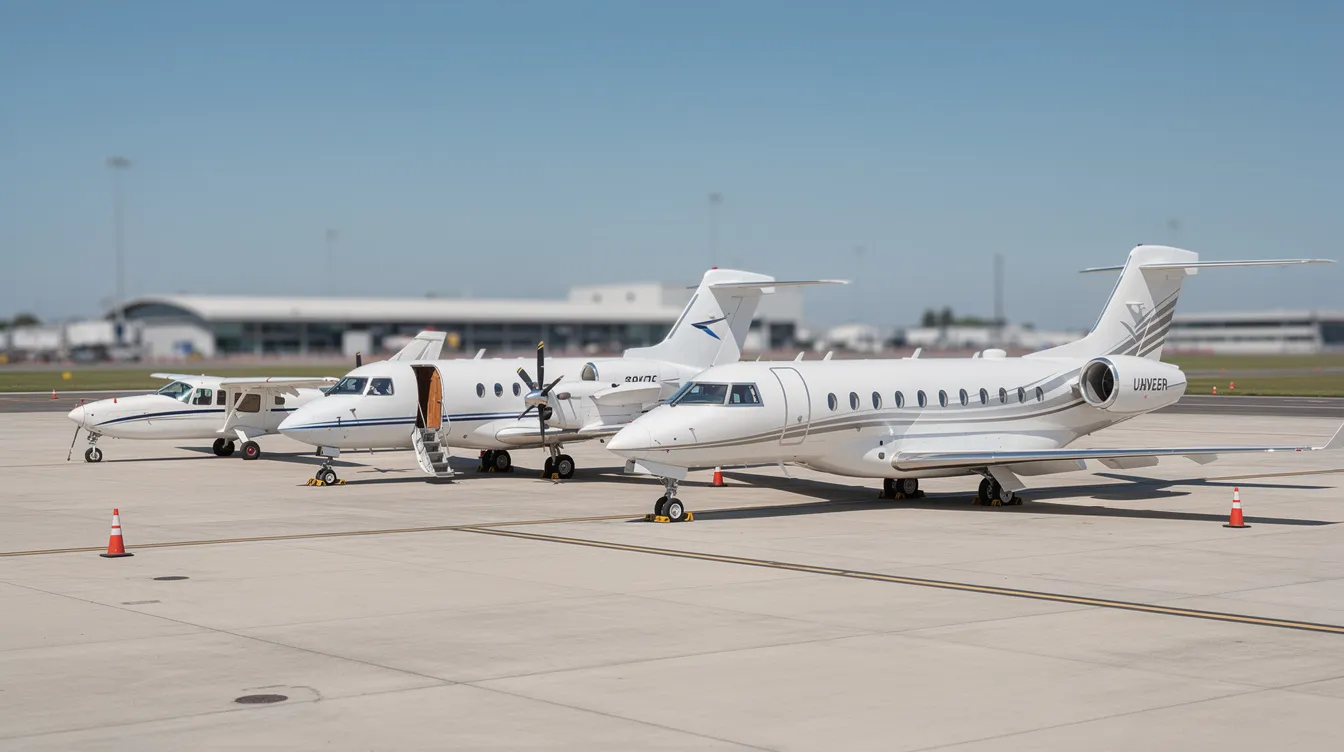
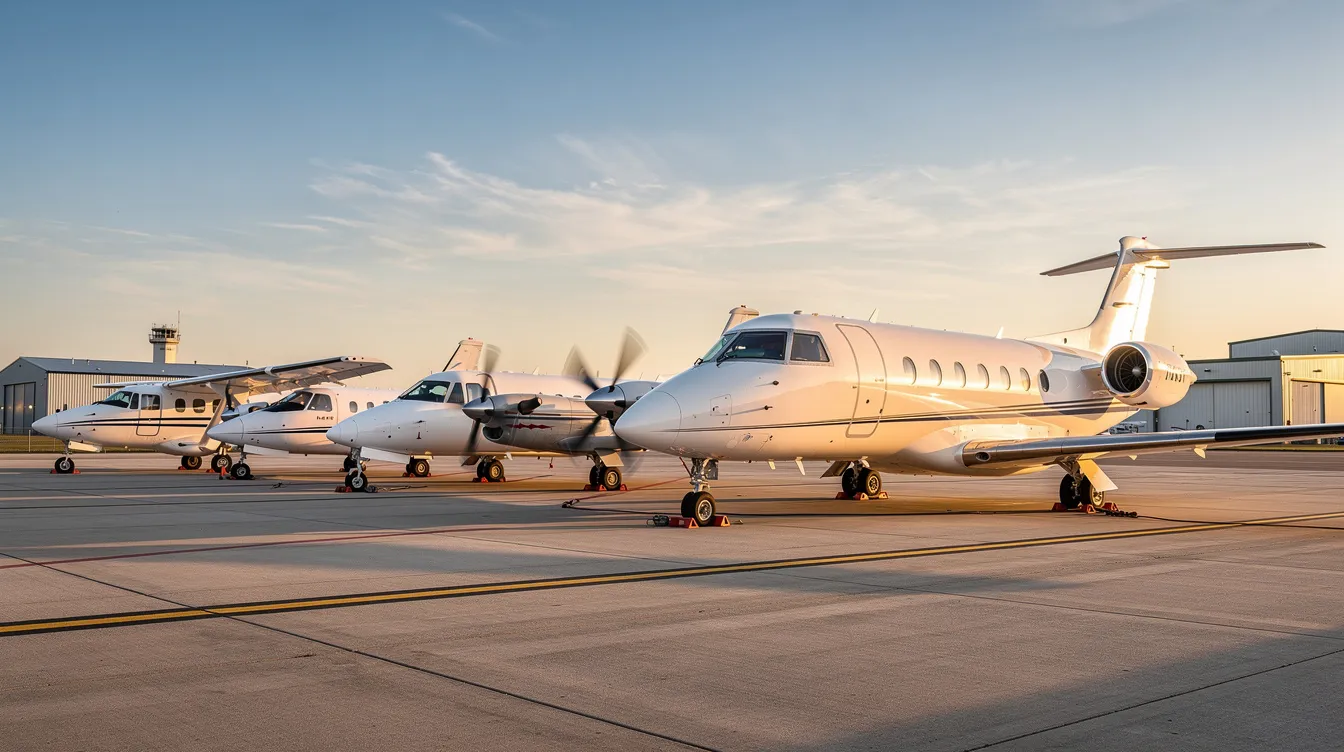
This section compares the main categories so buyers can find the right fit quickly. Several brands and models span each segment, and platforms like Controller.com list thousands of aircraft for sale across all of them.

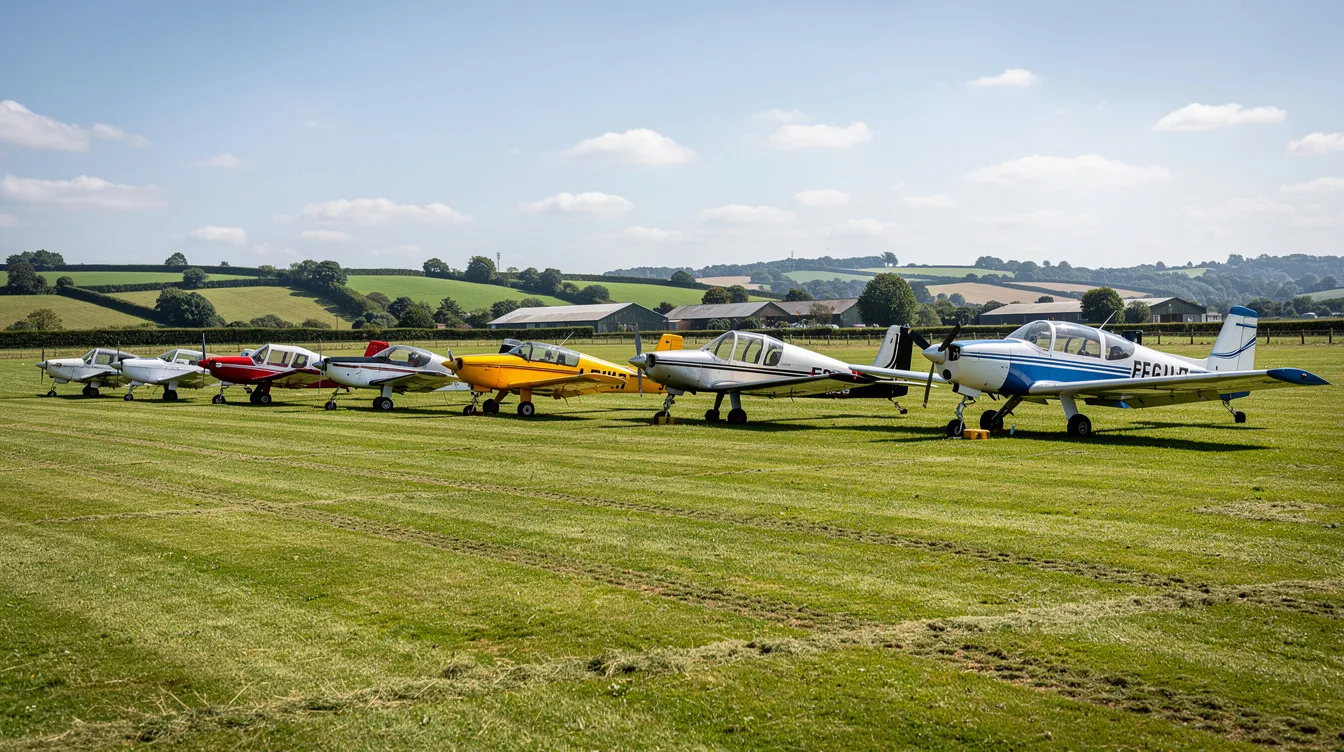
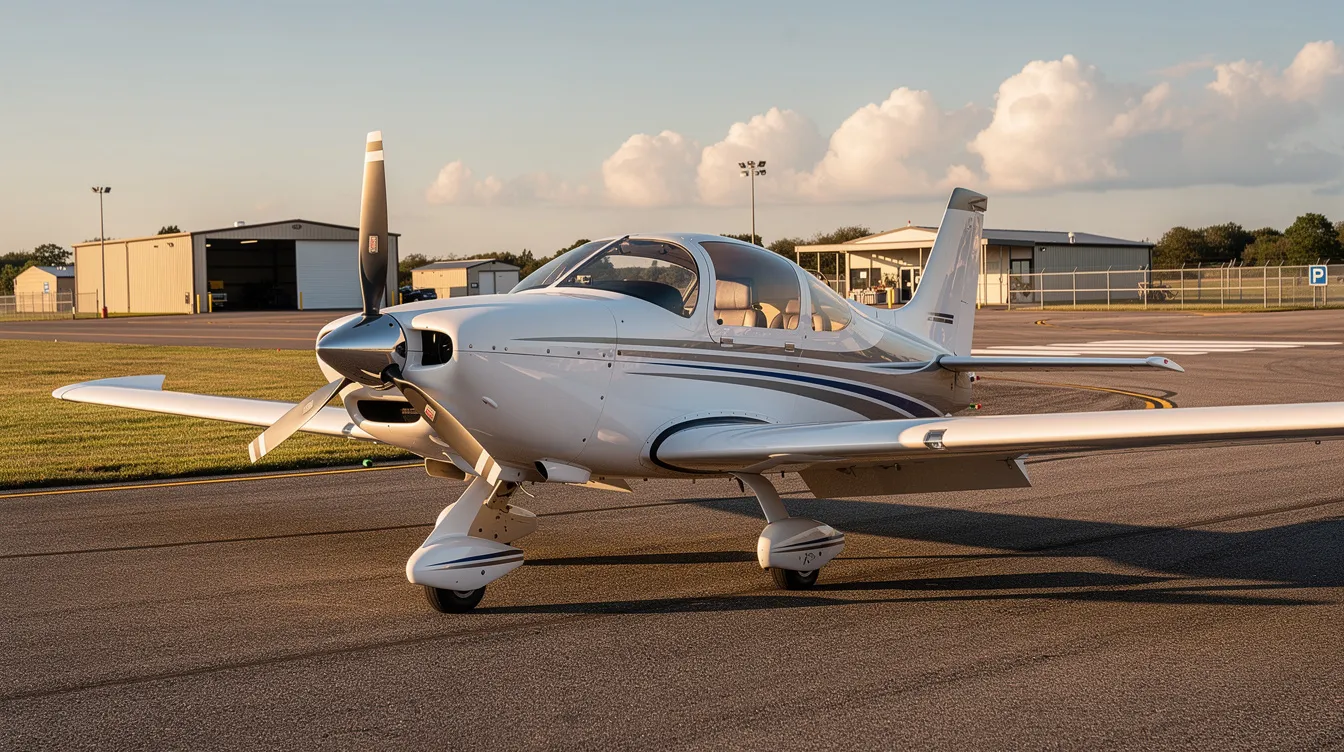
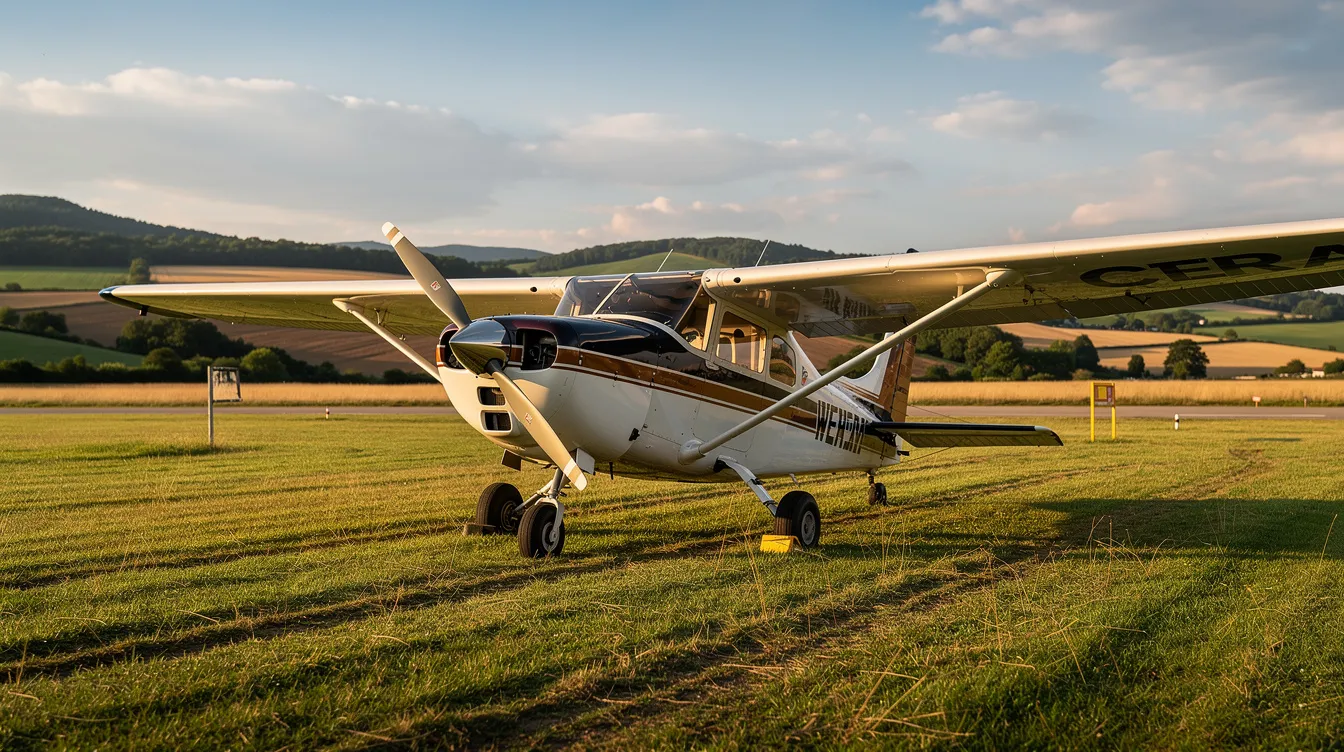
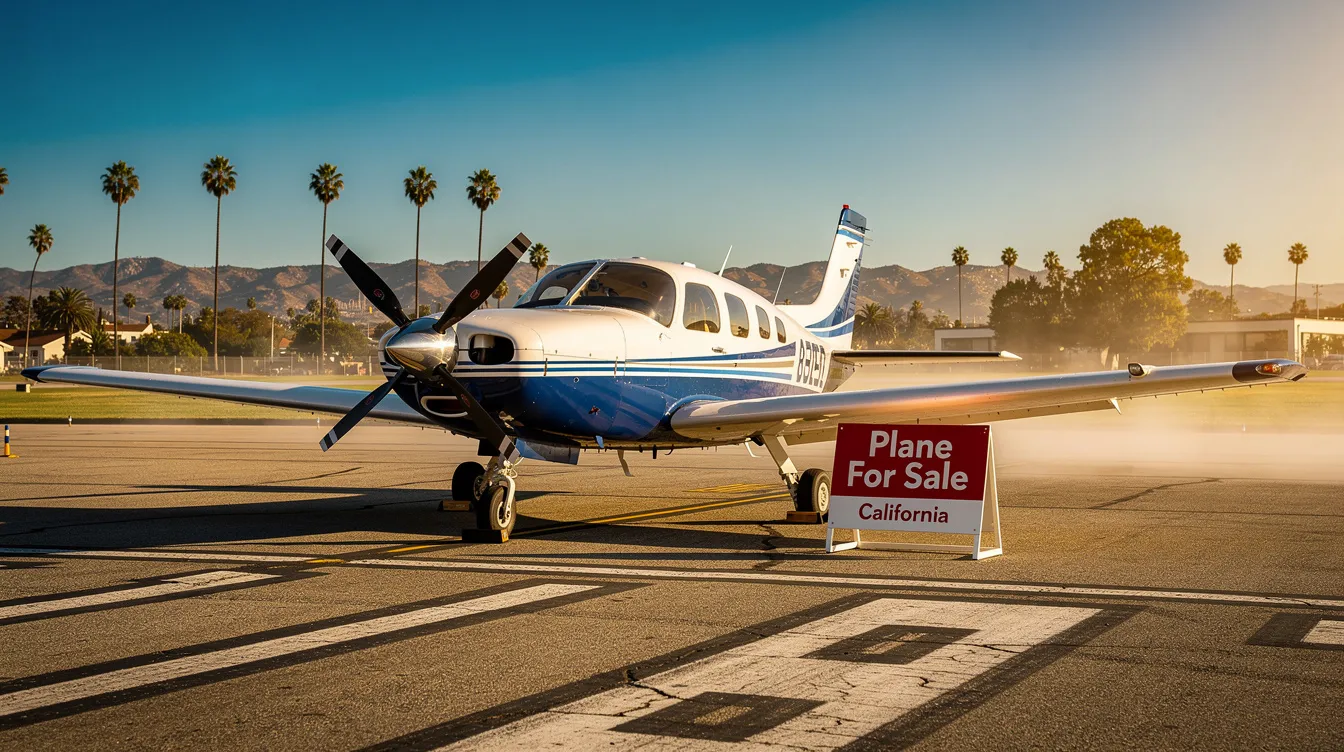
Piston aircraft such as the Cirrus SR22T G7 (priced at USD $1,150,000 new), SOCATA Trinidad, and Cessna 182 suit owner-pilots for short regional hops, flight training, and aerial work. Ranges reach 800–1,200 NM; purchase prices for used piston models run from the high hundreds of thousands.

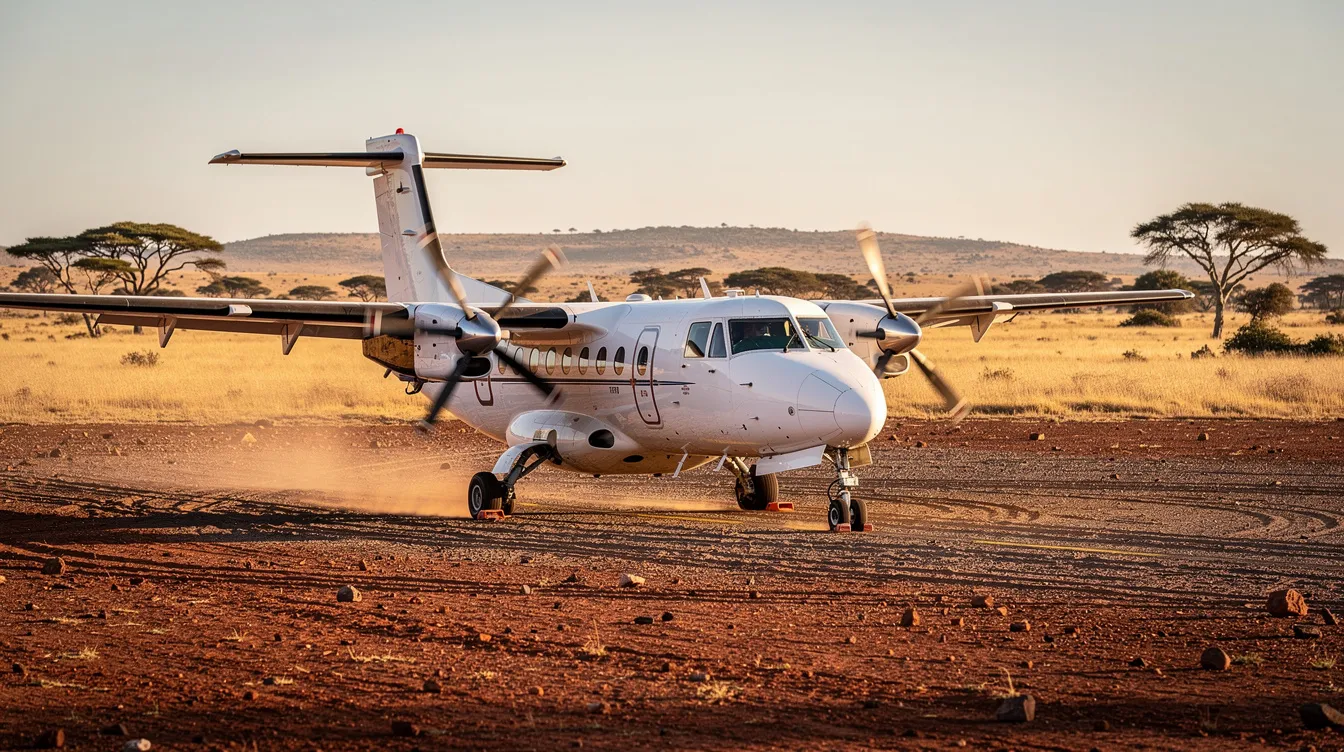
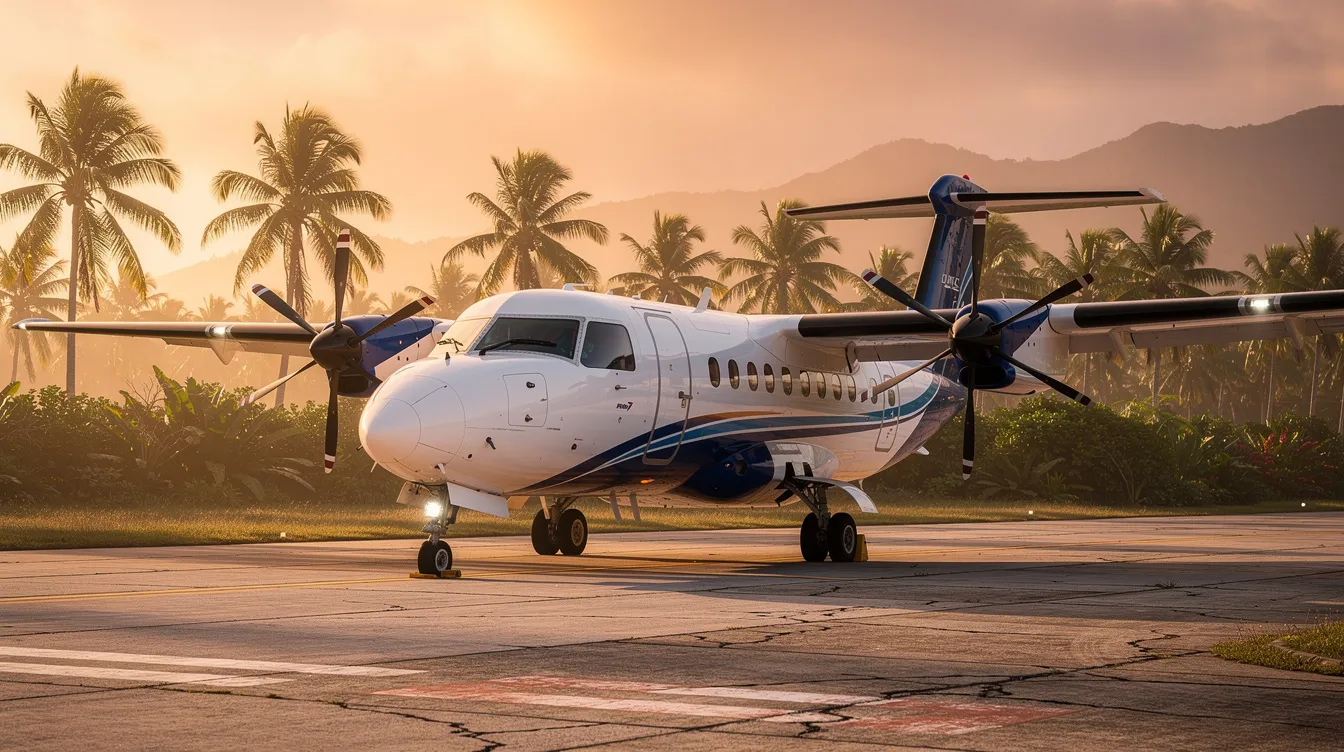
Turboprops like the Daher TBM 910 and Pilatus PC-12 NGX bridge the gap to jets-250–330 KTAS cruise, short-field performance, and 3–6 pax capacity for buyers who need rugged versatility.

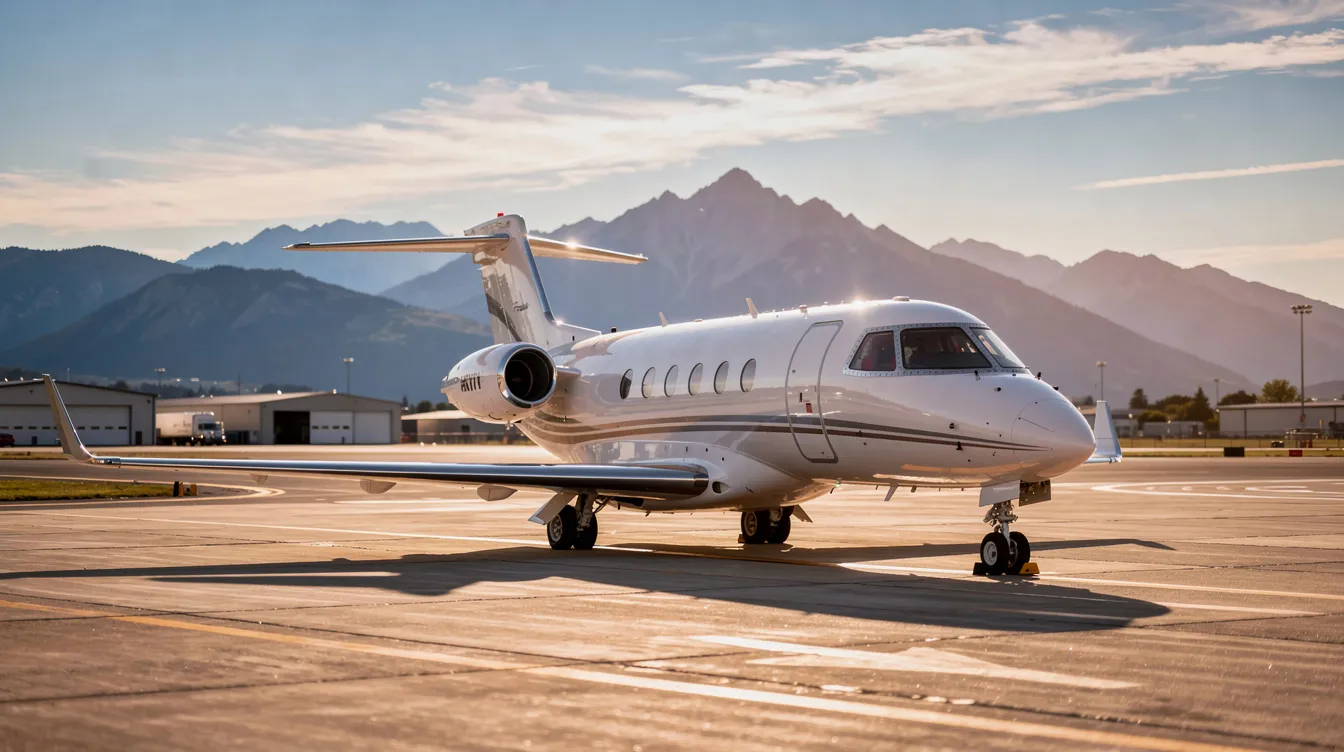
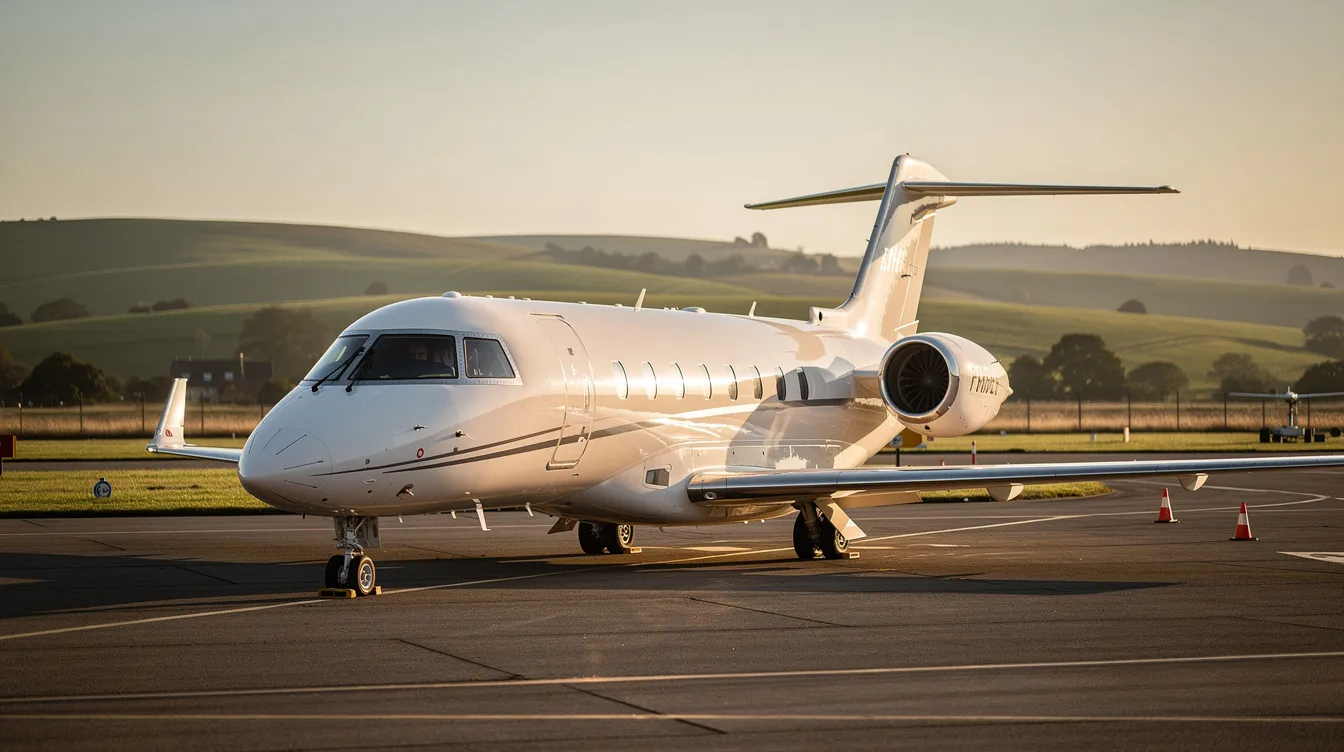
Light and super-light jets include the Cessna Citation M2 Gen2 (priced at USD $5,995,000) and Embraer Phenom 300E. Cabins for 4–7 passengers, 1,200–2,000 NM range, and sub-4-hour U.S. transcontinental legs make these popular among growing business operations.

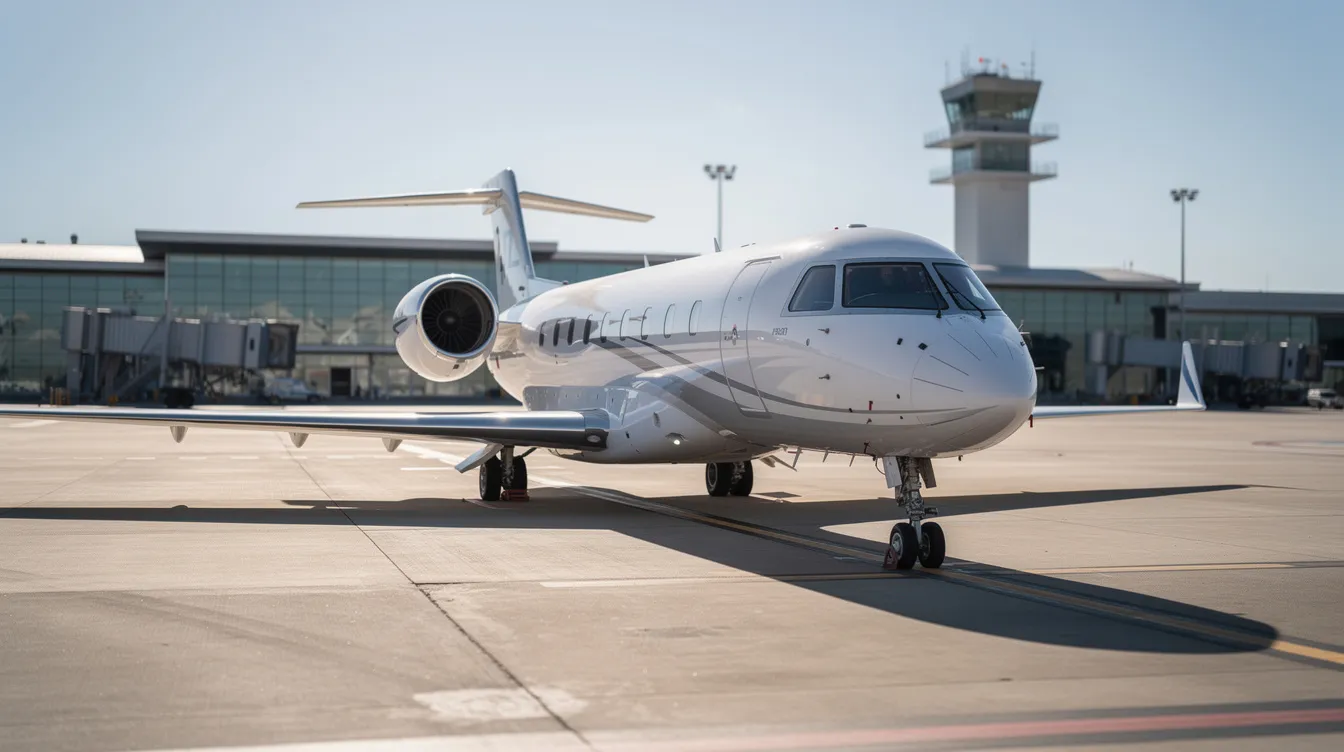
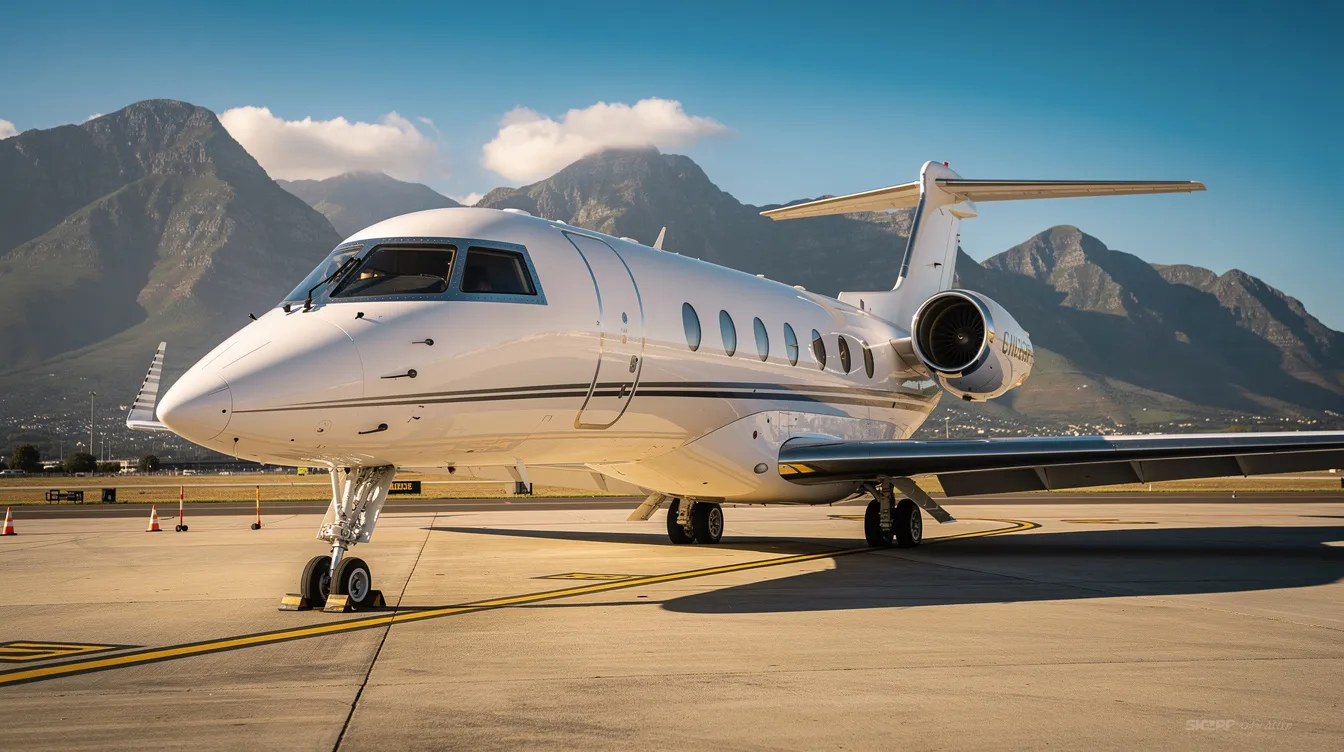
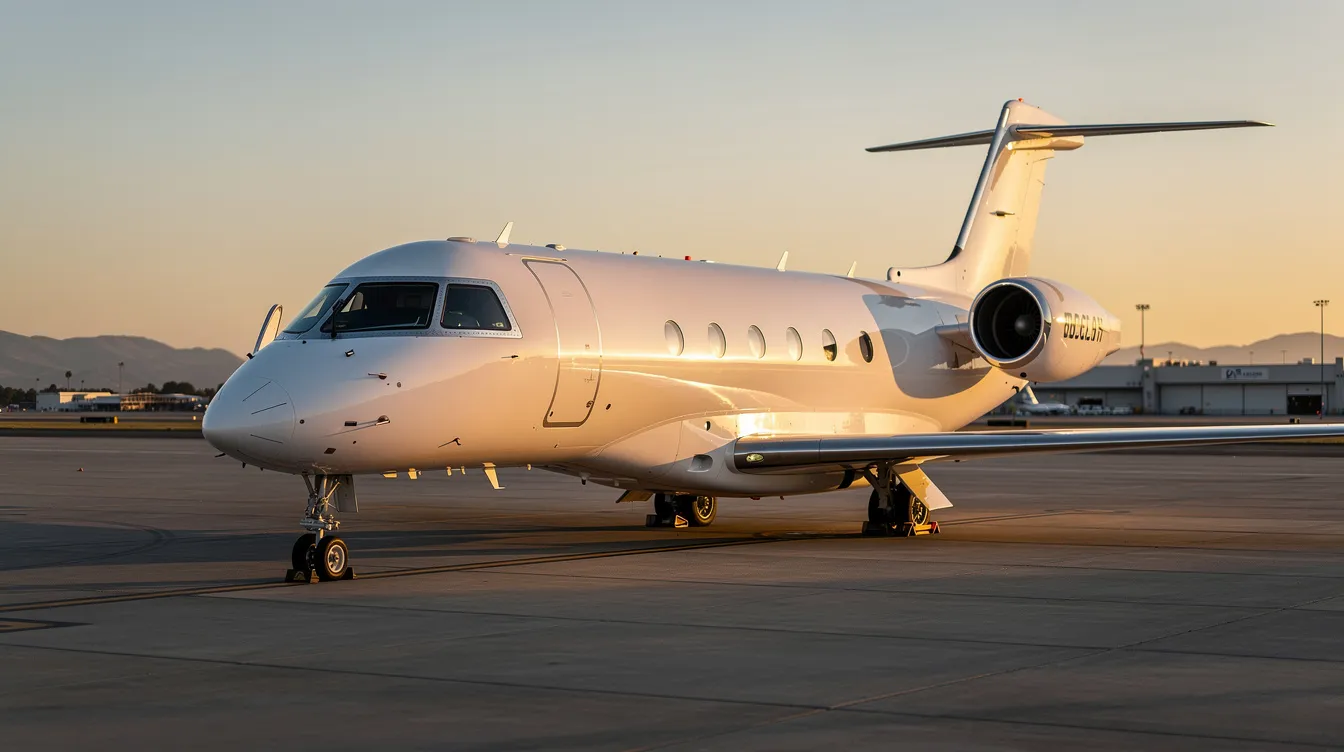
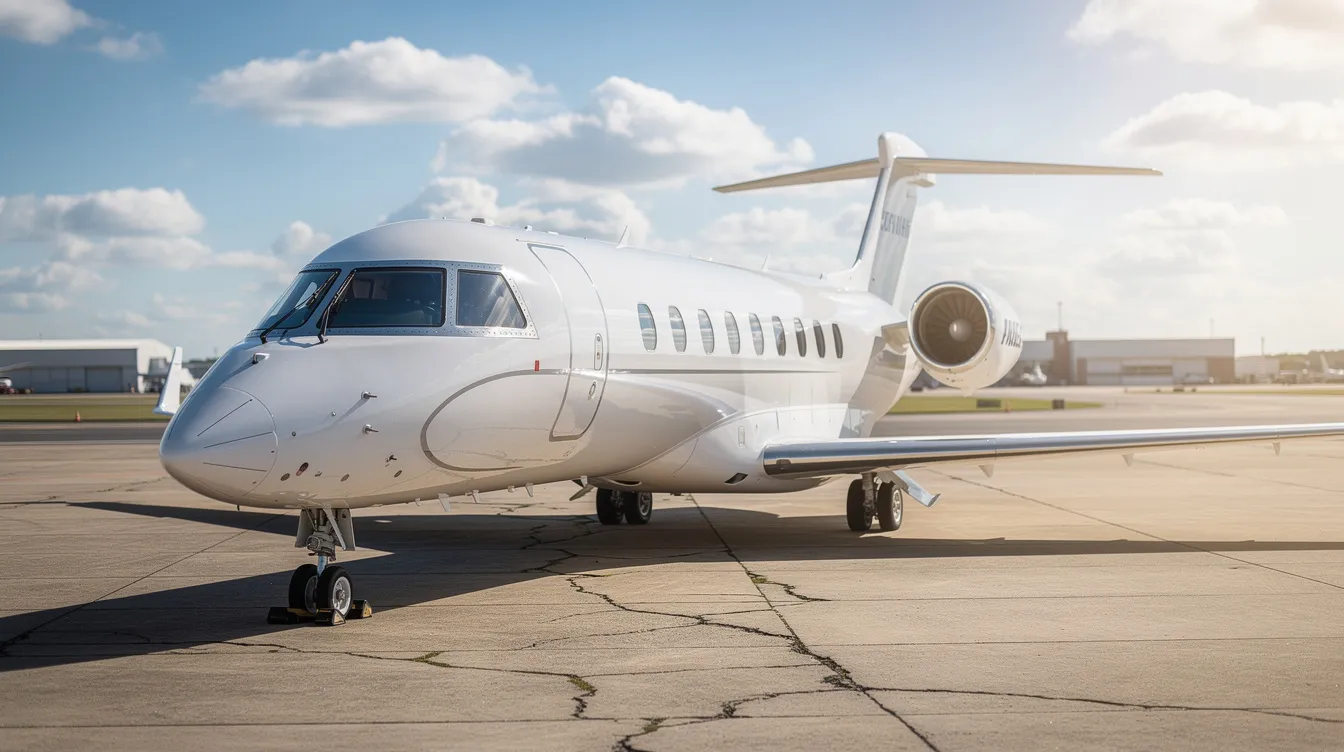
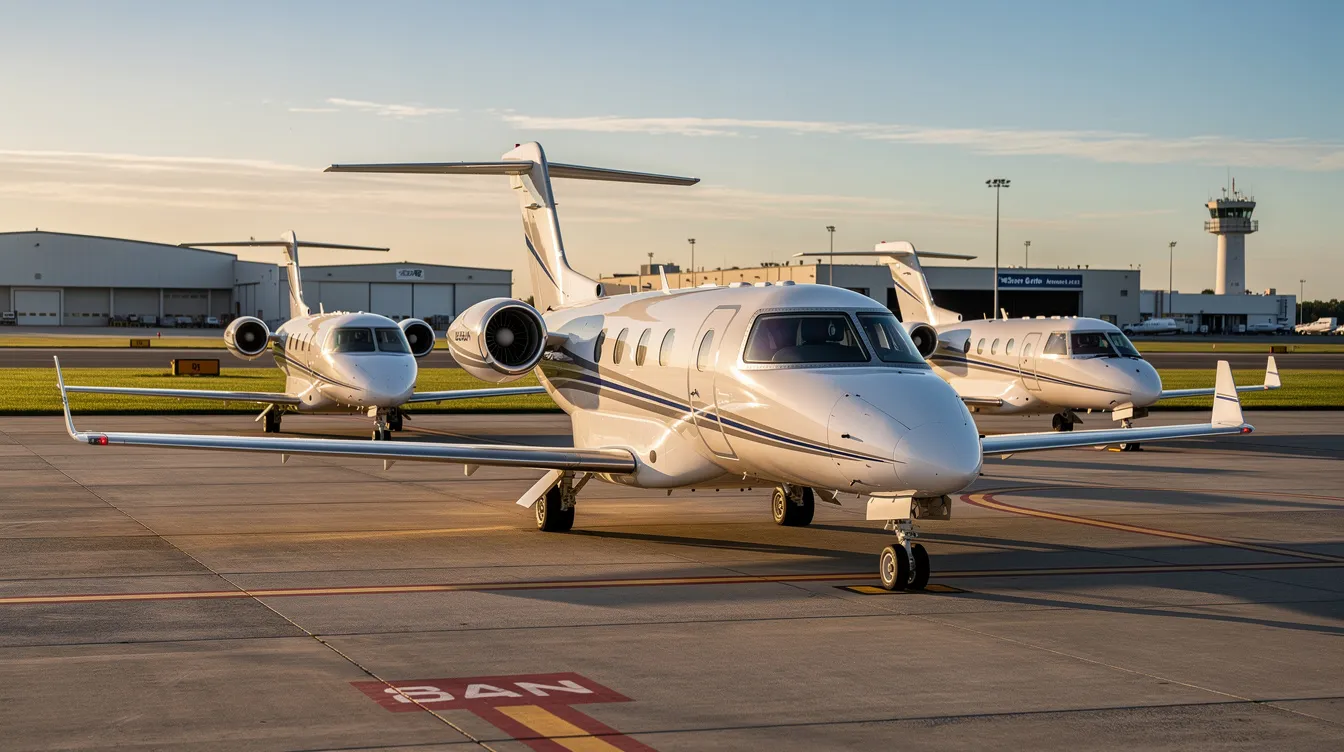
Midsize and super-midsize jets such as the Gulfstream G280-one recent listing featured a G280 with one US owner since new-offer 3,000–4,000 NM range and 8–10 pax layouts for U.S.–Europe or intra-Asia sectors. JETNET's 2024 review reported average asking prices near $15.6M for this class.

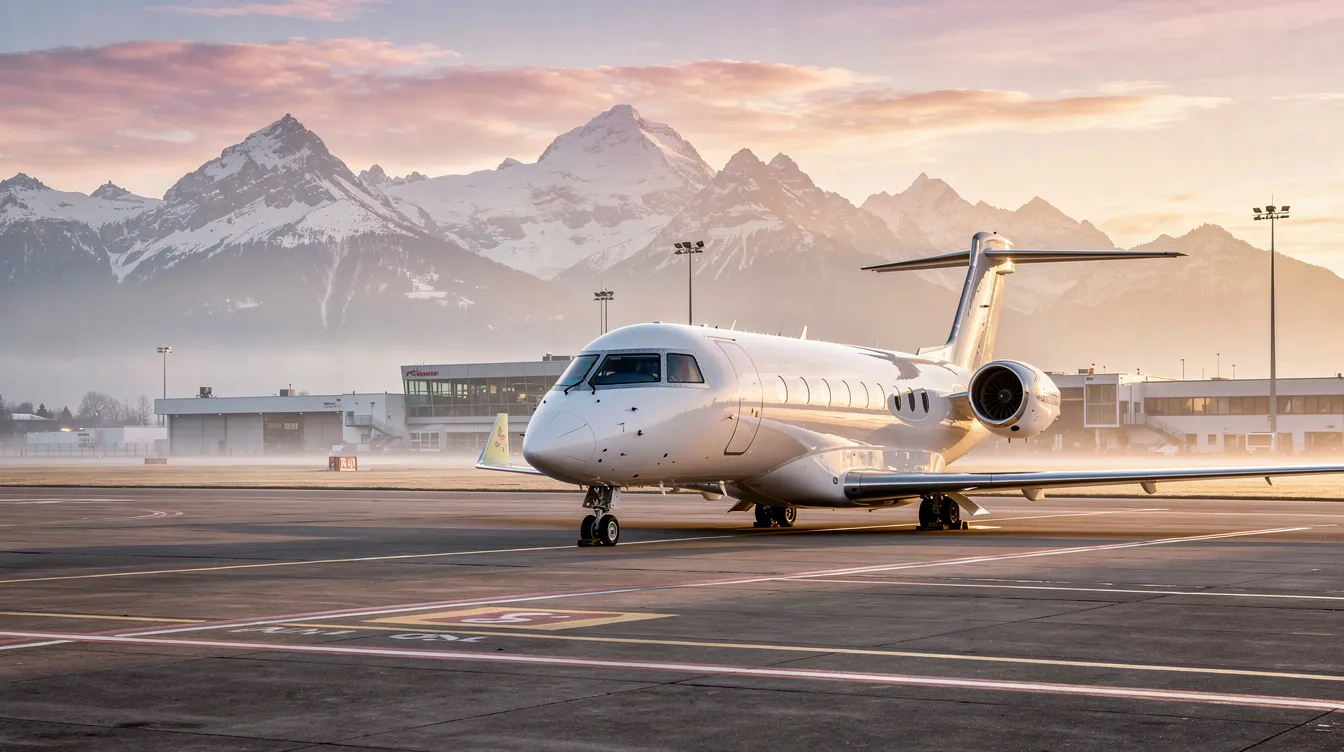
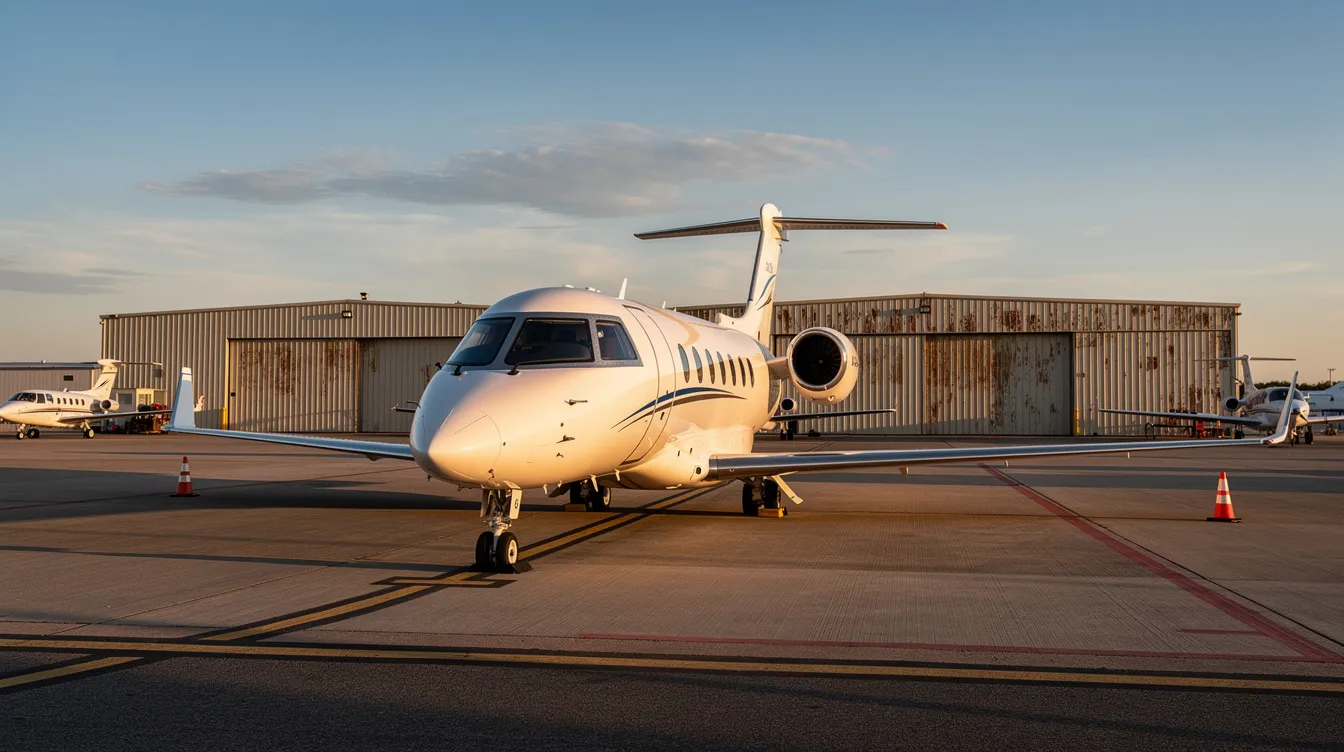
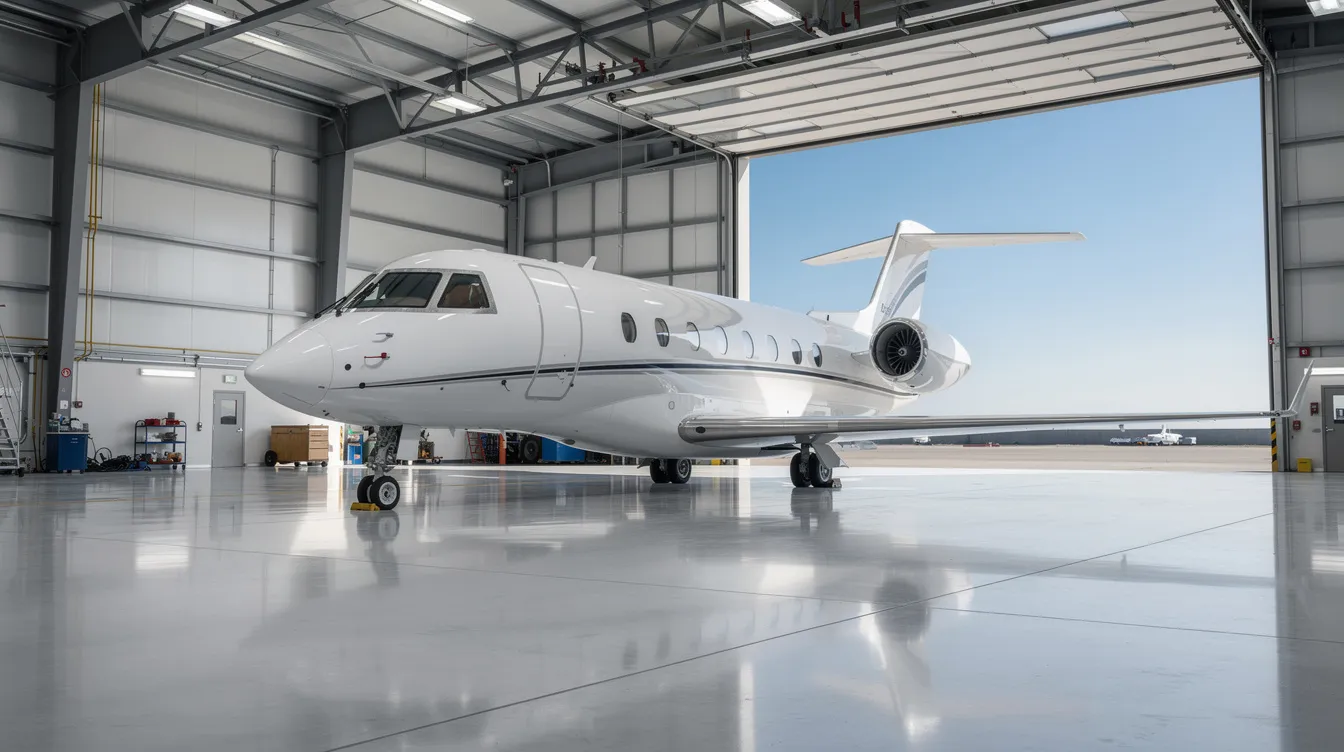
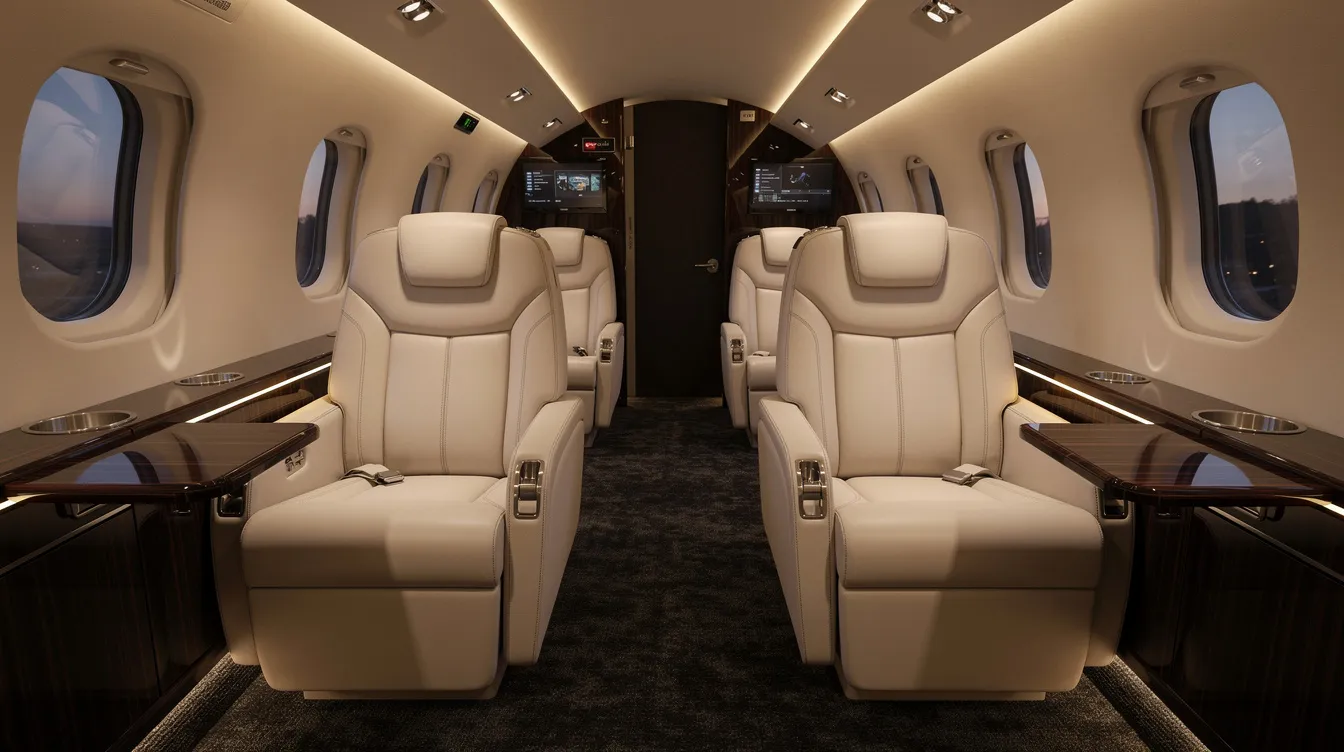
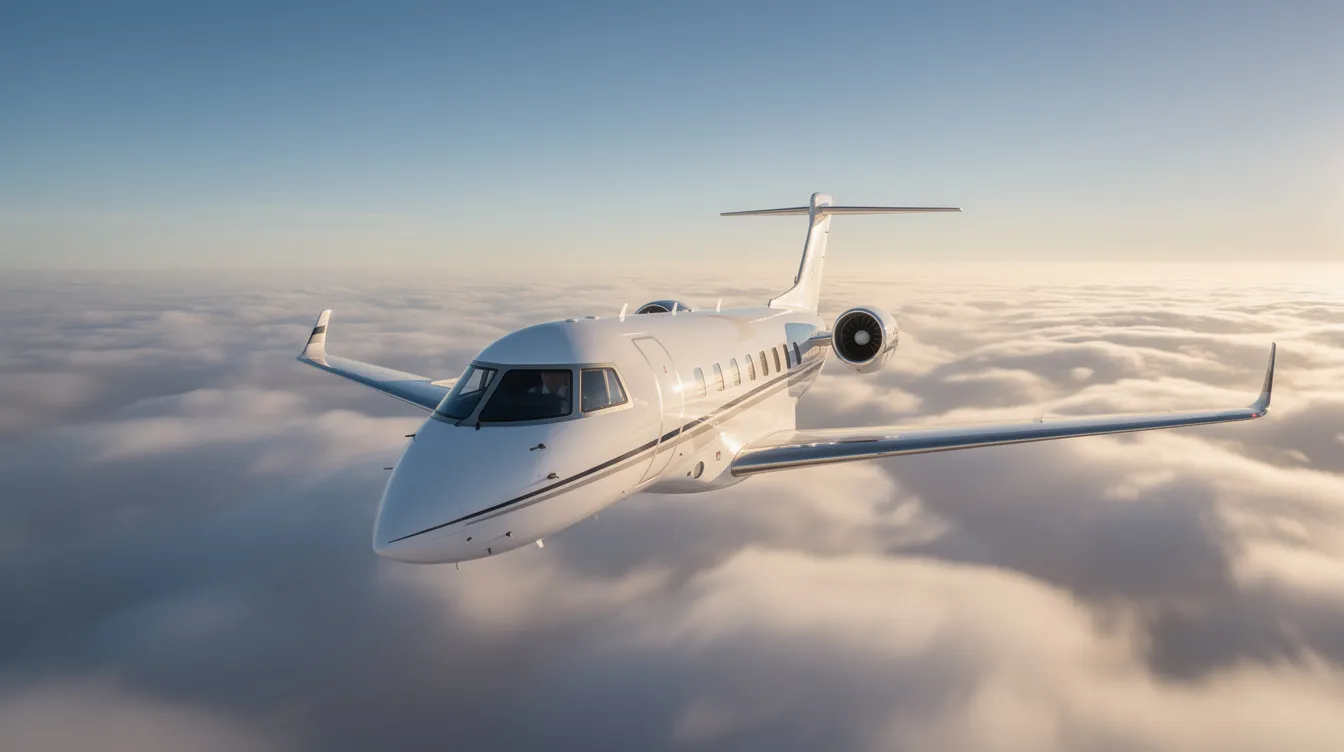
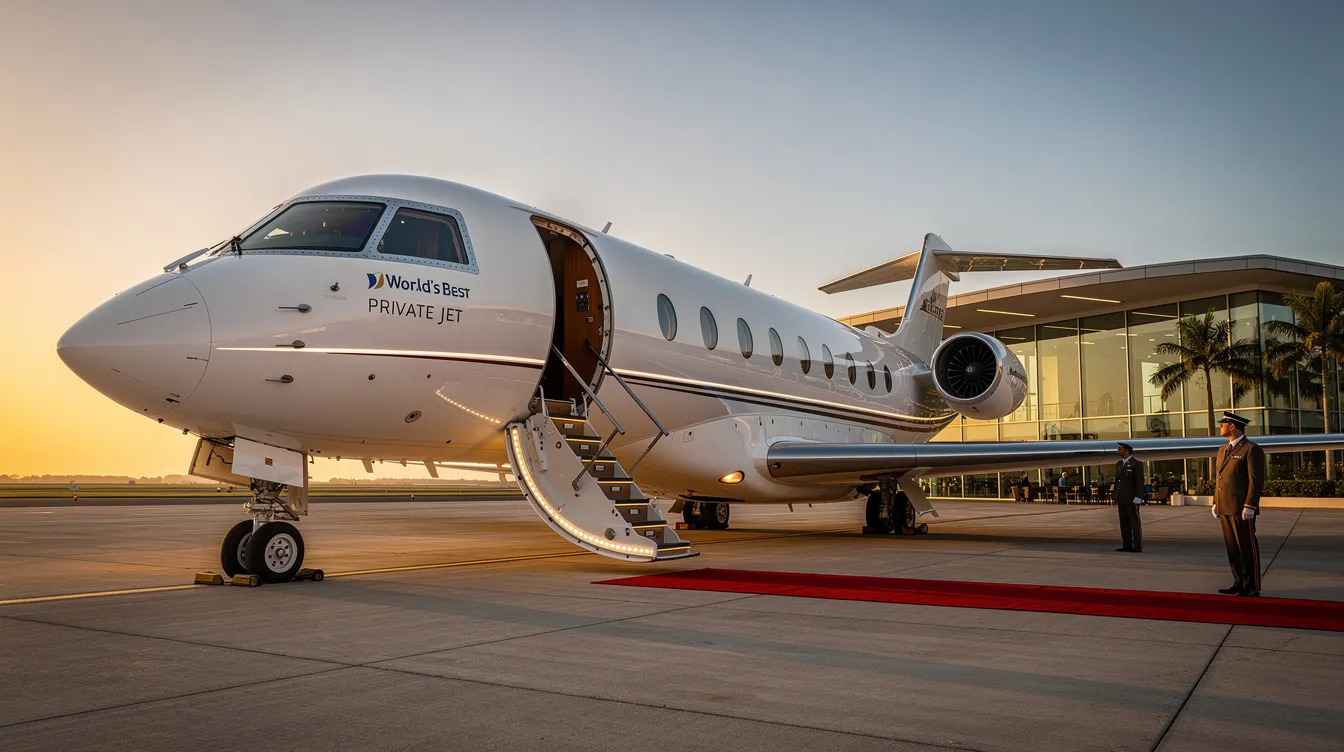
Large-cabin and ultra-long-range aircraft such as the Bombardier Global Express XRS (13 passenger capacity), Challenger 650, Airbus ACJ-family aircraft, including the ACJ TwoTwenty, serve C-suite travel, government, and charter fleets with 4,200–5,000+ NM range and multiple cabin zones.

Helicopters-the Agusta AW139 (listed at USD $6,450,000), Airbus H135T3, and Leonardo AW119Kx-address point-to-point access, offshore, EMS, and short-range VIP shuttle missions.

Engage BusinessJets.com to validate that your chosen type aligns with 2024–2026 market realities, including availability, support infrastructure, and resale prospects.

Section 3 – Evaluating Aircraft for Sale: Age, Programs, and Maintenance History

Once you select a category, objectively evaluate individual aircraft for sale by build year, pedigree, and maintenance-not cosmetics or price alone. Aircraft condition includes reviewing logbooks for damage history and compliance with airworthiness directives; documentation and compliance with airworthiness directives are essential when purchasing an aircraft.

Resale value is influenced by manufacturer support and maintenance history. Engines enrolled in programs like Rolls-Royce CorporateCare or ESP Gold, and airframes on SmartParts Plus, smooth cashflow and command premium prices. A well-maintained older model can outperform a younger but neglected airframe.

Pre-purchase inspections are crucial for discovering hidden issues like structural damage. A pre-purchase inspection typically includes mechanical, airframe, and avionics evaluations. These inspections should be performed by independent mechanics specializing in the specific aircraft model, with scope agreed in the letter of intent.

BusinessJets.com has completed over 1,500 transactions and coordinates technical reviews, recommends inspection facilities, and benchmarks each candidate against current market data.

A technician is closely inspecting a turbine engine inside a maintenance hangar, surrounded by various tools and equipment used for aircraft maintenance. This scene highlights the importance of safety and precision in the care of planes, including piston aircraft and helicopters.

Section 4 – Understanding Costs: Purchase Price vs Total Cost of Ownership

An aeroplane buy decision should rest on total cost of ownership over 5–10 years. Total operating costs include fuel, hangar, insurance, and annual maintenance. Fixed costs for aircraft ownership include hangar rent and insurance premiums. Insurance rates are influenced by pilot experience and aircraft type.

Variable costs per flight hour in 2026: light jets approximately USD $1,800–$2,500; large jets USD $6,000–$8,000+. Flight frequency is a key determinant in evaluating aircraft ownership-150 hours per year produces a very different cost profile than 400 hours.

Periodic events-hot-section inspections, gear overhauls, 48-month checks, cabin refurbishments-can run into millions for large-cabin jets. Engine and parts programs (RRCC, MSP Gold, TAP Blue) improve cashflow predictability and protect resale value. Tax depreciation schedules and import duties also affect net cost; buyers moving aircraft across regions should model these early.

Aircraft appraisals determine market value for buying or selling, and valuation services are essential for aircraft transactions worldwide. Market analysis helps identify trends in aircraft values. Request an aircraft appraisal from BusinessJets.com before making offers so you can compare models on a like-for-like financial basis.

Section 5 – The Step-by-Step Aeroplane Buy Process

This section outlines a chronological process from market scan to entry into service for private buyers, corporations, and operators.

  1. Market review: BusinessJets.com surveys global aircraft for sale-piston aircraft, turboprops, jets, and helicopters-and pre-filters options by mission, budget, and regulatory constraints.

  2. Shortlisting: NDAs, seller RFIs, spec sheet review, logbook analysis, and on-site visits to narrow candidates.

  3. Offer and LOI: Deposits, contingencies (PPI, financing, export/import), and negotiation of loose equipment, training slots, or fresh inspections in order to structure the deal properly.

  4. Pre-purchase inspection: Scope defined in advance; findings drive price adjustments, seller-funded repairs, or deal exits.

  5. Closing: Aircraft financing typically requires specialized aviation lenders and pre-approval is recommended. Specialized lenders typically require a credit score of 700 or higher and a down payment. Use an aviation title company to run formal title searches to ensure no liens exist. Formal title searches help confirm the aircraft is free of liens or encumbrances. Escrow, purchase agreement execution, and registration follow.

  6. Entry into service: Ferry flights, crew training, insurance activation, and integration into a flight department or management structure.

BusinessJets.com acts as transaction manager throughout, coordinating legal, technical, tax, and finance stakeholders.

Section 6 – How BusinessJets.com Supports Your Aeroplane Buy

BusinessJets.com is a specialist partner for buyers who want expert representation-from a first piston aircraft to complex large-cabin jets and VIP helicopters. Comprehensive aviation services include:

  • Brokerage and acquisition: Market intelligence, confidential buyer representation, off-market sourcing, and negotiation strategy

  • Appraisal and valuation: BusinessJets.com has completed over 1,500 aircraft transactions with 5,000+ satisfied clients. Aircraft valuation supports operators in optimizing asset management

  • Aviation consulting: Consulting services include advice on aircraft transactions. Aviation consulting supports operators with strategic guidance, fleet renewal planning, and standardizing avionics and cabin products. Consultants provide market intelligence for aircraft acquisitions. Aviation consulting helps optimize aircraft asset management

  • Special missions: MedEvac-certified Challenger 604 configurations, air ambulance helicopters, corporate shuttle layouts, and regulatory approvals

Whether you want to buy, sell, or optimize fleet assets, contact BusinessJets.com to begin.

FAQ

These FAQs address common questions buyers ask when planning an aeroplane purchase.

How long does it usually take to complete an aeroplane buy?

Straightforward piston aircraft transactions typically close in 30–45 days. Jet and helicopter deals involving finance, international export/import, and full PPIs usually take 60–90 days. Complex cross-border acquisitions or highly customized large-cabin jets can extend beyond 90 days.

Can I finance an aircraft purchase, and what do lenders look for?

Many buyers finance both piston aircraft and business jets. Lenders require independent appraisals, clean title, evidence of maintenance programs, and typically a credit score of 700 or higher with a meaningful down payment. BusinessJets.com coordinates valuations that support loan applications.

Is it better to buy a newer aircraft or an older model at a lower price?

Newer aircraft cost more upfront but offer lower maintenance risk, better fuel efficiency, modern avionics, and stronger resale. Well-maintained older models with updated interiors and engines on strong programs can deliver good value. A detailed TCO and residual-value analysis is the best way to compare.

Should a first-time buyer start with sole ownership, co-ownership, or charter?

Sole ownership offers maximum flexibility for aircraft use. Partnerships require careful selection of partners but reduce capital outlay. Leaseback can turn an aeroplane into a profit centre. Some buyers start with a high-performance piston aircraft or turboprop before moving to jets after 2–3 years of establishing flying patterns.

Can BusinessJets.com help if I am based outside North America?

Yes. BusinessJets.com supports clients in Europe, the Middle East, Asia-Pacific, and Latin America-handling cross-border acquisitions, export/import coordination, local regulatory compliance, and selection of appropriate registration jurisdiction and maintenance providers. Contact the team early so jurisdictional and tax planning can be integrated from the outset.

Conclusion

Buying an aeroplane is a complex, multifaceted process that requires a clear understanding of mission requirements, aircraft categories, maintenance and valuation factors, and total cost of ownership. Successful buyers prioritise realistic budgeting, thorough pre-purchase inspections, and expert representation to mitigate risks and optimise outcomes. BusinessJets.com offers unparalleled expertise and comprehensive services, from aircraft brokerage and appraisals to strategic aviation consulting, supporting clients globally through every stage of acquisition.

Engaging a trusted partner ensures informed decisions, smoother transactions, and long-term satisfaction with your aircraft investment. Whether acquiring your first piston plane or upgrading to a large-cabin jet, BusinessJets.com stands ready to guide you confidently through the aeroplane buy journey.

Aeroplane Buy Guide: How to Choose, Value, and Acquire the Right Aircraft
Jay Franco Ser

This guide walks serious buyers through every step of an aeroplane buy-from defining the mission to closing-drawing on 2024–2026 transaction data and real-world models like the Cirrus SR22T, Challenger 650, and Gulfstream G280. BusinessJets.com supports buyers with brokerage, aircraft appraisals, and aviation consulting for everything from piston aircraft to large-cabin jets.

Key Takeaways

  • Aircraft valuation, maintenance history, market timing, and operating costs often matter more to total ownership cost than the initial price tag. The purchase price is only one factor in total cost of ownership.

  • Buyers should decide early between categories-piston aircraft, turboprop, light jet, large-cabin jet, or helicopter-based on range, payload, and regulatory needs (Part 91, Part 135, MedEvac).

  • Realistic cost assessment is essential for aircraft ownership; budgeting should account for fixed and variable costs such as insurance and fuel.

  • Engaging a specialist broker like BusinessJets.com reduces transaction risk, improves pricing, and streamlines technical, legal, and tax work during an aeroplane buy.

Section 1 – Where to Start When You Want to Buy an Aeroplane

Understanding mission is crucial before buying an aeroplane. Whether you are an owner-pilot upgrading from a 2018 piston aircraft, a family office stepping into a light jet, or a corporation replacing a 2010 large-cabin jet, your starting point shapes every decision. Aircraft categories and operational needs vary significantly by buyer type-so begin with the mission, not the planes.

Mission requirements involve trip length, number of passengers, and flight rules. Use this framework:

  • Stage length: 300–500 NM regional hops vs. 2,500+ NM intercontinental sectors

  • Passengers: 2–4 (families with kids, owner-pilots) vs. 10–14 (executive teams)

  • Cargo and luggage: volume-sensitive missions, bulky equipment

  • International/oceanic flying: customs, ETOPS, over-water survival

Before reviewing any aircraft for sale, clarify three things: budget (acquisition plus 5-year operating costs), preferred timing (e.g., delivery before Q4 2026 for tax reasons), and your regulatory framework-Part 91 owner use, Part 135 charter, or special mission. BusinessJets.com runs requirements workshops to produce a short list of realistic aircraft types and model years tailored to each client's mission.

Section 2 – Choosing the Right Aircraft Type (From Piston Aircraft to Large-Cabin Jets)

This section compares the main categories so buyers can find the right fit quickly. Several brands and models span each segment, and platforms like Controller.com list thousands of aircraft for sale across all of them.

Piston aircraft such as the Cirrus SR22T G7 (priced at USD $1,150,000 new), SOCATA Trinidad, and Cessna 182 suit owner-pilots for short regional hops, flight training, and aerial work. Ranges reach 800–1,200 NM; purchase prices for used piston models run from the high hundreds of thousands.

Turboprops like the Daher TBM 910 and Pilatus PC-12 NGX bridge the gap to jets-250–330 KTAS cruise, short-field performance, and 3–6 pax capacity for buyers who need rugged versatility.

Light and super-light jets include the Cessna Citation M2 Gen2 (priced at USD $5,995,000) and Embraer Phenom 300E. Cabins for 4–7 passengers, 1,200–2,000 NM range, and sub-4-hour U.S. transcontinental legs make these popular among growing business operations.

Midsize and super-midsize jets such as the Gulfstream G280-one recent listing featured a G280 with one US owner since new-offer 3,000–4,000 NM range and 8–10 pax layouts for U.S.–Europe or intra-Asia sectors. JETNET's 2024 review reported average asking prices near $15.6M for this class.

Large-cabin and ultra-long-range aircraft such as the Bombardier Global Express XRS (13 passenger capacity), Challenger 650, Airbus ACJ-family aircraft, including the ACJ TwoTwenty, serve C-suite travel, government, and charter fleets with 4,200–5,000+ NM range and multiple cabin zones.

Helicopters-the Agusta AW139 (listed at USD $6,450,000), Airbus H135T3, and Leonardo AW119Kx-address point-to-point access, offshore, EMS, and short-range VIP shuttle missions.

Engage BusinessJets.com to validate that your chosen type aligns with 2024–2026 market realities, including availability, support infrastructure, and resale prospects.

Section 3 – Evaluating Aircraft for Sale: Age, Programs, and Maintenance History

Once you select a category, objectively evaluate individual aircraft for sale by build year, pedigree, and maintenance-not cosmetics or price alone. Aircraft condition includes reviewing logbooks for damage history and compliance with airworthiness directives; documentation and compliance with airworthiness directives are essential when purchasing an aircraft.

Resale value is influenced by manufacturer support and maintenance history. Engines enrolled in programs like Rolls-Royce CorporateCare or ESP Gold, and airframes on SmartParts Plus, smooth cashflow and command premium prices. A well-maintained older model can outperform a younger but neglected airframe.

Pre-purchase inspections are crucial for discovering hidden issues like structural damage. A pre-purchase inspection typically includes mechanical, airframe, and avionics evaluations. These inspections should be performed by independent mechanics specializing in the specific aircraft model, with scope agreed in the letter of intent.

BusinessJets.com has completed over 1,500 transactions and coordinates technical reviews, recommends inspection facilities, and benchmarks each candidate against current market data.

A technician is closely inspecting a turbine engine inside a maintenance hangar, surrounded by various tools and equipment used for aircraft maintenance. This scene highlights the importance of safety and precision in the care of planes, including piston aircraft and helicopters.

Section 4 – Understanding Costs: Purchase Price vs Total Cost of Ownership

An aeroplane buy decision should rest on total cost of ownership over 5–10 years. Total operating costs include fuel, hangar, insurance, and annual maintenance. Fixed costs for aircraft ownership include hangar rent and insurance premiums. Insurance rates are influenced by pilot experience and aircraft type.

Variable costs per flight hour in 2026: light jets approximately USD $1,800–$2,500; large jets USD $6,000–$8,000+. Flight frequency is a key determinant in evaluating aircraft ownership-150 hours per year produces a very different cost profile than 400 hours.

Periodic events-hot-section inspections, gear overhauls, 48-month checks, cabin refurbishments-can run into millions for large-cabin jets. Engine and parts programs (RRCC, MSP Gold, TAP Blue) improve cashflow predictability and protect resale value. Tax depreciation schedules and import duties also affect net cost; buyers moving aircraft across regions should model these early.

Aircraft appraisals determine market value for buying or selling, and valuation services are essential for aircraft transactions worldwide. Market analysis helps identify trends in aircraft values. Request an aircraft appraisal from BusinessJets.com before making offers so you can compare models on a like-for-like financial basis.

Section 5 – The Step-by-Step Aeroplane Buy Process

This section outlines a chronological process from market scan to entry into service for private buyers, corporations, and operators.

  1. Market review: BusinessJets.com surveys global aircraft for sale-piston aircraft, turboprops, jets, and helicopters-and pre-filters options by mission, budget, and regulatory constraints.

  2. Shortlisting: NDAs, seller RFIs, spec sheet review, logbook analysis, and on-site visits to narrow candidates.

  3. Offer and LOI: Deposits, contingencies (PPI, financing, export/import), and negotiation of loose equipment, training slots, or fresh inspections in order to structure the deal properly.

  4. Pre-purchase inspection: Scope defined in advance; findings drive price adjustments, seller-funded repairs, or deal exits.

  5. Closing: Aircraft financing typically requires specialized aviation lenders and pre-approval is recommended. Specialized lenders typically require a credit score of 700 or higher and a down payment. Use an aviation title company to run formal title searches to ensure no liens exist. Formal title searches help confirm the aircraft is free of liens or encumbrances. Escrow, purchase agreement execution, and registration follow.

  6. Entry into service: Ferry flights, crew training, insurance activation, and integration into a flight department or management structure.

BusinessJets.com acts as transaction manager throughout, coordinating legal, technical, tax, and finance stakeholders.

Section 6 – How BusinessJets.com Supports Your Aeroplane Buy

BusinessJets.com is a specialist partner for buyers who want expert representation-from a first piston aircraft to complex large-cabin jets and VIP helicopters. Comprehensive aviation services include:

  • Brokerage and acquisition: Market intelligence, confidential buyer representation, off-market sourcing, and negotiation strategy

  • Appraisal and valuation: BusinessJets.com has completed over 1,500 aircraft transactions with 5,000+ satisfied clients. Aircraft valuation supports operators in optimizing asset management

  • Aviation consulting: Consulting services include advice on aircraft transactions. Aviation consulting supports operators with strategic guidance, fleet renewal planning, and standardizing avionics and cabin products. Consultants provide market intelligence for aircraft acquisitions. Aviation consulting helps optimize aircraft asset management

  • Special missions: MedEvac-certified Challenger 604 configurations, air ambulance helicopters, corporate shuttle layouts, and regulatory approvals

Whether you want to buy, sell, or optimize fleet assets, contact BusinessJets.com to begin.

FAQ

These FAQs address common questions buyers ask when planning an aeroplane purchase.

How long does it usually take to complete an aeroplane buy?

Straightforward piston aircraft transactions typically close in 30–45 days. Jet and helicopter deals involving finance, international export/import, and full PPIs usually take 60–90 days. Complex cross-border acquisitions or highly customized large-cabin jets can extend beyond 90 days.

Can I finance an aircraft purchase, and what do lenders look for?

Many buyers finance both piston aircraft and business jets. Lenders require independent appraisals, clean title, evidence of maintenance programs, and typically a credit score of 700 or higher with a meaningful down payment. BusinessJets.com coordinates valuations that support loan applications.

Is it better to buy a newer aircraft or an older model at a lower price?

Newer aircraft cost more upfront but offer lower maintenance risk, better fuel efficiency, modern avionics, and stronger resale. Well-maintained older models with updated interiors and engines on strong programs can deliver good value. A detailed TCO and residual-value analysis is the best way to compare.

Should a first-time buyer start with sole ownership, co-ownership, or charter?

Sole ownership offers maximum flexibility for aircraft use. Partnerships require careful selection of partners but reduce capital outlay. Leaseback can turn an aeroplane into a profit centre. Some buyers start with a high-performance piston aircraft or turboprop before moving to jets after 2–3 years of establishing flying patterns.

Can BusinessJets.com help if I am based outside North America?

Yes. BusinessJets.com supports clients in Europe, the Middle East, Asia-Pacific, and Latin America-handling cross-border acquisitions, export/import coordination, local regulatory compliance, and selection of appropriate registration jurisdiction and maintenance providers. Contact the team early so jurisdictional and tax planning can be integrated from the outset.

Conclusion

Buying an aeroplane is a complex, multifaceted process that requires a clear understanding of mission requirements, aircraft categories, maintenance and valuation factors, and total cost of ownership. Successful buyers prioritise realistic budgeting, thorough pre-purchase inspections, and expert representation to mitigate risks and optimise outcomes. BusinessJets.com offers unparalleled expertise and comprehensive services, from aircraft brokerage and appraisals to strategic aviation consulting, supporting clients globally through every stage of acquisition.

Engaging a trusted partner ensures informed decisions, smoother transactions, and long-term satisfaction with your aircraft investment. Whether acquiring your first piston plane or upgrading to a large-cabin jet, BusinessJets.com stands ready to guide you confidently through the aeroplane buy journey.

Related Posts