Small Private Jet Price: What It Really Costs to Buy and Operate Light & Very Light Jets
Key Takeaways
New very light jets generally cost $3.5 million to $5.7 million, while new light jets cost between $3 million and $9 million. Pre-owned jets typically cost 20-50% less than new models, with well-maintained examples often trading 25-45% below current list prices.
Annual operating costs for small private jets realistically fall between $600,000 and $1.2 million depending on annual flight hours, with variable costs running $1,800 to $3,500 per flight hour for fuel, maintenance, and crew.
Private jet ownership becomes economical around 150-250 flight hours per year. Below that threshold, private jet charter or fractional ownership programs tend to deliver lower all-in cost per hour.
The main price drivers for small jets include aircraft category (very light jets vs light jets), airframe age and total hours, maintenance program enrollment, modern avionics, and interior condition.
BusinessJets.com provides aircraft appraisals, acquisition support, and operating cost modeling across more than 1,500 completed transactions, helping buyers and private jet owners make decisions grounded in market data rather than guesswork.
Introduction: Defining "Small" Private Jet Price in 2026
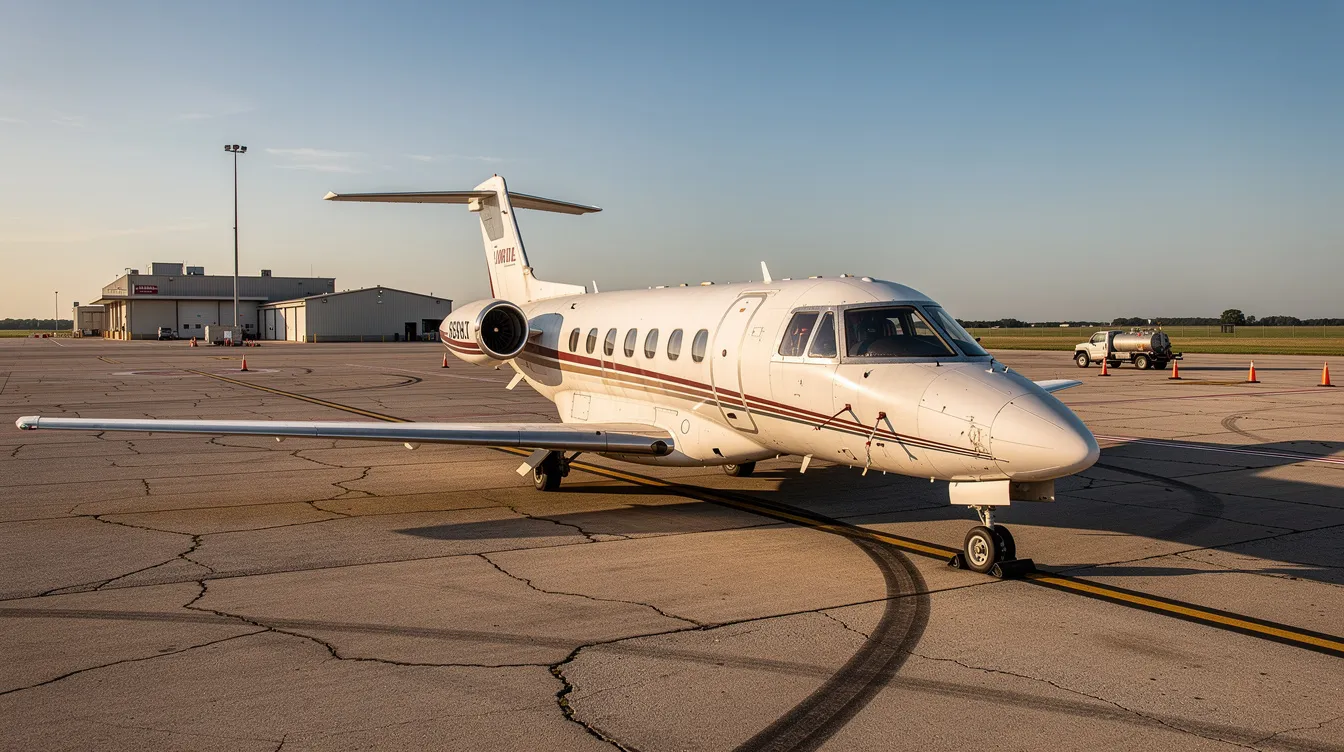
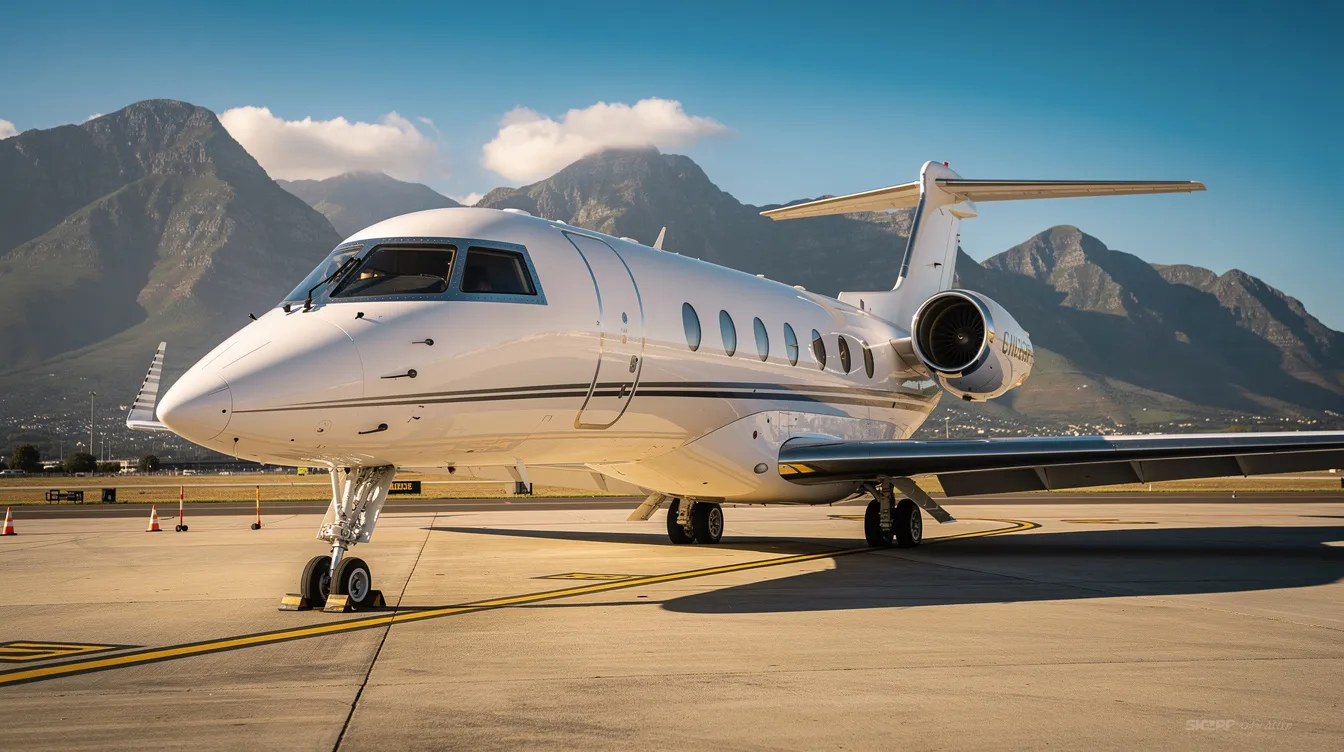
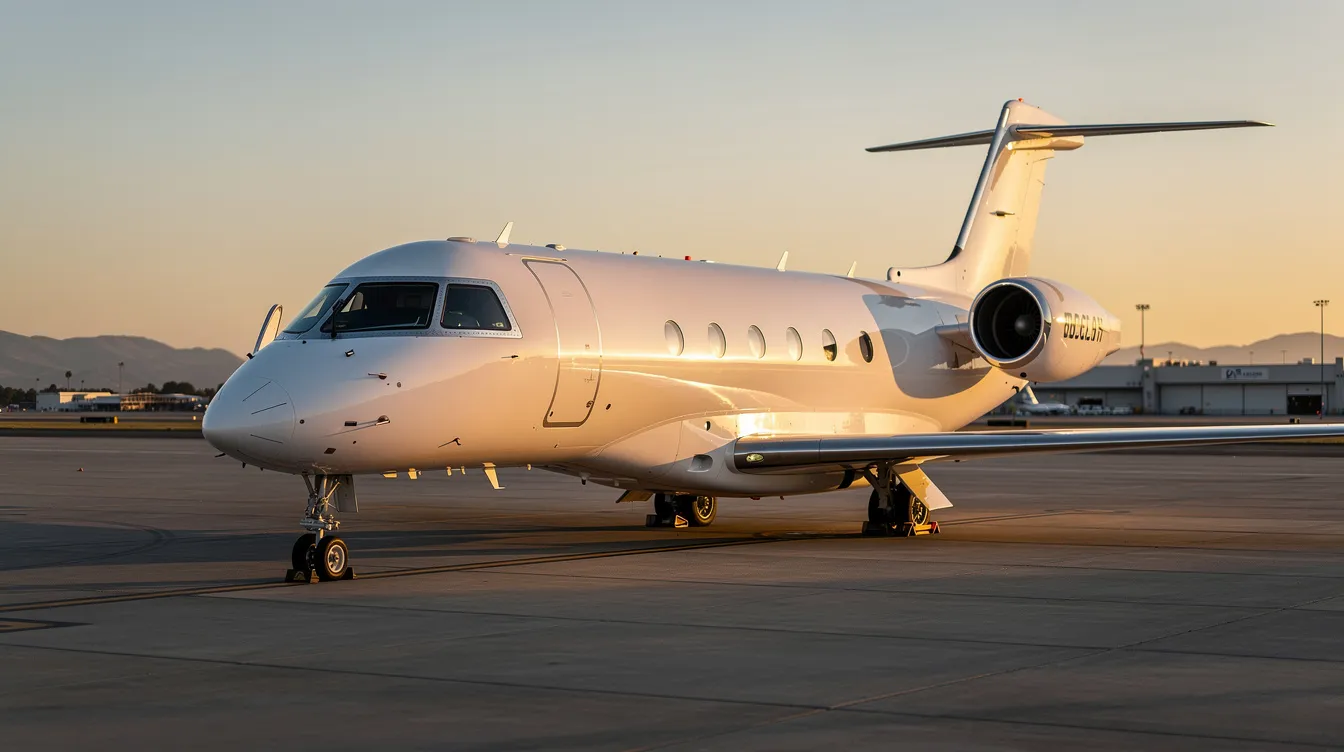
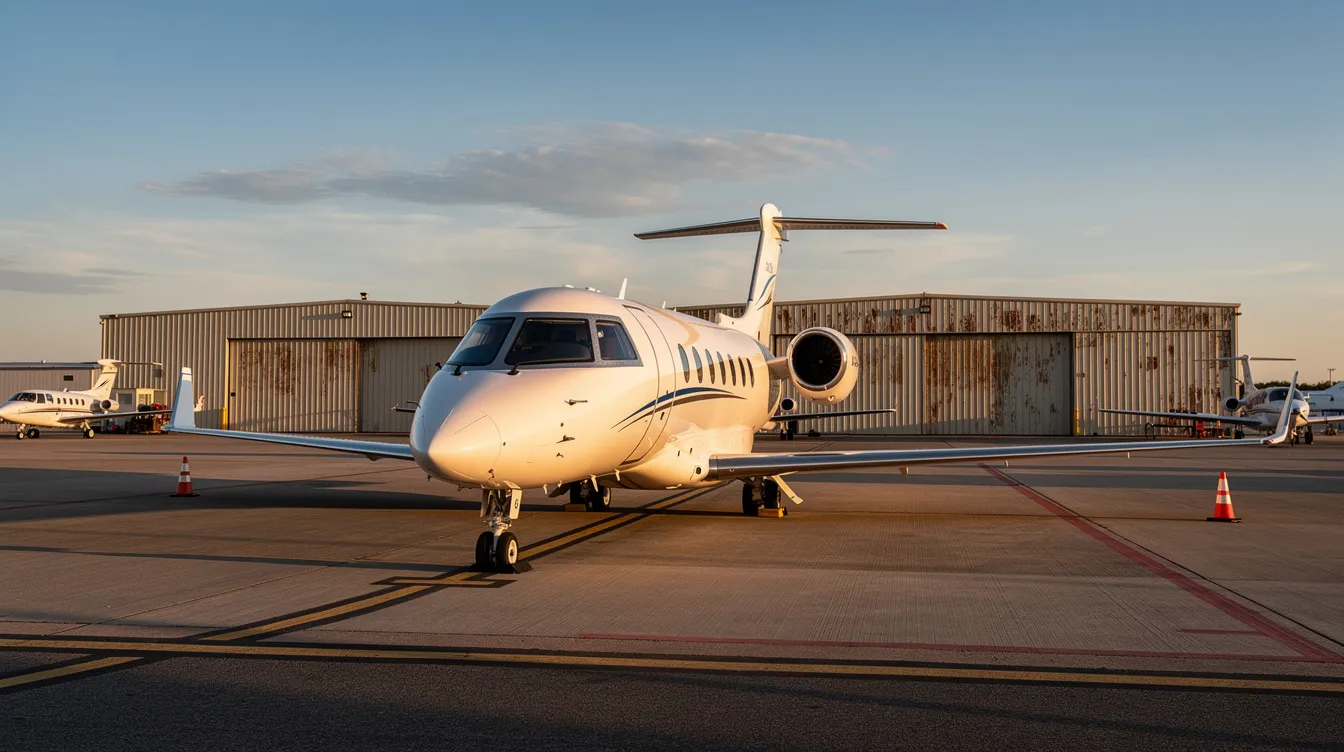
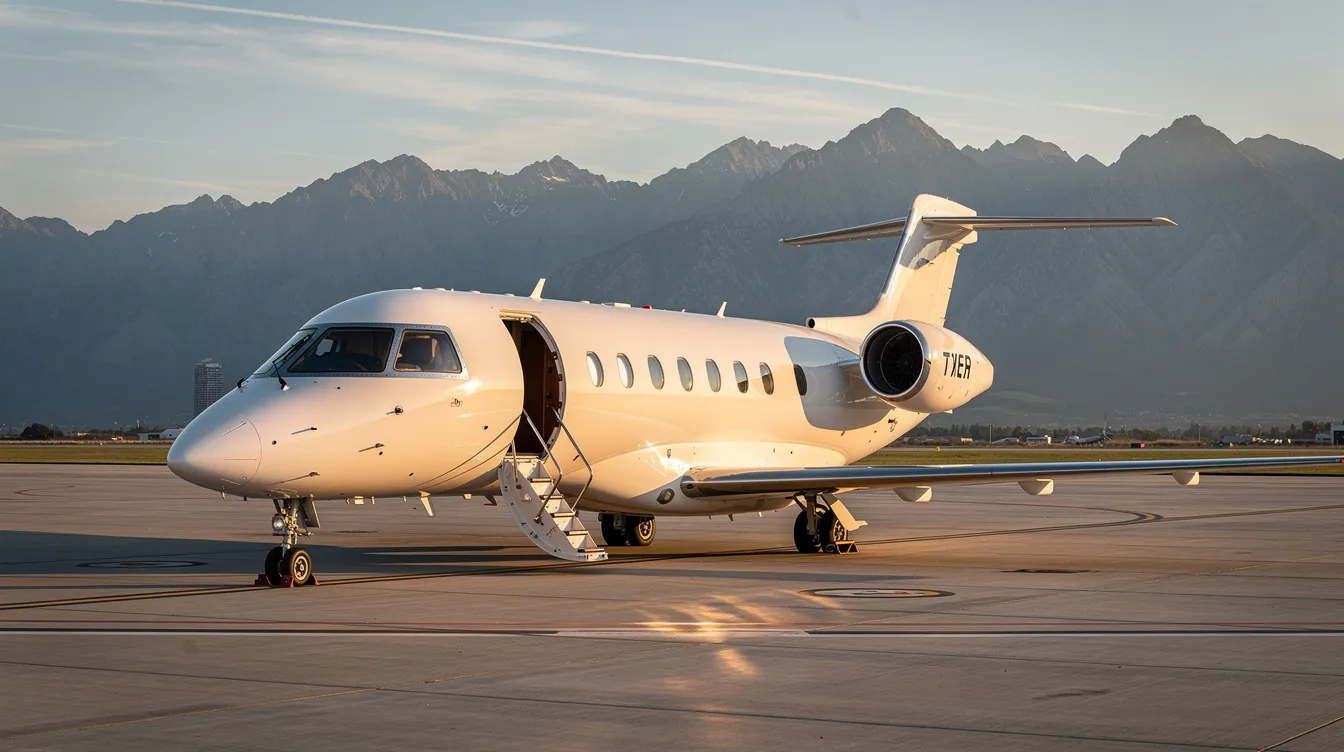
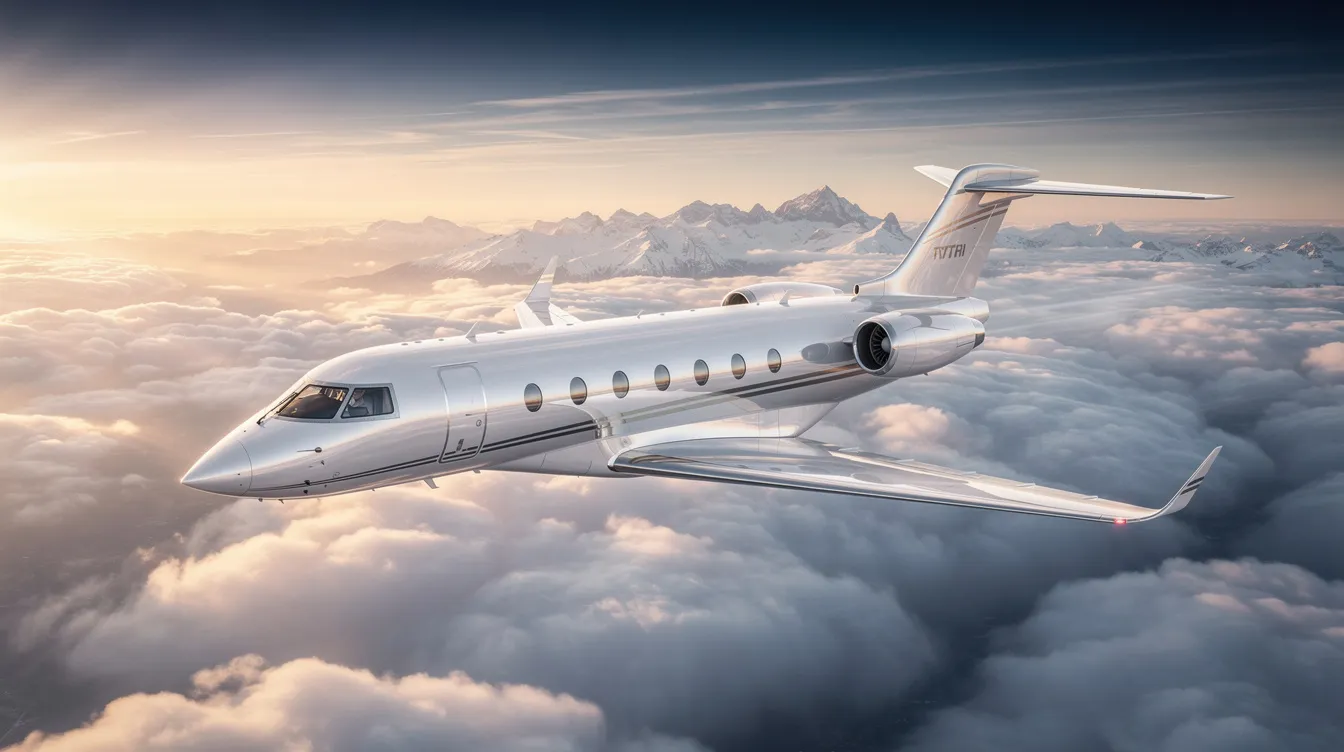
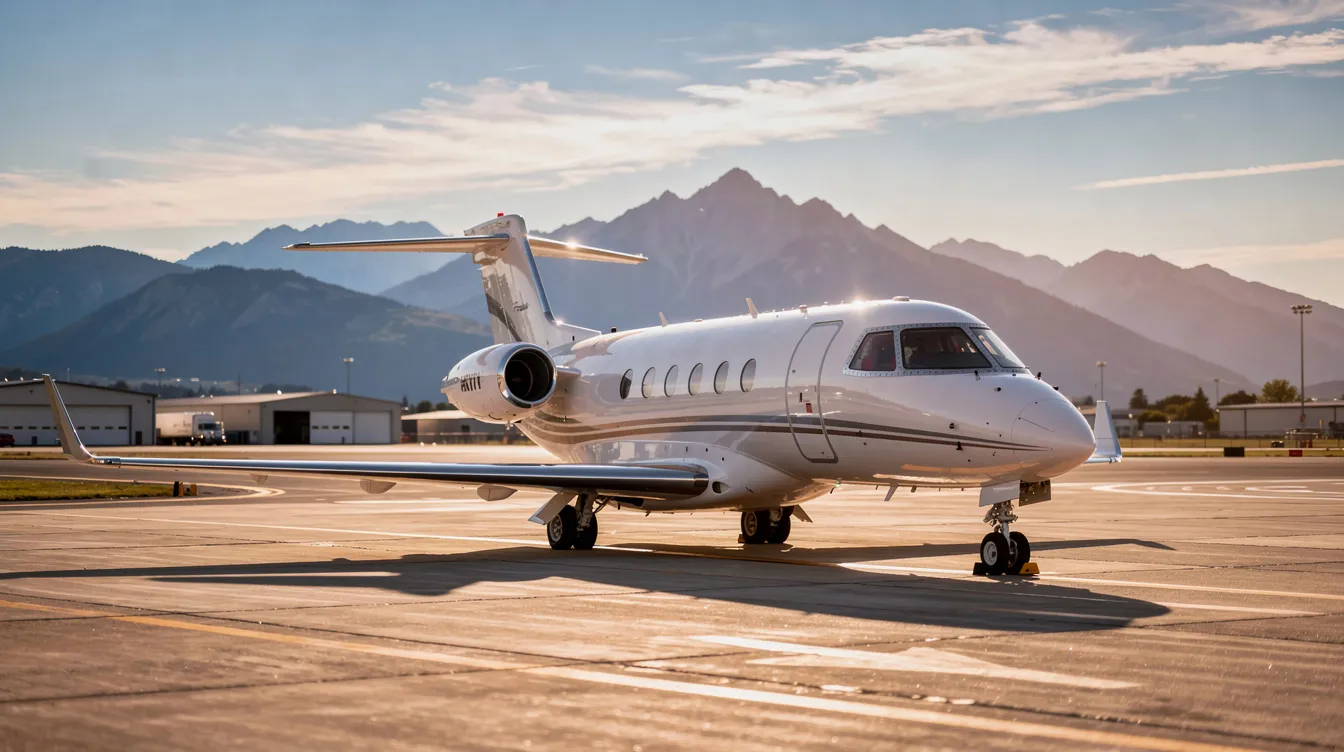
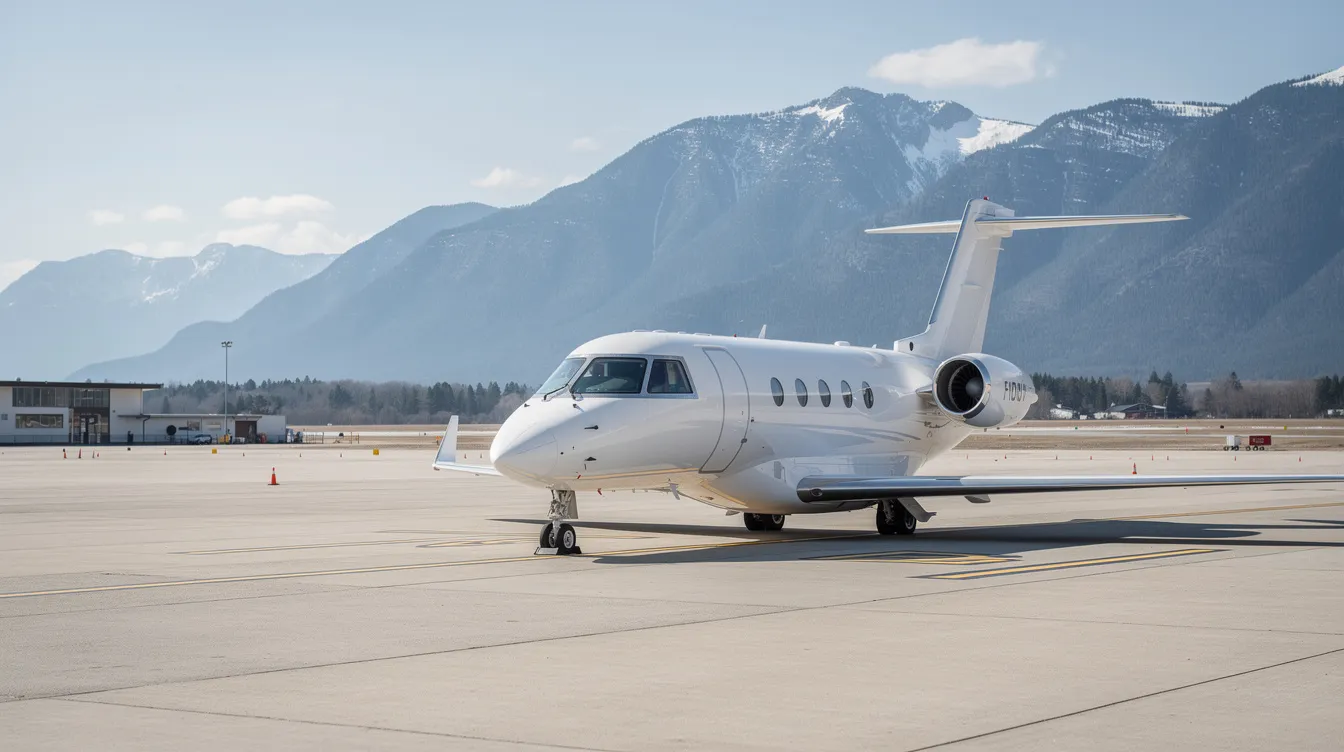
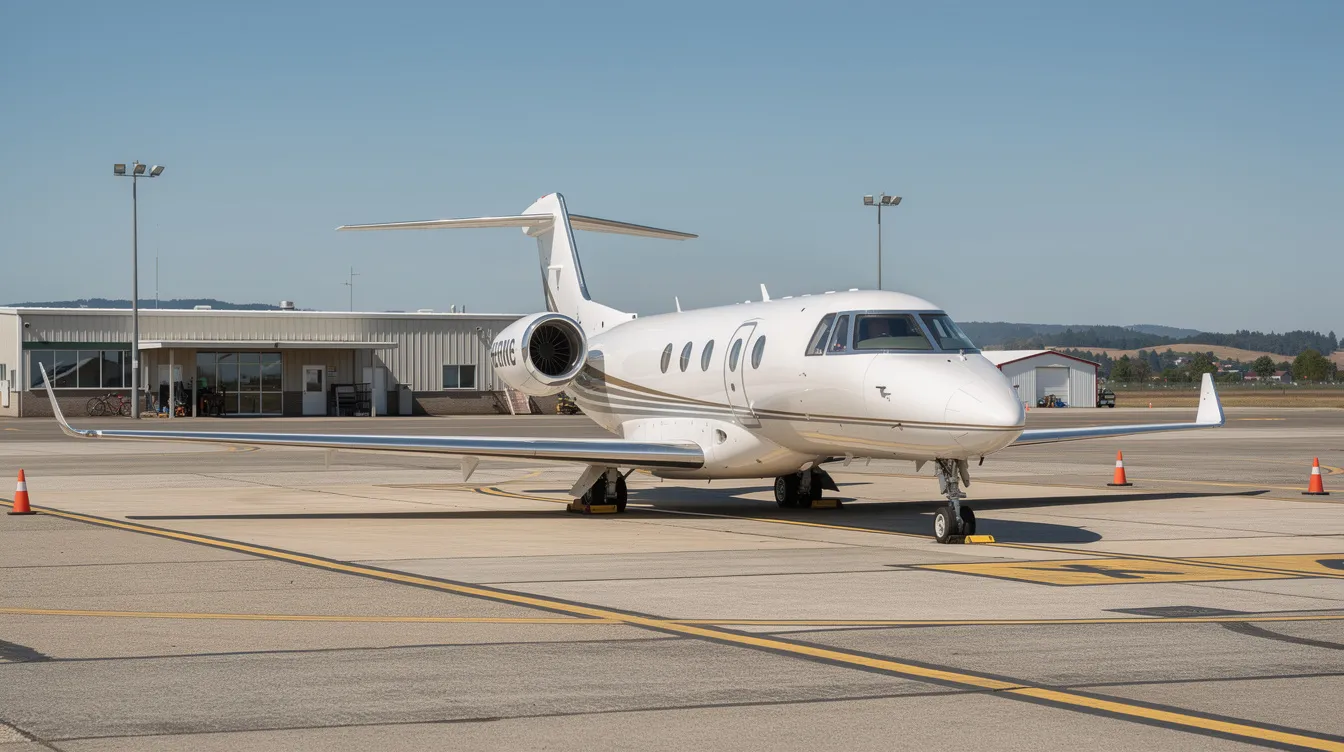
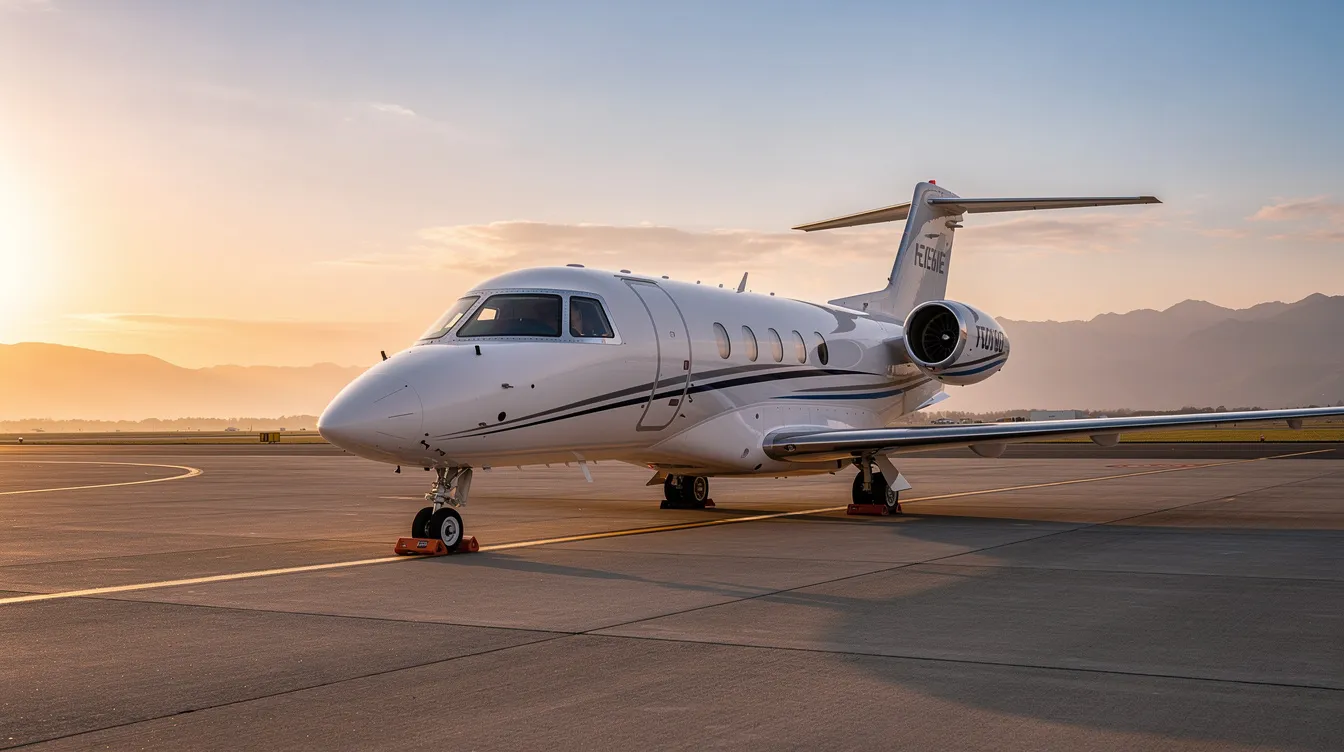
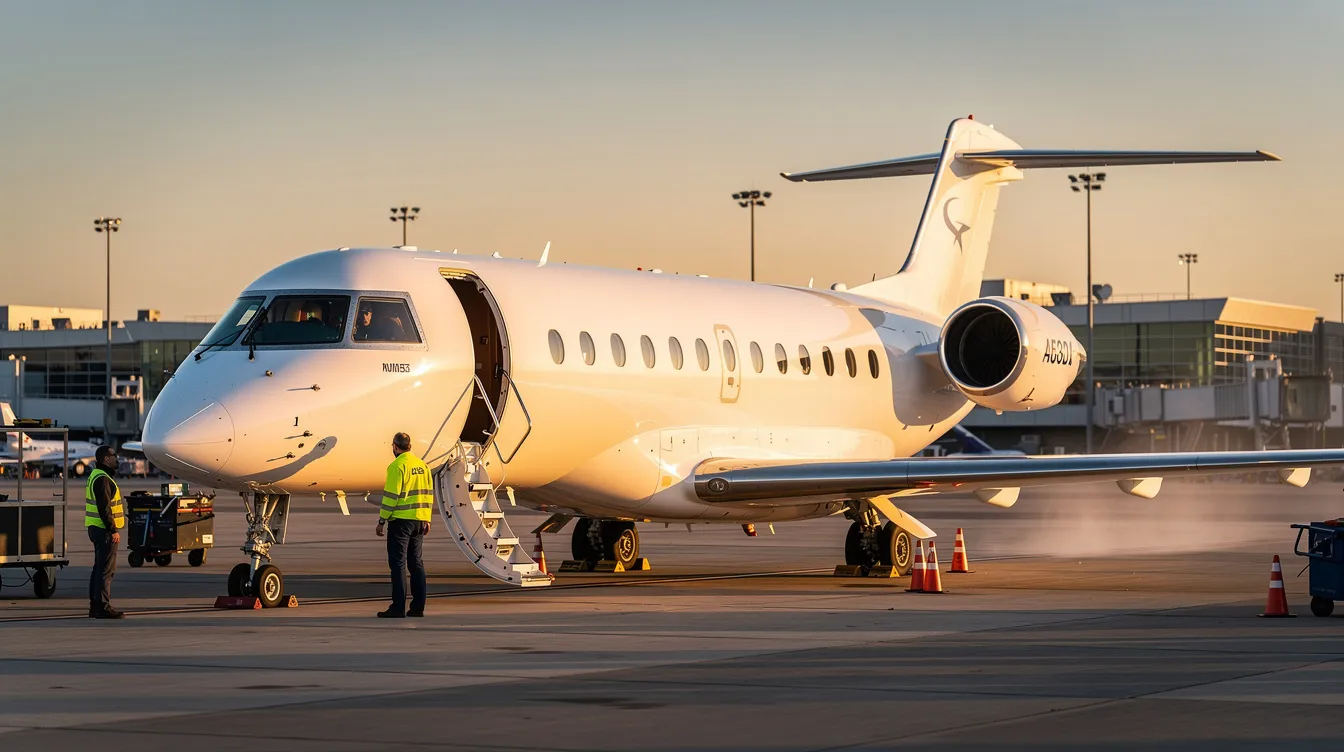
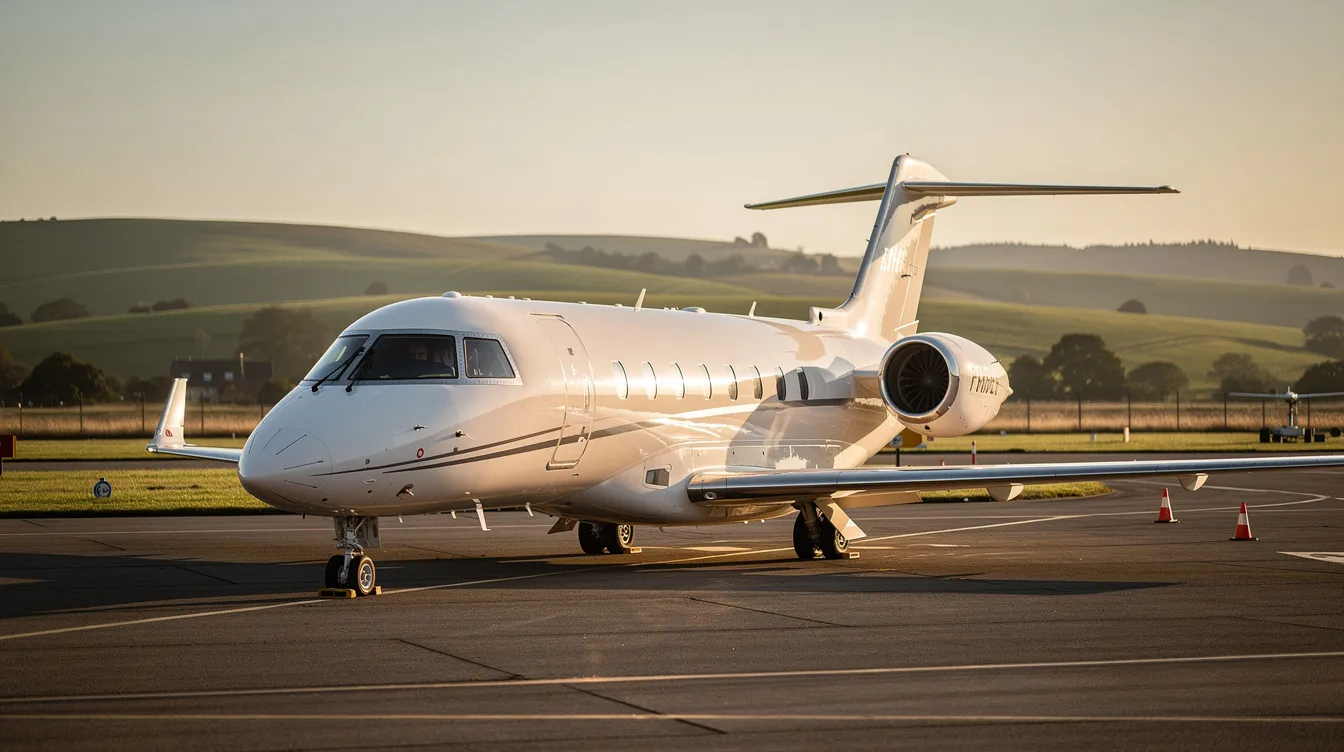
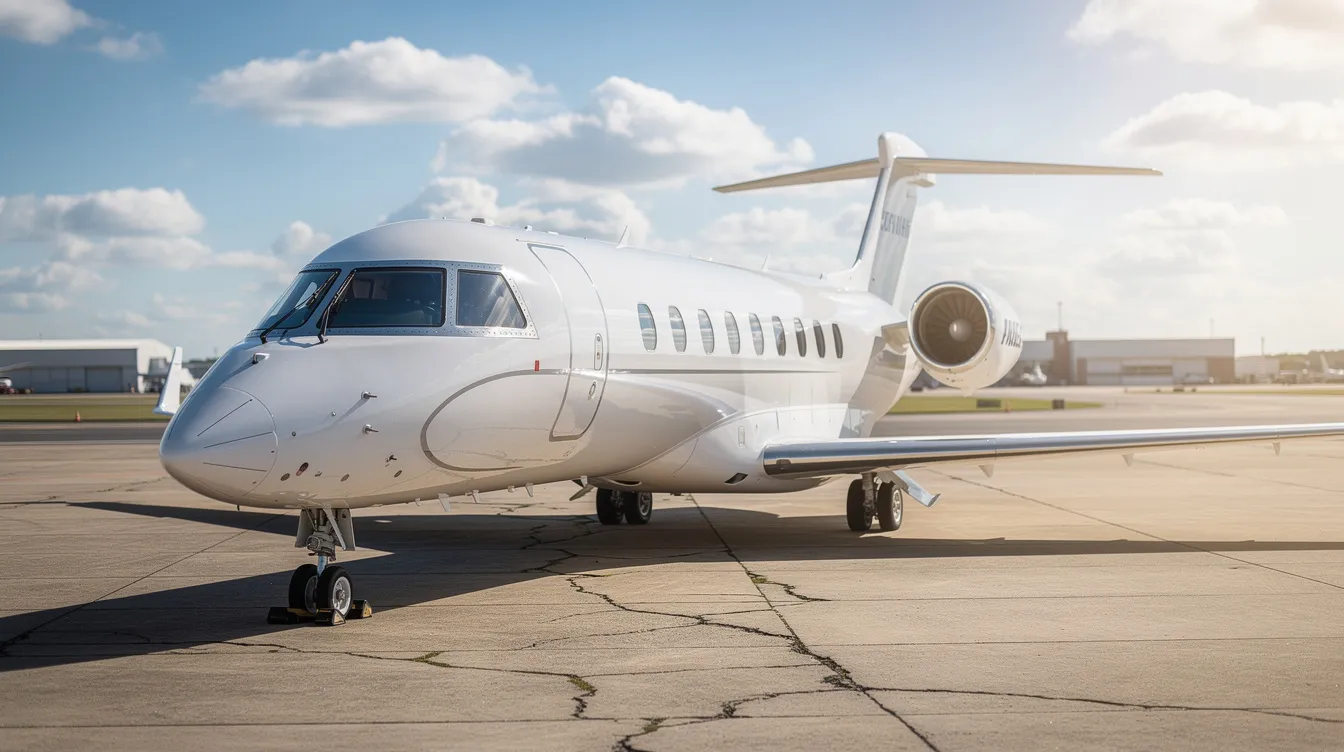
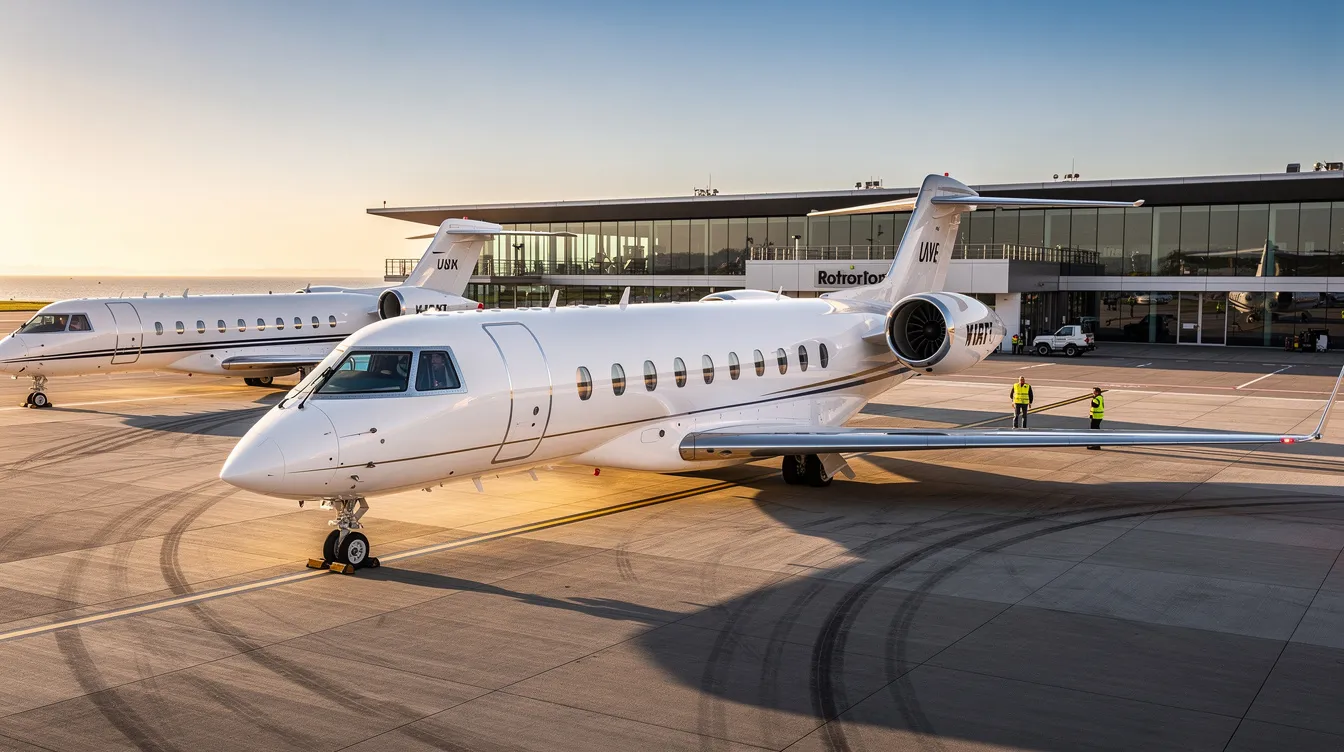
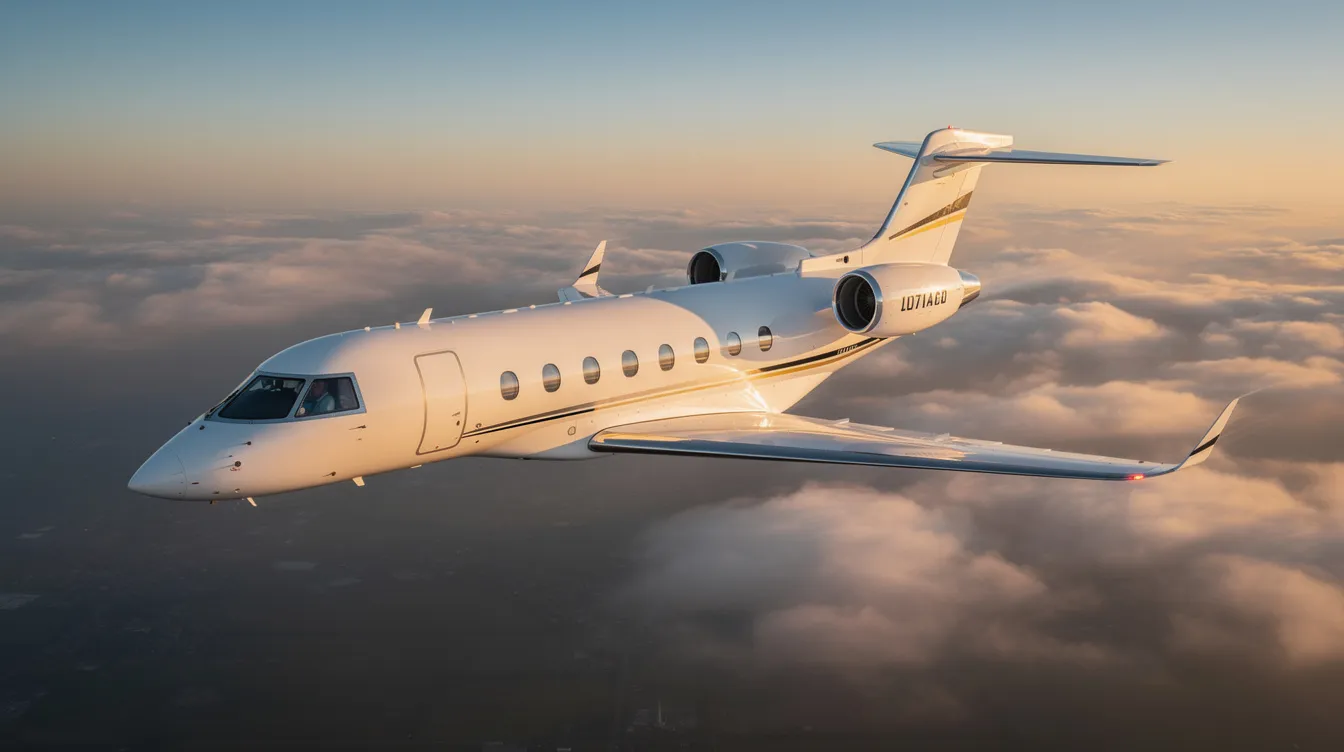
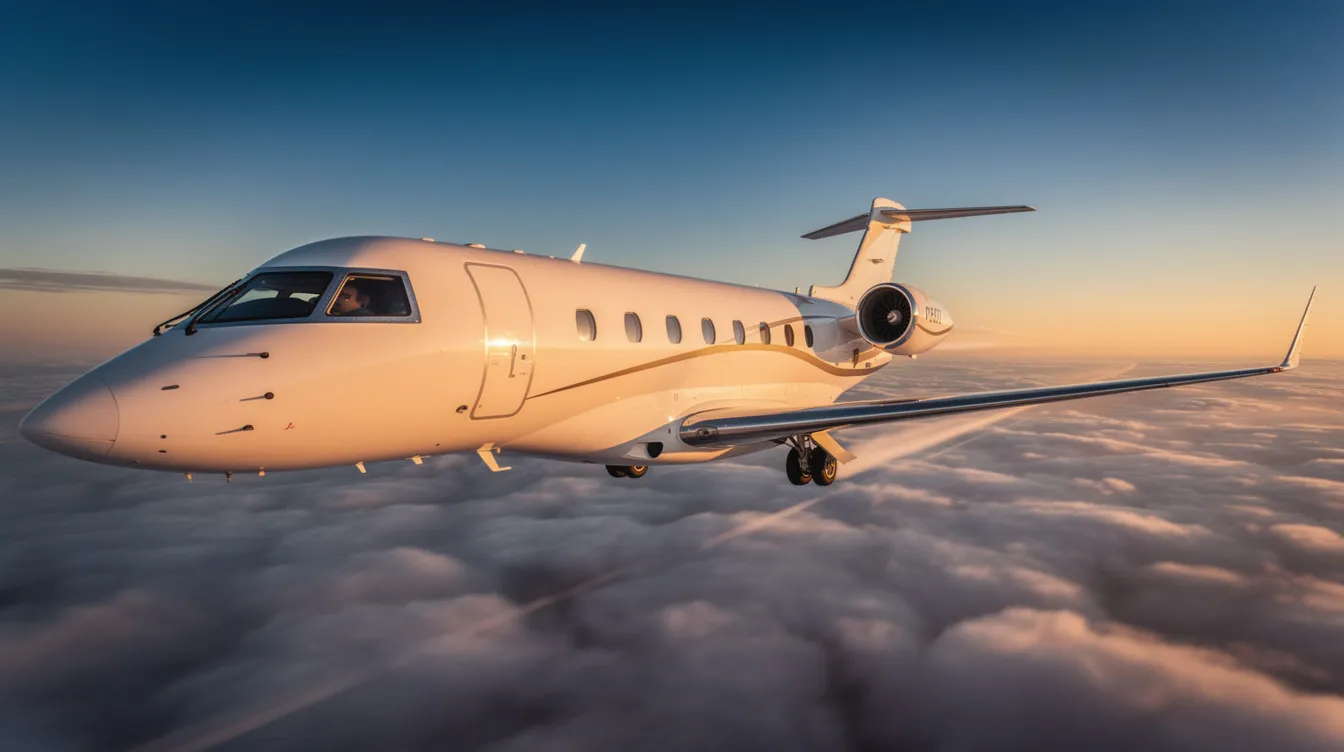
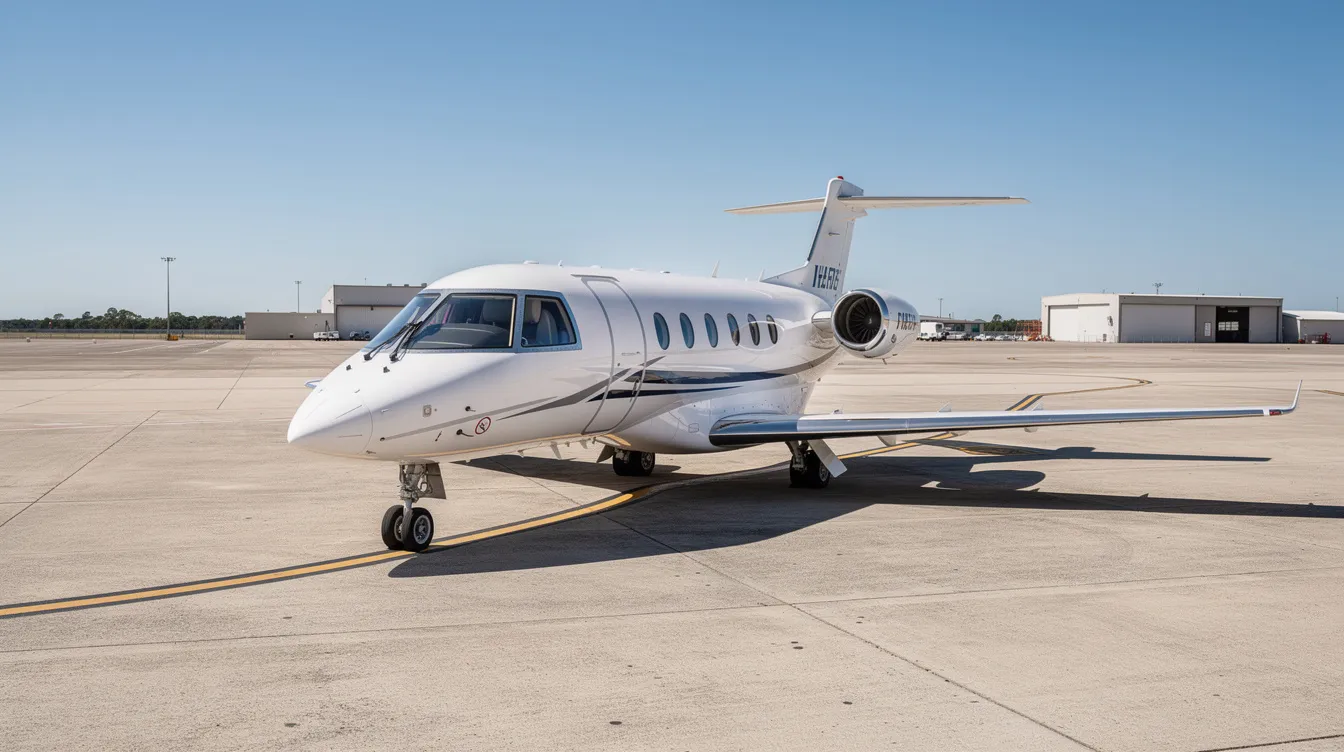
Small private jets fall into two categories: very light jets (VLJs), which typically seat 4-6 passengers with range around 1,000-1,400 nautical miles, and light jets, which typically seat 6-8 passengers with range stretching toward 1,500-2,200 nautical miles. Private jets across all categories can seat from 3 to 156 passengers, but small jets occupy the entry-level band where acquisition and operational costs are lowest.
In 2026, new small jets typically cost anywhere from $3 million to $8 million or more. Specific examples include the Cirrus Vision Jet G2+ at roughly $3.2-$3.6 million, the HondaJet Elite II near $6-$7 million, the Embraer Phenom 100EV around $5-$5.8 million, and the Cessna Citation M2 Gen2 at about $6.15 million. Pre-owned aircraft in these categories trade at meaningful discounts depending on age, hours, and condition.
Buying a small private jet is only part of the expense, as the acquisition alone can still run into several million dollars before annual ownership costs add several hundred thousand more. For business buyers and private jet owners weighing this decision, total cost of ownership, not just the sticker price, should guide the evaluation. BusinessJets.com specializes in small jet appraisals and transactions, having handled more than 1,500 aircraft deals globally.
Small Private Jet Purchase Price Ranges (Very Light vs Light Jets)
New small jets and pre-owned jets occupy distinct pricing bands. The average pricing for private jets listed across the market is $6,671,944, but that figure spans everything from aging turboprop aircraft to late-model light jets. Below is a more precise breakdown by aircraft category and model.
Very Light Jets (VLJs)
Model | New Price (2026) | Pre-Owned (5-10 Years) |
|---|---|---|
Cirrus Vision Jet G2+ | ~$3.2-$3.6 million | $2.1-$2.8 million (2017-2020) |
HondaJet Elite II | ~$6.0-$7.0 million | $3.2-$5.8 million (earlier gen) |
Embraer Phenom 100EV | ~$5.0-$5.8 million | $2.0-$3.3 million (2009-2016) |
Cessna Citation Mustang | Out of production | $1.3-$2.2 million (2007-2017) |
Light Jets | ||
Model | New Price (2026) | Pre-Owned (5-10 Years) |
Cessna Citation M2 Gen2 | ~$6.15 million | $4.0-$6.0 million |
Citation CJ3+ | ~$9-$10 million | $6-$9 million (2015-2019) |
Embraer Phenom 300E | ~$10.4-$11 million | $7-$9 million (mid-life) |
The pre-owned market features tight inventories; well-maintained aircraft with clean service logs command top dollar. Negotiated transaction prices often differ from list prices due to manufacturer incentives, delivery slot availability, and individual aircraft condition. A firm valuation and independent appraisal should precede any letter of intent.
What Drives the Price of a Small Private Jet?
Key factors influencing the cost of small private jets include age, airframe hours, and avionics upgrades. But these interact in ways that are not always intuitive. A 2015 VLJ with 800 total hours and a freshly enrolled engine program can be worth more than a 2018 example with 2,400 hours approaching its first hot-section inspection.
Here are the primary price drivers:
Aircraft type and category. Single-engine very light jets like the Cirrus Vision Jet carry lower acquisition and operating costs than twin-engine VLJs or light jets. Range and payload capability affect value directly; a private aircraft with 1,800 nm range commands more than one with 1,200 nm range at comparable hours.
Age, flight hours, and cycles. Low-time, late-generation models with compliant avionics command a premium. An aircraft approaching its engine overhaul (which can cost between $1 million and $2 million per engine) loses value unless the overhaul cost is priced in or covered by a pro,gram.
Mainhigh-speed Wi-Fienrollment. Be,ing on ESP, TAP Blue, MSP, or JSSI adds 10-25% to achievable sale price versus similar aircraft off-program. These programs shift the risk of unplanned maintenance events away from the buyer.
Avionics and interior. Advanced avionics (ADS-B Out, WAAS/LPV, synthetic vision, weather radar) and modern cabin features including high speed wi fi connectivity are tangible value drivers. An aircraft needing a full panel retrofit may cost $200,000-$400,000+ to bring current.
Market supply and demand. Delivery backlogs for new light jet models, geographic availability, and fuel prices all influence what buyers are willing to pay.
Very Light Jets: Entry-Level Private Jet Pricing
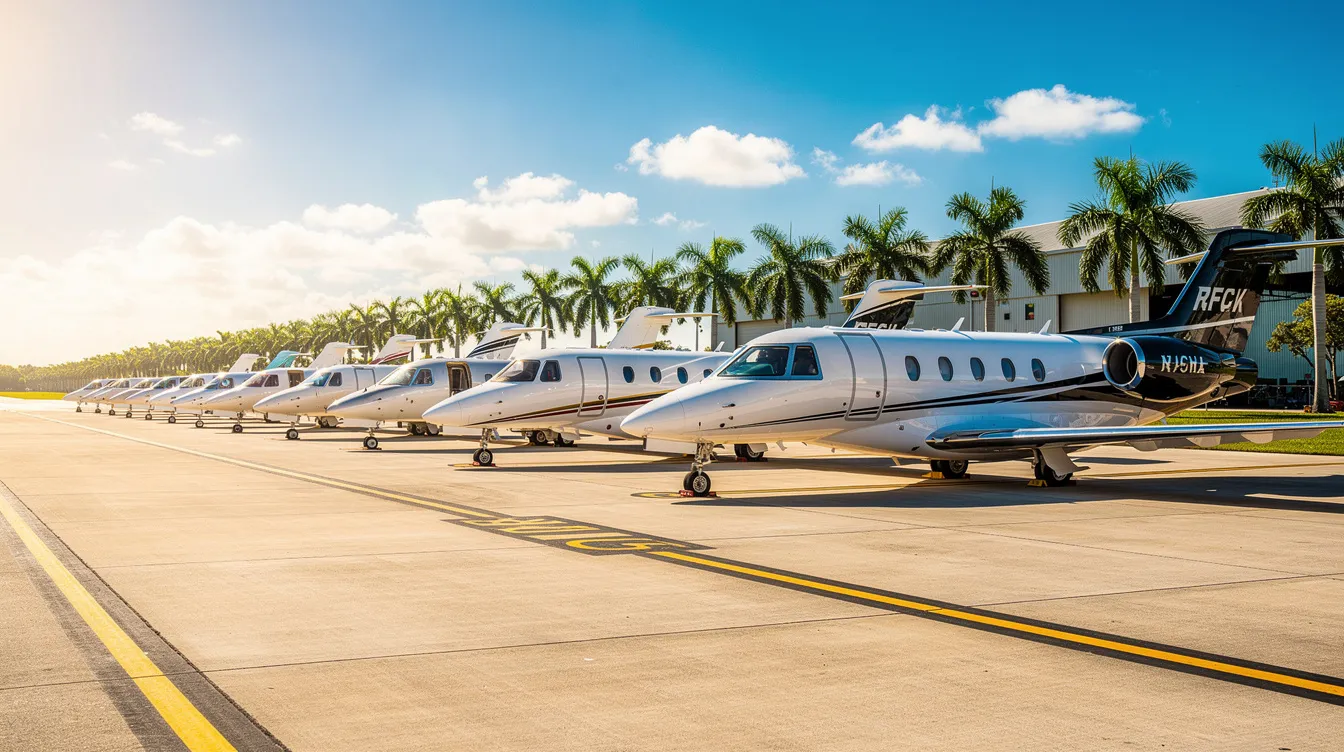
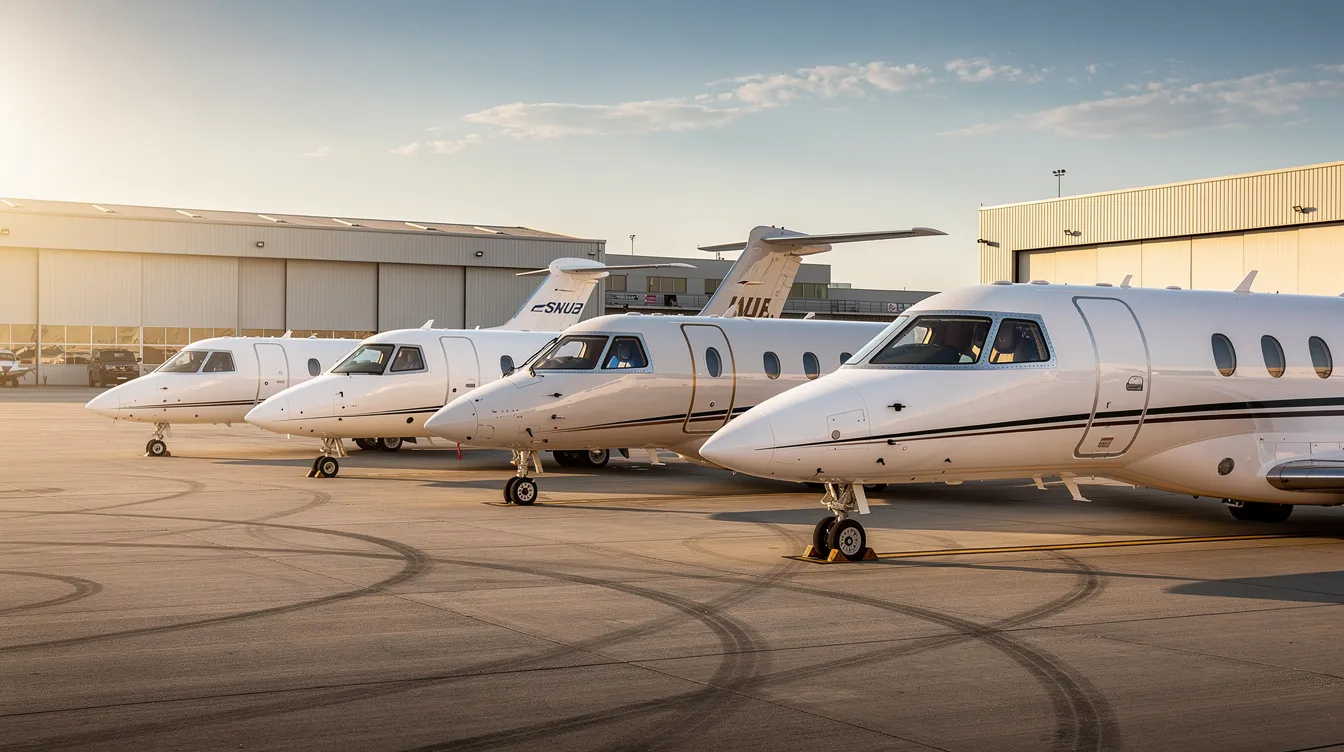
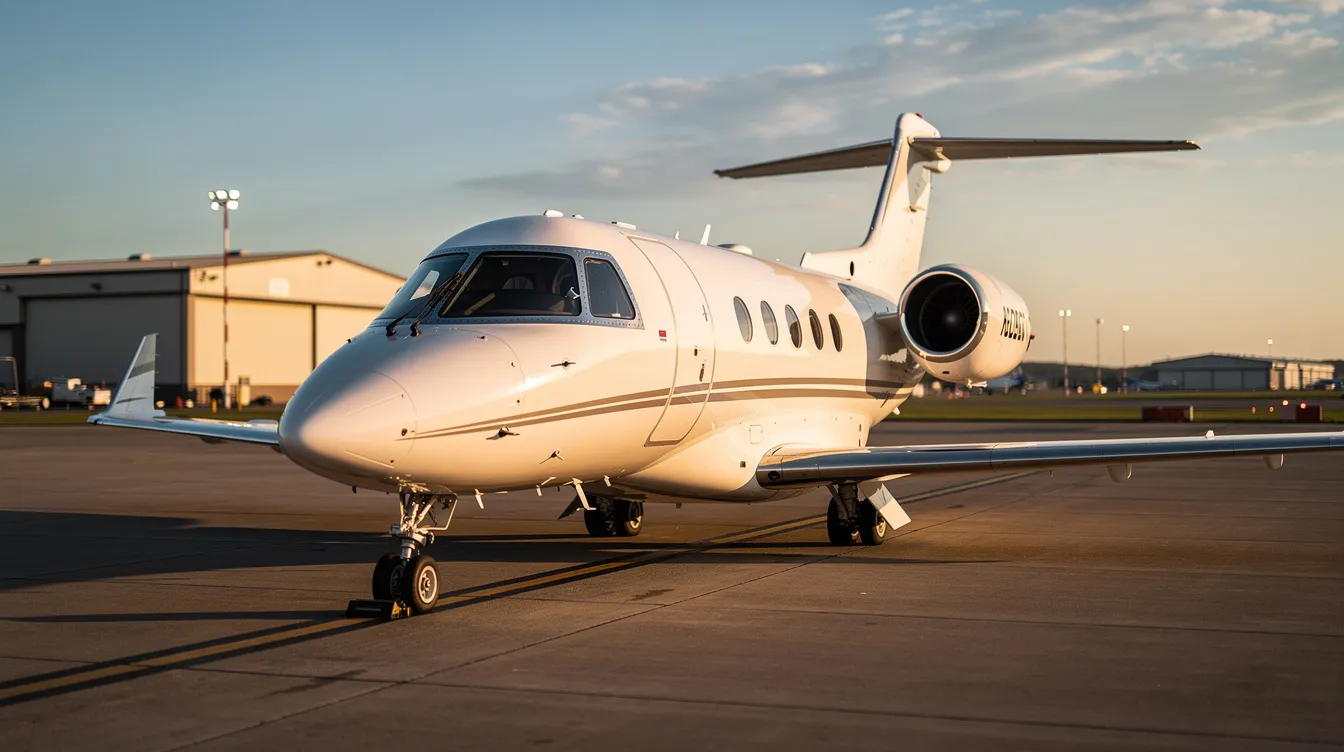
Very light jets are the smallest practical private jets for owner-operators and small businesses. Most VLJs are single-pilot capable, which reduces crew costs for qualified owner-pilots. They typically seat 4-6 passengers and cover ranges of 1,000-1,400 nautical miles, making them suited for regional hops (Los Angeles to Denver, Paris by private jet charter, New York to Atlanta).
Very light jets are priced from $3.5 million to $5.7 million for new production models, though the single-engine Cirrus Vision Jet G2+ enters the market at the lower end around $3.2 million depending on options. At the top of the VLJ band, the HondaJet Elite II lists near $6-$7 million with its over-the-wing engine design and improved fuel efficiency relative to many competitors.
On the pre-owned side, the Citation Mustang, (out of production since 2017) remains one of the cheapest private jet options in the jet category, trading between $1.3 and $2.2 million for well-maintained examples. Pre-owned Phenom 100s from 2009-2016 typically fall in the $2.0-$3.3 million range.
VLJs can be attractive for private jet ownership when annual flight hours are modest (100-200 hours) and missions are mostly domestic or intra-regional. Pilot workload in single-pilot VLJ operations is manageable with modern avionics, but buyers should verify training requirements. BusinessJets.com can help compare VLJs to used light jets on a cost-per-mile basis to determine whether the price gap justifies stepping up.
Light Jets: When You Need More Range and Cabin
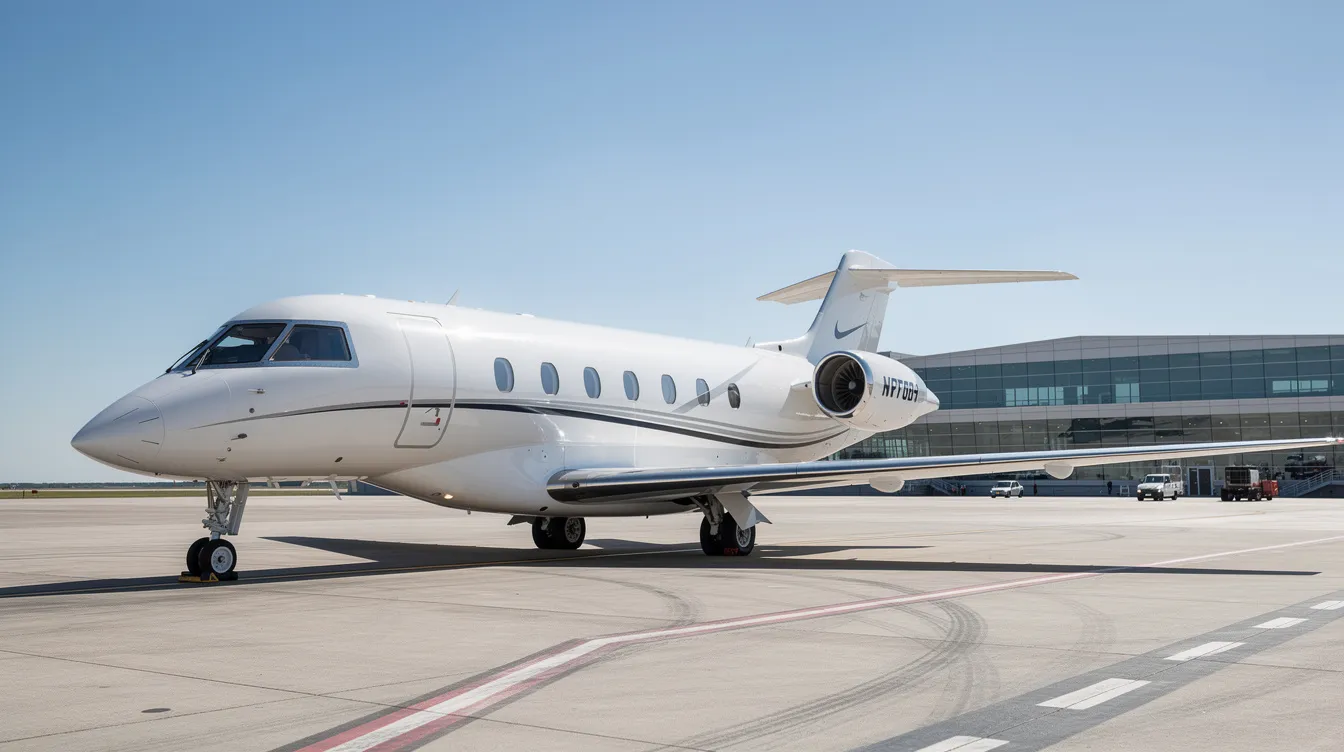
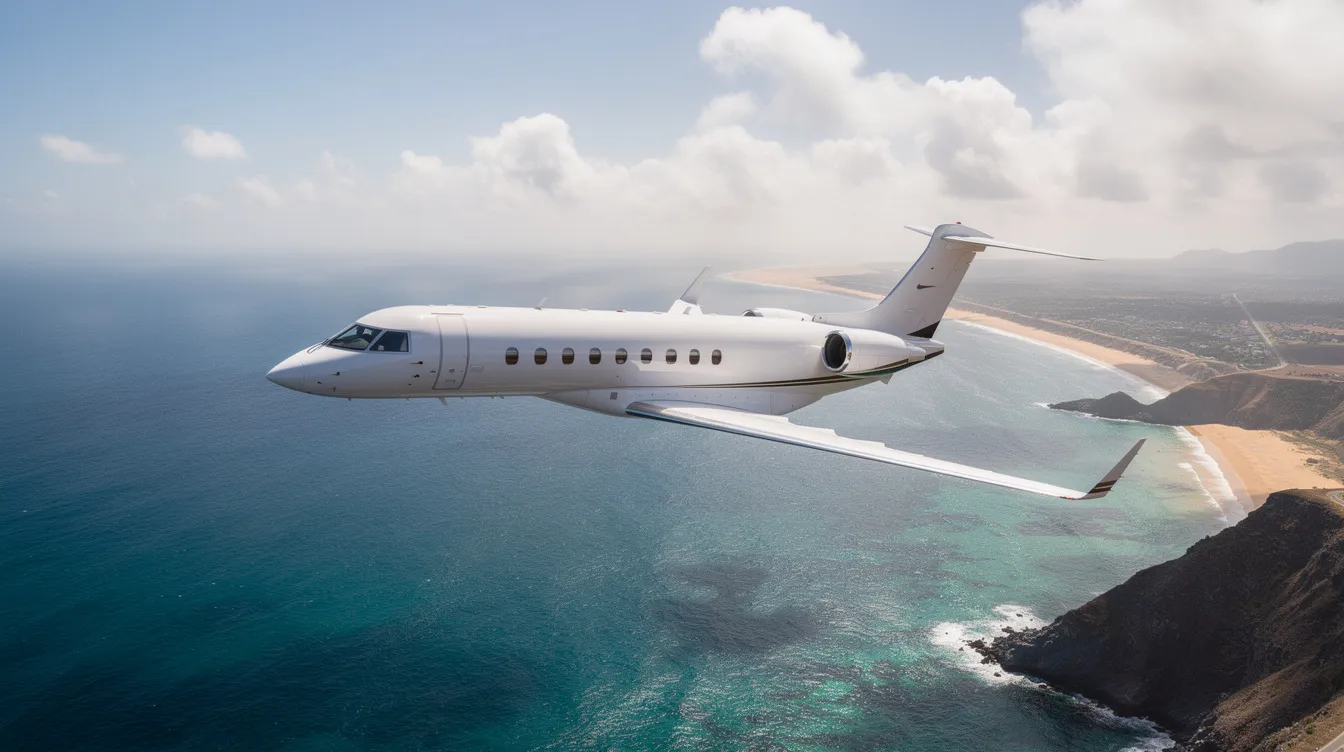
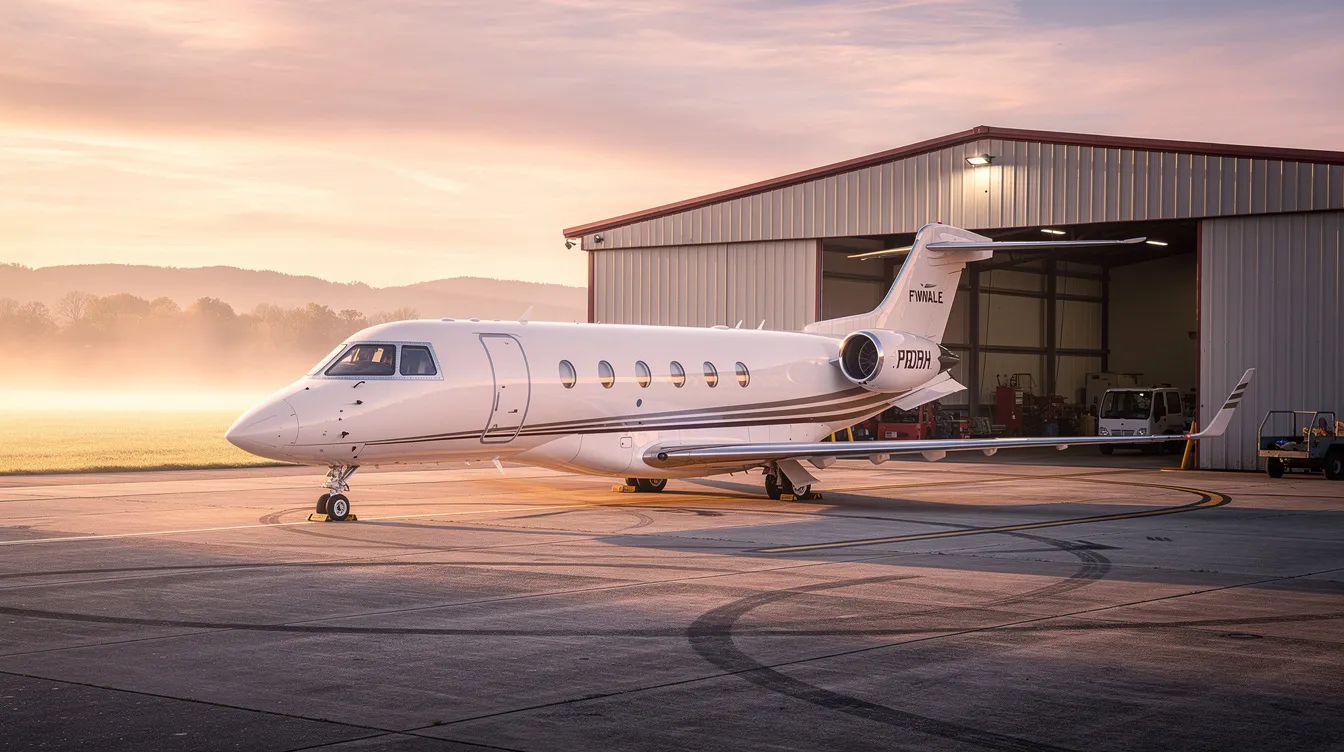
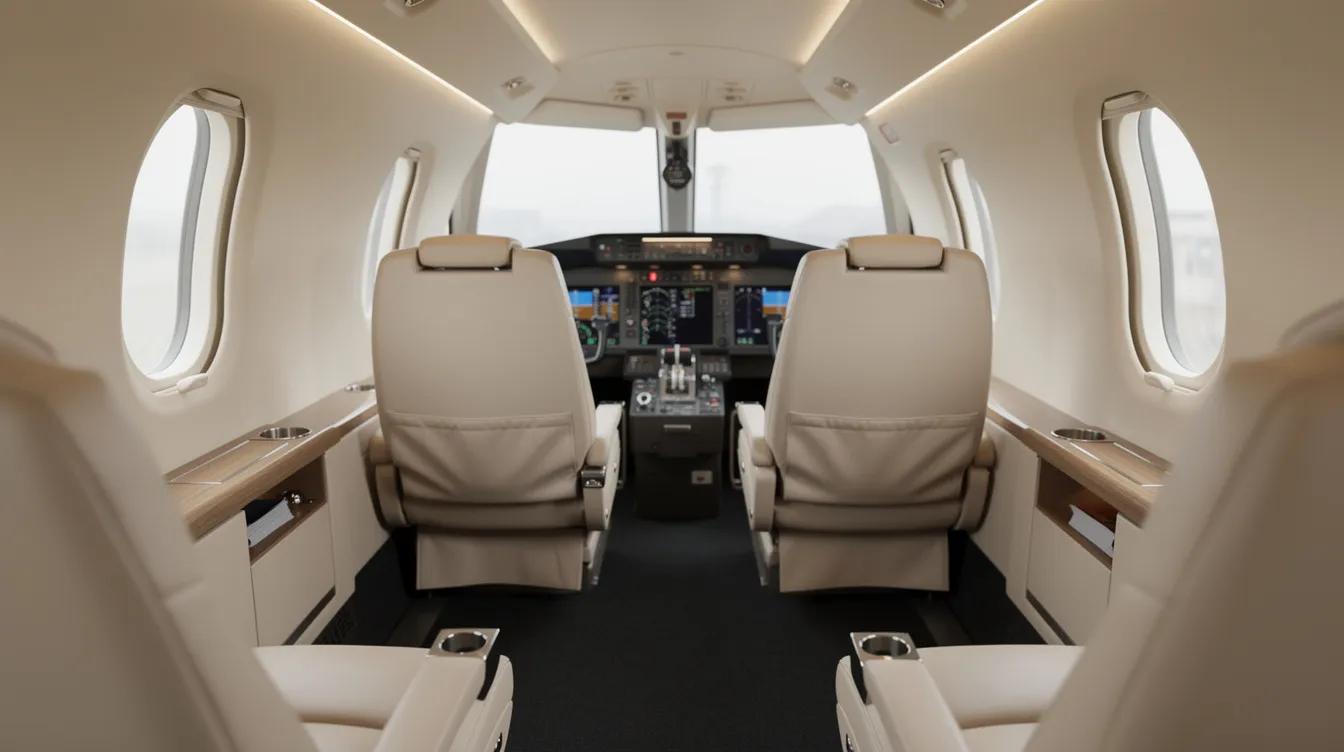
Many corporate and high-net-worth buyers step up from VLJs to light jets because of the additional range, cabin space, and passenger count these aircraft provide. Light jets extend practical nonstop range toward 1,500-2,000 nautical miles (New York to Dallas, London to Athens) while remaining more economical than a midsize jet in terms of jet fuel consumption and crew costs per flight hour.
New light jets cost between $3 million and $9 million for most models in production, with the Phenom 300E at the upper end near $10-$11 million. The Citation CJ3+ lists around $9-$10 million new, while the Citation M2 Gen2 offers a new light jet entry point at approximately $6.15 million.
Pre-owned light jets from 5-12 years old generally trade in the $3-$7 million range. Older but well-maintained examples sometimes trade below $3 million, though maintenance status and avionics compliance matter more than age alone. For context, midsize jets range from $5 million to $30 million (a new super midsize Bombardier Challenger 350 costs around $27 million), and large jets can cost between $25 million and $75 million. A new Airbus ACJ319 private jet costs significantly more than most small jets but illustrates the amenities and long-range capabilities available at the top end of the market. Light jets occupy a distinct niche below these larger aircraft categories.
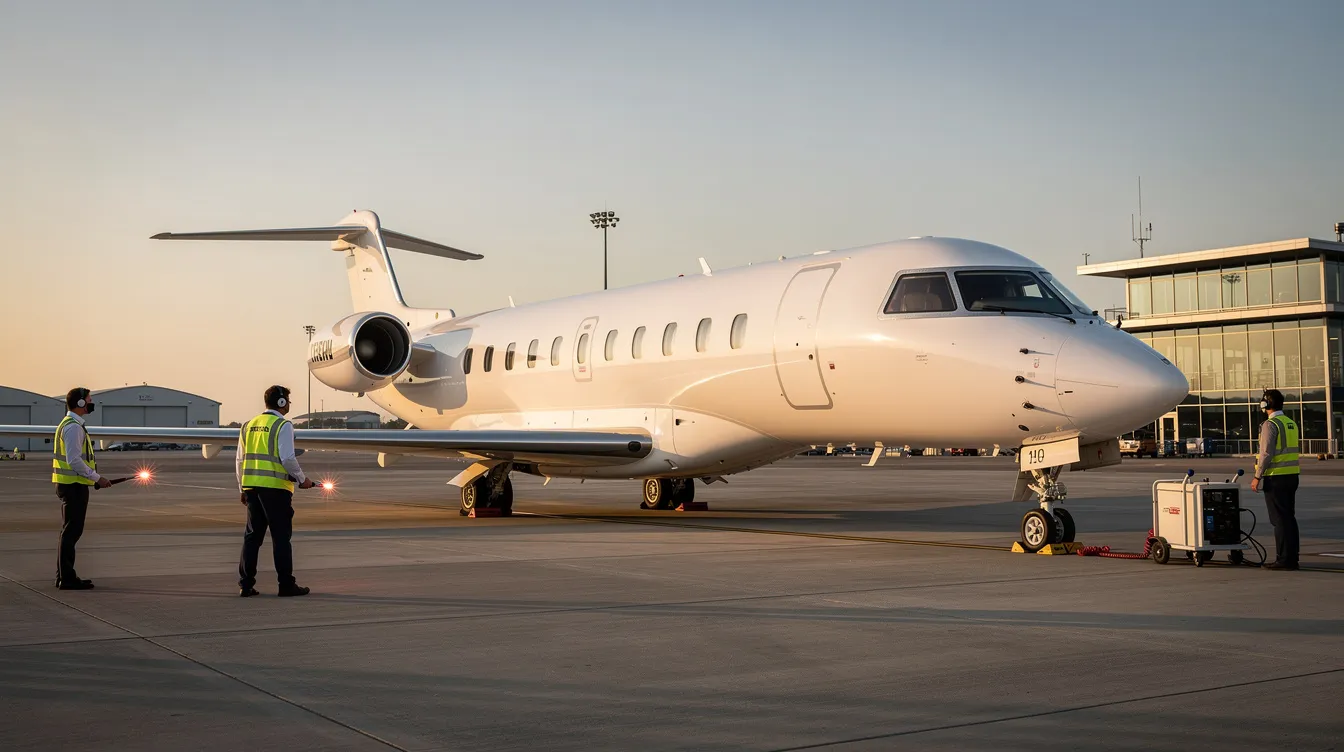
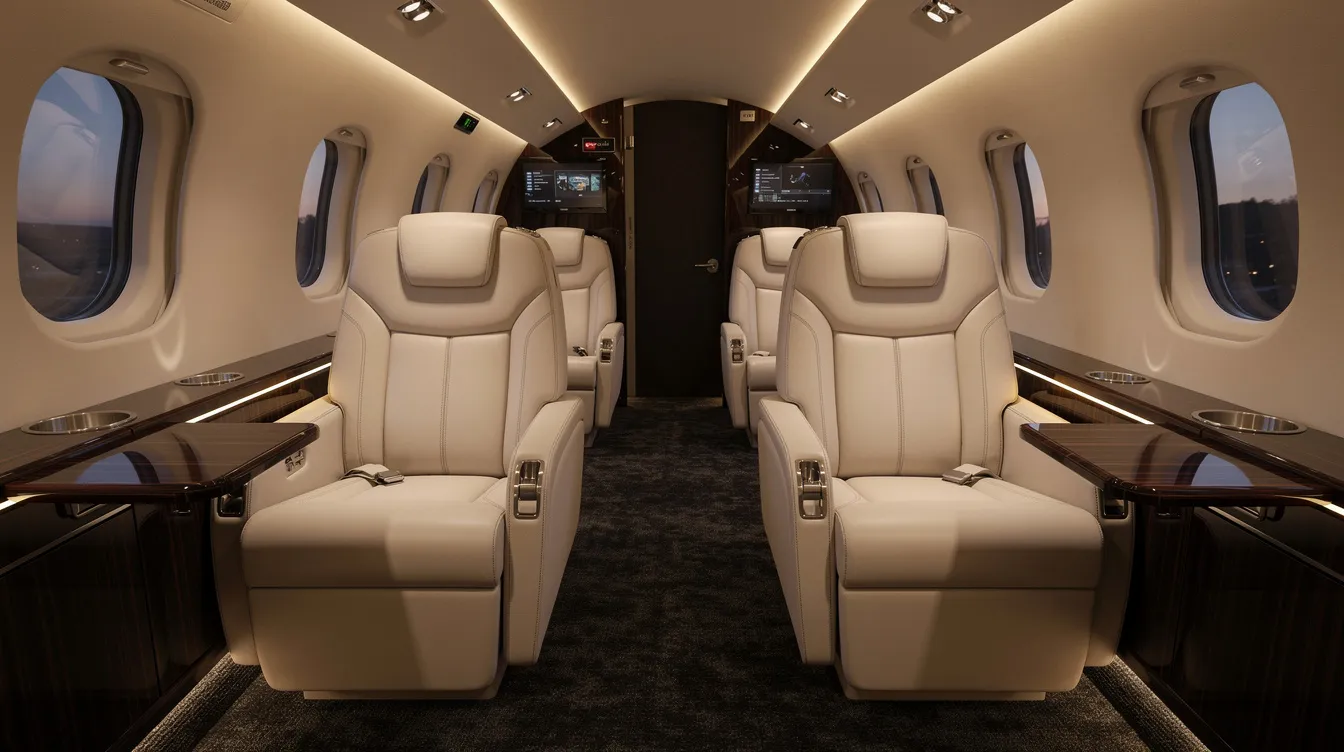
Light jets generally require a two-person flight crew, which increases crew salaries and scheduling complexity compared to owner-flown VLJs. Some models offer stand up cabins, and most provide adequate baggage capacity for multi-day trips. They are not built for transatlantic missions, but they cover domestic and short intern2-3-hourflights efficiently.
Example Price Scenarios: Realistic Small Jet Budgets
Scenario | Aircraft & Year | Purchase Price | Annual Flight Hours | Annual Fixed Costs | Variable Costs per Hour | Total Variable Costs | Total Annual Cost | Typical Missions |
|---|---|---|---|---|---|---|---|---|
A | 2018 Cirrus Vision Jet | $2.2-$2.8 million | 150 | $200,000-$300,000 | $700-$1,000 | $105,000-$150,000 | $350,000-$500,000 | 2-3 hour legs within region, <4 legs/week |
B | 2016 Embraer Phenom 100EV | $2.5-$3.5 million | 250 | $250,000-$350,000 | $1,500-$1,800 | $375,000-$450,000 | $600,000-$900,000 | Chicago-Nashville, Frankfurt-Barcelona |
C | 2019 Citation M2 | $5-$6 million | 275 | $350,000-$450,000 | $2,000-$2,200 | $550,000-$605,000 | $900,000-$1,050,000 | Corporate use, 2+ hour legs, professional crew |
Operating Costs: Beyond the Purchase Price
The standker price is only part of the equation for acquiring a private jet; ongoing costs can be substantial. For any private jet ownership scenario, the purchase price is a one-time outlay while operational costs recur every year and generally dominate long-term economics. Total annual operating costs for small jets can realistically fall between $600,000 to $1.2 million.
Fixed Costs Breakdown
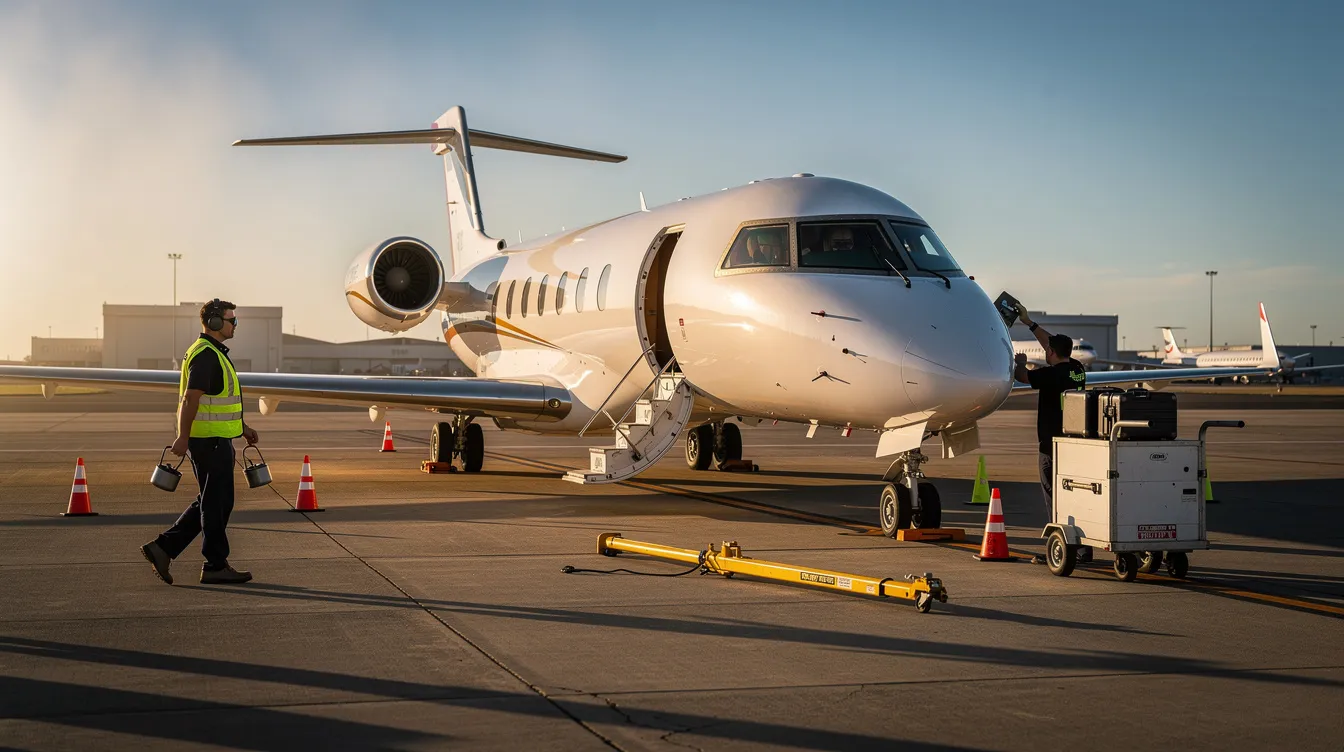
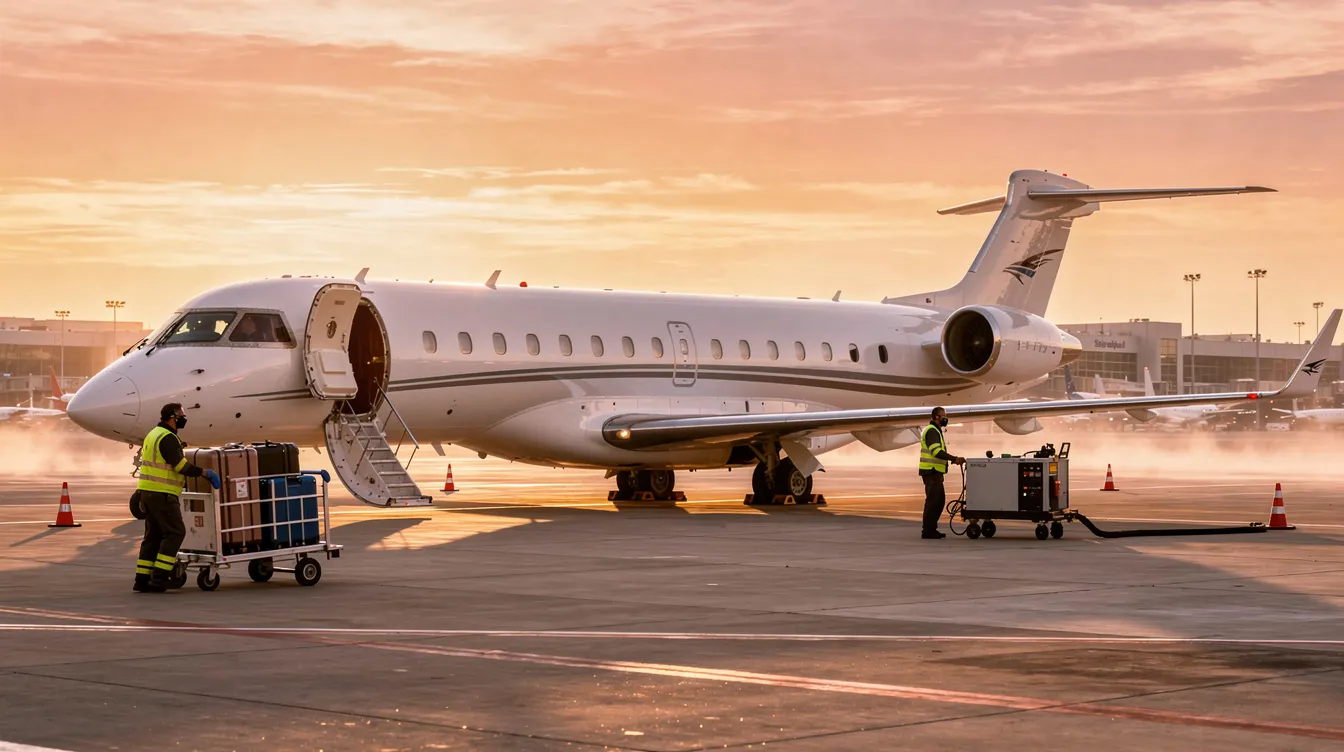
Fixed costs do not scale with flight hours and typically total $300,000 to $600,000 per year for small jets. These include:
Crew salaries (if employing pilots)
Hangar fees
Private jet insurance
Navigation and data subscriptions
Management fees
Calendar-based inspections
Variable Costs Breakdown
Variable costs scale with each flight hour. For light jets, variable costs for comparable midsize jets run $2,200 to $2,800 per flight hour, while small jets fall in the $1,800-$3,500 range. These include:
Jet fuel
Routine maintenance per hour
Engine and maintenance reserves
Landing fees
Catering
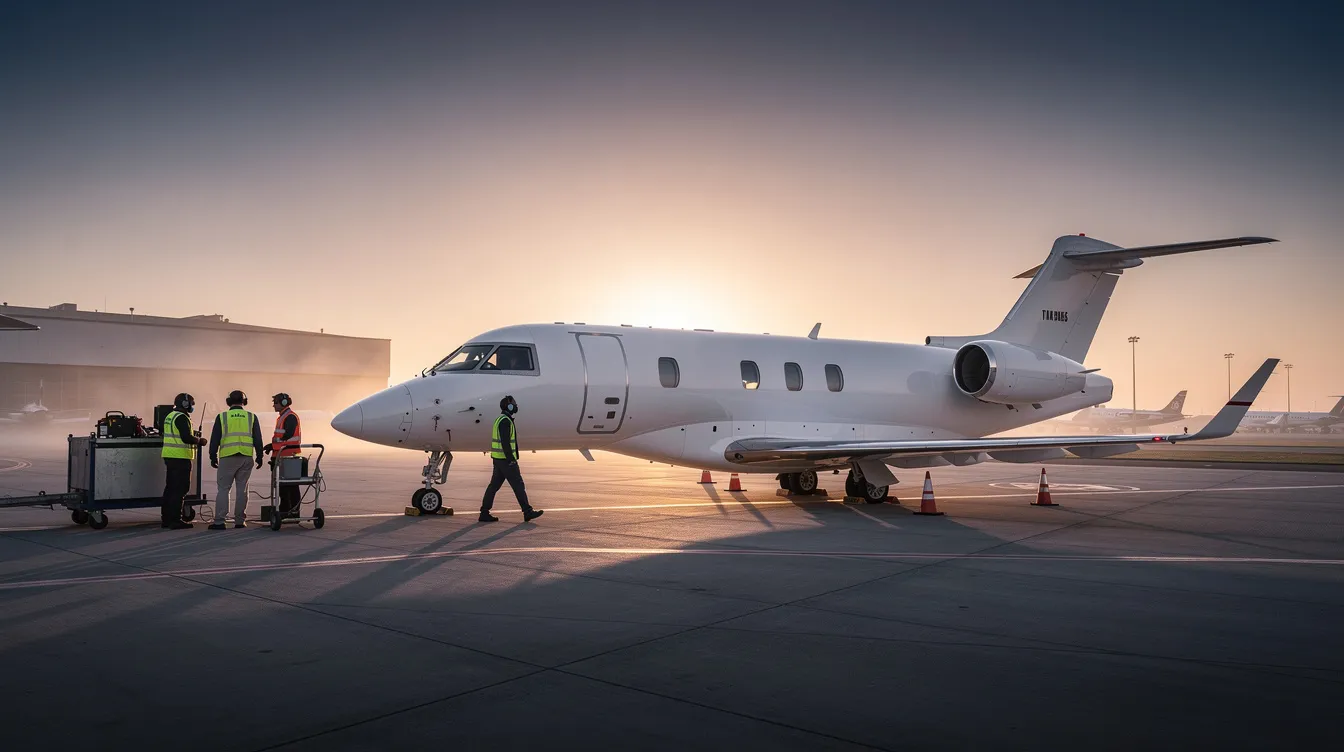
Owning a private aircraft involves both fixed annual overhead and variable hourly expenses. Monthly operational budgets should consider depreciation, maintenance reserves, and flight hours. You need to set aside money every flight hour for future maintenance expenses, including engine hot-section inspections and airframe checks that occur at defined intervals.
Annual ownership costs for small jets often range from around $0.5 million to $2 million, depending on the aircraft, utilization, and geographic market. Annual fixed costs can add $500,000 to $1 million or more per year regardless of flight hours. For context, annual fixed costs for midsize jets range from $800,000 to $1.2 million, annual fixed costs for large jets range from $1.4 to $1.8 million, and ultra-long-range jets have fixed costs exceeding $2 million annually.
Jet Fuel and Per-Flight-Hour Costs
Fuel becomes one of the largest variable expenses for small jets, typically costing $700 to $1,500 or more per flight hour. Jet fuel typically represents the largest variable expense, consuming 80 to 150 gallons per hour depending on the aircraft category.
For very light jets, fuel burn runs roughly Per-flight-hourer flight hour. For light jets, the figure is often 130-200 gallons per hour. With Jet-A prices at U.S. FBOs averaging $6.50 to $8.50 per gallon in 2026, the fuel cost alone for a light jet burning 170 gallons per hour works out to $1,100-$1,445 per hour. Higher fuel costs at premium FBOs in congested markets push these numbers further.
Per flight hour operating costs also include maintenance reserves, engine reserves, and reserves for major inspections. All-in variable cost per hour for VLJs typically falls at $1,000-$1,800; for light jets, $1,800-$2,500. Fully burdenedper-hourr costs (spreading fixed overhead acrper-houre) push those numbers higher.
To estimate annual cost, multiply annual flight hours by fully burdened per hour cost. A light jet flown 250 hours at $2,200 per hour yields $550,000 in variable costs; add $400,000 in fixed costs and the total reaches $950,000. The same aircraft flown only 100 hours still carries the same fixed costs, making the per hour economics unfavorable versus charter.
Hidden Fees and Contingencies
Some ownership expenses do not scale with flight hours and must be carried even in low-use years. Annual fixed costs for jet ownership range from $500,000 to $2 million across all jet categories. For small business jets, the typical band is narrower but still meaningful.
Common fixed costs for small private jets include:
Hangar rental: $30,000-$90,000 per year depending on airport location. A facility near New York or Los Angeles can run $70,000-$90,000 or more; a mid-tier regional airport may cost $30,000-$50,000.
Insurance: Typically 1-3% of hull value annually. For a $5 million light jet, this means $50,000-$150,000. Pilot credentials, aircraft type, and usage pattern affect premiums.
Crew retainers or salaries: A two-pilot flight crew for a light jet adds $150,000-$300,000 or more per year in crew costs and benefits.
Navigation and data subscriptions: FMS databunderestimatedeather radar subscriptions, and ADS-B compliance data can total $15,000-$30,000 or more annually, sometimes reaching several thousand dollars annually per subscription category.
Management fees: If using a third-party operator, management fees for scheduling, compliance, and part procurement add $3,000-$8,000 per month.
Hidden fees and under-estimated items also add up. Repositioning flights for maintenance, de-icing charges during winter operations, higher costs at congested FBOs, and unexpected avionics upgrade mandates driven by regulatory requirements all create budget overruns. Fixed annual costs include hangar fees, insurance, and pilot salaries, but buyers frequently underestimate ancillary charges. A 7.5% US Federal Excise Tax applies to domestic flights and adds to the ongoing costs of operating in the U.S.
A professional operating budget prepared during acquisition due diligence should include sensible contingencies for these items. BusinessJets.com routinely models these scenarios when advising buyers and operators on whether the numbers justify owning a private plane outright.

How Many Private Jets: Fleet Strategy vs Single Aircraft Ownership
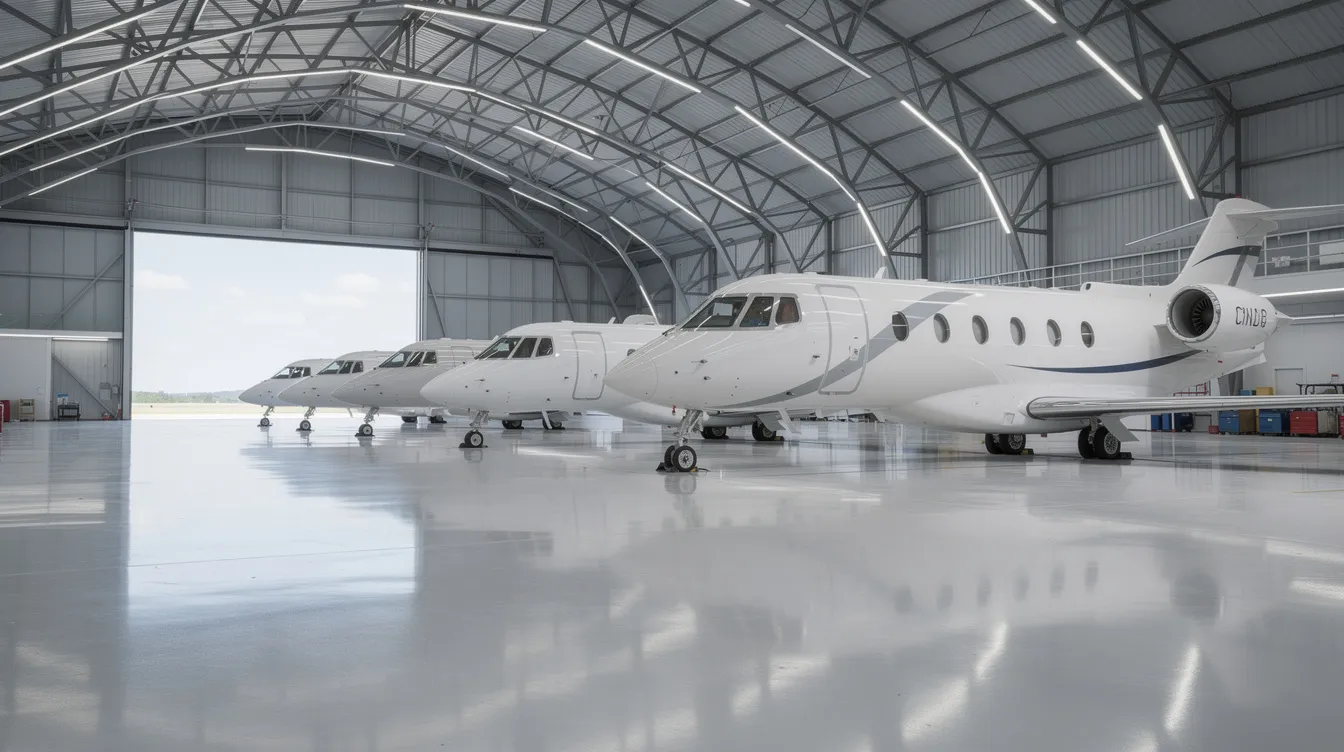
Corporate flight departments and multi-aircraft owners face a specific question: how many private jets does the mission profile actually require? A single versatile light jet may cover most routes, but it jetot fly two trips simultaneously and will spend several days per year in high maintenance.
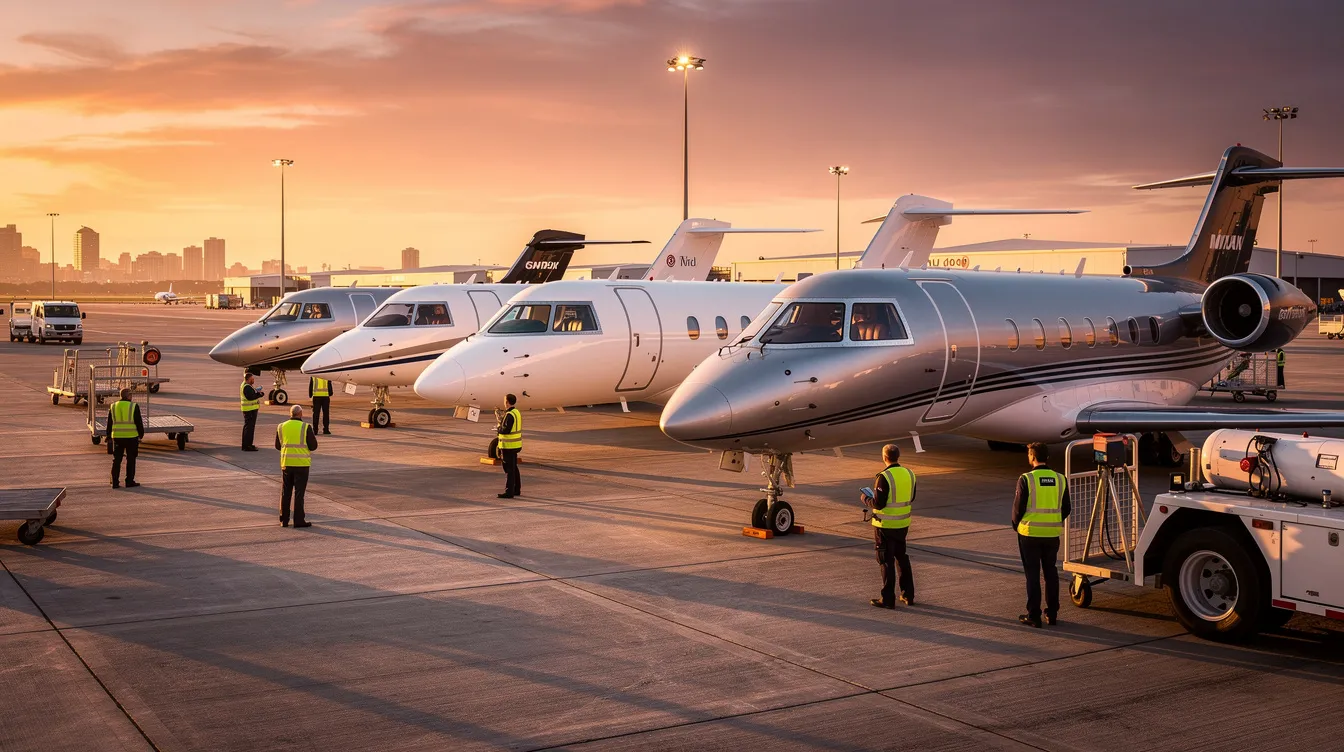
Some operators maintain two or more small jets to ensure availability. Others pair one owned entire aircraft with on-demand charter or lease capacity for overflow missions or longer routes where a larger aircraft (such as a midsize jet or super midsize jets category) is required. Pairing ownership with charter access avoids the excessive fixed costs of a second airframe that sits idle most of the year.
BusinessJets.com's consulting services help fleet managers model "how many private jets" make sense for their route network, budgets, and utilization. The analysis accounts for flight hour distribution, maintenance windows, and whether private jet rentals or empty leg flights can fill scheduling gaps more cheaply than a second owned aircraft.
Ownership Models: Ownership vs Charter vs Fractional
The three primary ways to access small private jets are full private jet ownership, fractional ownership, and on-demand private jet charter. The key variable separating them is annual flight hours.
Full ownership is economical at 200-250 flight hours annually. Below roughly 150 hours per year, charter can provide all the benefits of private aviation without the fixed costs of ownership, so it often delivers a lower all-in cost per hour. Private jet rental costs range from $2,300 to $17,000 per hour depending on aircraft category and distance. Aircraft age can increase rental rates by $100 to $1,000 per hour. Private jet rental prices include crew, fuel, and insurance. Hourly rates vary by aircraft category and flight distance. For light jets, charter rates typically run $3,000-$5,000 per flight hour. VIP airliners rent for $18,000 to $23,000 per hour at the top end of the market.
Fractional ownership can reduce upfront cost and high fixed expenses while still providing access to private jets. Fractional shares range from 1/16th to 50% of the entire aircraft, with each share entitling the owner to a proportional number of occupied flight hours. Fractional ownership requires a multi-year management agreement, which locks in pricing but limits flexibility. Leasing eliminates large upfront costs and depreciation risks, making it attractive for buyers uncertain about long-term utilization.
For frequent flyers logging 250+ hours annually, flying private through full ownership usually wins on cost per hour, schedule control, cabin customization, and branding. BusinessJets.com can prepare a quantitative comparison of all three models tailored to a specific mission profile.
Evaluating a Specific Aircraft: Pre-buychase Pricing and Risk Checks
Before buying a private jet outright, every buyer should verify whether the asking price reflects the aircraft's actual condition and market position. Maintenance history and airworthiness can raise value or reduce risk in private jets, but only if properly documented aand nd verified.
The evaluation process includes:
Pre buy inspection. Conduct a thorough inspection at a reputable, independent maintenance facility. This covers airframe, engines, landing gear, and all systems. Borescope inspections inside engines reveal hot-section condition that logbooks alone cannot confirm.
Logbook review. Verify total time, cycles, compliance with all mandatory airworthiness directives (ADs) and service bulletins (SBs). Any gaps or discrepancies reduce value and increase risk.
Independent appraisal. Obtain a market comparable analysis from a firm like BusinessJets.com that accounts for remaining engine life, avionics status, and recent transaction data for similar tail numbers. This prevents overpaying or inheriting undisclosed maintenance liabilities.
Cost-of-ownership modelling. Project fixed and variable costs over the expected holding period. Include planned avionics upgrades, upcoming inspections, and potential engine program enrollment.
BusinessJets.com provides detailed appraisal and valuation services that combine market intelligence with total cost modelling. This helps buyers anchor their offer to data rather than asking price alone.
Financing, Depreciation, and Exit Strategy
Small private jets are capital assets that depreciate, and buyers should plan financing, tax treatment, and eventual resale at the time of acquisition. Private jets depreciate 20-30% over five years, though the exact curve depends on model popularity, avionics relevance, and OEM support.
Typical loan structures for small jets involve down payments of 20-30% or more. Aircraft with clean maintenance records and active engine programs qualify for better terms. Lenders evaluate airframe age, hours remaining before major inspections, and the borrower's credit profile. Annual fixed costs for ownership can exceed $1 million when financing costs are included alongside operating overhead.
Depreciation follows predictable patterns. A $6 million light jet purchased in 2026 may be worth $4.2-$4.8 million by 2031 under normal market conditions. However, aircraft with outdated avionics or those that lose OEM parts support can lose value faster. In some jurisdictions, businesses may be able to accelerate depreciation for qualifying aircraft, which materially affects effective cost in early ownership years.
A clear exit strategy is a key part of private jet ownership. Timing the sale when maintenance status is clean, hours before the next major inspection are high, and market demand is favorable protects resale value. BusinessJets.com helps owners list aircraft for sale, establish fair asking prices, and manage transactions to protect residual value.
How BusinessJets.com Supports Buyers and Owners of Small Private Jets
BusinessJets.com is a B2B-oriented aircraft brokerage and consulting firm, not a charter operator. With a track record spanning more than 1,500 completed transactions and 5,000+ satisfied clients, the firm specializes in private aviation transactions for business jets across all categories.
For light jets and very light jets, the firm provides:
Aircraft acquisition support: Shortlisting aircraft that match mission profile and budget, negotiating purchase price, and coordinating pre-purchase inspections.
Independent valuation and appraisals: Benchmarking asking prices against recent comparable transactions, maintenance status, and avionics condition.
Operating cost modelling: Projecting annual costs based on actual flight hour assumptions, fuel burn, crew requirements, and maintenance program status.
Fleet and strategic consulting: Advising corporations and operators on fleet composition, upgrade timing, and market positioning for resale.
If you are evaluating a small private jet purchase or considering a sale, request an appraisal or explore current aircraft for sale through BusinessJets.com.

FAQ: Small Private Jet Pricing and Ownership
How long does it usually take to buy a small private jet from first call to closing?
A typical acquisition timeline for a very light jet or light jet is 45-90 days. This covers needs analysis, aircraft search, letter of intent,pre-buyy inspection, contract negotiation, and closing logistics. Availability of desired models, hangar space, and financing approvals can shorten or extend this window. Experienced brokers with established networks and processes often compress the timeline, particularly when financing is pre-arranged, and the buyer has a clear mission profile.
Are there tax advantages to owning a small private jet for business use?
In the United States, businesses may use accelerated depreciation or bonus depreciation (under Section 179 or MACRS schedules) for qualifying aircraft, which can reduce effective cost during the first several years of ownership. Some states also offer sales or use tax exemptions. Tax treatment is complex and subject to changing regulations, so buyers should engage aviation-savvy tax counsel. BusinessJets.com works alongside those advisors during deal structuring but does not provide tax advice directly.
How often will a small private jet be unavailable due to maintenance?
Most scheduled maintenance (annual and phase inspections) can be planned around mission requirements. Owners should expect several days to a couple of weeks per year for routine maintenance and inspections. Unscheduled events vary; enrolling in engine and airframe maintenance programs reduces both the frequency and financial impact of surprises. A capable maintenance provider and proactive scheduling keep the aircraft productive during peak travel periods.
Can I offset some of my ownership costs by chartering out my small jet?
Many owners place their private aircraft on a Part 135 charter certificate to generate revenue from private jet travel demand. This introduces additional wear, regulatory requirements (including crew training and scheduling), and operational complexity. Charter revenue can offset part of the fixed and variable costs but rarely turns the aircraft into a profit center on its own. A detailepro formama prepared with an advisor should model utilization rates, pricing, and incremental maintenance costs before pursuing this strategy.
When should I consider upgrading from a very light jet to a light or midsize jet?
The trigger is usually a change in mission profile: higher cost-effectiveness on longer nonstop legs, a need for a large cabin jet with more baggage capacity, or annual utilization that justifies a larger aircraft category. If you are consistently flying private on legs beyond 1,400 nautical miles, carrying more than four passengers, or logging 300+ hours per year, a light or even a midsize or heavy jet may be more cost effective on a per-mission basis. BusinessJets.com helps clients review their flight data every 3-5 years to decide whether to retain, sell, or trade up, factoring in market trends and aircraft depreciation curves.BusinessJets.com helps clients review their flight data every 3-5 years to decide whether to retain, sell, or trade up, factoring in market trends and aircraft depreciation curves. Buyers should consider that new small jets typically cost anywhere from $3 million to $8 million or more, with new light jets priced between $3 million and $9 million. For example, a new Gulfstream G650ER costs up to $75 million, while a new super mid-size Bombardier Challenger 350 costs around $27 million. Pre-owned jets typically sell for 20-50% less than new models, but well-maintained aircraft with clean service logs command top dollar in a market with tight inventories.
Key factors influencing the cost of small private jets include age, airframe hours, and avionics upgrades. The average pricing for private jets listed is approximately $6,671,944. Private jets depreciate 20-30% over five years, so buyers should factor depreciation and maintenance reserves into their ownership cost models.
Annual fixed costs for jet ownership range broadly from $500,000 to $2 million, depending on the aircraft category and usage. For small jets, fixed costs typically total $300,000 to $600,000 per year, including hangar fees, insurance, and pilot salaries. For midsize jets, annual fixed costs range from $800,000 to $1.2 million, while large jets incur $1.4 to $1.8 million, and ultra-long-range jets exceed $2 million annually.
Variable costs, including jet fuel, maintenance reserves, and crew expenses, vary by aircraft size and utilization. Jet fuel is often the largest variable expense, consuming 80 to 150 gallons per hour and costing $700 to $1,500+ per flight hour for small jets. Variable costs for midsize jets typically run $2,200 to $2,800 per flight hour.
Total annual operating costs for small jets realistically fall between $600,000 and $1.2 million. Monthly operational budgets should consider depreciation, maintenance reserves, and flight hours, as owning a private aircraft involves both fixed annual overhead and variable hourly expenses. Engine overhauls can cost between $1 million and $2 million per engine, underscoring the importance of maintenance program enrollment, which can raise value and reduce risk.
For those flying fewer than 200-250 hours annually, fractional ownership or leasing may be more cost-effective alternatives. Fractional ownership ranges from 1/16th to 50% shares, reducing upfront costs and ongoing fixed expenses, but requires a multi-year management agreement. Leasing eliminateshighe upfront costs and depreciation risks.
Private jet rental costs range from $2,300 to $17,000 per hour, including crew, fuel, and insurance, with VIP airliners renting for $18,000 to $23,000 per hour. Aircraft age can increase rental rates by $100 to $1,000 per hour. Hourly rates vary by aircraft category and flight distance. A 7.5% US Federal Excise Tax applies to domestic flights.
BusinessJets.com provides expert guidance to help buyers and owners navigate these complex cost factors, ensuring informed decisions based on market data rather than guesswork.
Conclusion: Making Informed Decisions on Small Private Jet Ownership
Buying and operating a small private jet involves substantial financial commitment beyond the initial purchase price. Understanding the full cost picture — including acquisition, fixed annual overhead, and variable hourly expenses — is essential for buyers and operators to make prudent decisions. New small jets generally cost between $3 million and $8 million, with pre-owned models offering meaningful discounts but requiring careful vetting. Annual operating costs realistically range from $600,000 to $1.2 million, driven largely by fuel, maintenance, and crew expenses.
Ownership becomes economical around 150-250 flight hours annually, where fixed costs are spread over sufficient usage. Below this threshold, fractional ownership, leasing, or on-demand charter typically provide better cost efficiency and flexibility. Key price drivers such as aircraft age, avionics upgrades, maintenance program enrollment, and market demand must be carefully evaluated to avoid unexpected expenses and depreciation risks.
BusinessJets.com leverages extensive transaction experience and market intelligence to guide clients through aircraft appraisals, acquisitions, and operating cost modeling. Whether acquiring a very light jet or stepping up to a light jet, informed analysis of mission requirements, total cost of ownership, and exit strategy ensures the best value and operational success. Engaging expert brokerage and consulting services helps buyers and owners navigate the complexities of private aviation, turning a significant investment into a strategic asset aligned with business or personal travel goals.
For those considering a small private jet purchase or sale, BusinessJets.com offers tailored support to optimize outcomes. Request an appraisal, explore aircraft listings, or engage consulting services to make your next private jet decision with confidence and clarity.