Large Airplanes for Sale: Guide to Big-Cabin and Commercial-Grade Aircraft

Jay Franco Ser
September 4, 2026

Key Takeaways

  • "Large airplanes for sale" in 2026 covers large-cabin business jets (10 to 18 seats), ultra-long-range jets, Boeing Business Jets (BBJ), and commercial or regional airliners configured for VIP, charter, or airline use. New large jets cost between $33 million and $80 million, while pre-owned ultra-long-range jets average $20 to $30 million depending on age, hours, and maintenance status.

  • Acquiring large aircraft involves technical, regulatory, tax, financial, title, and contractual considerations. Maintenance status is crucial in determining value; private jet appraisals involve over 100 checks by expert technicians and help identify maintenance needs before sale or purchase. Accurate appraisals can expedite the selling process and protect buyers from hidden costs.

  • BusinessJets.com specializes in brokering large business jets and businessliners, providing aircraft appraisals, and advising buyers and operators on commercial-grade aircraft acquisitions and disposals worldwide. With more than 1,500 completed transactions and over 5,000 satisfied customers, our team supports every phase of ownership, from sourcing and valuation to remarketing and fleet strategy. Request an aircraft appraisal or contact us today to discuss your needs.

Introduction: What Counts as a "Large Airplane" for Sale in 2026?

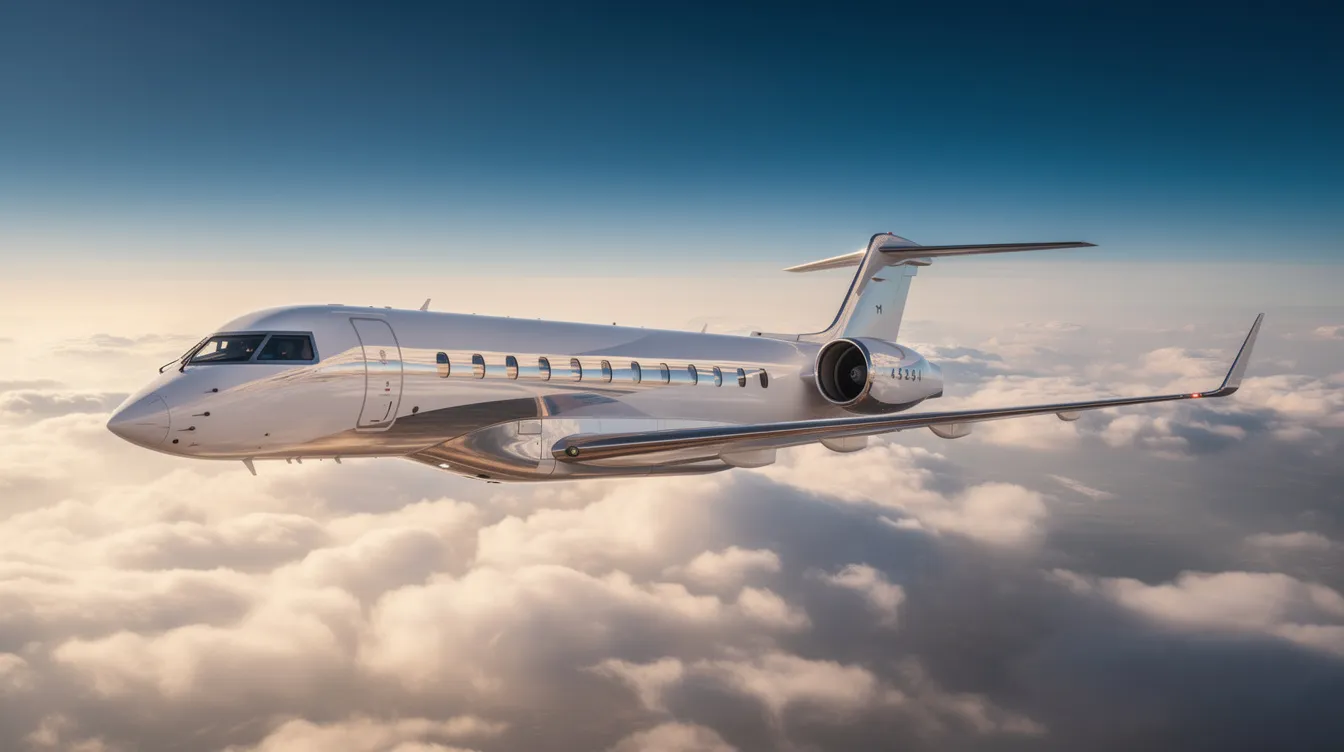
The term "large airplanes for sale" spans a wide range of aircraft. On one end: large-cabin private jets like the Bombardier Global 6000 or Gulfstream G550, seating 10 to 16 passengers with intercontinental range. On the other: commercial airliners such as the Boeing 737, Embraer E-Jets, and regional turboprops like the L410 UVP-E20, configured for 19 to 189 or more seats.

By Q3 2026, for-sale inventory includes both nearly new airframes (a 2022 L410 UVP-E20 with roughly 21 hours TT) and high-time legacy fleets like 1980s Boeing 727 freighters. Large aircraft vary in fuel burn, payload capacity, and maximum range, so the risk profile of each listing differs. This article covers key aircraft categories, pricing, mission profiles, and how expert brokerage and consulting reduce transaction risk.

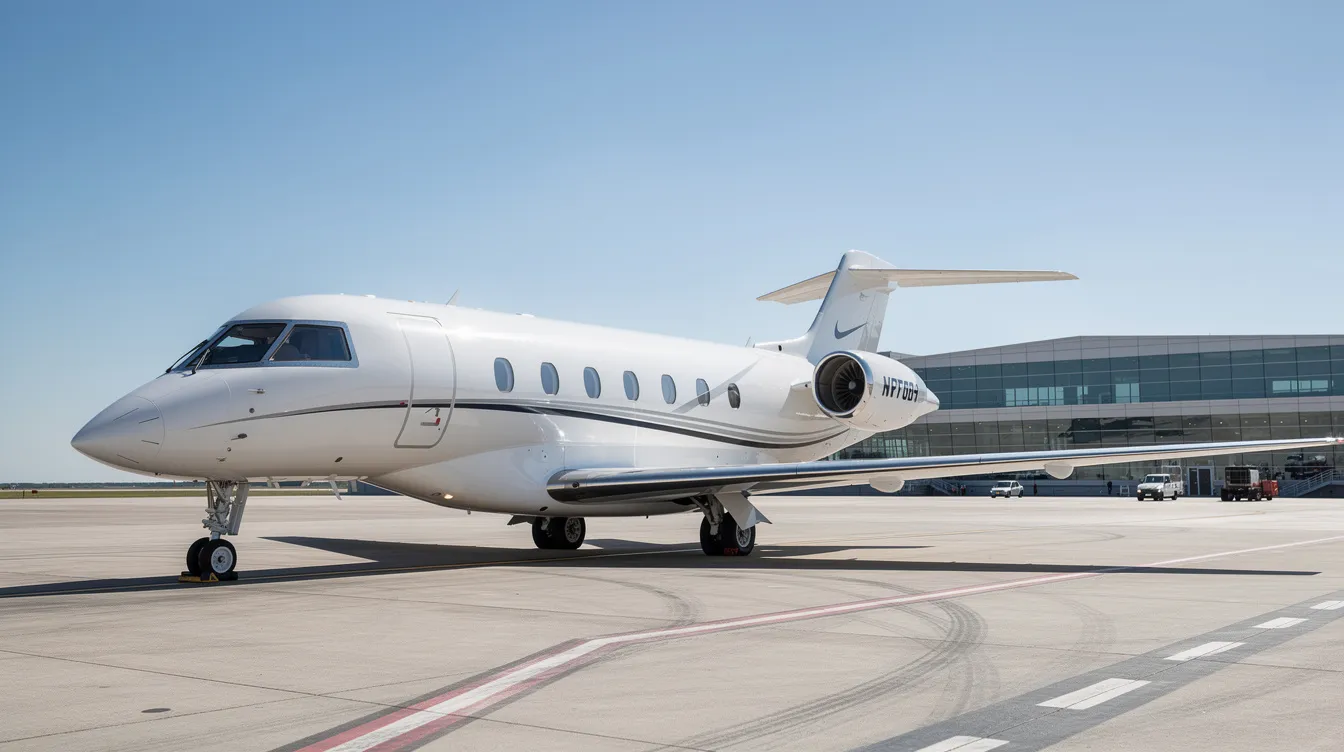
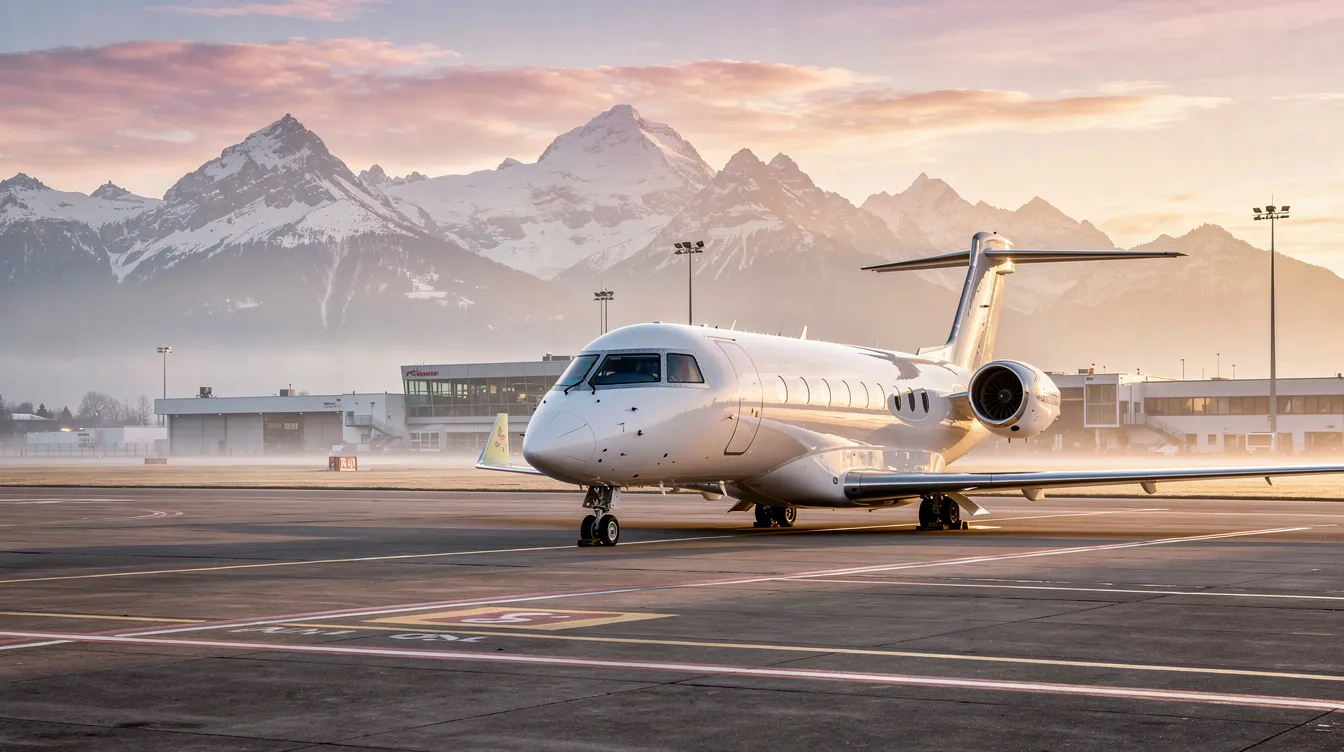
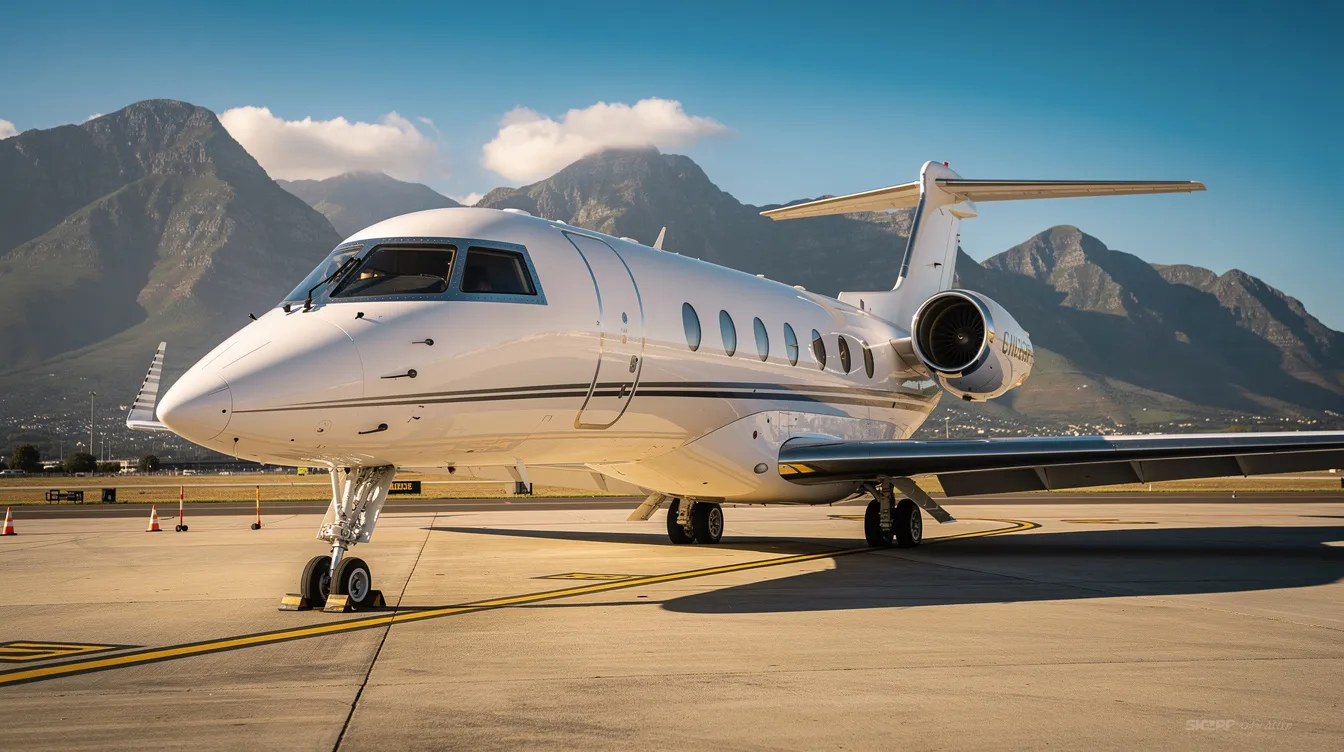
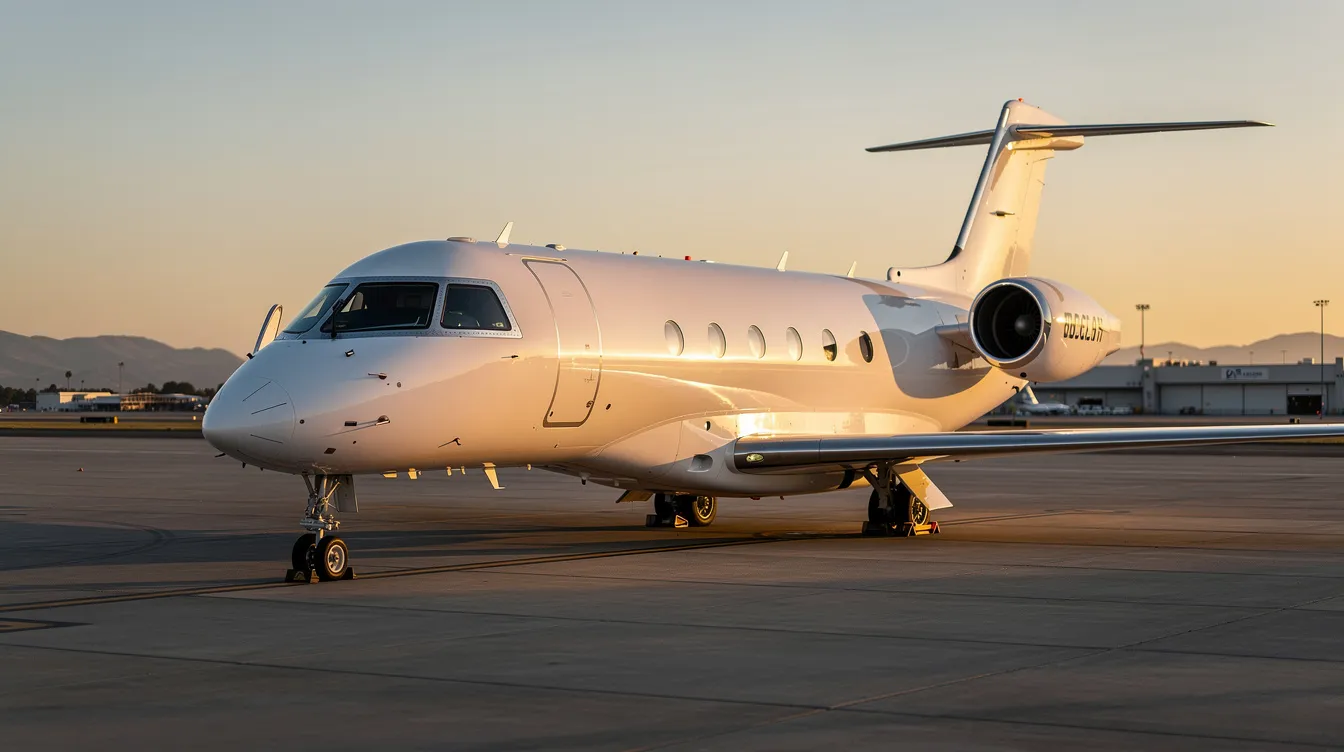
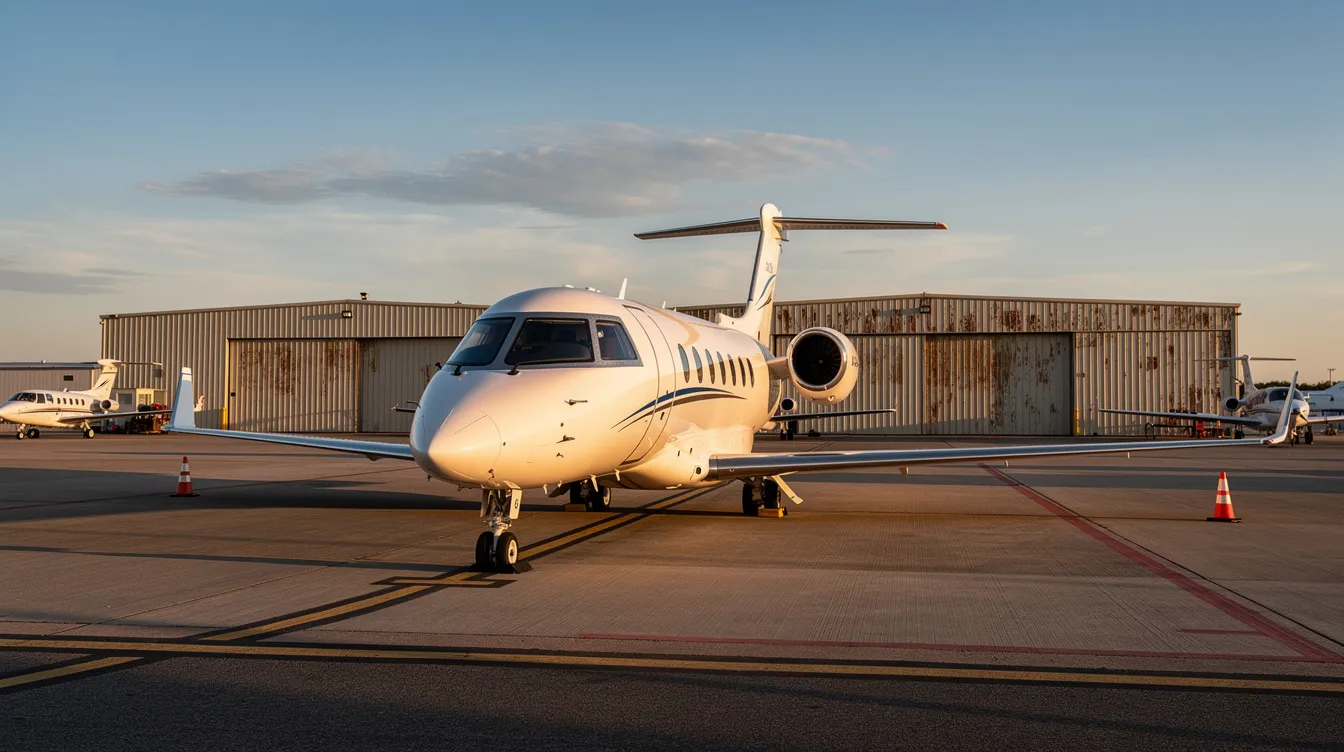
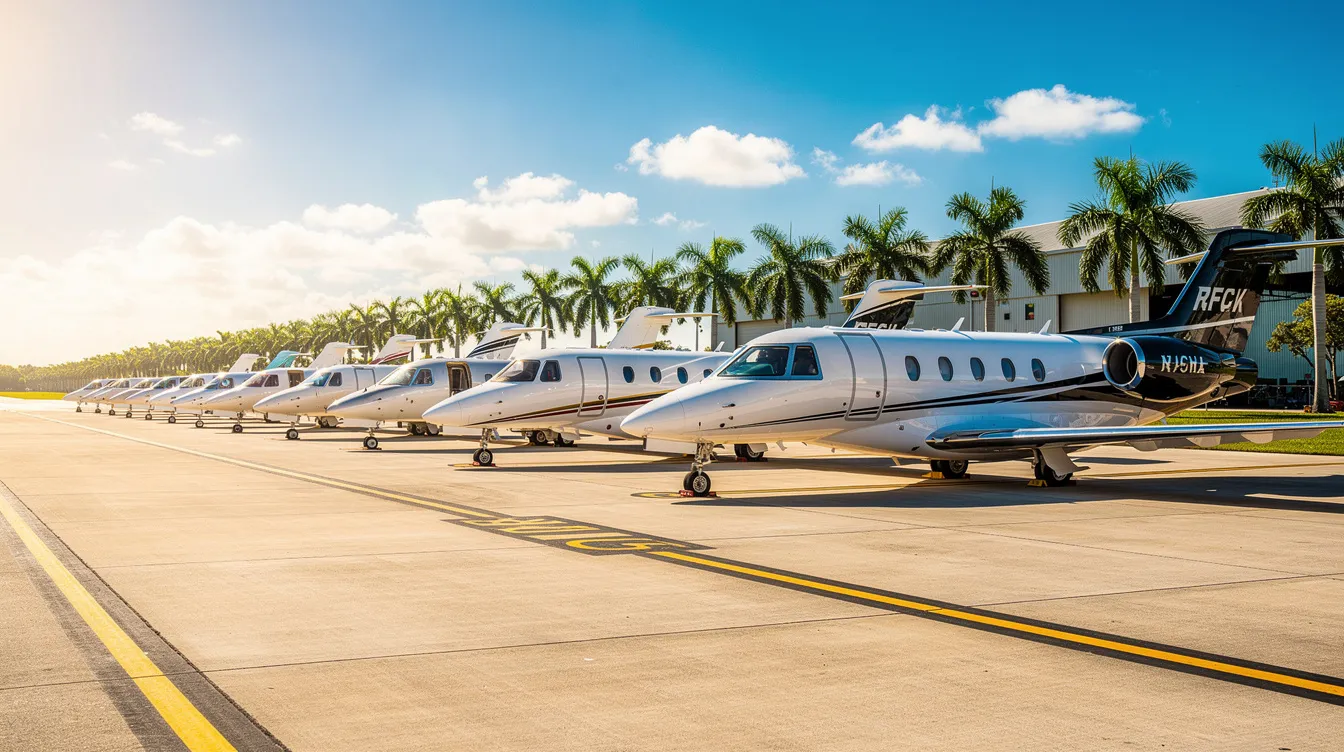
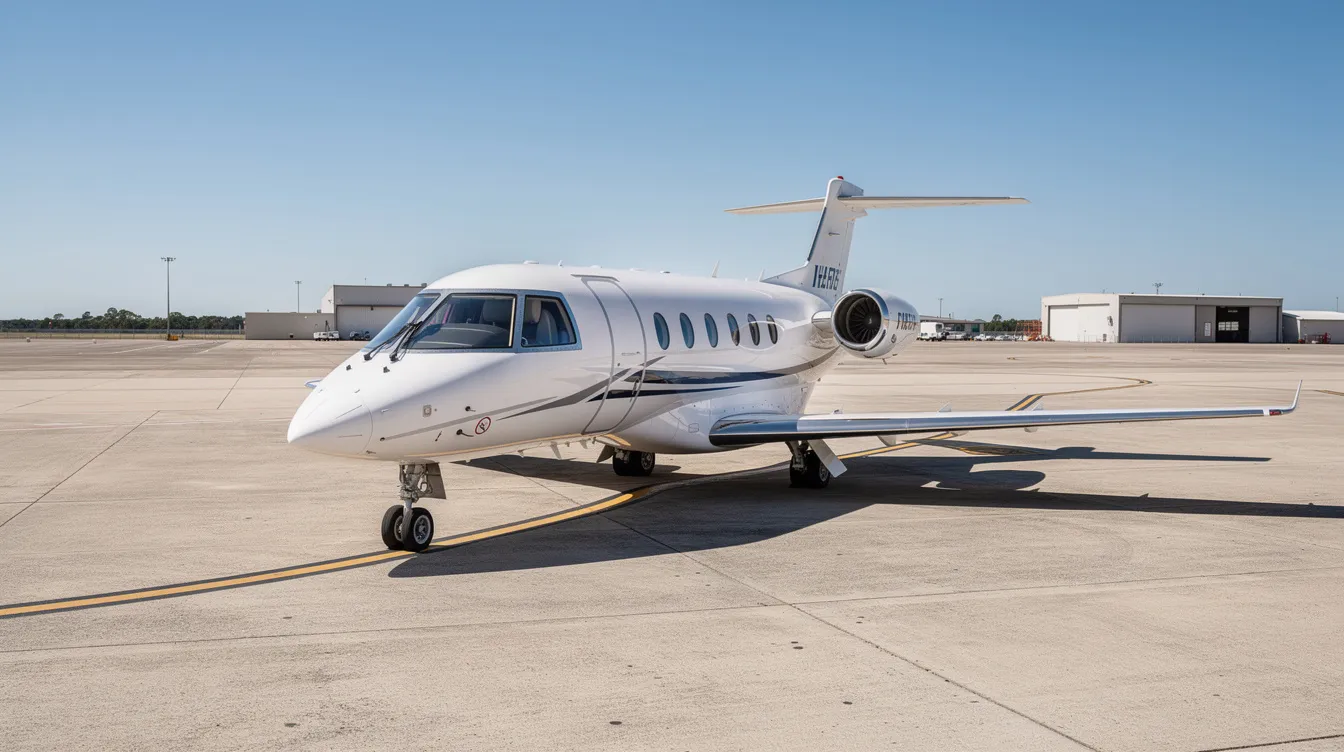
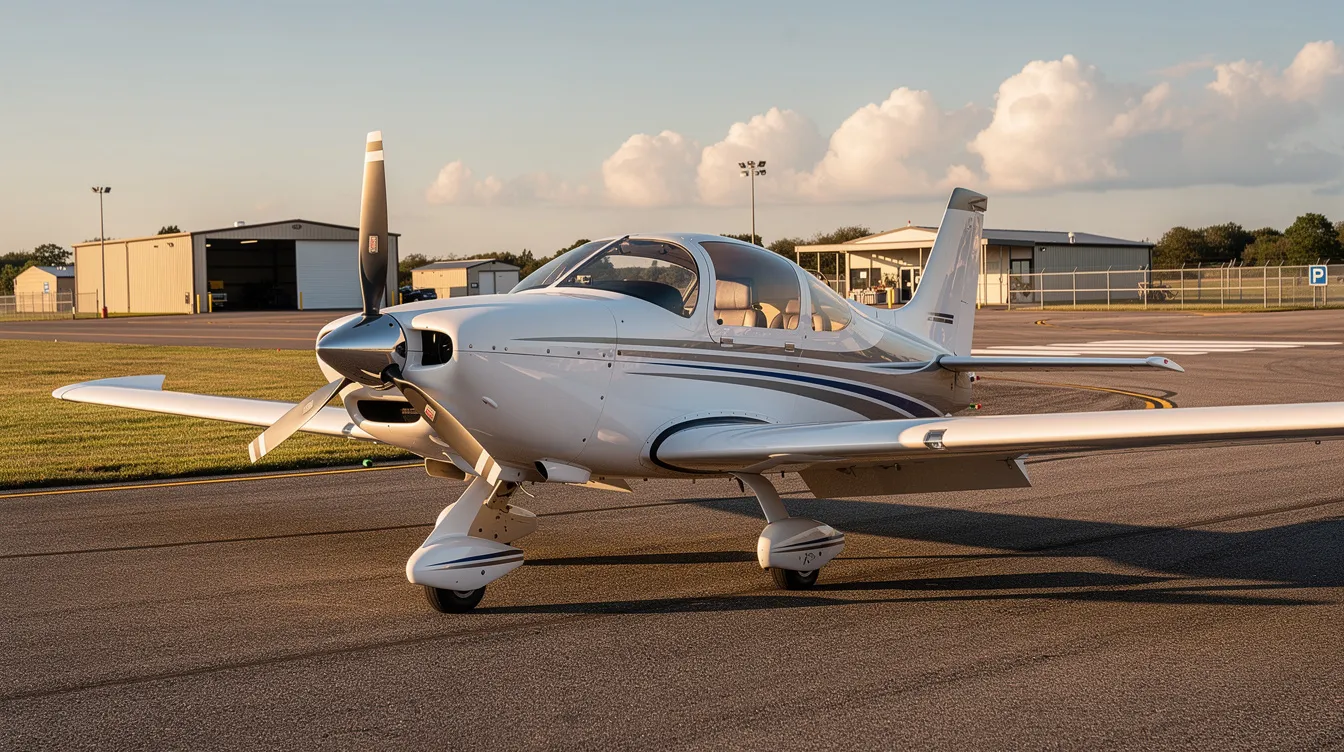
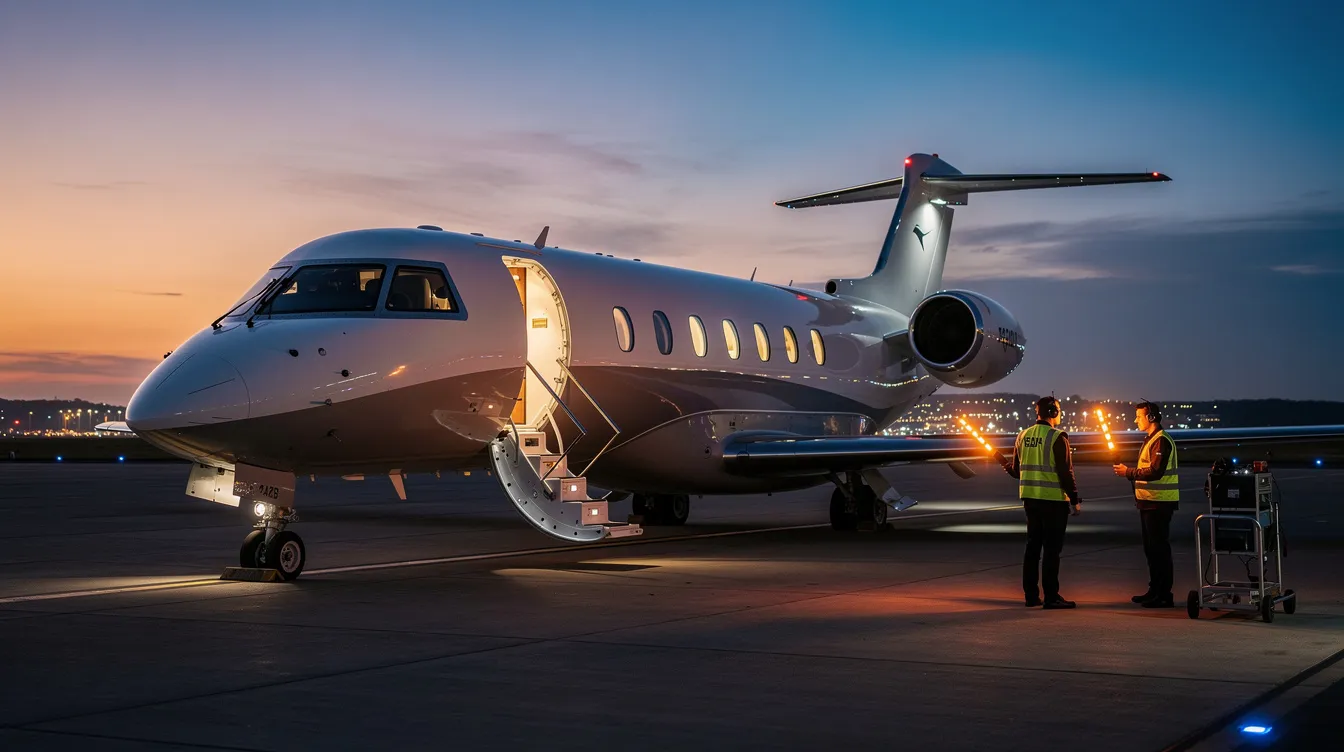
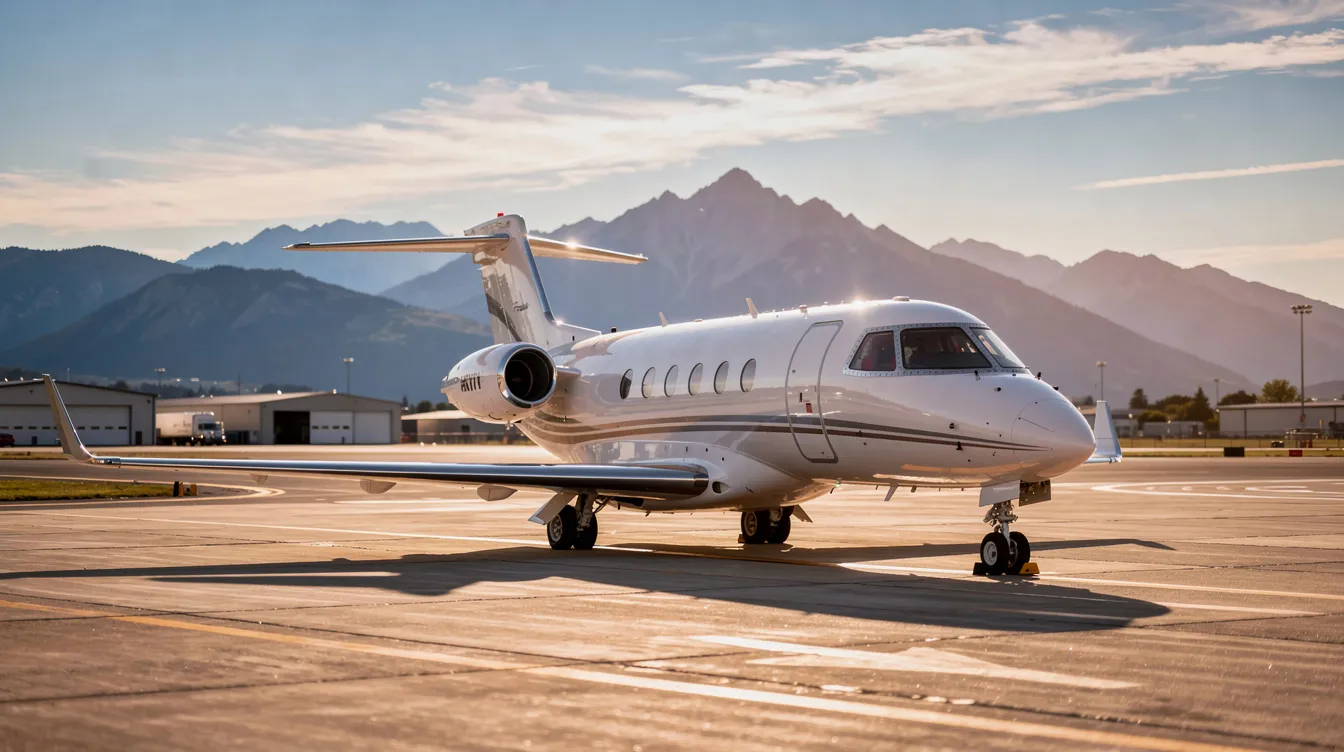
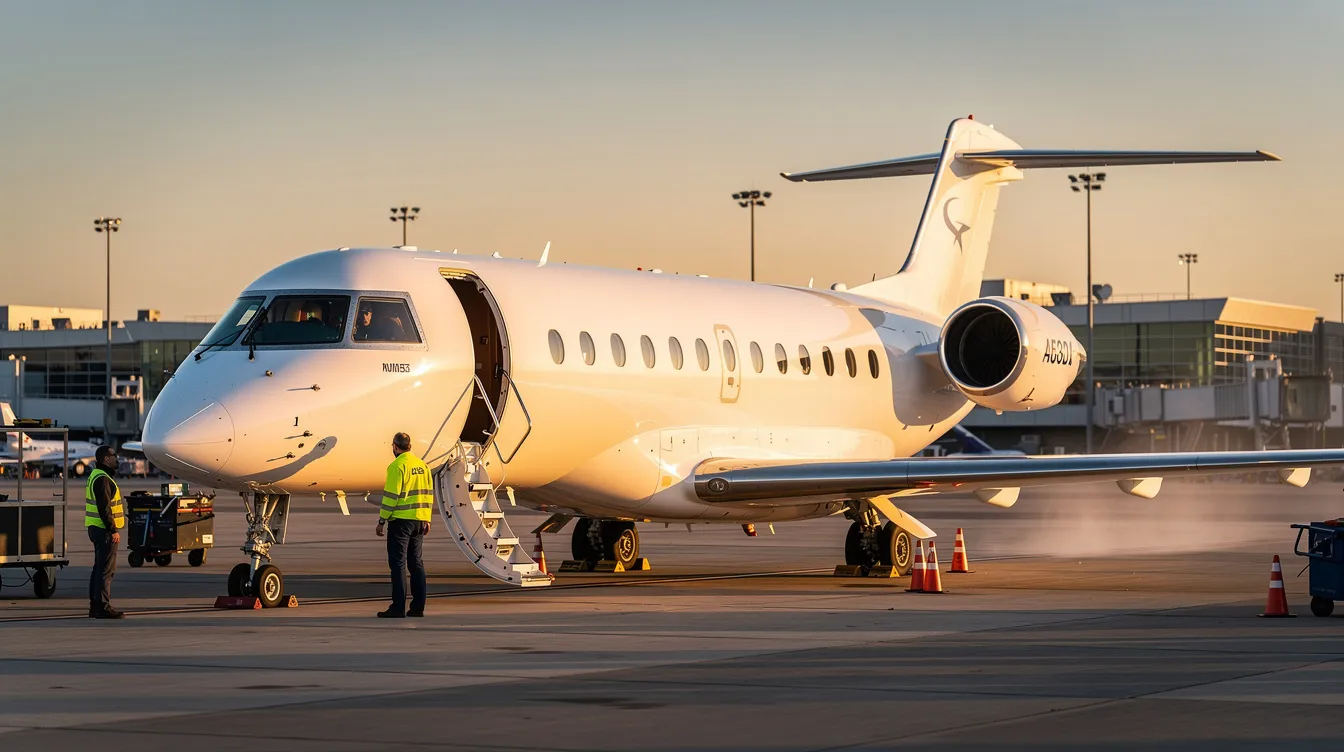
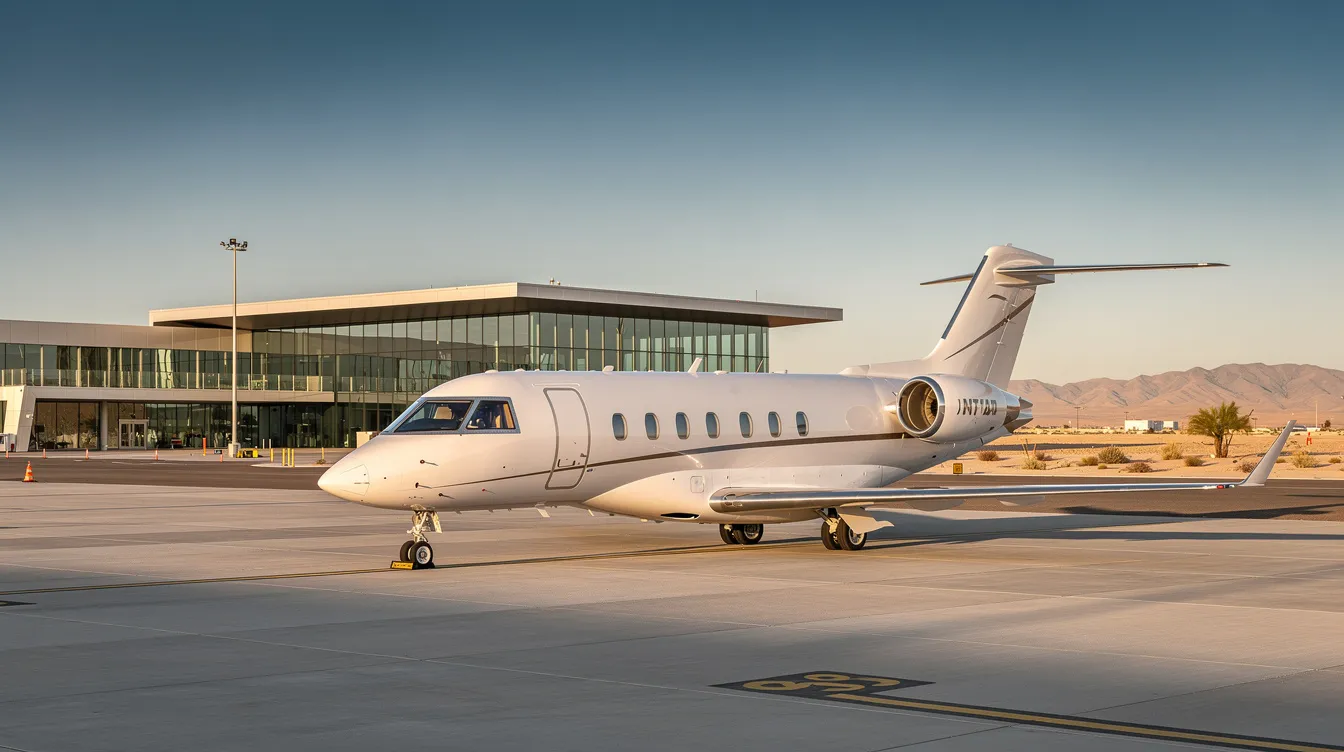
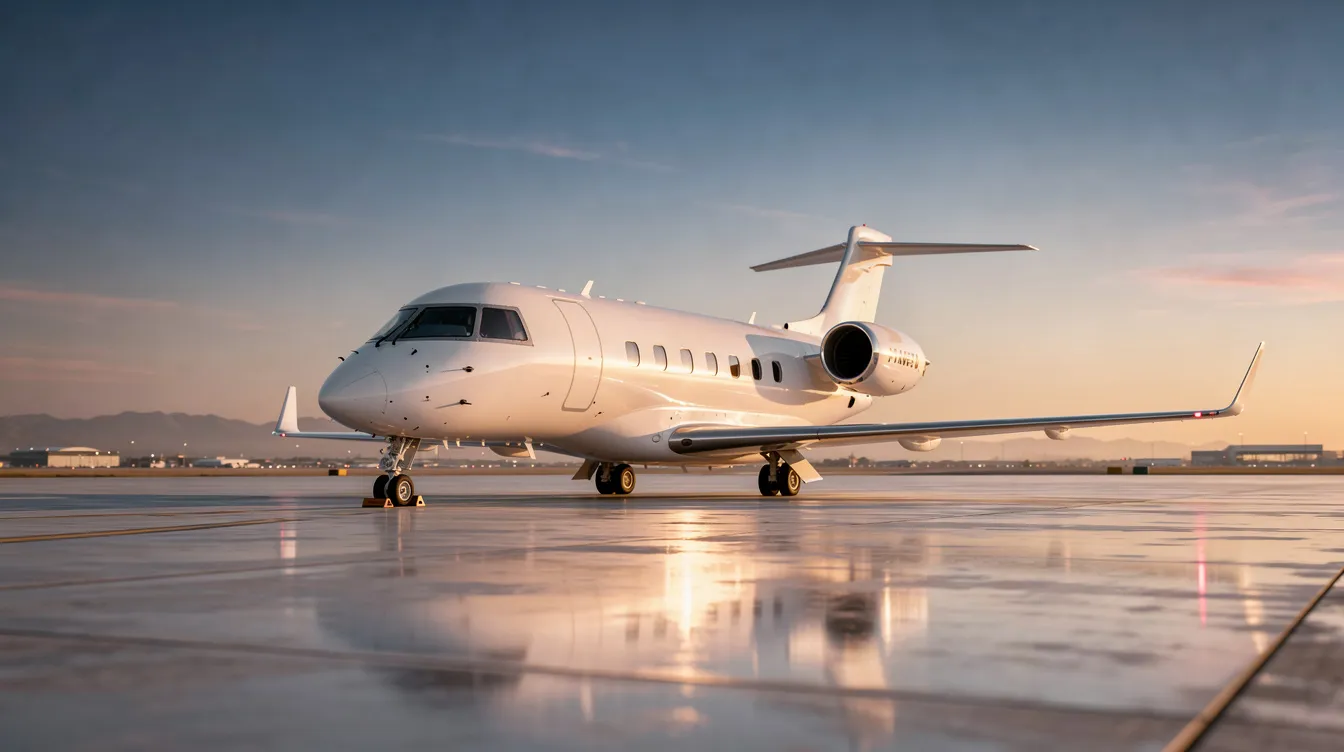
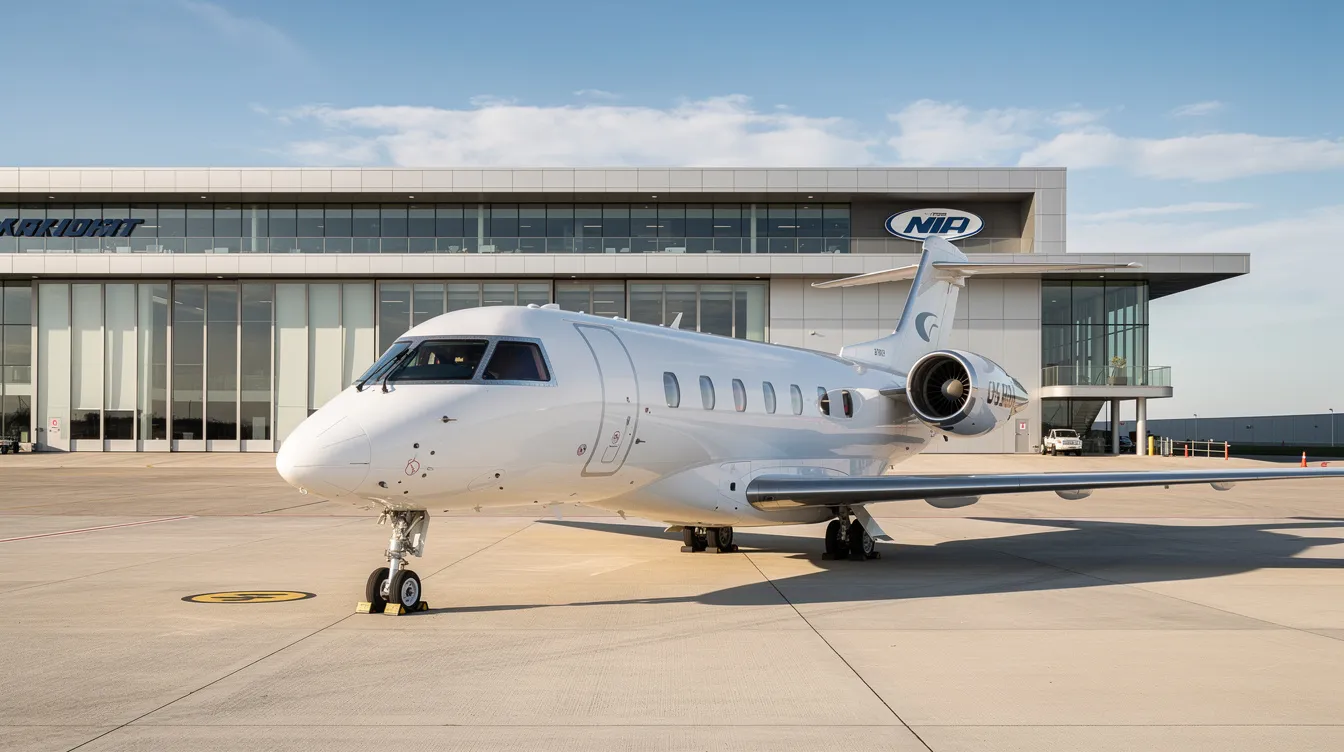
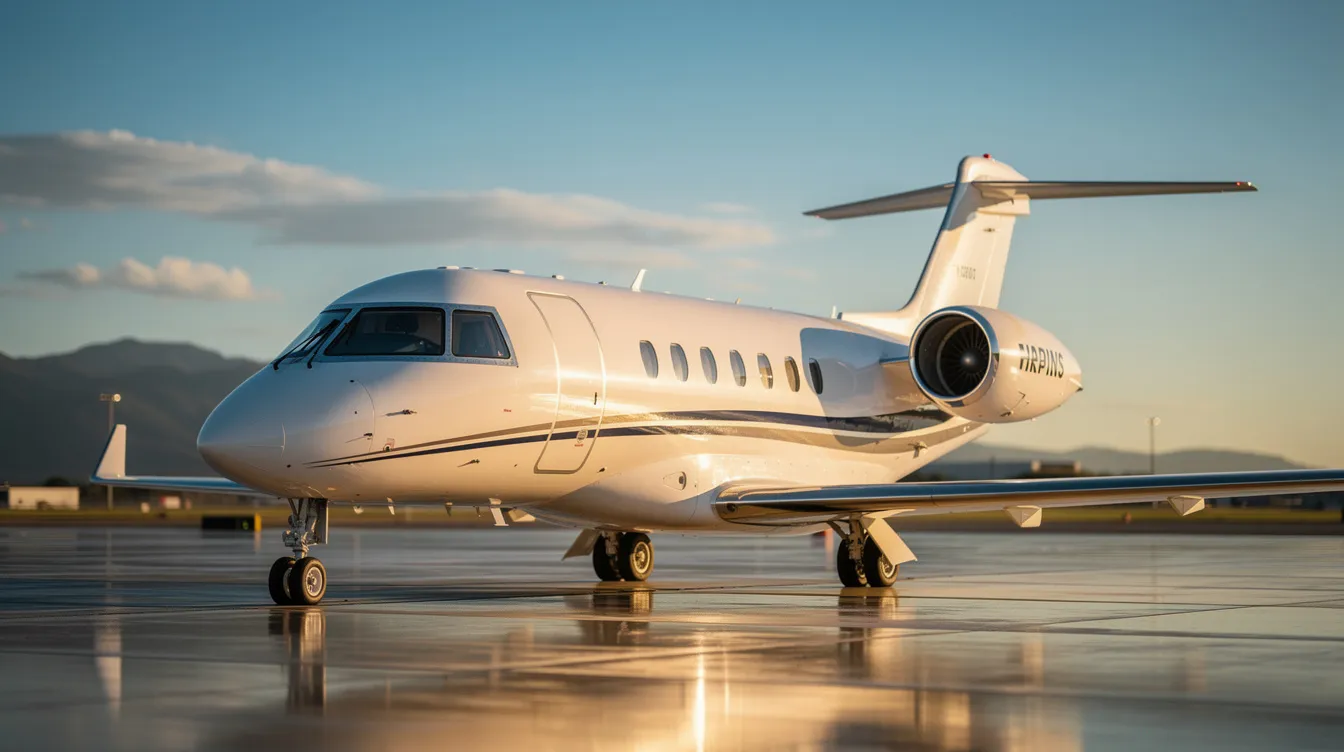
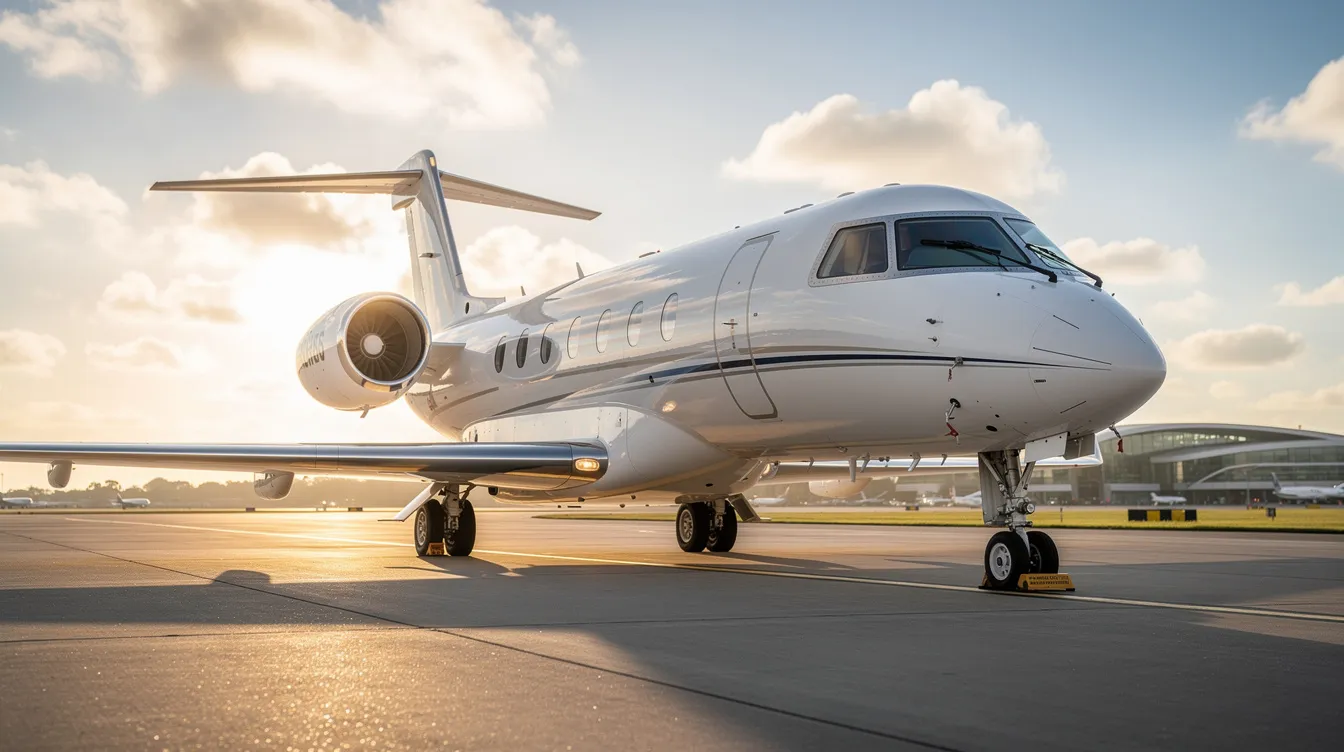
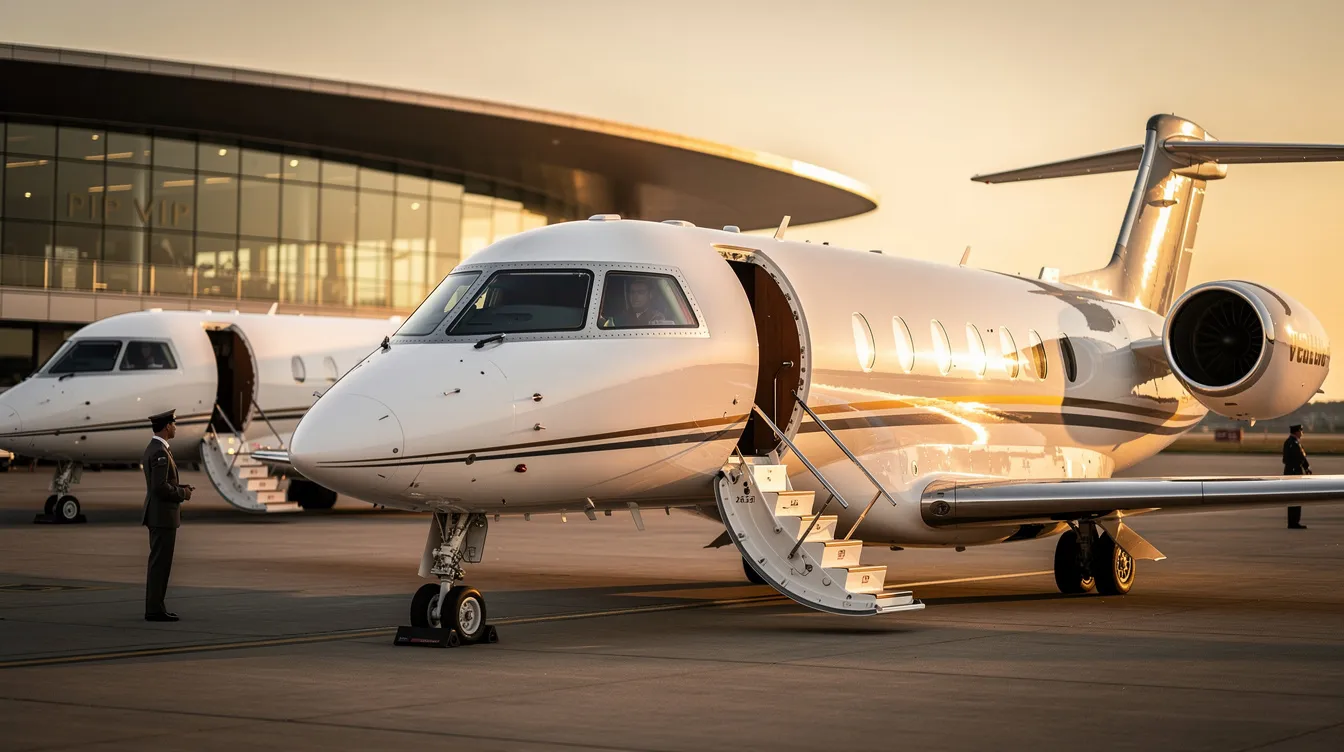
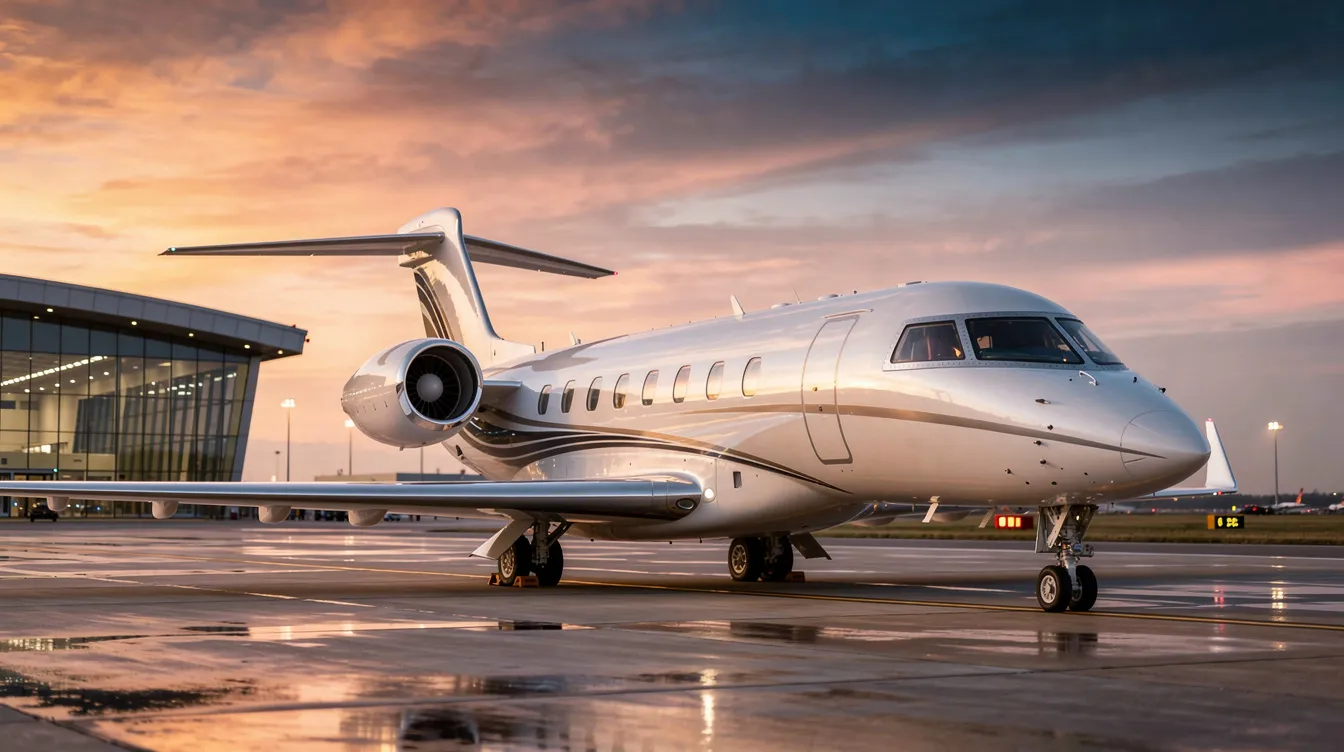
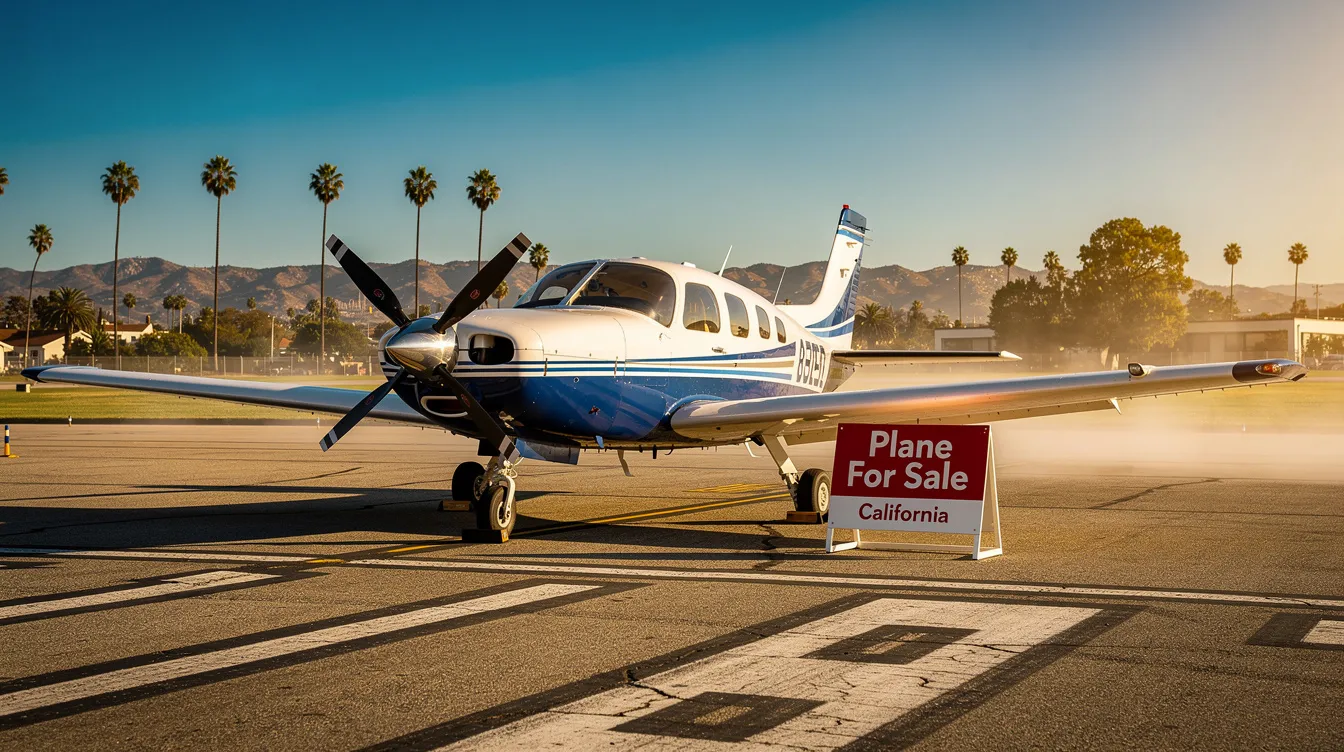
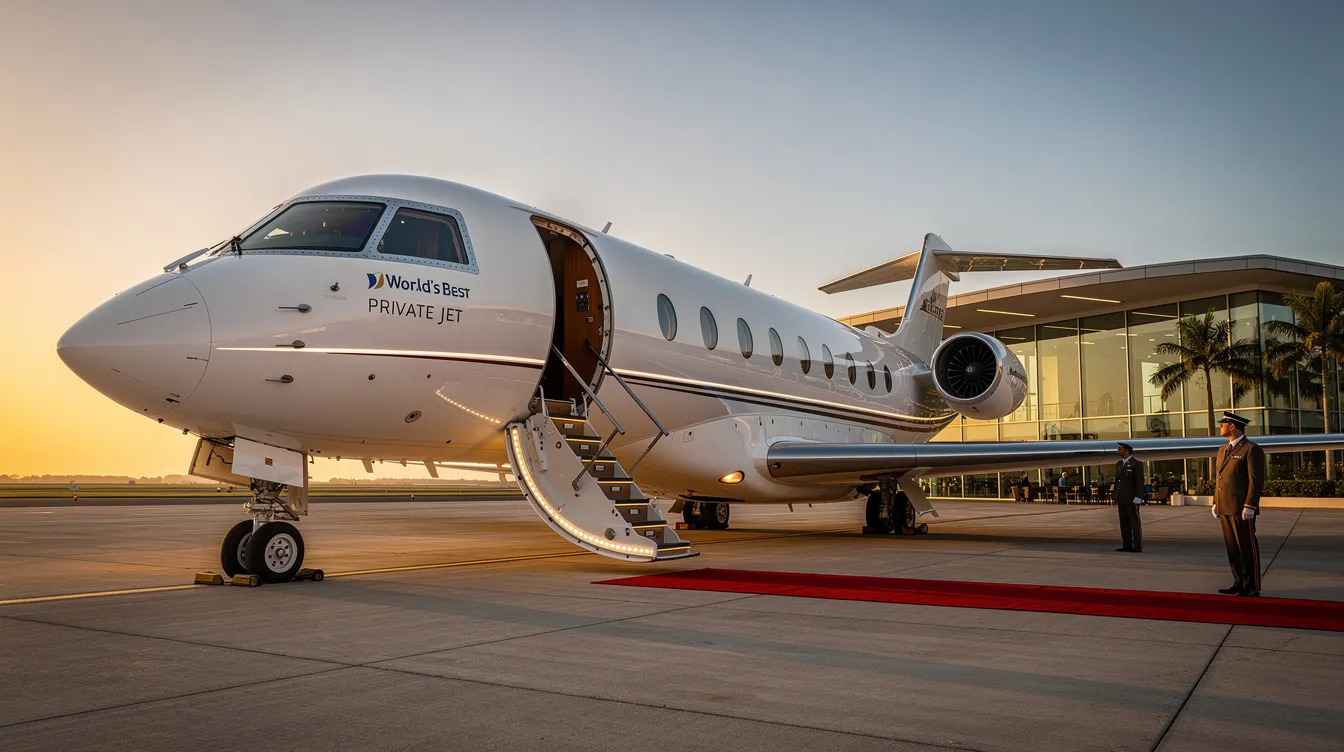
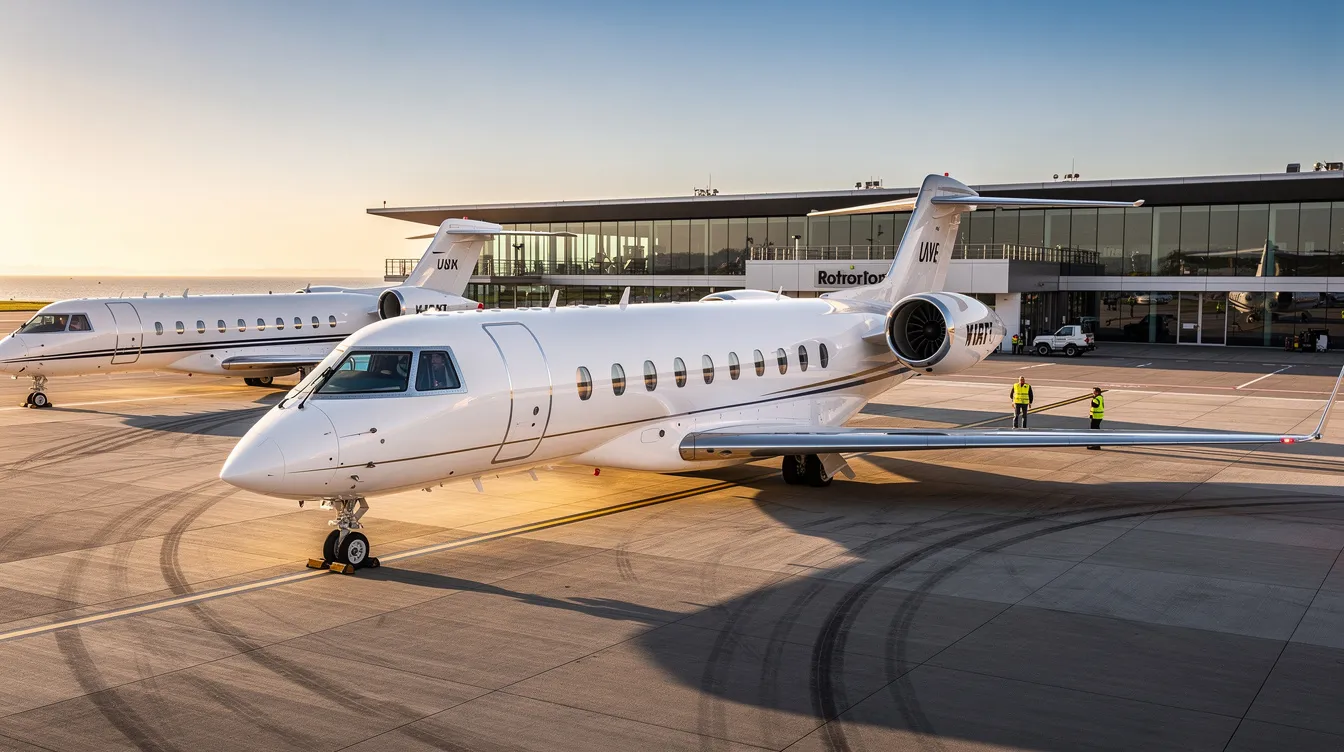
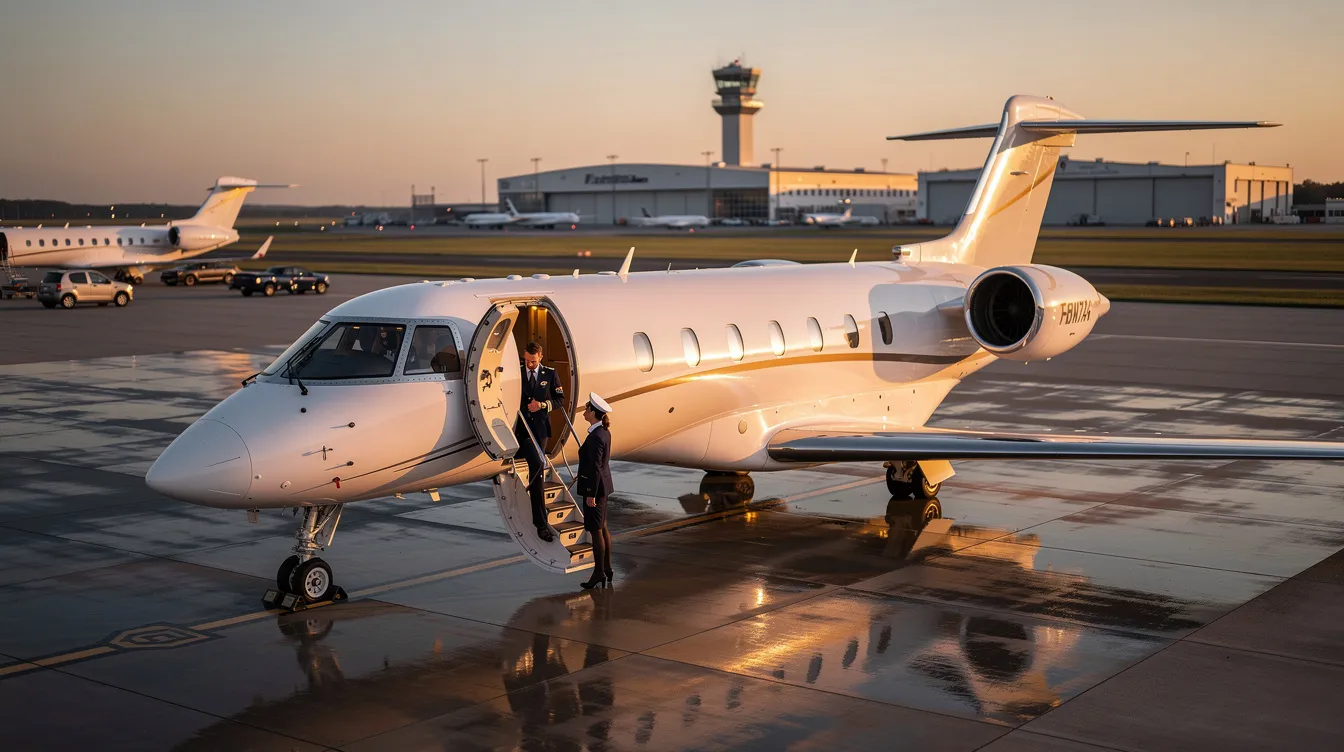
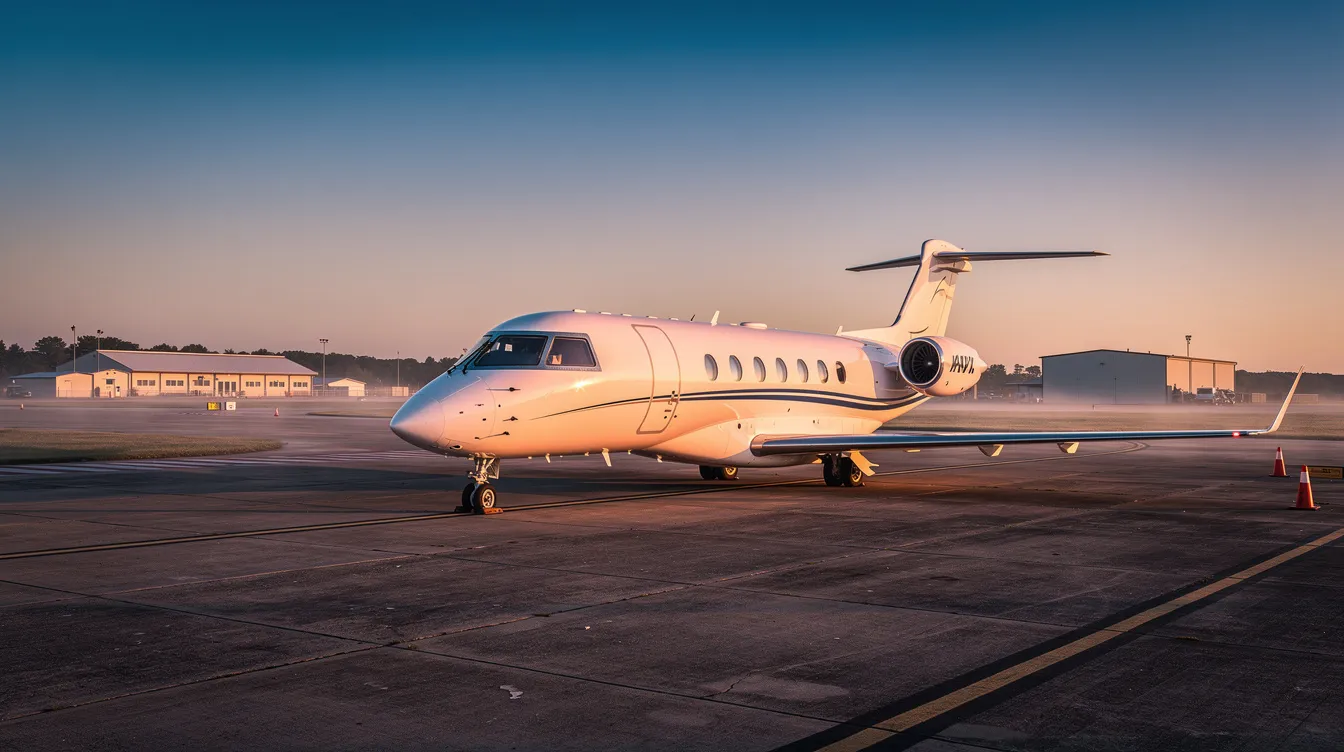
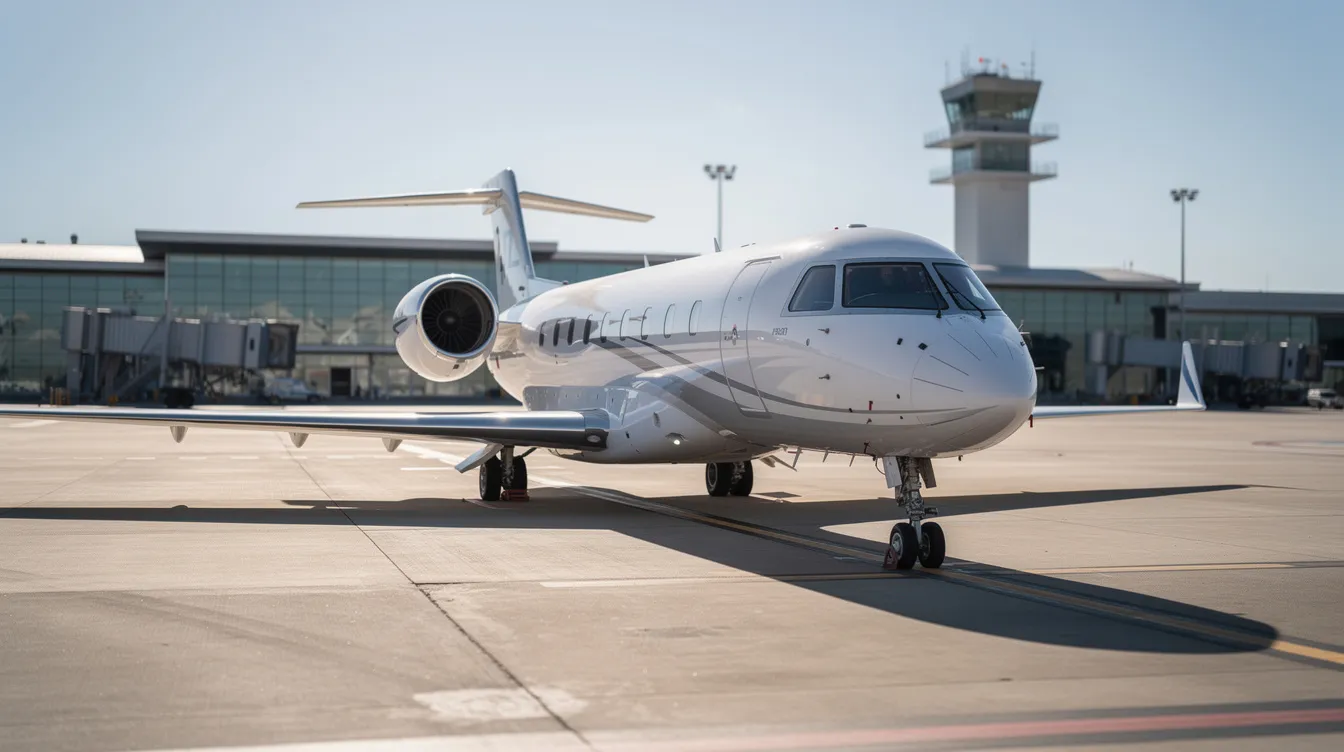
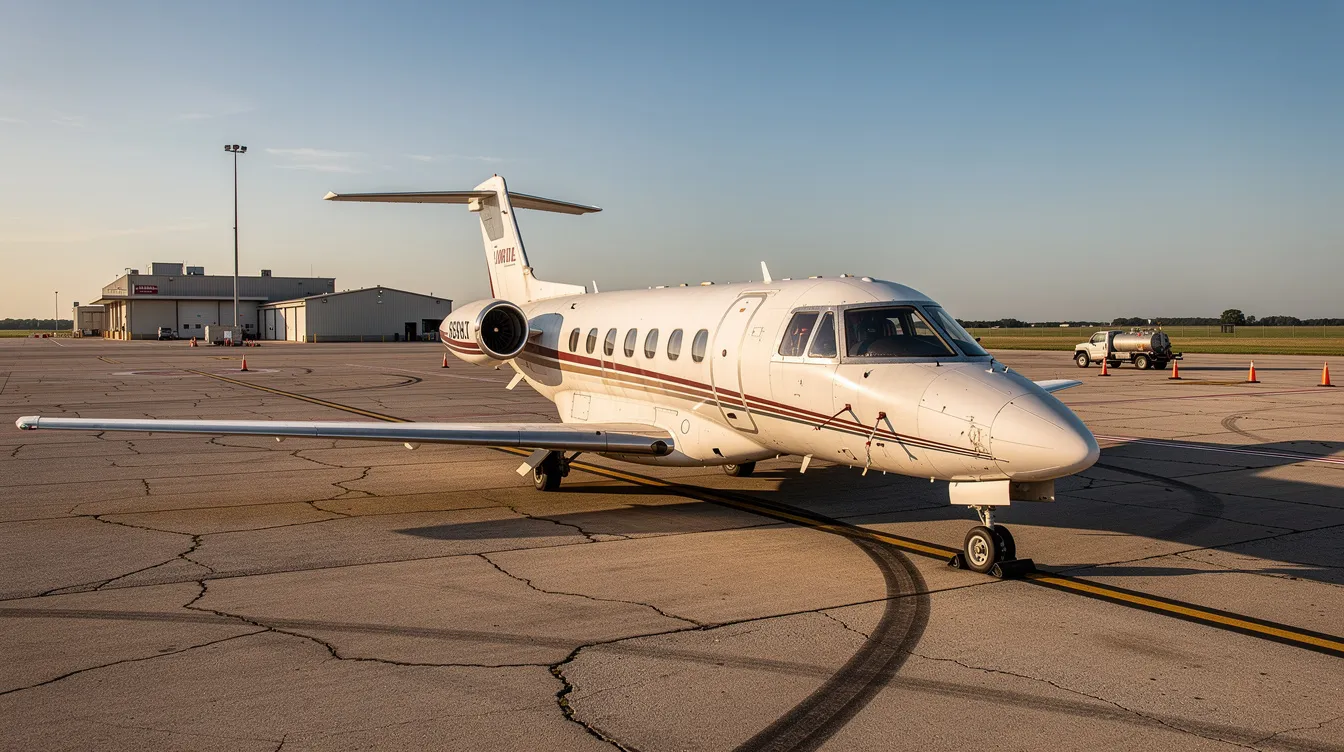
A large business jet is parked on a sunlit tarmac, showcasing its sleek design and luxury features, with airport buildings visible in the background. This aircraft represents the pinnacle of private aviation, ideal for long distances and comfortable travel for discerning customers.

Types of Large Jets for Sale on the Market

Large airplanes for sale segment into three broad groups. Understanding where each sits helps buyers and sellers filter candidates and focus on aircraft that match their mission.

Large-cabin business jets such as the Bombardier Challenger 604/650, Gulfstream G450, and Dassault Falcon 900/2000 typically offer ranges of 3,500 to 5,000 nautical miles with cabin layouts for 10 to 16 passengers. These jets remain popular for coast-to-coast and transatlantic travel.

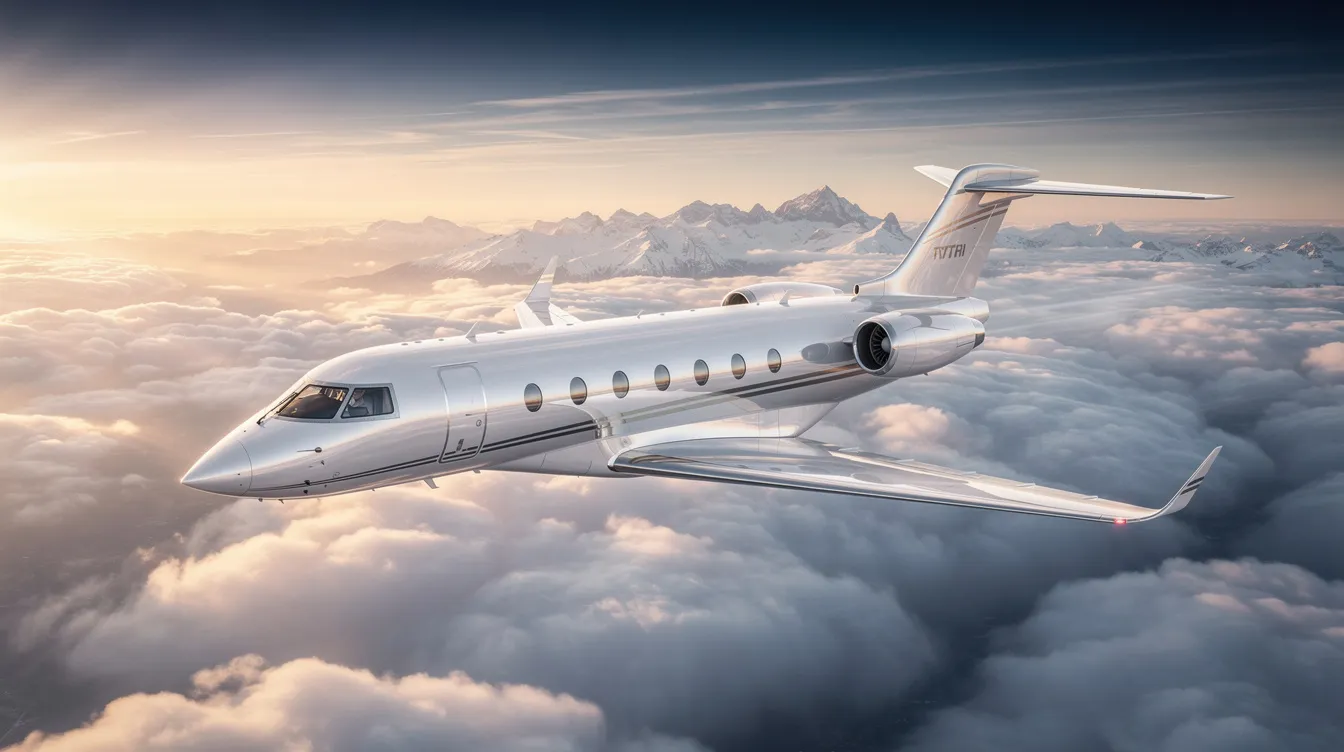
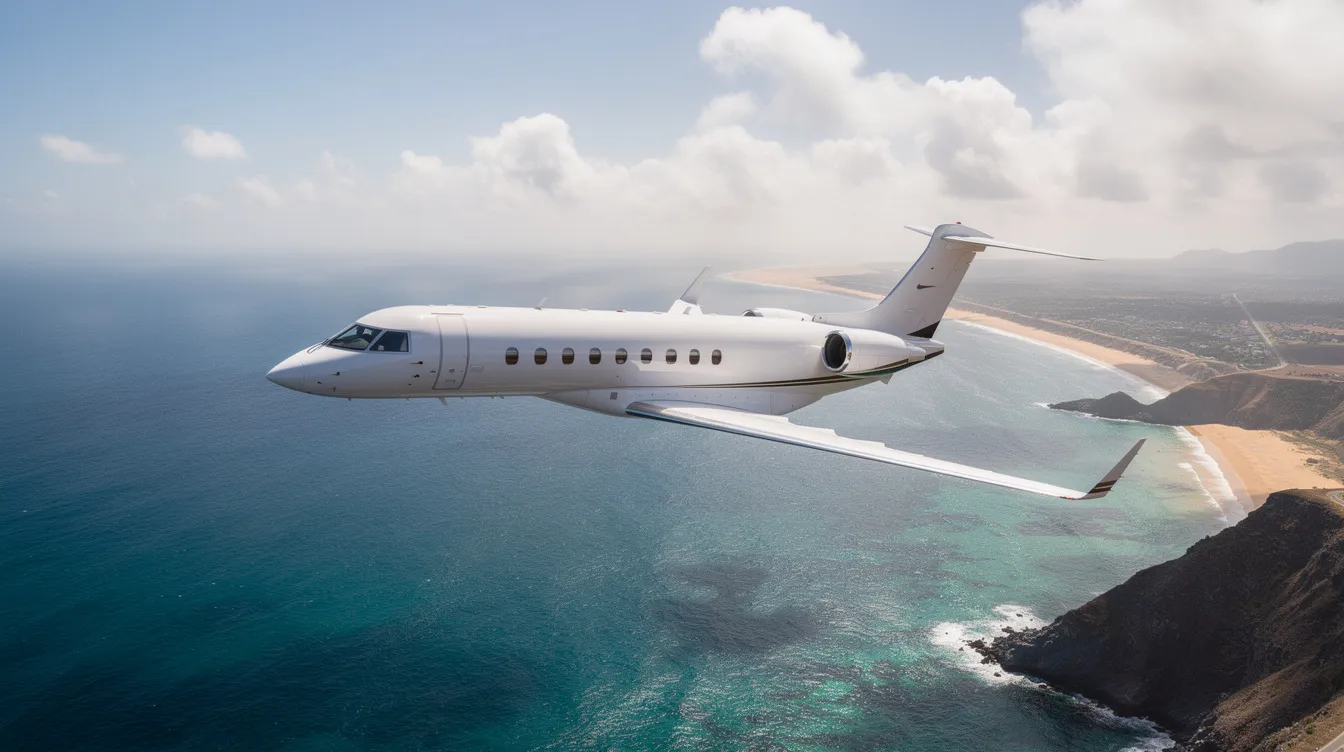
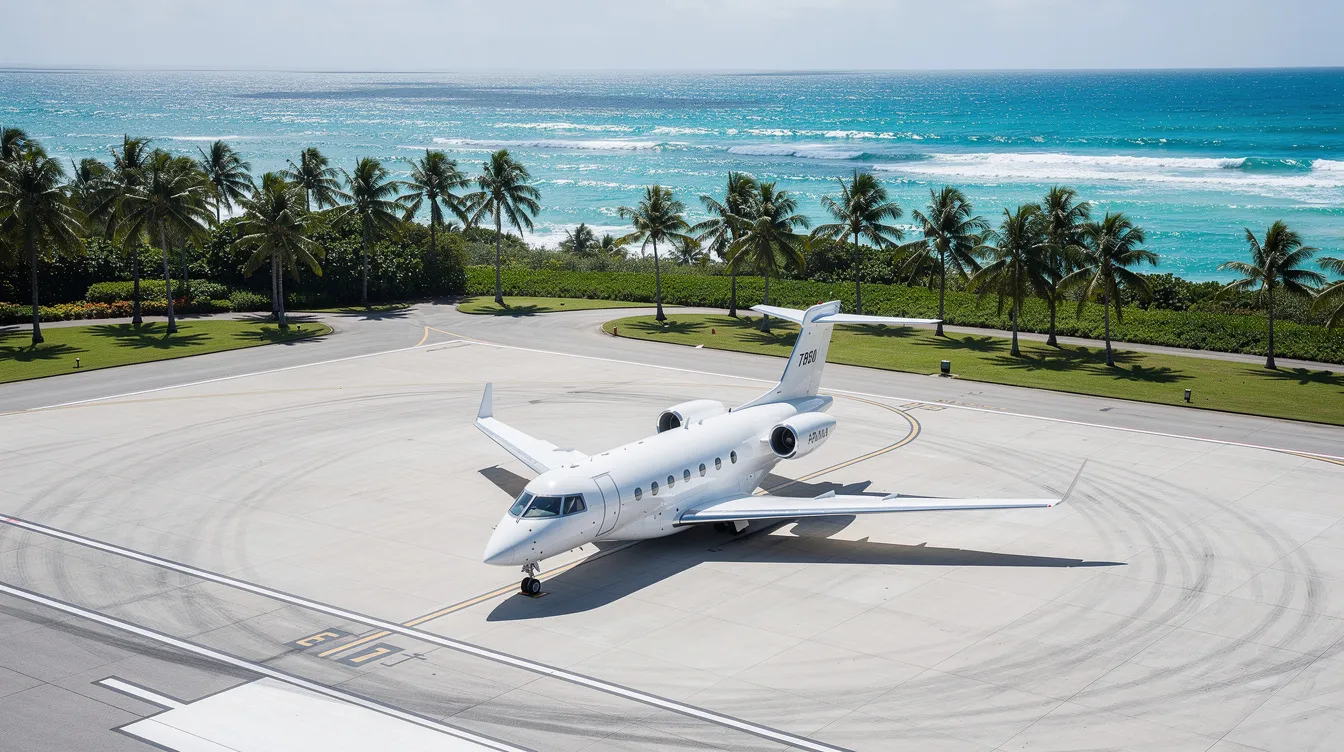
Ultra-long-range jets push beyond 5,000 nm. The Global 7500, Falcon 8X, and Gulfstream G650ER fly nonstop from New York to Dubai or Los Angeles to Hong Kong. The Gulfstream G-550 can operate across nearly 7,800 nautical miles, making it one of the most capable aircraft in the segment. Ultra-long-range jets can fly over 7,800 nautical miles in the right configuration.

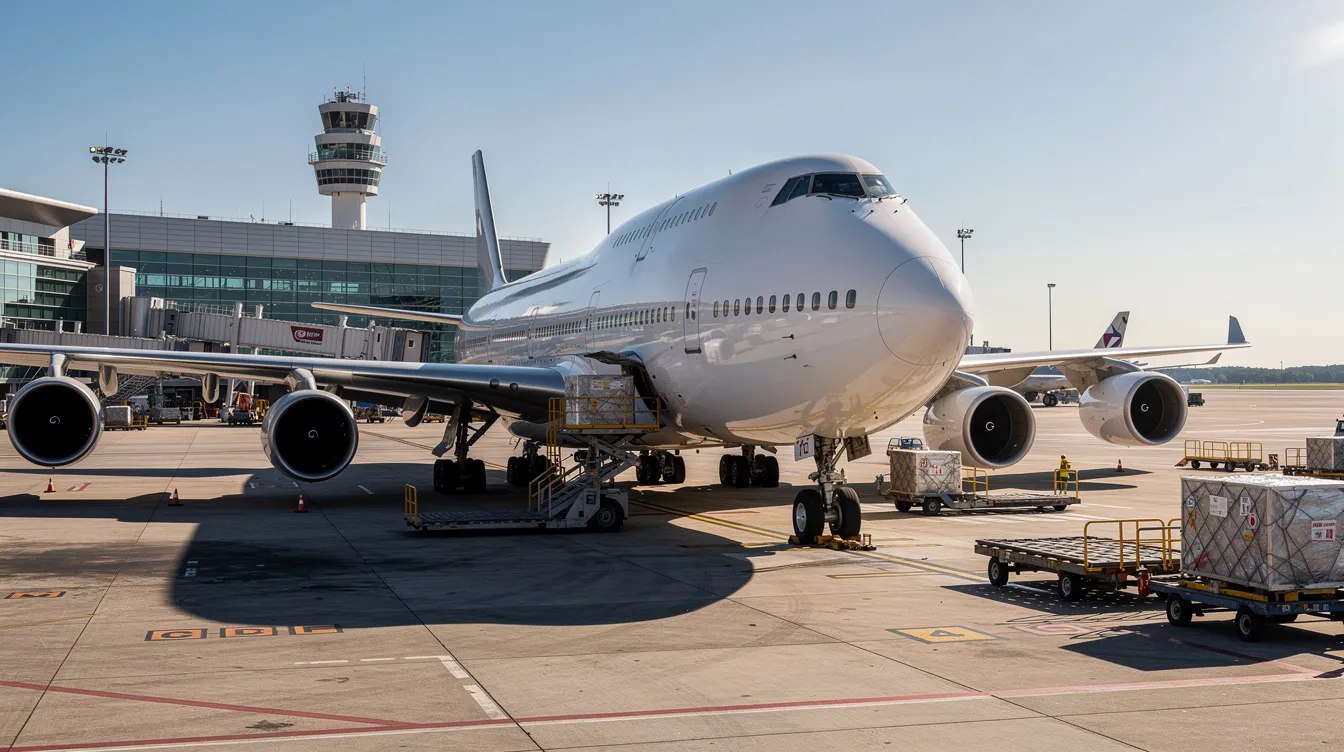
Businessliners and airline-class aircraft include the BBJ (based on the Boeing 737), Airbus A318 Elite, Embraer Lineage 1000, Airbus ACJ319 VIP jets, and standard passenger or freighter variants of regional and narrow-body jets. Boeing Business Jets are known for their large cabin space, and seat counts range from 19 (L410, Beech 1900D) to 189 on narrow-body airliners. Use cases span VIP head-of-state transport, corporate shuttles, ACMI leasing, and regional airline operations. Freight operators also purchase 727-225F and 737 freighters with AEI cargo door modification for main-deck cargo loading.

BusinessJets.com primarily lists private jets and business jets for sale but also appraises and helps transact larger regional and narrow-body aircraft when they are part of corporate, charter, or VIP fleets.

Large-Cabin and Ultra Long Range Business Jets for Sale

Large-cabin and ultra-long-range private jets are the core of the "large airplane" market for corporate and high-net-worth buyers. Business aviation transactions often involve high-net-worth individuals seeking aircraft that combine long-range performance with cabin comfort and flexibility.

Category

Example Models

Range (nm)

Typical Seats

Large cabin

Challenger 604/650, Falcon 2000, G450

3,500–5,000

10–14

Ultra long range

Global 5000/6000, G550, Falcon 7X/8X

5,000–7,700+

12–18

Pinnacle ULR

Global 7500, G700

7,000–7,700

13–19

Buyers in 2026 expect specific features: FANS 1/A and CPDLC capability, WAAS/LPV approaches, HUD/EVS, and Ka-band or Starlink connectivity. The latest avionics suites (Pro Line Fusion, Honeywell Primus Elite) are now baseline expectations for late-model aircraft listed in North America and Europe.

The average pre-owned ultra-long-range jet costs $20 to $30 million, while new ultra-long-range jets can cost up to $65 million. Large jets are ideal for trans-oceanic trips and larger groups. Aircraft with low hours, recent interior refurbishment, and full engine program enrollment (RRCC, MSP, or ESP) command premiums. A Falcon 7X with single corporate ownership and FalconCare enrollment, for example, trades at a higher price than a comparable airframe with incomplete records.

BusinessJets.com supports clients in sourcing, valuing, and negotiating these jets worldwide; browse current aircraft for sale to explore what is available.

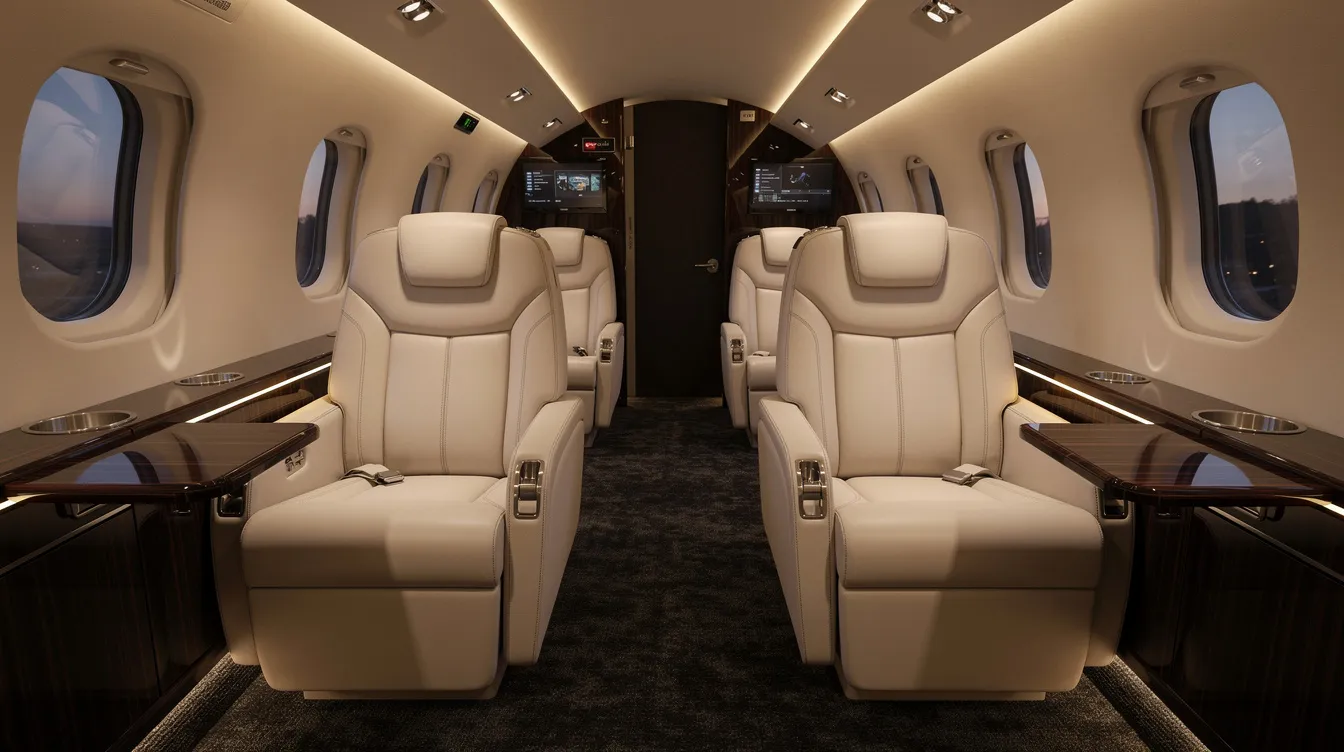
The image showcases the luxurious interior of a large-cabin business jet, featuring plush leather seating, a sleek conference table, and elegant wood-paneled walls, designed for comfort and style in private aviation. This spacious cabin is ideal for long-distance travel, catering to the needs of discerning passengers who expect the best in business jets.

Commercial and Regional Aircraft for Sale (Airline, Charter, and Shuttle Use)

Commercial-grade large airplanes attract regional airlines, charter operators, logistics companies, and governments. Large commercial airplanes are typically acquired through specialized brokers or leasing companies with experience in airline-class transactions.

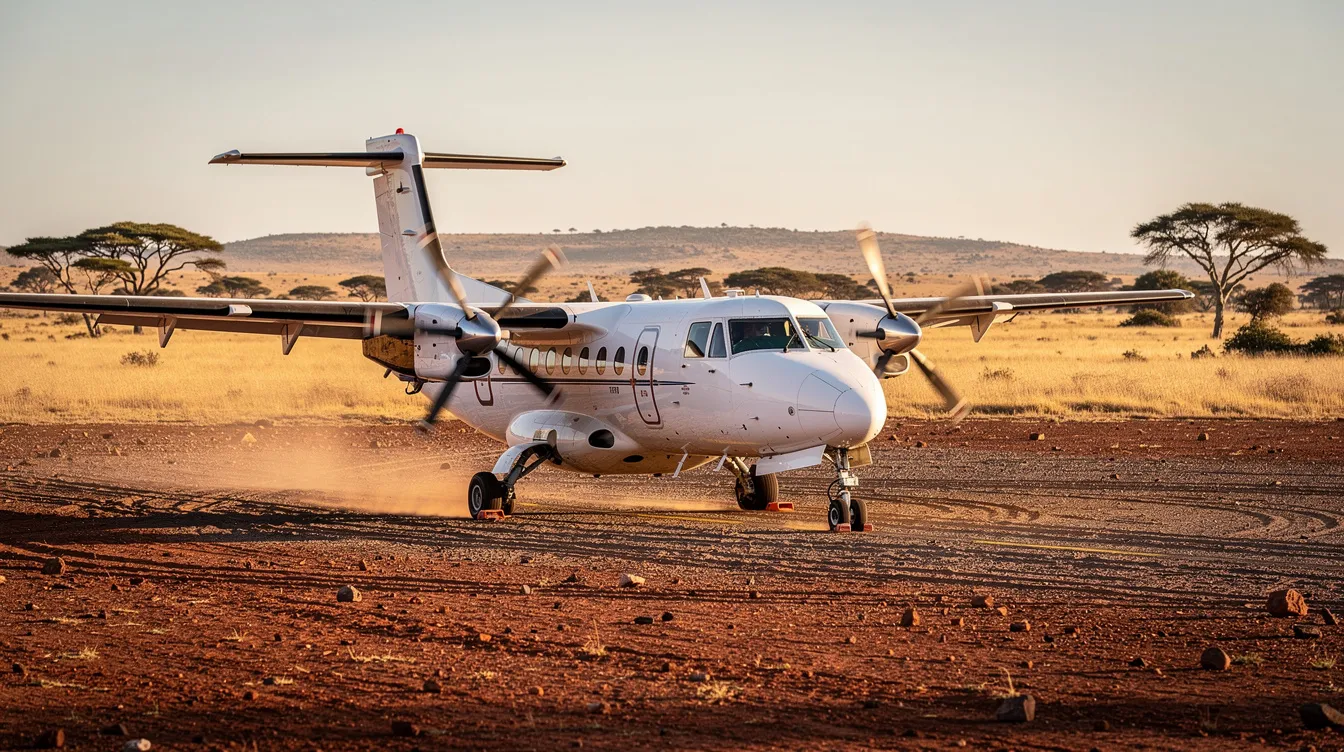
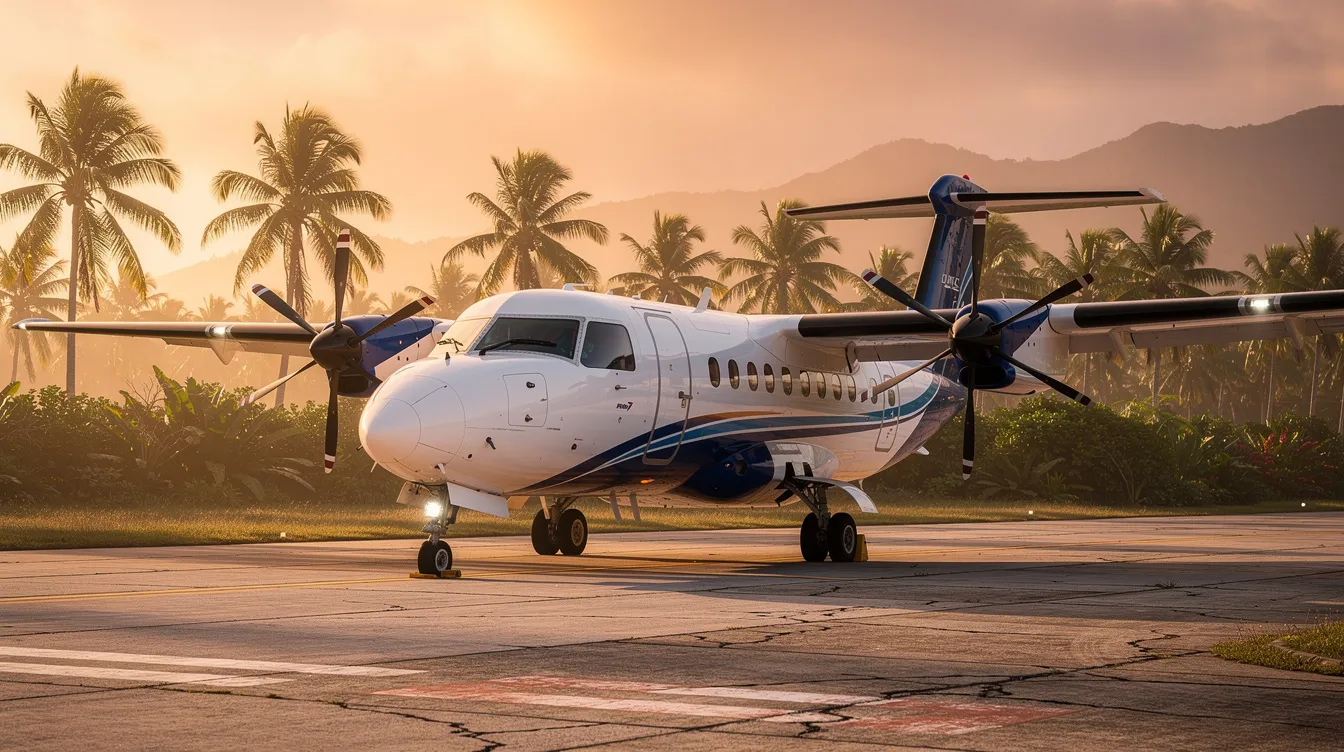
Current inventory includes Embraer EMB-190 pairs in Australia with roughly 47,000 hours each, ERJ-135/145LR aircraft in Europe with 30 to 49 leather seats and ADS-B Out, Beechcraft 1900D turboprops in South Africa and East Africa around 30,000 to 35,000 hours TT, and a 2022 L410 UVP-E20 in Asia (Kazakhstan) with about 21 hours since new. Passenger capacity ranges from 19 seats on the L410 to 189 on narrow-body airliners.

Cargo and combi variants remain in demand. Boeing 727-225F freighters with AEI cargo door modification, smoke detection, and main-deck reinforcement serve freight operators and e-commerce supply chains. MRO options, including facilities in Saltillo, Mexico, and MRO Iberoamerica, support maintenance for operators across Latin America. Regulatory considerations for these aircraft include remaining economic life in cycles and hours, landing gear overhaul schedules, major structural checks (C and D checks), and conformity with EASA or FAA standards. Infrastructure and runway constraints must be confirmed for large aircraft operations, particularly when deploying into secondary or unimproved airports.

Pricing, Operating Costs, and Value Drivers for Large Airplanes

New vs. Pre-Owned Pricing

New large jets cost between $33 million and $80 million. A new Challenger 650 enters the market around $33 million; a Gulfstream G700 exceeds $90 million. Large private jets and VIP airliners range from $30 million to over $100 million when Boeing or Airbus VVIP completions are included. Pre-owned large jets are cheaper than new models: the market for pre-owned jets sits well below new-build pricing, with 10- to 15-year-old Global 5000 or G550 aircraft trading in the mid- to high-teens (millions). Older Falcon 2000s or Challenger 604s fall into mid-single-digit millions. According to JetNet data, the average asking price for used large jets was about $12.63 million as of mid-2026.

Operating Costs Overview

Hourly operating costs for ultra-long-range jets range from $7,000 to $9,500 per hour, covering fuel, engine reserves, crew, and airframe maintenance. Total cost of ownership includes continuous expenses such as fuel, insurance, hangar, crew salaries, and maintenance; owning a large jet requires budgeting well beyond the purchase price.

Key Value Drivers for Appraisal

Key value drivers an appraiser examines:

  • Total time and cycles (age and usage history)

  • Engine and APU program enrollment (RRCC, MSP, ESP, GE OnPoint)

  • Recency of major inspections and landing gear overhaul

  • Avionics upgrades (FANS 1/A, ADS-B Out, WAAS/LPV)

  • Connectivity (Ka-band, Starlink)

  • Aircraft must meet modern international noise stage requirements to avoid bans or surcharges

Aircraft valuation depends on age, condition, and maintenance status. Market pricing for large transport-category aircraft fluctuates based on these factors. Private jet appraisals ensure accurate market value before sale. Choosing where the aircraft is registered impacts taxes and import duties, and the ownership structure can affect transaction costs. Manufacturers sometimes offer transition support, but independent appraisals from firms like BusinessJets.com remain essential. Get an aircraft appraisal to arrive at a realistic asking price or confirm value before buying.

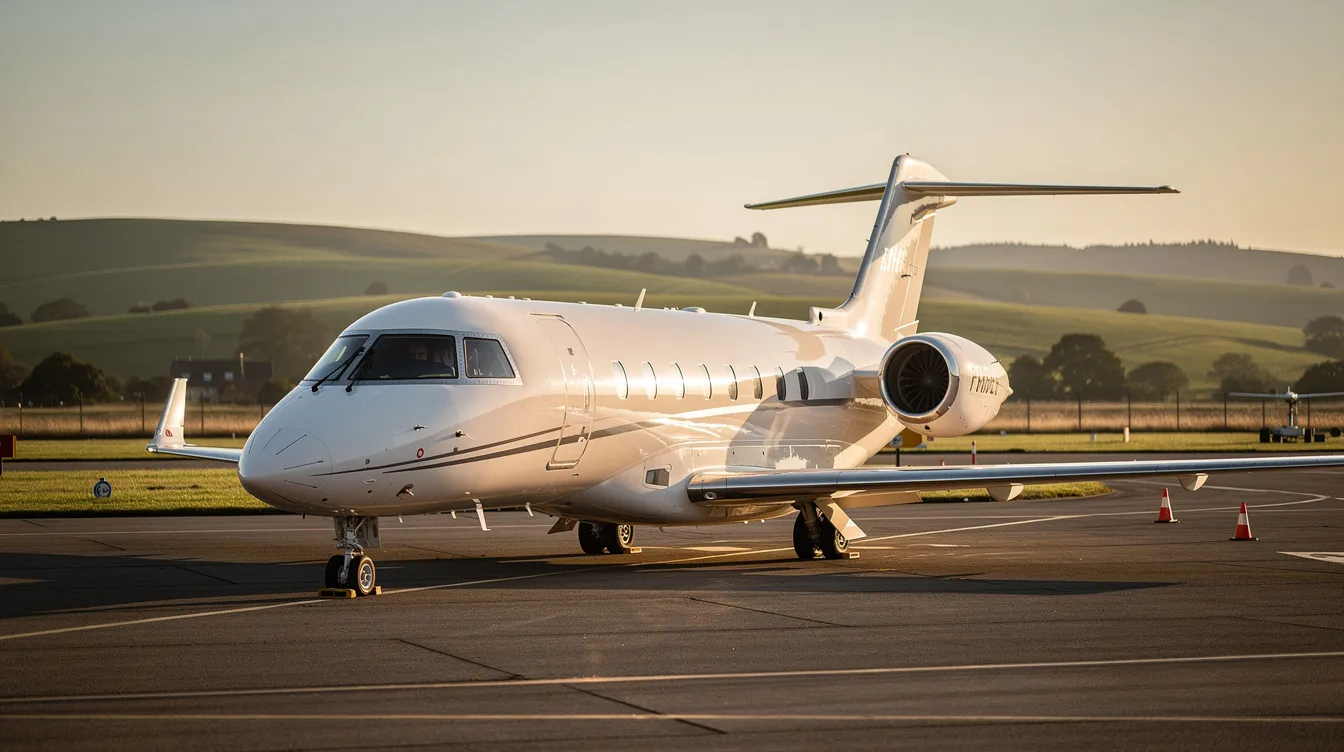
The image shows the cockpit of a modern business jet, featuring sleek glass-panel avionics displays and comfortable pilot seats, designed for private aviation. This sophisticated interior reflects the luxury and advanced technology expected in ultra long range jets, catering to the needs of owners who prioritize comfort and efficiency during long-distance travel.

Choosing the Right Large Airplane: Mission Profiles and Use Cases

Aircraft selection starts from mission and utilization: range, payload, routing, expected annual hours, and regulatory environment (Part 91, Part 135, or airline AOC).

Ultra-long-range jets like the Global 6000, G550, or Falcon 7X suit nonstop intercontinental travel with 10 to 13 passengers, covering long distances such as London to Tokyo or New York to Paris on large-cabin private jets. Large-cabin jets like the Challenger 650 or Falcon 2000 fly transatlantic or coast-to-coast routes with 8 to 12 passengers at lower cost. Airline-class aircraft (ERJ-145, EMB-190, Boeing 737) serve corporate shuttles, regional airlines, and large-group charters. Beech 1900D and L410 turboprops handle high-frequency, short-haul routes into smaller or challenging airports.

Cabin layout matters: some buyers need conference tables and fully enclosed staterooms; others need high-density seats or medevac-certified configurations. Customizing a VIP interior for an aircraft takes months and requires certification. The major considerations for purchasing large aircraft include total cost, condition, and whether the cabin and amenities match the intended mission. BusinessJets.com can model different fleet and mission scenarios to guide capital allocation, whether comparing a pair of large-cabin jets versus a single businessliner or evaluating a Guardian Jet-style fleet management approach.

How BusinessJets.com Supports Buyers and Sellers of Large Aircraft

Operators need strategic guidance for aircraft transactions. Market intelligence is crucial for operators' decisions, and BusinessJets.com supports aircraft sales with consulting that helps optimize aircraft ownership and operations. BusinessJets.com provides aviation consulting and brokerage services across the full transaction lifecycle.

  • Acquisition support: Market scanning for jets for sale worldwide, comparative analysis, desktop appraisals, and negotiation of LOIs and purchase agreements. Pre-purchase inspections should be conducted by an independent specialist and include a review of maintenance records and airworthiness directives.

  • Sale and remarketing: Preparing aircraft for market with documentation, photography, technical summaries, and realistic pricing. Aviation consultants perform over 100 checks before listing aircraft. Global marketplaces catalog private jets and commercial aircraft with specifications and pricing; our team ensures your listing reaches qualified buyers.

  • Valuation and appraisal: Formal appraisals for lenders, corporate boards, and owners. Private jet appraisals help identify maintenance needs and history. Consulting services are essential for high-net-worth aircraft buyers seeking independent confirmation of value.

  • Fleet and operator advisory: Fleet strategy (renewal, right-sizing, conversion), lease vs. purchase analysis, and residual value risk assessment. Strategic consulting helps operators in aircraft acquisition, whether the deal closes in Jan, Sept, or any month in between.

We are pleased to support clients who visit us for any of these needs. Contact our team to learn more or to list your aircraft for sale.

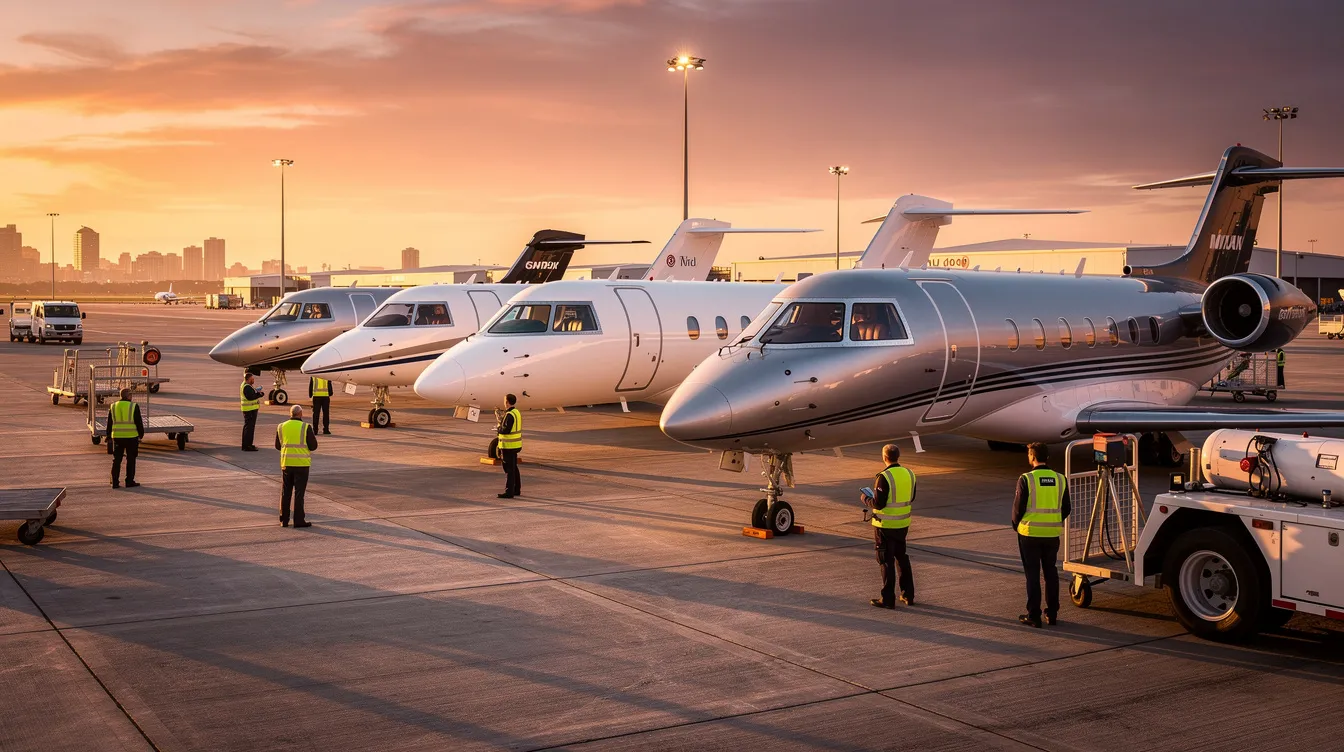
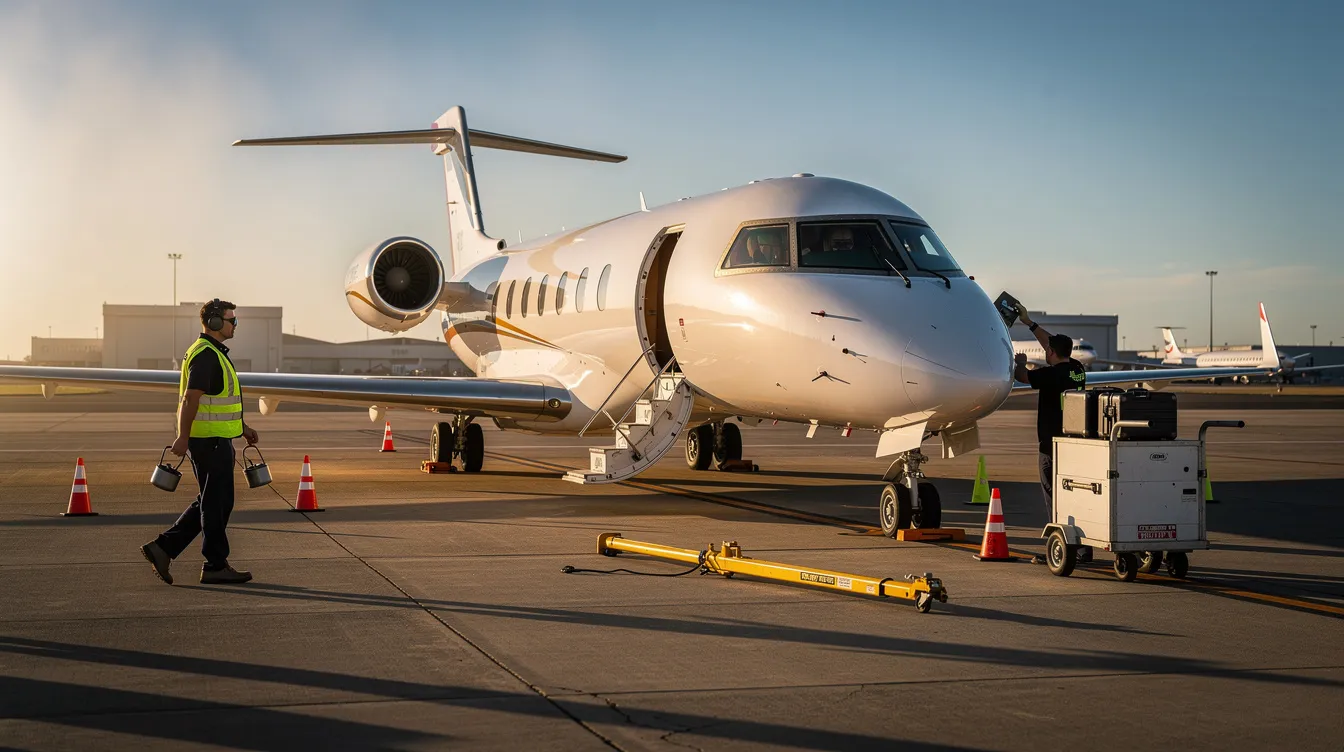
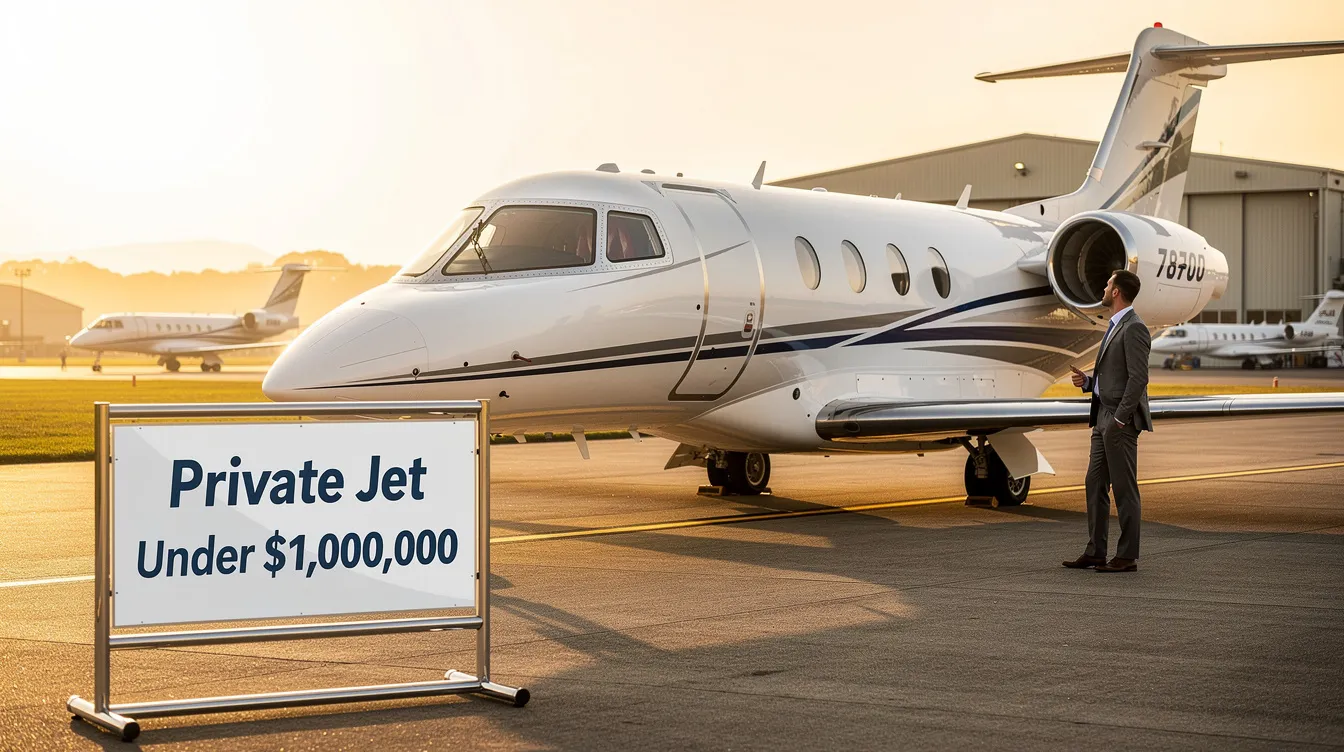
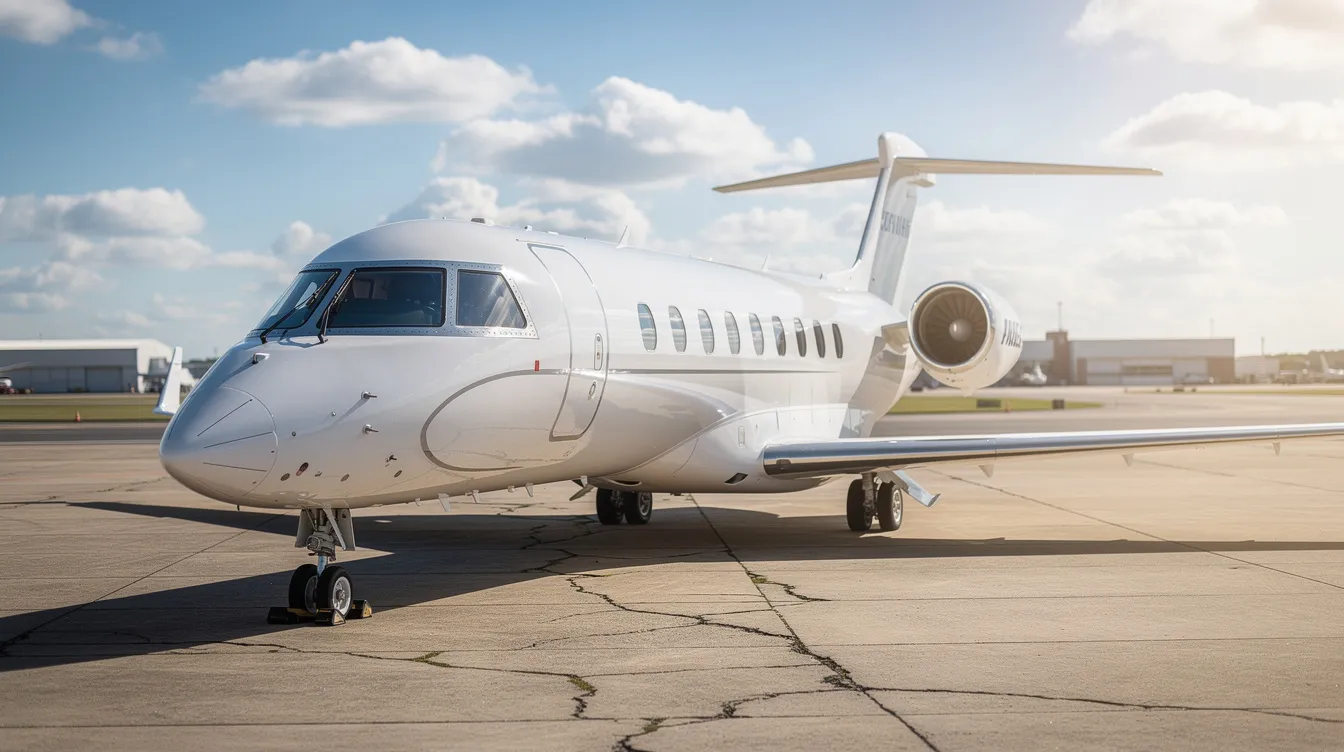
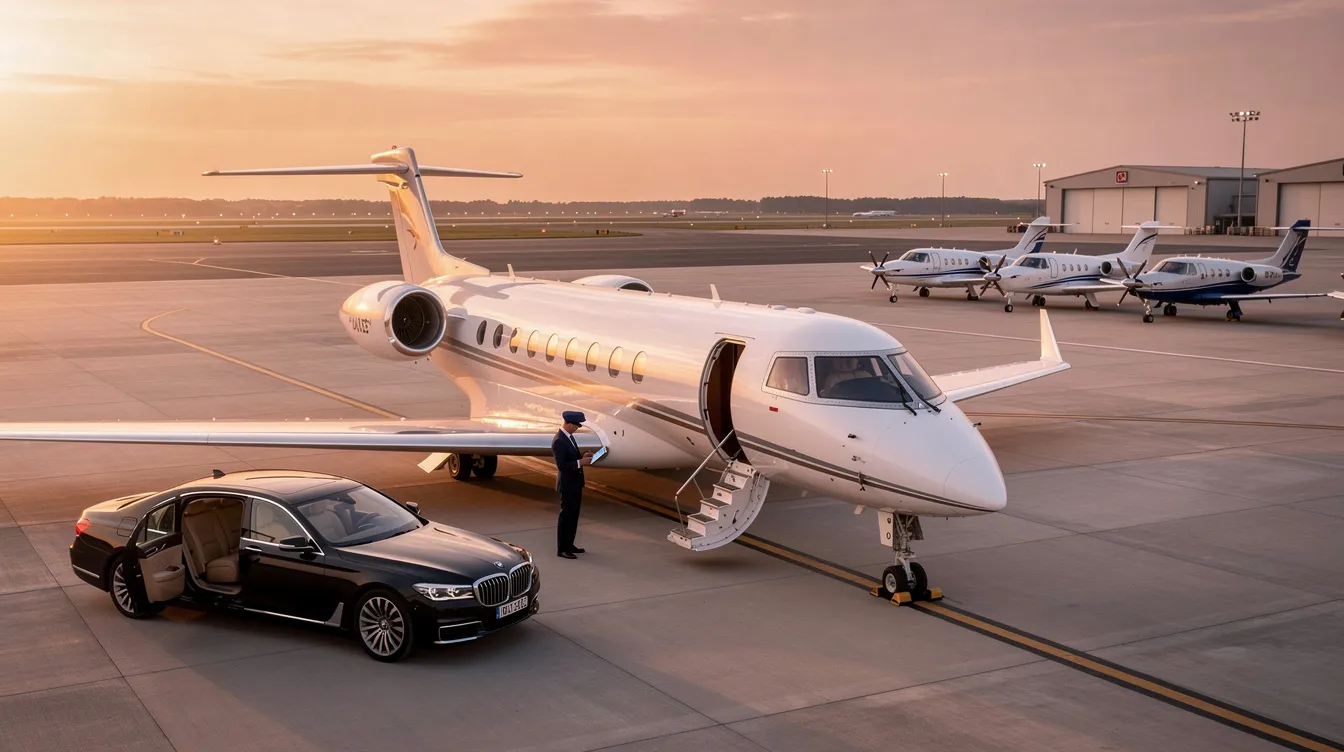
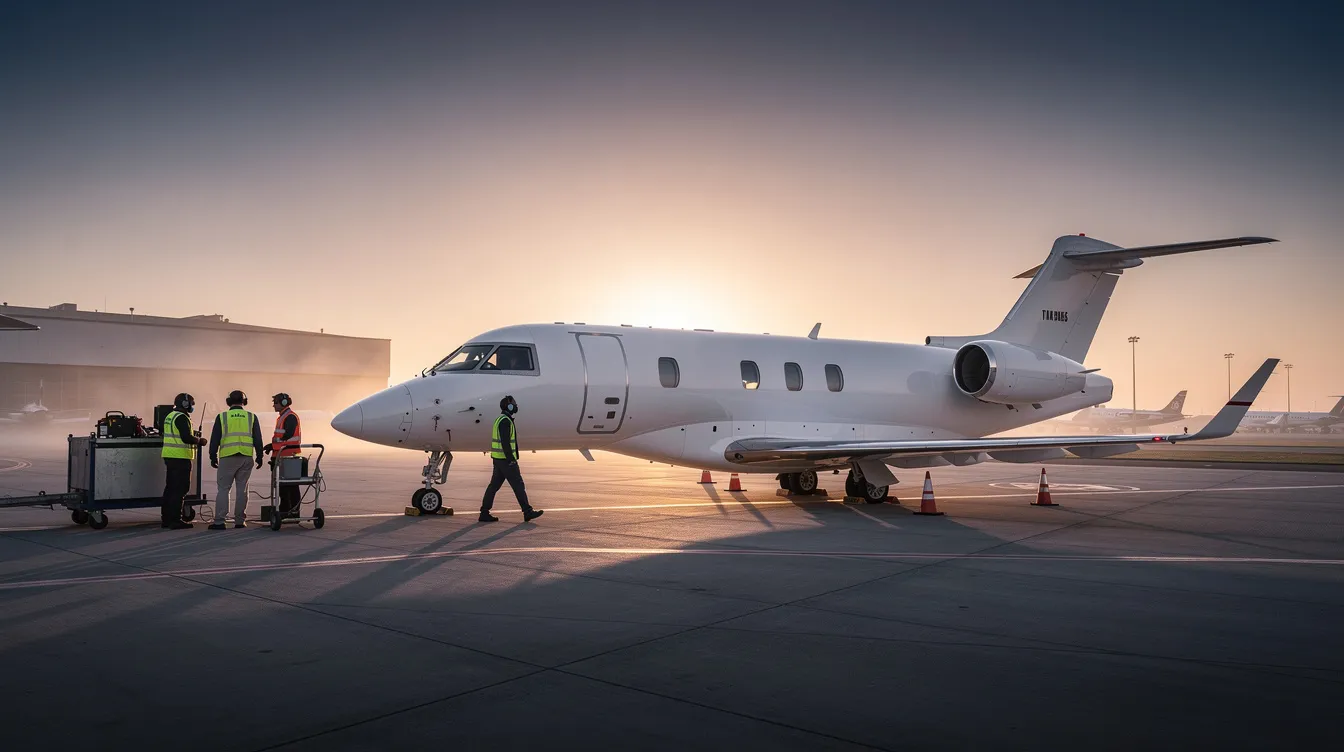
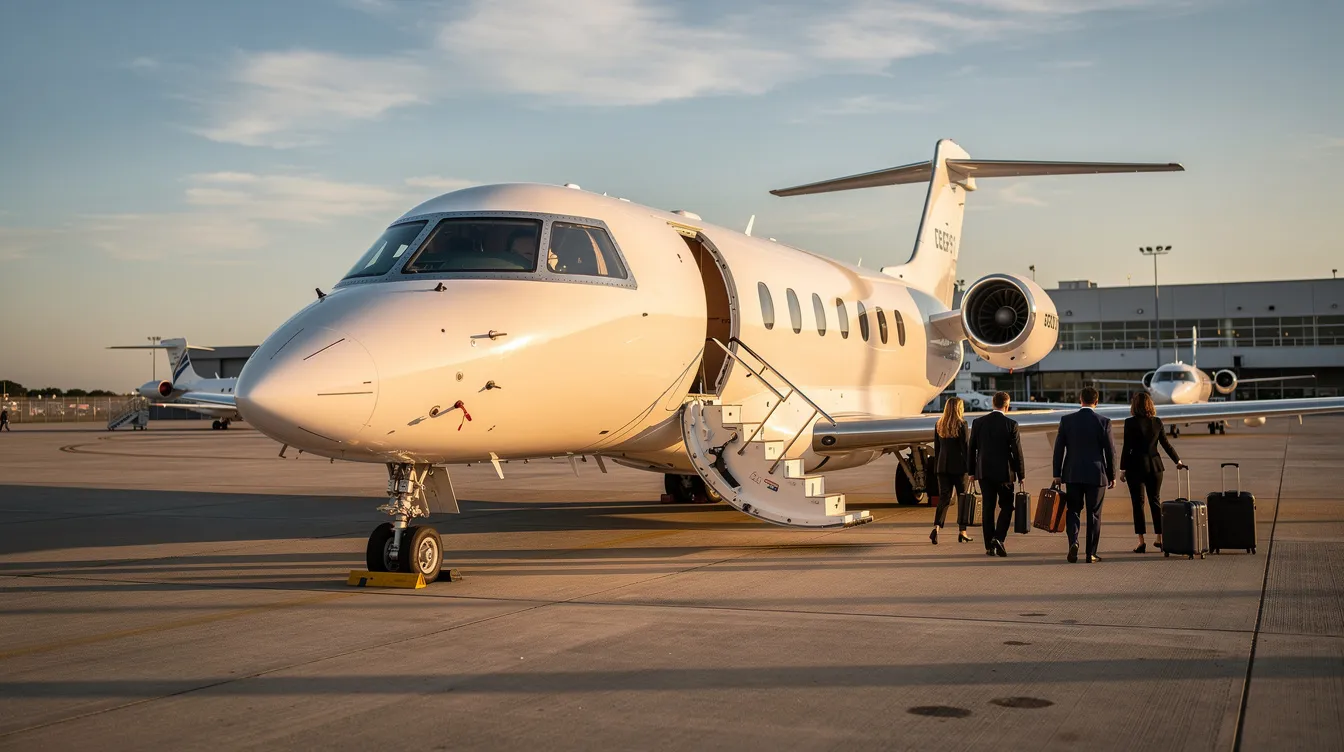
A business professional is shaking hands with a pilot next to a large private jet on an airport ramp, symbolizing a successful deal in the private aviation market. The ultra long range jet stands ready for luxury travel, showcasing its spacious cabin and advanced features for potential customers.

FAQs about Large Airplanes for Sale

How long does it typically take to buy or sell a large airplane?

A straightforward large-cabin business jet transaction often takes 60 to 120 days from accepted offer to closing, assuming clean records and no major findings during pre-purchase inspection. Complex airline-class or businessliner deals can extend to 4 to 9 months when leases, government approvals, or heavy maintenance are involved. BusinessJets.com helps compress timelines by preparing documentation early, coordinating inspections, and aligning legal and technical workstreams across jurisdictions, so buyers and sellers can find ready solutions faster.

Can a commercial airliner be converted into a private or corporate aircraft?

Many large private jets and businessliners start life as airline-configured aircraft (Boeing 737, Airbus A319, Embraer 190) and are then converted into VIP or corporate shuttle layouts. Conversions involve removal of airline seats, installation of custom luxury interiors with space for staterooms, upgrades to connectivity and cabin management systems, and sometimes additional fuel tanks. BusinessJets.com can work with completion centers to estimate cost, downtime, and impact on resale value before a client commits.

What regulatory issues should I consider when buying a large airplane located overseas?

Key concerns include export and import requirements, taxes and duties, compliance with FAA, EASA, or Transport Canada standards, and potential re-registration or conformity work. Avionics and safety equipment (ADS-B Out, TCAS II v7.1, EGPWS) may need upgrading for the buyer's intended jurisdiction. BusinessJets.com routinely coordinates with local counsel and maintenance organizations to map a clear regulatory pathway before contracts are finalized.

Is it better to buy new or pre-owned when considering a large airplane?

New aircraft offer the latest technology, warranties, and full customization but come with higher capital costs and longer lead times. Pre-owned large jets and commercial aircraft deliver strong value when they have well-documented maintenance histories, engine program enrollment, and recent major inspections. The optimal choice depends on mission, tax and depreciation strategy, and capital budget. An independent appraisal and lifecycle cost analysis from BusinessJets.com can clarify the trade-offs. Explore our aviation blog for additional insights on buying decisions.

What documentation should I review before committing to a large aircraft purchase?

Review complete maintenance and logbook history, airworthiness directive and service bulletin status, engine and APU program contracts, weight and balance data, modification and STC records, and any incident or repair dossiers. A full pre-purchase inspection at a reputable MRO, aligned with the aircraft's next major inspection event, surfaces structural, corrosion, or system issues before closing. BusinessJets.com works with independent technical representatives and inspectors so buyers have a documented understanding of the airplane's condition and future maintenance obligations.BusinessJets.com works with independent technical representatives and inspectors so buyers have a documented understanding of the airplane's condition and future maintenance obligations. Operators need strategic guidance for aircraft transactions, relying on market intelligence to make informed decisions. Consulting services are often essential to optimize aircraft assets and support strategic acquisitions.

Maintenance status is crucial in determining the value of large aircraft, and pre-purchase inspections should include a thorough review of maintenance records and airworthiness directives, ideally conducted by an independent specialist. New large jets typically cost between $33 million and $80 million, with new Ultra Long Range Jets reaching up to $65 million. Pre-owned Ultra Long Range Jets range from $20 million to $30 million, with hourly operating costs between $7,000 and $9,500.

The Gulfstream G-550, capable of flying nearly 7,800 nautical miles, exemplifies the long-range capabilities expected in this category. Aircraft valuation depends heavily on age, condition, and maintenance status. Private jet appraisals, involving over 100 checks by expert technicians, ensure accurate market value before sale, help identify maintenance needs, and can significantly expedite the selling process.

Large commercial airplanes are typically acquired through specialized brokers or leasing companies. These aircraft, including large private jets and VIP airliners, range from $30 million to over $100 million. Global marketplaces catalog private jets and commercial aircraft with detailed specifications and pricing. Infrastructure and runway constraints must be confirmed to ensure safe large aircraft operations.

Large jets usually seat between 10 and 18 passengers. Boeing Business Jets are notable for their expansive cabin space. Choosing where the aircraft is registered impacts taxes and import duties, while ownership structure can significantly affect transaction costs. Major considerations when purchasing large aircraft include total cost and condition. Customizing a VIP interior requires months of work and certification.

Large aircraft vary significantly in fuel burn, payload capacity, and maximum range. Ultra Long Range Jets operate across nearly 7,800 nautical miles, ideal for trans-oceanic trips and accommodating larger groups. Business aviation transactions often involve high-net-worth individuals, with the pre-owned market significantly less expensive than new models.

Aviation consulting supports strategic guidance for aircraft transactions, helping optimize ownership and operations. Consultants perform over 100 checks before listing aircraft and provide valuation services critical for high-net-worth buyers. Acquiring large aircraft involves navigating technical, regulatory, tax, financial, title, and contractual considerations.

Total Cost of Ownership includes continuous expenses such as fuel, insurance, hangar fees, crew salaries, and maintenance. Aircraft must meet modern international noise stage requirements to avoid operational bans. Market pricing fluctuates based on age, condition, and maintenance status, underscoring the importance of expert appraisal and consulting throughout the transaction lifecycle.

Conclusion: Navigating the Market for Large Airplanes in 2026

Purchasing or selling large airplanes in 2026 demands a comprehensive understanding of the diverse aircraft categories, market pricing, and operational requirements. Whether acquiring a large-cabin business jet, an ultra-long-range aircraft, or a commercial-grade businessliner, buyers and sellers face complex considerations around valuation, maintenance, regulatory compliance, and mission fit. The significant investment involved underscores the importance of expert guidance.

BusinessJets.com stands ready to assist clients through every step of these transactions, leveraging deep market intelligence, rigorous appraisal processes, and a proven track record of successful aircraft brokerage. Our aviation consulting services help optimize ownership strategies, minimize risk, and ensure that aircraft acquisitions or sales align with your operational and financial goals.

For private jet owners, corporate buyers, and operators seeking to browse large airplanes for sale or requiring strategic advisory, engaging experienced professionals is essential. We invite you to contact BusinessJets.com to request a detailed aircraft appraisal, list your aircraft for sale, or explore acquisition support tailored to your unique needs. Partner with us to navigate the complexities of the large airplane market with confidence and precision.

Large Airplanes for Sale: Guide to Big-Cabin and Commercial-Grade Aircraft
Jay Franco Ser

Key Takeaways

  • "Large airplanes for sale" in 2026 covers large-cabin business jets (10 to 18 seats), ultra-long-range jets, Boeing Business Jets (BBJ), and commercial or regional airliners configured for VIP, charter, or airline use. New large jets cost between $33 million and $80 million, while pre-owned ultra-long-range jets average $20 to $30 million depending on age, hours, and maintenance status.

  • Acquiring large aircraft involves technical, regulatory, tax, financial, title, and contractual considerations. Maintenance status is crucial in determining value; private jet appraisals involve over 100 checks by expert technicians and help identify maintenance needs before sale or purchase. Accurate appraisals can expedite the selling process and protect buyers from hidden costs.

  • BusinessJets.com specializes in brokering large business jets and businessliners, providing aircraft appraisals, and advising buyers and operators on commercial-grade aircraft acquisitions and disposals worldwide. With more than 1,500 completed transactions and over 5,000 satisfied customers, our team supports every phase of ownership, from sourcing and valuation to remarketing and fleet strategy. Request an aircraft appraisal or contact us today to discuss your needs.

Introduction: What Counts as a "Large Airplane" for Sale in 2026?

The term "large airplanes for sale" spans a wide range of aircraft. On one end: large-cabin private jets like the Bombardier Global 6000 or Gulfstream G550, seating 10 to 16 passengers with intercontinental range. On the other: commercial airliners such as the Boeing 737, Embraer E-Jets, and regional turboprops like the L410 UVP-E20, configured for 19 to 189 or more seats.

By Q3 2026, for-sale inventory includes both nearly new airframes (a 2022 L410 UVP-E20 with roughly 21 hours TT) and high-time legacy fleets like 1980s Boeing 727 freighters. Large aircraft vary in fuel burn, payload capacity, and maximum range, so the risk profile of each listing differs. This article covers key aircraft categories, pricing, mission profiles, and how expert brokerage and consulting reduce transaction risk.
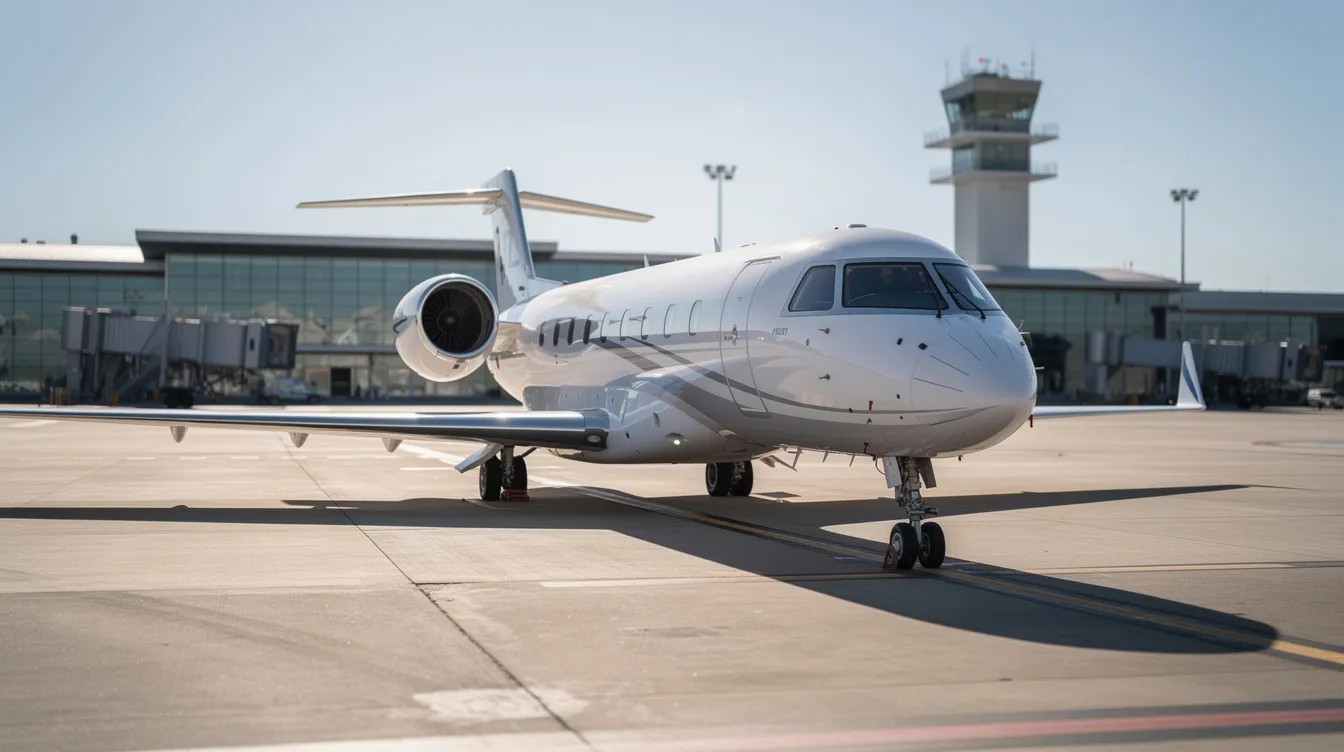
A large business jet is parked on a sunlit tarmac, showcasing its sleek design and luxury features, with airport buildings visible in the background. This aircraft represents the pinnacle of private aviation, ideal for long distances and comfortable travel for discerning customers.

Types of Large Jets for Sale on the Market

Large airplanes for sale segment into three broad groups. Understanding where each sits helps buyers and sellers filter candidates and focus on aircraft that match their mission.

Large-cabin business jets such as the Bombardier Challenger 604/650, Gulfstream G450, and Dassault Falcon 900/2000 typically offer ranges of 3,500 to 5,000 nautical miles with cabin layouts for 10 to 16 passengers. These jets remain popular for coast-to-coast and transatlantic travel.

Ultra-long-range jets push beyond 5,000 nm. The Global 7500, Falcon 8X, and Gulfstream G650ER fly nonstop from New York to Dubai or Los Angeles to Hong Kong. The Gulfstream G-550 can operate across nearly 7,800 nautical miles, making it one of the most capable aircraft in the segment. Ultra-long-range jets can fly over 7,800 nautical miles in the right configuration.

Businessliners and airline-class aircraft include the BBJ (based on the Boeing 737), Airbus A318 Elite, Embraer Lineage 1000, Airbus ACJ319 VIP jets, and standard passenger or freighter variants of regional and narrow-body jets. Boeing Business Jets are known for their large cabin space, and seat counts range from 19 (L410, Beech 1900D) to 189 on narrow-body airliners. Use cases span VIP head-of-state transport, corporate shuttles, ACMI leasing, and regional airline operations. Freight operators also purchase 727-225F and 737 freighters with AEI cargo door modification for main-deck cargo loading.

BusinessJets.com primarily lists private jets and business jets for sale but also appraises and helps transact larger regional and narrow-body aircraft when they are part of corporate, charter, or VIP fleets.

Large-Cabin and Ultra Long Range Business Jets for Sale

Large-cabin and ultra-long-range private jets are the core of the "large airplane" market for corporate and high-net-worth buyers. Business aviation transactions often involve high-net-worth individuals seeking aircraft that combine long-range performance with cabin comfort and flexibility.

Category

Example Models

Range (nm)

Typical Seats

Large cabin

Challenger 604/650, Falcon 2000, G450

3,500–5,000

10–14

Ultra long range

Global 5000/6000, G550, Falcon 7X/8X

5,000–7,700+

12–18

Pinnacle ULR

Global 7500, G700

7,000–7,700

13–19

Buyers in 2026 expect specific features: FANS 1/A and CPDLC capability, WAAS/LPV approaches, HUD/EVS, and Ka-band or Starlink connectivity. The latest avionics suites (Pro Line Fusion, Honeywell Primus Elite) are now baseline expectations for late-model aircraft listed in North America and Europe.

The average pre-owned ultra-long-range jet costs $20 to $30 million, while new ultra-long-range jets can cost up to $65 million. Large jets are ideal for trans-oceanic trips and larger groups. Aircraft with low hours, recent interior refurbishment, and full engine program enrollment (RRCC, MSP, or ESP) command premiums. A Falcon 7X with single corporate ownership and FalconCare enrollment, for example, trades at a higher price than a comparable airframe with incomplete records.

BusinessJets.com supports clients in sourcing, valuing, and negotiating these jets worldwide; browse current aircraft for sale to explore what is available.
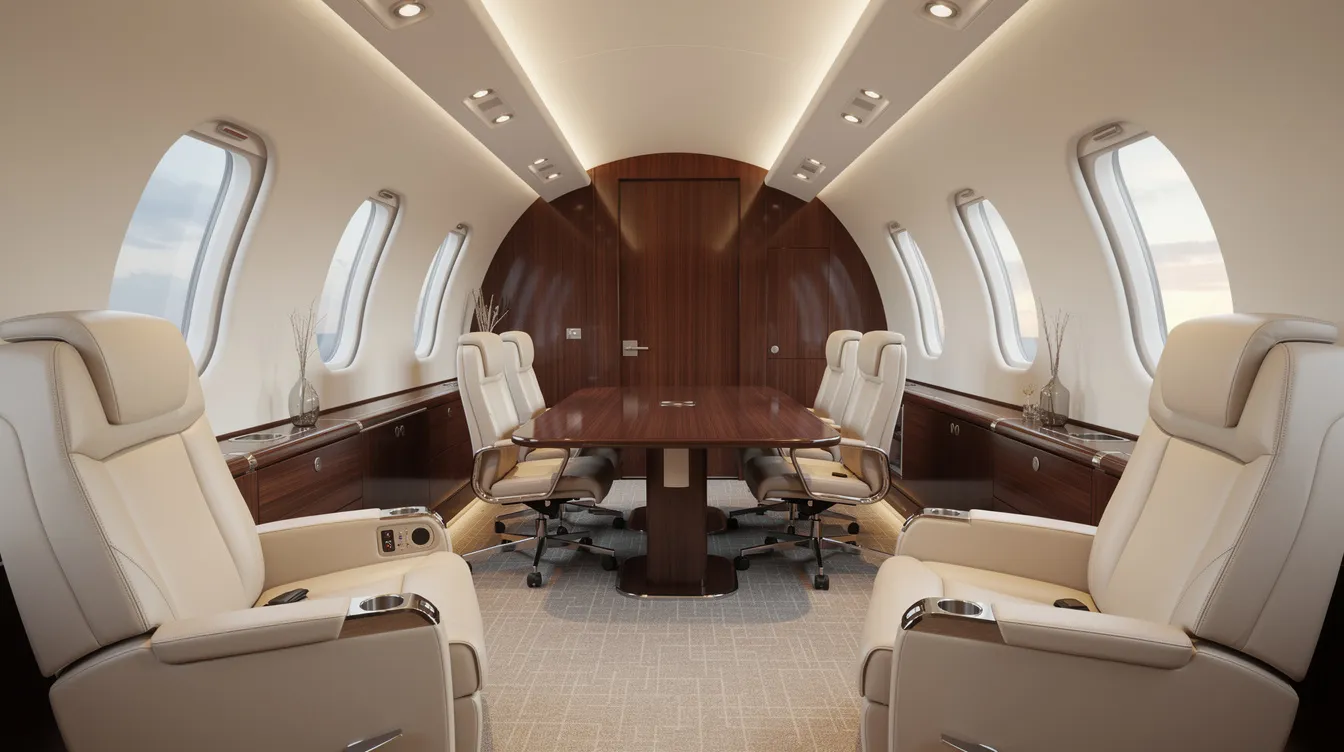
The image showcases the luxurious interior of a large-cabin business jet, featuring plush leather seating, a sleek conference table, and elegant wood-paneled walls, designed for comfort and style in private aviation. This spacious cabin is ideal for long-distance travel, catering to the needs of discerning passengers who expect the best in business jets.

Commercial and Regional Aircraft for Sale (Airline, Charter, and Shuttle Use)

Commercial-grade large airplanes attract regional airlines, charter operators, logistics companies, and governments. Large commercial airplanes are typically acquired through specialized brokers or leasing companies with experience in airline-class transactions.

Current inventory includes Embraer EMB-190 pairs in Australia with roughly 47,000 hours each, ERJ-135/145LR aircraft in Europe with 30 to 49 leather seats and ADS-B Out, Beechcraft 1900D turboprops in South Africa and East Africa around 30,000 to 35,000 hours TT, and a 2022 L410 UVP-E20 in Asia (Kazakhstan) with about 21 hours since new. Passenger capacity ranges from 19 seats on the L410 to 189 on narrow-body airliners.

Cargo and combi variants remain in demand. Boeing 727-225F freighters with AEI cargo door modification, smoke detection, and main-deck reinforcement serve freight operators and e-commerce supply chains. MRO options, including facilities in Saltillo, Mexico, and MRO Iberoamerica, support maintenance for operators across Latin America. Regulatory considerations for these aircraft include remaining economic life in cycles and hours, landing gear overhaul schedules, major structural checks (C and D checks), and conformity with EASA or FAA standards. Infrastructure and runway constraints must be confirmed for large aircraft operations, particularly when deploying into secondary or unimproved airports.

Pricing, Operating Costs, and Value Drivers for Large Airplanes

New vs. Pre-Owned Pricing

New large jets cost between $33 million and $80 million. A new Challenger 650 enters the market around $33 million; a Gulfstream G700 exceeds $90 million. Large private jets and VIP airliners range from $30 million to over $100 million when Boeing or Airbus VVIP completions are included. Pre-owned large jets are cheaper than new models: the market for pre-owned jets sits well below new-build pricing, with 10- to 15-year-old Global 5000 or G550 aircraft trading in the mid- to high-teens (millions). Older Falcon 2000s or Challenger 604s fall into mid-single-digit millions. According to JetNet data, the average asking price for used large jets was about $12.63 million as of mid-2026.

Operating Costs Overview

Hourly operating costs for ultra-long-range jets range from $7,000 to $9,500 per hour, covering fuel, engine reserves, crew, and airframe maintenance. Total cost of ownership includes continuous expenses such as fuel, insurance, hangar, crew salaries, and maintenance; owning a large jet requires budgeting well beyond the purchase price.

Key Value Drivers for Appraisal

Key value drivers an appraiser examines:

  • Total time and cycles (age and usage history)

  • Engine and APU program enrollment (RRCC, MSP, ESP, GE OnPoint)

  • Recency of major inspections and landing gear overhaul

  • Avionics upgrades (FANS 1/A, ADS-B Out, WAAS/LPV)

  • Connectivity (Ka-band, Starlink)

  • Aircraft must meet modern international noise stage requirements to avoid bans or surcharges

Aircraft valuation depends on age, condition, and maintenance status. Market pricing for large transport-category aircraft fluctuates based on these factors. Private jet appraisals ensure accurate market value before sale. Choosing where the aircraft is registered impacts taxes and import duties, and the ownership structure can affect transaction costs. Manufacturers sometimes offer transition support, but independent appraisals from firms like BusinessJets.com remain essential. Get an aircraft appraisal to arrive at a realistic asking price or confirm value before buying.

The image shows the cockpit of a modern business jet, featuring sleek glass-panel avionics displays and comfortable pilot seats, designed for private aviation. This sophisticated interior reflects the luxury and advanced technology expected in ultra long range jets, catering to the needs of owners who prioritize comfort and efficiency during long-distance travel.

Choosing the Right Large Airplane: Mission Profiles and Use Cases

Aircraft selection starts from mission and utilization: range, payload, routing, expected annual hours, and regulatory environment (Part 91, Part 135, or airline AOC).

Ultra-long-range jets like the Global 6000, G550, or Falcon 7X suit nonstop intercontinental travel with 10 to 13 passengers, covering long distances such as London to Tokyo or New York to Paris on large-cabin private jets. Large-cabin jets like the Challenger 650 or Falcon 2000 fly transatlantic or coast-to-coast routes with 8 to 12 passengers at lower cost. Airline-class aircraft (ERJ-145, EMB-190, Boeing 737) serve corporate shuttles, regional airlines, and large-group charters. Beech 1900D and L410 turboprops handle high-frequency, short-haul routes into smaller or challenging airports.

Cabin layout matters: some buyers need conference tables and fully enclosed staterooms; others need high-density seats or medevac-certified configurations. Customizing a VIP interior for an aircraft takes months and requires certification. The major considerations for purchasing large aircraft include total cost, condition, and whether the cabin and amenities match the intended mission. BusinessJets.com can model different fleet and mission scenarios to guide capital allocation, whether comparing a pair of large-cabin jets versus a single businessliner or evaluating a Guardian Jet-style fleet management approach.

How BusinessJets.com Supports Buyers and Sellers of Large Aircraft

Operators need strategic guidance for aircraft transactions. Market intelligence is crucial for operators' decisions, and BusinessJets.com supports aircraft sales with consulting that helps optimize aircraft ownership and operations. BusinessJets.com provides aviation consulting and brokerage services across the full transaction lifecycle.

  • Acquisition support: Market scanning for jets for sale worldwide, comparative analysis, desktop appraisals, and negotiation of LOIs and purchase agreements. Pre-purchase inspections should be conducted by an independent specialist and include a review of maintenance records and airworthiness directives.

  • Sale and remarketing: Preparing aircraft for market with documentation, photography, technical summaries, and realistic pricing. Aviation consultants perform over 100 checks before listing aircraft. Global marketplaces catalog private jets and commercial aircraft with specifications and pricing; our team ensures your listing reaches qualified buyers.

  • Valuation and appraisal: Formal appraisals for lenders, corporate boards, and owners. Private jet appraisals help identify maintenance needs and history. Consulting services are essential for high-net-worth aircraft buyers seeking independent confirmation of value.

  • Fleet and operator advisory: Fleet strategy (renewal, right-sizing, conversion), lease vs. purchase analysis, and residual value risk assessment. Strategic consulting helps operators in aircraft acquisition, whether the deal closes in Jan, Sept, or any month in between.

We are pleased to support clients who visit us for any of these needs. Contact our team to learn more or to list your aircraft for sale.

A business professional is shaking hands with a pilot next to a large private jet on an airport ramp, symbolizing a successful deal in the private aviation market. The ultra long range jet stands ready for luxury travel, showcasing its spacious cabin and advanced features for potential customers.

FAQs about Large Airplanes for Sale

How long does it typically take to buy or sell a large airplane?

A straightforward large-cabin business jet transaction often takes 60 to 120 days from accepted offer to closing, assuming clean records and no major findings during pre-purchase inspection. Complex airline-class or businessliner deals can extend to 4 to 9 months when leases, government approvals, or heavy maintenance are involved. BusinessJets.com helps compress timelines by preparing documentation early, coordinating inspections, and aligning legal and technical workstreams across jurisdictions, so buyers and sellers can find ready solutions faster.

Can a commercial airliner be converted into a private or corporate aircraft?

Many large private jets and businessliners start life as airline-configured aircraft (Boeing 737, Airbus A319, Embraer 190) and are then converted into VIP or corporate shuttle layouts. Conversions involve removal of airline seats, installation of custom luxury interiors with space for staterooms, upgrades to connectivity and cabin management systems, and sometimes additional fuel tanks. BusinessJets.com can work with completion centers to estimate cost, downtime, and impact on resale value before a client commits.

What regulatory issues should I consider when buying a large airplane located overseas?

Key concerns include export and import requirements, taxes and duties, compliance with FAA, EASA, or Transport Canada standards, and potential re-registration or conformity work. Avionics and safety equipment (ADS-B Out, TCAS II v7.1, EGPWS) may need upgrading for the buyer's intended jurisdiction. BusinessJets.com routinely coordinates with local counsel and maintenance organizations to map a clear regulatory pathway before contracts are finalized.

Is it better to buy new or pre-owned when considering a large airplane?

New aircraft offer the latest technology, warranties, and full customization but come with higher capital costs and longer lead times. Pre-owned large jets and commercial aircraft deliver strong value when they have well-documented maintenance histories, engine program enrollment, and recent major inspections. The optimal choice depends on mission, tax and depreciation strategy, and capital budget. An independent appraisal and lifecycle cost analysis from BusinessJets.com can clarify the trade-offs. Explore our aviation blog for additional insights on buying decisions.

What documentation should I review before committing to a large aircraft purchase?

Review complete maintenance and logbook history, airworthiness directive and service bulletin status, engine and APU program contracts, weight and balance data, modification and STC records, and any incident or repair dossiers. A full pre-purchase inspection at a reputable MRO, aligned with the aircraft's next major inspection event, surfaces structural, corrosion, or system issues before closing. BusinessJets.com works with independent technical representatives and inspectors so buyers have a documented understanding of the airplane's condition and future maintenance obligations.BusinessJets.com works with independent technical representatives and inspectors so buyers have a documented understanding of the airplane's condition and future maintenance obligations. Operators need strategic guidance for aircraft transactions, relying on market intelligence to make informed decisions. Consulting services are often essential to optimize aircraft assets and support strategic acquisitions.

Maintenance status is crucial in determining the value of large aircraft, and pre-purchase inspections should include a thorough review of maintenance records and airworthiness directives, ideally conducted by an independent specialist. New large jets typically cost between $33 million and $80 million, with new Ultra Long Range Jets reaching up to $65 million. Pre-owned Ultra Long Range Jets range from $20 million to $30 million, with hourly operating costs between $7,000 and $9,500.

The Gulfstream G-550, capable of flying nearly 7,800 nautical miles, exemplifies the long-range capabilities expected in this category. Aircraft valuation depends heavily on age, condition, and maintenance status. Private jet appraisals, involving over 100 checks by expert technicians, ensure accurate market value before sale, help identify maintenance needs, and can significantly expedite the selling process.

Large commercial airplanes are typically acquired through specialized brokers or leasing companies. These aircraft, including large private jets and VIP airliners, range from $30 million to over $100 million. Global marketplaces catalog private jets and commercial aircraft with detailed specifications and pricing. Infrastructure and runway constraints must be confirmed to ensure safe large aircraft operations.

Large jets usually seat between 10 and 18 passengers. Boeing Business Jets are notable for their expansive cabin space. Choosing where the aircraft is registered impacts taxes and import duties, while ownership structure can significantly affect transaction costs. Major considerations when purchasing large aircraft include total cost and condition. Customizing a VIP interior requires months of work and certification.

Large aircraft vary significantly in fuel burn, payload capacity, and maximum range. Ultra Long Range Jets operate across nearly 7,800 nautical miles, ideal for trans-oceanic trips and accommodating larger groups. Business aviation transactions often involve high-net-worth individuals, with the pre-owned market significantly less expensive than new models.

Aviation consulting supports strategic guidance for aircraft transactions, helping optimize ownership and operations. Consultants perform over 100 checks before listing aircraft and provide valuation services critical for high-net-worth buyers. Acquiring large aircraft involves navigating technical, regulatory, tax, financial, title, and contractual considerations.

Total Cost of Ownership includes continuous expenses such as fuel, insurance, hangar fees, crew salaries, and maintenance. Aircraft must meet modern international noise stage requirements to avoid operational bans. Market pricing fluctuates based on age, condition, and maintenance status, underscoring the importance of expert appraisal and consulting throughout the transaction lifecycle.

Conclusion: Navigating the Market for Large Airplanes in 2026

Purchasing or selling large airplanes in 2026 demands a comprehensive understanding of the diverse aircraft categories, market pricing, and operational requirements. Whether acquiring a large-cabin business jet, an ultra-long-range aircraft, or a commercial-grade businessliner, buyers and sellers face complex considerations around valuation, maintenance, regulatory compliance, and mission fit. The significant investment involved underscores the importance of expert guidance.

BusinessJets.com stands ready to assist clients through every step of these transactions, leveraging deep market intelligence, rigorous appraisal processes, and a proven track record of successful aircraft brokerage. Our aviation consulting services help optimize ownership strategies, minimize risk, and ensure that aircraft acquisitions or sales align with your operational and financial goals.

For private jet owners, corporate buyers, and operators seeking to browse large airplanes for sale or requiring strategic advisory, engaging experienced professionals is essential. We invite you to contact BusinessJets.com to request a detailed aircraft appraisal, list your aircraft for sale, or explore acquisition support tailored to your unique needs. Partner with us to navigate the complexities of the large airplane market with confidence and precision.

Related Posts