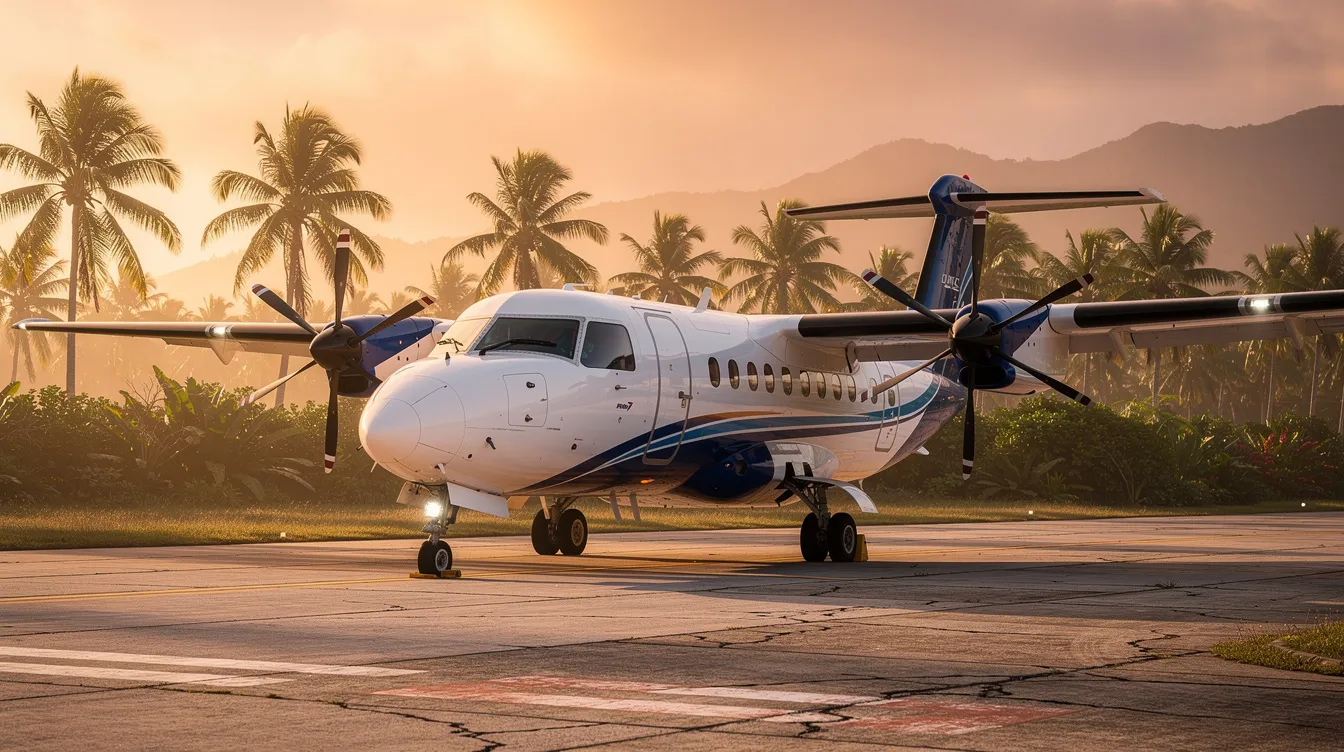
International Plane Charter: A Practical Guide for Global Private Travel

Jay Franco Ser
September 4, 2026

Crossing borders by private aircraft is no longer reserved for heads of state or Fortune 50 executives. The air charter services market reached an estimated US$46.04 billion in 2025 and continues to grow, driven by demand for direct routing, schedule control, and access to airports that commercial airlines simply do not serve. This guide covers the practical mechanics of international plane charter, from aircraft selection and regulatory planning to cost structures and long-term fleet strategy, so you can make informed decisions about your next cross-border mission.

Key Takeaways

  • Corporate flight departments, family offices, high-net-worth individuals, and sports teams use international charter flights to reach destinations on their own schedule, bypassing the constraints and delays of commercial travel.

  • Charter flights enable direct international routes, flexible scheduling, and access to secondary airports that commercial travel cannot match. Private jet charters offer access to over 20,000 aircraft worldwide, and flights can be booked with as little as four hours' notice.

  • BusinessJets.com acts as an independent aircraft brokerage and consulting partner, not a fleet operator, drawing on 1,500+ completed transactions to advise on aircraft selection, charter strategy, and cross-border trip planning.

  • Aircraft type selection, from light jets for regional border crossings to long range jets for intercontinental missions, and careful planning of fuel stops are critical to a safe and efficient international jet flight.

  • Readers looking to act can request an aircraft appraisal, explore aircraft for sale, or engage aviation consulting for a tailored international flight strategy.

What Is International Plane Charter?

An international plane charter is the private renting of an entire aircraft to fly across international borders. Unlike domestic charter services, which operate within a single country, international charters involve at least two sovereign jurisdictions and the regulatory requirements that come with them.

Charter flights differ from scheduled commercial flights in several fundamental ways: each private jet flight gives the client control over departure time, routing, and airport selection rather than conforming to published airline schedules. Privacy is inherent; the aircraft carries only your party, and that exclusivity also supports a more personalized onboard experience with service tailored to your group. And routing can be optimized for speed rather than hub connectivity.

BusinessJets.com does not operate aircraft directly. Instead, it brokers access to vetted operators worldwide and advises clients on the best structure for each international charter flight, whether that involves a single sector or a multi-stop itinerary across several countries. All international private flights must clear customs and border control, and international charters generally provide flexibility with routing and scheduling compared to commercial flights.

Core use cases include executive teams traveling between North America and Europe, corporate shuttles linking hubs such as Centennial Airport near downtown Denver with destinations in Mexico, or high-net-worth families who fly privately to seasonal homes across the Atlantic or Pacific.

Why Choose Charter Flights Over Commercial Travel for International Trips?

When comparing international charter flights to premium commercial cabins, the value proposition centers on time and control. A private charter eliminates connections, reduces airport dwell time, and lets travelers depart after late meetings without missing their flight. Charter flights are customized around the traveler's schedule and preferences.

Key advantages include:

  • Flexible scheduling that accommodates last-minute itinerary changes and after-hours departures.

  • Access to secondary airports closer to final destinations, cutting ground transportation time significantly.

  • No TSA lines, no boarding queues, and no risk of missed connections.

  • Private terminals often provide expedited customs and immigration clearance compared to commercial terminals.

  • Ability to carry sensitive documents, hold working sessions, or conduct confidential calls throughout the journey.

Consider concrete examples: flying directly from Centennial Airport to Cabo San Lucas or from Teterboro to London Farnborough without connecting through major hubs. Business travelers working on a deal can maintain confidentiality and productivity in the air, while leisure travelers enjoy a seamless journey from doorstep to destination.

Soft benefits matter to corporate buyers as well: consistent aircraft and service standards across repeated missions, secure in flight catering arrangements, and the ability to create personalized itineraries that match the operational rhythm of deal teams or board members.

That said, international charter flights are not exempt from border controls, overflight permits, or slot restrictions at some international airports, topics covered in detail below.

Who Uses International Charter Services?

The primary audiences for international charter services include corporate flight departments, family offices, sports teams, and operators repositioning aircraft between regions.

Business use cases:

  • Multi-city roadshows across Europe, where commercial airline schedules would force inconvenient layovers between meetings in London, Frankfurt, and Dubai.

  • M&A teams needing last-minute private flights between New York, London, and other financial centers.

  • Executive offsite travel to exclusive destinations not well served by commercial networks.

Private and leisure travelers:

  • Families flying from Los Angeles to Tahiti or from the US East Coast to Mediterranean homes.

  • High-net-worth individuals splitting time between residences in the US and EU.

  • Groups chartering for events in Dubai, Singapore, or Las Vegas where commercial routing is indirect.

Operator and owner scenarios:

  • Ferrying aircraft to maintenance facilities abroad, repositioning jets after a sale, or demonstrating a plane to potential buyers in different regions. These are scenarios where BusinessJets.com frequently supports clients.

Corporate shuttles fit the international context when companies operate regular weekly flights between a US headquarters and factories in Mexico or Canada. Private jet travelers on these repeated routes benefit from crew familiarity, schedule reliability, and measurable productivity gains over commercial travel alternatives.

Key Differences Between Domestic and International Charter Flights

Crossing borders introduces additional planning requirements beyond standard charter services. A New York to Miami private charter is relatively straightforward; a New York to Geneva jet flight involves a different level of coordination.

Key regulatory factors:

  • Valid passports, necessary visas, and required health documentation must be verified for all passengers before departure. International regulations subject charters to strict foreign entry requirements and visa regulations.

  • Advance Passenger Information System (APIS/API) data must be submitted to authorities, often 24 hours or more before departure. A charter broker or operator handles arrangements for permits and passenger manifests for international flights.

  • International flights frequently require overflight and landing permits from foreign civil aviation authorities, with lead times ranging from 24 hours to 10 business days depending on the route and jurisdiction.

  • Cabotage rules may restrict the ability to pick up and drop off passengers within a foreign country.

Operational differences are equally important:

  • Longer flight planning horizons, sometimes requiring crew duty windows of 12 to 14 hours for oceanic crossings.

  • Potential fuel stops on routes where aircraft range falls short of the nonstop distance.

  • The operator coordinates critical logistics like flight planning and customs clearance for international flights.

For specific jurisdictional questions, engaging professional advisory through a firm like BusinessJets.com avoids costly missteps.

Selecting the Right Aircraft Types for International Charter

Choosing the right aircraft directly affects safety margins, comfort, fuel stops, and the overall cost of an international charter flight. A mismatch between mission and aircraft can lead to unnecessary fuel stops, higher expenses, or inadequate range for the route.

Here is how main categories align with international missions:

  • Light jets (e.g., Citation CJ4, Phenom 300) offer ranges of roughly 1,200 to 1,800 nautical miles. They are well suited for cross-border hops such as Denver to Vancouver, Miami to Nassau, or European intra-continental sectors. However, they are not suitable for longer oceanic segments. Light jets typically accommodate 4 to 8 passengers.

  • Mid size and super midsize jets (e.g., Citation Latitude, Praetor 600, Challenger 350) cover 3,000 to 4,000 nautical miles and represent a versatile aircraft class for many international routes. The Praetor 600, for instance, offers roughly 4,018 nautical miles of range with a typical load.

  • Long range and ultra-long-range jets (e.g., Gulfstream G650, Global 7500, Airbus ACJ319 private jets) exceed 6,000 nautical miles. The Gulfstream G-V has a range of 7,480 miles. Heavy or ultra-long-range jets are typically required for intercontinental trips such as New York to Dubai or Los Angeles to Tokyo.

  • For specialized missions, the ATR 42-500 accommodates 42 to 48 passengers on regional sectors, and the Cessna Grand Caravan can access remote destinations without runways.

International destinations vary in runway length, customs availability, and handling fees, making aircraft size and performance a planning variable rather than just a comfort preference. BusinessJets.com helps clients align aircraft types with their specific international missions, cabin expectations, and budget targets by drawing on its diverse fleet of listings and market data.

The image depicts the interior of a spacious long-range private jet cabin featuring luxurious leather seats arranged in a conference layout, ideal for private jet travelers seeking a comfortable and professional atmosphere. This design highlights the exceptional service and personalized itineraries available through private jet charter services.

Range, Fuel Stops, and Flight Time on International Routes

Aircraft range, payload, and prevailing winds determine whether a route can be flown nonstop or requires fuel stops. Published brochure ranges typically represent still-air maximums at light loads; real-world range with full passengers and baggage is often 80 to 90 percent of the advertised figure.

Practical examples of common international segments:

  • Chicago to London (approximately 3,350 nautical miles): achievable nonstop in a super midsize or heavy jet; may require a fuel stop in a light or mid size aircraft.

  • New York to São Paulo (approximately 4,200 nautical miles): typically requires a long range or ultra-long-range aircraft for nonstop service; a super midsize jet may need a fuel stop in the Caribbean.

  • Los Angeles to Honolulu to Tokyo: a two-segment journey where the Pacific crossing demands careful fuel and crew planning; long range jets handle each segment comfortably.

Fuel stops, when planned efficiently, typically last 30 to 40 minutes at well-equipped airports. However, international refueling can vary based on local handling capacity, customs processing at the intermediate stop, and ground traffic. Cabin features like sleeping arrangements and cabin conditions can impact comfort on these extended flight segments, particularly overnight crossings.

BusinessJets.com evaluates block times, likely fuel stops, and crew duty limits to provide corporate schedulers and flight coordinators with realistic schedule expectations. This avoids surprises that can cascade into missed meetings or crew rest violations.

International Airport Choices: Major Hubs vs Secondary Fields

One of the defining advantages of private charter is access to airports closer to the final destination than large commercial hubs. This can eliminate hours of ground transportation and the congestion of major terminals.

Useful pairings that demonstrate the advantage:

  • London Farnborough instead of Heathrow for meetings in Surrey or central London.

  • Paris Le Bourget instead of Charles de Gaulle for access to central Paris, often paired with private jet charters to Paris for business and leisure travelers.

  • Teterboro for New York City arrivals versus navigating JFK or Newark commercial terminals.

  • Centennial Airport for Denver metro access instead of Denver International.

However, secondary fields come with considerations: customs and immigration staff may need to be requested in advance, night curfews may restrict late arrivals, and runway length may limit aircraft size. Slot restrictions at busy business aviation airports like Farnborough require early coordination, especially during peak seasons.

BusinessJets.com advises both charter clients and aircraft buyers on airport strategy, ensuring that the aircraft being considered, whether for charter or purchase, can reliably serve the airports tied to their most popular routes and popular destinations.

A sleek business jet is parked on the tarmac of a small private aviation terminal, with lush green hills visible in the background, highlighting the appeal of private jet travel for business travelers seeking personalized service and exclusive destinations. This setting reflects the convenience and flexibility of private jet charter services for those looking to fly privately.

International Charter Safety, Certifications, and Oversight

Safety benchmarks and operator vetting carry even greater weight on long-range international charter flights, where crews face oceanic crossings, unfamiliar airspace, and extended duty periods.

Key standards and certifications to verify:

  • FAA Part 135 certification for US-based charter operators, covering maintenance, crew qualifications, and insurance.

  • EASA approvals for European operators.

  • Independent third-party audits: safety certifications such as ARGUS Platinum or IS-BAO registration should be verified when choosing a charter operator. Wyvern Wingman is another widely recognized standard.

BusinessJets.com prioritizes operators with strong safety track records and transparent maintenance histories, especially for oceanic and polar routes where diversion options are limited.

Corporate buyers evaluating charter options should request:

  • Crew experience details, including total hours and type-specific time.

  • Recent audit results and any findings or corrective actions.

  • Insurance coverage specifics for the international missions being planned.

General aviation operations benefit from this level of scrutiny. The goal is not to create friction but to ensure that the exceptional service promised aligns with verifiable operational standards.

Cost Drivers for International Charter Flights

International charter pricing is driven by time, distance, aircraft class, and a range of regional variables that are often absent from domestic quotes.

Private jet charter prices range from $2,500 to $15,000 per flight hour depending on the aircraft. More specifically:

  • Very light jets typically charter for $2,500 to $4,800 per hour.

  • Light jets range from $3,500 to $7,000 per hour for charter.

  • Super midsize jets start at $8,000 per hour for charter services.

  • Private jets can be chartered for as low as $2,500 per hour on the lighter end of the spectrum.

Beyond the hourly rate, international charter costs include:

  • Repositioning legs when the aircraft must ferry to the departure airport.

  • International handling fees, overflight charges, and landing fees at foreign airports.

  • Crew overnights, per diems, and hotel costs on multi-day itineraries.

  • Cost structures for international charters may include a variety of fees such as handling, landing, and catering.

  • De-icing charges in winter operations and fuel surcharges at airports with limited supply.

Empty leg flights can offer discounts of 30% to 75% off standard rates when the timing and routing align with an operator's repositioning needs. These empty leg flights can save travelers significant amounts, though availability is unpredictable.

Operators should assess direct operating costs for informed decisions, and effective aircraft management can reduce operational costs significantly over time. BusinessJets.com helps clients benchmark charter quotes, compare charter options across aircraft categories, and understand when purchasing or upgrading an aircraft may be more cost effective than frequent long range chartering.

A private jet is being refueled at an airport, with majestic mountains visible in the background, highlighting the exclusive nature of private aviation and the personalized service offered to private jet travelers. This scene captures the essence of private jet charter services, emphasizing the convenience and luxury of private flights.

When to Charter vs When to Own an Aircraft for International Missions

International air travel strategy is a balance among charter flights, jet card programs, and outright aircraft ownership. Each model suits different usage patterns and financial profiles.

When charter services make the most sense:

  • Occasional long-haul trips where maintaining a dedicated aircraft would result in low utilization.

  • Testing new international markets or routes before committing to a fleet decision.

  • Bridging gaps while awaiting delivery of a new or pre-owned aircraft.

When ownership may be justified:

  • Frequent international flying exceeding 200 to 300 flight hours per year on consistent routes.

  • Corporate travel requirements that demand guaranteed availability, specific cabin configurations, and branding.

  • Private jet ownership requires significant financial commitment, and ownership costs can exceed $1 million annually when accounting for crew salaries, maintenance, hangar fees, insurance, and depreciation.

The global private jet market is projected to grow by 5% annually, reflecting sustained demand for both charter and owned aircraft. A jet card program offers flexible scheduling and predictable rates for moderate users but may not be the most cost effective solution for highly variable international missions.

BusinessJets.com advises clients on jet card alternatives, charter usage optimization, and detailed buy-versus-charter analyses using real market data. This analysis is aimed at CFOs, fleet managers, and family offices who need to justify travel expenditures with clear financial logic.

Leveraging BusinessJets.com for International Charter Strategy

BusinessJets.com is an independent brokerage and aviation consulting partner with 1,500+ transactions and over 5,000 satisfied clients worldwide. Over 5,000 customers have utilized aviation consulting services through the firm.

How the firm supports international charter users:

  • Fleet strategy reviews that align a diverse fleet or charter program with evolving global routes and travel needs.

  • Aircraft selection tailored to specific travel requirements, from short cross-border flights to intercontinental journeys.

  • Advisory on the charter versus ownership mix, factoring in route frequency, passenger counts, and budget constraints.

  • Aviation consulting includes strategic advice for aircraft transactions, while consultants provide market intelligence for aircraft transactions and help optimize aircraft asset management for operators.

BusinessJets.com regularly analyzes aircraft market trends so clients can time acquisitions or disposals to match evolving international travel patterns. Operators need strategic guidance for optimizing aircraft assets, and market intelligence is crucial for aircraft acquisition decisions. Operators can benefit from consulting services for aircraft transactions, whether buying, selling, or restructuring a charter operation.

Charter brokers simplify private jet sales by acting as intermediaries between buyers, sellers, and operators. Aviation consulting services support aircraft acquisition and valuation across every stage of the transaction lifecycle.

To discuss your international travel plan or request an appraisal, contact the BusinessJets.com consulting team directly.

Aircraft Appraisals and Valuation for International-Focused Fleets

Accurate aircraft valuation matters particularly for jets used heavily on international routes. Higher cycle counts, specialized cabin configurations, and long range capabilities all influence how the market prices an aircraft.

Key appraisal factors for international-mission aircraft:

  • Maintenance status and enrollment in engine programs that are recognized globally.

  • Avionics suites suitable for oceanic operations, including HF radio, CPDLC, and ADS-B Out compliance.

  • Interior layouts optimized for long flights, including sleeping arrangements and workspace.

  • Aircraft value is influenced by age, condition, and usage. The aircraft's model and specifications determine its market value.

Private jets can depreciate by 10 to 15% annually, but well-maintained aircraft with in-demand range profiles and current avionics tend to hold value better. Market demand significantly affects private jet pricing, and aircraft maintenance history impacts its resale value.

BusinessJets.com provides certified private jet appraisals that consider global transaction data, cross-border demand, and region-specific preferences. Private jet appraisals assess aircraft value based on market conditions, and factors affecting private jet valuation include age, condition, and usage. Appraisals help owners determine selling price and investment value, and accurate appraisals require expertise in aviation market trends.

Private jet appraisals are essential for financing and insurance purposes, giving lenders and underwriters the confidence that the asset is accurately valued.

Buying and Selling Aircraft with International Charter in Mind

Aircraft acquisition and disposition strategy should reflect expected international usage patterns over the next 5 to 10 years. A jet purchased today for transatlantic missions should be evaluated against routes, passenger loads, and charter demand projections.

Acquisition considerations:

  • Selecting aircraft types with ranges aligned to key routes, such as New York to London or Los Angeles to Tokyo.

  • Evaluating baggage and payload requirements for typical passenger loads, including how many passengers will typically fly.

  • Assessing likely charter demand for the model globally, which affects residual value and potential charter revenue when the aircraft is not in personal use.

  • Private jet acquisition involves understanding operating costs and maintenance obligations before committing.

  • Jettly provides access to over 20,000 unique aircraft worldwide, illustrating the depth of the global market that any new listing must compete in.

Selling considerations:

  • Timing exits based on aircraft market trends and seasonal demand cycles.

  • Regional demand for specific models, particularly in Asia-Pacific where charter fleet growth reached approximately 18.8% between mid-2023 and mid-2025.

  • The impact of installed upgrades relevant to long range flying, such as satellite connectivity, enhanced vision systems, and cabin refurbishment.

BusinessJets.com manages the full transaction process, including marketing aircraft to international buyers and structuring deals that account for cross-border regulatory and tax factors.

Corporate Shuttles and Repeated International Routes

Corporate shuttles are regular, repeated charter flights operating fixed or semi-fixed schedules between specific cities or countries. They differ from ad-hoc charter in their predictability and operational consistency.

Practical examples include:

  • Weekly flights between a US headquarters and manufacturing plants in Monterrey, Mexico.

  • Bi-weekly shuttles between London and Eastern European offices or production facilities.

  • Seasonal service connecting executive teams to international project sites.

Repeated use of charter flights on the same international sectors generates data that informs long-term fleet strategy. After 12 to 24 months of consistent shuttle operations, companies can evaluate whether continuing to fly privately via charter, leasing a dedicated aircraft, or purchasing outright offers flexible and more cost effective coverage.

BusinessJets.com evaluates flight data, negotiates multi-trip charter structures, and advises when a dedicated aircraft becomes the better operational choice. The focus is on operational reliability, crew familiarity with the route, and measurable employee productivity, not lifestyle positioning.

Planning the Passenger Experience on Long International Jet Flights

Long international segments demand more deliberate planning around comfort, productivity, and wellness, particularly for executive teams crossing multiple time zones on overnight flights.

Cabin considerations worth addressing early:

  • Seating configurations that support working sessions during daytime legs and convert to sleeping arrangements for overnight crossings.

  • Connectivity requirements: reliable Wi-Fi for secure communications and video calls is increasingly expected, not optional.

  • In flight catering tailored to time zones and dietary preferences, coordinated with operators before departure.

  • Special requirements such as medical needs, secure communications equipment, or pet travel policies should be disclosed during the initial trip briefing.

BusinessJets.com helps clients define these requirements early so they can be factored into aircraft choice, charter quotes, and, where relevant, purchase specifications. The goal is a booking experience and journey that supports productivity and arrival readiness, not merely a comfortable seat.

An executive is focused on their laptop inside a well-lit private jet cabin during flight, showcasing the comfort and productivity that private aviation offers to business travelers. The interior reflects the luxurious environment of a private jet charter, designed for personalized service and exceptional travel experiences.

Regulatory, Immigration, and Security Considerations

While private charter can streamline international travel, every flight must comply fully with immigration, customs, and security rules in each jurisdiction.

Key topics to address before departure:

  • Advance passenger information submissions to relevant authorities, typically required 24 hours or more before takeoff.

  • Visa and entry requirements that may differ for private aviation passengers compared to commercial airline arrivals.

  • Customs procedures at airports of entry, including potential inspections of cargo and personal items.

  • Confidentiality of passenger data, handled through secure channels between operators and government systems.

Reputable charter operators coordinate with local handlers to expedite arrivals and departures while maintaining full compliance. VIP airliners and private charter operations generally benefit from streamlined processing at private terminals, but planning is essential.

BusinessJets.com does not replace legal or immigration counsel but helps clients anticipate regulatory impacts during trip planning or aircraft acquisition discussions. For complex jurisdictions, professional support is not optional; it is a requirement for a smooth and compliant international flight.

How to Start Planning Your Next International Charter Flight

Structured, early planning converts the advantages of private aviation into real results. Whether you are organizing an amazing experience for a board retreat or coordinating multi-city travel for an M&A team, the process begins with clear inputs.

Basic steps:

  1. Define routes and dates, including alternative departure windows.

  2. Estimate passenger counts and baggage volume to determine aircraft size requirements.

  3. Clarify cabin and connectivity requirements for each segment of the journey.

  4. Set a realistic budget range that accounts for handling, permits, and crew costs, not just the hourly rate.

If you are evaluating broader strategy, such as moving from ad-hoc charter to ownership, gather historical travel patterns from the past 12 to 24 months. This data is the foundation for any meaningful buy-versus-charter analysis.

BusinessJets.com can review this information, provide aircraft recommendations, and prepare either charter strategy guidance or an acquisition roadmap. The firm's aviation experts bring data-driven perspective to every engagement, whether the mission is a single transatlantic crossing or a global fleet optimization project.

To take the next step: request an aircraft appraisal, list an aircraft for sale, or engage the team for tailored aviation consulting focused on international operations.

Frequently Asked Questions about International Plane Charter

How far in advance should I book an international charter flight?

For common routes between well-served airports, 3 to 7 days' notice is typically sufficient. Complex itineraries involving multiple countries, special overflight permits, or peak travel seasons such as late December benefit from 10 to 14 days of planning time. Last-minute international charter flights are often possible, and charter flights can be booked with as little as four hours' notice, but availability may be limited and pricing higher. Corporate planners and family offices should involve BusinessJets.com early when trips include multiple stops, unusual destinations, or aircraft demonstrations linked to potential acquisitions. A wonderful experience starts with adequate lead time.

Can I bring pets on international charter flights?

Many charter aircraft are pet-friendly, and private flights offer far more flexibility than commercial airlines for traveling with animals. However, entry rules vary significantly by country, especially regarding vaccinations, microchipping, and quarantine requirements. Pet cleaning fees are common and should be clarified up front with the charter operator or broker. Travelers should confirm destination country regulations well in advance and share pet details during the initial trip briefing to avoid delays at the border.

Do I need to arrange my own crew or handling for international charters?

For typical private jet charter services, the operator provides the aircraft, crew, and standard ground handling, including coordination with local handlers abroad. Clients are usually responsible only for providing accurate passenger information, communicating special requests, and approving itineraries and costs in a timely manner. Personalized service from the operator extends to ground transportation coordination and catering. BusinessJets.com can review operator arrangements and advise owners or corporations contemplating setting up their own flight departments for repeated international missions.

When does a jet card make sense compared with ad-hoc international charter?

Jet card programs offer predictable hourly rates and guaranteed availability, making them attractive for frequent flyers. However, they may not always be the most cost effective option for long, varied international missions where aircraft requirements and routing change significantly between trips. Companies flying a mix of domestic and international sectors should analyze at least 12 months of flight activity before committing. BusinessJets.com provides impartial advice on whether to continue with on-demand charter flights, consider a jet card, or move toward aircraft ownership based on actual usage patterns and travel needs.

How does BusinessJets.com differ from a traditional charter operator?

BusinessJets.com is an aircraft brokerage and aviation consulting firm, not a fleet operator. This independence means the firm represents the client's interests across the entire market rather than selling availability on a captive fleet. With experience in more than 1,500 aircraft transactions and service to 5,000+ clients, BusinessJets.com advises on charter strategy, acquisitions, private jet appraisals, and long-term fleet planning as an integrated whole. It is positioned as a global leader in connecting clients to the right aircraft and the right strategy for their world of international travel. Readers who regularly fly internationally are encouraged to discuss their travel patterns with the team to determine the optimal mix of charter services, ownership, and other solutions.Readers who regularly fly internationally are encouraged to discuss their travel patterns with the team to determine the optimal mix of charter services, ownership, and other solutions.

All international private flights must clear customs and border control, and operators coordinate critical logistics such as flight planning, customs clearance, and arranging overflight and landing permits from foreign civil aviation authorities. International regulations impose strict foreign entry requirements and visa regulations, requiring all passengers to have valid passports, necessary visas, and any required health documentation.

International charters provide significant flexibility with routing and scheduling compared to commercial flights, allowing customization around the traveler's schedule and preferences. Private terminals often offer expedited customs and immigration clearance, enhancing convenience and reducing airport dwell time.

Choosing the right charter operator involves verifying safety certifications such as ARGUS Platinum or IS-BAO registration to ensure high safety standards, especially for intercontinental trips that typically require heavy or ultra-long-range jets. Cabin features like sleeping arrangements and cabin conditions are important considerations for comfort on long-haul flights.

International destinations vary widely in runway length, customs availability, and handling fees, which influence aircraft selection and cost structures. Private jet charter prices range from $2,500 to $15,000 per hour, with very light jets chartering for $2,500 to $4,800 per hour, light jets from $3,500 to $7,000, and super-midsize jets starting at $8,000 per hour. Additional costs may include handling, landing, catering fees, repositioning legs, crew overnights, and fuel surcharges.

Empty leg flights can offer substantial savings of 30% to 75% off standard rates but depend on timing and routing availability. Charter flights can be booked with as little as four hours' notice, providing access to over 20,000 aircraft worldwide, including options like International Jet’s light jets for 4–6 passengers and Jettly’s extensive global inventory.

For frequent international flyers and operators, strategic guidance and market intelligence are crucial. Aviation consulting services support aircraft acquisition, valuation, and asset management, helping operators optimize costs and make informed decisions. Over 5,000 customers have benefited from such consulting, which includes advice on direct operating costs and benchmarking charter quotes.

Private jet ownership requires a significant financial commitment, with annual costs often exceeding $1 million when accounting for crew, maintenance, insurance, and depreciation. Aircraft value is influenced by age, condition, usage, and market demand, with private jets typically depreciating 10-15% annually. Accurate private jet appraisals, essential for financing and insurance, assess value based on these factors and market trends.

BusinessJets.com acts as a charter broker and aviation consultant, simplifying private jet sales by acting as an intermediary and managing cross-border regulatory complexities. The firm’s expertise in international charter strategy, fleet optimization, and market analysis positions it as a trusted partner for clients navigating the complexities of global private aviation.

Conclusion

International plane charter offers unparalleled flexibility, convenience, and control for global private travel, catering to a diverse clientele from corporate flight departments to high-net-worth individuals. The ability to tailor schedules, select optimal aircraft, and access secondary airports closer to final destinations transforms the travel experience beyond what commercial airlines can provide. However, successful international charters require careful planning around regulatory compliance, aircraft selection, and cost management.

BusinessJets.com stands as a trusted partner in navigating these complexities, leveraging extensive market expertise and a broad network of vetted operators to deliver tailored solutions. Whether you are chartering for occasional cross-border trips or managing a corporate shuttle program, strategic advisory and precise aircraft valuation are essential to optimizing your international aviation strategy.

For those considering the balance between chartering and ownership, or seeking to maximize the value of an international-focused fleet, engaging a knowledgeable consultant ensures informed decisions that align with operational needs and financial goals. To begin planning your next international charter or explore aircraft acquisition, aircraft appraisal, and aviation consulting services, connect with the BusinessJets.com team for expert guidance and seamless execution.

International Plane Charter: A Practical Guide for Global Private Travel

Jay Franco Ser

Crossing borders by private aircraft is no longer reserved for heads of state or Fortune 50 executives. The air charter services market reached an estimated US$46.04 billion in 2025 and continues to grow, driven by demand for direct routing, schedule control, and access to airports that commercial airlines simply do not serve. This guide covers the practical mechanics of international plane charter, from aircraft selection and regulatory planning to cost structures and long-term fleet strategy, so you can make informed decisions about your next cross-border mission.

Key Takeaways

  • Corporate flight departments, family offices, high-net-worth individuals, and sports teams use international charter flights to reach destinations on their own schedule, bypassing the constraints and delays of commercial travel.

  • Charter flights enable direct international routes, flexible scheduling, and access to secondary airports that commercial travel cannot match. Private jet charters offer access to over 20,000 aircraft worldwide, and flights can be booked with as little as four hours' notice.

  • BusinessJets.com acts as an independent aircraft brokerage and consulting partner, not a fleet operator, drawing on 1,500+ completed transactions to advise on aircraft selection, charter strategy, and cross-border trip planning.

  • Aircraft type selection, from light jets for regional border crossings to long range jets for intercontinental missions, and careful planning of fuel stops are critical to a safe and efficient international jet flight.

  • Readers looking to act can request an aircraft appraisal, explore aircraft for sale, or engage aviation consulting for a tailored international flight strategy.

What Is International Plane Charter?

An international plane charter is the private renting of an entire aircraft to fly across international borders. Unlike domestic charter services, which operate within a single country, international charters involve at least two sovereign jurisdictions and the regulatory requirements that come with them.

Charter flights differ from scheduled commercial flights in several fundamental ways: each private jet flight gives the client control over departure time, routing, and airport selection rather than conforming to published airline schedules. Privacy is inherent; the aircraft carries only your party, and that exclusivity also supports a more personalized onboard experience with service tailored to your group. And routing can be optimized for speed rather than hub connectivity.

BusinessJets.com does not operate aircraft directly. Instead, it brokers access to vetted operators worldwide and advises clients on the best structure for each international charter flight, whether that involves a single sector or a multi-stop itinerary across several countries. All international private flights must clear customs and border control, and international charters generally provide flexibility with routing and scheduling compared to commercial flights.

Core use cases include executive teams traveling between North America and Europe, corporate shuttles linking hubs such as Centennial Airport near downtown Denver with destinations in Mexico, or high-net-worth families who fly privately to seasonal homes across the Atlantic or Pacific.

Why Choose Charter Flights Over Commercial Travel for International Trips?

When comparing international charter flights to premium commercial cabins, the value proposition centers on time and control. A private charter eliminates connections, reduces airport dwell time, and lets travelers depart after late meetings without missing their flight. Charter flights are customized around the traveler's schedule and preferences.

Key advantages include:

  • Flexible scheduling that accommodates last-minute itinerary changes and after-hours departures.

  • Access to secondary airports closer to final destinations, cutting ground transportation time significantly.

  • No TSA lines, no boarding queues, and no risk of missed connections.

  • Private terminals often provide expedited customs and immigration clearance compared to commercial terminals.

  • Ability to carry sensitive documents, hold working sessions, or conduct confidential calls throughout the journey.

Consider concrete examples: flying directly from Centennial Airport to Cabo San Lucas or from Teterboro to London Farnborough without connecting through major hubs. Business travelers working on a deal can maintain confidentiality and productivity in the air, while leisure travelers enjoy a seamless journey from doorstep to destination.

Soft benefits matter to corporate buyers as well: consistent aircraft and service standards across repeated missions, secure in flight catering arrangements, and the ability to create personalized itineraries that match the operational rhythm of deal teams or board members.

That said, international charter flights are not exempt from border controls, overflight permits, or slot restrictions at some international airports, topics covered in detail below.

Who Uses International Charter Services?

The primary audiences for international charter services include corporate flight departments, family offices, sports teams, and operators repositioning aircraft between regions.

Business use cases:

  • Multi-city roadshows across Europe, where commercial airline schedules would force inconvenient layovers between meetings in London, Frankfurt, and Dubai.

  • M&A teams needing last-minute private flights between New York, London, and other financial centers.

  • Executive offsite travel to exclusive destinations not well served by commercial networks.

Private and leisure travelers:

  • Families flying from Los Angeles to Tahiti or from the US East Coast to Mediterranean homes.

  • High-net-worth individuals splitting time between residences in the US and EU.

  • Groups chartering for events in Dubai, Singapore, or Las Vegas where commercial routing is indirect.

Operator and owner scenarios:

  • Ferrying aircraft to maintenance facilities abroad, repositioning jets after a sale, or demonstrating a plane to potential buyers in different regions. These are scenarios where BusinessJets.com frequently supports clients.

Corporate shuttles fit the international context when companies operate regular weekly flights between a US headquarters and factories in Mexico or Canada. Private jet travelers on these repeated routes benefit from crew familiarity, schedule reliability, and measurable productivity gains over commercial travel alternatives.

Key Differences Between Domestic and International Charter Flights

Crossing borders introduces additional planning requirements beyond standard charter services. A New York to Miami private charter is relatively straightforward; a New York to Geneva jet flight involves a different level of coordination.

Key regulatory factors:

  • Valid passports, necessary visas, and required health documentation must be verified for all passengers before departure. International regulations subject charters to strict foreign entry requirements and visa regulations.

  • Advance Passenger Information System (APIS/API) data must be submitted to authorities, often 24 hours or more before departure. A charter broker or operator handles arrangements for permits and passenger manifests for international flights.

  • International flights frequently require overflight and landing permits from foreign civil aviation authorities, with lead times ranging from 24 hours to 10 business days depending on the route and jurisdiction.

  • Cabotage rules may restrict the ability to pick up and drop off passengers within a foreign country.

Operational differences are equally important:

  • Longer flight planning horizons, sometimes requiring crew duty windows of 12 to 14 hours for oceanic crossings.

  • Potential fuel stops on routes where aircraft range falls short of the nonstop distance.

  • The operator coordinates critical logistics like flight planning and customs clearance for international flights.

For specific jurisdictional questions, engaging professional advisory through a firm like BusinessJets.com avoids costly missteps.

Selecting the Right Aircraft Types for International Charter

Choosing the right aircraft directly affects safety margins, comfort, fuel stops, and the overall cost of an international charter flight. A mismatch between mission and aircraft can lead to unnecessary fuel stops, higher expenses, or inadequate range for the route.

Here is how main categories align with international missions:

  • Light jets (e.g., Citation CJ4, Phenom 300) offer ranges of roughly 1,200 to 1,800 nautical miles. They are well suited for cross-border hops such as Denver to Vancouver, Miami to Nassau, or European intra-continental sectors. However, they are not suitable for longer oceanic segments. Light jets typically accommodate 4 to 8 passengers.

  • Mid size and super midsize jets (e.g., Citation Latitude, Praetor 600, Challenger 350) cover 3,000 to 4,000 nautical miles and represent a versatile aircraft class for many international routes. The Praetor 600, for instance, offers roughly 4,018 nautical miles of range with a typical load.

  • Long range and ultra-long-range jets (e.g., Gulfstream G650, Global 7500, Airbus ACJ319 private jets) exceed 6,000 nautical miles. The Gulfstream G-V has a range of 7,480 miles. Heavy or ultra-long-range jets are typically required for intercontinental trips such as New York to Dubai or Los Angeles to Tokyo.

  • For specialized missions, the ATR 42-500 accommodates 42 to 48 passengers on regional sectors, and the Cessna Grand Caravan can access remote destinations without runways.

International destinations vary in runway length, customs availability, and handling fees, making aircraft size and performance a planning variable rather than just a comfort preference. BusinessJets.com helps clients align aircraft types with their specific international missions, cabin expectations, and budget targets by drawing on its diverse fleet of listings and market data.

The image depicts the interior of a spacious long-range private jet cabin featuring luxurious leather seats arranged in a conference layout, ideal for private jet travelers seeking a comfortable and professional atmosphere. This design highlights the exceptional service and personalized itineraries available through private jet charter services.

Range, Fuel Stops, and Flight Time on International Routes

Aircraft range, payload, and prevailing winds determine whether a route can be flown nonstop or requires fuel stops. Published brochure ranges typically represent still-air maximums at light loads; real-world range with full passengers and baggage is often 80 to 90 percent of the advertised figure.

Practical examples of common international segments:

  • Chicago to London (approximately 3,350 nautical miles): achievable nonstop in a super midsize or heavy jet; may require a fuel stop in a light or mid size aircraft.

  • New York to São Paulo (approximately 4,200 nautical miles): typically requires a long range or ultra-long-range aircraft for nonstop service; a super midsize jet may need a fuel stop in the Caribbean.

  • Los Angeles to Honolulu to Tokyo: a two-segment journey where the Pacific crossing demands careful fuel and crew planning; long range jets handle each segment comfortably.

Fuel stops, when planned efficiently, typically last 30 to 40 minutes at well-equipped airports. However, international refueling can vary based on local handling capacity, customs processing at the intermediate stop, and ground traffic. Cabin features like sleeping arrangements and cabin conditions can impact comfort on these extended flight segments, particularly overnight crossings.

BusinessJets.com evaluates block times, likely fuel stops, and crew duty limits to provide corporate schedulers and flight coordinators with realistic schedule expectations. This avoids surprises that can cascade into missed meetings or crew rest violations.

International Airport Choices: Major Hubs vs Secondary Fields

One of the defining advantages of private charter is access to airports closer to the final destination than large commercial hubs. This can eliminate hours of ground transportation and the congestion of major terminals.

Useful pairings that demonstrate the advantage:

  • London Farnborough instead of Heathrow for meetings in Surrey or central London.

  • Paris Le Bourget instead of Charles de Gaulle for access to central Paris, often paired with private jet charters to Paris for business and leisure travelers.

  • Teterboro for New York City arrivals versus navigating JFK or Newark commercial terminals.

  • Centennial Airport for Denver metro access instead of Denver International.

However, secondary fields come with considerations: customs and immigration staff may need to be requested in advance, night curfews may restrict late arrivals, and runway length may limit aircraft size. Slot restrictions at busy business aviation airports like Farnborough require early coordination, especially during peak seasons.

BusinessJets.com advises both charter clients and aircraft buyers on airport strategy, ensuring that the aircraft being considered, whether for charter or purchase, can reliably serve the airports tied to their most popular routes and popular destinations.

A sleek business jet is parked on the tarmac of a small private aviation terminal, with lush green hills visible in the background, highlighting the appeal of private jet travel for business travelers seeking personalized service and exclusive destinations. This setting reflects the convenience and flexibility of private jet charter services for those looking to fly privately.

International Charter Safety, Certifications, and Oversight

Safety benchmarks and operator vetting carry even greater weight on long-range international charter flights, where crews face oceanic crossings, unfamiliar airspace, and extended duty periods.

Key standards and certifications to verify:

  • FAA Part 135 certification for US-based charter operators, covering maintenance, crew qualifications, and insurance.

  • EASA approvals for European operators.

  • Independent third-party audits: safety certifications such as ARGUS Platinum or IS-BAO registration should be verified when choosing a charter operator. Wyvern Wingman is another widely recognized standard.

BusinessJets.com prioritizes operators with strong safety track records and transparent maintenance histories, especially for oceanic and polar routes where diversion options are limited.

Corporate buyers evaluating charter options should request:

  • Crew experience details, including total hours and type-specific time.

  • Recent audit results and any findings or corrective actions.

  • Insurance coverage specifics for the international missions being planned.

General aviation operations benefit from this level of scrutiny. The goal is not to create friction but to ensure that the exceptional service promised aligns with verifiable operational standards.

Cost Drivers for International Charter Flights

International charter pricing is driven by time, distance, aircraft class, and a range of regional variables that are often absent from domestic quotes.

Private jet charter prices range from $2,500 to $15,000 per flight hour depending on the aircraft. More specifically:

  • Very light jets typically charter for $2,500 to $4,800 per hour.

  • Light jets range from $3,500 to $7,000 per hour for charter.

  • Super midsize jets start at $8,000 per hour for charter services.

  • Private jets can be chartered for as low as $2,500 per hour on the lighter end of the spectrum.

Beyond the hourly rate, international charter costs include:

  • Repositioning legs when the aircraft must ferry to the departure airport.

  • International handling fees, overflight charges, and landing fees at foreign airports.

  • Crew overnights, per diems, and hotel costs on multi-day itineraries.

  • Cost structures for international charters may include a variety of fees such as handling, landing, and catering.

  • De-icing charges in winter operations and fuel surcharges at airports with limited supply.

Empty leg flights can offer discounts of 30% to 75% off standard rates when the timing and routing align with an operator's repositioning needs. These empty leg flights can save travelers significant amounts, though availability is unpredictable.

Operators should assess direct operating costs for informed decisions, and effective aircraft management can reduce operational costs significantly over time. BusinessJets.com helps clients benchmark charter quotes, compare charter options across aircraft categories, and understand when purchasing or upgrading an aircraft may be more cost effective than frequent long range chartering.

A private jet is being refueled at an airport, with majestic mountains visible in the background, highlighting the exclusive nature of private aviation and the personalized service offered to private jet travelers. This scene captures the essence of private jet charter services, emphasizing the convenience and luxury of private flights.

When to Charter vs When to Own an Aircraft for International Missions

International air travel strategy is a balance among charter flights, jet card programs, and outright aircraft ownership. Each model suits different usage patterns and financial profiles.

When charter services make the most sense:

  • Occasional long-haul trips where maintaining a dedicated aircraft would result in low utilization.

  • Testing new international markets or routes before committing to a fleet decision.

  • Bridging gaps while awaiting delivery of a new or pre-owned aircraft.

When ownership may be justified:

  • Frequent international flying exceeding 200 to 300 flight hours per year on consistent routes.

  • Corporate travel requirements that demand guaranteed availability, specific cabin configurations, and branding.

  • Private jet ownership requires significant financial commitment, and ownership costs can exceed $1 million annually when accounting for crew salaries, maintenance, hangar fees, insurance, and depreciation.

The global private jet market is projected to grow by 5% annually, reflecting sustained demand for both charter and owned aircraft. A jet card program offers flexible scheduling and predictable rates for moderate users but may not be the most cost effective solution for highly variable international missions.

BusinessJets.com advises clients on jet card alternatives, charter usage optimization, and detailed buy-versus-charter analyses using real market data. This analysis is aimed at CFOs, fleet managers, and family offices who need to justify travel expenditures with clear financial logic.

Leveraging BusinessJets.com for International Charter Strategy

BusinessJets.com is an independent brokerage and aviation consulting partner with 1,500+ transactions and over 5,000 satisfied clients worldwide. Over 5,000 customers have utilized aviation consulting services through the firm.

How the firm supports international charter users:

  • Fleet strategy reviews that align a diverse fleet or charter program with evolving global routes and travel needs.

  • Aircraft selection tailored to specific travel requirements, from short cross-border flights to intercontinental journeys.

  • Advisory on the charter versus ownership mix, factoring in route frequency, passenger counts, and budget constraints.

  • Aviation consulting includes strategic advice for aircraft transactions, while consultants provide market intelligence for aircraft transactions and help optimize aircraft asset management for operators.

BusinessJets.com regularly analyzes aircraft market trends so clients can time acquisitions or disposals to match evolving international travel patterns. Operators need strategic guidance for optimizing aircraft assets, and market intelligence is crucial for aircraft acquisition decisions. Operators can benefit from consulting services for aircraft transactions, whether buying, selling, or restructuring a charter operation.

Charter brokers simplify private jet sales by acting as intermediaries between buyers, sellers, and operators. Aviation consulting services support aircraft acquisition and valuation across every stage of the transaction lifecycle.

To discuss your international travel plan or request an appraisal, contact the BusinessJets.com consulting team directly.

Aircraft Appraisals and Valuation for International-Focused Fleets

Accurate aircraft valuation matters particularly for jets used heavily on international routes. Higher cycle counts, specialized cabin configurations, and long range capabilities all influence how the market prices an aircraft.

Key appraisal factors for international-mission aircraft:

  • Maintenance status and enrollment in engine programs that are recognized globally.

  • Avionics suites suitable for oceanic operations, including HF radio, CPDLC, and ADS-B Out compliance.

  • Interior layouts optimized for long flights, including sleeping arrangements and workspace.

  • Aircraft value is influenced by age, condition, and usage. The aircraft's model and specifications determine its market value.

Private jets can depreciate by 10 to 15% annually, but well-maintained aircraft with in-demand range profiles and current avionics tend to hold value better. Market demand significantly affects private jet pricing, and aircraft maintenance history impacts its resale value.

BusinessJets.com provides certified private jet appraisals that consider global transaction data, cross-border demand, and region-specific preferences. Private jet appraisals assess aircraft value based on market conditions, and factors affecting private jet valuation include age, condition, and usage. Appraisals help owners determine selling price and investment value, and accurate appraisals require expertise in aviation market trends.

Private jet appraisals are essential for financing and insurance purposes, giving lenders and underwriters the confidence that the asset is accurately valued.

Buying and Selling Aircraft with International Charter in Mind

Aircraft acquisition and disposition strategy should reflect expected international usage patterns over the next 5 to 10 years. A jet purchased today for transatlantic missions should be evaluated against routes, passenger loads, and charter demand projections.

Acquisition considerations:

  • Selecting aircraft types with ranges aligned to key routes, such as New York to London or Los Angeles to Tokyo.

  • Evaluating baggage and payload requirements for typical passenger loads, including how many passengers will typically fly.

  • Assessing likely charter demand for the model globally, which affects residual value and potential charter revenue when the aircraft is not in personal use.

  • Private jet acquisition involves understanding operating costs and maintenance obligations before committing.

  • Jettly provides access to over 20,000 unique aircraft worldwide, illustrating the depth of the global market that any new listing must compete in.

Selling considerations:

  • Timing exits based on aircraft market trends and seasonal demand cycles.

  • Regional demand for specific models, particularly in Asia-Pacific where charter fleet growth reached approximately 18.8% between mid-2023 and mid-2025.

  • The impact of installed upgrades relevant to long range flying, such as satellite connectivity, enhanced vision systems, and cabin refurbishment.

BusinessJets.com manages the full transaction process, including marketing aircraft to international buyers and structuring deals that account for cross-border regulatory and tax factors.

Corporate Shuttles and Repeated International Routes

Corporate shuttles are regular, repeated charter flights operating fixed or semi-fixed schedules between specific cities or countries. They differ from ad-hoc charter in their predictability and operational consistency.

Practical examples include:

  • Weekly flights between a US headquarters and manufacturing plants in Monterrey, Mexico.

  • Bi-weekly shuttles between London and Eastern European offices or production facilities.

  • Seasonal service connecting executive teams to international project sites.

Repeated use of charter flights on the same international sectors generates data that informs long-term fleet strategy. After 12 to 24 months of consistent shuttle operations, companies can evaluate whether continuing to fly privately via charter, leasing a dedicated aircraft, or purchasing outright offers flexible and more cost effective coverage.

BusinessJets.com evaluates flight data, negotiates multi-trip charter structures, and advises when a dedicated aircraft becomes the better operational choice. The focus is on operational reliability, crew familiarity with the route, and measurable employee productivity, not lifestyle positioning.

Planning the Passenger Experience on Long International Jet Flights

Long international segments demand more deliberate planning around comfort, productivity, and wellness, particularly for executive teams crossing multiple time zones on overnight flights.

Cabin considerations worth addressing early:

  • Seating configurations that support working sessions during daytime legs and convert to sleeping arrangements for overnight crossings.

  • Connectivity requirements: reliable Wi-Fi for secure communications and video calls is increasingly expected, not optional.

  • In flight catering tailored to time zones and dietary preferences, coordinated with operators before departure.

  • Special requirements such as medical needs, secure communications equipment, or pet travel policies should be disclosed during the initial trip briefing.

BusinessJets.com helps clients define these requirements early so they can be factored into aircraft choice, charter quotes, and, where relevant, purchase specifications. The goal is a booking experience and journey that supports productivity and arrival readiness, not merely a comfortable seat.

An executive is focused on their laptop inside a well-lit private jet cabin during flight, showcasing the comfort and productivity that private aviation offers to business travelers. The interior reflects the luxurious environment of a private jet charter, designed for personalized service and exceptional travel experiences.

Regulatory, Immigration, and Security Considerations

While private charter can streamline international travel, every flight must comply fully with immigration, customs, and security rules in each jurisdiction.

Key topics to address before departure:

  • Advance passenger information submissions to relevant authorities, typically required 24 hours or more before takeoff.

  • Visa and entry requirements that may differ for private aviation passengers compared to commercial airline arrivals.

  • Customs procedures at airports of entry, including potential inspections of cargo and personal items.

  • Confidentiality of passenger data, handled through secure channels between operators and government systems.

Reputable charter operators coordinate with local handlers to expedite arrivals and departures while maintaining full compliance. VIP airliners and private charter operations generally benefit from streamlined processing at private terminals, but planning is essential.

BusinessJets.com does not replace legal or immigration counsel but helps clients anticipate regulatory impacts during trip planning or aircraft acquisition discussions. For complex jurisdictions, professional support is not optional; it is a requirement for a smooth and compliant international flight.

How to Start Planning Your Next International Charter Flight

Structured, early planning converts the advantages of private aviation into real results. Whether you are organizing an amazing experience for a board retreat or coordinating multi-city travel for an M&A team, the process begins with clear inputs.

Basic steps:

  1. Define routes and dates, including alternative departure windows.

  2. Estimate passenger counts and baggage volume to determine aircraft size requirements.

  3. Clarify cabin and connectivity requirements for each segment of the journey.

  4. Set a realistic budget range that accounts for handling, permits, and crew costs, not just the hourly rate.

If you are evaluating broader strategy, such as moving from ad-hoc charter to ownership, gather historical travel patterns from the past 12 to 24 months. This data is the foundation for any meaningful buy-versus-charter analysis.

BusinessJets.com can review this information, provide aircraft recommendations, and prepare either charter strategy guidance or an acquisition roadmap. The firm's aviation experts bring data-driven perspective to every engagement, whether the mission is a single transatlantic crossing or a global fleet optimization project.

To take the next step: request an aircraft appraisal, list an aircraft for sale, or engage the team for tailored aviation consulting focused on international operations.

Frequently Asked Questions about International Plane Charter

How far in advance should I book an international charter flight?

For common routes between well-served airports, 3 to 7 days' notice is typically sufficient. Complex itineraries involving multiple countries, special overflight permits, or peak travel seasons such as late December benefit from 10 to 14 days of planning time. Last-minute international charter flights are often possible, and charter flights can be booked with as little as four hours' notice, but availability may be limited and pricing higher. Corporate planners and family offices should involve BusinessJets.com early when trips include multiple stops, unusual destinations, or aircraft demonstrations linked to potential acquisitions. A wonderful experience starts with adequate lead time.

Can I bring pets on international charter flights?

Many charter aircraft are pet-friendly, and private flights offer far more flexibility than commercial airlines for traveling with animals. However, entry rules vary significantly by country, especially regarding vaccinations, microchipping, and quarantine requirements. Pet cleaning fees are common and should be clarified up front with the charter operator or broker. Travelers should confirm destination country regulations well in advance and share pet details during the initial trip briefing to avoid delays at the border.

Do I need to arrange my own crew or handling for international charters?

For typical private jet charter services, the operator provides the aircraft, crew, and standard ground handling, including coordination with local handlers abroad. Clients are usually responsible only for providing accurate passenger information, communicating special requests, and approving itineraries and costs in a timely manner. Personalized service from the operator extends to ground transportation coordination and catering. BusinessJets.com can review operator arrangements and advise owners or corporations contemplating setting up their own flight departments for repeated international missions.

When does a jet card make sense compared with ad-hoc international charter?

Jet card programs offer predictable hourly rates and guaranteed availability, making them attractive for frequent flyers. However, they may not always be the most cost effective option for long, varied international missions where aircraft requirements and routing change significantly between trips. Companies flying a mix of domestic and international sectors should analyze at least 12 months of flight activity before committing. BusinessJets.com provides impartial advice on whether to continue with on-demand charter flights, consider a jet card, or move toward aircraft ownership based on actual usage patterns and travel needs.

How does BusinessJets.com differ from a traditional charter operator?

BusinessJets.com is an aircraft brokerage and aviation consulting firm, not a fleet operator. This independence means the firm represents the client's interests across the entire market rather than selling availability on a captive fleet. With experience in more than 1,500 aircraft transactions and service to 5,000+ clients, BusinessJets.com advises on charter strategy, acquisitions, private jet appraisals, and long-term fleet planning as an integrated whole. It is positioned as a global leader in connecting clients to the right aircraft and the right strategy for their world of international travel. Readers who regularly fly internationally are encouraged to discuss their travel patterns with the team to determine the optimal mix of charter services, ownership, and other solutions.Readers who regularly fly internationally are encouraged to discuss their travel patterns with the team to determine the optimal mix of charter services, ownership, and other solutions.

All international private flights must clear customs and border control, and operators coordinate critical logistics such as flight planning, customs clearance, and arranging overflight and landing permits from foreign civil aviation authorities. International regulations impose strict foreign entry requirements and visa regulations, requiring all passengers to have valid passports, necessary visas, and any required health documentation.

International charters provide significant flexibility with routing and scheduling compared to commercial flights, allowing customization around the traveler's schedule and preferences. Private terminals often offer expedited customs and immigration clearance, enhancing convenience and reducing airport dwell time.

Choosing the right charter operator involves verifying safety certifications such as ARGUS Platinum or IS-BAO registration to ensure high safety standards, especially for intercontinental trips that typically require heavy or ultra-long-range jets. Cabin features like sleeping arrangements and cabin conditions are important considerations for comfort on long-haul flights.

International destinations vary widely in runway length, customs availability, and handling fees, which influence aircraft selection and cost structures. Private jet charter prices range from $2,500 to $15,000 per hour, with very light jets chartering for $2,500 to $4,800 per hour, light jets from $3,500 to $7,000, and super-midsize jets starting at $8,000 per hour. Additional costs may include handling, landing, catering fees, repositioning legs, crew overnights, and fuel surcharges.

Empty leg flights can offer substantial savings of 30% to 75% off standard rates but depend on timing and routing availability. Charter flights can be booked with as little as four hours' notice, providing access to over 20,000 aircraft worldwide, including options like International Jet’s light jets for 4–6 passengers and Jettly’s extensive global inventory.

For frequent international flyers and operators, strategic guidance and market intelligence are crucial. Aviation consulting services support aircraft acquisition, valuation, and asset management, helping operators optimize costs and make informed decisions. Over 5,000 customers have benefited from such consulting, which includes advice on direct operating costs and benchmarking charter quotes.

Private jet ownership requires a significant financial commitment, with annual costs often exceeding $1 million when accounting for crew, maintenance, insurance, and depreciation. Aircraft value is influenced by age, condition, usage, and market demand, with private jets typically depreciating 10-15% annually. Accurate private jet appraisals, essential for financing and insurance, assess value based on these factors and market trends.

BusinessJets.com acts as a charter broker and aviation consultant, simplifying private jet sales by acting as an intermediary and managing cross-border regulatory complexities. The firm’s expertise in international charter strategy, fleet optimization, and market analysis positions it as a trusted partner for clients navigating the complexities of global private aviation.

Conclusion

International plane charter offers unparalleled flexibility, convenience, and control for global private travel, catering to a diverse clientele from corporate flight departments to high-net-worth individuals. The ability to tailor schedules, select optimal aircraft, and access secondary airports closer to final destinations transforms the travel experience beyond what commercial airlines can provide. However, successful international charters require careful planning around regulatory compliance, aircraft selection, and cost management.

BusinessJets.com stands as a trusted partner in navigating these complexities, leveraging extensive market expertise and a broad network of vetted operators to deliver tailored solutions. Whether you are chartering for occasional cross-border trips or managing a corporate shuttle program, strategic advisory and precise aircraft valuation are essential to optimizing your international aviation strategy.

For those considering the balance between chartering and ownership, or seeking to maximize the value of an international-focused fleet, engaging a knowledgeable consultant ensures informed decisions that align with operational needs and financial goals. To begin planning your next international charter or explore aircraft acquisition, aircraft appraisal, and aviation consulting services, connect with the BusinessJets.com team for expert guidance and seamless execution.


Related Posts