Private Aircraft: A Strategic Guide for Business Aviation Decision-Makers

Jay Franco Ser
August 26, 2026

Private aircraft serve as the operational backbone of business aviation, connecting executives, corporate teams, and charter operators to destinations that commercial airlines cannot reach on their schedules. This guide covers every category of private jet and turboprop aircraft, profiles the manufacturers that build them, and walks through the acquisition, valuation, and sale process with the specificity that corporate buyers and fleet managers need in 2026.

Key Takeaways

  • Private aircraft in business aviation span very light jets, light jets, mid-size jets, super mid-size jets, large cabin, and ultra-long-range business jets, each matched to distinct mission profiles and budgets.

  • Manufacturer choice across Dassault Aviation, Gulfstream, Bombardier, Embraer, and Textron Aviation shapes performance, residual value, support access, and long-term operating cost more than most first-time buyers realize.

  • Accurate aircraft appraisal, market timing, and disciplined transaction strategy are critical whether you are acquiring, upgrading, or selling a private jet in today's business aviation market.

  • BusinessJets.com, with 1,500+ completed transactions and over 5,000 satisfied clients, operates as an independent brokerage and consulting partner across the entire aircraft ownership lifecycle.

What Counts as a Private Aircraft in Business Aviation?

"Private aircraft" in business aviation refers to turbine-powered business jets and select turboprop aircraft used for corporate flight departments, owner-operated missions, charter, and air taxi services. Private aircraft for personal use range from small propeller planes to large intercontinental cabins, but business aviation focuses on mission-driven operations where schedule control, airport access, and cabin configuration create measurable value.

The distinction between business aviation and personal leisure flying matters for ROI analysis. Corporate fleets and charter operators evaluate utilization rates, maintenance cost per flight hour, and residual value. Personal owners tend to prioritize flexibility and convenience. Both groups use private flights, but their financial benchmarks differ.

Core advantages over commercial airlines include:

  • Point-to-point routing without hub connections

  • Access to secondary and regional airports

  • Productivity during transit so teams can keep working en route

  • Tailored cabin space for meetings, rest, or secure communications

Typical users include CEOs and founders, family offices, multinational corporations, private equity funds, and aircraft operators managing multiple aircraft.

Aviation consulting supports strategic guidance for aircraft transactions, helping clients select suitable aircraft for their needs. Consulting services facilitate the buying and selling of private jets and include market insights for private aircraft acquisitions. BusinessJets.com functions as a B2B brokerage and consulting partner that aligns aircraft choice with mission requirements and capital strategy rather than lifestyle marketing. Over 5,000 customers have used these aviation consulting services to date.

Key Categories of Private Jets, Very Light Jets, and Business Aircraft

Aircraft categories in business aviation are industry conventions, not regulatory designations. Buyers should focus on cabin cross-section, range, runway performance, and payload rather than labels alone.

Very Light Jets (VLJs)

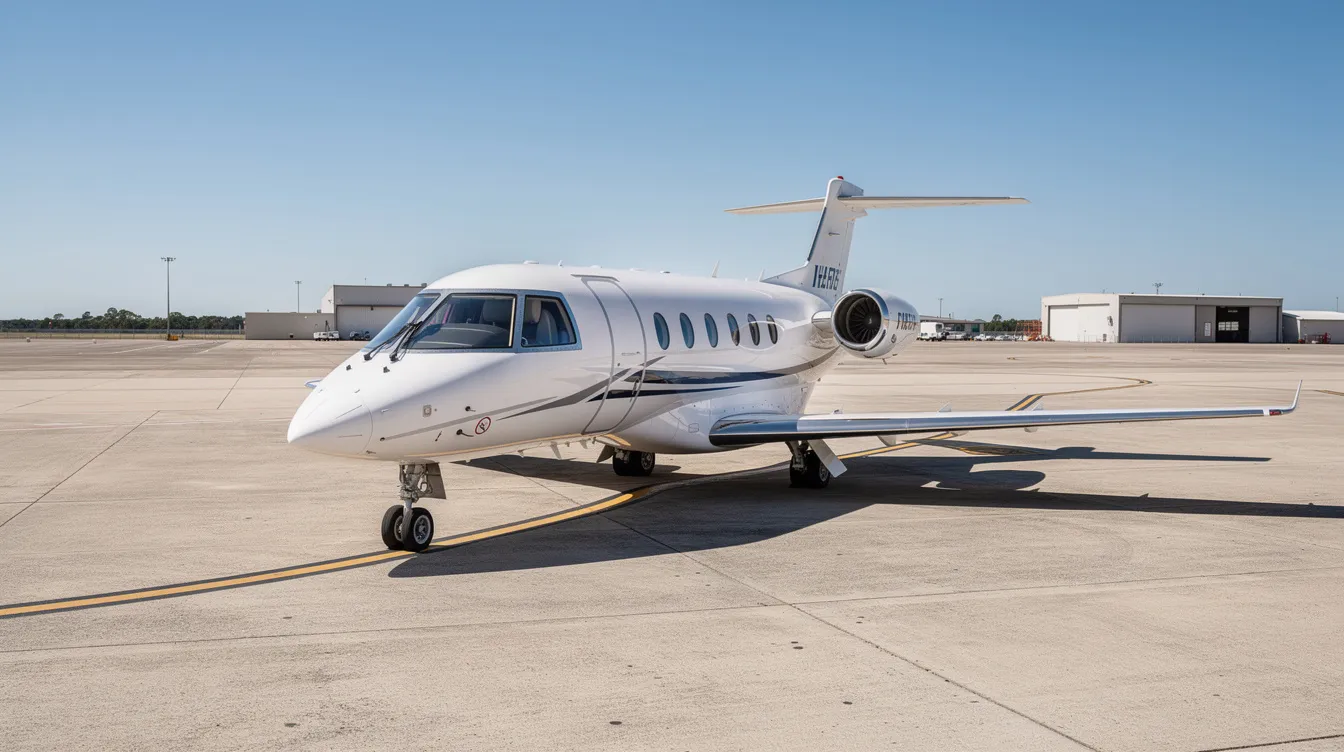
Very light jets (VLJs), such as the HondaJet Elite II and Embraer Phenom 100EV, are designed for single-pilot operations and short flights under 3 hours. Key features include:

  • Typically accommodate 6 to 7 passengers

  • Planning ranges around 1,000 to 1,200 nm

  • Suited for owner-operators and regional hops where short runways and lower operating costs matter

Light Jets

Light jets, including the Cessna Citation M2 Gen2, CJ3+, and Embraer Phenom 300, offer:

  • Seating for 6 to 8 passengers

  • Range of roughly 1,500 to 2,000 nautical miles (many models reach about 1,953 nm)

  • Ideal for small-group business or personal travel due to speed and comfort

  • The Phenom 300 has been the world's best-selling private jet for several consecutive years

  • Turboprops and light jets can access a wider range of airports than larger aircraft

Mid-size Jets

Mid-size jets like the Cessna Citation XLS Gen2 and Embraer Praetor 500 provide:

  • Capacity for 7 to 9 passengers

  • Range of 2,000 to 3,000 nm

  • Stand-up cabins and the ability to handle transcontinental flights

  • Balance between cabin comfort and operating cost, appealing to corporate travel programs

Super Mid-Size Jets

Super mid-size jets, including the Bombardier Challenger 3500, Gulfstream G280, and Embraer Praetor 600, offer:

  • Seating for 8 to 11 passengers (depending on configuration)

  • More space and range for larger groups

  • Coverage of coast-to-coast US routes or transcontinental Europe-to-Middle East missions without fuel stops

Large Cabin and Ultra Long Range Jets

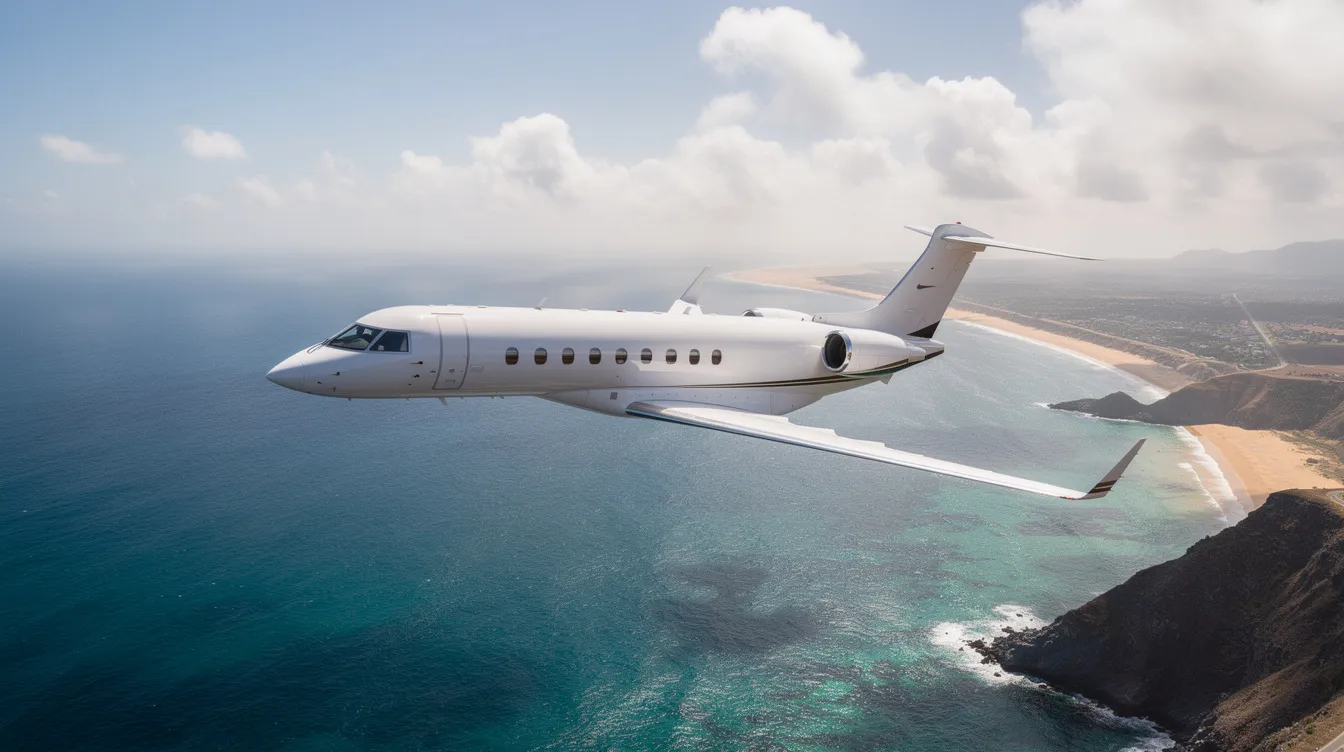
Large cabin and ultra-long-range jets such as the Dassault Falcon 8X, Bombardier Global 7500, Gulfstream G700, and G800 deliver:

  • Ranges beyond 6,000 nm

  • Fully flat beds and multi-zone cabins for intercontinental markets

  • Accommodation for 14 to 19 passengers with global non-stop capabilities

  • Ultra-long-range jets can travel up to 14,800 km

Select Turboprops and Piston Aircraft

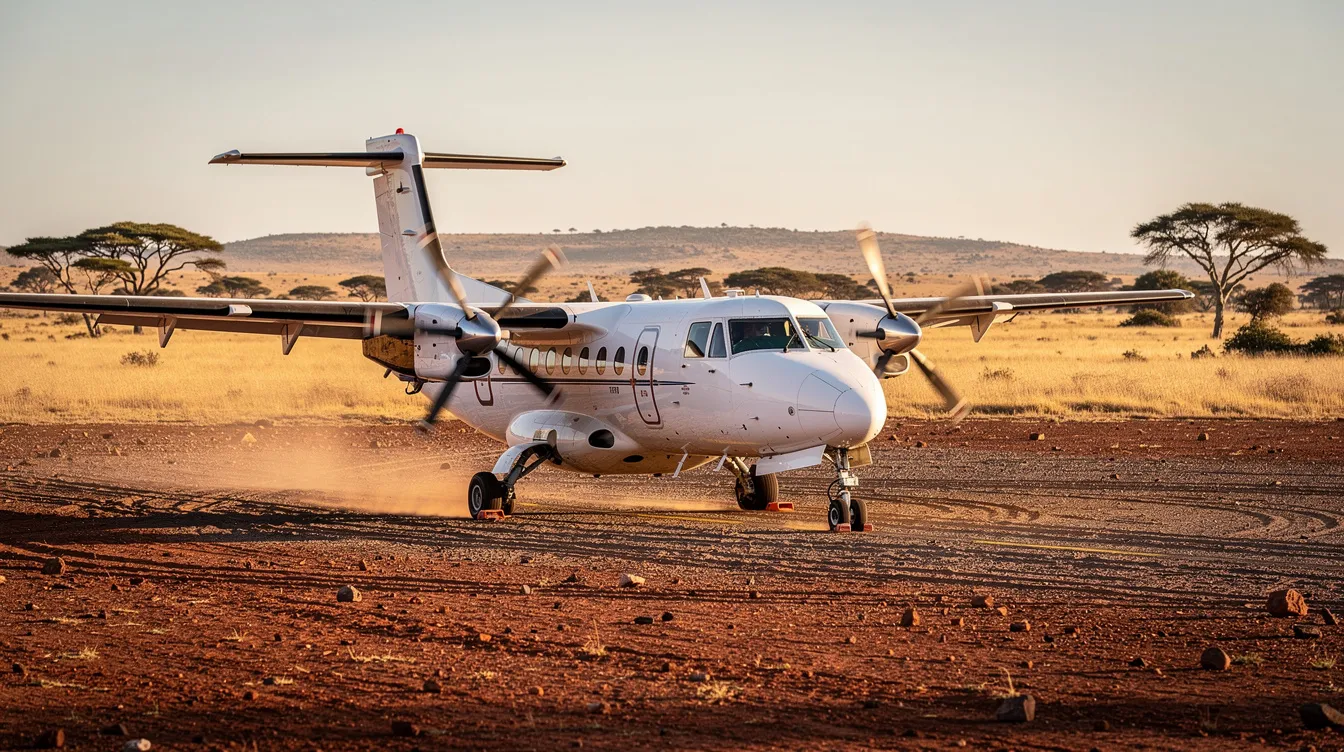
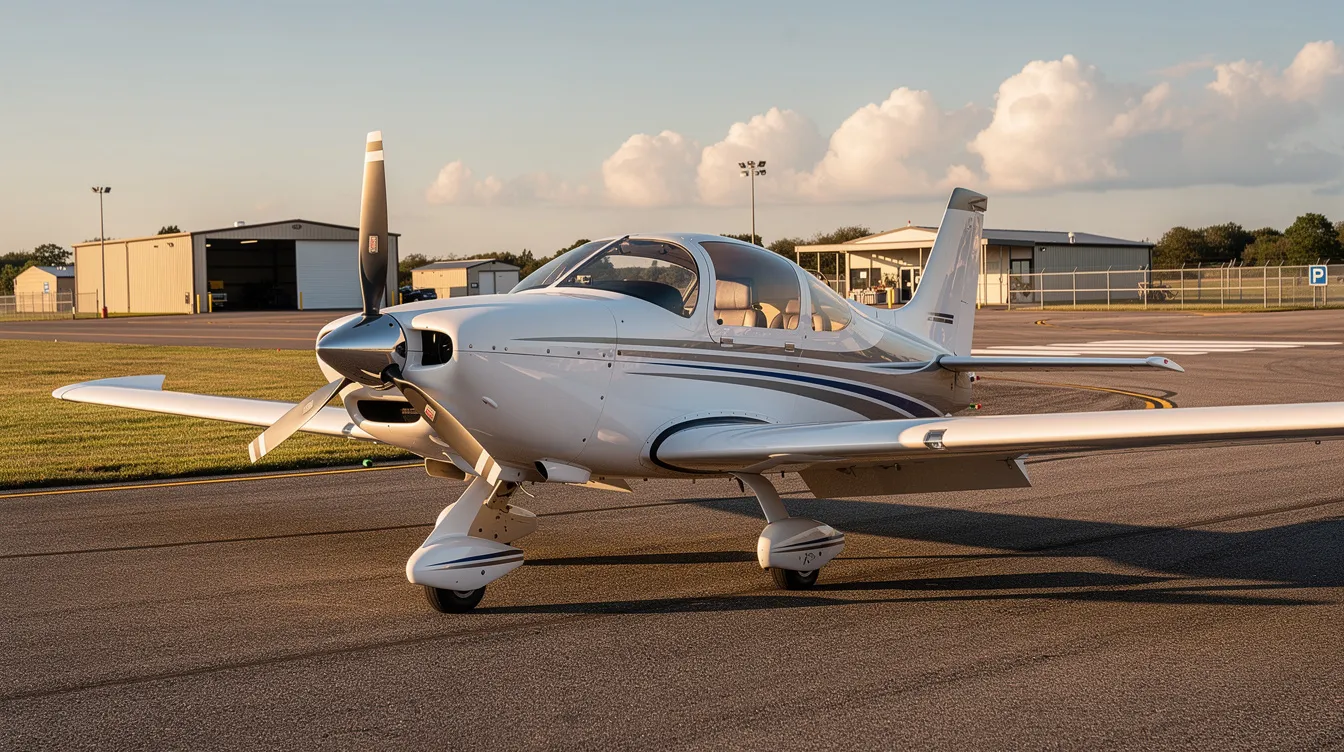
Select turboprops like the Pilatus PC-12 NGX and Beechcraft King Air 360 remain part of the private aircraft landscape. Key points:

  • Efficient for short regional hops

  • Can land on short or unpaved runways

  • Piston and turboprop aircraft provide access to airports that larger jets cannot reach

Business Airliners (Bizliners)

Business airliners are often converted from commercial aircraft to serve heads of state or ultra-high-net-worth clients. Features include:

Major Business Jet Manufacturers and Their Market Positions

Dassault Aviation

Dassault Aviation, based in France, competes from super midsize through ultra-long range with the Falcon 2000LXS, 900LX, 6X, 8X, and upcoming 10X. Its military heritage informs Falcon technology. Key strengths:

  • Short-field capability

  • Fly-by-wire technology (in the 6X and 10X)

  • Strong residual value in the large cabin Falcon line

  • Distinct runway length advantages at high-altitude airports due to aft-mounted engines and trijet configurations

Gulfstream Aerospace

Gulfstream Aerospace leads the high-end ultra-long-range private jet market. Highlights:

Bombardier

Bombardier, based in Canada, focuses exclusively on business jets. Notable models:

  • Challenger 3500 and 650 (super midsize and large cabin)

  • Global 5500, 6500, 7500, and 8000 (ultra-long-range)

  • Global 8000: range of 14,800 km, Mach 0.94 top speed envelope

Embraer Executive Jets

Embraer Executive Jets from Brazil holds a strong position in very light jets and light jets with the Phenom 100EV and 300E. Additional points:

  • Praetor 500 and 600 compete in mid-size and super-mid-size jets

  • Reputation for lower operating cost per seat and strong manufacturer support

Textron Aviation

Textron Aviation produces Cessna Citation light and mid-size jets (M2 Gen2, CJ4 Gen2, Latitude, Longitude) and Beechcraft King Air turboprops. Advantages:

  • Citation range equips a significant share of charter fleets globally

  • Parts availability and service center density benefit operators

Airbus Corporate Jets (ACJ) and Boeing Business Jets (BBJ)

Niche Manufacturers

  • HondaJet (very light jets, including the Elite II)

  • Pilatus (PC-24 "Super Versatile Jet")

  • BusinessJets.com primarily brokers mainstream business aviation types but tracks niche development closely

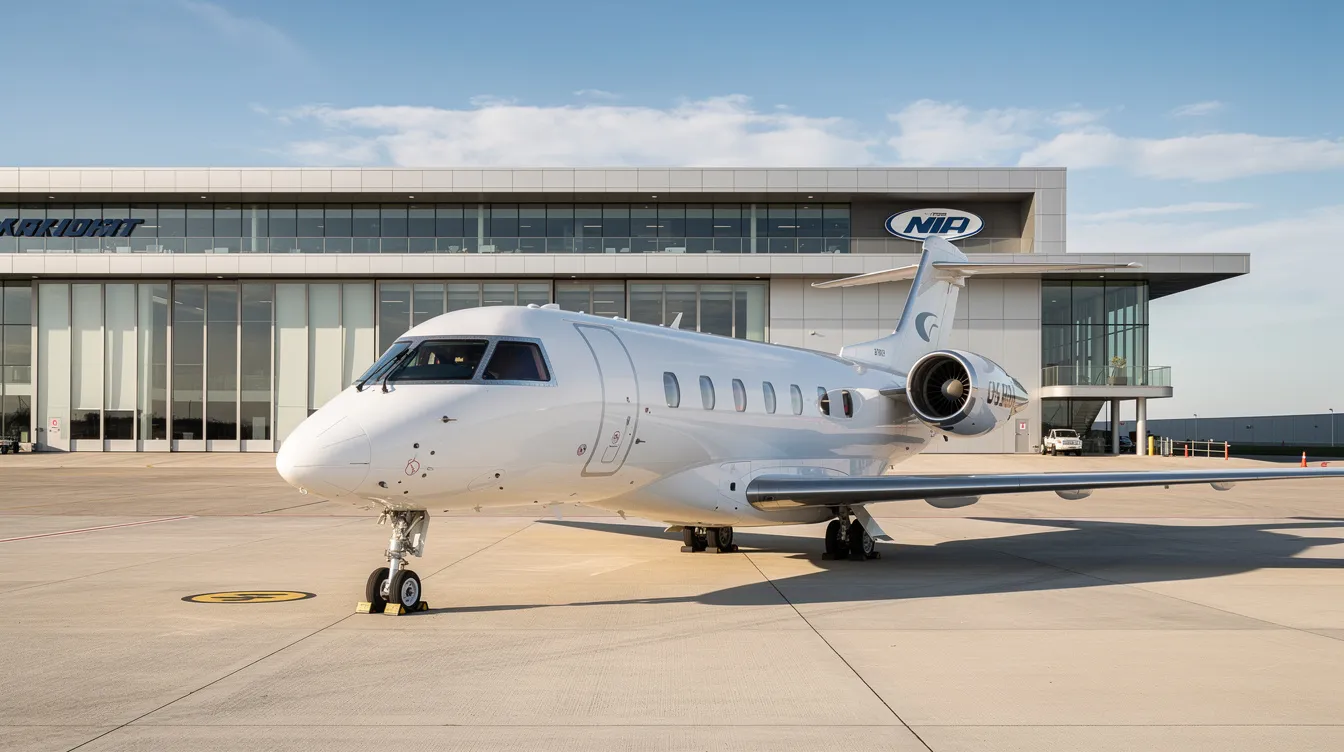
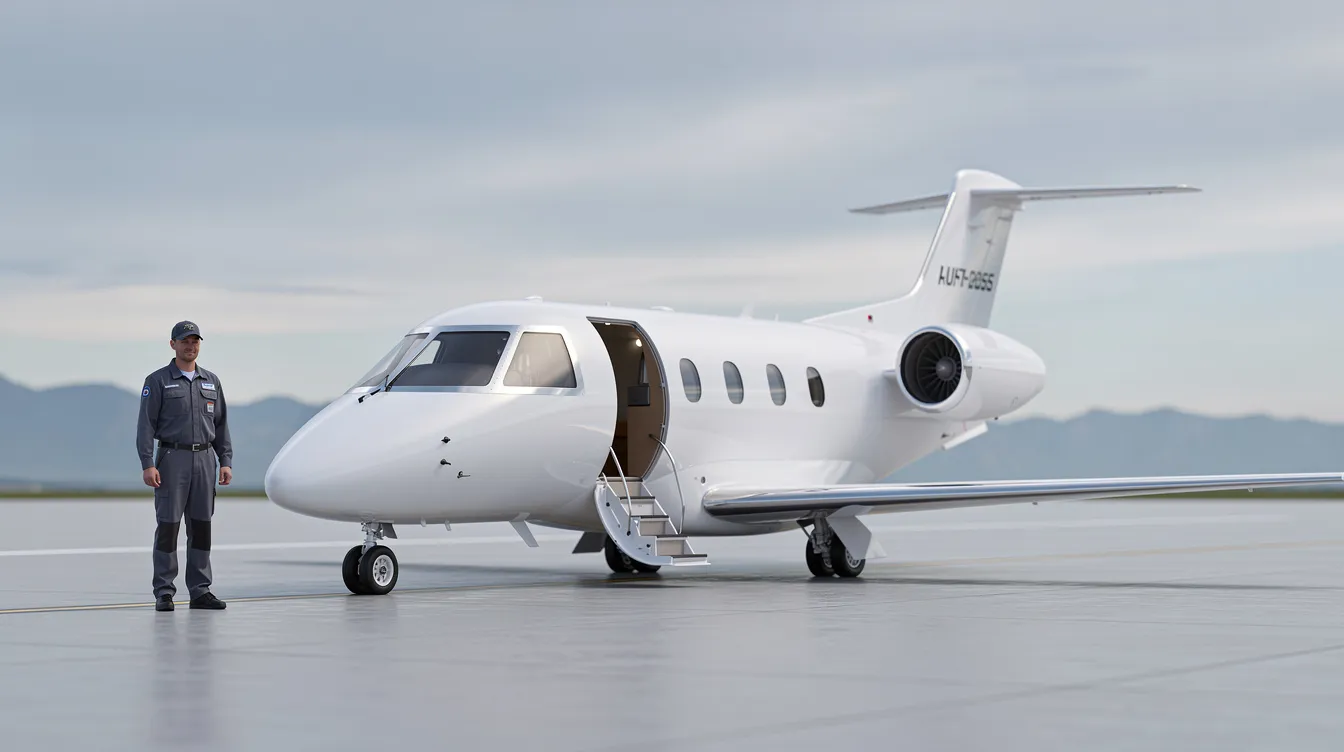
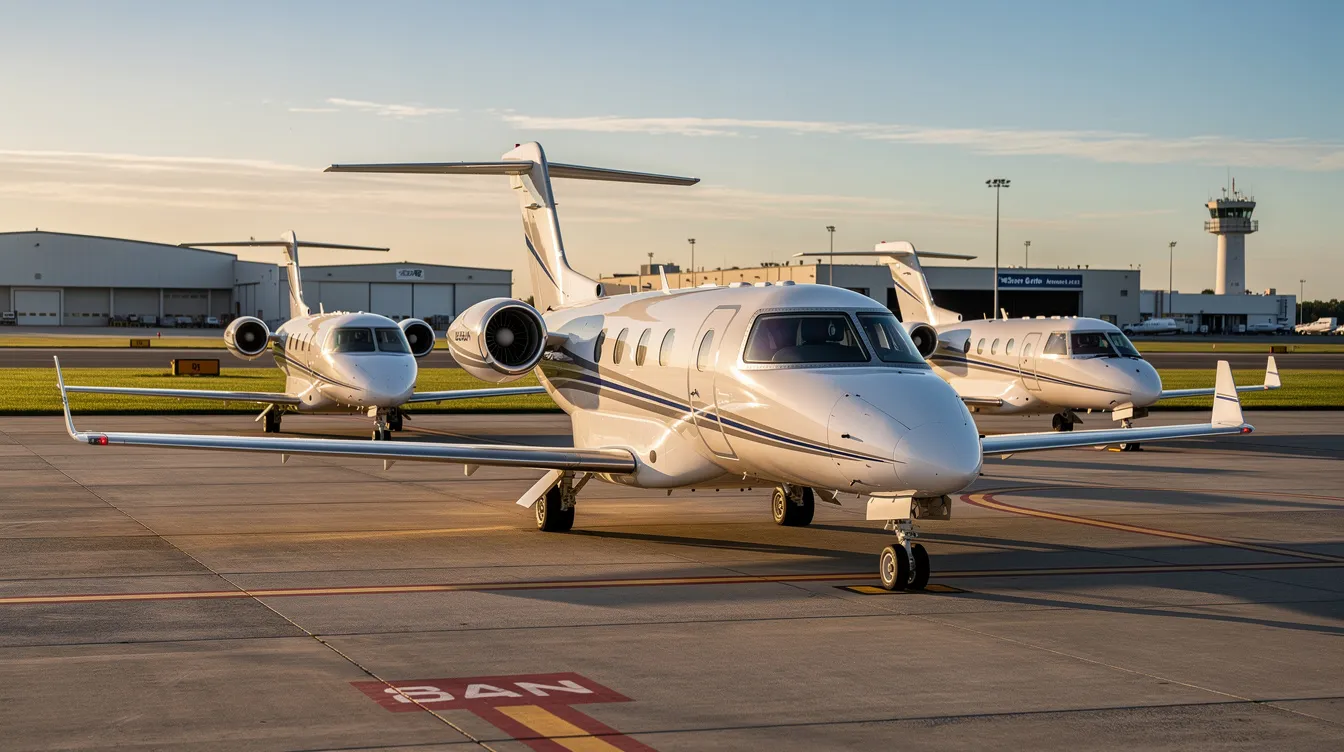
The image features three distinct business jets of varying sizes parked on an airport ramp, with majestic mountains in the background, showcasing the diversity in business aviation. These private jets symbolize the efficiency and luxury of private flights, catering to different client needs and preferences.

Choosing the Right Private Jet for Your Mission

Mission Mapping and Route Planning

Selecting the right aircraft starts with mapping your mission:

  • Average stage length

  • Longest required sector

  • Annual hours

  • Passenger count

  • Cargo needs

A company flying executives between San Antonio and New York 40 times per year has different requirements than a family office connecting London to Riyadh quarterly.

Route Examples and Model Selection

  • VLJ or light jet: New York to Miami (roughly 1,000 nm)

  • Super mid-size jets or large cabin aircraft: London to Riyadh (about 2,600 nm)

  • Ultra-long-range capability or fuel-stop planning: São Paulo to Lisbon (approximately 4,200 nm)

Runway and Airport Access

Runway length and airport access narrow the field further. Aircraft suited for short runways or high-altitude fields include:

  • Pilatus PC-24

  • Dassault Falcon 2000LXS

  • King Air series

Pilot and Crew Requirements

  • Single-pilot-certified VLJs have different crewing implications than a Global 7500 requiring two type-rated pilots

Cabin Configuration and Amenities

Considerations include:

  • Club seating for executive meetings

  • Divans and dedicated workspaces

  • Wi-Fi capability

  • Sleeping arrangements for overnight sectors

BusinessJets.com uses comparative mission and cost modeling to help clients shortlist two to three aircraft types that match their operational and financial priorities.

Ownership Models and Cost Considerations: From Full Ownership to Charter and Beyond

Ownership Models Comparison Table

Model

Best For

Typical Hours/Year

Capital Commitment

Flexibility

Cost Predictability

Regulatory Structure

Full Ownership

Corporations, UHNW individuals

250-400+

High

High

Variable

FAA Part 91

Co-Ownership/Partnership

Clients <200

150-200

Shared

Medium

Variable

FAA Part 91

Fractional Ownership

Predictable, moderate use

50-200

Moderate

Medium

High

FAA Part 91/135

Charter/Jet Cards

Low utilization, trial periods

<100

None

High

High

FAA Part 135

Full Ownership

  • Best for corporations and UHNW individuals flying 250 to 400+ hours per year

  • Ultimate availability and control over flight schedules

  • Significant capital investment and ongoing operational costs (maintenance, insurance, crew salaries)

  • Aircraft depreciation affects resale value

Co-Ownership and Partnerships

  • Suitable for clients flying below 150 to 200 hours annually

  • Requires robust legal agreements (usage priority, capital contributions, exit terms)

  • Without clear documentation, operational conflicts can erode asset value

Fractional Ownership and Membership

  • Provides access without full capital commitment

  • Requires upfront equity share (e.g., quarter share = one-fourth of aircraft price)

  • Regulated by FAA Part 91 or Part 135 in the U.S.

  • Fixed hourly rates and management fees create predictable cost structures

Charter and Jet Cards

  • Eliminates long-term ownership burdens

  • Provides flexibility for low utilization, multi-aircraft needs, or trial periods

  • Becomes more expensive than ownership for high-frequency flyers

  • Ownership typically makes sense for users flying 150 to 200 hours per year (threshold rises for heavy jets)

BusinessJets.com acts as a neutral advisor, comparing ownership and access models, building utilization forecasts, and helping clients decide whether buying an aircraft or managing their own fleet is justified.

Evaluating and Valuing Private Aircraft

Core Factors Driving a Private Jet's Value

  • Age and airframe/engine hours

  • Maintenance status, including upcoming heavy checks

  • Engine program enrollment (OEM or third-party)

  • Avionics generation and upgrades

  • Interior condition and cabin configuration

  • Damage and repair history

Valuation Methods and Market Trends

BusinessJets.com Appraisal Services

BusinessJets.com performs private jet appraisals using:

  • Recent comparable sales

  • Global market data

  • Inspection findings

  • Fleet-specific intelligence across Dassault, Bombardier, Embraer, and Textron Aviation types

Before negotiating any purchase or listing, request a formal aircraft appraisal to avoid costly mispricing.

Buying a Private Jet: Acquisition Strategy and Process

Step-by-Step Acquisition Process

  1. Needs Analysis and Budget Definition

    • Profile your mission, preferred categories (e.g., mid-size jets vs. super-mid-size jets), and whether to buy new or pre-owned.

    • New aircraft carry warranty and deferred maintenance events; pre-owned aircraft offer lower capital cost but potential exposure to upcoming heavy checks.

  2. Market Research and Shortlist Creation

    • Evaluate options across manufacturers: Dassault, Gulfstream, Bombardier, Embraer, Textron Aviation.

    • Off-market aircraft (not publicly listed) can affect both availability and price.

    • Compare competing models on cabin, range, speed, and total cost of ownership.

  3. Pre-Purchase Inspection and Due Diligence

    • Review logbooks, maintenance records, engine program enrollment, damage history, STCs, and AD compliance.

    • A thorough inspection can reveal liabilities worth millions of dollars; the delta between an aircraft with upcoming major events and a clean sistership often exceeds $3 to 5 million.

  4. Offer Strategy and Negotiation

    • Use appraisal data and market comps to justify your offer.

    • Employ escrow for funds.

    • Assemble legal, tax, and technical counsel, especially for cross-border transactions involving registration, import, or export between locations like Europe, Latin America, and the US.

  5. Closing and Entry into Service

    • Confirm airworthiness certifications, registration, crew training, insurance, and hangar or base infrastructure.

BusinessJets.com manages acquisitions end-to-end, from sourcing aircraft and coordinating inspections to negotiating terms and supporting closing. Browse current aircraft for sale to see available inventory.

Selling a Private Aircraft: Maximizing Exit Value

Market Timing and Pricing Strategy

  • Market timing affects the price a seller can achieve

  • Cycle peaks, OEM backlog pressure, and regional demand for specific segments all play a role

  • In mid-2025, average asking prices held steady year-over-year, but longer days-on-market suggested buyers had more negotiating room

Aircraft Preparation Steps Before Listing

  • Complete key maintenance events and remedy deferred items

  • Address cosmetic issues in the cabin and exterior

  • Digitize and organize all maintenance records

  • Commission professional photography and specification sheets

Setting a Realistic Asking Price

  • Rooted in a formal aircraft appraisal and current comparable transactions

  • Avoid outdated reference values or aspirational numbers

  • Overpricing leads to longer time on market and "shopworn" risk

BusinessJets.com Brokerage Approach

BusinessJets.com's brokerage approach includes:

  • Targeted outreach to qualified buyers and charter operators

  • Discreet marketing

  • Negotiation support

  • Management of pre-purchase inspections and closing logistics

Common risks sellers face include deal fall-through after inspections, foreign regulatory hurdles, and currency exposure; experienced brokerage mitigates these by structuring transactions to anticipate each.

Operational, Regulatory, and Environmental Considerations

Regulatory Frameworks

  • In the US, private aircraft operate under FAA Part 91 (owner-operated) or Part 135 (charter and on-demand)

  • EASA rules govern operations across Europe, with Part-M continuing airworthiness management requirements

Maintenance Planning and Engine Programs

  • Maintenance planning directly affects both uptime and asset value

  • Engine programs from OEMs (such as Pratt & Whitney Canada ESP) or third parties like JSSI create cost predictability through per-flight-hour contracts

  • Off-program engines often lead to buyer discounts of $1 million or more on resale

  • Predictive maintenance and health monitoring are replacing calendar-based routines

Environmental and ESG Considerations

  • Environmental scrutiny of private jets has increased since the early 2020s

  • CO₂ emissions per passenger, corporate ESG reporting, and public tracking of flights now factor into corporate governance discussions

  • Practical responses include:

    • Adoption of Sustainable Aviation Fuel (SAF)

    • Optimized flight planning for fuel efficiency

    • Carbon offset programs

    • Fleet renewal from older aircraft into newer, more efficient business jets

BusinessJets.com factors regulatory and environmental constraints into fleet strategy consulting, especially for publicly listed companies and institutions subject to ESG mandates.

How BusinessJets.com Supports Owners, Buyers, and Operators

Brokerage and Transaction Management

BusinessJets.com provides aircraft brokerage services for private jets, including:

  • Listing strategy

  • Global marketing

  • Buyer vetting

  • Negotiation

  • Transaction management

Backed by 1,500+ successfully closed aircraft deals, the company serves clients across the world, from North America and Europe to Latin America and the Middle East.

Appraisal and Consulting Services

  • Private jet appraisals and aircraft valuation services are independent and data-driven

  • Relevant for financing, balance-sheet reporting, and strategic planning

  • Aviation consulting supports fleet managers and operators with:

    • Fleet renewal plans

    • Type selection (e.g., moving from light jets to super mid-size jets)

    • Base location analysis

    • Ownership model comparison

Operator Advisory Capabilities

  • Support with management company selection

  • Charter revenue strategies

  • Benchmarking operating costs against peer fleets

To get started, request an aircraft appraisal, discuss listing an aircraft for sale, or schedule a confidential consultation about upcoming acquisition or fleet decisions. Learn more about BusinessJets.com and its history in the industry.

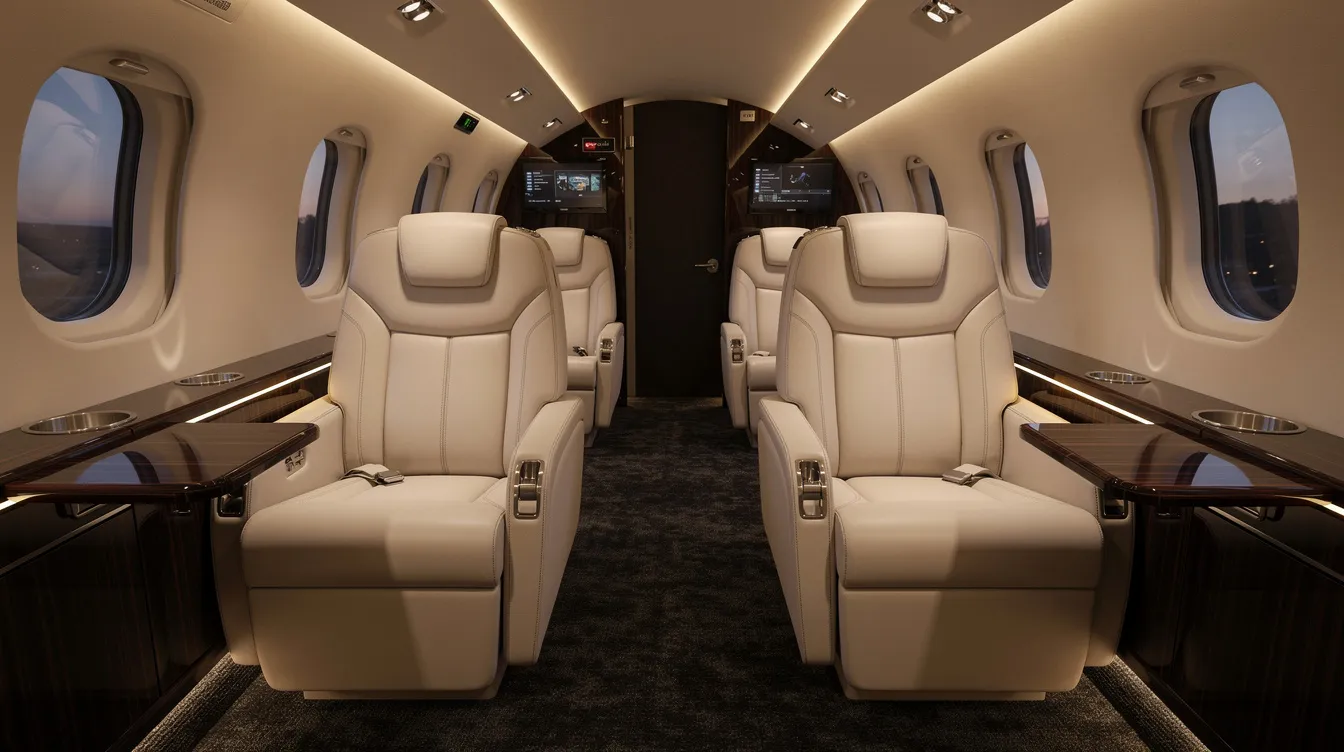
The interior of a super midsize business jet cabin features luxurious leather seats arranged in a club configuration, allowing for comfortable interaction among passengers. Natural light floods the space through oval windows, enhancing the overall ambiance of this private aircraft designed for business aviation.

Future Trends in Business Aviation and Private Jets

New Aircraft and Depreciation Trends

  • OEM pipeline aircraft are reshaping buyer expectations (Dassault Falcon 10X, Gulfstream G800, HondaJet Echelon)

  • New model introductions accelerate depreciation in older aircraft within the same category

  • Owners planning to sell within three to five years should factor this into fleet strategy

Cabin and Connectivity Innovations

  • Always-on, office-grade inflight connectivity

  • Health-oriented air purification systems

  • Panoramic windows

  • Flexible cabin layouts for hybrid work and family use

  • Example: G800 offers a cabin height of 6 ft 3 in, width of approximately 8 ft 2 in, and total interior length of about 53 ft 7 in

Sustainability Initiatives

  • Broader SAF availability

  • Potential hybrid-electric regional aircraft

  • Regulatory or public pressure may reshape emissions expectations for business aviation through the 2030s

BusinessJets.com continuously tracks aircraft market trends, technology development, and regulatory shifts to inform its appraisal work and fleet strategy recommendations for clients worldwide.

FAQ: Private Aircraft, Ownership, and Transactions

How many flight hours per year justify buying a private jet instead of chartering?

Ownership tends to make financial sense around 200 to 300+ hours per year for light and midsize categories. Corporate flight departments often justify full ownership starting at 350 to 400 hours. The actual threshold varies by aircraft category, financing structure, and the ability to generate charter revenue during downtime. BusinessJets.com performs tailored utilization and cost analyses before recommending purchase to any client.

Are very light jets a good choice for corporate travel, or are they mainly for private owners?

Very light jets like the HondaJet Elite II and Phenom 100EV work well for short-haul executive trips with 2 to 3 passengers and light luggage. Many corporations prefer light jets or mid-size jets for greater flexibility, cabin comfort, and weather performance. VLJs can still play a role in a mixed fleet strategy for regional missions, especially where short runways or cost efficiency on low-passenger-count sectors are priorities.

Does listing my aircraft exclusively with one broker limit exposure to potential buyers?

A well-connected brokerage with a global buyer network, transparent reporting, and strong marketing capabilities often achieves better results under an exclusive mandate than fragmented non-exclusive listings. BusinessJets.com uses its database and relationships built over 1,500+ transactions to discreetly reach serious buyers while minimizing "shopworn" aircraft risk that comes from multiple, uncoordinated listings.

How long does a typical private jet sale take from listing to closing?

For well-priced, mainstream light jets and mid-size jets, 60 to 120 days is common in 2024-2026 market conditions. Niche or large cabin aircraft may take longer. Variables include pricing strategy, inspection findings, buyer financing, and cross-border regulatory approvals. BusinessJets.com advises on timing and deal structure to reduce time on market.

Can BusinessJets.com help if my flight department is evaluating whether to replace or refurbish an older aircraft?

BusinessJets.com regularly supports aging aircraft assessments, comparing the cost, downtime, and residual value impact of major refurbishments versus fleet renewal. This typically includes market valuations, maintenance cost forecasts, and scenario modeling for different replacement aircraft such as newer mid-size or super-mid-size jets.

Conclusion

Navigating the private aircraft market requires a nuanced understanding of aircraft categories, manufacturer strengths, ownership models, and market dynamics. Whether acquiring a very light jet for regional hops or a large cabin ultra-long-range jet for global missions, aligning aircraft choice with mission needs and financial strategy is paramount. BusinessJets.com offers expert brokerage, appraisal, and consulting services grounded in extensive industry experience, helping owners, operators, and fleet managers make informed decisions that optimize value and operational efficiency. Engaging a trusted partner ensures access to market insights, thorough due diligence, and strategic transaction support, ultimately securing the best outcomes in the complex landscape of private aviation. Learn more about our aircraft brokerage services, request a private jet appraisal, or explore aircraft acquisition support to start your journey with BusinessJets.com.

Private Aircraft: A Strategic Guide for Business Aviation Decision-Makers

Jay Franco Ser

Private aircraft serve as the operational backbone of business aviation, connecting executives, corporate teams, and charter operators to destinations that commercial airlines cannot reach on their schedules. This guide covers every category of private jet and turboprop aircraft, profiles the manufacturers that build them, and walks through the acquisition, valuation, and sale process with the specificity that corporate buyers and fleet managers need in 2026.

Key Takeaways

  • Private aircraft in business aviation span very light jets, light jets, mid-size jets, super mid-size jets, large cabin, and ultra-long-range business jets, each matched to distinct mission profiles and budgets.

  • Manufacturer choice across Dassault Aviation, Gulfstream, Bombardier, Embraer, and Textron Aviation shapes performance, residual value, support access, and long-term operating cost more than most first-time buyers realize.

  • Accurate aircraft appraisal, market timing, and disciplined transaction strategy are critical whether you are acquiring, upgrading, or selling a private jet in today's business aviation market.

  • BusinessJets.com, with 1,500+ completed transactions and over 5,000 satisfied clients, operates as an independent brokerage and consulting partner across the entire aircraft ownership lifecycle.

What Counts as a Private Aircraft in Business Aviation?

"Private aircraft" in business aviation refers to turbine-powered business jets and select turboprop aircraft used for corporate flight departments, owner-operated missions, charter, and air taxi services. Private aircraft for personal use range from small propeller planes to large intercontinental cabins, but business aviation focuses on mission-driven operations where schedule control, airport access, and cabin configuration create measurable value.

The distinction between business aviation and personal leisure flying matters for ROI analysis. Corporate fleets and charter operators evaluate utilization rates, maintenance cost per flight hour, and residual value. Personal owners tend to prioritize flexibility and convenience. Both groups use private flights, but their financial benchmarks differ.

Core advantages over commercial airlines include:

  • Point-to-point routing without hub connections

  • Access to secondary and regional airports

  • Productivity during transit so teams can keep working en route

  • Tailored cabin space for meetings, rest, or secure communications

Typical users include CEOs and founders, family offices, multinational corporations, private equity funds, and aircraft operators managing multiple aircraft.

Aviation consulting supports strategic guidance for aircraft transactions, helping clients select suitable aircraft for their needs. Consulting services facilitate the buying and selling of private jets and include market insights for private aircraft acquisitions. BusinessJets.com functions as a B2B brokerage and consulting partner that aligns aircraft choice with mission requirements and capital strategy rather than lifestyle marketing. Over 5,000 customers have used these aviation consulting services to date.

Key Categories of Private Jets, Very Light Jets, and Business Aircraft

Aircraft categories in business aviation are industry conventions, not regulatory designations. Buyers should focus on cabin cross-section, range, runway performance, and payload rather than labels alone.

Very Light Jets (VLJs)

Very light jets (VLJs), such as the HondaJet Elite II and Embraer Phenom 100EV, are designed for single-pilot operations and short flights under 3 hours. Key features include:

  • Typically accommodate 6 to 7 passengers

  • Planning ranges around 1,000 to 1,200 nm

  • Suited for owner-operators and regional hops where short runways and lower operating costs matter

Light Jets

Light jets, including the Cessna Citation M2 Gen2, CJ3+, and Embraer Phenom 300, offer:

  • Seating for 6 to 8 passengers

  • Range of roughly 1,500 to 2,000 nautical miles (many models reach about 1,953 nm)

  • Ideal for small-group business or personal travel due to speed and comfort

  • The Phenom 300 has been the world's best-selling private jet for several consecutive years

  • Turboprops and light jets can access a wider range of airports than larger aircraft

Mid-size Jets

Mid-size jets like the Cessna Citation XLS Gen2 and Embraer Praetor 500 provide:

  • Capacity for 7 to 9 passengers

  • Range of 2,000 to 3,000 nm

  • Stand-up cabins and the ability to handle transcontinental flights

  • Balance between cabin comfort and operating cost, appealing to corporate travel programs

Super Mid-Size Jets

Super mid-size jets, including the Bombardier Challenger 3500, Gulfstream G280, and Embraer Praetor 600, offer:

  • Seating for 8 to 11 passengers (depending on configuration)

  • More space and range for larger groups

  • Coverage of coast-to-coast US routes or transcontinental Europe-to-Middle East missions without fuel stops

Large Cabin and Ultra Long Range Jets

Large cabin and ultra-long-range jets such as the Dassault Falcon 8X, Bombardier Global 7500, Gulfstream G700, and G800 deliver:

  • Ranges beyond 6,000 nm

  • Fully flat beds and multi-zone cabins for intercontinental markets

  • Accommodation for 14 to 19 passengers with global non-stop capabilities

  • Ultra-long-range jets can travel up to 14,800 km

Select Turboprops and Piston Aircraft

Select turboprops like the Pilatus PC-12 NGX and Beechcraft King Air 360 remain part of the private aircraft landscape. Key points:

  • Efficient for short regional hops

  • Can land on short or unpaved runways

  • Piston and turboprop aircraft provide access to airports that larger jets cannot reach

Business Airliners (Bizliners)

Business airliners are often converted from commercial aircraft to serve heads of state or ultra-high-net-worth clients. Features include:

Major Business Jet Manufacturers and Their Market Positions

Dassault Aviation

Dassault Aviation, based in France, competes from super midsize through ultra-long range with the Falcon 2000LXS, 900LX, 6X, 8X, and upcoming 10X. Its military heritage informs Falcon technology. Key strengths:

  • Short-field capability

  • Fly-by-wire technology (in the 6X and 10X)

  • Strong residual value in the large cabin Falcon line

  • Distinct runway length advantages at high-altitude airports due to aft-mounted engines and trijet configurations

Gulfstream Aerospace

Gulfstream Aerospace leads the high-end ultra-long-range private jet market. Highlights:

Bombardier

Bombardier, based in Canada, focuses exclusively on business jets. Notable models:

  • Challenger 3500 and 650 (super midsize and large cabin)

  • Global 5500, 6500, 7500, and 8000 (ultra-long-range)

  • Global 8000: range of 14,800 km, Mach 0.94 top speed envelope

Embraer Executive Jets

Embraer Executive Jets from Brazil holds a strong position in very light jets and light jets with the Phenom 100EV and 300E. Additional points:

  • Praetor 500 and 600 compete in mid-size and super-mid-size jets

  • Reputation for lower operating cost per seat and strong manufacturer support

Textron Aviation

Textron Aviation produces Cessna Citation light and mid-size jets (M2 Gen2, CJ4 Gen2, Latitude, Longitude) and Beechcraft King Air turboprops. Advantages:

  • Citation range equips a significant share of charter fleets globally

  • Parts availability and service center density benefit operators

Airbus Corporate Jets (ACJ) and Boeing Business Jets (BBJ)

Niche Manufacturers

  • HondaJet (very light jets, including the Elite II)

  • Pilatus (PC-24 "Super Versatile Jet")

  • BusinessJets.com primarily brokers mainstream business aviation types but tracks niche development closely

The image features three distinct business jets of varying sizes parked on an airport ramp, with majestic mountains in the background, showcasing the diversity in business aviation. These private jets symbolize the efficiency and luxury of private flights, catering to different client needs and preferences.

Choosing the Right Private Jet for Your Mission

Mission Mapping and Route Planning

Selecting the right aircraft starts with mapping your mission:

  • Average stage length

  • Longest required sector

  • Annual hours

  • Passenger count

  • Cargo needs

A company flying executives between San Antonio and New York 40 times per year has different requirements than a family office connecting London to Riyadh quarterly.

Route Examples and Model Selection

  • VLJ or light jet: New York to Miami (roughly 1,000 nm)

  • Super mid-size jets or large cabin aircraft: London to Riyadh (about 2,600 nm)

  • Ultra-long-range capability or fuel-stop planning: São Paulo to Lisbon (approximately 4,200 nm)

Runway and Airport Access

Runway length and airport access narrow the field further. Aircraft suited for short runways or high-altitude fields include:

  • Pilatus PC-24

  • Dassault Falcon 2000LXS

  • King Air series

Pilot and Crew Requirements

  • Single-pilot-certified VLJs have different crewing implications than a Global 7500 requiring two type-rated pilots

Cabin Configuration and Amenities

Considerations include:

  • Club seating for executive meetings

  • Divans and dedicated workspaces

  • Wi-Fi capability

  • Sleeping arrangements for overnight sectors

BusinessJets.com uses comparative mission and cost modeling to help clients shortlist two to three aircraft types that match their operational and financial priorities.

Ownership Models and Cost Considerations: From Full Ownership to Charter and Beyond

Ownership Models Comparison Table

Model

Best For

Typical Hours/Year

Capital Commitment

Flexibility

Cost Predictability

Regulatory Structure

Full Ownership

Corporations, UHNW individuals

250-400+

High

High

Variable

FAA Part 91

Co-Ownership/Partnership

Clients <200

150-200

Shared

Medium

Variable

FAA Part 91

Fractional Ownership

Predictable, moderate use

50-200

Moderate

Medium

High

FAA Part 91/135

Charter/Jet Cards

Low utilization, trial periods

<100

None

High

High

FAA Part 135

Full Ownership

  • Best for corporations and UHNW individuals flying 250 to 400+ hours per year

  • Ultimate availability and control over flight schedules

  • Significant capital investment and ongoing operational costs (maintenance, insurance, crew salaries)

  • Aircraft depreciation affects resale value

Co-Ownership and Partnerships

  • Suitable for clients flying below 150 to 200 hours annually

  • Requires robust legal agreements (usage priority, capital contributions, exit terms)

  • Without clear documentation, operational conflicts can erode asset value

Fractional Ownership and Membership

  • Provides access without full capital commitment

  • Requires upfront equity share (e.g., quarter share = one-fourth of aircraft price)

  • Regulated by FAA Part 91 or Part 135 in the U.S.

  • Fixed hourly rates and management fees create predictable cost structures

Charter and Jet Cards

  • Eliminates long-term ownership burdens

  • Provides flexibility for low utilization, multi-aircraft needs, or trial periods

  • Becomes more expensive than ownership for high-frequency flyers

  • Ownership typically makes sense for users flying 150 to 200 hours per year (threshold rises for heavy jets)

BusinessJets.com acts as a neutral advisor, comparing ownership and access models, building utilization forecasts, and helping clients decide whether buying an aircraft or managing their own fleet is justified.

Evaluating and Valuing Private Aircraft

Core Factors Driving a Private Jet's Value

  • Age and airframe/engine hours

  • Maintenance status, including upcoming heavy checks

  • Engine program enrollment (OEM or third-party)

  • Avionics generation and upgrades

  • Interior condition and cabin configuration

  • Damage and repair history

Valuation Methods and Market Trends

BusinessJets.com Appraisal Services

BusinessJets.com performs private jet appraisals using:

  • Recent comparable sales

  • Global market data

  • Inspection findings

  • Fleet-specific intelligence across Dassault, Bombardier, Embraer, and Textron Aviation types

Before negotiating any purchase or listing, request a formal aircraft appraisal to avoid costly mispricing.

Buying a Private Jet: Acquisition Strategy and Process

Step-by-Step Acquisition Process

  1. Needs Analysis and Budget Definition

    • Profile your mission, preferred categories (e.g., mid-size jets vs. super-mid-size jets), and whether to buy new or pre-owned.

    • New aircraft carry warranty and deferred maintenance events; pre-owned aircraft offer lower capital cost but potential exposure to upcoming heavy checks.

  2. Market Research and Shortlist Creation

    • Evaluate options across manufacturers: Dassault, Gulfstream, Bombardier, Embraer, Textron Aviation.

    • Off-market aircraft (not publicly listed) can affect both availability and price.

    • Compare competing models on cabin, range, speed, and total cost of ownership.

  3. Pre-Purchase Inspection and Due Diligence

    • Review logbooks, maintenance records, engine program enrollment, damage history, STCs, and AD compliance.

    • A thorough inspection can reveal liabilities worth millions of dollars; the delta between an aircraft with upcoming major events and a clean sistership often exceeds $3 to 5 million.

  4. Offer Strategy and Negotiation

    • Use appraisal data and market comps to justify your offer.

    • Employ escrow for funds.

    • Assemble legal, tax, and technical counsel, especially for cross-border transactions involving registration, import, or export between locations like Europe, Latin America, and the US.

  5. Closing and Entry into Service

    • Confirm airworthiness certifications, registration, crew training, insurance, and hangar or base infrastructure.

BusinessJets.com manages acquisitions end-to-end, from sourcing aircraft and coordinating inspections to negotiating terms and supporting closing. Browse current aircraft for sale to see available inventory.

Selling a Private Aircraft: Maximizing Exit Value

Market Timing and Pricing Strategy

  • Market timing affects the price a seller can achieve

  • Cycle peaks, OEM backlog pressure, and regional demand for specific segments all play a role

  • In mid-2025, average asking prices held steady year-over-year, but longer days-on-market suggested buyers had more negotiating room

Aircraft Preparation Steps Before Listing

  • Complete key maintenance events and remedy deferred items

  • Address cosmetic issues in the cabin and exterior

  • Digitize and organize all maintenance records

  • Commission professional photography and specification sheets

Setting a Realistic Asking Price

  • Rooted in a formal aircraft appraisal and current comparable transactions

  • Avoid outdated reference values or aspirational numbers

  • Overpricing leads to longer time on market and "shopworn" risk

BusinessJets.com Brokerage Approach

BusinessJets.com's brokerage approach includes:

  • Targeted outreach to qualified buyers and charter operators

  • Discreet marketing

  • Negotiation support

  • Management of pre-purchase inspections and closing logistics

Common risks sellers face include deal fall-through after inspections, foreign regulatory hurdles, and currency exposure; experienced brokerage mitigates these by structuring transactions to anticipate each.

Operational, Regulatory, and Environmental Considerations

Regulatory Frameworks

  • In the US, private aircraft operate under FAA Part 91 (owner-operated) or Part 135 (charter and on-demand)

  • EASA rules govern operations across Europe, with Part-M continuing airworthiness management requirements

Maintenance Planning and Engine Programs

  • Maintenance planning directly affects both uptime and asset value

  • Engine programs from OEMs (such as Pratt & Whitney Canada ESP) or third parties like JSSI create cost predictability through per-flight-hour contracts

  • Off-program engines often lead to buyer discounts of $1 million or more on resale

  • Predictive maintenance and health monitoring are replacing calendar-based routines

Environmental and ESG Considerations

  • Environmental scrutiny of private jets has increased since the early 2020s

  • CO₂ emissions per passenger, corporate ESG reporting, and public tracking of flights now factor into corporate governance discussions

  • Practical responses include:

    • Adoption of Sustainable Aviation Fuel (SAF)

    • Optimized flight planning for fuel efficiency

    • Carbon offset programs

    • Fleet renewal from older aircraft into newer, more efficient business jets

BusinessJets.com factors regulatory and environmental constraints into fleet strategy consulting, especially for publicly listed companies and institutions subject to ESG mandates.

How BusinessJets.com Supports Owners, Buyers, and Operators

Brokerage and Transaction Management

BusinessJets.com provides aircraft brokerage services for private jets, including:

  • Listing strategy

  • Global marketing

  • Buyer vetting

  • Negotiation

  • Transaction management

Backed by 1,500+ successfully closed aircraft deals, the company serves clients across the world, from North America and Europe to Latin America and the Middle East.

Appraisal and Consulting Services

  • Private jet appraisals and aircraft valuation services are independent and data-driven

  • Relevant for financing, balance-sheet reporting, and strategic planning

  • Aviation consulting supports fleet managers and operators with:

    • Fleet renewal plans

    • Type selection (e.g., moving from light jets to super mid-size jets)

    • Base location analysis

    • Ownership model comparison

Operator Advisory Capabilities

  • Support with management company selection

  • Charter revenue strategies

  • Benchmarking operating costs against peer fleets

To get started, request an aircraft appraisal, discuss listing an aircraft for sale, or schedule a confidential consultation about upcoming acquisition or fleet decisions. Learn more about BusinessJets.com and its history in the industry.
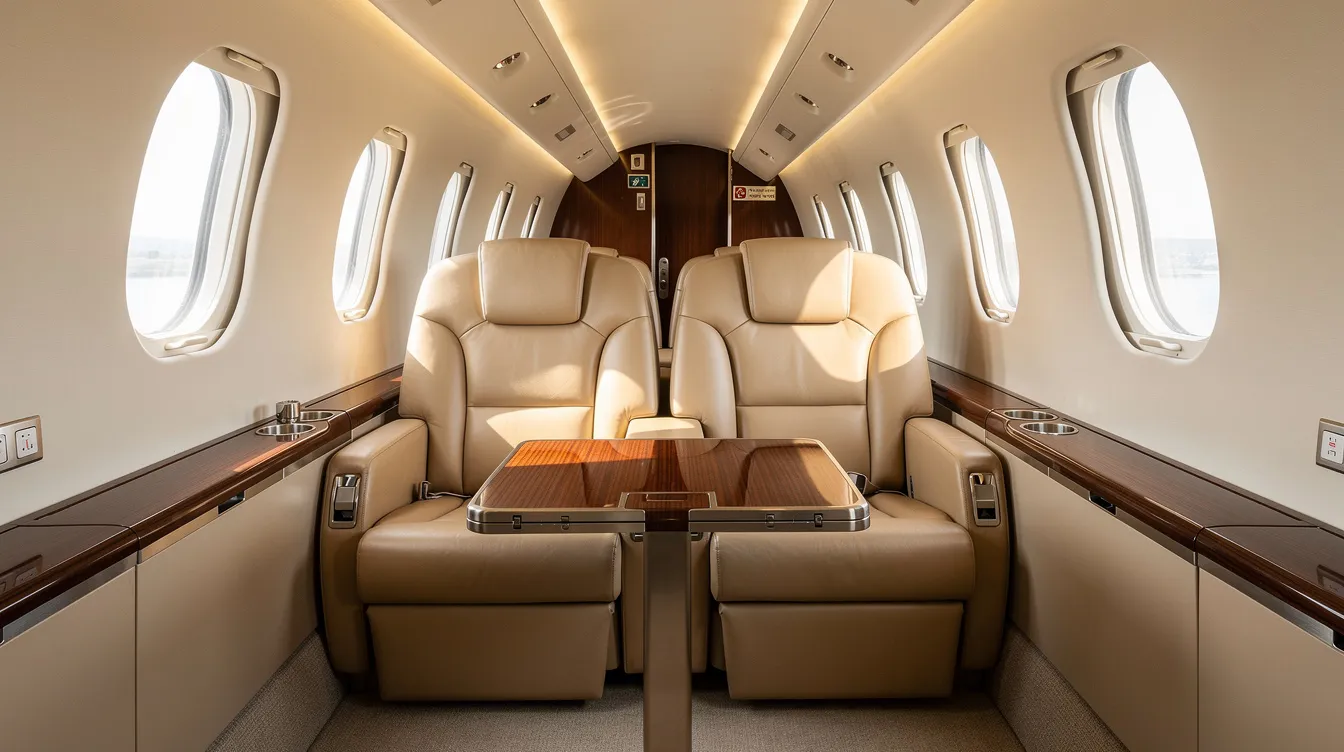
The interior of a super midsize business jet cabin features luxurious leather seats arranged in a club configuration, allowing for comfortable interaction among passengers. Natural light floods the space through oval windows, enhancing the overall ambiance of this private aircraft designed for business aviation.

Future Trends in Business Aviation and Private Jets

New Aircraft and Depreciation Trends

  • OEM pipeline aircraft are reshaping buyer expectations (Dassault Falcon 10X, Gulfstream G800, HondaJet Echelon)

  • New model introductions accelerate depreciation in older aircraft within the same category

  • Owners planning to sell within three to five years should factor this into fleet strategy

Cabin and Connectivity Innovations

  • Always-on, office-grade inflight connectivity

  • Health-oriented air purification systems

  • Panoramic windows

  • Flexible cabin layouts for hybrid work and family use

  • Example: G800 offers a cabin height of 6 ft 3 in, width of approximately 8 ft 2 in, and total interior length of about 53 ft 7 in

Sustainability Initiatives

  • Broader SAF availability

  • Potential hybrid-electric regional aircraft

  • Regulatory or public pressure may reshape emissions expectations for business aviation through the 2030s

BusinessJets.com continuously tracks aircraft market trends, technology development, and regulatory shifts to inform its appraisal work and fleet strategy recommendations for clients worldwide.

FAQ: Private Aircraft, Ownership, and Transactions

How many flight hours per year justify buying a private jet instead of chartering?

Ownership tends to make financial sense around 200 to 300+ hours per year for light and midsize categories. Corporate flight departments often justify full ownership starting at 350 to 400 hours. The actual threshold varies by aircraft category, financing structure, and the ability to generate charter revenue during downtime. BusinessJets.com performs tailored utilization and cost analyses before recommending purchase to any client.

Are very light jets a good choice for corporate travel, or are they mainly for private owners?

Very light jets like the HondaJet Elite II and Phenom 100EV work well for short-haul executive trips with 2 to 3 passengers and light luggage. Many corporations prefer light jets or mid-size jets for greater flexibility, cabin comfort, and weather performance. VLJs can still play a role in a mixed fleet strategy for regional missions, especially where short runways or cost efficiency on low-passenger-count sectors are priorities.

Does listing my aircraft exclusively with one broker limit exposure to potential buyers?

A well-connected brokerage with a global buyer network, transparent reporting, and strong marketing capabilities often achieves better results under an exclusive mandate than fragmented non-exclusive listings. BusinessJets.com uses its database and relationships built over 1,500+ transactions to discreetly reach serious buyers while minimizing "shopworn" aircraft risk that comes from multiple, uncoordinated listings.

How long does a typical private jet sale take from listing to closing?

For well-priced, mainstream light jets and mid-size jets, 60 to 120 days is common in 2024-2026 market conditions. Niche or large cabin aircraft may take longer. Variables include pricing strategy, inspection findings, buyer financing, and cross-border regulatory approvals. BusinessJets.com advises on timing and deal structure to reduce time on market.

Can BusinessJets.com help if my flight department is evaluating whether to replace or refurbish an older aircraft?

BusinessJets.com regularly supports aging aircraft assessments, comparing the cost, downtime, and residual value impact of major refurbishments versus fleet renewal. This typically includes market valuations, maintenance cost forecasts, and scenario modeling for different replacement aircraft such as newer mid-size or super-mid-size jets.

Conclusion

Navigating the private aircraft market requires a nuanced understanding of aircraft categories, manufacturer strengths, ownership models, and market dynamics. Whether acquiring a very light jet for regional hops or a large cabin ultra-long-range jet for global missions, aligning aircraft choice with mission needs and financial strategy is paramount. BusinessJets.com offers expert brokerage, appraisal, and consulting services grounded in extensive industry experience, helping owners, operators, and fleet managers make informed decisions that optimize value and operational efficiency. Engaging a trusted partner ensures access to market insights, thorough due diligence, and strategic transaction support, ultimately securing the best outcomes in the complex landscape of private aviation. Learn more about our aircraft brokerage services, request a private jet appraisal, or explore aircraft acquisition support to start your journey with BusinessJets.com.

Related Posts