Plane Prices in 2026: What It Really Costs to Buy and Operate an Aircraft

Jay Franco Ser
September 3, 2026

The gap between what a plane costs on paper and what it costs to actually own one is where most buyers get surprised. Whether you are shopping for a two-seat trainer or a transcontinental large-cabin jet, understanding 2026 aircraft prices, annual operating costs, and long-term ownership economics is essential before committing capital. This guide breaks down real numbers across every major category so you can make an informed decision.

Key Takeaways

  • Aircraft prices vary dramatically based on size and category: used trainers start around $15,000, modern four-seat pistons range $70,000–$300,000, new single-engine pistons approach $1 million, turboprops fall between $1M–$6M, light jets run $3M–$12M, and large cabin jets can exceed $75 million.

  • Over a 5–10 year window, fuel costs, inspection costs, maintenance, insurance, crew management, and hangar fees can equal or surpass the initial purchase price.

  • Aircraft owners should consider total cost of ownership, including maintenance and utilisation

    • Aircraft owners should consider total cost of ownership, including maintenance and utilisation, not just the sticker price. Annual inspections for small planes cost between $750 and $2,000, while storage costs range from $50 to $600 monthly depending on location and type of storage. Insurance for small planes typically costs $800 to $3,000 annually. Taken together, annual ownership costs for small planes average $8,000 to $12,000 before factoring in engine reserves. Fuel costs may account for up to 70% of variable operational expenses.

    • Aircraft prices vary dramatically based on size and category. For example, used Cessna 150s cost between $15,000 and $80,000 in 2026, while new single-engine pistons like the Cirrus SR22 range from $600,000 to $1,000,000. Light jets range from $3 million used to $12 million new, and large business jets can exceed $75 million in price. New jets can depreciate 30% to 40% within five years.

    • Factors influencing aeroplane pricing include aircraft design, market demand, manufacturing costs, and customisation. Airlines often negotiate substantial discounts for large fleet orders, and interior outfitting can significantly increase an aircraft's price.

    • The aircraft market is characterised by high demand, constrained supply, and ageing fleets. Strong global travel demand keeps current-generation aircraft values high, and market trends indicate recent volatility with potential demand growth for pre-owned aircraft. Airlines prioritise fuel-efficient aircraft to lower operating costs, which also influences resale values.

    • Pre-purchase inspections for planes typically cost between $1,000 and $3,000 and are essential to uncover hidden defects and avoid costly repairs.

    • Pilot training is an important consideration for owner-pilots. Private Pilot License training costs range from $10,000 to $20,000, with most students logging 50 to 70 flight hours for certification. Additional ratings such as instrument or multi-engine can add $5,000 to $12,000 each.

    • Owning a plane can exceed $1 million annually in costs for turbine aircraft at moderate utilisation, including fuel, maintenance, insurance, crew salaries, and hangar fees. Chartering is often cheaper for flying under 150 hours yearly and avoids depreciation risk associated with ownership. However, ownership provides control over maintenance and scheduling.

    • Commercial aircraft prices depend heavily on size, seating capacity, range, and engine technology. Production volume and economies of scale lower per-unit baseline costs. Manufacturers do not officially publish up-to-the-minute list prices. The commercial aircraft market is dominated by a duopoly of Boeing and Airbus, with manufacturing relying on thousands of suppliers producing specialised components.

    BusinessJets.com leverages this market knowledge and real-time transaction data to help clients accurately value aircraft, model total cost of ownership, and choose the right acquisition or disposition strategy, not just the sticker number.

  • For buyers flying under 150 hours per year, fractional ownership or charter access often makes more financial sense than whole aircraft ownership.

  • BusinessJets.com helps buyers and aircraft owners model total yearly operating expenses and determine whether full ownership, fractional ownership, or alternative access is the right fit.

What Does a Plane Cost in 2026? Fast Overview by Aircraft Type

The short answer: anywhere from $15,000 to well over $300 million. Here are realistic 2026 price bands by category:

  • Used two-seat trainers: $15,000–$80,000 (used Cessna 150s cost $15,000 to $80,000 in 2026)

  • Four-seat piston singles: $70,000–$300,000 used; newer used aircraft with modern avionics and low engine time push prices higher

  • New single-engine pistons: New single-engine pistons like the Cirrus SR22 cost $600,000 to $1,000,000, with the SR22 G7+ turbo variants exceeding $1.15 million

  • Turboprops: $1M–$6M for most pre-owned singles and twins; new models up to $9M+

  • Very light jets: $1M–$3M used; $3M–$7M new

  • Light jets: Light jets range from $3 million used to $12 million new

  • Super-midsize jets: $13M–$30M depending on age and configuration

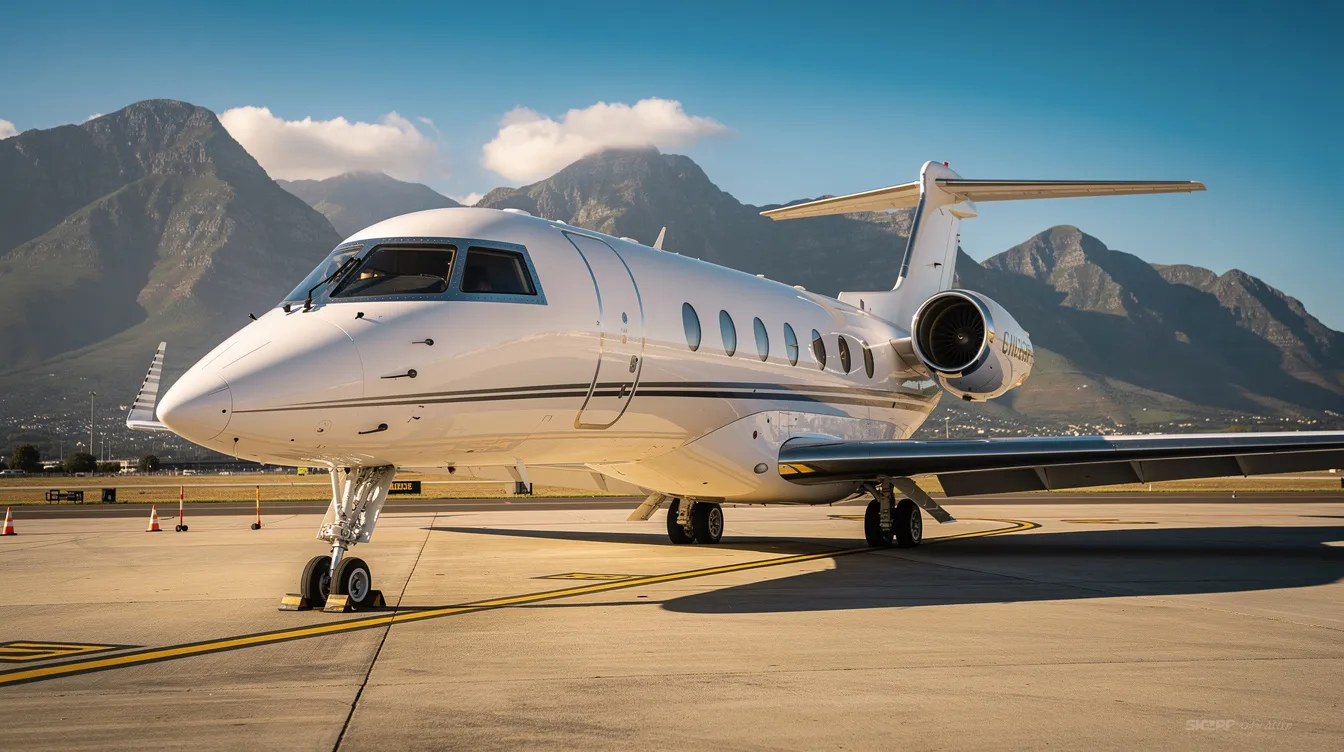
  • Large cabin jets: Large business jets can exceed $75 million in price; flagships like the Gulfstream G700 list near $79M

  • VIP airliners / Bizliners: $90M–$300M+ with full cabin completions

Aircraft prices depend on age, maintenance history, and upgrades. Factors influencing aeroplane pricing include aircraft design, market demand, and manufacturing costs. Within each band, the spread between a run-out, off-program airframe and a low-time, program-enrolled example can be 40–60% or more.

BusinessJets.com uses real-time transaction data and over 1,500 completed deals to benchmark fair market value before a client makes an offer.

Entry-Level Pistons and Trainer Aircraft: The Cheapest Way into Aircraft Ownership

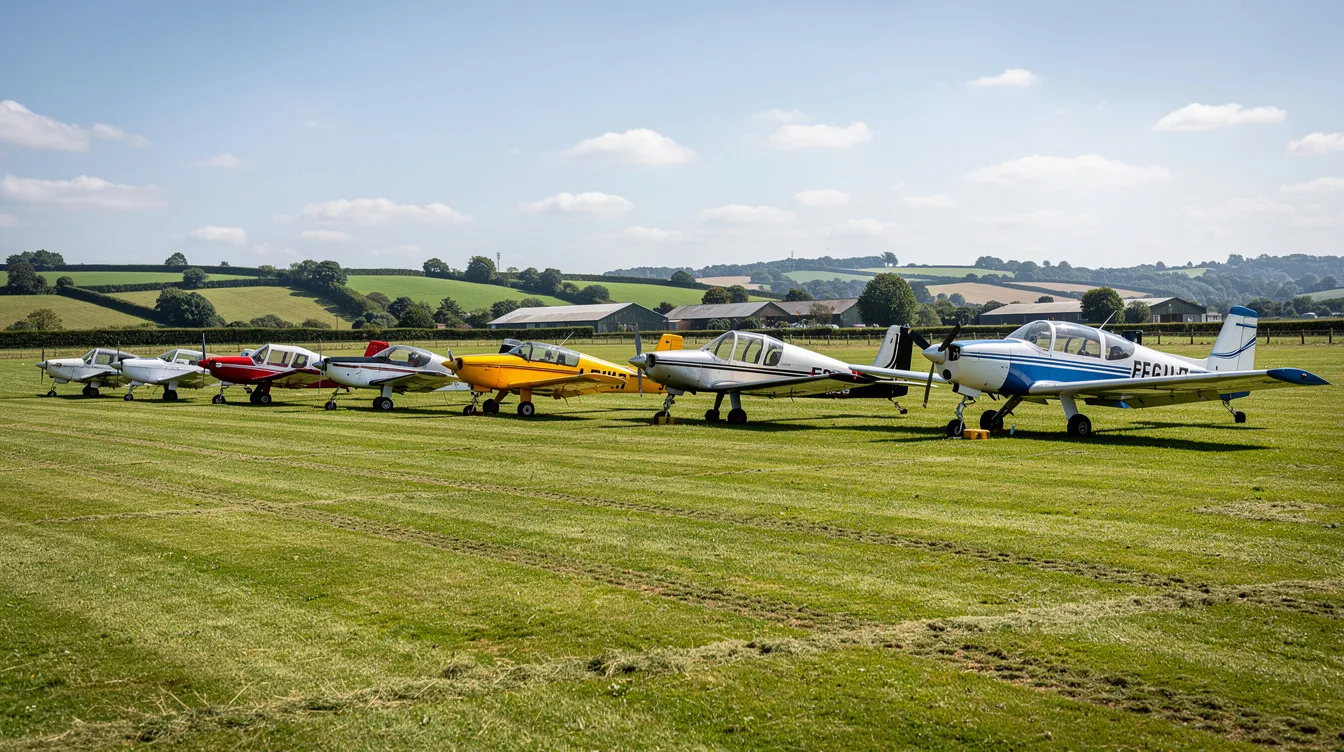
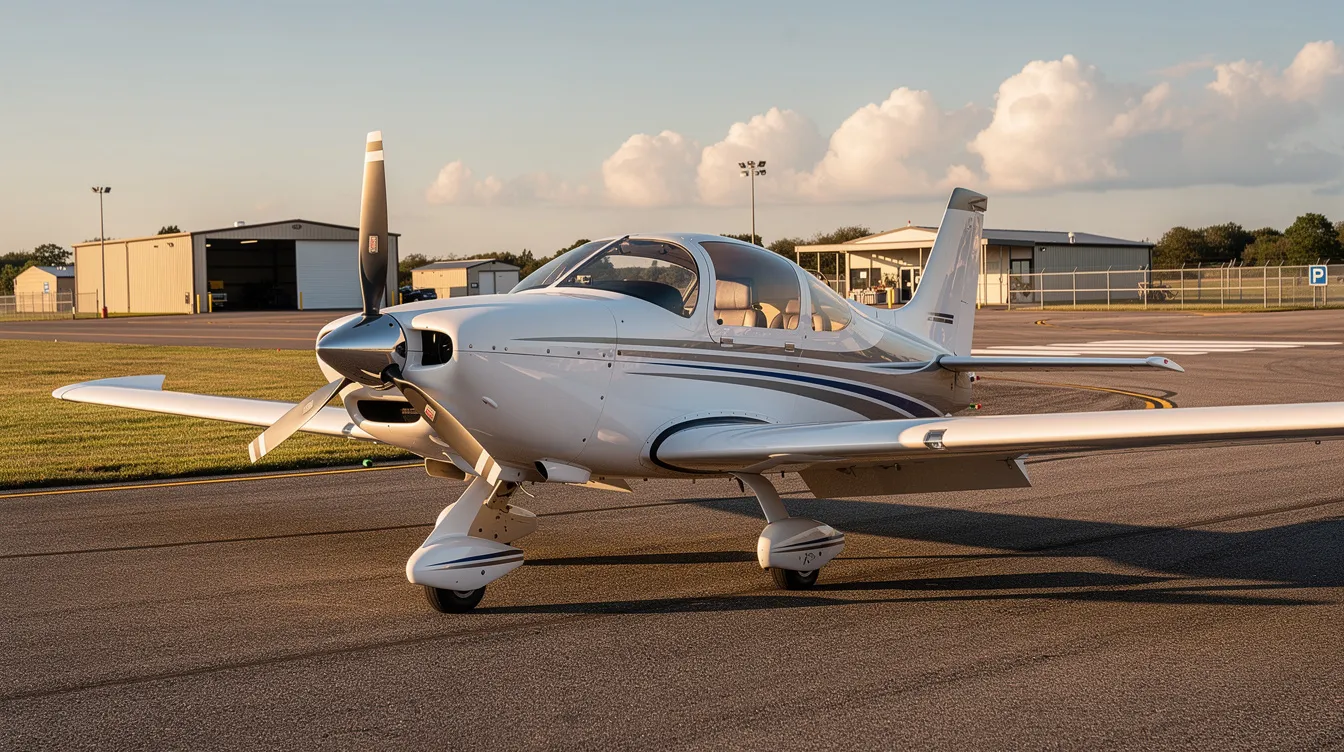
Most private pilot journeys and first-time aircraft ownership experiences start with piston singles. Whether the mission is personal recreation, flight instruction, recreational flying, or short-haul business purposes, small planes remain the most accessible path into private aviation.

Here are specific 2026 used price examples for small aircraft:

Aircraft

Typical Used Price Range

Cessna 150/152

$15,000–$60,000

Cessna 172

$70,000–$220,000

Piper PA-28 series

$60,000–$180,000

Vintage types (Stinson 108, Ercoupe)

$25,000–$50,000

Cirrus SR22 (early G1/G2)

$190,000–$350,000

For any small plane purchase, engine time to overhaul, corrosion, and condition of logbooks affect aircraft condition and pricing far more than cosmetic paint or upholstery. A thorough pre-purchase inspection is non-negotiable: pre-purchase inspections for planes cost $1,000 to $3,000, and annual inspections for small planes cost $750 to $2,000.

Storage costs for small planes range from $50 to $600 monthly depending on tie-down versus hangar storage at rural airports or urban facilities. Insurance for small planes typically costs $800 to $3,000 annually. Taken together, annual owner ratings—instrument and multi-engine—can be $8,000 to $12,000 before engine reserves.

Buyers new to the market should also budget for pilot training. Private Pilot License training costs range from $10,000 to $20,000, and most students log 50 to 70 flight hours for certification. The curriculum includes ground school and flight instruction. Additional ratings-instrument, multi-engine-can add $5,000 to $12,000 each. A pilot institute or flight school can advise on requirements, and obtaining a pilot's license before a purchase helps buyers make more informed decisions about which aircraft fits their mission.

BusinessJets.com appraisals are useful even for entry-level purchases, especially where financing or partnership structures are involved. Accurate valuation protects both parties.

From Turboprops to Light Jets: Stepping Up in Speed, Range, and Price

As mission distance, payload, and schedule demands increase, buyers flying beyond the piston envelope move into turboprops and then light jets. This is where plane costs begin to scale significantly.

2026 pricing ranges:

  • Single-engine turboprops (Pilatus PC-12, Daher TBM): $4.8M–$9.3M new; $1.5M–$5.75M used

  • Twin turboprops (King Air 200/350 family): $1.65M–$6.5M used; newer production models up to $7.9M

  • Very light jets: $1M–$3M pre-owned; $3M–$7M new

  • Light jets (Phenom 300E, Citation CJ4): $9M–$13M new; $3M–$9M used

Light jets represent a meaningful step up in both capability and cost. Commercial aircraft prices depend heavily on size, seating capacity, range, and engine technology, and this applies to business aircraft as well. Production volume and economies of scale lower per-unit baseline costs for popular models, which is why types with strong production runs like the Phenom 300 series hold value well.

Purchase price spreads within each type reflect avionics suites, cabin refurbishment dates, engine program enrollment, and whether the aircraft has been used privately or on charter. Operating costs jump substantially: higher fuel costs, more complex routine maintenance, and in many cases the need for professional crews and crew management.

BusinessJets.com often helps corporate buyers compare several models side by side, including expected annual operating costs and residual value forecasts.

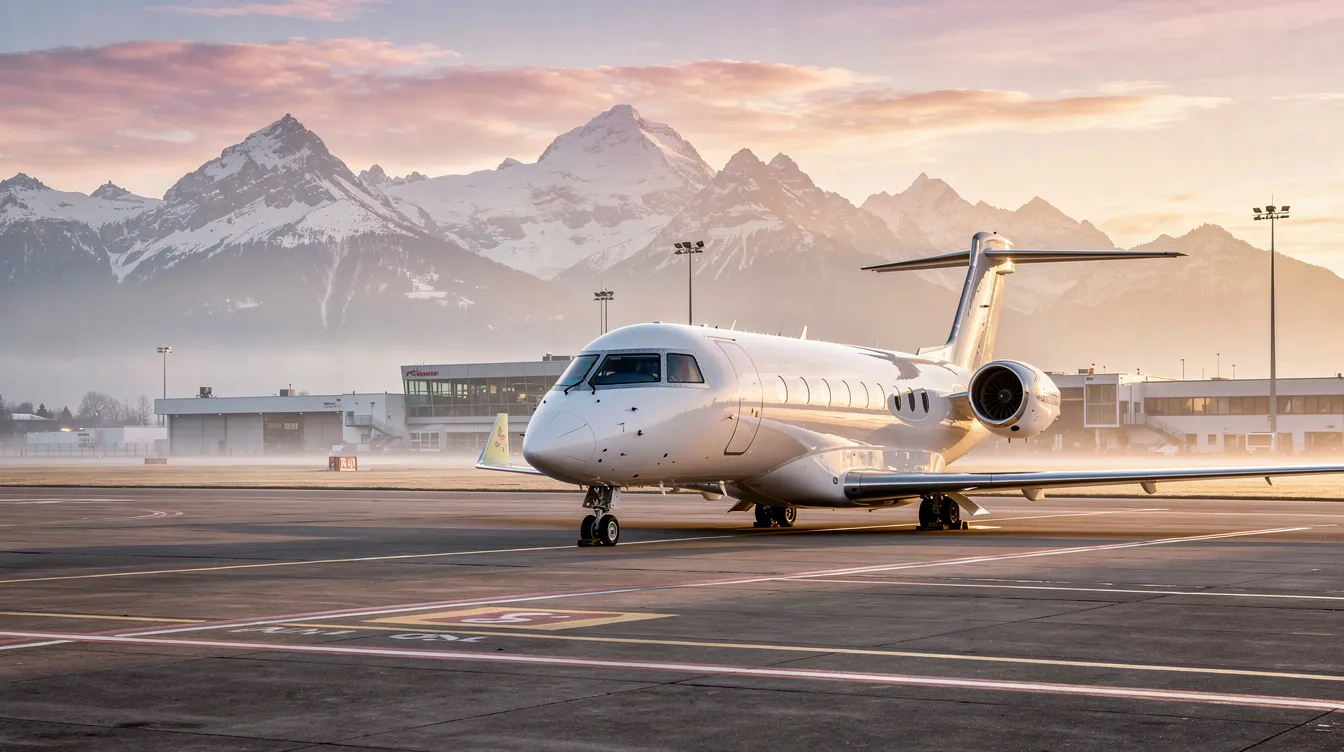
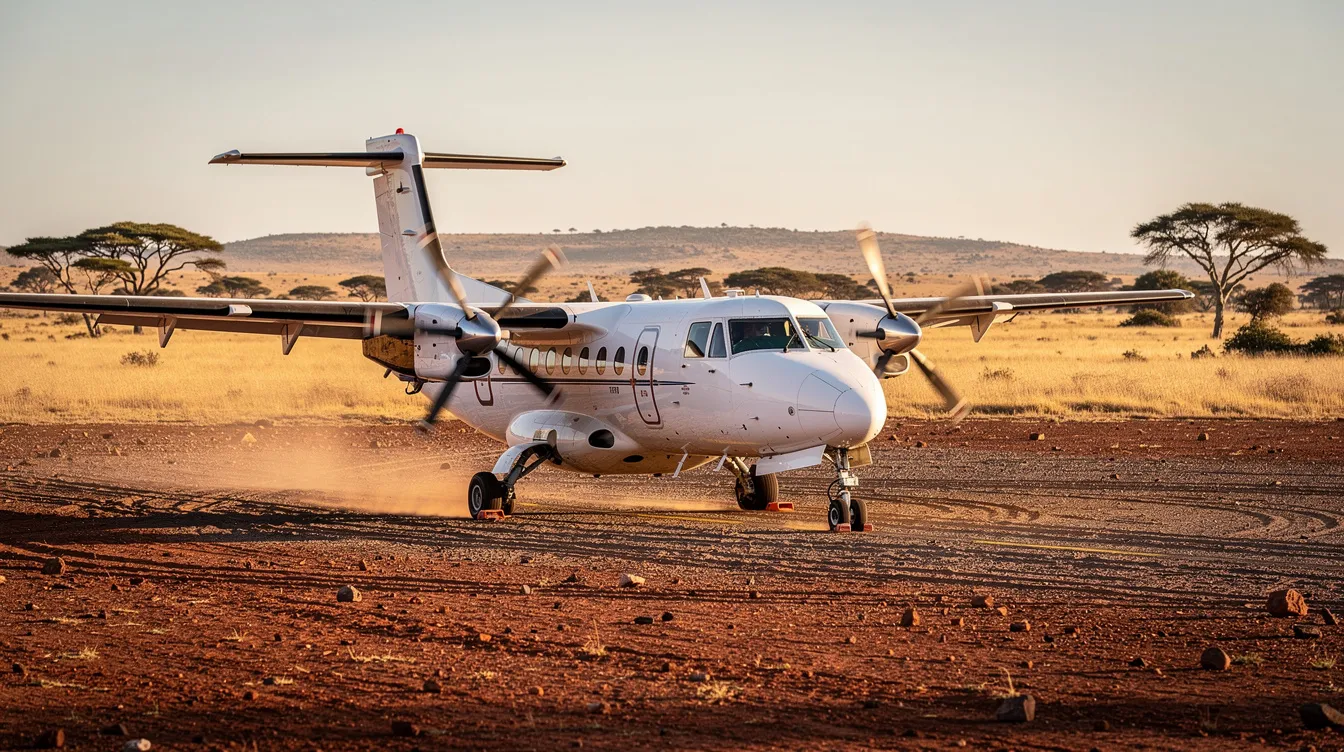
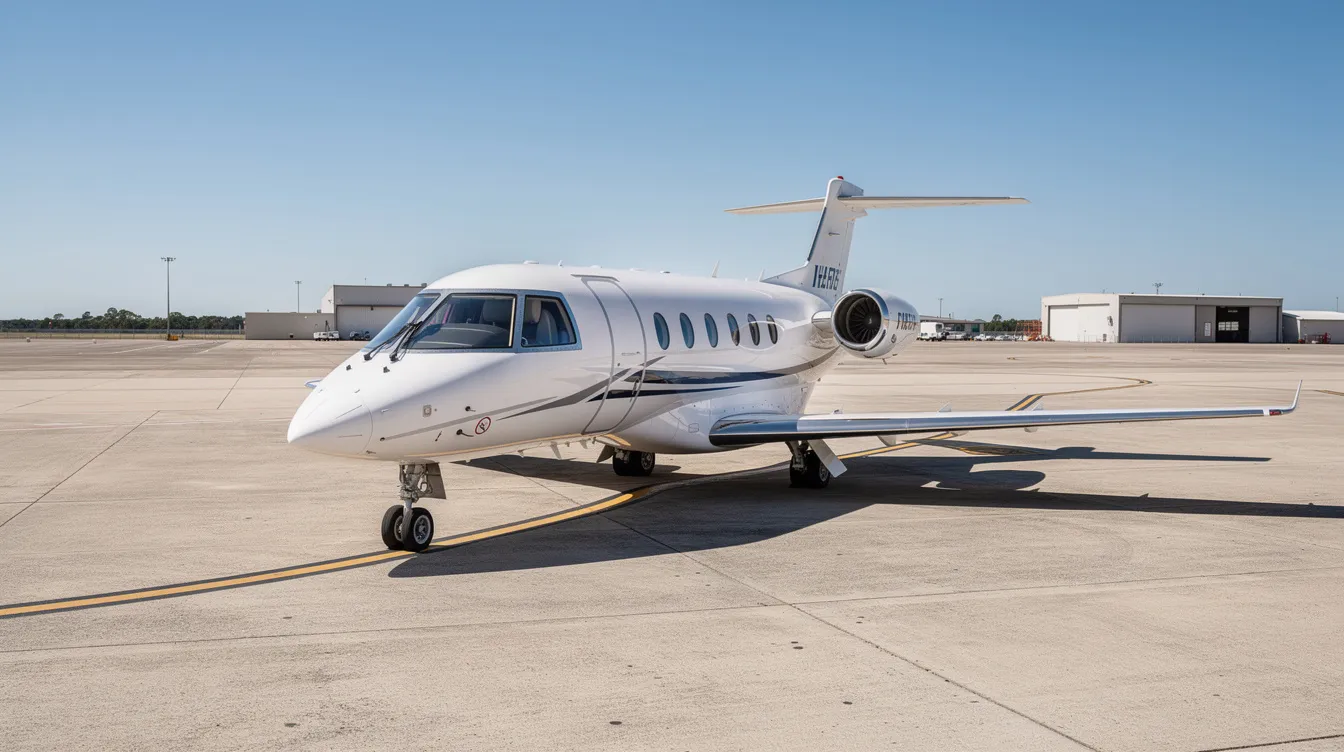
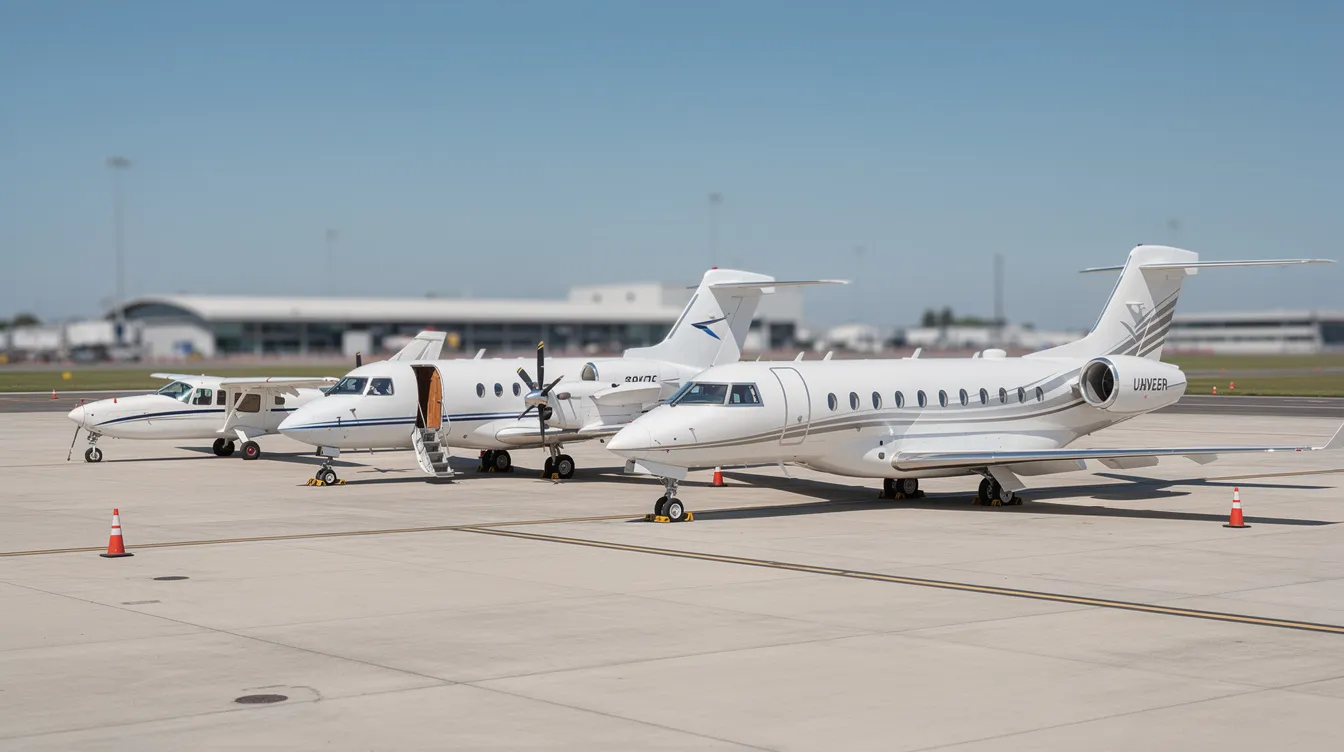
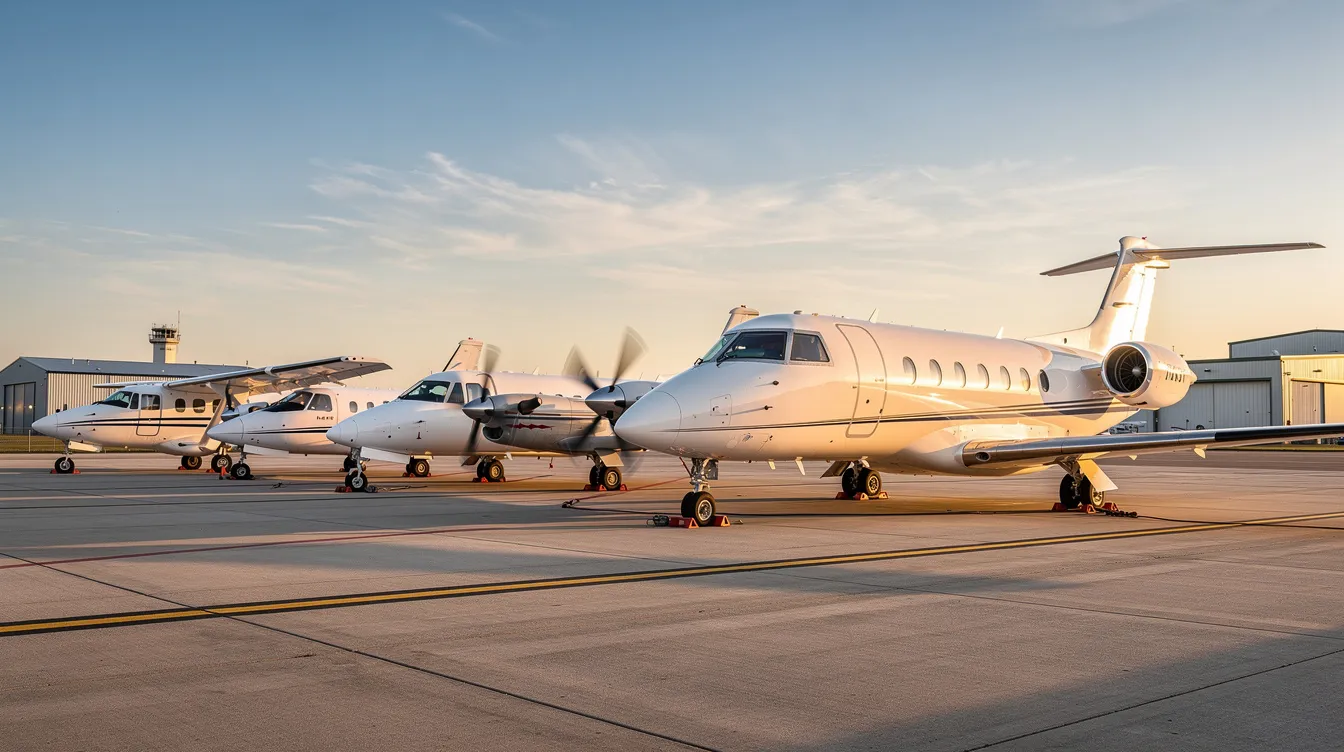
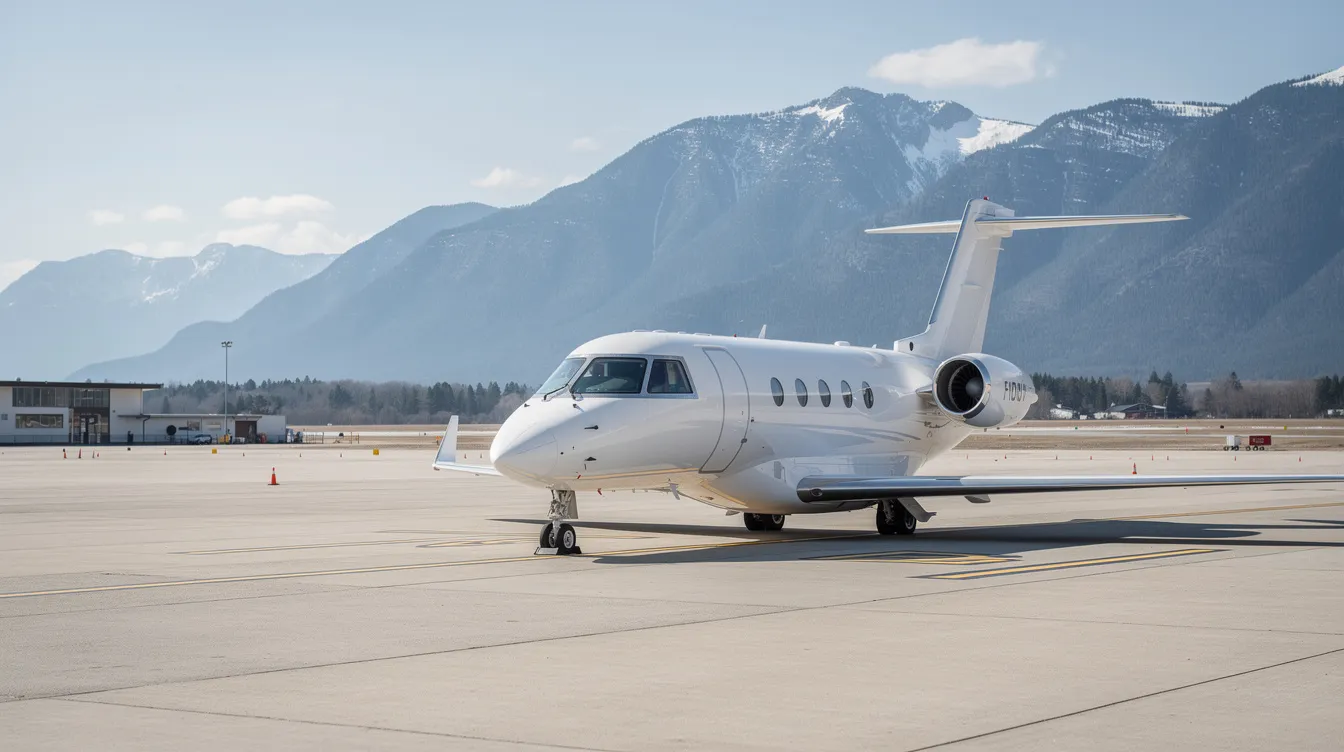
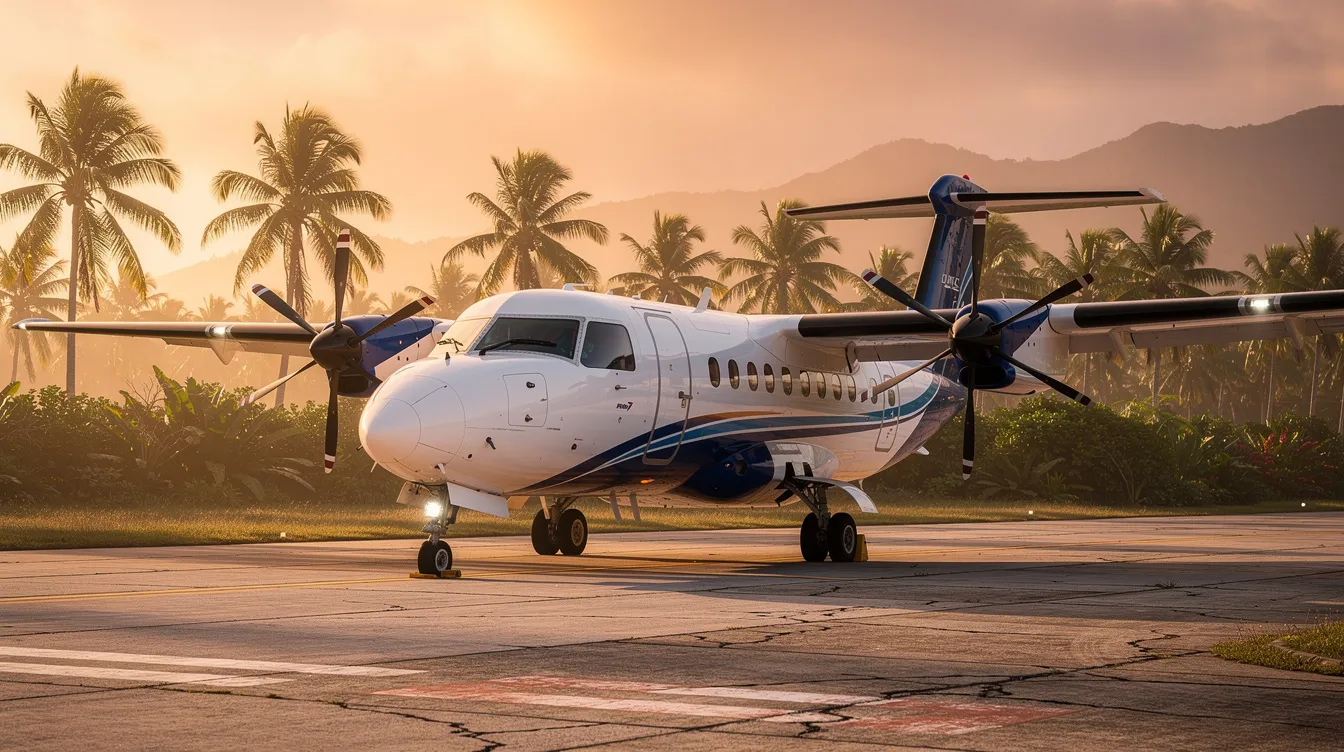
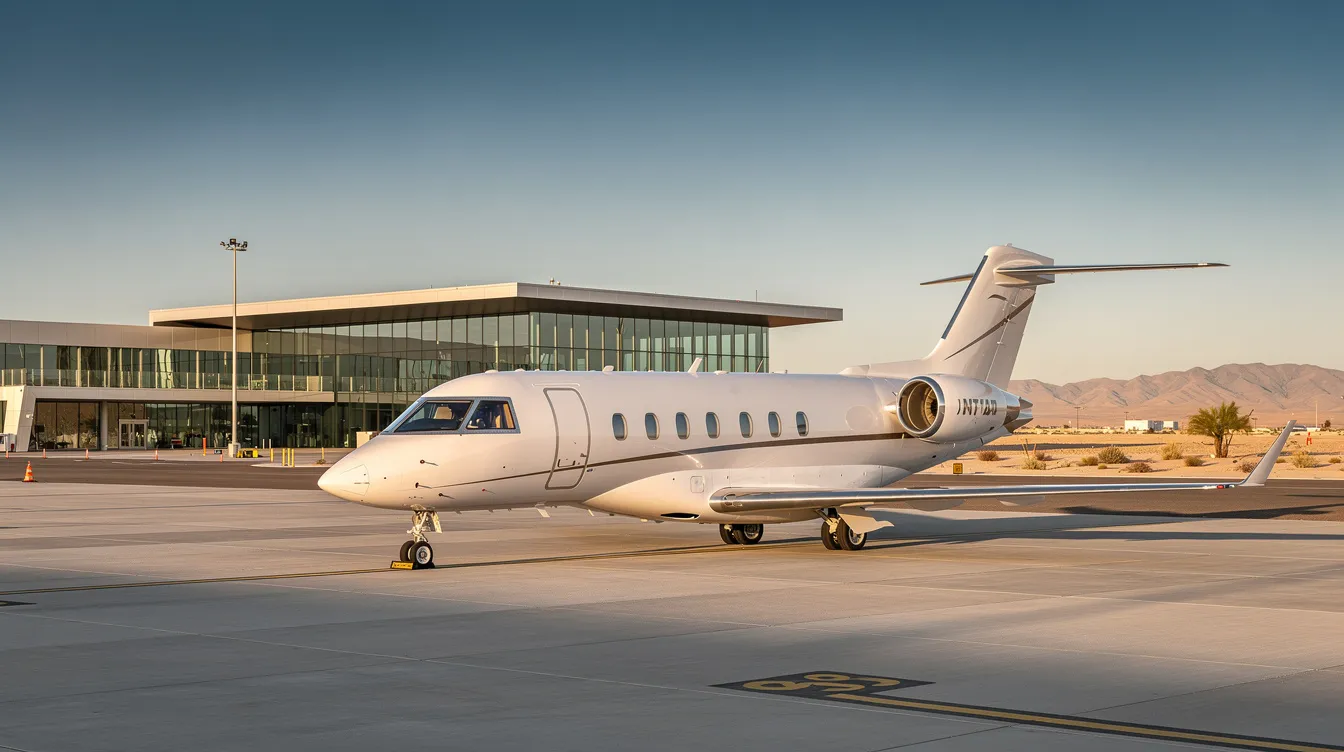
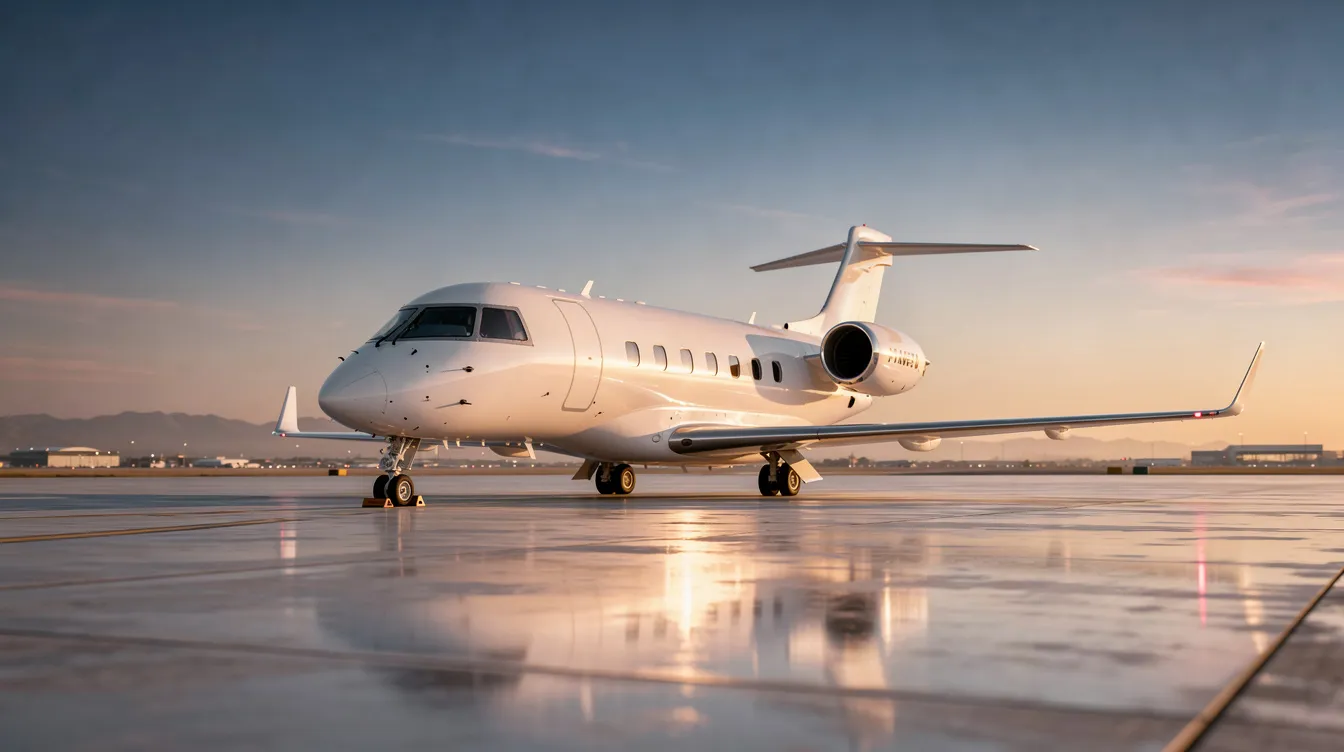
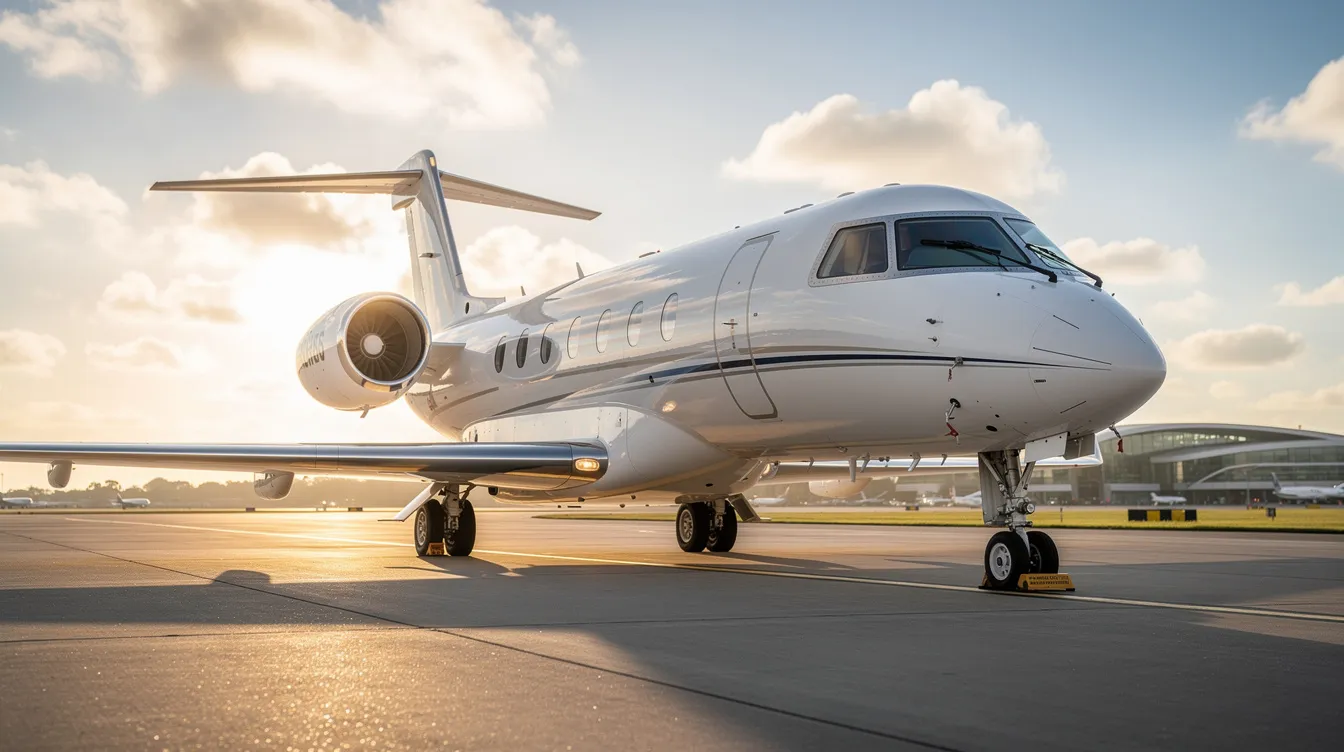
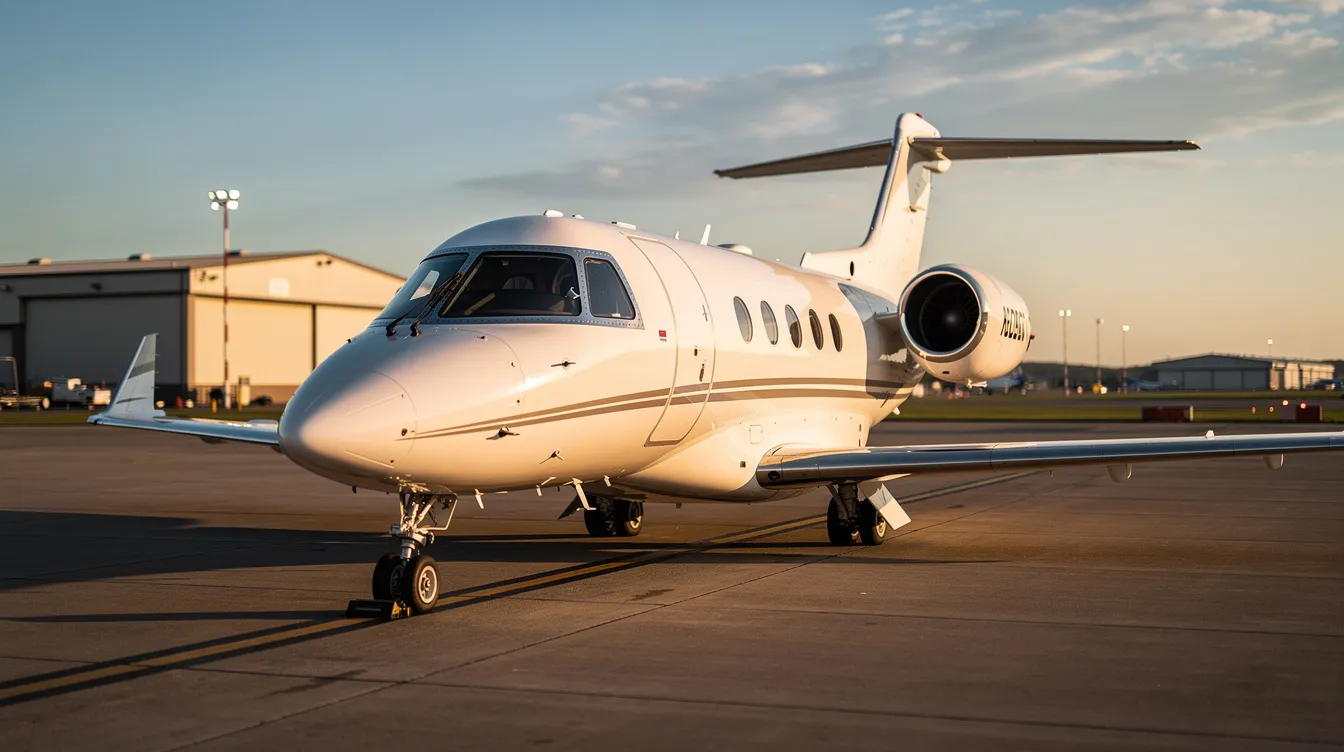
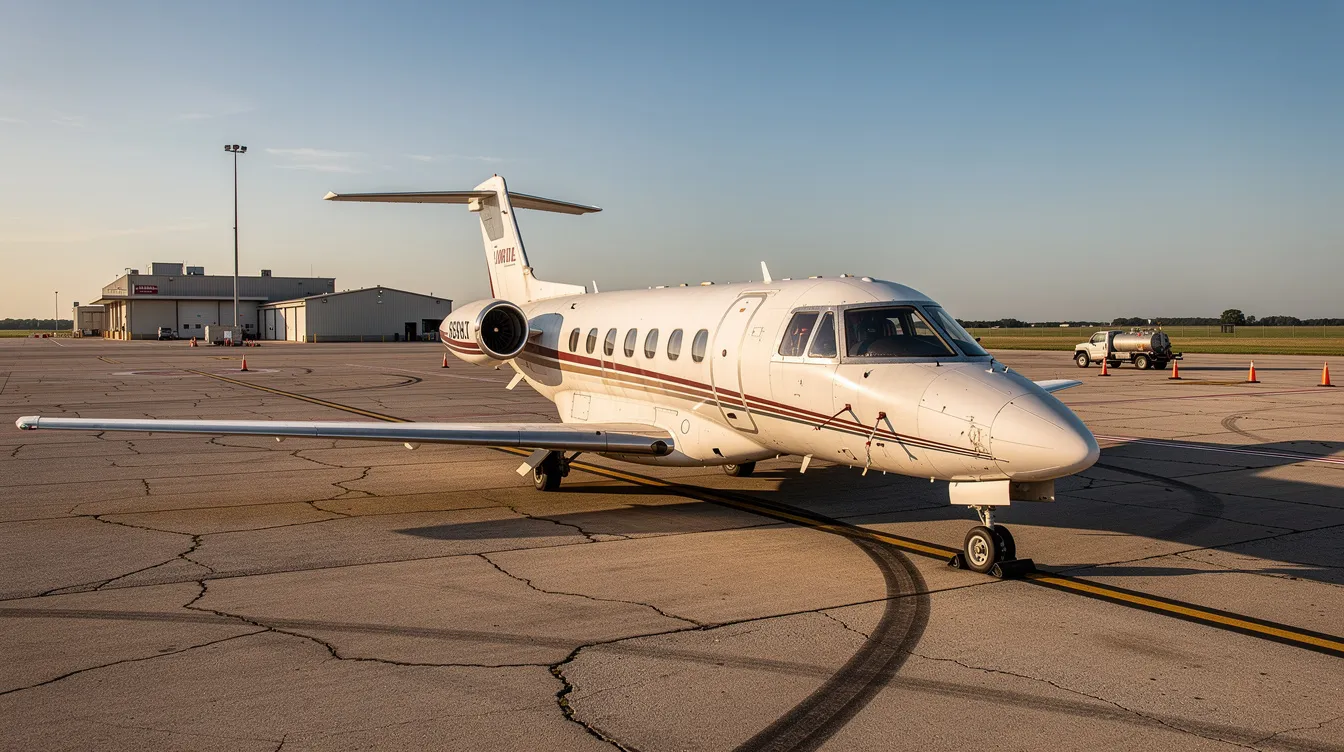
A twin-engine turboprop aircraft is taxiing on an airport tarmac under clear skies, showcasing its sleek design and modern avionics upgrades. This small plane is often associated with private aviation, highlighting considerations such as ownership costs and ongoing expenses for aircraft owners.

Large Cabin Jets and Bizliners: High Capacity, High Cost

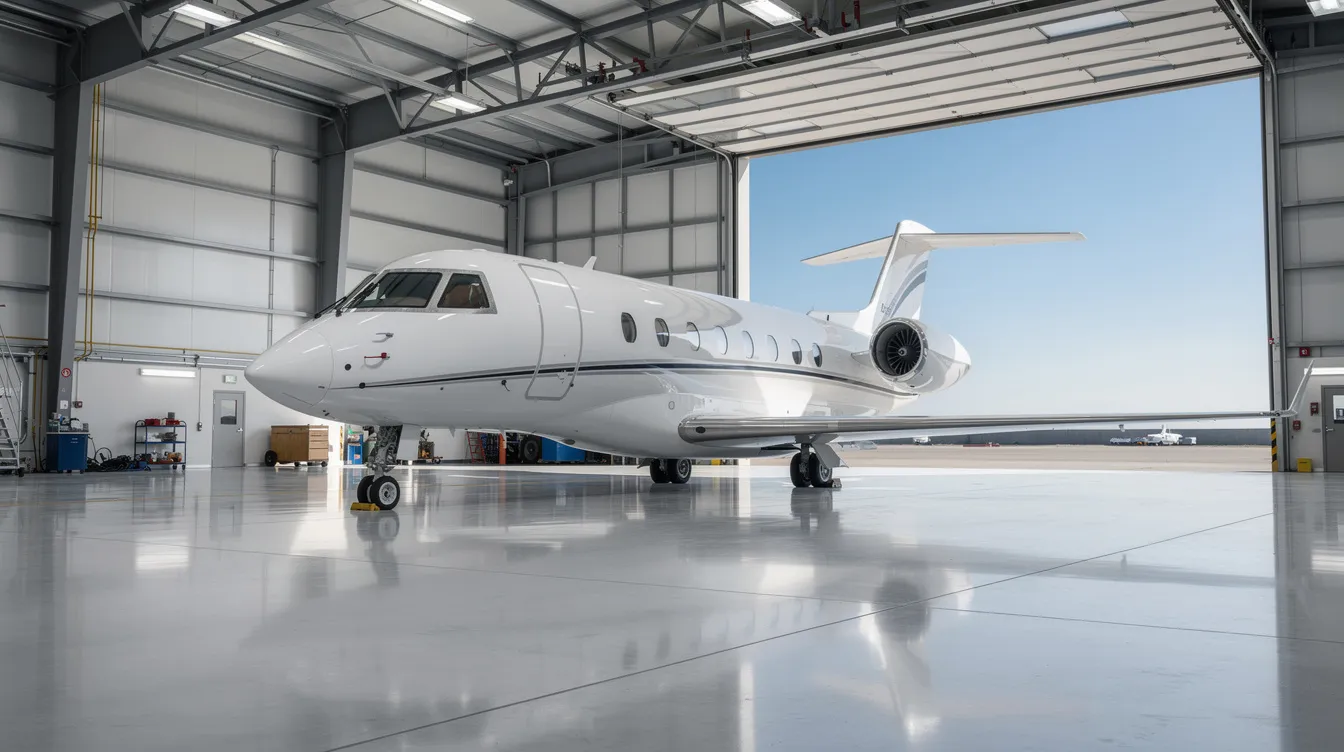
Large cabin jets and bizliners serve corporations, governments, and family offices flying intercontinental missions where schedule control, passenger capacity, and cabin productivity justify the overall cost. These are specialized planes built for a specific set of demands.

2026 price ranges:

Category

New List Price

Used Price Range

Super-midsize (Challenger 3500, Praetor 600)

$24M–$30M

$13M–$22M

Large cabin (Gulfstream G650ER, Global 6000)

$55M–$80M+

$15M–$40M

VIP airliners (Airbus ACJ319 and similar ACJ platforms, BBJ with completions)

$90M–$300M+

Varies widely

New aircraft pricing in the commercial and VIP segment ranges from $80 million to over $400 million. Commercial aircraft markets are dominated by a duopoly—VIPeing and Airbus — and aircraft manufacturing relies on thousands of suppliers producing specialised components. Manufacturers do not officially publish up-to-the-minute list prices, and airlines routinely negotiate substantial discounts for large fleet orders. Customisation and interior outfitting can significantly increase an aircraft's price-VIP completion work alone on a narrowbody platform can cost $30M–$80M. High-net-worth travellers flying to major hubs such as Paris by private jet charter often select these wide-cabin aircraft specifically for their bespoke interiors and long-range capability.

Hourly operating costs for large cabin jets can exceed $8,000 per flight hour, with annual operating costs often in the $2M–$5M range for heavy use. Professional crews, hangar fees, insurance premiums, and heavy maintenance inspections drive these numbers.

BusinessJets.com supports buyers with detailed ownership models, from crew management planning to negotiating maintenance program transfers during acquisition.

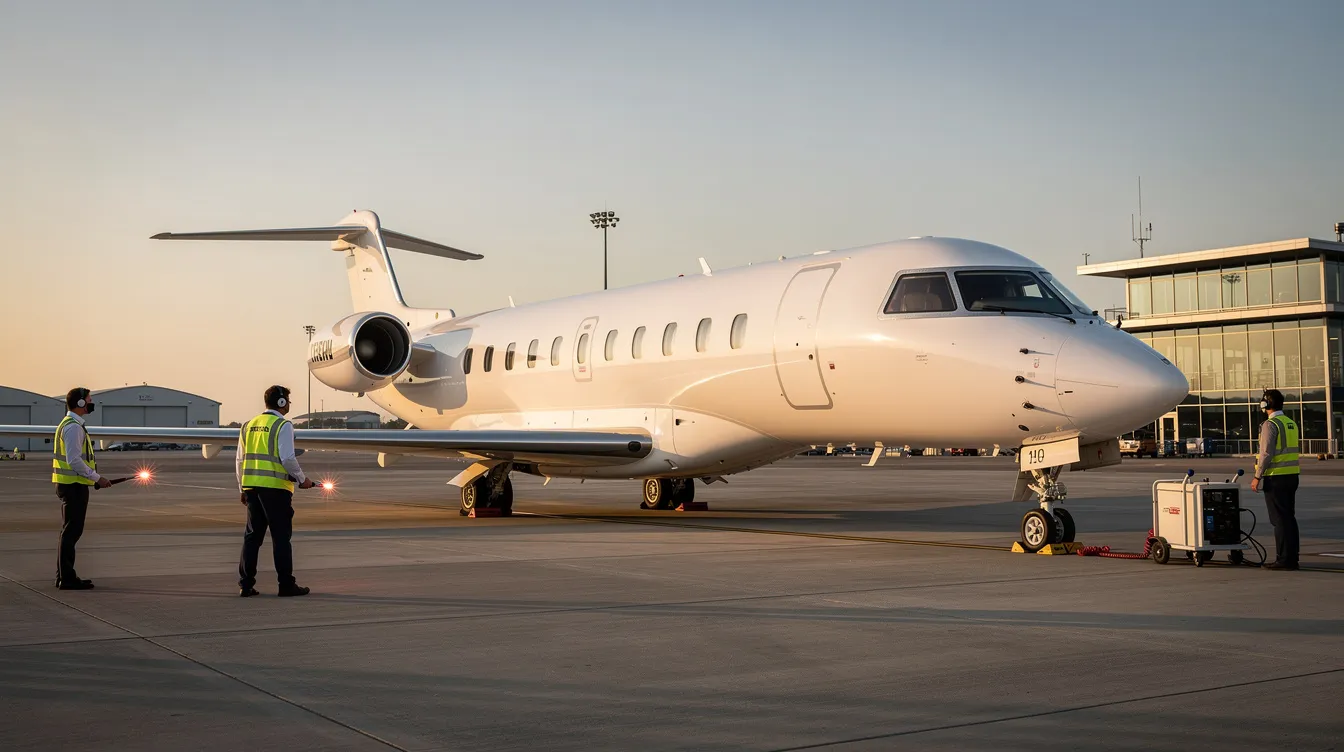
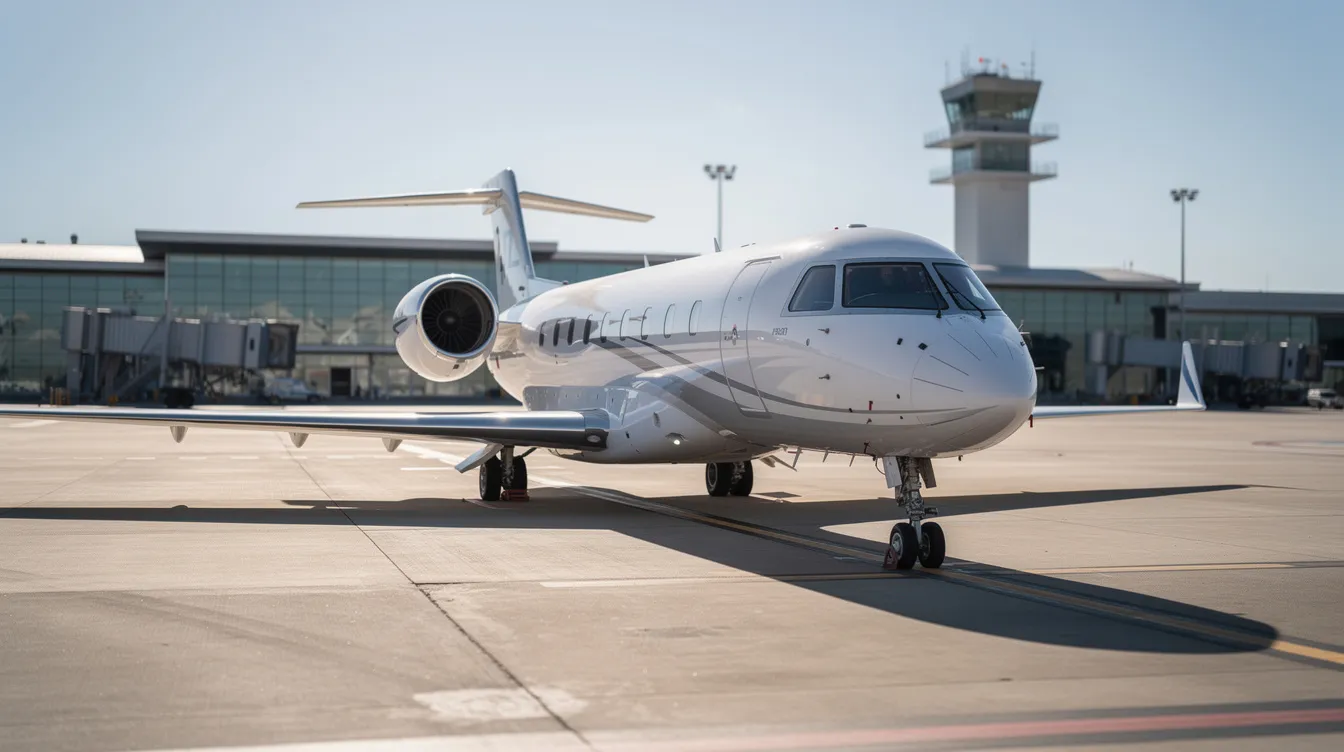
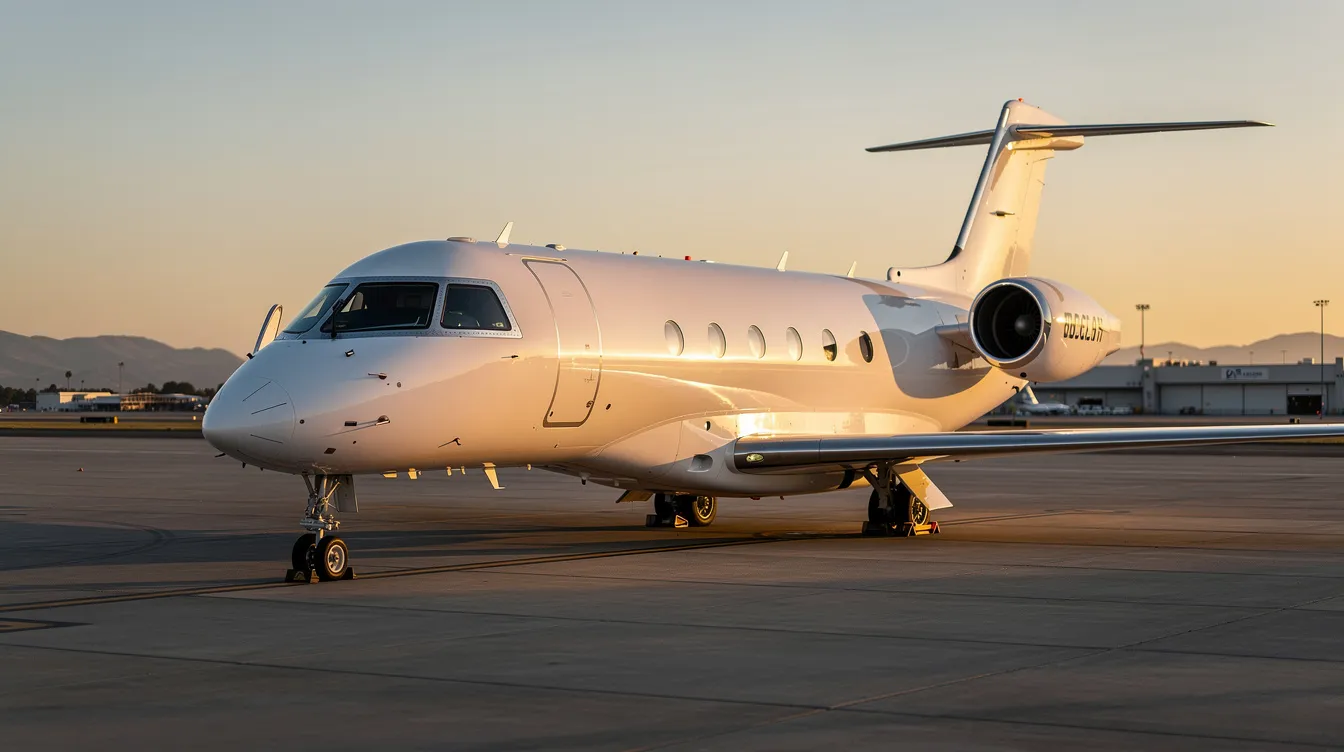
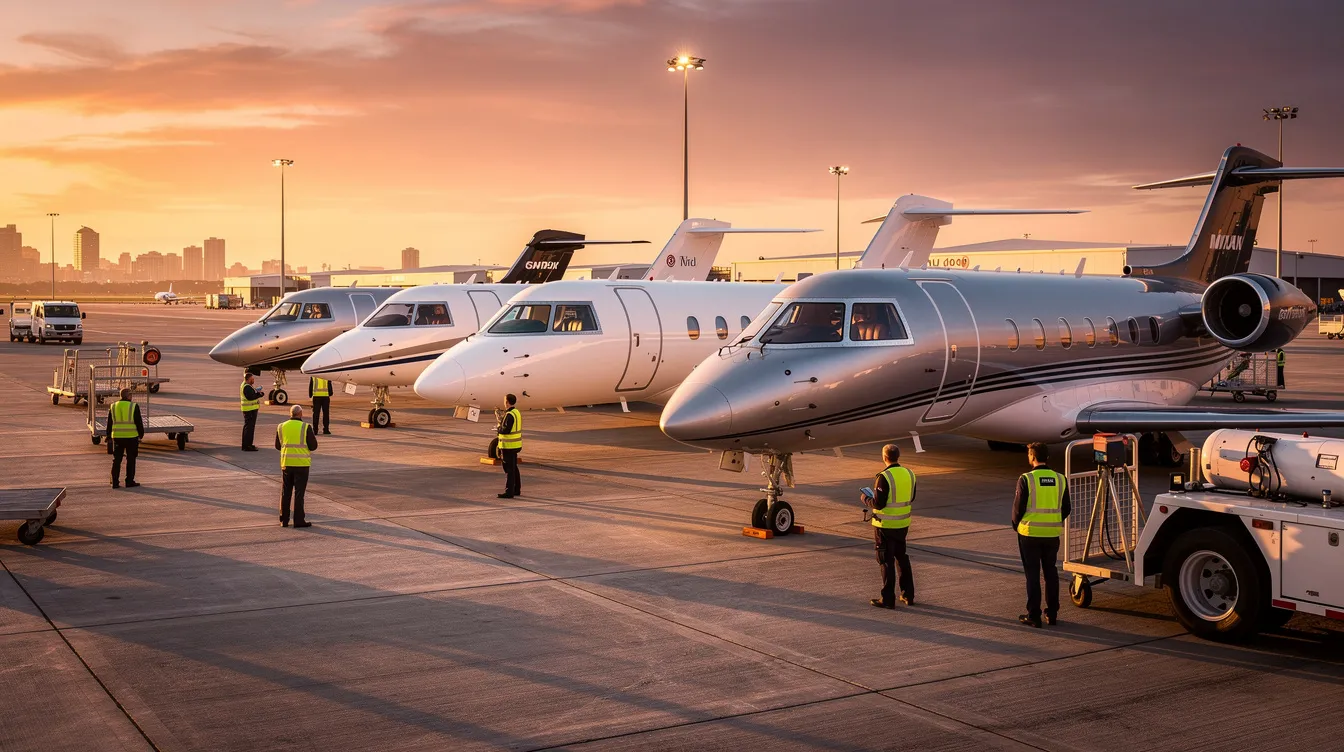
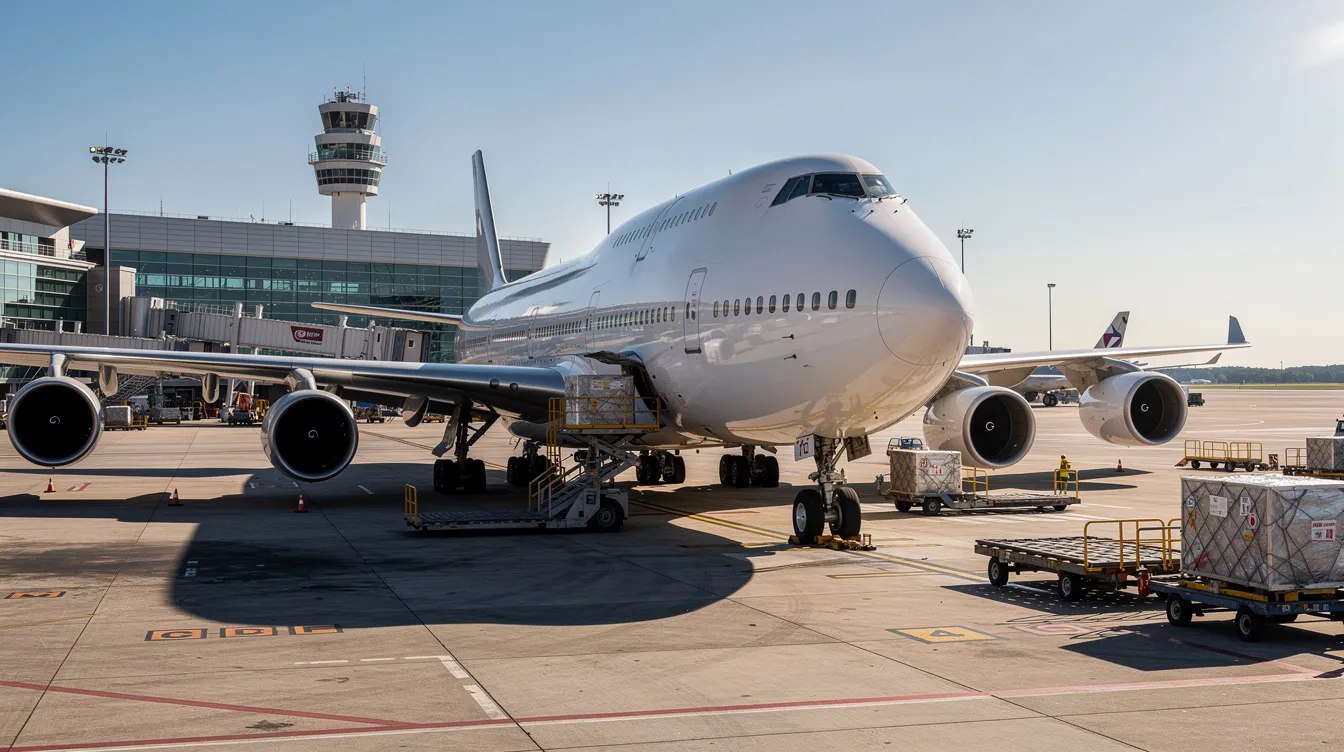
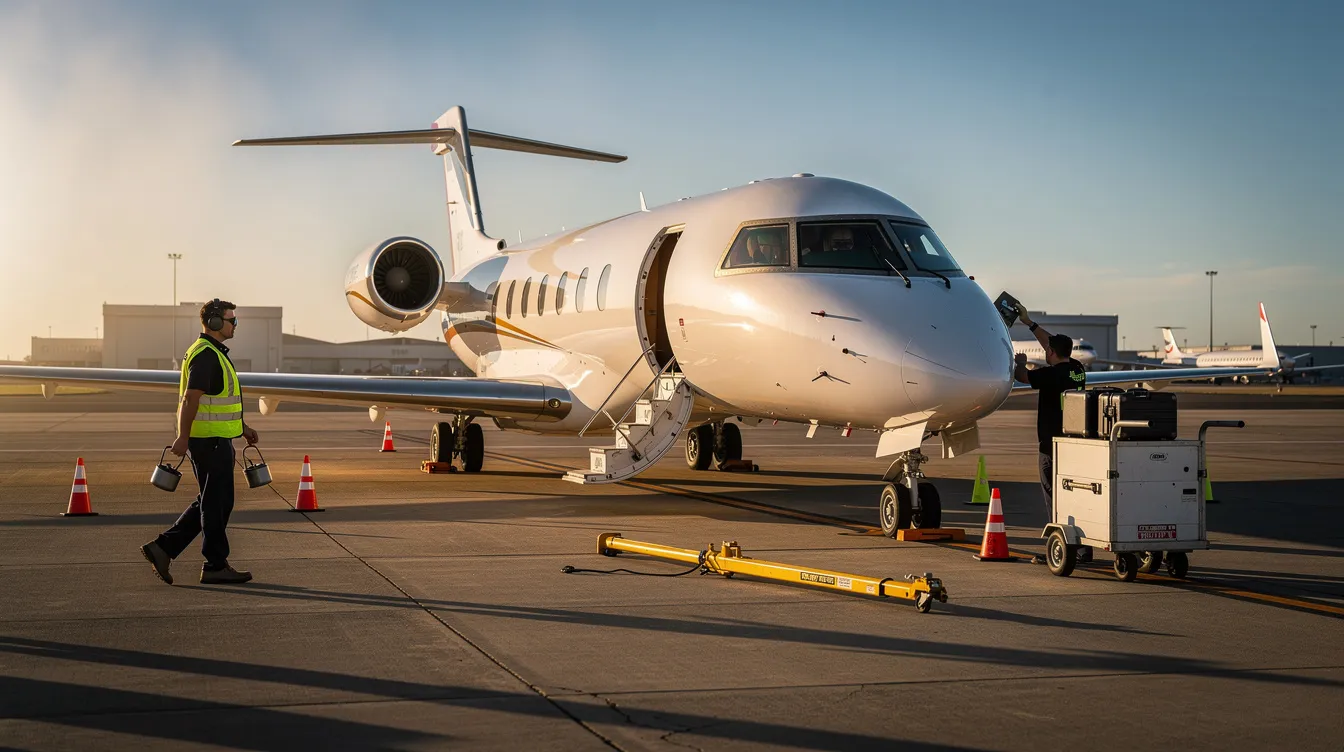
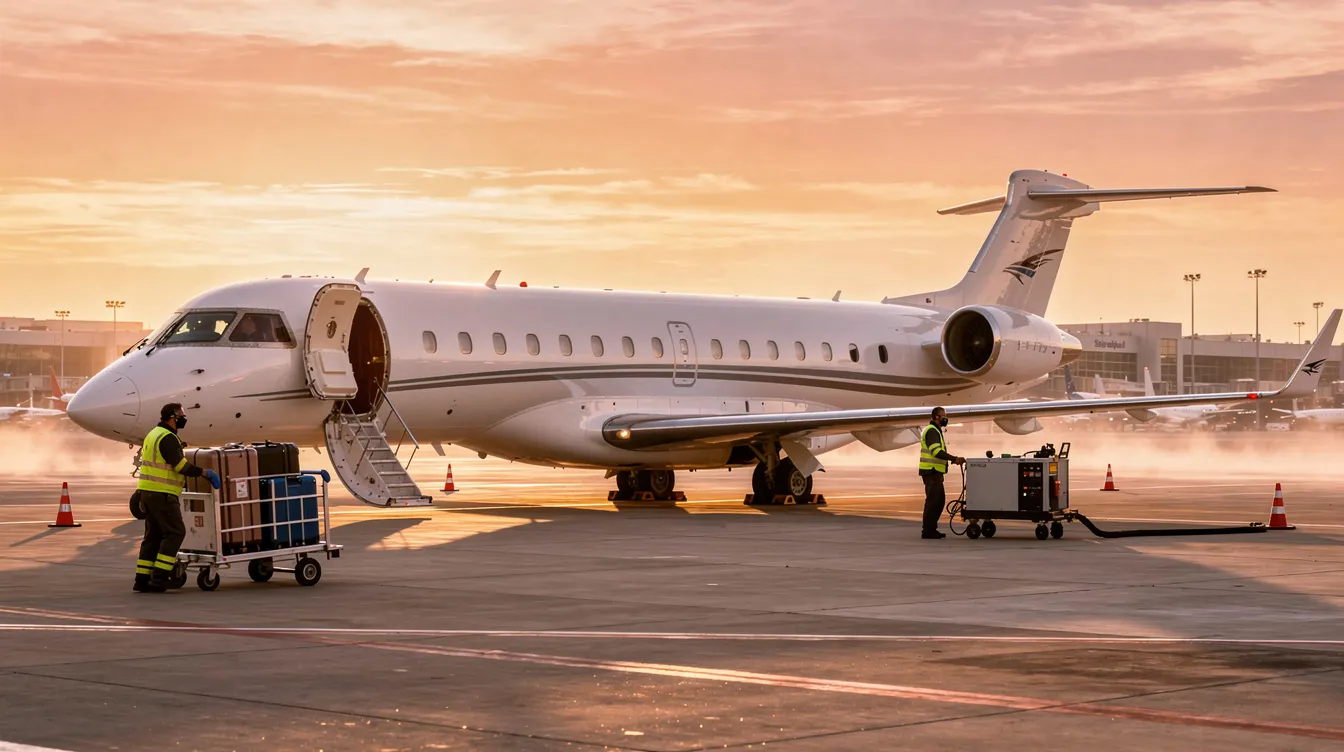
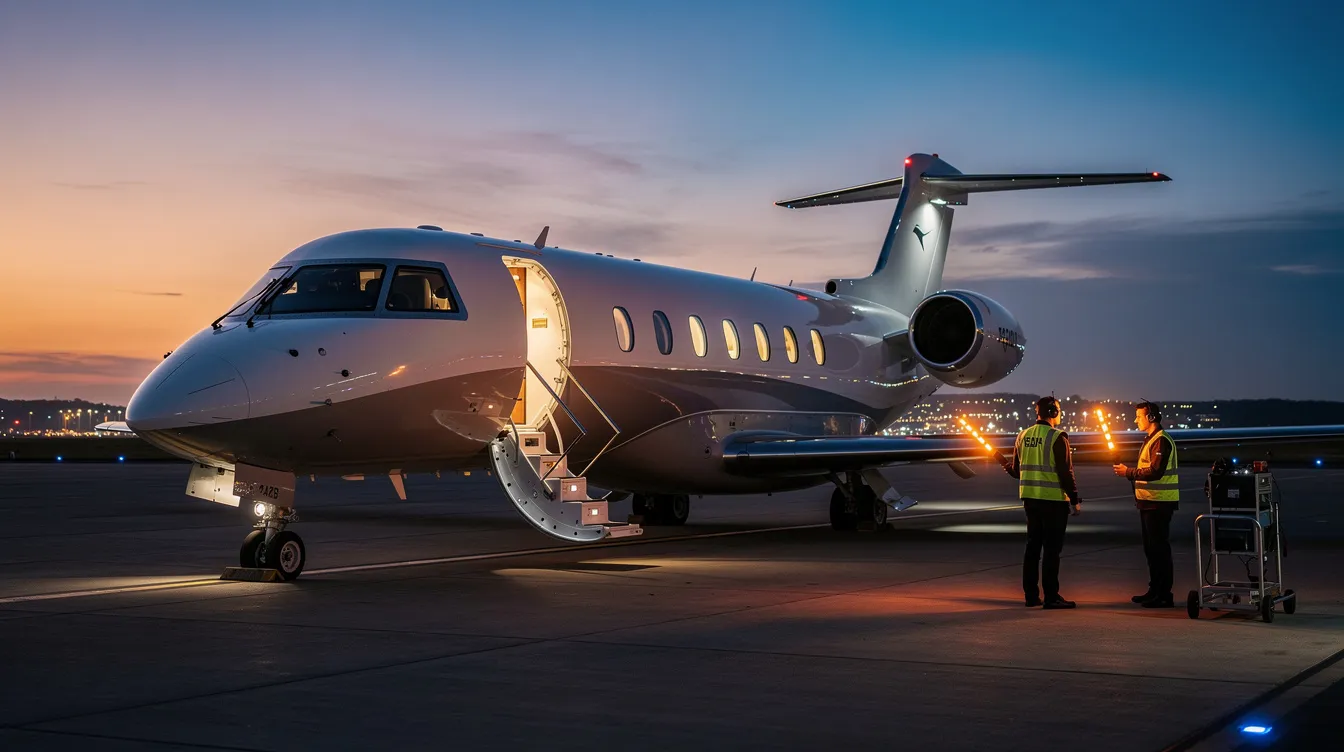
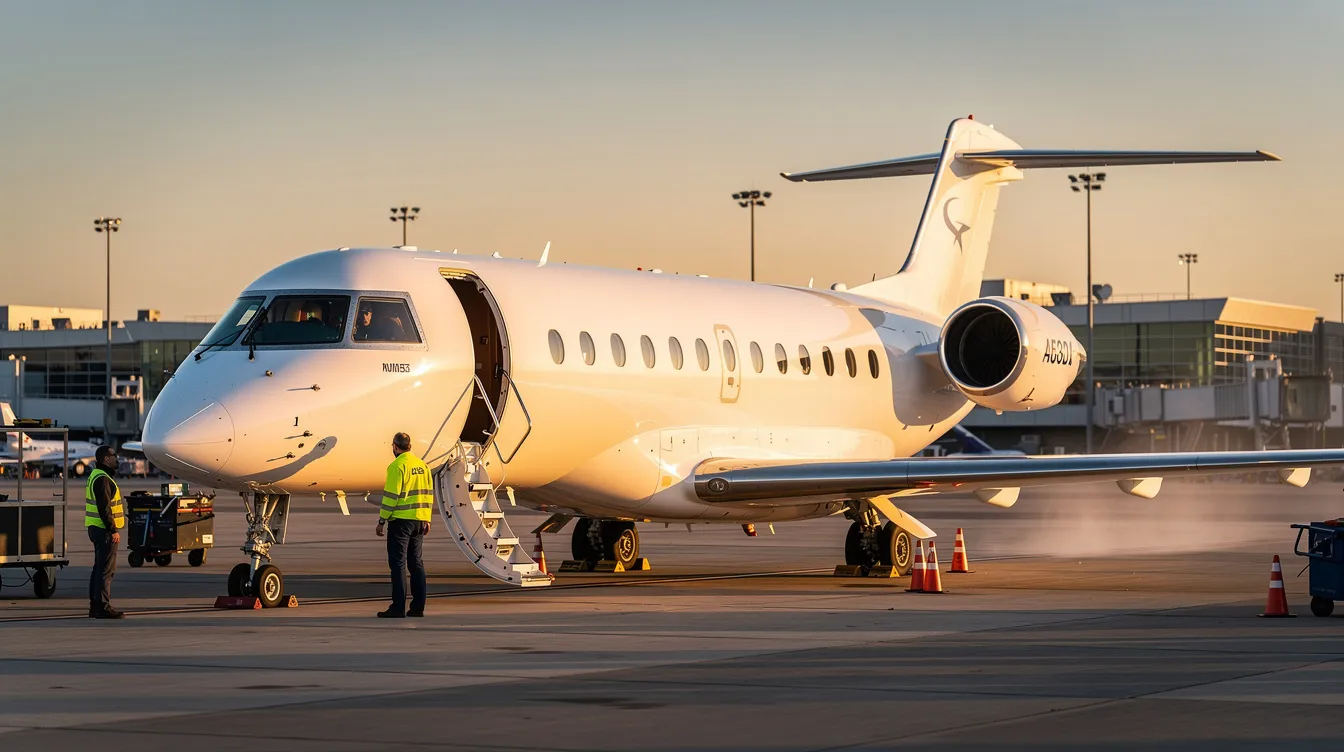
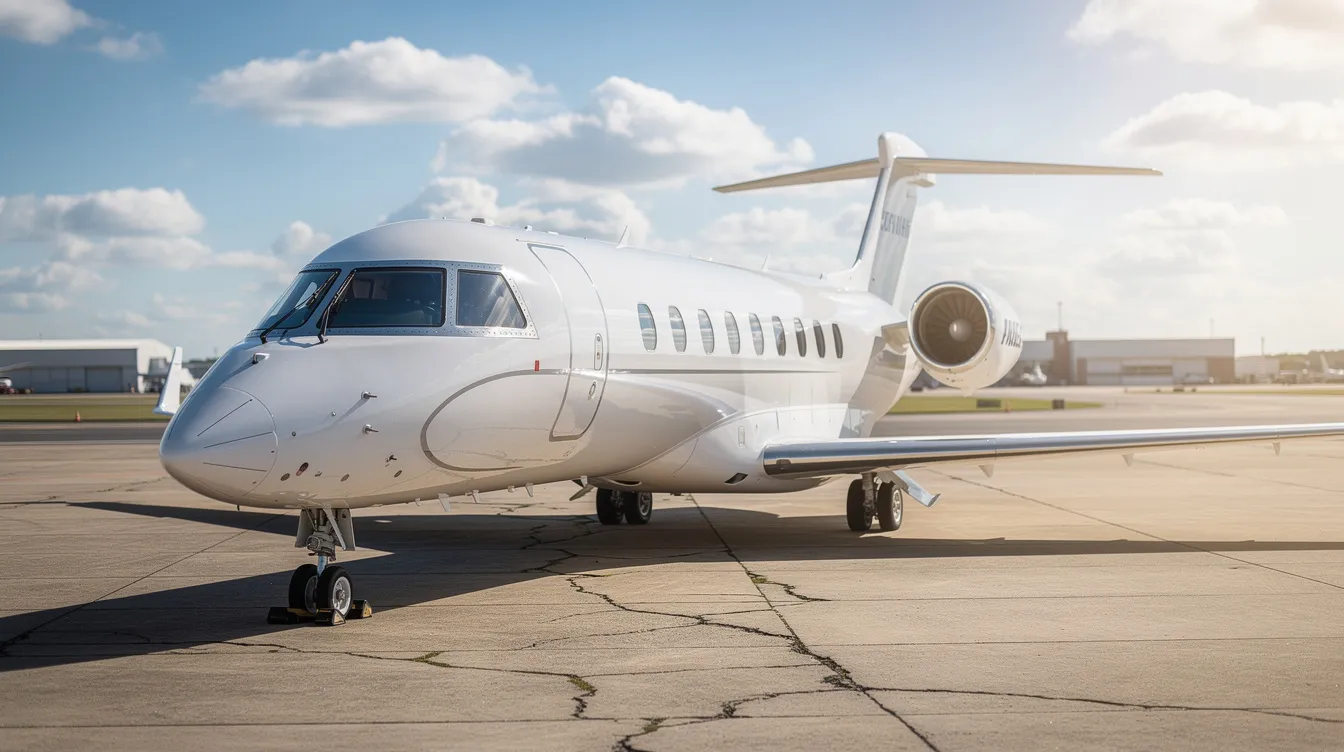
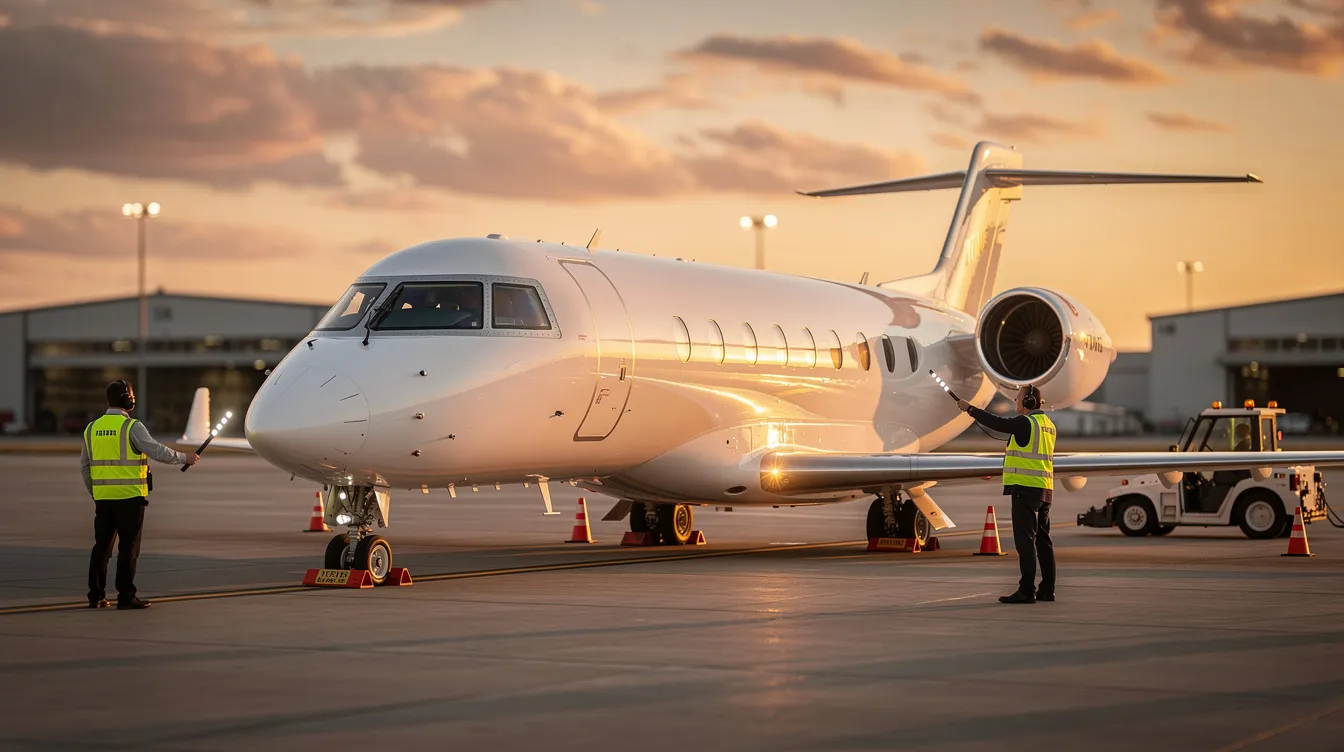
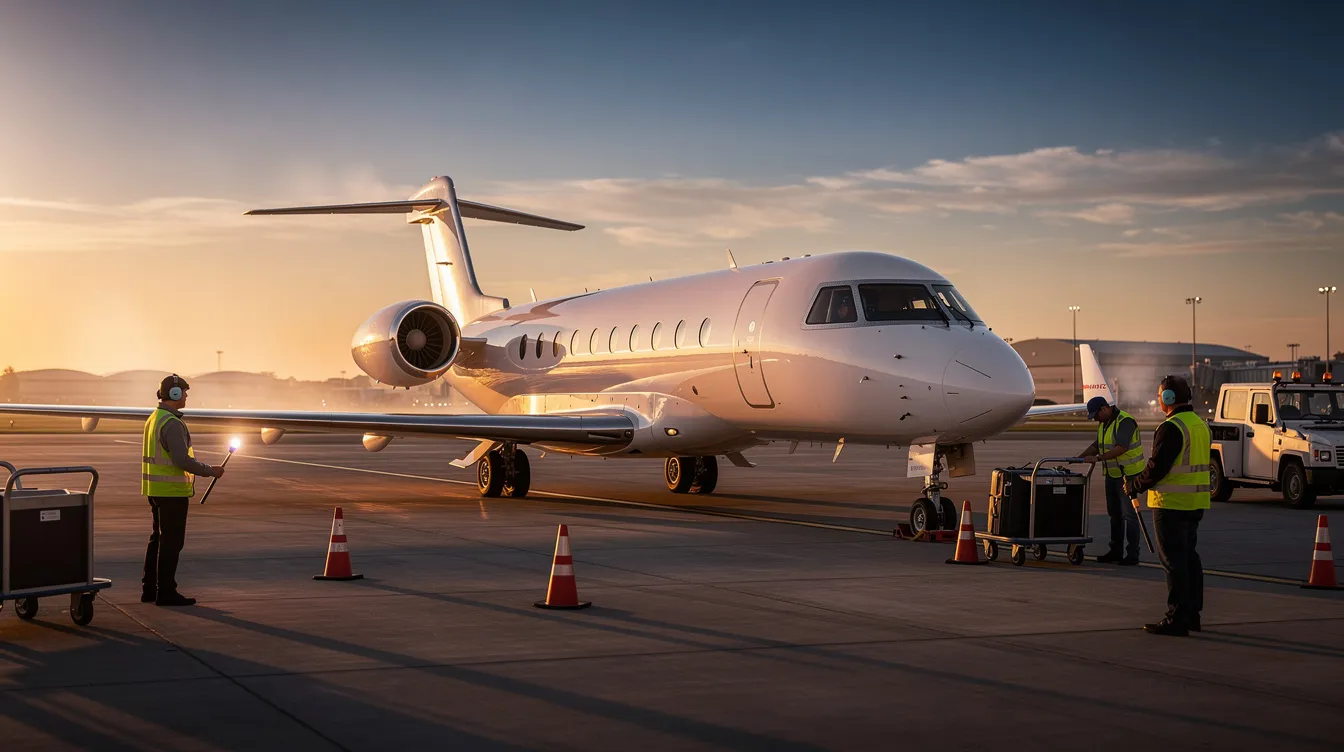
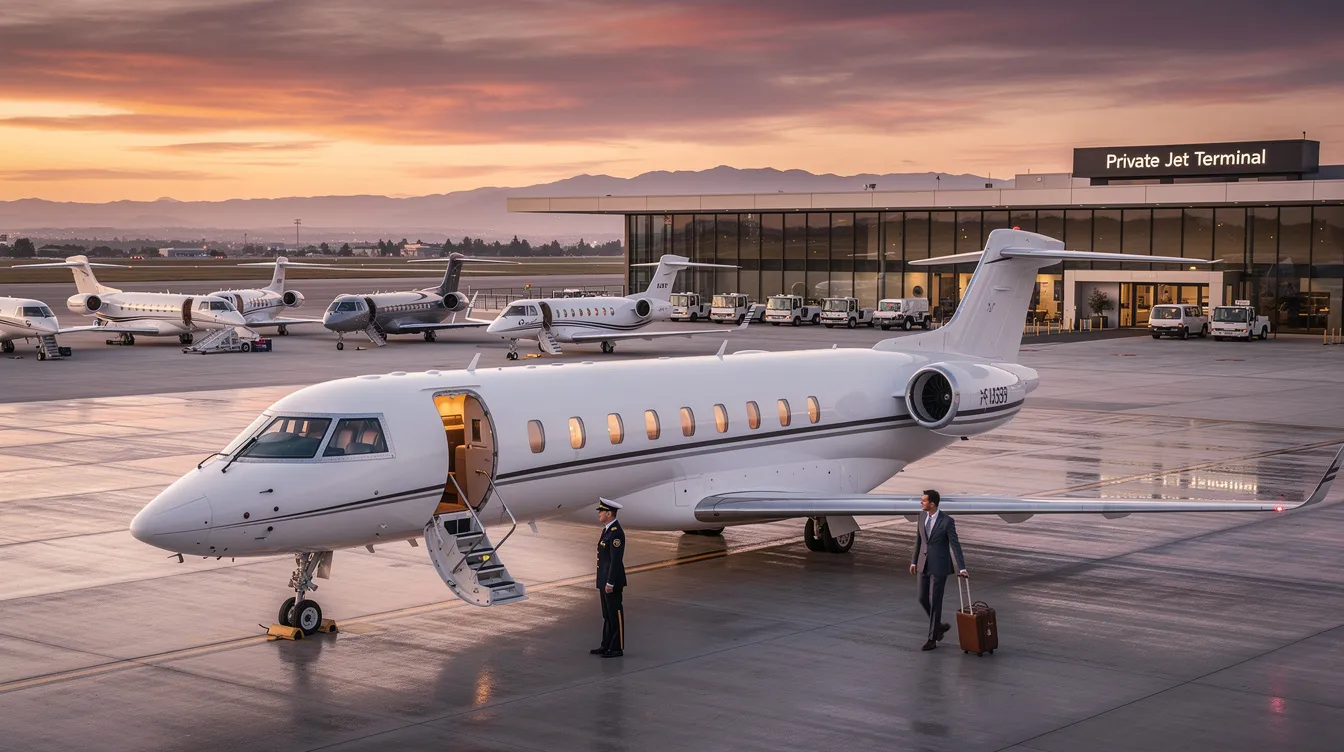
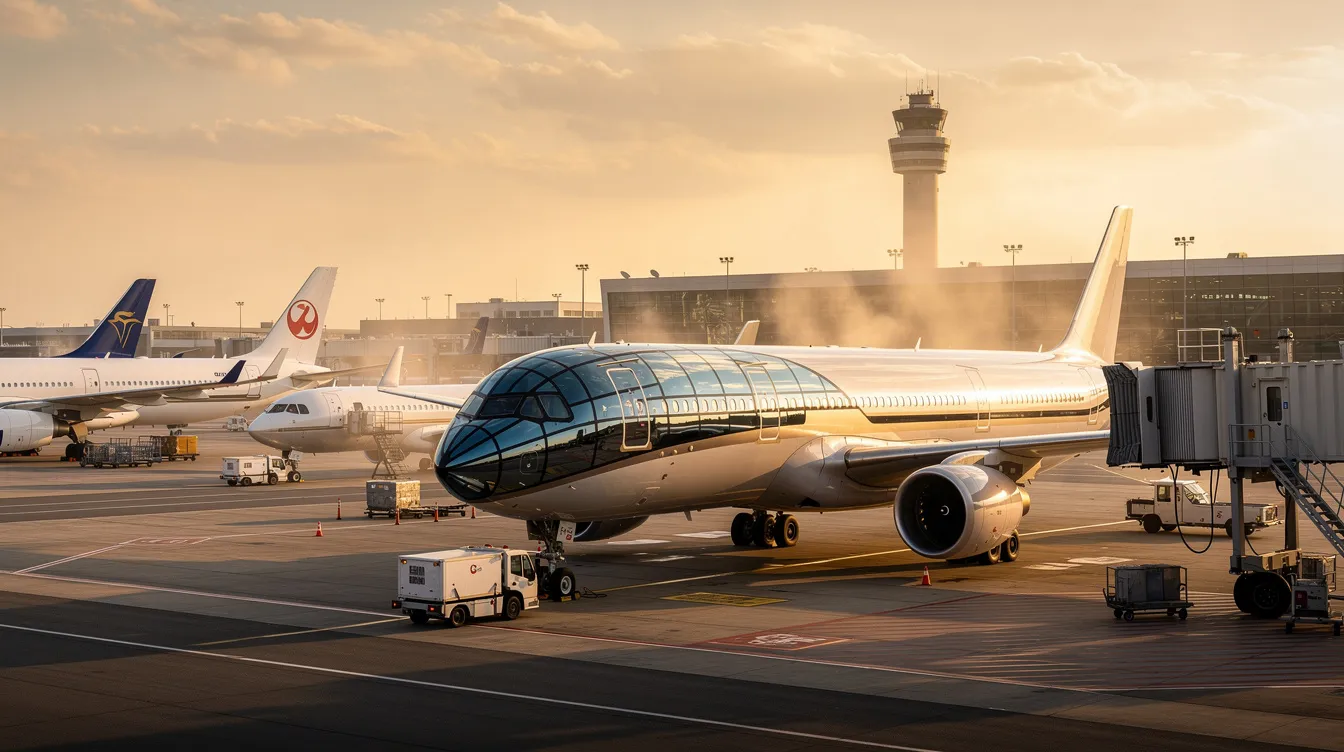
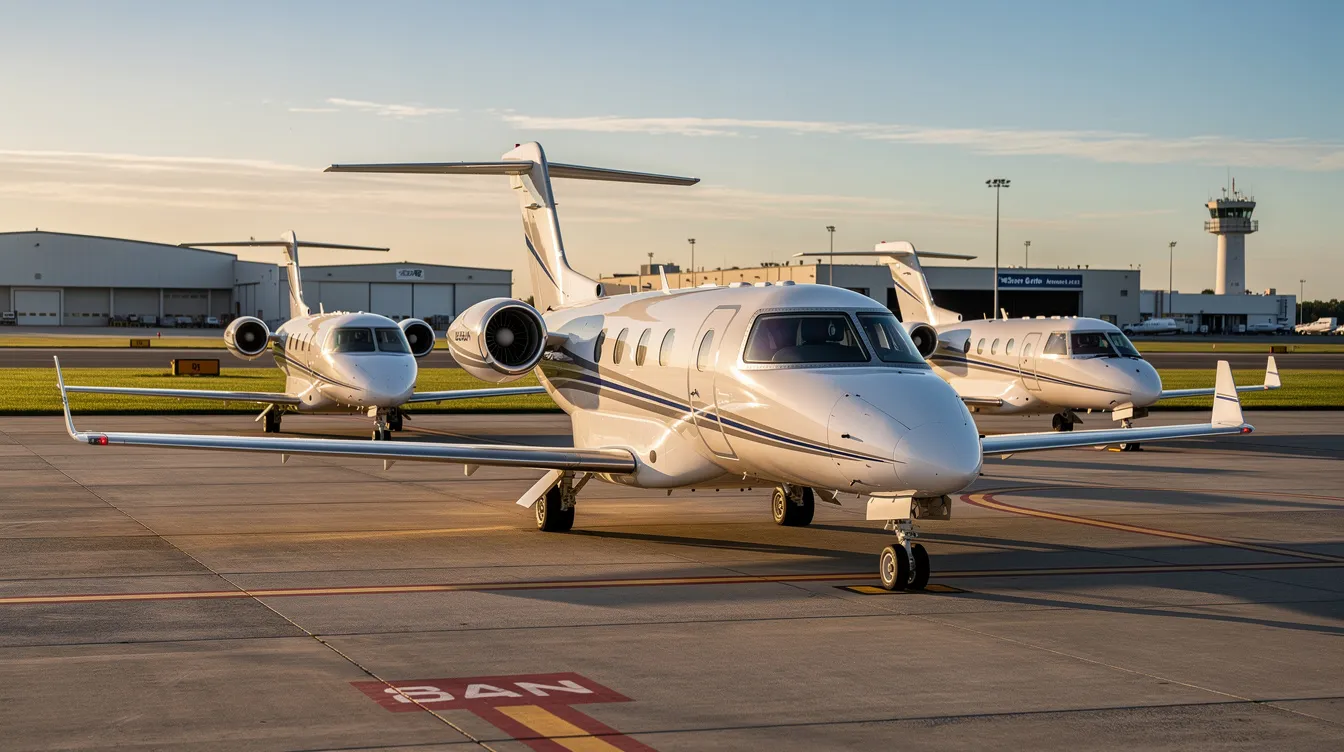
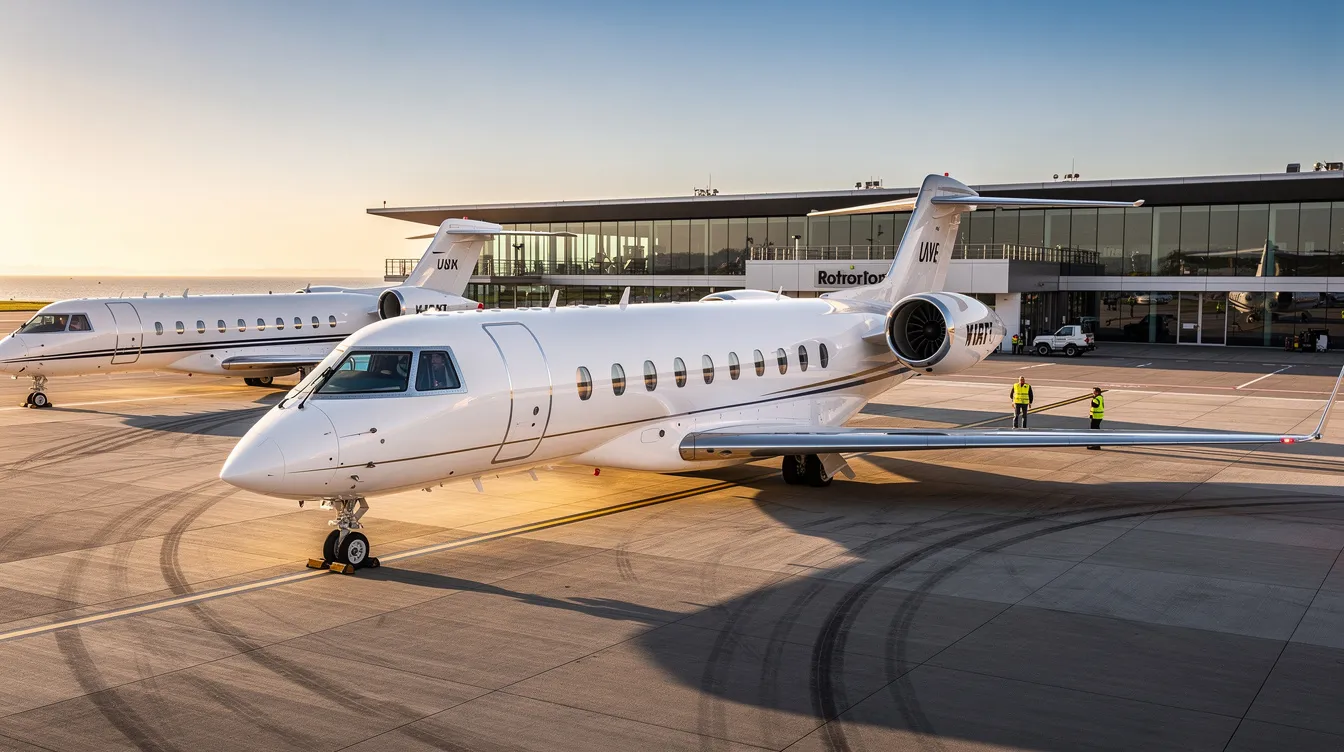
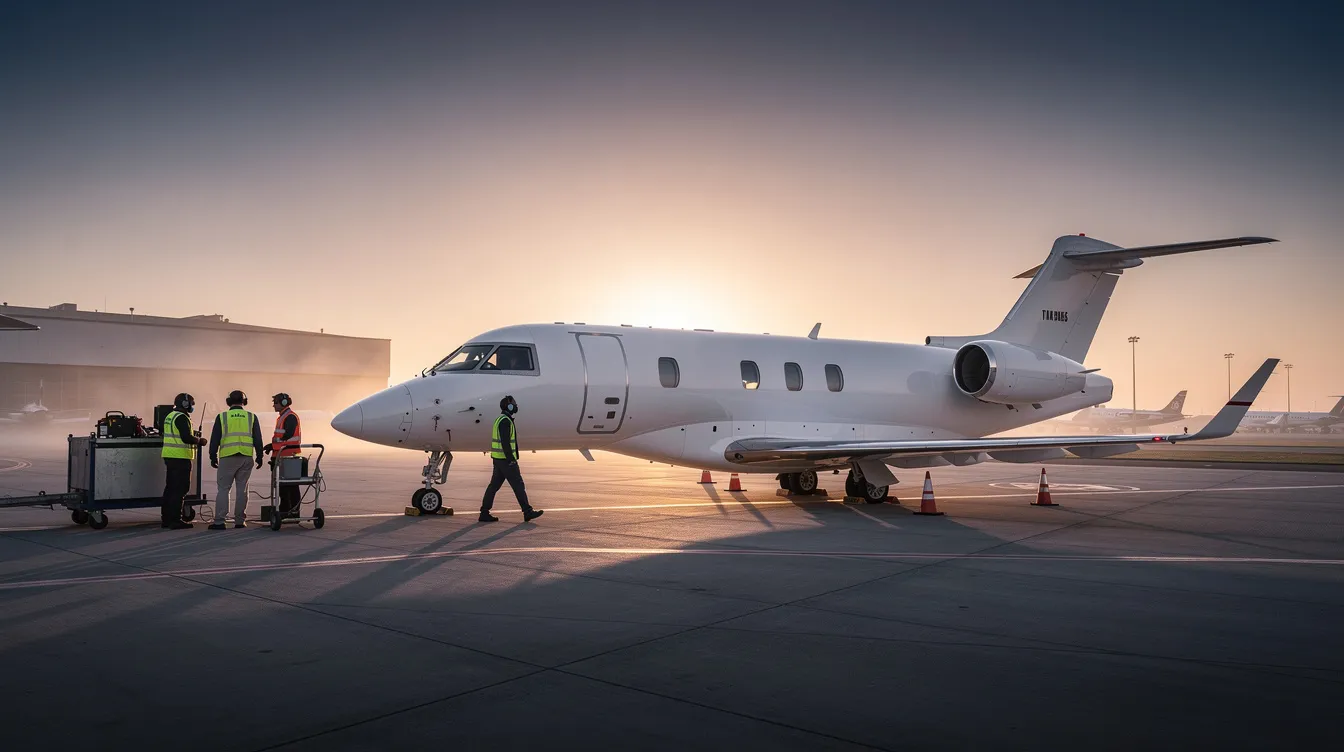
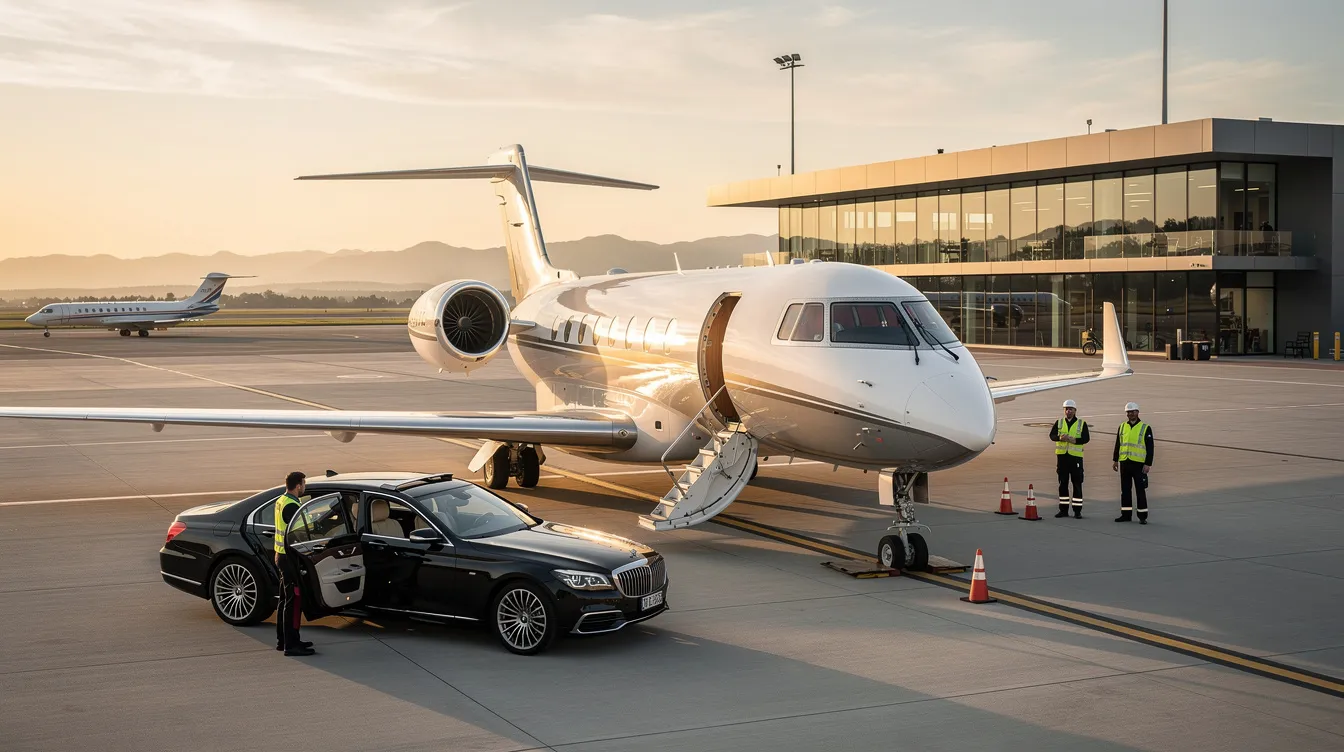
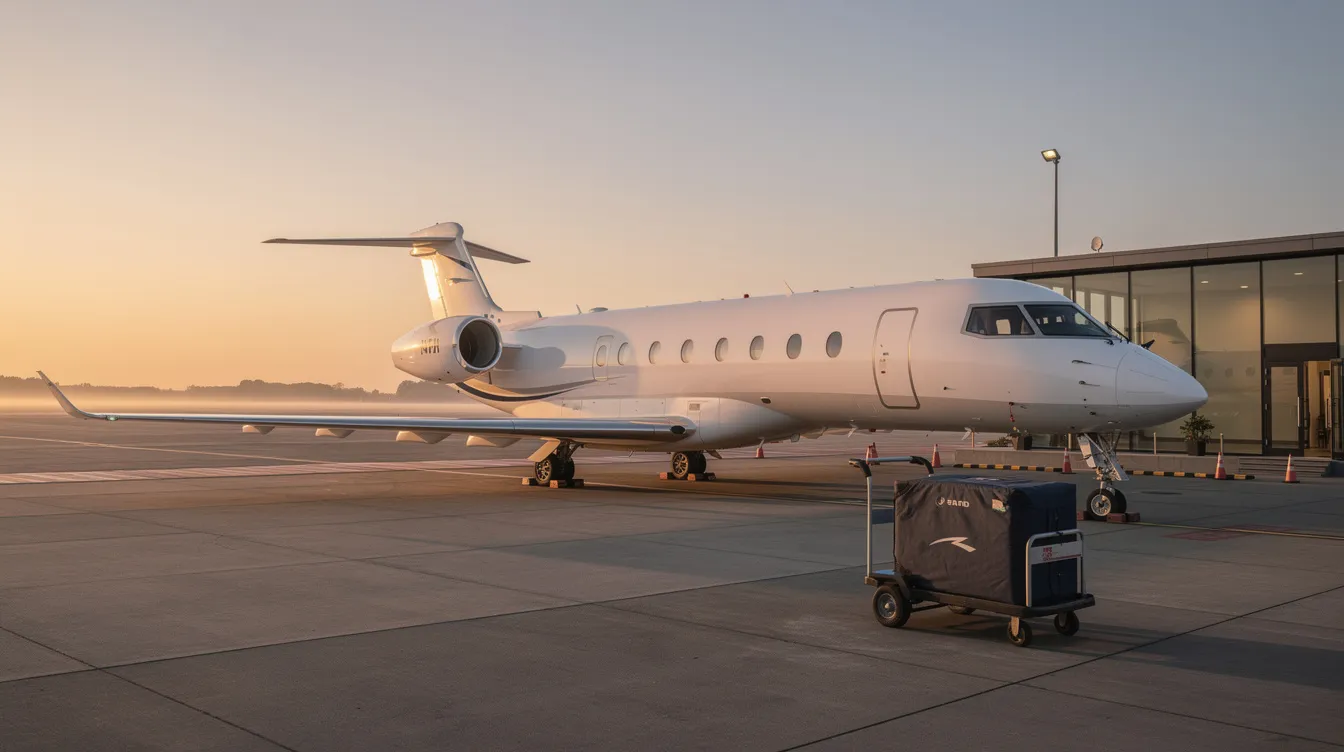
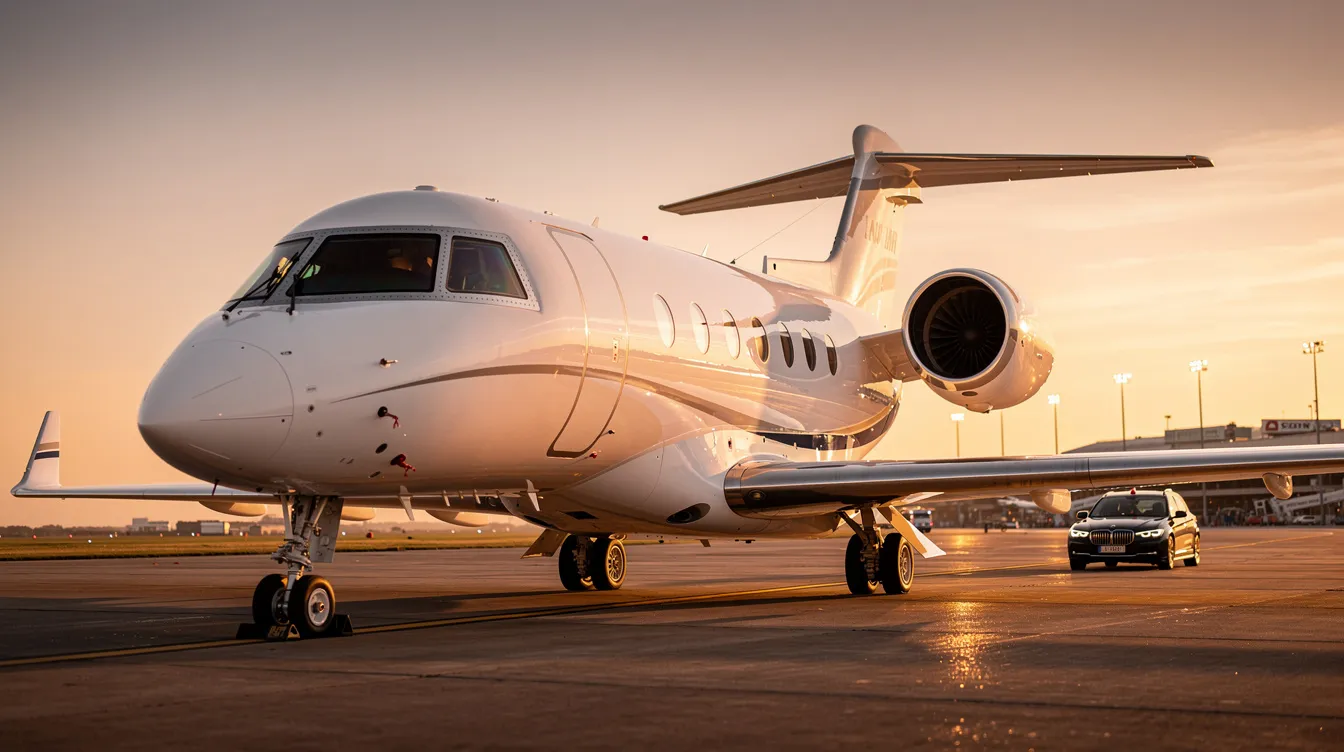
A large private jet is parked on a spacious airport ramp, surrounded by ground service vehicles that assist with maintenance and fuel costs. This scene reflects the operational aspects of aircraft ownership, highlighting the various ongoing expenses associated with private aviation.

Beyond the Sticker: True Cost of Aircraft Ownership Over Time

The purchase price is only the beginning. Aircraft ownership must be evaluated across the full spectrum of ongoing costs, depreciation, and capital employed.

Major cost categories include:

  • Fuel costs and oil

  • Maintenance costs and inspection costs

  • Hangar storage and insurance

  • Crew salaries and management fees

  • Navigation, landing, and handling charges

  • Capital depreciation

New jets can depreciate 30% to 40% in five years. For many aircraft, total 10-year ownership costs—including annual operating costs—can match or exceed the initial purchase price. Owning a plane can exceed $1 million annually in costs for turbine aircraft at moderate utilisation. Maintenance expenses typically represent 10% to 45% of annual operating costs, varying based on the type and age of the aircraft.

The ownership equation differs significantly for owner-pilots in single-engine planes versus corporate operators managing multi-engine planes or a fleet of large-cabin jets. Fixed costs for a private plane are borne regardless of how many hours the aircraft flies, which means utilisation is the critical lever.

BusinessJets.com's consulting practice routinely builds multi-year cost and value projections for prospective aircraft owners and fleet managers. Request a detailed cost model before committing to a specific type.

Typical Annual Operating Costs: Piston vs. Turbine Examples

The gap between piston aircraft and turbine operating costs is dramatic. Here are realistic 2026 snapshots:

Four-seat piston (~100 hours/year):

  • Fuel costs: $4,000–$8,000

  • Annual inspection: $750–$2,000

  • Maintenance: $500–$1,500

  • Hangar fees: $1,200–$8,400

  • Insurance: $800–$3,000

  • Total annual operating costs: $7,500–$25,000 before engine overhaul reserves

Fuel costs may account for 70% of variable operational costs in piston aircraft. Annual inspection costs for small planes range from $750 to $2,000.

Light jet or turboprop (~150–250 hours/year):

  • Fixed expenses (crew, hangar, insurance, pilot training, management): $200,000–$500,000/year

  • Variable operational costs: $2,000–$4,000 per flight hour

  • Total yearly operating expenses: $300,000–$700,000+ depending on utilisation

Large cabin jet (~300–500 hours/year):

  • All-in hourly operating costs: $5,000–$8,000+ per hour flown

  • Annual costs: $2M–$5M including crew management, fuel burn, reserves, and recurring costs

BusinessJets.com provides type-specific cost benchmarks during an appraisal or acquisition mandate so clients see realistic figures before signing a purchase agreement.

Major Ongoing Expenses Aircraft Owners Must Plan For

Success in aircraft ownership depends on planning for ongoing expenses, not just securing financing for the purchase price.

Fixed costs:

  • Hangar or tie-down fees ($300–$1,500/month for smaller aircraft; significantly more for jets)

  • Insurance premiums (scaled to hull value, pilot experience, and usage profile)

  • Required annual inspections and recurring maintenance checks

  • Subscriptions (charts, weather, avionics database updates)

  • Aircraft rental of hangar space or management retainers

Variable costs:

  • Fuel costs and oil (the dominant variable line item)

  • Landing and handling charges, de-icing, navigation fees

  • Wear items: tyres, brakes, consumables

Engine and component reserves:

  • Piston engine overhauls: $25,000–$40,000

  • Turbine engines on large cabin jets: $300,000–$3M+ per engine at overhaul

  • Life-limited components require mandatory retirement regardless of condition

The aircraft market is characterised by high demand, constrained supply, and ageing fleets. Strong global travel demand keeps current-generation aircraft values high. Market trends indicate recent volatility with potential demand growth for pre-owned aircraft. Airlines often prioritise fuel-efficient aircraft to lower operating costs, and this efficiency focus influences resale values for private aviation as well.

Aircraft owners benefit from maintaining meticulous logbooks and documentation to control depreciation and preserve resale value when it is time to sell via a broker such as BusinessJets.com.

Upgrades, Avionics, and Modernisation: How They Affect Plane Price

Modern avionics upgrades and interior improvements can materially impact both acquisition price and residual value.

Common 2026 upgrade cost ranges:

Upgrade Type

Piston / Turboprop

Business Jet

ADS-B Out / WAAS GPS

$2,500–$6,000

$15,000–$50,000

Glass cockpit conversion

$15,000–$50,000

$100,000–$500,000+

Full avionics upgrades

$50,000–$150,000

$300,000–$1M+

Interior refurbishment

$5,000–$15,000

$300,000–$1M+

A used airframe with recent avionics upgrades often commands a significant premium over a similar aircraft with outdated panels. However, over-capitalising an older jet—spending more on upgrades than the market will return—can reduce financial sense.

Buyers should compare "buy newer used aircraft with upgrades already installed" versus "buy older and upgrade" scenarios using neutral appraisal data. Additional costs for upgrades must be weighed against the value differential at resale.

BusinessJets.com provides valuation opinions that account for avionics condition, interior quality, total airframe hours, and remaining engine time when advising clients on offers and asking prices.

Ownership, Fractional Ownership, or Charter: What Makes Financial Sense?

The right access model depends on annual flight hours, route patterns, appetite for asset risk, and willingness to manage crew and ongoing costs.

Full aircraft ownership makes sense when:

  • Usage exceeds roughly 150–250 hours per year on consistent routes

  • Schedule control and aircraft configuration are priorities

  • Ownership provides control over maintenance and scheduling

Fractional ownership offers:

  • Lower entry purchase price than whole ownership

  • Monthly management fees and hourly charges

  • Long-term contractual obligations and repositioning costs

Charter or jet cards suit travel ownership—insurance:

  • Chartering is often cheaper for flying under 150 hours yearly; users avoid depreciation risk associated with ownership

  • Access to multiple aircraft types without fixed expenses or storage costs

Most buyers should run the numbers carefully. For a private jet used under 150 hours annually, the ongoing expenses of full ownership-insurance premiums, hangar storage, crew salaries, and future maintenance costs-are poorly absorbed and drive per-hour costs far above charter alternatives. An insurance company underwriting a lightly used jet still charges substantial premiums regardless of utilisation.

BusinessJets.com does not sell fractional programs or jet cards. Instead, the firm helps clients objectively compare these options to whole aircraft ownership so you can save money and reduce costs by choosing the model that fits.

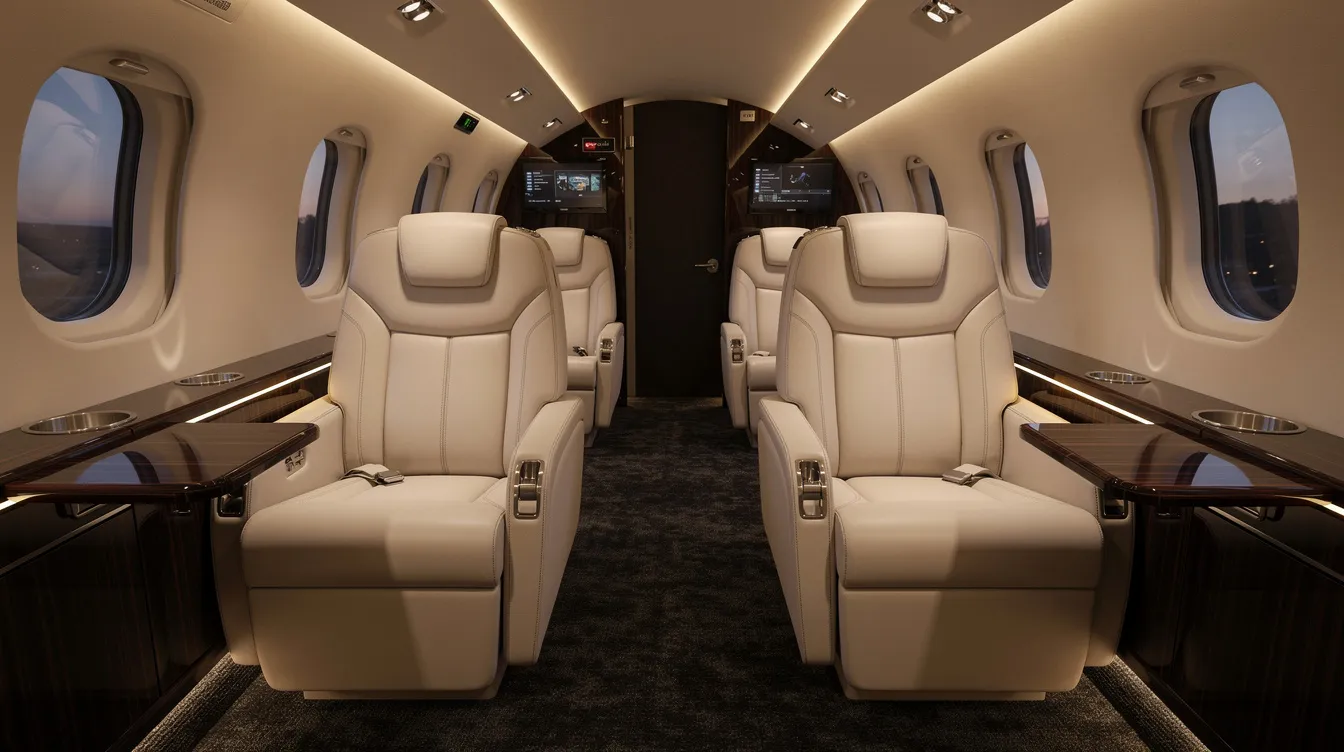
The image depicts the interior of a luxurious business jet cabin, featuring plush leather seats arranged around a polished work table, ideal for both business purposes and personal recreation. This private jet setting highlights the importance of aircraft ownership, showcasing the comfort and amenities that come with the total yearly operating expenses of such specialized planes.

How BusinessJets.com Helps You Navigate Plane Prices and Ownership Decisions

BusinessJets.com serves as a discreet, experienced partner for aircraft acquisition, disposition, and valuation. With over 1,500 completed transactions and 5,000+ satisfied customers, the team supports every phase of the ownership lifecycle.

Acquisition support: Market scans, aircraft shortlists, comparative pricing, offer strategy, and negotiation. Whether you are evaluating ultralight aircraft, piston singles, or large cabin jets, the process starts with accurate data.

Independent valuation and appraisals: Private jet appraisals prevent overpayment, manage lender expectations, and plan exit values for fleet managers. Every appraisal accounts for aircraft condition, engine program status, and market comparables.

Consulting for operators and flight departments: Fleet strategy, replacement timing, trade-off analysis between categories, and total cost of ownership modelling.

Ready to take the next step?

Frequently Asked Questions About Plane Prices and Ownership Costs

These FAQs address practical questions that come up frequently among corporate buyers, high-net-worth individuals, and operators evaluating plane costs in 2026.

How quickly do private planes depreciate in 2026?

Most business aircraft lose roughly 20–40% of their value in the first 5–10 years. The depreciation curve is steepest for factory-new light jets and large cabin jets loaded with first-generation technology. Well—maintained aircraft on engine and maintenance subscriptions with clean histories retain value better than off-program peers. BusinessJets.com uses transaction comparables and fleet data to model expected residual values when advising on hold periods and replacement timing.

How can I estimate annual operating costs before I buy?

Combine estimated fixed costs-hangar, insurance, crew, management, subscriptions-with variable cost per flight hour multiplied by expected annual hours. For small pistons, total yearly operating expenses often run $8,000–$20,000 at 100 hours. Turboprops and light jets can climb into the $300,000–$700,000+ annual range depending on utilisation and how many hours are required—minimums per year. BusinessJets.com builds type-specific pro forma standards, additional costs, inspection costs, reserves, and utilisation scenarios.

Is financing common for business aircraft, and how does it affect total cost?

Many corporate and private buyers finance aircraft, especially in the $3M–$30M band. Interest expense and lender requirements-minimum hull value, maintenance program enrollment, documentation standards-add to the total cost of aircraft ownership. Financing can also influence which aircraft make financial sense by requiring certain program commitments. Buyers should coordinate between lenders, tax advisors, and an aviation consultant like BusinessJets.com to align financing with usage and exit strategy.

When should I consider upgrading instead of replacing my aircraft?

Avionics upgrades, current refurbishment, and engine overhauls can extend replacement—but total upgrade spend must be compared carefully to the cost of trading into a newer aircraft. If combined upgrade budgets approach 40–60% of the value of a desirable newer model, a sale and replacement is usually more efficient. BusinessJets.com can provide side-by-side valuations-current aircraft after upgrades versus a younger replacement-to support this decision.

Does it ever make sense to own a large cabin jet if I fly under 150 hours per year?

Rarely from a pure cost standpoint. Large cabin jets carry high fixed expenses that are poorly absorbed at low utilisation. For most individuals and companies, large cabin jets only make financial sense at higher utilisation or when schedule control and branding outweigh pure cost considerations. Infrequent flyers often combine charter, membership, or fractional ownership for long-range missions. Speak with BusinessJets.com to compare whole ownership of large cabin jets versus access models using realistic cost and utilisation assumptions.

Conclusion: Making Informed Decisions on Plane Prices and Ownership

Understanding the true cost of aircraft ownership goes far beyond the initial purchase price. Buyers must consider ongoing expenses such as maintenance, fuel, insurance, hangar fees, and crew management, which can cumulatively equal or exceed the acquisition cost over time. Market factors like demand, supply constraints, aircraft condition, and upgrades also heavily influence pricing and residual values.

For prospective owners flying fewer than 150 hours annually, alternative access models such as fractional ownership or charter services often provide better financial efficiency and flexibility. Conversely, full ownership suits operators with consistent usage patterns who value control over scheduling and customisation.

BusinessJets.com offers expert guidance and comprehensive market insights to help buyers, sellers, and operators navigate these complex decisions. From accurate appraisals and acquisition support to fleet strategy consulting, the firm’s experience with over 1,500 transactions ensures clients make well-informed choices aligned with their operational and financial goals.

Whether you are entering private aviation for the first time or upgrading your fleet, partnering with a trusted advisor like BusinessJets.com can optimise your investment and ownership experience.

Ready to take the next step? Request an aircraft appraisal, explore available aircraft for sale, or engage BusinessJets.com for aviation consulting to confidently navigate the 2026 market.

Plane Prices in 2026: What It Really Costs to Buy and Operate an Aircraft
Jay Franco Ser

The gap between what a plane costs on paper and what it costs to actually own one is where most buyers get surprised. Whether you are shopping for a two-seat trainer or a transcontinental large-cabin jet, understanding 2026 aircraft prices, annual operating costs, and long-term ownership economics is essential before committing capital. This guide breaks down real numbers across every major category so you can make an informed decision.

Key Takeaways

  • Aircraft prices vary dramatically based on size and category: used trainers start around $15,000, modern four-seat pistons range $70,000–$300,000, new single-engine pistons approach $1 million, turboprops fall between $1M–$6M, light jets run $3M–$12M, and large cabin jets can exceed $75 million.

  • Over a 5–10 year window, fuel costs, inspection costs, maintenance, insurance, crew management, and hangar fees can equal or surpass the initial purchase price.

  • Aircraft owners should consider total cost of ownership, including maintenance and utilisation

    • Aircraft owners should consider total cost of ownership, including maintenance and utilisation, not just the sticker price. Annual inspections for small planes cost between $750 and $2,000, while storage costs range from $50 to $600 monthly depending on location and type of storage. Insurance for small planes typically costs $800 to $3,000 annually. Taken together, annual ownership costs for small planes average $8,000 to $12,000 before factoring in engine reserves. Fuel costs may account for up to 70% of variable operational expenses.

    • Aircraft prices vary dramatically based on size and category. For example, used Cessna 150s cost between $15,000 and $80,000 in 2026, while new single-engine pistons like the Cirrus SR22 range from $600,000 to $1,000,000. Light jets range from $3 million used to $12 million new, and large business jets can exceed $75 million in price. New jets can depreciate 30% to 40% within five years.

    • Factors influencing aeroplane pricing include aircraft design, market demand, manufacturing costs, and customisation. Airlines often negotiate substantial discounts for large fleet orders, and interior outfitting can significantly increase an aircraft's price.

    • The aircraft market is characterised by high demand, constrained supply, and ageing fleets. Strong global travel demand keeps current-generation aircraft values high, and market trends indicate recent volatility with potential demand growth for pre-owned aircraft. Airlines prioritise fuel-efficient aircraft to lower operating costs, which also influences resale values.

    • Pre-purchase inspections for planes typically cost between $1,000 and $3,000 and are essential to uncover hidden defects and avoid costly repairs.

    • Pilot training is an important consideration for owner-pilots. Private Pilot License training costs range from $10,000 to $20,000, with most students logging 50 to 70 flight hours for certification. Additional ratings such as instrument or multi-engine can add $5,000 to $12,000 each.

    • Owning a plane can exceed $1 million annually in costs for turbine aircraft at moderate utilisation, including fuel, maintenance, insurance, crew salaries, and hangar fees. Chartering is often cheaper for flying under 150 hours yearly and avoids depreciation risk associated with ownership. However, ownership provides control over maintenance and scheduling.

    • Commercial aircraft prices depend heavily on size, seating capacity, range, and engine technology. Production volume and economies of scale lower per-unit baseline costs. Manufacturers do not officially publish up-to-the-minute list prices. The commercial aircraft market is dominated by a duopoly of Boeing and Airbus, with manufacturing relying on thousands of suppliers producing specialised components.

    BusinessJets.com leverages this market knowledge and real-time transaction data to help clients accurately value aircraft, model total cost of ownership, and choose the right acquisition or disposition strategy, not just the sticker number.

  • For buyers flying under 150 hours per year, fractional ownership or charter access often makes more financial sense than whole aircraft ownership.

  • BusinessJets.com helps buyers and aircraft owners model total yearly operating expenses and determine whether full ownership, fractional ownership, or alternative access is the right fit.

What Does a Plane Cost in 2026? Fast Overview by Aircraft Type

The short answer: anywhere from $15,000 to well over $300 million. Here are realistic 2026 price bands by category:

  • Used two-seat trainers: $15,000–$80,000 (used Cessna 150s cost $15,000 to $80,000 in 2026)

  • Four-seat piston singles: $70,000–$300,000 used; newer used aircraft with modern avionics and low engine time push prices higher

  • New single-engine pistons: New single-engine pistons like the Cirrus SR22 cost $600,000 to $1,000,000, with the SR22 G7+ turbo variants exceeding $1.15 million

  • Turboprops: $1M–$6M for most pre-owned singles and twins; new models up to $9M+

  • Very light jets: $1M–$3M used; $3M–$7M new

  • Light jets: Light jets range from $3 million used to $12 million new

  • Super-midsize jets: $13M–$30M depending on age and configuration

  • Large cabin jets: Large business jets can exceed $75 million in price; flagships like the Gulfstream G700 list near $79M

  • VIP airliners / Bizliners: $90M–$300M+ with full cabin completions

Aircraft prices depend on age, maintenance history, and upgrades. Factors influencing aeroplane pricing include aircraft design, market demand, and manufacturing costs. Within each band, the spread between a run-out, off-program airframe and a low-time, program-enrolled example can be 40–60% or more.

BusinessJets.com uses real-time transaction data and over 1,500 completed deals to benchmark fair market value before a client makes an offer.

Entry-Level Pistons and Trainer Aircraft: The Cheapest Way into Aircraft Ownership

Most private pilot journeys and first-time aircraft ownership experiences start with piston singles. Whether the mission is personal recreation, flight instruction, recreational flying, or short-haul business purposes, small planes remain the most accessible path into private aviation.

Here are specific 2026 used price examples for small aircraft:

Aircraft

Typical Used Price Range

Cessna 150/152

$15,000–$60,000

Cessna 172

$70,000–$220,000

Piper PA-28 series

$60,000–$180,000

Vintage types (Stinson 108, Ercoupe)

$25,000–$50,000

Cirrus SR22 (early G1/G2)

$190,000–$350,000

For any small plane purchase, engine time to overhaul, corrosion, and condition of logbooks affect aircraft condition and pricing far more than cosmetic paint or upholstery. A thorough pre-purchase inspection is non-negotiable: pre-purchase inspections for planes cost $1,000 to $3,000, and annual inspections for small planes cost $750 to $2,000.

Storage costs for small planes range from $50 to $600 monthly depending on tie-down versus hangar storage at rural airports or urban facilities. Insurance for small planes typically costs $800 to $3,000 annually. Taken together, annual owner ratings—instrument and multi-engine—can be $8,000 to $12,000 before engine reserves.

Buyers new to the market should also budget for pilot training. Private Pilot License training costs range from $10,000 to $20,000, and most students log 50 to 70 flight hours for certification. The curriculum includes ground school and flight instruction. Additional ratings-instrument, multi-engine-can add $5,000 to $12,000 each. A pilot institute or flight school can advise on requirements, and obtaining a pilot's license before a purchase helps buyers make more informed decisions about which aircraft fits their mission.

BusinessJets.com appraisals are useful even for entry-level purchases, especially where financing or partnership structures are involved. Accurate valuation protects both parties.

From Turboprops to Light Jets: Stepping Up in Speed, Range, and Price

As mission distance, payload, and schedule demands increase, buyers flying beyond the piston envelope move into turboprops and then light jets. This is where plane costs begin to scale significantly.

2026 pricing ranges:

  • Single-engine turboprops (Pilatus PC-12, Daher TBM): $4.8M–$9.3M new; $1.5M–$5.75M used

  • Twin turboprops (King Air 200/350 family): $1.65M–$6.5M used; newer production models up to $7.9M

  • Very light jets: $1M–$3M pre-owned; $3M–$7M new

  • Light jets (Phenom 300E, Citation CJ4): $9M–$13M new; $3M–$9M used

Light jets represent a meaningful step up in both capability and cost. Commercial aircraft prices depend heavily on size, seating capacity, range, and engine technology, and this applies to business aircraft as well. Production volume and economies of scale lower per-unit baseline costs for popular models, which is why types with strong production runs like the Phenom 300 series hold value well.

Purchase price spreads within each type reflect avionics suites, cabin refurbishment dates, engine program enrollment, and whether the aircraft has been used privately or on charter. Operating costs jump substantially: higher fuel costs, more complex routine maintenance, and in many cases the need for professional crews and crew management.

BusinessJets.com often helps corporate buyers compare several models side by side, including expected annual operating costs and residual value forecasts.
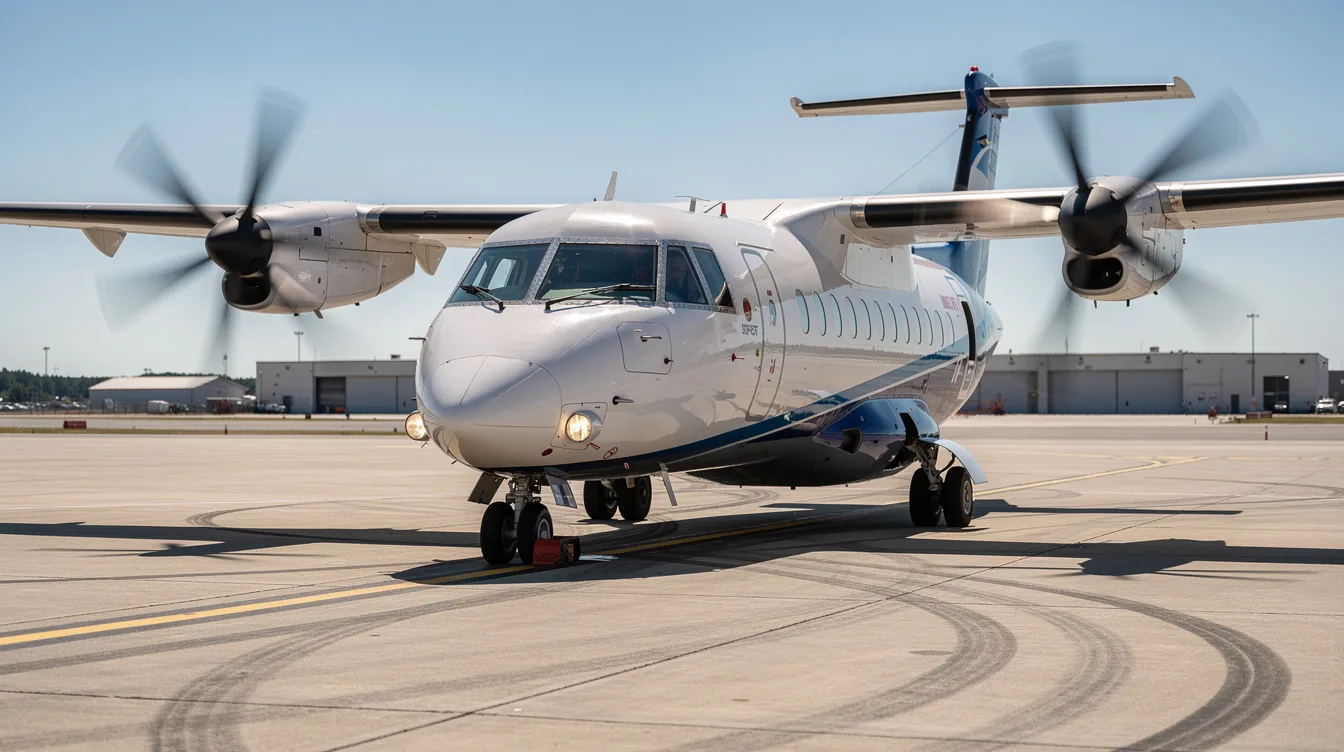
A twin-engine turboprop aircraft is taxiing on an airport tarmac under clear skies, showcasing its sleek design and modern avionics upgrades. This small plane is often associated with private aviation, highlighting considerations such as ownership costs and ongoing expenses for aircraft owners.

Large Cabin Jets and Bizliners: High Capacity, High Cost

Large cabin jets and bizliners serve corporations, governments, and family offices flying intercontinental missions where schedule control, passenger capacity, and cabin productivity justify the overall cost. These are specialized planes built for a specific set of demands.

2026 price ranges:

Category

New List Price

Used Price Range

Super-midsize (Challenger 3500, Praetor 600)

$24M–$30M

$13M–$22M

Large cabin (Gulfstream G650ER, Global 6000)

$55M–$80M+

$15M–$40M

VIP airliners (Airbus ACJ319 and similar ACJ platforms, BBJ with completions)

$90M–$300M+

Varies widely

New aircraft pricing in the commercial and VIP segment ranges from $80 million to over $400 million. Commercial aircraft markets are dominated by a duopoly—VIPeing and Airbus — and aircraft manufacturing relies on thousands of suppliers producing specialised components. Manufacturers do not officially publish up-to-the-minute list prices, and airlines routinely negotiate substantial discounts for large fleet orders. Customisation and interior outfitting can significantly increase an aircraft's price-VIP completion work alone on a narrowbody platform can cost $30M–$80M. High-net-worth travellers flying to major hubs such as Paris by private jet charter often select these wide-cabin aircraft specifically for their bespoke interiors and long-range capability.

Hourly operating costs for large cabin jets can exceed $8,000 per flight hour, with annual operating costs often in the $2M–$5M range for heavy use. Professional crews, hangar fees, insurance premiums, and heavy maintenance inspections drive these numbers.

BusinessJets.com supports buyers with detailed ownership models, from crew management planning to negotiating maintenance program transfers during acquisition.

A large private jet is parked on a spacious airport ramp, surrounded by ground service vehicles that assist with maintenance and fuel costs. This scene reflects the operational aspects of aircraft ownership, highlighting the various ongoing expenses associated with private aviation.

Beyond the Sticker: True Cost of Aircraft Ownership Over Time

The purchase price is only the beginning. Aircraft ownership must be evaluated across the full spectrum of ongoing costs, depreciation, and capital employed.

Major cost categories include:

  • Fuel costs and oil

  • Maintenance costs and inspection costs

  • Hangar storage and insurance

  • Crew salaries and management fees

  • Navigation, landing, and handling charges

  • Capital depreciation

New jets can depreciate 30% to 40% in five years. For many aircraft, total 10-year ownership costs—including annual operating costs—can match or exceed the initial purchase price. Owning a plane can exceed $1 million annually in costs for turbine aircraft at moderate utilisation. Maintenance expenses typically represent 10% to 45% of annual operating costs, varying based on the type and age of the aircraft.

The ownership equation differs significantly for owner-pilots in single-engine planes versus corporate operators managing multi-engine planes or a fleet of large-cabin jets. Fixed costs for a private plane are borne regardless of how many hours the aircraft flies, which means utilisation is the critical lever.

BusinessJets.com's consulting practice routinely builds multi-year cost and value projections for prospective aircraft owners and fleet managers. Request a detailed cost model before committing to a specific type.

Typical Annual Operating Costs: Piston vs. Turbine Examples

The gap between piston aircraft and turbine operating costs is dramatic. Here are realistic 2026 snapshots:

Four-seat piston (~100 hours/year):

  • Fuel costs: $4,000–$8,000

  • Annual inspection: $750–$2,000

  • Maintenance: $500–$1,500

  • Hangar fees: $1,200–$8,400

  • Insurance: $800–$3,000

  • Total annual operating costs: $7,500–$25,000 before engine overhaul reserves

Fuel costs may account for 70% of variable operational costs in piston aircraft. Annual inspection costs for small planes range from $750 to $2,000.

Light jet or turboprop (~150–250 hours/year):

  • Fixed expenses (crew, hangar, insurance, pilot training, management): $200,000–$500,000/year

  • Variable operational costs: $2,000–$4,000 per flight hour

  • Total yearly operating expenses: $300,000–$700,000+ depending on utilisation

Large cabin jet (~300–500 hours/year):

  • All-in hourly operating costs: $5,000–$8,000+ per hour flown

  • Annual costs: $2M–$5M including crew management, fuel burn, reserves, and recurring costs

BusinessJets.com provides type-specific cost benchmarks during an appraisal or acquisition mandate so clients see realistic figures before signing a purchase agreement.

Major Ongoing Expenses Aircraft Owners Must Plan For

Success in aircraft ownership depends on planning for ongoing expenses, not just securing financing for the purchase price.

Fixed costs:

  • Hangar or tie-down fees ($300–$1,500/month for smaller aircraft; significantly more for jets)

  • Insurance premiums (scaled to hull value, pilot experience, and usage profile)

  • Required annual inspections and recurring maintenance checks

  • Subscriptions (charts, weather, avionics database updates)

  • Aircraft rental of hangar space or management retainers

Variable costs:

  • Fuel costs and oil (the dominant variable line item)

  • Landing and handling charges, de-icing, navigation fees

  • Wear items: tyres, brakes, consumables

Engine and component reserves:

  • Piston engine overhauls: $25,000–$40,000

  • Turbine engines on large cabin jets: $300,000–$3M+ per engine at overhaul

  • Life-limited components require mandatory retirement regardless of condition

The aircraft market is characterised by high demand, constrained supply, and ageing fleets. Strong global travel demand keeps current-generation aircraft values high. Market trends indicate recent volatility with potential demand growth for pre-owned aircraft. Airlines often prioritise fuel-efficient aircraft to lower operating costs, and this efficiency focus influences resale values for private aviation as well.

Aircraft owners benefit from maintaining meticulous logbooks and documentation to control depreciation and preserve resale value when it is time to sell via a broker such as BusinessJets.com.

Upgrades, Avionics, and Modernisation: How They Affect Plane Price

Modern avionics upgrades and interior improvements can materially impact both acquisition price and residual value.

Common 2026 upgrade cost ranges:

Upgrade Type

Piston / Turboprop

Business Jet

ADS-B Out / WAAS GPS

$2,500–$6,000

$15,000–$50,000

Glass cockpit conversion

$15,000–$50,000

$100,000–$500,000+

Full avionics upgrades

$50,000–$150,000

$300,000–$1M+

Interior refurbishment

$5,000–$15,000

$300,000–$1M+

A used airframe with recent avionics upgrades often commands a significant premium over a similar aircraft with outdated panels. However, over-capitalising an older jet—spending more on upgrades than the market will return—can reduce financial sense.

Buyers should compare "buy newer used aircraft with upgrades already installed" versus "buy older and upgrade" scenarios using neutral appraisal data. Additional costs for upgrades must be weighed against the value differential at resale.

BusinessJets.com provides valuation opinions that account for avionics condition, interior quality, total airframe hours, and remaining engine time when advising clients on offers and asking prices.

Ownership, Fractional Ownership, or Charter: What Makes Financial Sense?

The right access model depends on annual flight hours, route patterns, appetite for asset risk, and willingness to manage crew and ongoing costs.

Full aircraft ownership makes sense when:

  • Usage exceeds roughly 150–250 hours per year on consistent routes

  • Schedule control and aircraft configuration are priorities

  • Ownership provides control over maintenance and scheduling

Fractional ownership offers:

  • Lower entry purchase price than whole ownership

  • Monthly management fees and hourly charges

  • Long-term contractual obligations and repositioning costs

Charter or jet cards suit travel ownership—insurance:

  • Chartering is often cheaper for flying under 150 hours yearly; users avoid depreciation risk associated with ownership

  • Access to multiple aircraft types without fixed expenses or storage costs

Most buyers should run the numbers carefully. For a private jet used under 150 hours annually, the ongoing expenses of full ownership-insurance premiums, hangar storage, crew salaries, and future maintenance costs-are poorly absorbed and drive per-hour costs far above charter alternatives. An insurance company underwriting a lightly used jet still charges substantial premiums regardless of utilisation.

BusinessJets.com does not sell fractional programs or jet cards. Instead, the firm helps clients objectively compare these options to whole aircraft ownership so you can save money and reduce costs by choosing the model that fits.
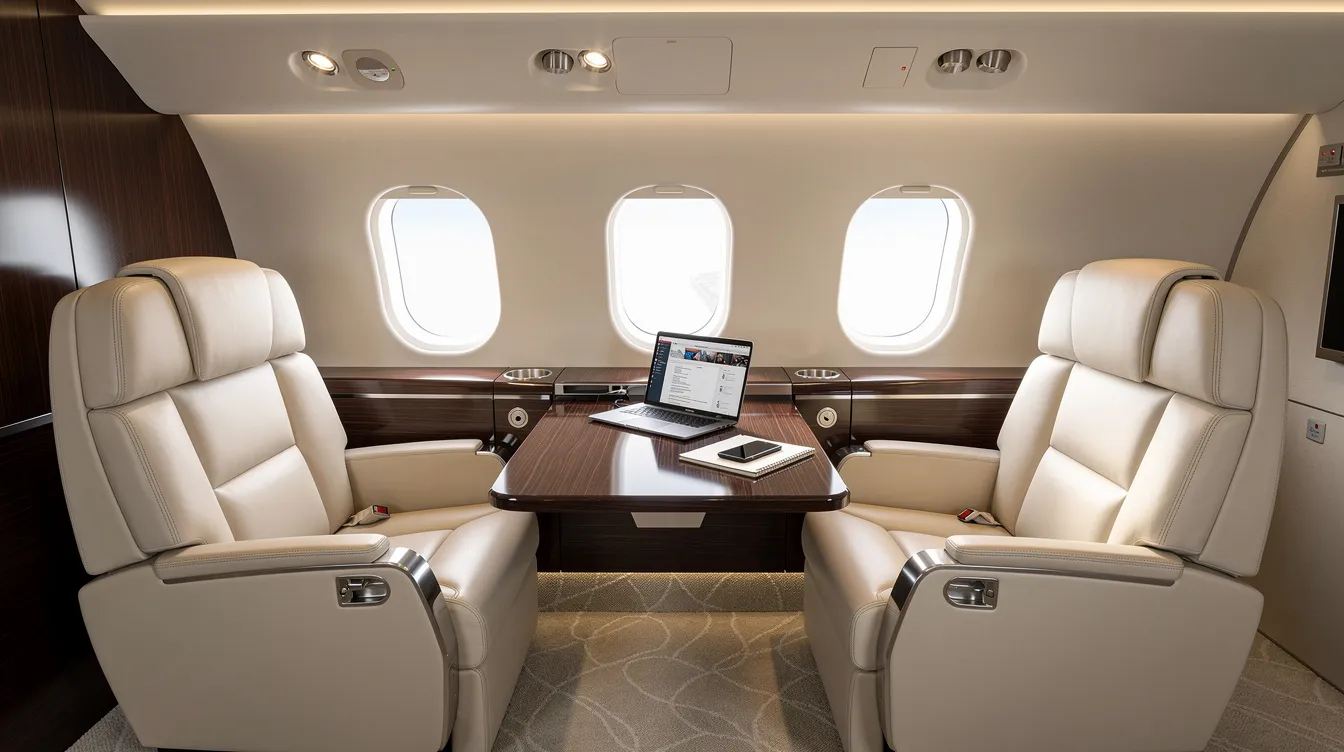
The image depicts the interior of a luxurious business jet cabin, featuring plush leather seats arranged around a polished work table, ideal for both business purposes and personal recreation. This private jet setting highlights the importance of aircraft ownership, showcasing the comfort and amenities that come with the total yearly operating expenses of such specialized planes.

How BusinessJets.com Helps You Navigate Plane Prices and Ownership Decisions

BusinessJets.com serves as a discreet, experienced partner for aircraft acquisition, disposition, and valuation. With over 1,500 completed transactions and 5,000+ satisfied customers, the team supports every phase of the ownership lifecycle.

Acquisition support: Market scans, aircraft shortlists, comparative pricing, offer strategy, and negotiation. Whether you are evaluating ultralight aircraft, piston singles, or large cabin jets, the process starts with accurate data.

Independent valuation and appraisals: Private jet appraisals prevent overpayment, manage lender expectations, and plan exit values for fleet managers. Every appraisal accounts for aircraft condition, engine program status, and market comparables.

Consulting for operators and flight departments: Fleet strategy, replacement timing, trade-off analysis between categories, and total cost of ownership modelling.

Ready to take the next step?

Frequently Asked Questions About Plane Prices and Ownership Costs

These FAQs address practical questions that come up frequently among corporate buyers, high-net-worth individuals, and operators evaluating plane costs in 2026.

How quickly do private planes depreciate in 2026?

Most business aircraft lose roughly 20–40% of their value in the first 5–10 years. The depreciation curve is steepest for factory-new light jets and large cabin jets loaded with first-generation technology. Well—maintained aircraft on engine and maintenance subscriptions with clean histories retain value better than off-program peers. BusinessJets.com uses transaction comparables and fleet data to model expected residual values when advising on hold periods and replacement timing.

How can I estimate annual operating costs before I buy?

Combine estimated fixed costs-hangar, insurance, crew, management, subscriptions-with variable cost per flight hour multiplied by expected annual hours. For small pistons, total yearly operating expenses often run $8,000–$20,000 at 100 hours. Turboprops and light jets can climb into the $300,000–$700,000+ annual range depending on utilisation and how many hours are required—minimums per year. BusinessJets.com builds type-specific pro forma standards, additional costs, inspection costs, reserves, and utilisation scenarios.

Is financing common for business aircraft, and how does it affect total cost?

Many corporate and private buyers finance aircraft, especially in the $3M–$30M band. Interest expense and lender requirements-minimum hull value, maintenance program enrollment, documentation standards-add to the total cost of aircraft ownership. Financing can also influence which aircraft make financial sense by requiring certain program commitments. Buyers should coordinate between lenders, tax advisors, and an aviation consultant like BusinessJets.com to align financing with usage and exit strategy.

When should I consider upgrading instead of replacing my aircraft?

Avionics upgrades, current refurbishment, and engine overhauls can extend replacement—but total upgrade spend must be compared carefully to the cost of trading into a newer aircraft. If combined upgrade budgets approach 40–60% of the value of a desirable newer model, a sale and replacement is usually more efficient. BusinessJets.com can provide side-by-side valuations-current aircraft after upgrades versus a younger replacement-to support this decision.

Does it ever make sense to own a large cabin jet if I fly under 150 hours per year?

Rarely from a pure cost standpoint. Large cabin jets carry high fixed expenses that are poorly absorbed at low utilisation. For most individuals and companies, large cabin jets only make financial sense at higher utilisation or when schedule control and branding outweigh pure cost considerations. Infrequent flyers often combine charter, membership, or fractional ownership for long-range missions. Speak with BusinessJets.com to compare whole ownership of large cabin jets versus access models using realistic cost and utilisation assumptions.

Conclusion: Making Informed Decisions on Plane Prices and Ownership

Understanding the true cost of aircraft ownership goes far beyond the initial purchase price. Buyers must consider ongoing expenses such as maintenance, fuel, insurance, hangar fees, and crew management, which can cumulatively equal or exceed the acquisition cost over time. Market factors like demand, supply constraints, aircraft condition, and upgrades also heavily influence pricing and residual values.

For prospective owners flying fewer than 150 hours annually, alternative access models such as fractional ownership or charter services often provide better financial efficiency and flexibility. Conversely, full ownership suits operators with consistent usage patterns who value control over scheduling and customisation.

BusinessJets.com offers expert guidance and comprehensive market insights to help buyers, sellers, and operators navigate these complex decisions. From accurate appraisals and acquisition support to fleet strategy consulting, the firm’s experience with over 1,500 transactions ensures clients make well-informed choices aligned with their operational and financial goals.

Whether you are entering private aviation for the first time or upgrading your fleet, partnering with a trusted advisor like BusinessJets.com can optimise your investment and ownership experience.

Ready to take the next step? Request an aircraft appraisal, explore available aircraft for sale, or engage BusinessJets.com for aviation consulting to confidently navigate the 2026 market.

Related Posts