Single Engine Planes for Sale: Expert Guide for Serious Buyers

Jay Franco Ser
September 4, 2026

The single-engine aircraft market in 2026 rewards informed buyers and punishes casual ones. Whether you are searching for a capable trainer, a cross-country composite, or a pressurized piston single that bridges the gap to turboprop ownership, this guide covers what matters: market dynamics, model-specific intelligence, valuation drivers, and the pre-buy process that protects your capital.

Key Takeaways

  • BusinessJets.com helps buyers and operators evaluate, acquire, or trade up from single-engine planes, with 1,500+ completed aircraft transactions informing our market advice and valuation methodology.

  • Today's single-engine piston aircraft cover missions from basic flight training to near-turboprop business travel, spanning models from the Cessna 172 to the Cirrus SR22T, Cessna TTx, and pressurized Piper M350.

  • Value depends far more on avionics currency (including ADS-B compliance), maintenance history, total time, damage history, and installed equipment than on model year alone.

  • Smart buyers combine market data, professional technical inspections, and experienced brokerage support to avoid overpaying or inheriting hidden maintenance liabilities.

  • Readers can engage BusinessJets.com for appraisals, listing their current aircraft for sale, or end-to-end acquisition support including financing strategy and timing.

Overview of the Single Engine Aircraft Market in 2026

Market Demand and Trends

Demand for single-engine planes for sale has remained resilient through 2025 and into 2026. Owner-pilots returning to flying post-pandemic, training organizations expanding fleets, and small businesses discovering the operational versatility of piston singles all contribute to an active marketplace. According to FAA aerospace forecasts, piston flight hours hit record highs in recent years, driven largely by training activity and personal flying.

Market Segmentation and Price Bands

The market splits into two tiers:

  • Legacy models: Cessna 172, Cessna 182, Piper PA-28 series, Mooney M20, and Beechcraft Bonanza dominate the lower price bands.

  • Modern composite designs: Cirrus aircraft, Diamond, and the discontinued Cessna TTx command stronger resale and higher acquisition costs.

Typical 2026 price bands look roughly like this:

  • Legacy trainers (Cessna 150-series, older PA-28s): sub-$150,000

  • Late-model piston singles (Cessna 182T, SR20, DA40NG): $300,000–$500,000

  • High-performance composites (SR22T, TTx, DA50 RG): $500,000–$800,000+

  • Near-new or pressurized singles (new SR22T G7, Piper M350): approaching or exceeding $1,000,000

Single-engine piston aircraft prices range broadly from around $115,000 to $785,000 on the used market, depending on type and condition. Currently, there are 1,876 single-engine piston aircraft listed for sale on Controller.com alone, with GlobalAir.com featuring another 513 listings. Geographic activity concentrates in the U.S. and Canada, with strong listing density in Texas, Florida, and California, plus growing interest across Europe.

BusinessJets.com Market Support

BusinessJets.com operates as a consulting-led partner helping buyers interpret these dynamics, whether choosing between aircraft purchases or timing a sale to maximize proceeds. Explore our Aircraft for Sale listings for current inventory.

Key Types of Single-Engine Piston Aircraft and Missions

A single-engine piston aircraft is a fixed-wing airplane powered by one reciprocating engine. Despite the simple definition, the category spans vastly different missions depending on airframe design, horsepower, and equipment. Single-engine aircraft ownership is common among private owners and flight schools due to the utility and versatility these planes offer. Single-engine aircraft generally carry a more affordable initial purchase price compared to multi-engine alternatives, and fewer instruments and simpler mechanics make single-engine planes easier to fly for pilots at various experience levels.

Mission Categories

  • Basic trainers: Cessna 152, Piper PA-28-140/160. Low horsepower (100–160 HP), fixed gear, ideal for flight training.

  • Touring and personal travel: Cessna 172S, Cirrus SR20, Diamond DA40NG. Cruise speeds of 120–170 KTAS, range of 600–800 NM, accommodating 2–4 passengers comfortably.

  • Utility and load-hauling: Cessna 182T, Cessna 206H/T206H. Higher useful load and payload capacity for cargo, floats, or backcountry operations.

  • High-performance cross-country: Cirrus SR22/SR22T, Mooney M20J/K, Bonanza A36. Speed-focused, turbocharged options, advanced avionics.

  • Pressurized piston singles: Piper M350 "Malibu Mirage." Cabin pressurization for cruise at FL250, bridging the gap before turboprops or light jets.

Matching Aircraft to Mission Profile

Single-engine aircraft can be used for training, personal travel, and business use. Most single-engine piston aircraft have strict weight limits affecting passenger and cargo capacities, so matching the airplane to your actual mission profile- runway conditions, range requirements, passenger count, and baggage needs- is essential.

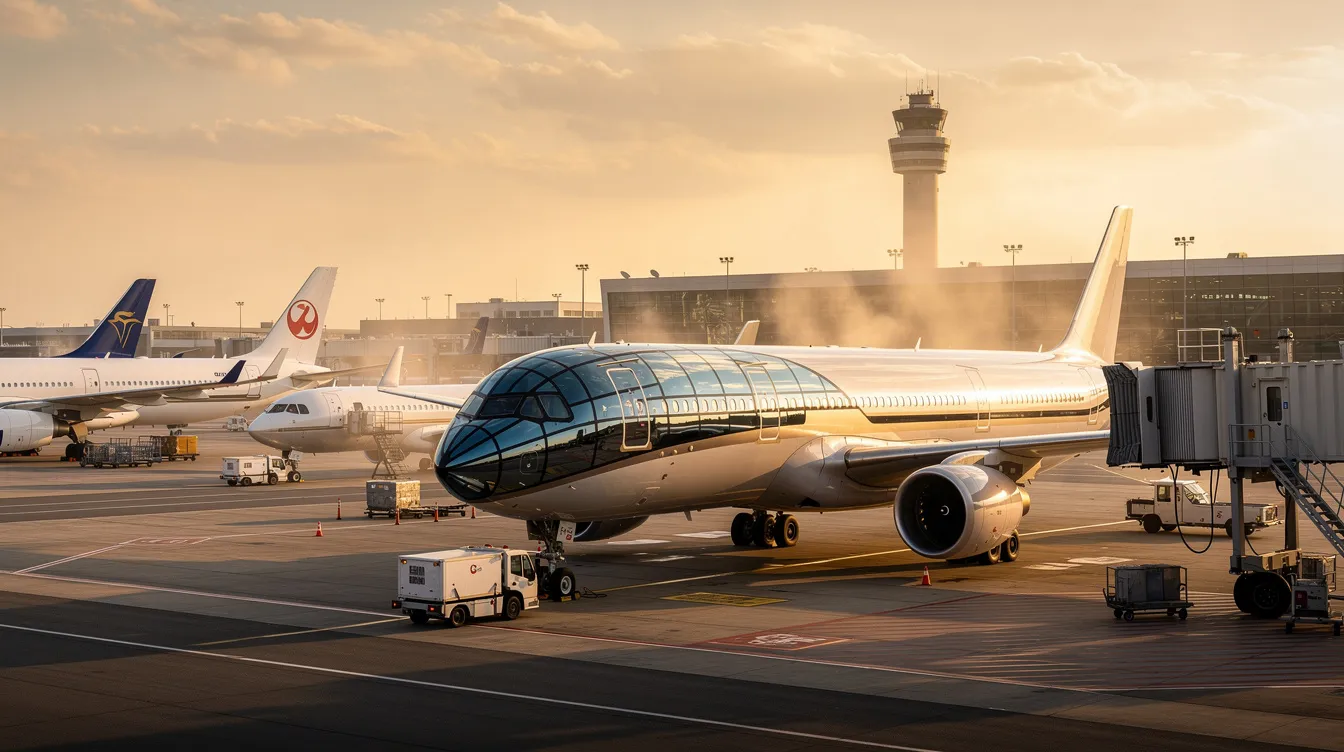
BusinessJets.com regularly advises owners moving up from a single-engine aircraft into a turboprop or light jet, and can benchmark when keeping or upgrading the piston single makes the most financial sense. For some clients, that long-term path includes evaluating larger cabin options like an Airbus ACJ319 private jet when mission requirements and budget justify the step.

Standout Single Engine Planes to Watch (SR22T, DA50 RG, TTx & More)

These are the models most frequently requested by BusinessJets.com clients in the 2024–2026 search cycle.

Cirrus SR22T (G6/G7)

The Cirrus SR22T is a top choice for general aviation. It delivers 180–213 KTAS cruise, 800–1,000 NM real-world range, and carries the Cirrus Airframe Parachute System (CAPS) as standard safety equipment. The G7 line adds Safe Return autoland and Perspective Touch+ avionics with touchscreen controllers. The median used asking price sits around $693,000; a new 2025 G7 GTS lists near $1,270,000. This airplane continues to turn heads among aviators who prioritize both performance and safety.

Diamond DA50 RG

The 2024 Diamond DA50 RG entered the U.S. market in 2024, bringing a Jet-A-powered Continental CD-300 engine, retractable gear, five seats, and cruise around 181 KTAS with fuel burn near 8 GPH at economy settings. Its efficiency and Jet-A flexibility appeal to pilots wanting turboprop-like operating economics in a piston single airframe.

Cessna TTx

Discontinued in 2018, the Cessna TTx remains relevant among speed-focused buyers. Its 310 HP turbocharged Continental engine pushes 230+ KTAS, paired with Garmin G2000 avionics. Used asking prices range from $439,000 to $695,000, with average sold prices trending near $639,000.

Piper M350

The only pressurized single-engine piston aircraft commonly on the market, the M350 delivers cruise at FL250 with G1000 NXi three-screen avionics and cabin features that bring the experience closer to a small jet than a traditional plane.

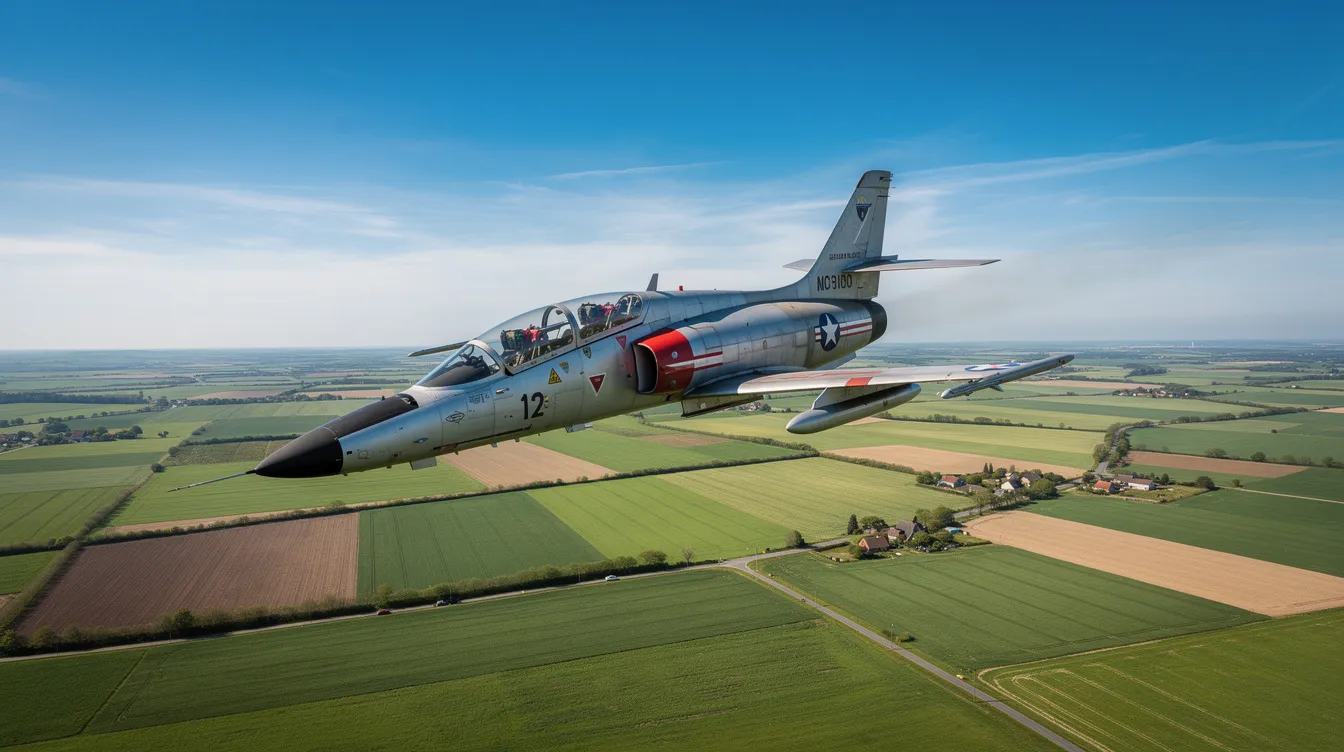
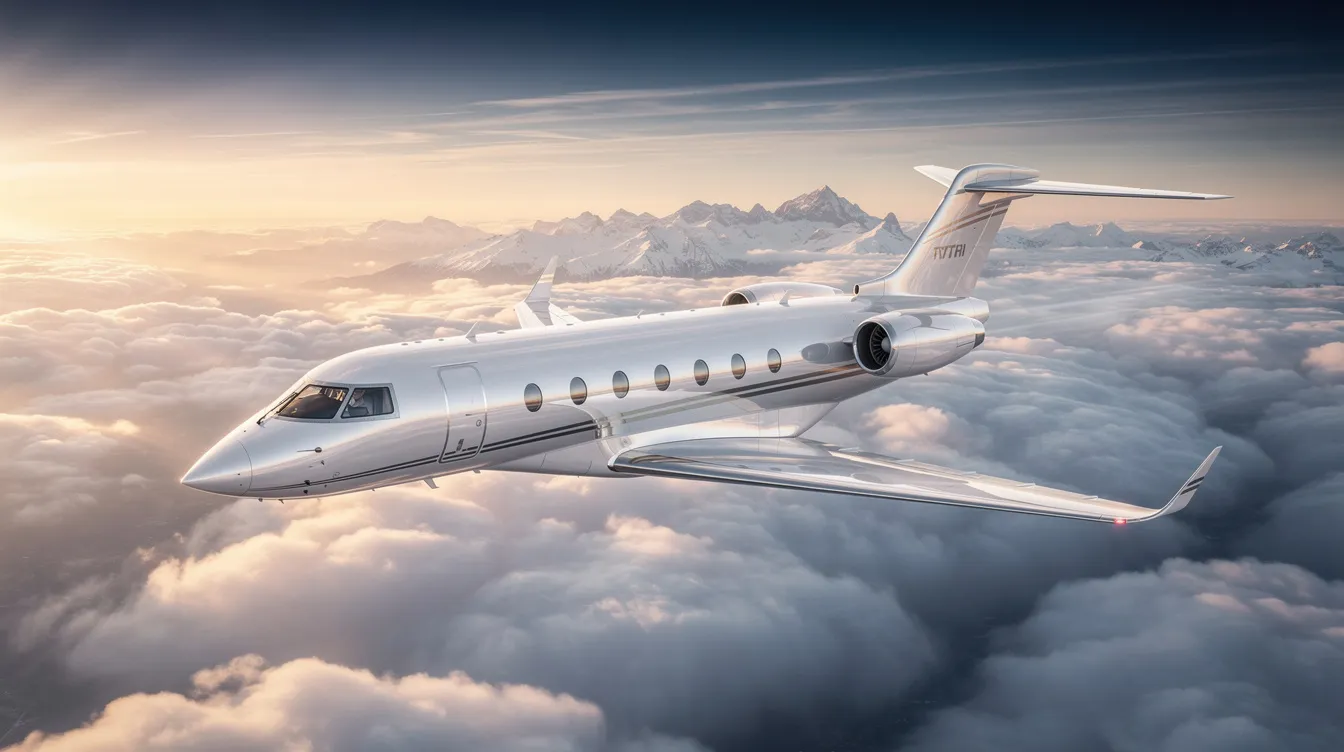
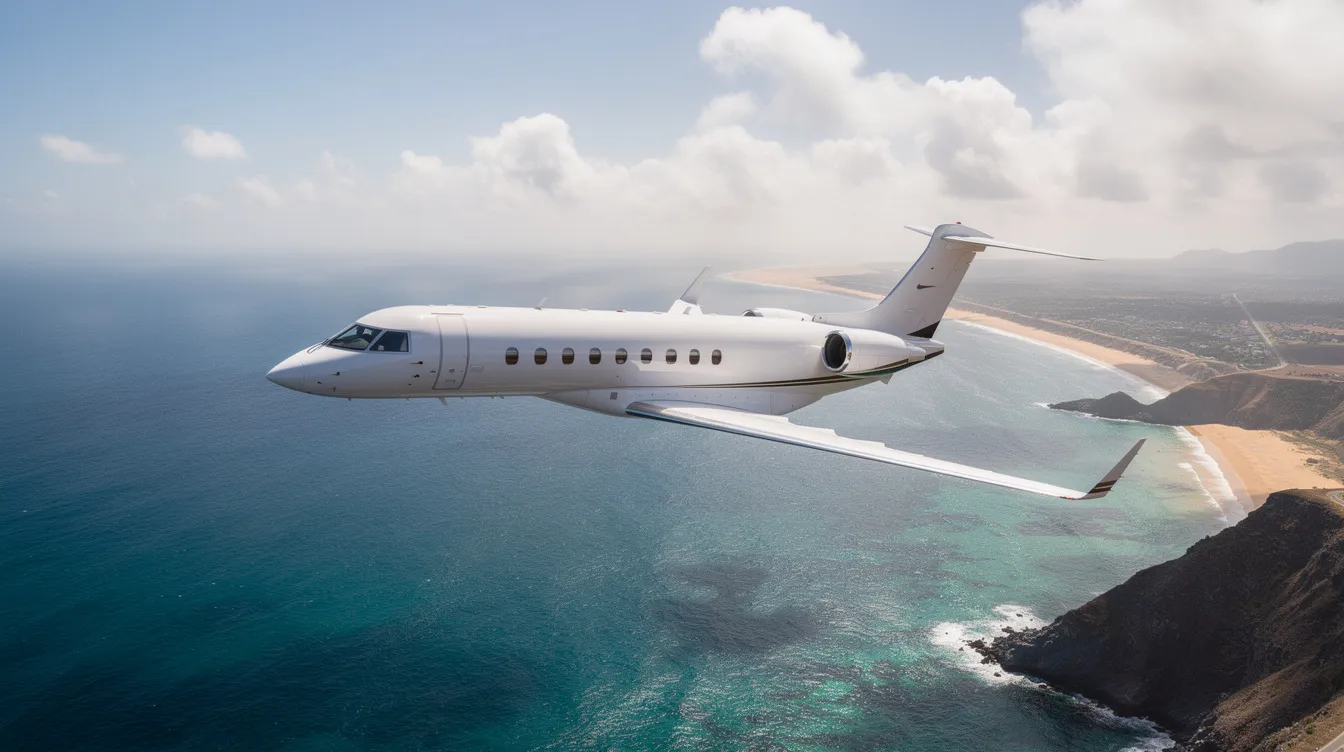
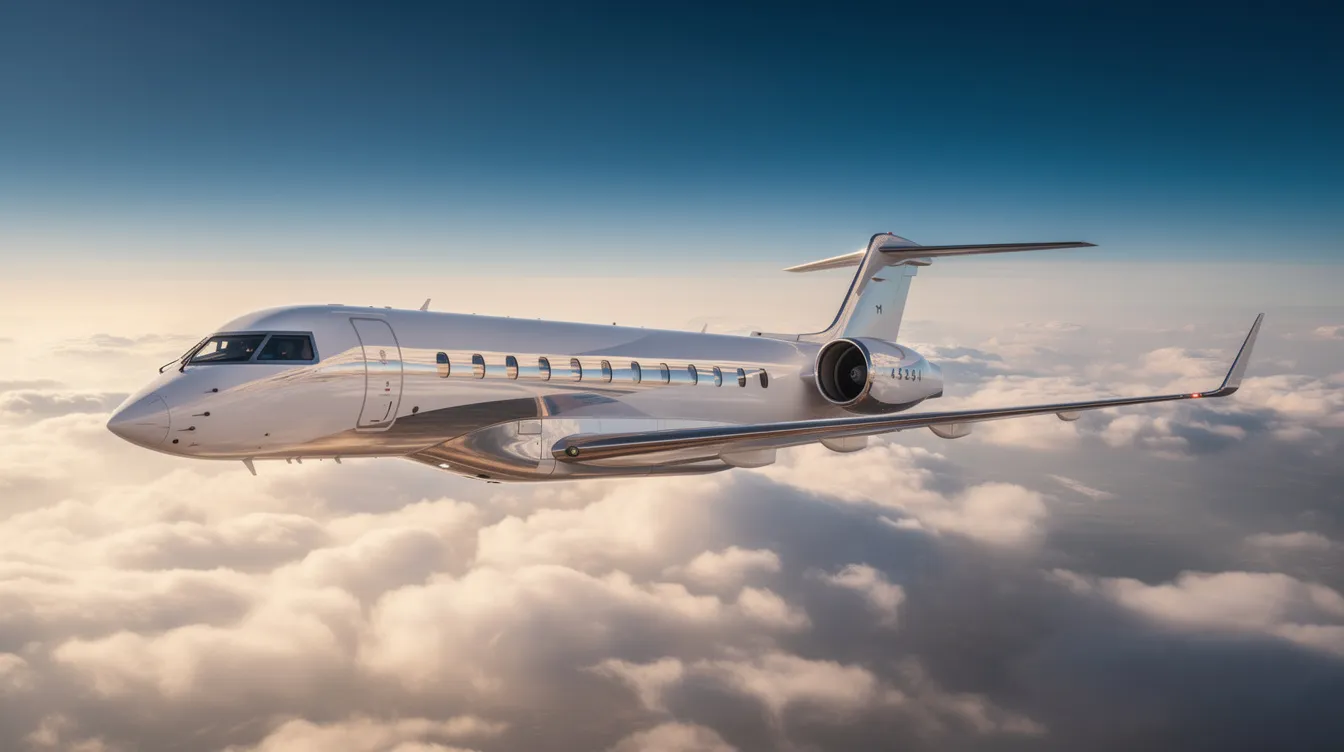
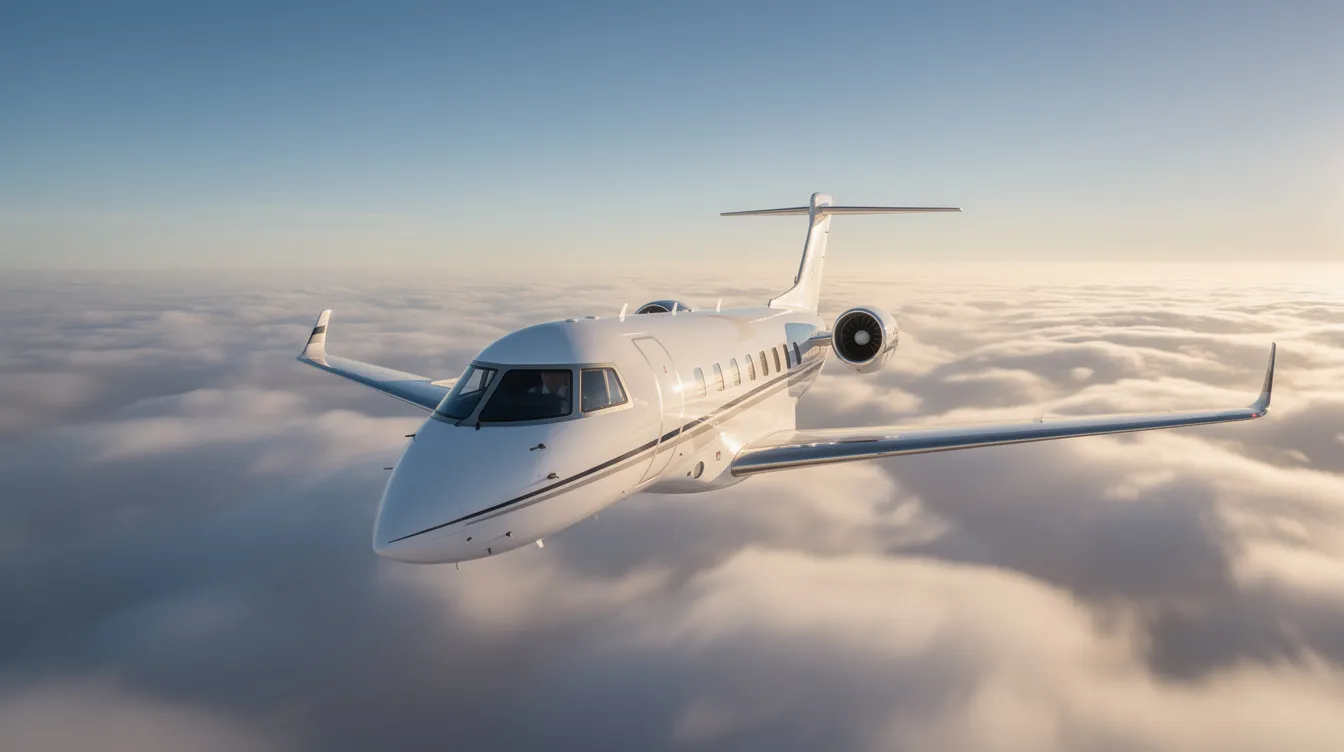
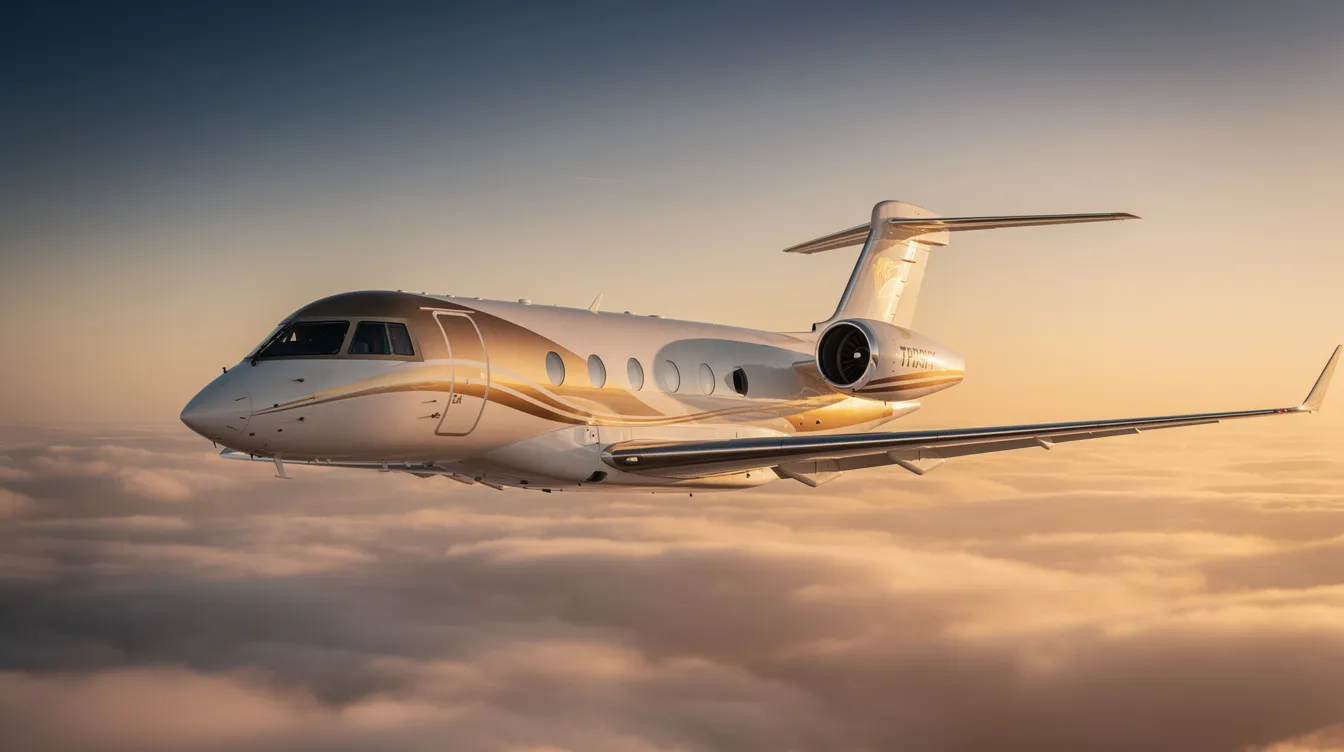
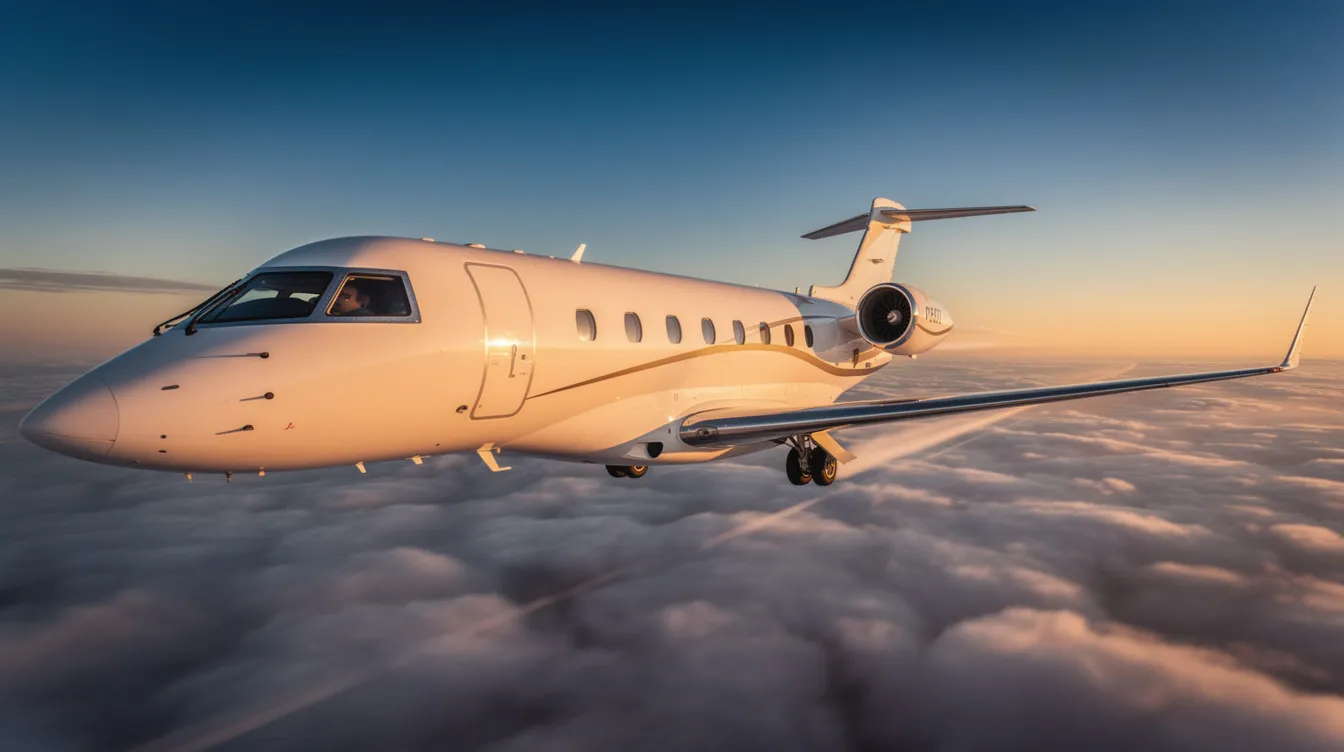
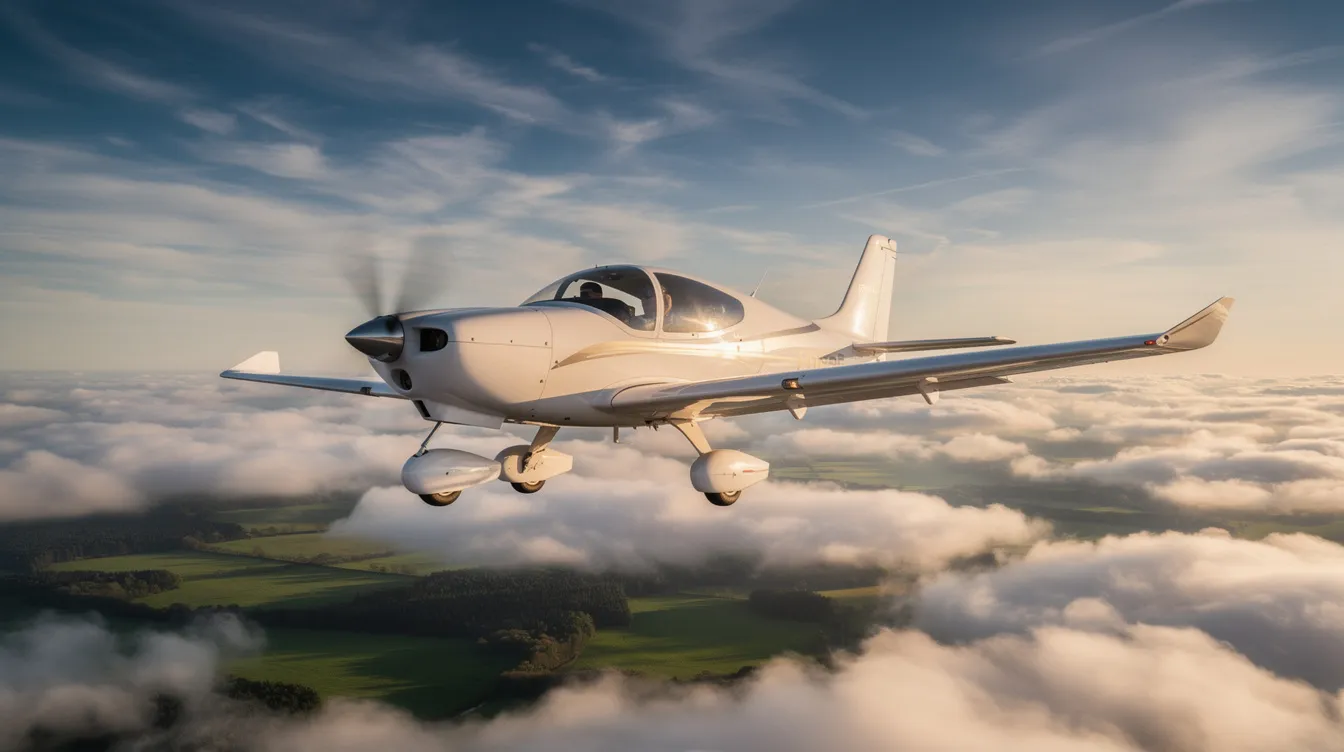
A sleek single engine piston aircraft is soaring above a layer of fluffy clouds, with a vibrant green landscape visible below. This modern aircraft, equipped with advanced features like a Cirrus airframe parachute system, exemplifies efficiency and performance in the skies.

Evaluating Single Engine Aircraft Listings: What Really Drives Value

Two single-engine planes for sale that look identical on paper can differ by $200,000 or more once you dig into configuration, history, and market timing. Aircraft condition and maintenance history significantly affect valuation.

Total Airframe Time

  • Total airframe time (TTAF): The average total time of single-engine piston aircraft is 1,452 hours. Total time is crucial for comparing aircraft utilization and value; low-time airframes with complete records command premiums.

Engine Overhaul Considerations

  • Engine time since major overhaul (SMOH): Key appraisal items include engine model and hours since major overhaul. Proximity to TBO directly impacts negotiation.

  • Propeller time and condition

  • Damage history, corrosion, or structural repairs: Aircraft listings should include maintenance logs and damage history. Unreported repairs can destroy resale value.

Avionics and Equipment

Avionics represent a major differentiator. Evaluating avionics systems is crucial as they impact usability and resale value. Modern glass panels (Garmin G1000 NXi, G2000, Perspective Touch+) with synthetic vision, integrated autopilots, and ADS-B In/Out compliance command strong premiums versus older analog or mixed panels.

Consider this comparison:

  • Two 2016 Cirrus SR22T aircraft. One is equipped with FIKI, Global Connect, a fresh CAPS repack, and upgraded avionics; it might sell near $750,000.

  • A basic-configuration example with higher SMOH and an older panel could trade closer to $450,000, despite being the same model year and having a fresh annual inspection.

BusinessJets.com's appraisal and valuation work uses real transaction data from 1,500+ closings to verify whether an asking price aligns with actual sold comparables. Get an Aircraft Appraisal to benchmark any aircraft you are evaluating.

Avionics, ADS-B, and Safety Upgrades to Prioritize

Avionics often determine how safe, compliant, and enjoyable your single-engine aircraft will be in 2026 airspace. The right equipment also protects resale value as standards evolve.

ADS-B and Avionics Compliance

ADS-B Out compliance is a common requirement for aircraft appraisals and a must-have for operations in most U.S. controlled airspace since January 2020. Integrated transponder solutions like the GTX 345 or GNX 375 provide both ADS-B Out and In capability, giving pilots access to active traffic and weather data via flight stream connections to tablets.

Avionics Features to Prioritize

For serious cross-country flying, prioritize:

  • WAAS GPS (GTN 650Xi/750Xi or equivalent)

  • Digital autopilot with altitude capture

  • Synthetic vision technology

  • Traffic and weather display capability

Safety Upgrades

Safety features in aircraft can include emergency systems such as parachutes, the Cirrus Airframe Parachute System being the most prominent example. Modern aircraft engines are statistically reliable, reducing traditional safety concerns, but envelope protection, terrain warnings, and Safe Return autoland on newer G7+ Cirrus models add layers of risk mitigation.

A full panel retrofit on a legacy airframe can cost $50,000 to $120,000+. Buyers should weigh that cost against paying more upfront for a late-model airplane already equipped with modern avionics. BusinessJets.com can help evaluate upgrade ROI during acquisition consulting, whether to buy fully modern now or acquire solid airframe value and phase in improvements over time.

Operating Costs and Financing Options for Single Engine Planes

Operating Cost Breakdown

The purchase price is only part of the overall cost of aircraft ownership. Owning a single-engine plane requires budgeting for ongoing costs like hangar rent, insurance, fuel, maintenance, and reserves.

High-level operating cost guidance by category:

Category

Fuel Burn (GPH)

Approximate Hourly Cost

Notes

Trainers (Cessna 152/172)

Under 10

$120–$160

Simpler systems, lower insurance

Mid-size piston singles

10–15

$160–$220

More complex systems

High-performance singles

15–18

$190–$260

Turbo maintenance, composite inspections

Fuel consumption and routine maintenance costs are roughly cut in half compared to managing two engines, and single-engine aircraft are notably less complex to maintain, resulting in lower downtime. Underwriters typically charge lower insurance premiums for single-engine pilots compared to multi-engine ratings, another cost advantage.

Financing Options

Common financing options for single-engine aircraft include:

  • Traditional asset-backed loans

  • Lease structures for business operators

Lenders assess aircraft age, SMOH, avionics, and condition when setting terms. Many buyers finance aircraft purchases through brokers or marketplaces, and services like CurrencyAir help buyers obtain financing for aircraft purchases.

Insurance Considerations

BusinessJets.com often helps clients model different acquisition structures- cash versus financed versus trade-in when stepping up from a piston single to a turboprop or light jet, ensuring the direction aligns with cash-flow priorities.

Due Diligence and Pre-Buy Inspections for Piston Singles

A structured pre-buy process on a single-engine plane can prevent six-figure surprises. Buyers should conduct a pre-buy inspection before purchasing an aircraft; this step is non-negotiable for any serious transaction. A pre-buy inspection is essential before finalizing an aircraft purchase.

Essential Pre-Buy Steps

  1. Review complete logbook history for gaps, inconsistencies, or missing entries

  2. Confirm AD (Airworthiness Directive) compliance

  3. Examine damage and repair records, STC approvals, and modifications (tip tanks, floats, STOL kits, TKS systems)

  4. Verify title and lien searches, export/import paperwork for cross-border transactions, and tax considerations

Engage a type-experienced maintenance facility for the mechanical inspection at a Cirrus Authorized Service Center for an SR22T, or a specialist shop for Columbia/Cessna TTx composite airframes. Engine health checks are particularly critical on high-time or near-TBO piston singles:

  • Compression tests

  • Borescope inspection

  • Oil analysis

  • Recent overhaul documentation

A good relationship with a mechanic is essential for maintaining ownership of an aircraft long-term. Discover the importance of establishing that relationship before closing, not after.

BusinessJets.com coordinates these steps on behalf of buyers and corporate flight departments through our Comprehensive Aviation Services, providing both technical oversight and transaction management.

How BusinessJets.com Supports Single Engine Aircraft Buyers and Sellers

BusinessJets.com is a business aviation brokerage and consulting firm whose market insight extends across single-engine planes, turboprops, and jets. Aviation consulting supports strategic guidance for aircraft transactions, and consultants provide market intelligence that helps clients operate with confidence.

We assist single-engine aircraft owners who are selling their piston single to move into a jet, trading up to a newer Cirrus or Piper M350, or rebalancing a mixed fleet of trainers and business aircraft. Aviation consultants assist in navigating aircraft buying and selling processes, and consulting services help optimize aircraft asset management across the ownership lifecycle. Aviation consulting includes valuation services for aircraft that go beyond published asking prices.

Our acquisition consulting workflow covers:

  • Mission definition

  • Market scan (including off-market aircraft)

  • Comparative analysis (SR22T versus DA50 RG versus Cessna TTx)

  • Negotiation through closing support

We coordinate with clients' legal, tax, and finance teams to structure ownership and align the purchase with broader fleet strategy. Listing your aircraft on multiple platforms increases sale chances, and engaging a broker can streamline the selling process.

Ready to move forward?

Popular Models Snapshot: From Cessna 172 to Cirrus SR22T

Here is a quick narrative snapshot of models frequently appearing in 2026 single-engine planes for sale listings.

Cessna 172S/172SP

The global benchmark trainer. Cruise around 120–125 KTAS, range of 600–800 NM, ideal for flight schools and first-time owners stepping into IFR training. Parts support is excellent, and market liquidity is high.

Cessna 182T Skylane

A capable family and business traveler with higher useful load and better short-field performance. Often available with G1000 and ADS-B-equipped panels, well-suited for pilots who want more payload without stepping into complex aircraft.

Cessna T206H Turbo Stationair HD

Known as the "SUV of the skies," the Cessna T206 Turbo Stationair HD is known for its payload capacity and is used for cargo, floats, and utility roles. Demand remains strong among operators in remote or rugged environments across the U.S. and Canada.

Cirrus SR20 / SR22 / SR22T

CAPS parachute standard, advanced avionics, strong used-market support. Pilots can embark on transition training through Cirrus's structured program. Late-model G5–G7 aircraft with immediate delivery availability command clear premiums.

Legacy Performance Favorites

The Bonanza A36 and Mooney M20J/M20R attract experienced aviators who value speed and efficiency on well-maintained older airframes.

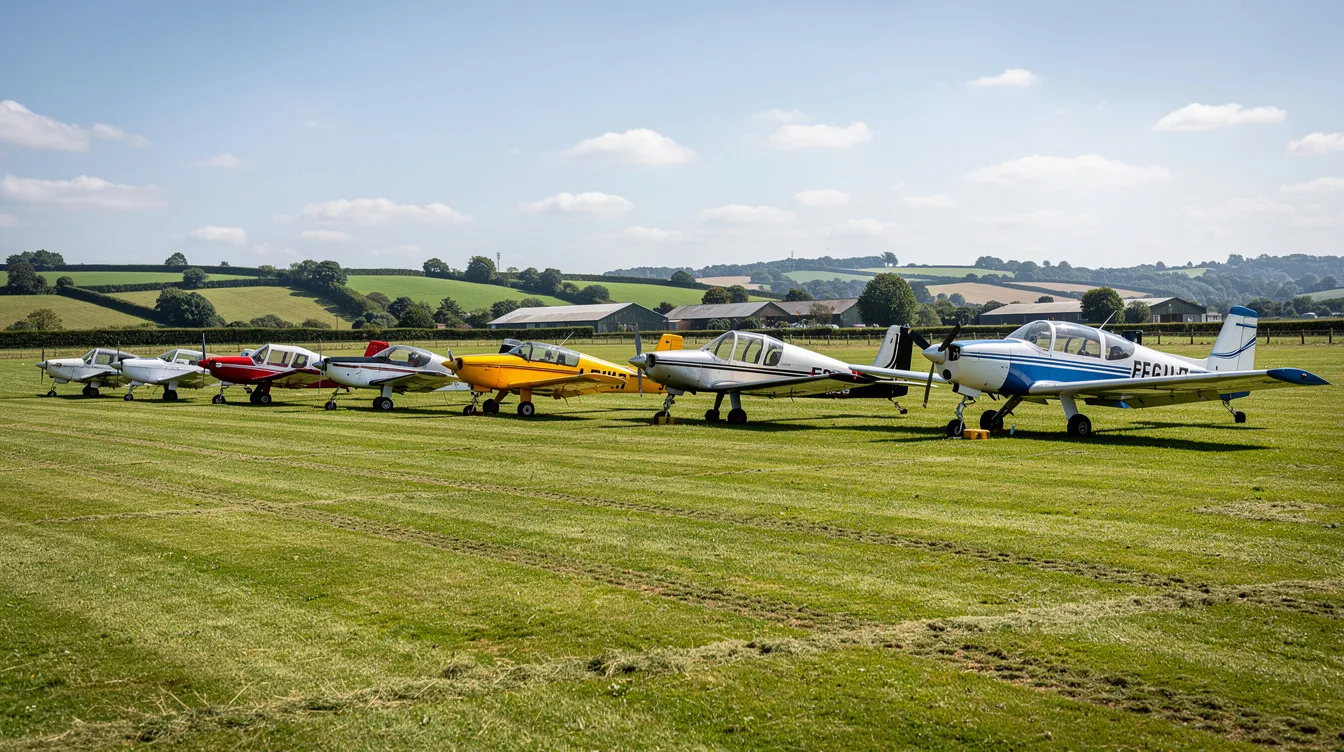
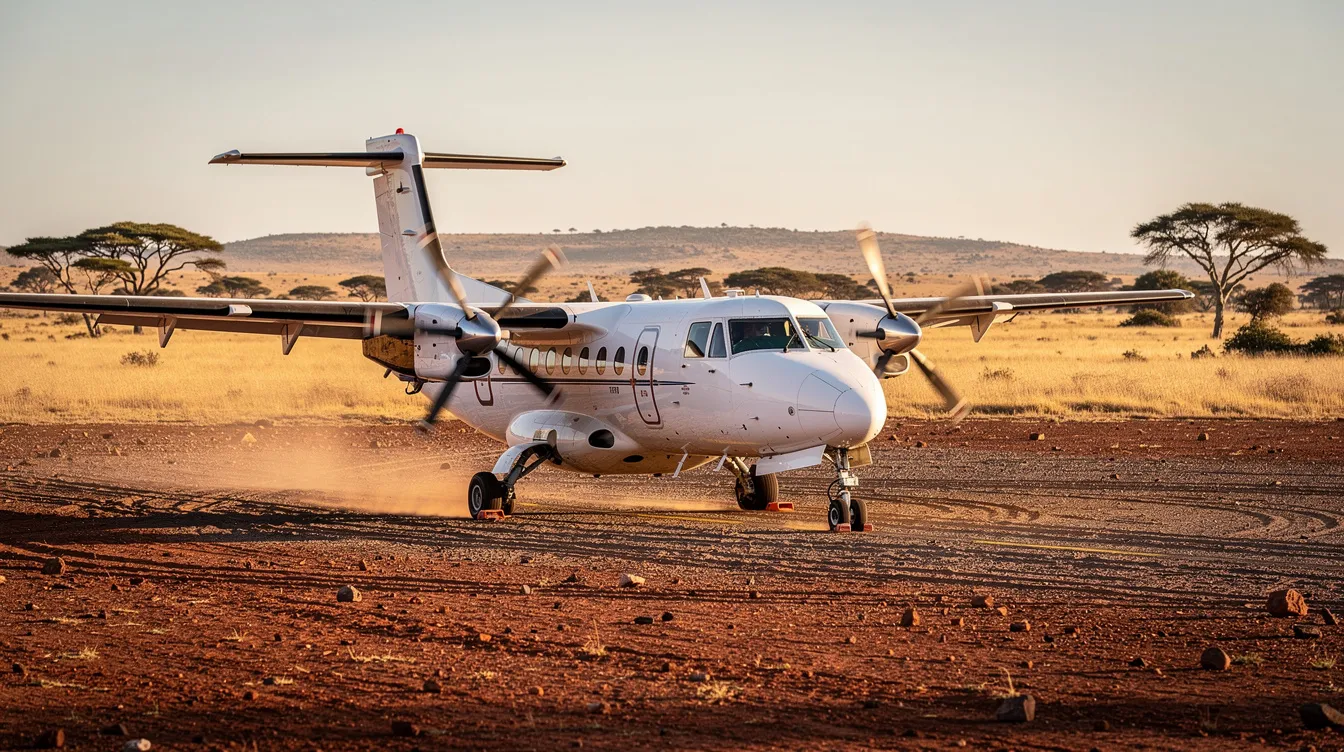
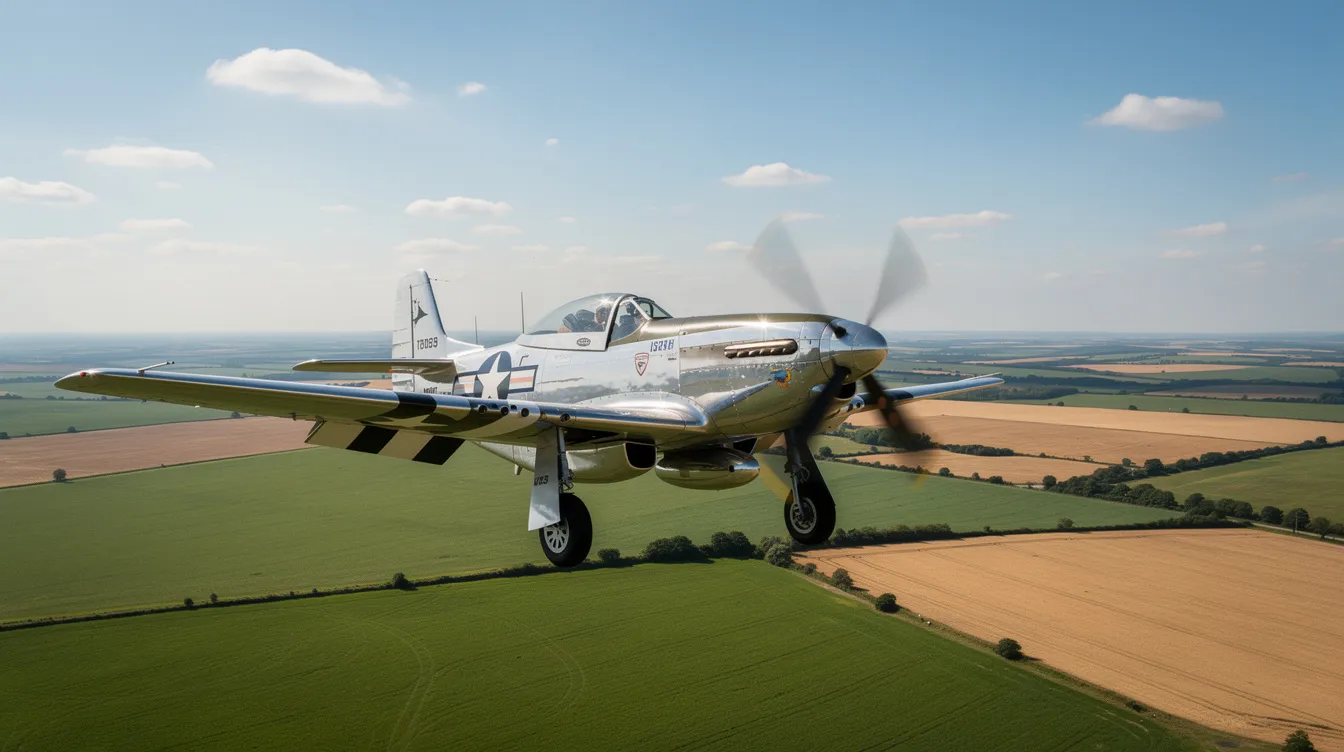
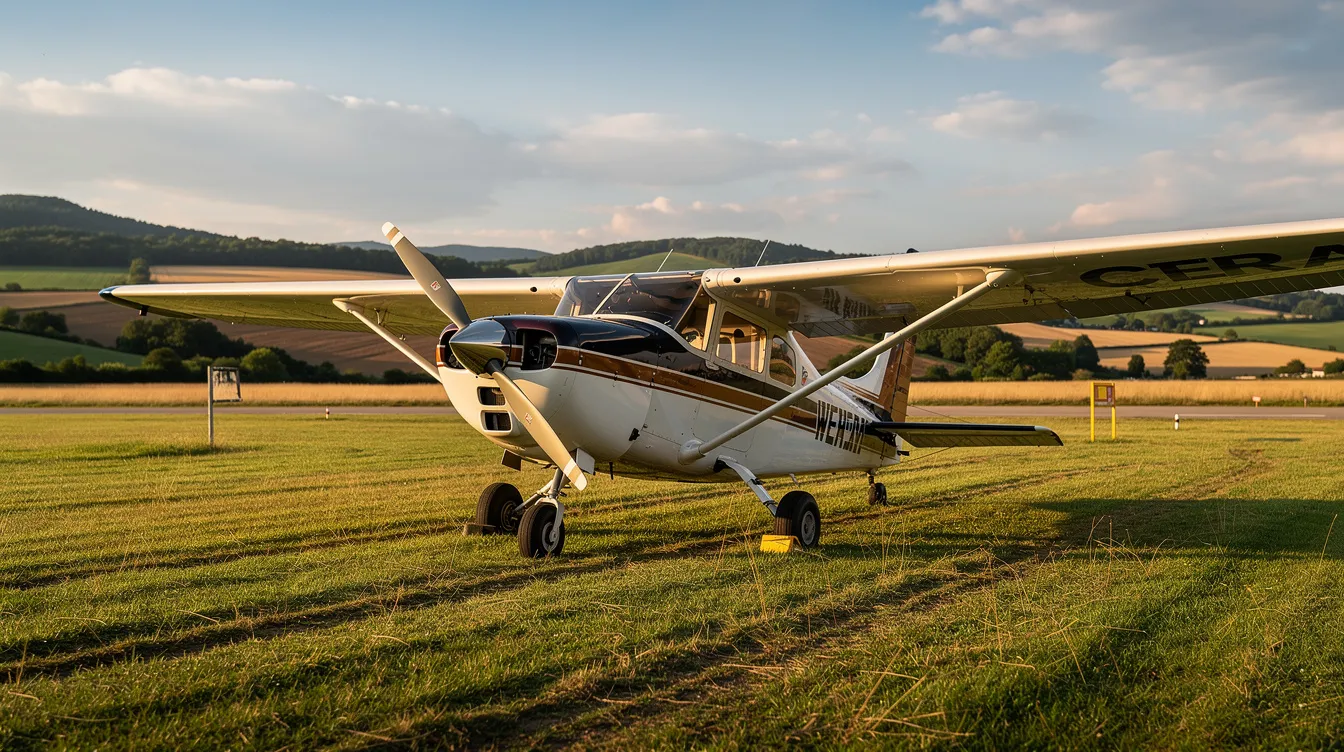
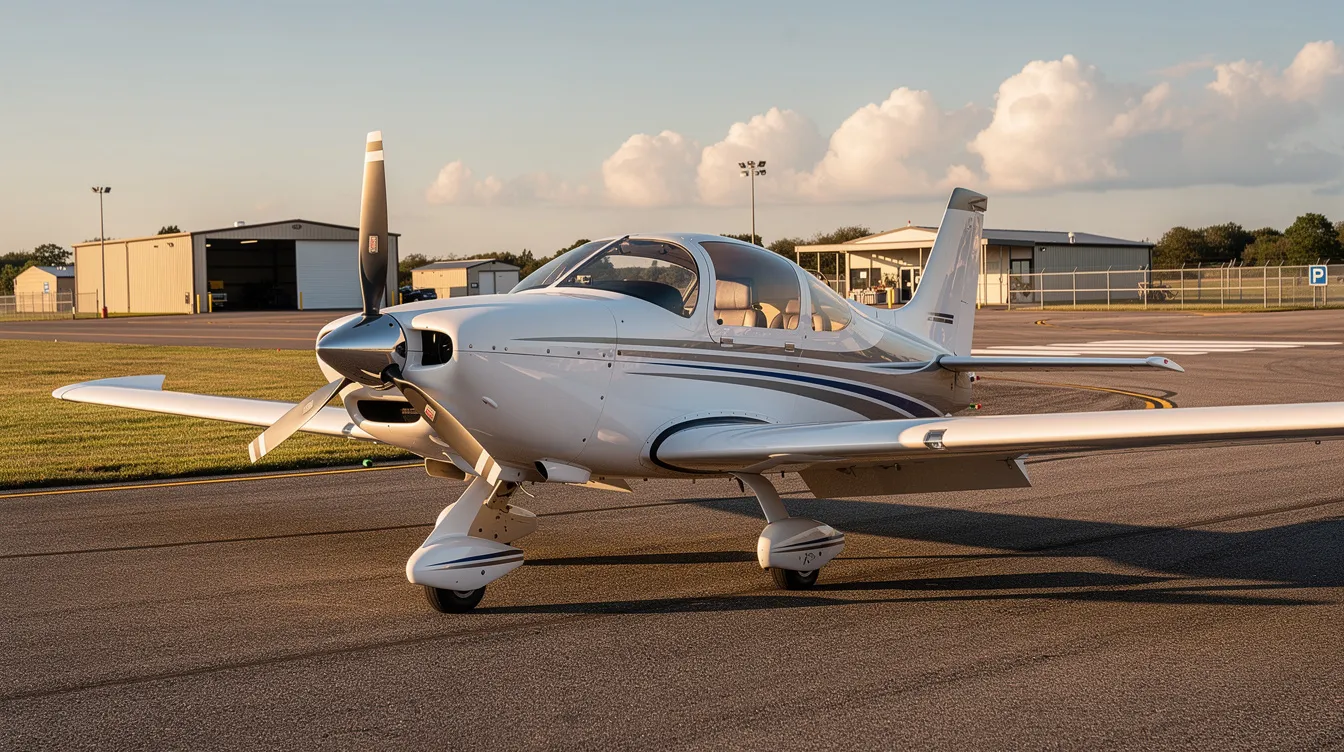
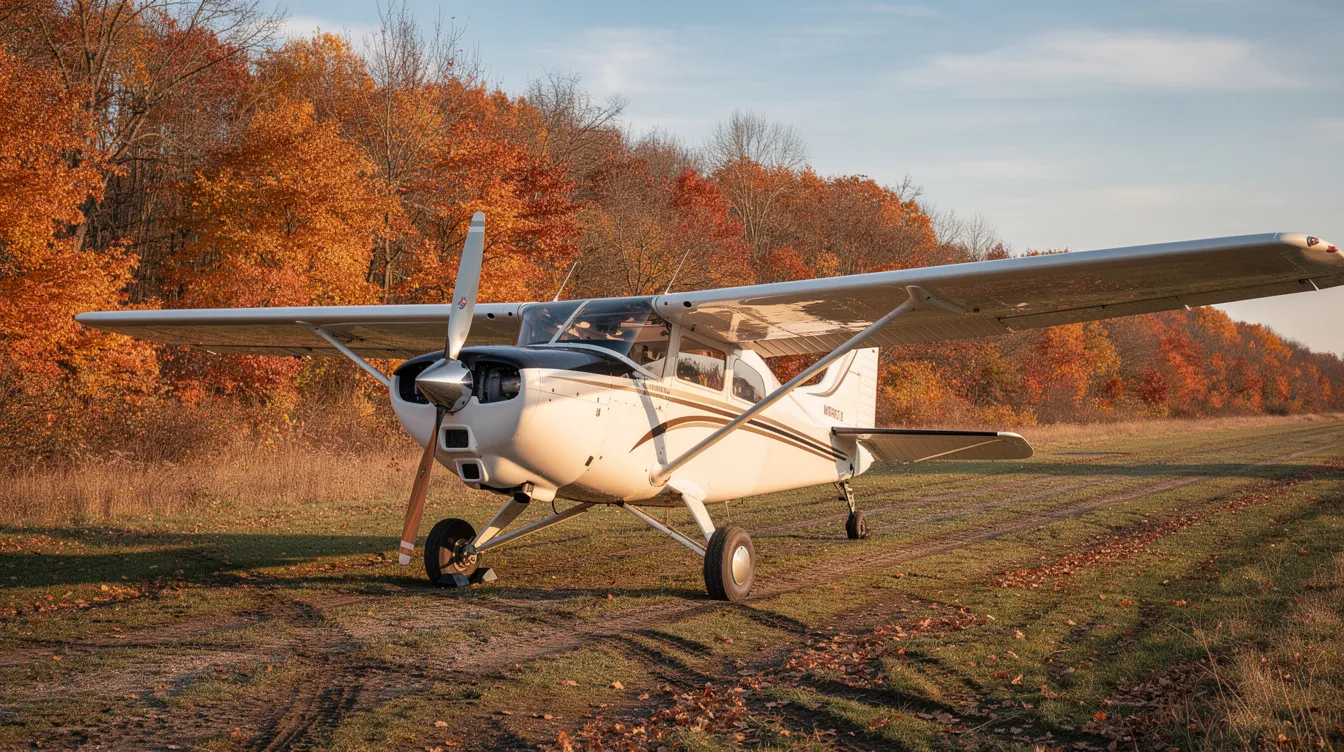
A classic high-wing single engine airplane is parked on a grassy airstrip, surrounded by vibrant trees showcasing autumn colors. This single engine piston aircraft stands ready for flight, embodying the perfect blend of performance and reliability for pilots seeking adventure in the skies.

When to Step Up from a Single-Engine Plane to a Turboprop or Jet

For owners and flight departments already operating a piston single, the question of when to step up is ultimately a journey of matching evolving mission demands to the right wings.

Step-Up Triggers

  • Regularly flying legs exceeding 600–800 NM

  • Needing pressurization for frequent high-altitude operations

  • Carrying 4–6 passengers with full fuel and baggage

  • Requiring higher dispatch reliability for demanding business schedules

Models like the Piper M350 provide an intermediate step: a pressurized single-engine piston aircraft before moving to a Pilatus PC-12 or light jet. SR22T owners often explore the Cirrus Vision Jet as a natural progression.

BusinessJets.com helps evaluate whether upgrading avionics and interiors on an existing single-engine aircraft or divesting and moving capital into a turboprop or jet offers better long-term value. A corporate client might retain a complete fleet of trainers for short missions while adding a jet for the longer legs; we help present the data to guide that decision.

Frequently Asked Questions

How long does a typical single-engine piston aircraft engine last before overhaul?

The manufacturer's recommended time between overhauls is crucial for appraisals. Engine TBO for many single-engine aircraft is typically 2,000 hours, though Lycoming recently extended TBOs to 2,600 hours for new or factory-rebuilt units. Calendar limits, often 12 years, can also trigger an overhaul regardless of hours. Real-world overhaul decisions depend on oil analysis, compression tests, and usage patterns. The average total time of single-engine piston aircraft is 1,452 hours, meaning many aircraft on the market still have significant engine life remaining. BusinessJets.com can help model the cost impact of an impending overhaul when you assess a specific plane for purchase.

Are single-engine piston airplanes suitable for regular business travel?

For trips under 800–1,000 NM with flexible schedules and access to smaller airports, high-performance models like the SR22T, Cessna TTx, or Piper M350 can be effective business tools. However, weather can severely limit the transportation utility of a single-engine airplane, and payload with full fuel constrains how many passengers and bags you can carry. Reliability depends on disciplined risk management and pilot proficiency. BusinessJets.com often helps companies determine where a piston single fits within a broader transportation mix that may include charter or company-owned jets.

What is the difference between a training-focused single-engine aircraft and a high-performance piston single?

Training-focused aircraft feature lower horsepower (100–160 HP), fixed gear, and simpler avionics designed for durability and forgiving handling. High-performance piston singles deliver 200+ HP, often with turbocharged engines, retractable gear, advanced glass panels, and sometimes pressurization. Transition training is strongly recommended when moving into complex or high-performance types, and insurers may require documented training hours before issuing a policy. BusinessJets.com advises both flight schools and private owners on which type best matches training, travel, and budget objectives.

How important is ADS-B when buying a used single-engine plane outside the U.S.?

ADS-B Out compliance is a common must-have for aircraft sales in the U.S. and increasingly worldwide. While U.S. rules have been in place since 2020, Europe and parts of Asia-Pacific have rolling implementations with tightening requirements. Even outside mandatory airspace, ADS-B In/Out improves situational awareness and resale value, especially if the aircraft might later be imported into the U.S. or Europe. Factor the cost and downtime of retrofitting into your acquisition analysis if the airplane you are evaluating is not yet equipped.

Can BusinessJets.com help if I want to trade in my single-engine aircraft as part of a jet purchase?

Yes. BusinessJets.com regularly works with clients selling or trading single-engine planes as they acquire a turboprop or jet. We use our brokerage and appraisal services to streamline both sides of the transaction and coordinate timing so that the sale, purchase, and any financing align, minimizing gaps without lift or overlapping ownership costs. Contact us with your current aircraft details for an initial valuation and a strategic discussion about your upgrade options.

Conclusion

Single-engine planes for sale represent a diverse and dynamic segment of the general aviation market, offering options that range from basic trainers to advanced, pressurized piston singles. Buyers benefit from understanding the nuanced value drivers such as avionics upgrades, maintenance history, total airframe and engine time, and mission fit. BusinessJets.com provides expert guidance throughout the acquisition or selling process, leveraging deep market insight and a proven track record of over 1,500 aircraft transactions.

Whether you seek a perfect aircraft for training, personal travel, or business missions, careful due diligence and professional appraisal protect your investment and ensure long-term satisfaction. With evolving regulatory requirements like ADS-B compliance and advances in safety and avionics, partnering with an experienced broker and consultant is essential to navigate the complexities of today’s market.

Engage BusinessJets.com to access tailored consulting, aircraft appraisals, and comprehensive brokerage services designed to optimize your aircraft ownership experience. Start your aviation journey with confidence, knowing you have a trusted partner to help you find, finance, and maintain the ideal single-engine piston aircraft that suits your needs and goals.

Single Engine Planes for Sale: Expert Guide for Serious Buyers
Jay Franco Ser

The single-engine aircraft market in 2026 rewards informed buyers and punishes casual ones. Whether you are searching for a capable trainer, a cross-country composite, or a pressurized piston single that bridges the gap to turboprop ownership, this guide covers what matters: market dynamics, model-specific intelligence, valuation drivers, and the pre-buy process that protects your capital.

Key Takeaways

  • BusinessJets.com helps buyers and operators evaluate, acquire, or trade up from single-engine planes, with 1,500+ completed aircraft transactions informing our market advice and valuation methodology.

  • Today's single-engine piston aircraft cover missions from basic flight training to near-turboprop business travel, spanning models from the Cessna 172 to the Cirrus SR22T, Cessna TTx, and pressurized Piper M350.

  • Value depends far more on avionics currency (including ADS-B compliance), maintenance history, total time, damage history, and installed equipment than on model year alone.

  • Smart buyers combine market data, professional technical inspections, and experienced brokerage support to avoid overpaying or inheriting hidden maintenance liabilities.

  • Readers can engage BusinessJets.com for appraisals, listing their current aircraft for sale, or end-to-end acquisition support including financing strategy and timing.

Overview of the Single Engine Aircraft Market in 2026

Market Demand and Trends

Demand for single-engine planes for sale has remained resilient through 2025 and into 2026. Owner-pilots returning to flying post-pandemic, training organizations expanding fleets, and small businesses discovering the operational versatility of piston singles all contribute to an active marketplace. According to FAA aerospace forecasts, piston flight hours hit record highs in recent years, driven largely by training activity and personal flying.

Market Segmentation and Price Bands

The market splits into two tiers:

  • Legacy models: Cessna 172, Cessna 182, Piper PA-28 series, Mooney M20, and Beechcraft Bonanza dominate the lower price bands.

  • Modern composite designs: Cirrus aircraft, Diamond, and the discontinued Cessna TTx command stronger resale and higher acquisition costs.

Typical 2026 price bands look roughly like this:

  • Legacy trainers (Cessna 150-series, older PA-28s): sub-$150,000

  • Late-model piston singles (Cessna 182T, SR20, DA40NG): $300,000–$500,000

  • High-performance composites (SR22T, TTx, DA50 RG): $500,000–$800,000+

  • Near-new or pressurized singles (new SR22T G7, Piper M350): approaching or exceeding $1,000,000

Single-engine piston aircraft prices range broadly from around $115,000 to $785,000 on the used market, depending on type and condition. Currently, there are 1,876 single-engine piston aircraft listed for sale on Controller.com alone, with GlobalAir.com featuring another 513 listings. Geographic activity concentrates in the U.S. and Canada, with strong listing density in Texas, Florida, and California, plus growing interest across Europe.

BusinessJets.com Market Support

BusinessJets.com operates as a consulting-led partner helping buyers interpret these dynamics, whether choosing between aircraft purchases or timing a sale to maximize proceeds. Explore our Aircraft for Sale listings for current inventory.

Key Types of Single-Engine Piston Aircraft and Missions

A single-engine piston aircraft is a fixed-wing airplane powered by one reciprocating engine. Despite the simple definition, the category spans vastly different missions depending on airframe design, horsepower, and equipment. Single-engine aircraft ownership is common among private owners and flight schools due to the utility and versatility these planes offer. Single-engine aircraft generally carry a more affordable initial purchase price compared to multi-engine alternatives, and fewer instruments and simpler mechanics make single-engine planes easier to fly for pilots at various experience levels.

Mission Categories

  • Basic trainers: Cessna 152, Piper PA-28-140/160. Low horsepower (100–160 HP), fixed gear, ideal for flight training.

  • Touring and personal travel: Cessna 172S, Cirrus SR20, Diamond DA40NG. Cruise speeds of 120–170 KTAS, range of 600–800 NM, accommodating 2–4 passengers comfortably.

  • Utility and load-hauling: Cessna 182T, Cessna 206H/T206H. Higher useful load and payload capacity for cargo, floats, or backcountry operations.

  • High-performance cross-country: Cirrus SR22/SR22T, Mooney M20J/K, Bonanza A36. Speed-focused, turbocharged options, advanced avionics.

  • Pressurized piston singles: Piper M350 "Malibu Mirage." Cabin pressurization for cruise at FL250, bridging the gap before turboprops or light jets.

Matching Aircraft to Mission Profile

Single-engine aircraft can be used for training, personal travel, and business use. Most single-engine piston aircraft have strict weight limits affecting passenger and cargo capacities, so matching the airplane to your actual mission profile- runway conditions, range requirements, passenger count, and baggage needs- is essential.

BusinessJets.com regularly advises owners moving up from a single-engine aircraft into a turboprop or light jet, and can benchmark when keeping or upgrading the piston single makes the most financial sense. For some clients, that long-term path includes evaluating larger cabin options like an Airbus ACJ319 private jet when mission requirements and budget justify the step.

Standout Single Engine Planes to Watch (SR22T, DA50 RG, TTx & More)

These are the models most frequently requested by BusinessJets.com clients in the 2024–2026 search cycle.

Cirrus SR22T (G6/G7)

The Cirrus SR22T is a top choice for general aviation. It delivers 180–213 KTAS cruise, 800–1,000 NM real-world range, and carries the Cirrus Airframe Parachute System (CAPS) as standard safety equipment. The G7 line adds Safe Return autoland and Perspective Touch+ avionics with touchscreen controllers. The median used asking price sits around $693,000; a new 2025 G7 GTS lists near $1,270,000. This airplane continues to turn heads among aviators who prioritize both performance and safety.

Diamond DA50 RG

The 2024 Diamond DA50 RG entered the U.S. market in 2024, bringing a Jet-A-powered Continental CD-300 engine, retractable gear, five seats, and cruise around 181 KTAS with fuel burn near 8 GPH at economy settings. Its efficiency and Jet-A flexibility appeal to pilots wanting turboprop-like operating economics in a piston single airframe.

Cessna TTx

Discontinued in 2018, the Cessna TTx remains relevant among speed-focused buyers. Its 310 HP turbocharged Continental engine pushes 230+ KTAS, paired with Garmin G2000 avionics. Used asking prices range from $439,000 to $695,000, with average sold prices trending near $639,000.

Piper M350

The only pressurized single-engine piston aircraft commonly on the market, the M350 delivers cruise at FL250 with G1000 NXi three-screen avionics and cabin features that bring the experience closer to a small jet than a traditional plane.
A sleek single engine piston aircraft is soaring above a layer of fluffy clouds, with a vibrant green landscape visible below. This modern aircraft, equipped with advanced features like a Cirrus airframe parachute system, exemplifies efficiency and performance in the skies.

Evaluating Single Engine Aircraft Listings: What Really Drives Value

Two single-engine planes for sale that look identical on paper can differ by $200,000 or more once you dig into configuration, history, and market timing. Aircraft condition and maintenance history significantly affect valuation.

Total Airframe Time

  • Total airframe time (TTAF): The average total time of single-engine piston aircraft is 1,452 hours. Total time is crucial for comparing aircraft utilization and value; low-time airframes with complete records command premiums.

Engine Overhaul Considerations

  • Engine time since major overhaul (SMOH): Key appraisal items include engine model and hours since major overhaul. Proximity to TBO directly impacts negotiation.

  • Propeller time and condition

  • Damage history, corrosion, or structural repairs: Aircraft listings should include maintenance logs and damage history. Unreported repairs can destroy resale value.

Avionics and Equipment

Avionics represent a major differentiator. Evaluating avionics systems is crucial as they impact usability and resale value. Modern glass panels (Garmin G1000 NXi, G2000, Perspective Touch+) with synthetic vision, integrated autopilots, and ADS-B In/Out compliance command strong premiums versus older analog or mixed panels.

Consider this comparison:

  • Two 2016 Cirrus SR22T aircraft. One is equipped with FIKI, Global Connect, a fresh CAPS repack, and upgraded avionics; it might sell near $750,000.

  • A basic-configuration example with higher SMOH and an older panel could trade closer to $450,000, despite being the same model year and having a fresh annual inspection.

BusinessJets.com's appraisal and valuation work uses real transaction data from 1,500+ closings to verify whether an asking price aligns with actual sold comparables. Get an Aircraft Appraisal to benchmark any aircraft you are evaluating.

Avionics, ADS-B, and Safety Upgrades to Prioritize

Avionics often determine how safe, compliant, and enjoyable your single-engine aircraft will be in 2026 airspace. The right equipment also protects resale value as standards evolve.

ADS-B and Avionics Compliance

ADS-B Out compliance is a common requirement for aircraft appraisals and a must-have for operations in most U.S. controlled airspace since January 2020. Integrated transponder solutions like the GTX 345 or GNX 375 provide both ADS-B Out and In capability, giving pilots access to active traffic and weather data via flight stream connections to tablets.

Avionics Features to Prioritize

For serious cross-country flying, prioritize:

  • WAAS GPS (GTN 650Xi/750Xi or equivalent)

  • Digital autopilot with altitude capture

  • Synthetic vision technology

  • Traffic and weather display capability

Safety Upgrades

Safety features in aircraft can include emergency systems such as parachutes, the Cirrus Airframe Parachute System being the most prominent example. Modern aircraft engines are statistically reliable, reducing traditional safety concerns, but envelope protection, terrain warnings, and Safe Return autoland on newer G7+ Cirrus models add layers of risk mitigation.

A full panel retrofit on a legacy airframe can cost $50,000 to $120,000+. Buyers should weigh that cost against paying more upfront for a late-model airplane already equipped with modern avionics. BusinessJets.com can help evaluate upgrade ROI during acquisition consulting, whether to buy fully modern now or acquire solid airframe value and phase in improvements over time.

Operating Costs and Financing Options for Single Engine Planes

Operating Cost Breakdown

The purchase price is only part of the overall cost of aircraft ownership. Owning a single-engine plane requires budgeting for ongoing costs like hangar rent, insurance, fuel, maintenance, and reserves.

High-level operating cost guidance by category:

Category

Fuel Burn (GPH)

Approximate Hourly Cost

Notes

Trainers (Cessna 152/172)

Under 10

$120–$160

Simpler systems, lower insurance

Mid-size piston singles

10–15

$160–$220

More complex systems

High-performance singles

15–18

$190–$260

Turbo maintenance, composite inspections

Fuel consumption and routine maintenance costs are roughly cut in half compared to managing two engines, and single-engine aircraft are notably less complex to maintain, resulting in lower downtime. Underwriters typically charge lower insurance premiums for single-engine pilots compared to multi-engine ratings, another cost advantage.

Financing Options

Common financing options for single-engine aircraft include:

  • Traditional asset-backed loans

  • Lease structures for business operators

Lenders assess aircraft age, SMOH, avionics, and condition when setting terms. Many buyers finance aircraft purchases through brokers or marketplaces, and services like CurrencyAir help buyers obtain financing for aircraft purchases.

Insurance Considerations

BusinessJets.com often helps clients model different acquisition structures- cash versus financed versus trade-in when stepping up from a piston single to a turboprop or light jet, ensuring the direction aligns with cash-flow priorities.

Due Diligence and Pre-Buy Inspections for Piston Singles

A structured pre-buy process on a single-engine plane can prevent six-figure surprises. Buyers should conduct a pre-buy inspection before purchasing an aircraft; this step is non-negotiable for any serious transaction. A pre-buy inspection is essential before finalizing an aircraft purchase.

Essential Pre-Buy Steps

  1. Review complete logbook history for gaps, inconsistencies, or missing entries

  2. Confirm AD (Airworthiness Directive) compliance

  3. Examine damage and repair records, STC approvals, and modifications (tip tanks, floats, STOL kits, TKS systems)

  4. Verify title and lien searches, export/import paperwork for cross-border transactions, and tax considerations

Engage a type-experienced maintenance facility for the mechanical inspection at a Cirrus Authorized Service Center for an SR22T, or a specialist shop for Columbia/Cessna TTx composite airframes. Engine health checks are particularly critical on high-time or near-TBO piston singles:

  • Compression tests

  • Borescope inspection

  • Oil analysis

  • Recent overhaul documentation

A good relationship with a mechanic is essential for maintaining ownership of an aircraft long-term. Discover the importance of establishing that relationship before closing, not after.

BusinessJets.com coordinates these steps on behalf of buyers and corporate flight departments through our Comprehensive Aviation Services, providing both technical oversight and transaction management.

How BusinessJets.com Supports Single Engine Aircraft Buyers and Sellers

BusinessJets.com is a business aviation brokerage and consulting firm whose market insight extends across single-engine planes, turboprops, and jets. Aviation consulting supports strategic guidance for aircraft transactions, and consultants provide market intelligence that helps clients operate with confidence.

We assist single-engine aircraft owners who are selling their piston single to move into a jet, trading up to a newer Cirrus or Piper M350, or rebalancing a mixed fleet of trainers and business aircraft. Aviation consultants assist in navigating aircraft buying and selling processes, and consulting services help optimize aircraft asset management across the ownership lifecycle. Aviation consulting includes valuation services for aircraft that go beyond published asking prices.

Our acquisition consulting workflow covers:

  • Mission definition

  • Market scan (including off-market aircraft)

  • Comparative analysis (SR22T versus DA50 RG versus Cessna TTx)

  • Negotiation through closing support

We coordinate with clients' legal, tax, and finance teams to structure ownership and align the purchase with broader fleet strategy. Listing your aircraft on multiple platforms increases sale chances, and engaging a broker can streamline the selling process.

Ready to move forward?

Popular Models Snapshot: From Cessna 172 to Cirrus SR22T

Here is a quick narrative snapshot of models frequently appearing in 2026 single-engine planes for sale listings.

Cessna 172S/172SP

The global benchmark trainer. Cruise around 120–125 KTAS, range of 600–800 NM, ideal for flight schools and first-time owners stepping into IFR training. Parts support is excellent, and market liquidity is high.

Cessna 182T Skylane

A capable family and business traveler with higher useful load and better short-field performance. Often available with G1000 and ADS-B-equipped panels, well-suited for pilots who want more payload without stepping into complex aircraft.

Cessna T206H Turbo Stationair HD

Known as the "SUV of the skies," the Cessna T206 Turbo Stationair HD is known for its payload capacity and is used for cargo, floats, and utility roles. Demand remains strong among operators in remote or rugged environments across the U.S. and Canada.

Cirrus SR20 / SR22 / SR22T

CAPS parachute standard, advanced avionics, strong used-market support. Pilots can embark on transition training through Cirrus's structured program. Late-model G5–G7 aircraft with immediate delivery availability command clear premiums.

Legacy Performance Favorites

The Bonanza A36 and Mooney M20J/M20R attract experienced aviators who value speed and efficiency on well-maintained older airframes.
A classic high-wing single engine airplane is parked on a grassy airstrip, surrounded by vibrant trees showcasing autumn colors. This single engine piston aircraft stands ready for flight, embodying the perfect blend of performance and reliability for pilots seeking adventure in the skies.

When to Step Up from a Single-Engine Plane to a Turboprop or Jet

For owners and flight departments already operating a piston single, the question of when to step up is ultimately a journey of matching evolving mission demands to the right wings.

Step-Up Triggers

  • Regularly flying legs exceeding 600–800 NM

  • Needing pressurization for frequent high-altitude operations

  • Carrying 4–6 passengers with full fuel and baggage

  • Requiring higher dispatch reliability for demanding business schedules

Models like the Piper M350 provide an intermediate step: a pressurized single-engine piston aircraft before moving to a Pilatus PC-12 or light jet. SR22T owners often explore the Cirrus Vision Jet as a natural progression.

BusinessJets.com helps evaluate whether upgrading avionics and interiors on an existing single-engine aircraft or divesting and moving capital into a turboprop or jet offers better long-term value. A corporate client might retain a complete fleet of trainers for short missions while adding a jet for the longer legs; we help present the data to guide that decision.

Frequently Asked Questions

How long does a typical single-engine piston aircraft engine last before overhaul?

The manufacturer's recommended time between overhauls is crucial for appraisals. Engine TBO for many single-engine aircraft is typically 2,000 hours, though Lycoming recently extended TBOs to 2,600 hours for new or factory-rebuilt units. Calendar limits, often 12 years, can also trigger an overhaul regardless of hours. Real-world overhaul decisions depend on oil analysis, compression tests, and usage patterns. The average total time of single-engine piston aircraft is 1,452 hours, meaning many aircraft on the market still have significant engine life remaining. BusinessJets.com can help model the cost impact of an impending overhaul when you assess a specific plane for purchase.

Are single-engine piston airplanes suitable for regular business travel?

For trips under 800–1,000 NM with flexible schedules and access to smaller airports, high-performance models like the SR22T, Cessna TTx, or Piper M350 can be effective business tools. However, weather can severely limit the transportation utility of a single-engine airplane, and payload with full fuel constrains how many passengers and bags you can carry. Reliability depends on disciplined risk management and pilot proficiency. BusinessJets.com often helps companies determine where a piston single fits within a broader transportation mix that may include charter or company-owned jets.

What is the difference between a training-focused single-engine aircraft and a high-performance piston single?

Training-focused aircraft feature lower horsepower (100–160 HP), fixed gear, and simpler avionics designed for durability and forgiving handling. High-performance piston singles deliver 200+ HP, often with turbocharged engines, retractable gear, advanced glass panels, and sometimes pressurization. Transition training is strongly recommended when moving into complex or high-performance types, and insurers may require documented training hours before issuing a policy. BusinessJets.com advises both flight schools and private owners on which type best matches training, travel, and budget objectives.

How important is ADS-B when buying a used single-engine plane outside the U.S.?

ADS-B Out compliance is a common must-have for aircraft sales in the U.S. and increasingly worldwide. While U.S. rules have been in place since 2020, Europe and parts of Asia-Pacific have rolling implementations with tightening requirements. Even outside mandatory airspace, ADS-B In/Out improves situational awareness and resale value, especially if the aircraft might later be imported into the U.S. or Europe. Factor the cost and downtime of retrofitting into your acquisition analysis if the airplane you are evaluating is not yet equipped.

Can BusinessJets.com help if I want to trade in my single-engine aircraft as part of a jet purchase?

Yes. BusinessJets.com regularly works with clients selling or trading single-engine planes as they acquire a turboprop or jet. We use our brokerage and appraisal services to streamline both sides of the transaction and coordinate timing so that the sale, purchase, and any financing align, minimizing gaps without lift or overlapping ownership costs. Contact us with your current aircraft details for an initial valuation and a strategic discussion about your upgrade options.

Conclusion

Single-engine planes for sale represent a diverse and dynamic segment of the general aviation market, offering options that range from basic trainers to advanced, pressurized piston singles. Buyers benefit from understanding the nuanced value drivers such as avionics upgrades, maintenance history, total airframe and engine time, and mission fit. BusinessJets.com provides expert guidance throughout the acquisition or selling process, leveraging deep market insight and a proven track record of over 1,500 aircraft transactions.

Whether you seek a perfect aircraft for training, personal travel, or business missions, careful due diligence and professional appraisal protect your investment and ensure long-term satisfaction. With evolving regulatory requirements like ADS-B compliance and advances in safety and avionics, partnering with an experienced broker and consultant is essential to navigate the complexities of today’s market.

Engage BusinessJets.com to access tailored consulting, aircraft appraisals, and comprehensive brokerage services designed to optimize your aircraft ownership experience. Start your aviation journey with confidence, knowing you have a trusted partner to help you find, finance, and maintain the ideal single-engine piston aircraft that suits your needs and goals.

Related Posts