Private Jet Cost for Sale: 2026 Buyer's Guide to Prices & Ownership

Jay Franco Ser
September 5, 2026

The typical cost to purchase a private jet ranges from $2 million to over $100 million, and the spread between models, conditions, and categories is wider than most first-time buyers expect. This guide breaks down what private jets actually cost to buy and operate in 2026, covering acquisition prices across every jet category, the real ownership costs that follow closing day, and the structured approach that separates sound investments from expensive mistakes.

Whether you're a private jet owner considering an upgrade, a corporation acquiring its first aircraft, or a fleet manager evaluating renewal options, the numbers here reflect current market conditions and real transaction data - not aspirational list prices.

Key 2026 Takeaways: What a Private Jet Really Costs to Buy

In 2026, new private jets typically range from about $3.5 million for entry-level light jets to $80 million or more for large cabin and ultra long range jets. VIP-configured airliners and top-spec ultra-long-range jets can exceed $100 million in price. Pre-owned jets can be found for under $2 million at the lower end - typically older very light jets or high-time light jets - while late-model large cabin aircraft command $30 million to $60 million on the secondary market.

Pre-owned private jets for sale generally trade at 20% to 50% less than new models, though that discount comes with trade-offs. Aircraft not enrolled in engine or maintenance programs may carry higher ongoing costs and reduced resale appeal. The purchase price, however, is only part of the equation.

Annual operating costs for private jets typically range from $500,000 to $4 million depending on aircraft category and utilization. Light jets carry annual fixed costs of roughly $450,000 to $900,000, with variable costs adding $1,800 to $2,500 per flight hour. Large cabin and ultra-long-range jets push fixed costs to $1.5 million or higher, with variable hourly rates from $4,000 to $9,500. Total ownership costs can exceed $2 million annually for ultra-long-range jets. For most buyers, full ownership is economical around 300+ flight hours annually, and this is often the point where travelers choose to own private jet capacity directly rather than charter, though light and midsize jet owners can see a break-even closer to 200 hours per year depending on operating setup. Below that, chartering is often more cost-effective.

At BusinessJets.com, we help buyers model these numbers against their actual travel patterns before a commitment is made - not after.

Overview of the 2026 Private Jet Market

The private jet market in 2026 has settled into a more balanced phase after the post-COVID surge that drove prices sharply upward from 2021 through 2023. Inventory is gradually expanding, pricing is normalizing, and buyers have regained some negotiating leverage - though high-demand late-model aircraft remain competitive.

How many private jets are currently in service globally? The installed fleet sits at approximately 25,500 business jets, with roughly 60% to 70% based in North America. Demand for late-model jets is high in 2026, driven by corporate travel requirements, ultra-high-net-worth individuals, fleet renewal programs, and charter operators upgrading their charter fleets to meet rising standards.

In terms of available inventory, the number of private jets listed for sale currently stands at about 587 units in certain tracked segments - approximately 60% of 2018 levels. The average price of listed private jets is $6,671,944. Perhaps more telling: about 74% of jets listed for sale are 16 years or older, and only around 6% are five years old or younger.

Buyers can choose from turboprop aircraft for shorter regional missions and lower acquisition costs, then move into very light jets designed for trips under 1,500 nautical miles, light jets that typically seat 3 to 7 passengers, midsize jet options capable of flying up to 3,000 nautical miles, super midsize jets, and ultra long range categories depending on mission requirements. Large-cabin jets support intercontinental flights over 6,000 nautical miles, with ultra-long-range jets reaching beyond 7,500 nautical miles nonstop. Interest rates, fuel prices, and OEM backlogs - estimated at $58 to $62 billion across major manufacturers - continue to influence whether buyers opt for pre-owned aircraft or new delivery slots that may stretch into 2028 or beyond.

BusinessJets.com leverages transaction data from 1,500+ completed deals to benchmark fair values and advise clients on timing their entry into this market.

Real-World Examples: Private Jets for Sale and Their Price Tags

To ground the discussion, here are several specific aircraft types with realistic 2026 asking ranges based on current market activity.

An early-2000s Cessna Citation Bravo or CJ2 represents the entry point for jet ownership, with asking prices typically between $1.5 million and $2.5 million. At this price, buyers get a capable light jet, though older jets like these often face avionics upgrade requirements and may be approaching engine overhaul windows.

A 2015–2019 Embraer Phenom 300 or 300E sits in the $9 million to $14 million range when hours are low and engines enrolled in full programs. These are among the most popular light jets on the market and move quickly when priced fairly.

A 2010 Challenger 605 - straddling the midsize and large cabin categories - typically lists between $9 million and $12 million depending on total time, interior condition, and maintenance status.

For buyers seeking super midsize jets, a 2014–2018 Gulfstream G280 or G450 falls in the low- to mid-teens, roughly $12 million to $18 million. Gulfstream aircraft in this segment benefit from strong brand demand and generally well-supported maintenance networks.

At the top end, a 2016–2020 large-cabin ultra long range jet such as a G650ER, Global 6000, or Airbus ACJ319 VIP airliner commands $35 million to $60 million, with specification level and engine program enrollment driving the spread.

Two aircraft of the same model and year can differ by millions. The gap comes down to engine program enrollment (engines enrolled on programs like CorporateCare versus off-program), modern avionics versus older suites like Pro Line 21, interior age and condition, and proximity to major inspections. A 2012 super-midsize with full program coverage and a fresh interior can easily outprice a lower-time 2014 of the same model that's off-program and approaching a 96-month check.

For a confidential list of current on- and off-market aircraft aligned with your mission profile, reach out to our aircraft sales team.

Price by Jet Category: Very Light, Light, Midsize, and Ultra Long Range

The term "jet category" isn't just marketing shorthand. Banks, insurers, and operators use these classifications to determine financing terms, insurance premiums, crew requirements, and operational approvals. Understanding which aircraft category fits your operation is the first financial decision in any acquisition.

Here are typical 2026 purchase price bands by category:

Very light jets (such as the Cirrus Vision Jet and Eclipse 550) are priced between $2 million and $5 million new, designed for trips under 1,500 nautical miles with minimal cabin space.

Light jets (Cessna Citation M2, CJ3+, HondaJet, Phenom 300) generally cost between $3.5 million and $9 million new, with pre-owned examples from $2 million to $7 million. Light jets typically seat 3 to 7 passengers and handle routes up to roughly 2,000 nautical miles.

Midsize and super-midsize jets (Citation Sovereign+, Latitude, Challenger 300/350, Praetor 600) span $6 million to $25 million or more. Midsize jets can cost between $10 million and $30 million new at the upper end. Midsize jets can fly up to 3,000 nautical miles, while super-midsize models extend to 3,000–3,800 nautical miles. Factors influencing private jet prices include size, range, age, and market demand, and this segment shows the widest variance.

Large cabin and ultra long range jets (G550, G600/700, Global 6000/7500, Falcon 7X/8X) range from the teens for older pre-owned examples to $75 million or more new. Large cabin jets range from $25 million to over $100 million when new, and large jets can exceed $100 million depending on configuration. Large-cabin jets support intercontinental flights over 6,000 nautical miles, with ultra long range models reaching 7,500+ nautical miles nonstop.

The practical advice: align your jet category with 80–90% of your typical business aviation missions rather than rare once-a-year routes. BusinessJets.com routinely models category trade-offs - for example, light versus midsize jet economics - with mission and cost simulations for clients.

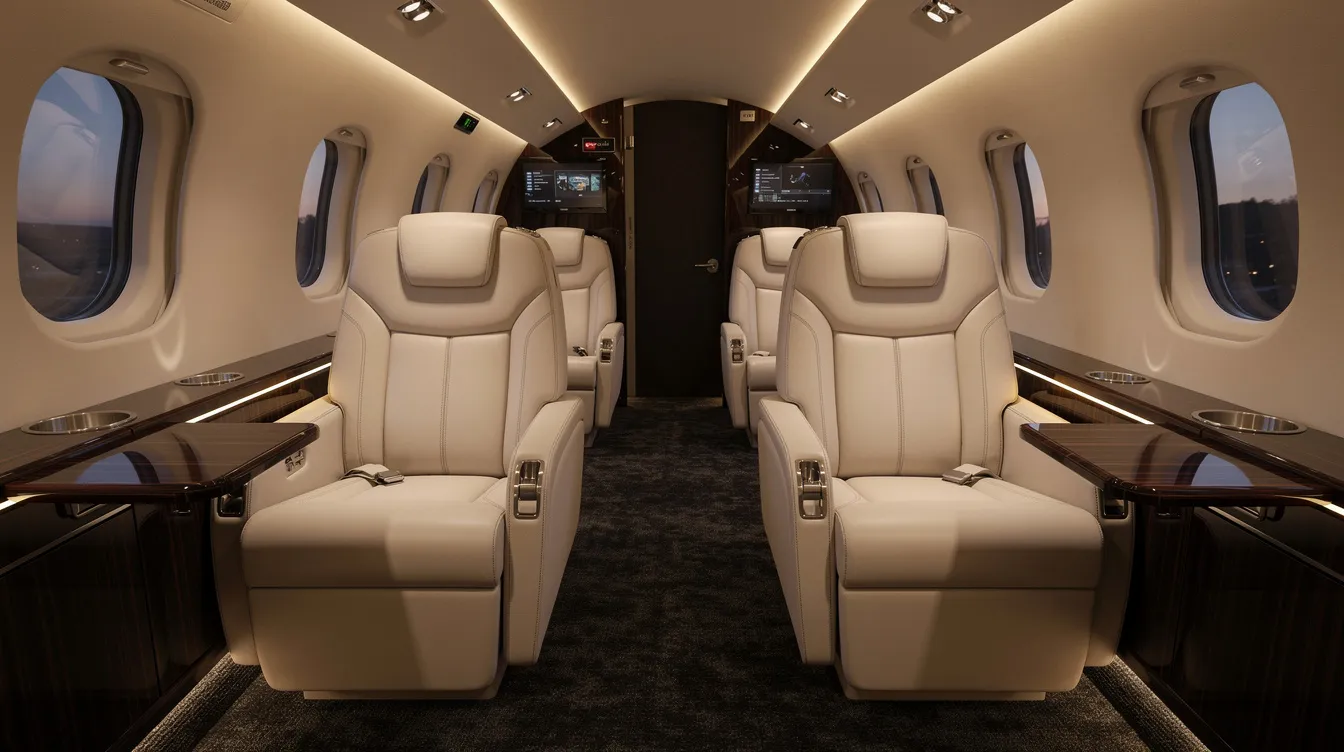
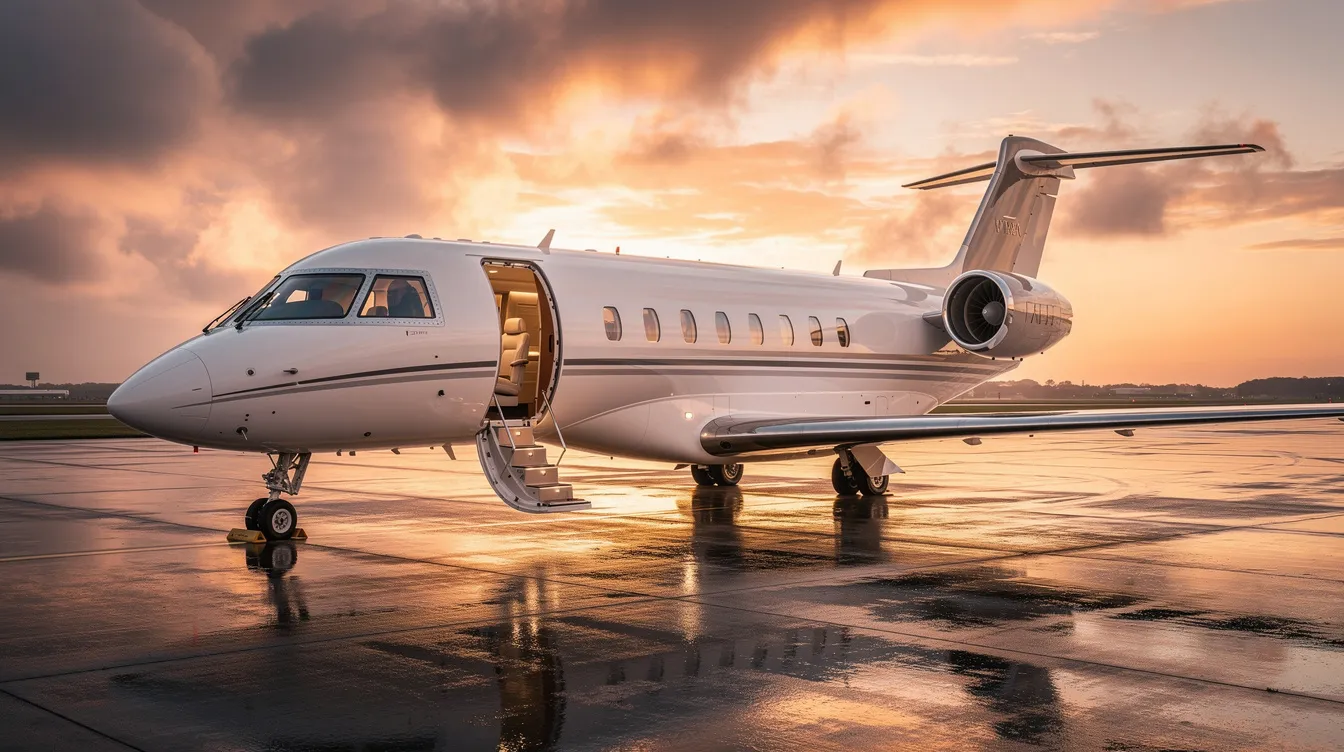
The image showcases the interior of a spacious private jet cabin, featuring luxurious leather seats and abundant natural lighting that enhances the elegant atmosphere. This setting is ideal for private jet owners seeking comfort during their travels, embodying the essence of private aviation.

New vs. Pre-Owned: How Purchase Price and Value Differ

Most corporate and private buyers compare new versus pre-owned private jets for sale before making a commitment, and for good reason - the financial profiles differ substantially.

New aircraft deliver a full OEM warranty, the latest avionics and cabin technology, improved fuel efficiency from current-generation engines, a known and clean maintenance history from day one, and fully selectable interior configuration. They also come with long lead times (often 18–30 months for popular models), high capital costs, and immediate depreciation in the first several years.

Pre-owned aircraft offer 20% to 50% lower acquisition costs, faster availability, and the benefit that the steepest early-life depreciation has already been absorbed. Pre-owned aircraft usually sell for significantly less depending on condition and history, and a well-maintained 5- to 10-year-old aircraft can represent compelling value.

The risks with older pre-owned jets are real: major inspections approaching, cabin refresh needs running into the millions, and avionics upgrades required for regulatory compliance or operational capability. Older aircraft generally depreciate faster unless major components are recently replaced.

When does new make sense? Long-term fleet strategies, strict brand or mission standards, or situations where no suitable pre-owned aircraft exists. For many buyers, though, a high-quality late-model used aircraft provides a more efficient aircraft acquisition path.

BusinessJets.com provides valuation and appraisal reports to quantify the financial trade-off between a new delivery slot and a pre-owned alternative.

Understanding Ownership Costs vs. Purchase Price

The purchase price is often less than 50% of the total 5- to 10-year cost of owning a jet. Buyers who focus only on acquisition spend tend to underestimate what it actually costs to own a private jet outright.

Ownership costs divide into two buckets: fixed (annual) and variable (per flight hour depending on utilization). Here are representative 2026 ranges by jet size:

  • Very light jets: Annual fixed costs of approximately $450,000 to $700,000; variable costs of $1,500 to $2,000 per flight hour

  • Light jets: Annual fixed costs of roughly $450,000 to $900,000; variable costs of $1,800 to $2,500 per flight hour

  • Midsize jets: Annual fixed costs of $800,000 to $1.2 million; variable costs of $2,200 to $2,800 per flight hour

  • Large cabin / ultra long range: Annual fixed costs of $1.4 million to $1.8 million or more; variable costs of $4,000 to $9,500 per flight hour

Annual operating costs for private jets typically range from $500,000 to $4 million, and the exact figure hinges on how many annual flight hours you accumulate.

For example, a large-cabin jet like the Gulfstream G550 has fixed costs of $1.4 to $1.8 million annually, with variable costs of $3,500 to $4,500 per hour. Annual engine overhaul on a Gulfstream G550 costs $2.5 to $3.5 million per engine, making engine program enrollment critical to managing costs.

Total ownership costs can exceed $2 million annually for ultra-long-range jets.

Fixed Annual Costs: Crew, Hangar, Insurance, and Management

Fixed costs accrue whether the aircraft flies one hour or five hundred, making utilization the single most important variable in ownership economics. Annual fixed costs for ownership can exceed $2 million for larger aircraft categories.

Crew salaries for a flight crew - captain and first officer - vary by region, jet size, and experience. In the U.S., total compensation including benefits, recurrent training, and travel expenses for a two-pilot crew on a midsize jet typically runs $250,000 to $450,000 annually. Larger or ultra long range operations that require flight attendants and additional crew add further cost.

Hangar fees depend heavily on location and aircraft size. Major U.S. hubs command significantly higher rates than secondary airports. A large cabin jet requiring 5,000+ square feet of hangar space at a premium FBO can cost several thousand dollars per month.

Private jet insurance is typically priced at 1% to 3% of hull value per year for hull coverage, plus liability. A $30 million large cabin aircraft might carry annual insurance premiums of $300,000 to $900,000. Higher hull values and complex international flights increase premiums.

Management fees from third-party companies typically include monthly retainers plus per-flight-hour overrides, covering scheduling, maintenance supervision, regulatory compliance, and crew management.

Annual fixed costs for midsize jets range from $800,000 to $1.2 million. Large-cabin jets like the Gulfstream G550 have fixed costs of $1.4 to $1.8 million annually. We encourage buyers to benchmark multiple management proposals using independent advisory help rather than accepting the first quote.

Variable Operating Costs: Fuel, Maintenance, and Hourly Expenses

Hourly operating costs are driven primarily by fuel burn, maintenance reserves, and trip-specific fees. These variable costs scale directly with how much the aircraft flies.

Fuel consumption increases with aircraft category. Light jets burn approximately 165 to 225 gallons per hour, while ultra long range jets may consume 475 to 550+ gallons per hour. With jet fuel prices at many U.S. FBOs running between $6.50 and $8.50 per gallon in 2026, fuel cost alone for large cabin aircraft can reach $3,000 to $5,000+ per hour.

Maintenance reserves are per-hour accruals owners set aside for engine restorations, scheduled heavy maintenance, and airframe inspections. These can equal or exceed fuel cost per flight hour in some categories. Variable costs for midsize jets add $2,200 to $2,800 per flight hour when fuel, reserves, and fees are combined.

Trip-specific fees include landing fees, handling charges, de-icing, catering, crew per diem, and overnight accommodations. Navigation and overflight fees add cost for international flights.

All-in per-hour cost - including reserves - can be double the fuel-only figure. This is the number that matters in true cost comparisons between ownership, fractional ownership, and on demand charter. BusinessJets.com appraisals often include projected operating costs as part of the valuation narrative to give buyers a complete picture.

Engine and Maintenance Programs: Impact on Cost and Resale Value

Engine programs like Rolls-Royce CorporateCare, Pratt & Whitney ESP, JSSI, and various MSP options have become central to how institutional buyers evaluate private aircraft. Most sophisticated purchasers strongly prefer aircraft with engines enrolled on comprehensive programs.

These programs convert unpredictable, large engine overhaul bills into steady per-hour fees, dramatically improving budget predictability. For context, annual engine overhaul on a Gulfstream G550 costs $2.5 to $3.5 million per engine - a figure that's far easier to absorb when spread across flight hours over years.

The resale impact is significant. Engine program enrollment often adds 10% to 20% in value versus a similar aircraft not on programs, and reduces days on market considerably. A 2011 light jet enrolled in TAP Blue, for example, will sell faster and at a higher price than a comparable off-program aircraft. Similarly, a large cabin jet with full coverage on engines, APU, and avionics presents far less risk to the next buyer.

While monthly and per-flight-hour program fees increase ongoing costs, they materially de-risk ownership and often improve financing terms. During due diligence, verify coverage level, paid hours banked, and transferability with support from an experienced broker.

How Age, Hours, and Condition Shape the Price You Pay

Within any model type, aircraft age, total airframe time, and maintenance history drive discounts or premiums that can reach millions of dollars.

Depreciation curves for business jets tend to be steepest in the first 5 to 10 years, then flatten considerably after year 10 to 15. Older aircraft generally depreciate faster unless major components are recently replaced. After the initial curve, condition and maintenance history become the primary value differentiators - not calendar age alone. Modern avionics and cabin upgrades substantially increase a jet's value, sometimes recovering a meaningful portion of the investment.

"Low-time" aircraft relative to their age - those with fewer hours and cycles than average - and jets with clean logbooks and no damage history command premiums. Factors affecting resale value include age, total flight hours, and maintenance history. Private jets usually command higher prices if they are accompanied by clear ownership history.

The financial impact of upcoming inspections is also direct. A large cabin jet approaching a 96-month or 192-month inspection may carry a price discount of $500,000 to $2 million or more because the buyer faces a significant near-term expense.

Buyers should always review complete maintenance records, service bulletins, and AD compliance with an independent technical representative. A pre buy inspection is not optional - it's essential. BusinessJets.com's appraisal work factors in both cosmetic condition and technical status to reach realistic, defensible value ranges.

Mission Profile: Matching Jet Category to How You Actually Fly

Mission analysis should precede any aircraft shortlist. Skipping this step - or performing it superficially - leads to acquiring the most unsuitable aircraft for your actual travel patterns.

Key mission variables include average trip length, longest regular route, number of passengers, runway lengths at your typical airports, and whether you need airport access at secondary fields or major hubs, especially where scheduled airlines often cannot serve the same remote or secondary airports. An owner focused on more than one destination within a region has different requirements than one focused on intercontinental point-to-point.

Here are practical examples:

  • An owner flying 2–3 passengers on 500–800 nm trips fits well with light jets or certain Cessna Citation models. The cabin space is adequate, operating costs are manageable, and most regional airports accommodate these efficient aircraft. On shorter sectors, turboprop aircraft can also make sense when the priority is lower operating cost rather than jet speed.

  • A corporate team regularly flying New York–Los Angeles or London–Dubai might require super midsize jets or a large cabin jet to accommodate the team, the range, and the productivity needs.

  • Intercontinental executive operations over 5,000–6,000 nm - transatlantic missions or Asia-Pacific routing to global hubs such as Paris with ultra long range charter options - justify ultra long range jets like the Global 7500 or Gulfstream G700.

Incorrectly sizing the jet creates expensive problems. An unsuitable aircraft that's too large wastes hundreds of thousands per year in unnecessary fixed costs. One that's too small forces fuel stops, limits payload, and restricts airport access - eroding whatever savings drove the decision. BusinessJets.com models real routes and airports to right-size aircraft recommendations for every client engagement.

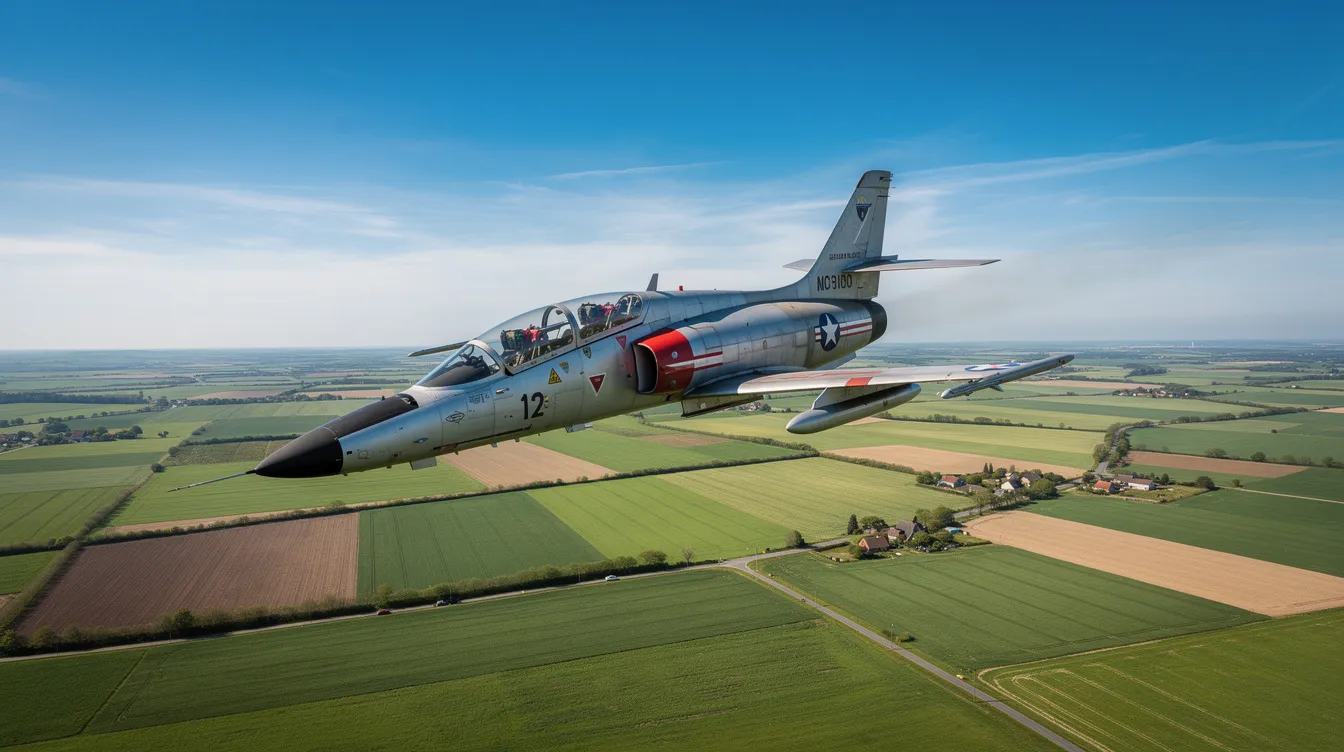
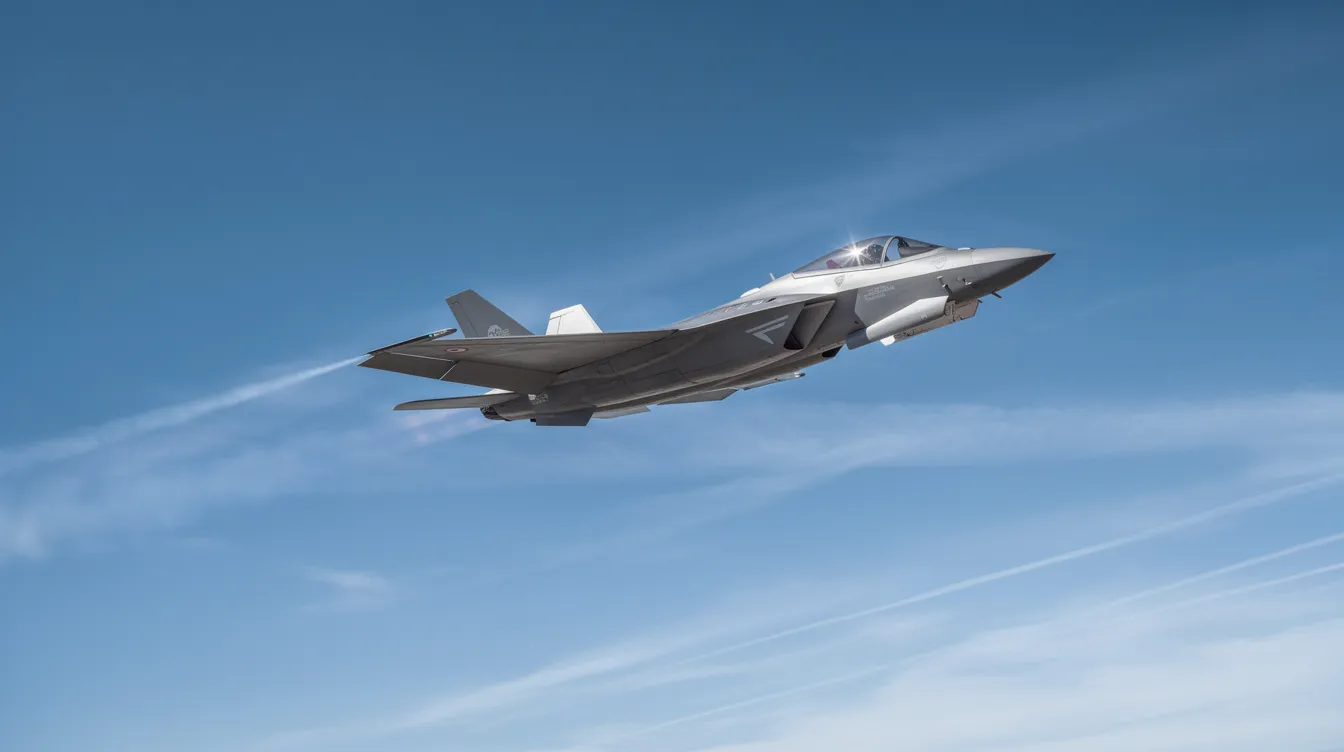
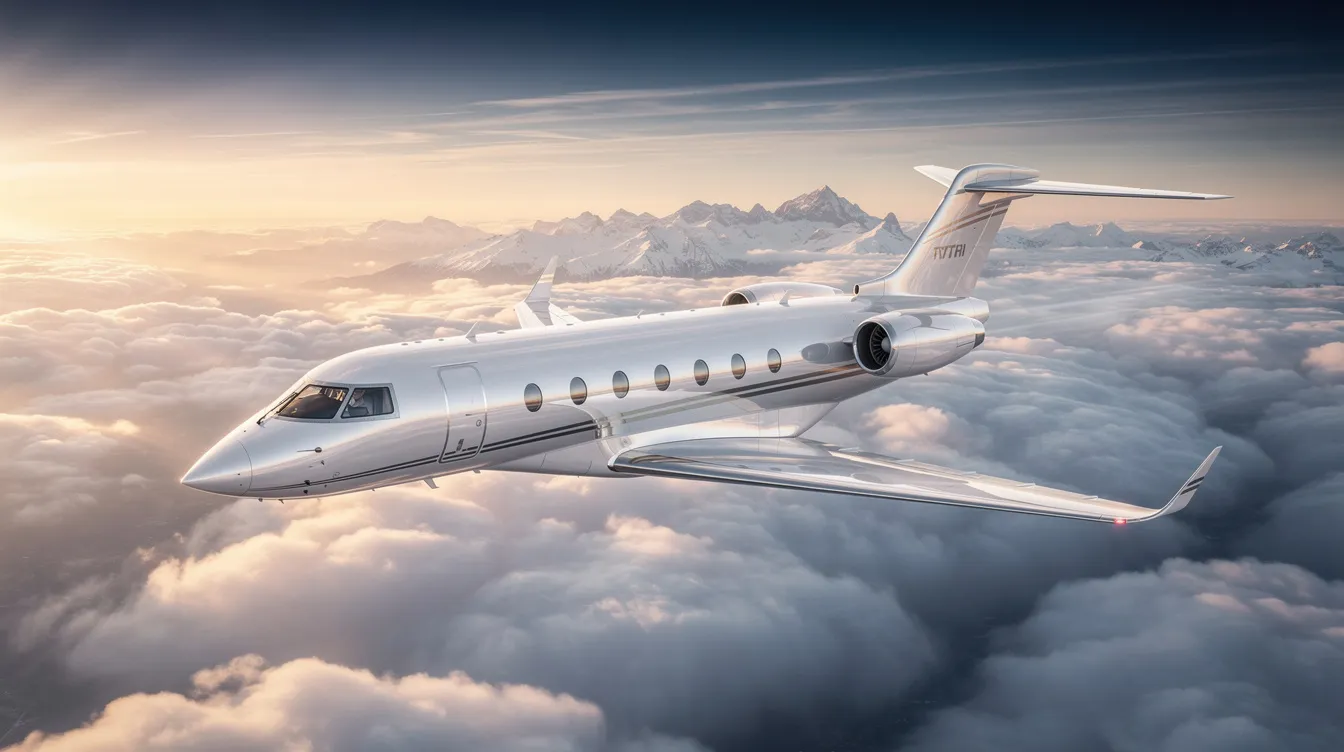
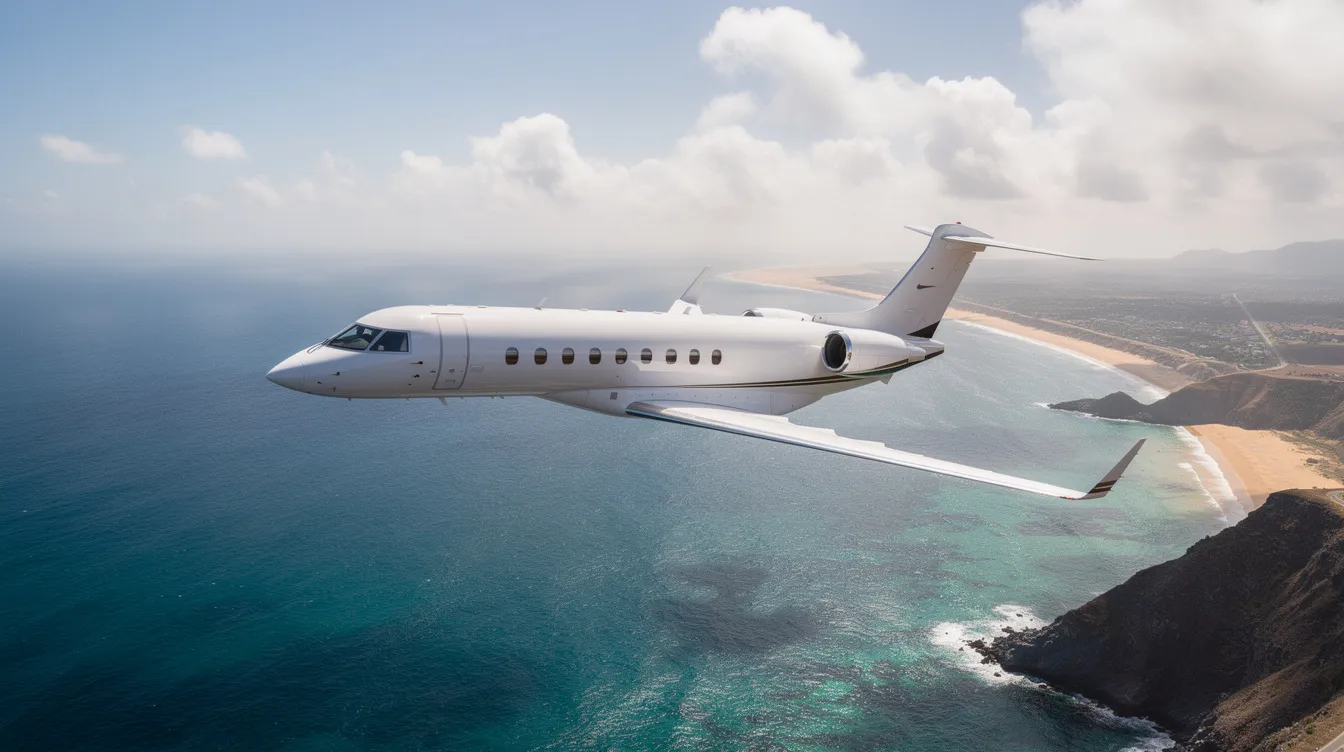
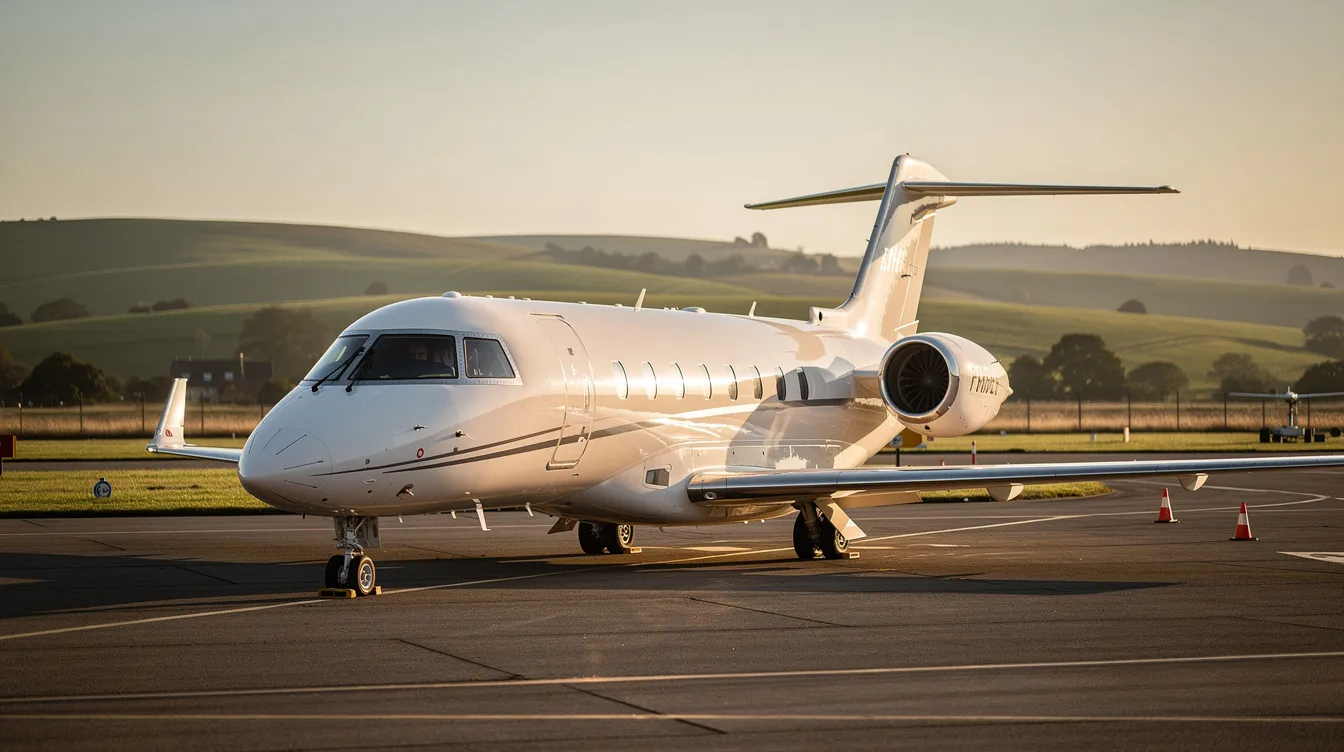
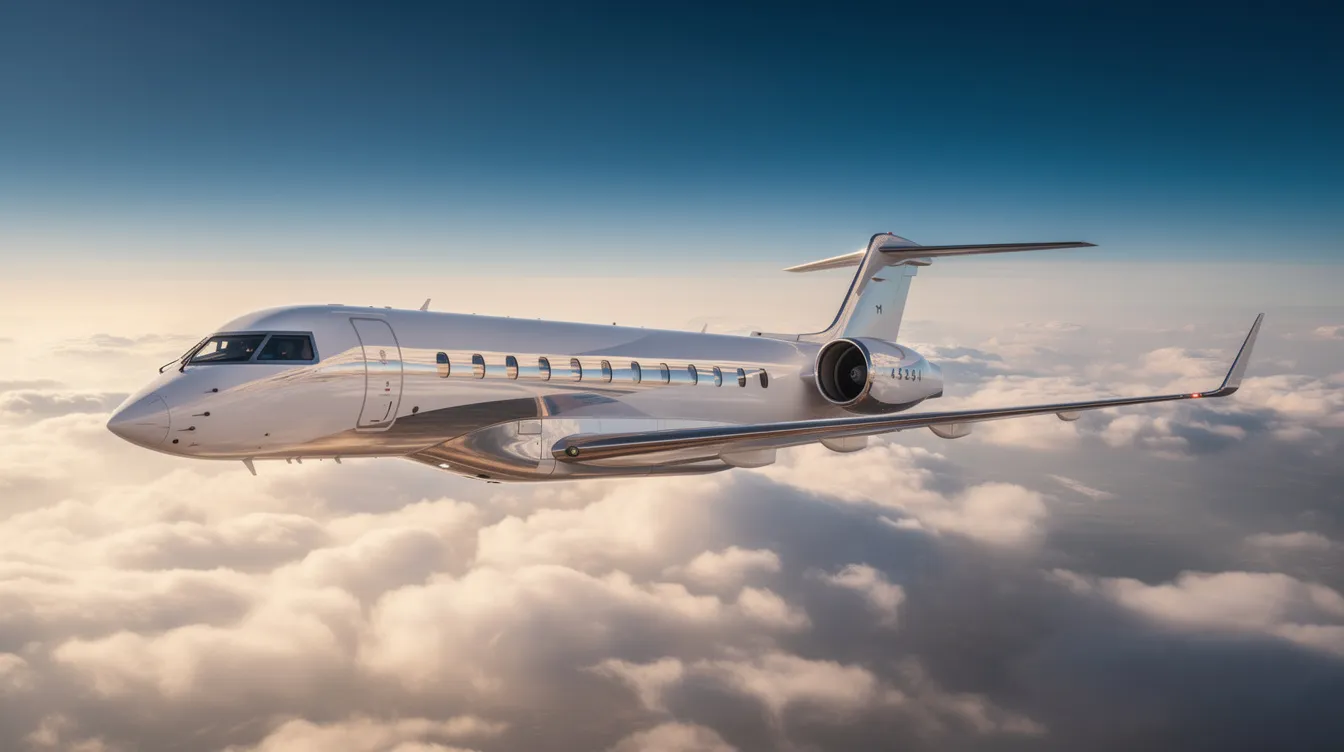
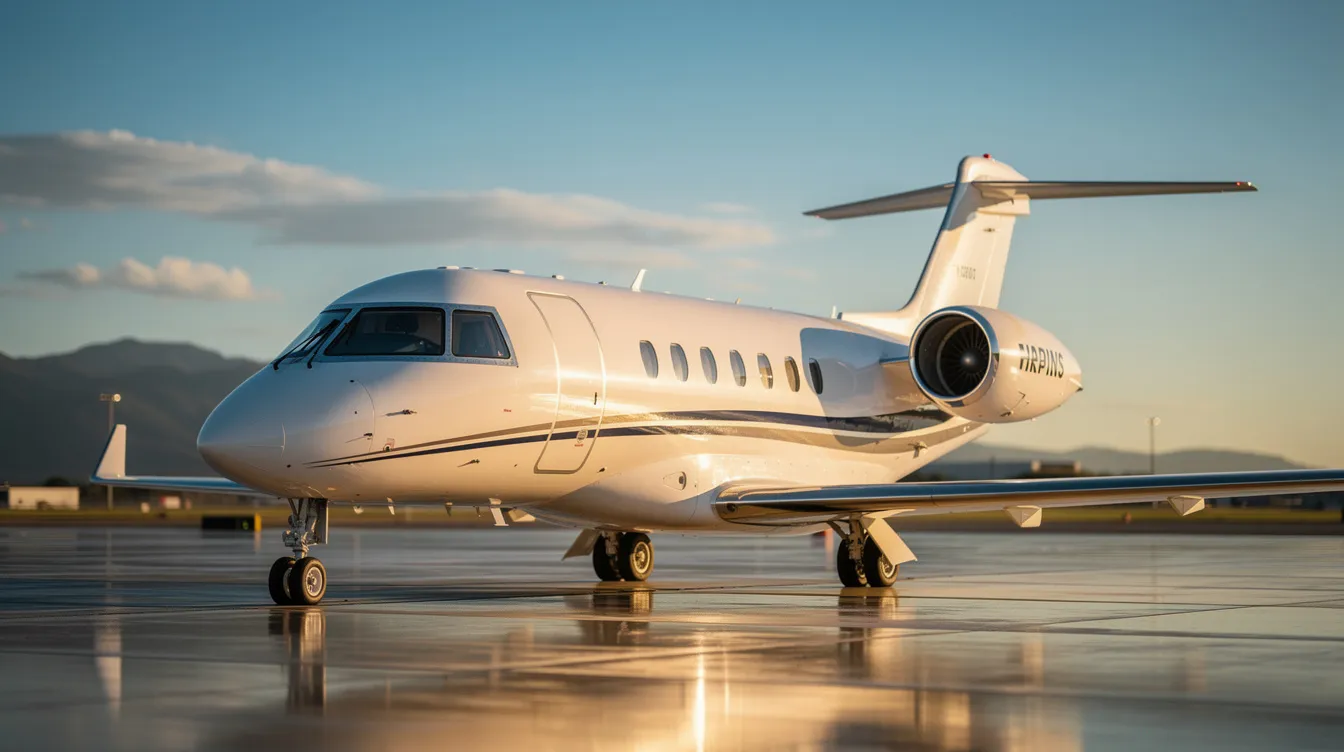
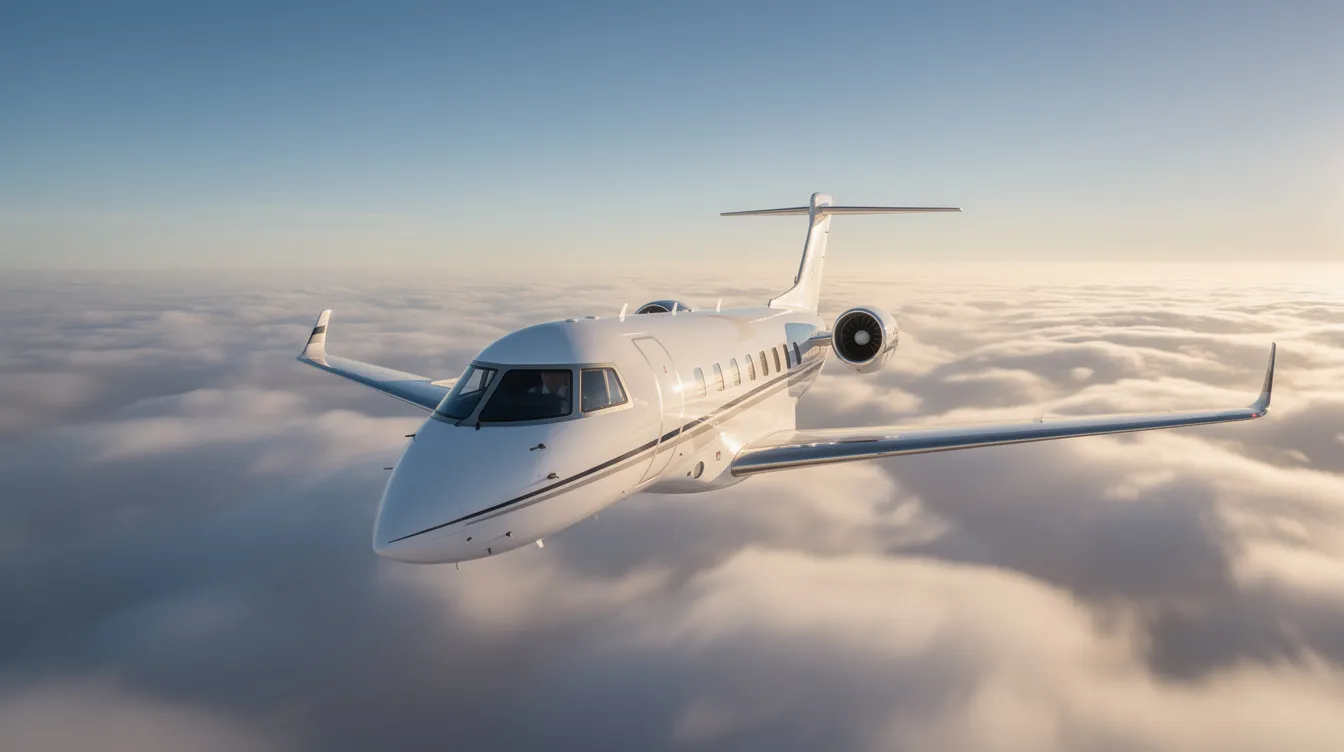
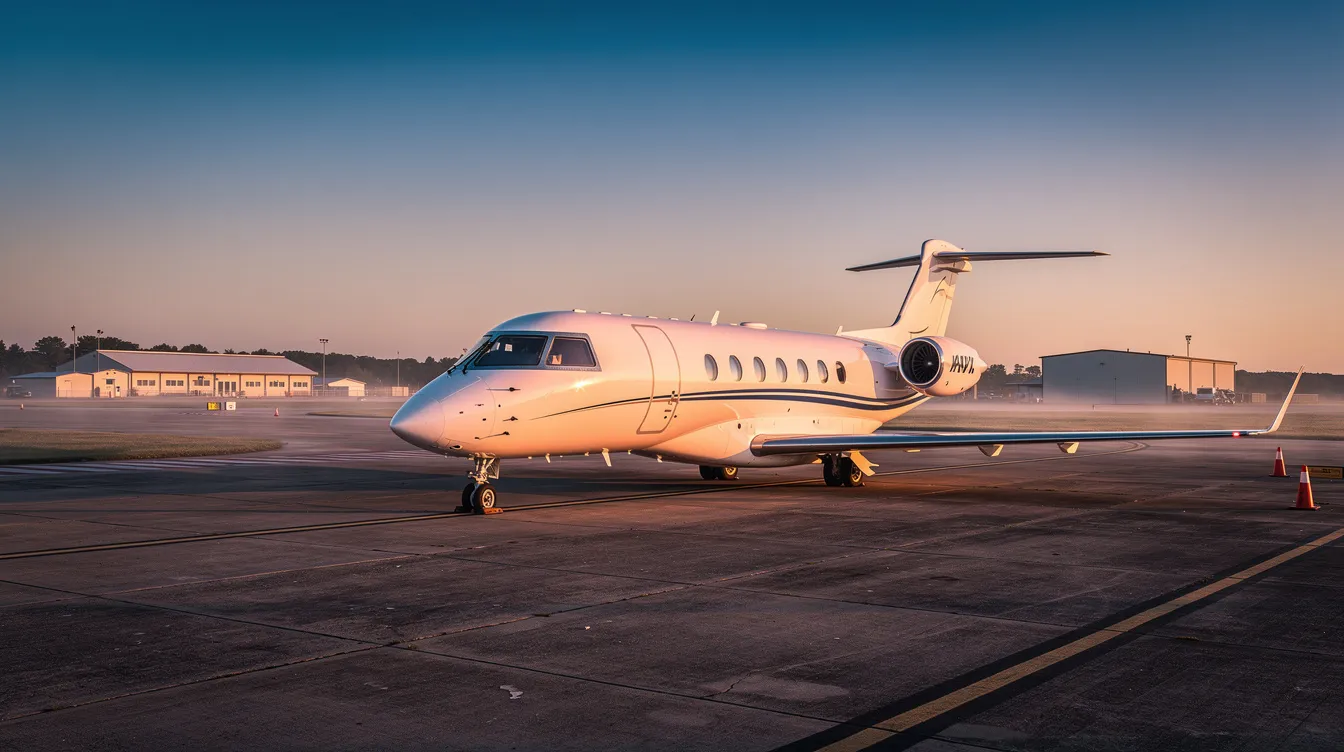
A private jet is seen taking off from a runway, with majestic mountains in the background, symbolizing the luxury of private aviation. This scene highlights the allure of owning a private jet, often sought after by private jet owners and enthusiasts in the private jet market.

Private Jet Travel Alternatives: Charter, Fractional, and Lease vs. Buying

Many clients evaluate ownership against private jet charter, fractional ownership, or leasing before committing to a purchase - and rightly so.

On demand charter works best for frequent flyers logging under 150–200 hours per year, for those testing different aircraft types, or for bridging an acquisition timeline. Chartering is often more cost-effective for under 200 flight hours annually. Charter costs range from $2,300 to $17,000 per flight hour, depending on aircraft type. VIP airliners can cost $18,000 to $23,000 per hour to rent. Rental prices include aircraft, crew, fuel, and insurance. Government taxes add 7.5% to domestic flight costs. Aircraft age can increase rental costs by $100 to $1,000 per hour.

Fractional ownership offers shared costs but requires long-term commitment, typically three to five years, with no residual value upside. It can suit buyers who need guaranteed access but don't fly enough to justify a full asset. By contrast, buyers who want to own private jet capacity outright are paying for dedicated access rather than sharing the aircraft with other participants.

Dry and wet leasing serve operators and businesses that want capacity without tying up capital. This route is common among charter operators building or supplementing their fleets.

At roughly comparable hours, full ownership tends to deliver better per-hour economics above the 200–300 hour threshold and gives a private plane more scheduling flexibility than airline service or shared programs can offer. We encourage prospective buyers to review their last 12–24 months of private jet travel data with BusinessJets.com to determine whether ownership economics genuinely work.

The End-to-End Purchase Process and Timeline

The private jet buying process typically takes 60 to 120 days from initial search to closing, though new aircraft deliveries extend far longer due to OEM backlog.

Key stages include:

  1. Mission analysis and budget setting - defining what the aircraft needs to do and what you're prepared to spend, including ongoing costs

  2. Aircraft search and initial shortlist - identifying specific aircraft that match your mission, typically reviewing 5 to 15 candidates

  3. Records review and offer - inspecting maintenance records, maintenance status, and logbooks before submitting a letter of intent, which is typically negotiated within one to two weeks

  4. Pre-purchase inspection - a pre-buy inspection usually lasts three to five days and covers airframe, engines, avionics, and interior condition

  5. Closing - closing involves title search and FAA registration transfer, escrow management, and international registry checks for cross-border deals

Buyers should engage lenders before making an offer to ensure financing is aligned with the acquisition timeline. For international flights or cross-border registrations, additional regulatory steps apply.

A seasoned broker like BusinessJets.com coordinates technical teams, legal counsel, tax advisors, and lenders through each phase. Some buyers use charter or interim lift during the acquisition to avoid operational disruption.

Financing, Tax, and Corporate Structure Considerations

The main acquisition structures include cash purchase, financed purchase, operating lease, finance lease, and corporate versus individual ownership. Each carries different implications for cash flow, balance sheet treatment, liability, and tax exposure.

Lenders evaluate jet category, aircraft age, engine program enrollment, and buyer credit when setting loan-to-value ratios. Modern aircraft on full programs typically qualify for more favorable terms than older jets without coverage.

Tax considerations in the U.S. include accelerated depreciation rules (Section 179, bonus depreciation), business versus personal-use allocations, and state-level sales and use tax. Government taxes add 7.5% to domestic flight costs in the form of federal excise tax, which affects ongoing operating economics. Ownership entities - LLCs, trusts, or corporate structures - influence liability protection, tax treatment, and privacy of the private plane's registration.

Buyers should involve aviation-savvy tax counsel early and align financing terms with their projected hold period and residual value assumptions. BusinessJets.com often works alongside clients' legal and tax teams to align aircraft selection and deal structure with their broader financial strategy.

Market Cycles, Timing, and Negotiation Strategy

Private jet values move with broader economic cycles, interest rates, and OEM production capacity. Economic conditions and macro market factors extensively impact private jet demand and pricing, and market supply and demand directly influence private jet pricing at any given moment.

The recent trajectory tells the story: a post-pandemic price surge from 2021–2023 driven by new entrants and supply constraints, followed by gradual normalization through 2024–2026 as inventory expanded and some pandemic-era buyers exited. By mid-2026, buyer–seller dynamics are more balanced, though late-model inventory remains tight.

When evaluating negotiating leverage, consider days on market for the specific aircraft, the number of comparable aircraft listed, and whether the model is still in production. Out-of-production models with strong support networks (like the G450 or Falcon 900LX) hold value differently than those with declining parts availability.

In a tight market, decisive action on a well-priced aircraft is essential. In a softer market, patience and competitive bidding across multiple options yield better outcomes. Objective appraisals and comparable sales data from BusinessJets.com support disciplined offers and counteroffers. Timing upgrades or disposals around major inspections and new model introductions can also preserve value.

How to Evaluate a Specific Aircraft Beyond the Asking Price

Headline price is only one data point. True value depends on technical and commercial context that requires deeper analysis.

Key data points to review on any private jet listing include serial number, year of manufacture, total airframe and engine hours, cycles, engine and APU program status, avionics upgrades (or lack thereof), Wi-Fi capability, and dates of major inspections completed and upcoming.

Deeper due diligence should cover logbook completeness, damage or incident history, corrosion checks, cabin condition, and regulatory compliance items such as ADS-B Out, FANS, and RVSM. Completion and quality of maintenance logs add significant value to a private jet. Missing or incomplete records are a red flag that typically warrants a price adjustment or walking away.

Benchmark the aircraft against recent comparable sales and other private jets for sale in the same aircraft category. Then involve a technical representative and accredited appraiser to translate findings into specific price adjustments or seller concessions. BusinessJets.com packages these findings into a valuation-based negotiation strategy for clients.

Case Scenarios: Light Jet vs. Midsize vs. Ultra Long Range Ownership

Abstract theory only goes so far. Here are three ownership scenarios grounded in real decision-making.

Scenario 1: U.S. Regional Owner-Operator An owner flying 180 annual flight hours on North American routes of 500–1,200 nm, carrying 2–4 passengers. A pre-owned Cessna Citation CJ3+ at approximately $6 million with annual ownership costs of roughly $650,000 in fixed costs plus $2,000 per flight hour delivers solid economics. A small midsize jet would offer more range and cabin space but would increase both acquisition cost (to $10 million or more) and annual fixed costs by $200,000 to $400,000 - difficult to justify at 180 hours per year.

Scenario 2: Corporate Transatlantic Operations A corporate user flying 350 hours per year between major U.S. and European hubs. A super midsize jet like a Praetor 600 handles most transatlantic missions but may require a fuel stop on longer routes. A large cabin aircraft like a G550 or Global 6000 eliminates the stop and adds cabin space for a working team, but the purchase price jumps from the low-to-mid-teens to $25 million or more, and crewing requirements increase. At 350 hours, the incremental cost may be justified by productivity gains and operational flexibility.

Scenario 3: Global Family Office A family office flying 400+ hours per year intercontinentally across multiple time zones. At this utilization, an ultra long range aircraft like a Global 7500 - despite acquisition costs of $55 million or more and annual ownership costs well above $2.5 million - delivers a lower effective cost per hour than chartering comparable aircraft and provides unmatched scheduling control for operation worldwide.

For each scenario, BusinessJets.com structures the mission analysis, cost modeling, and aircraft shortlisting to ensure the category choice is a strategic business decision, not just a preference.

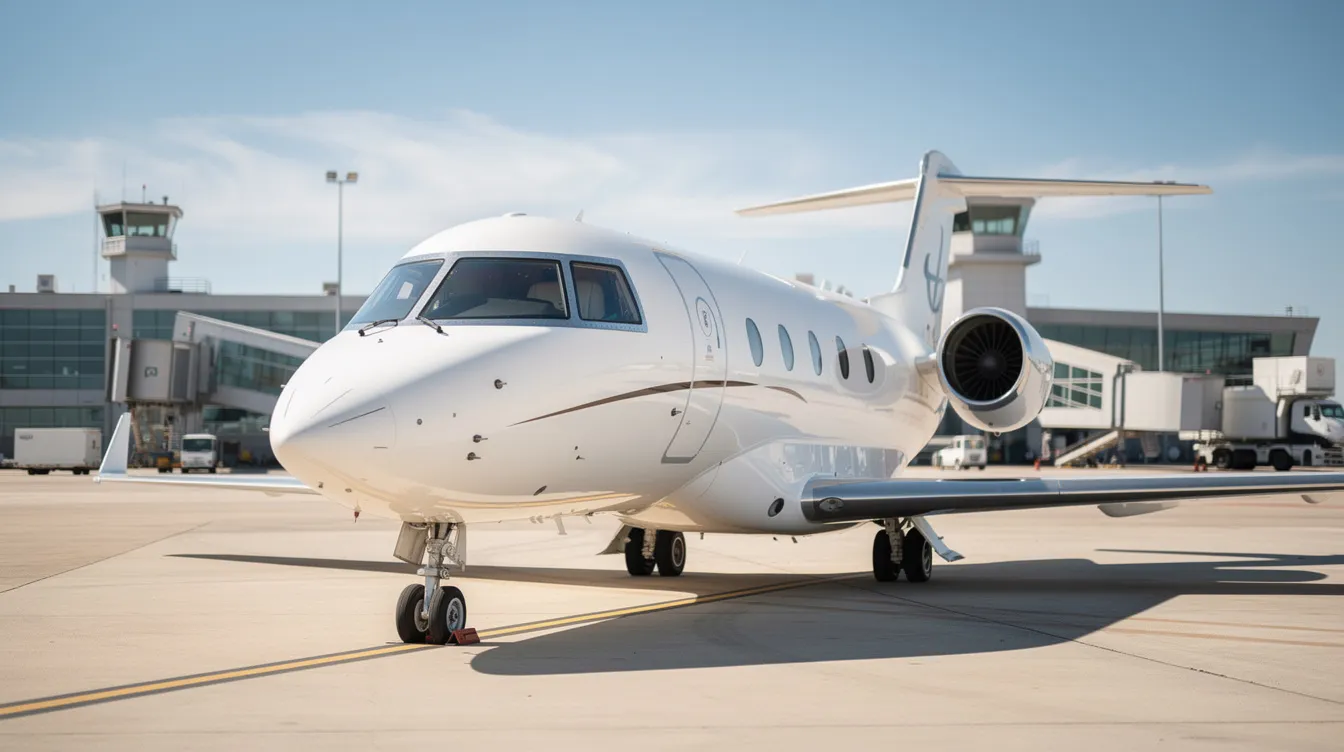
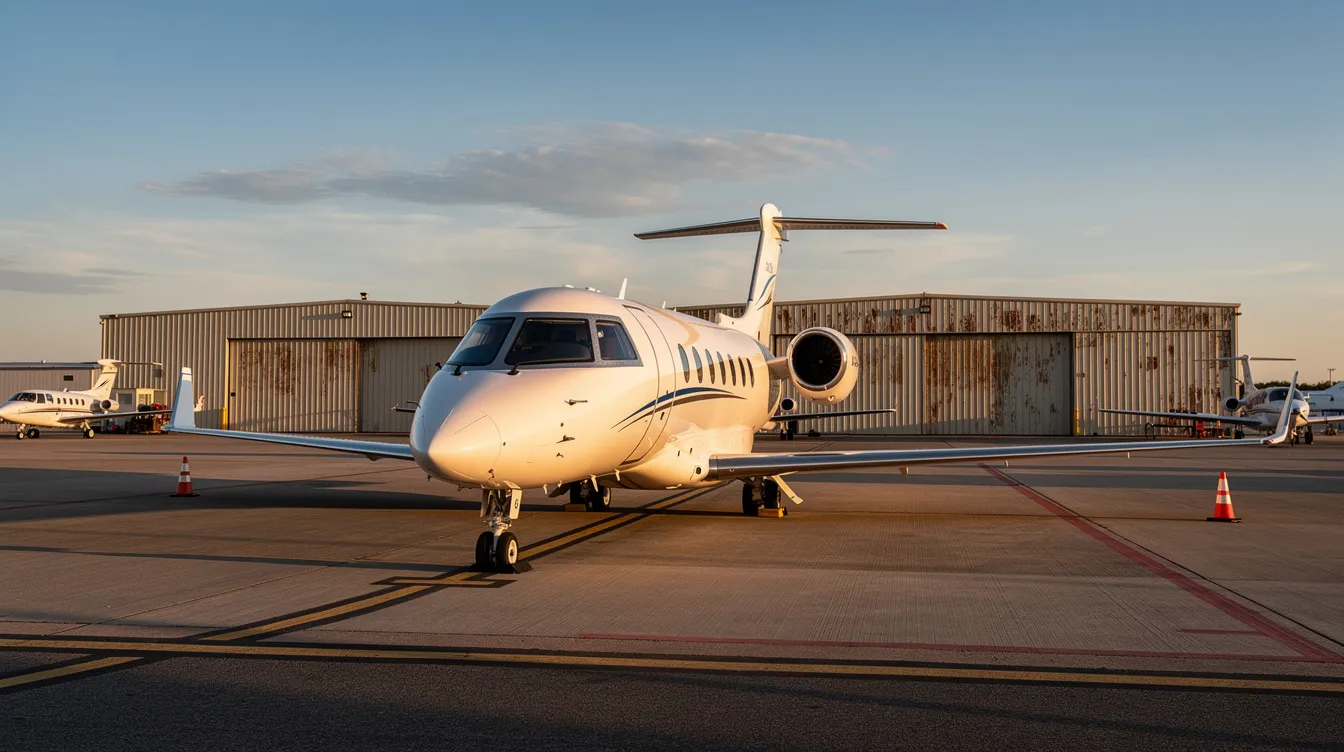
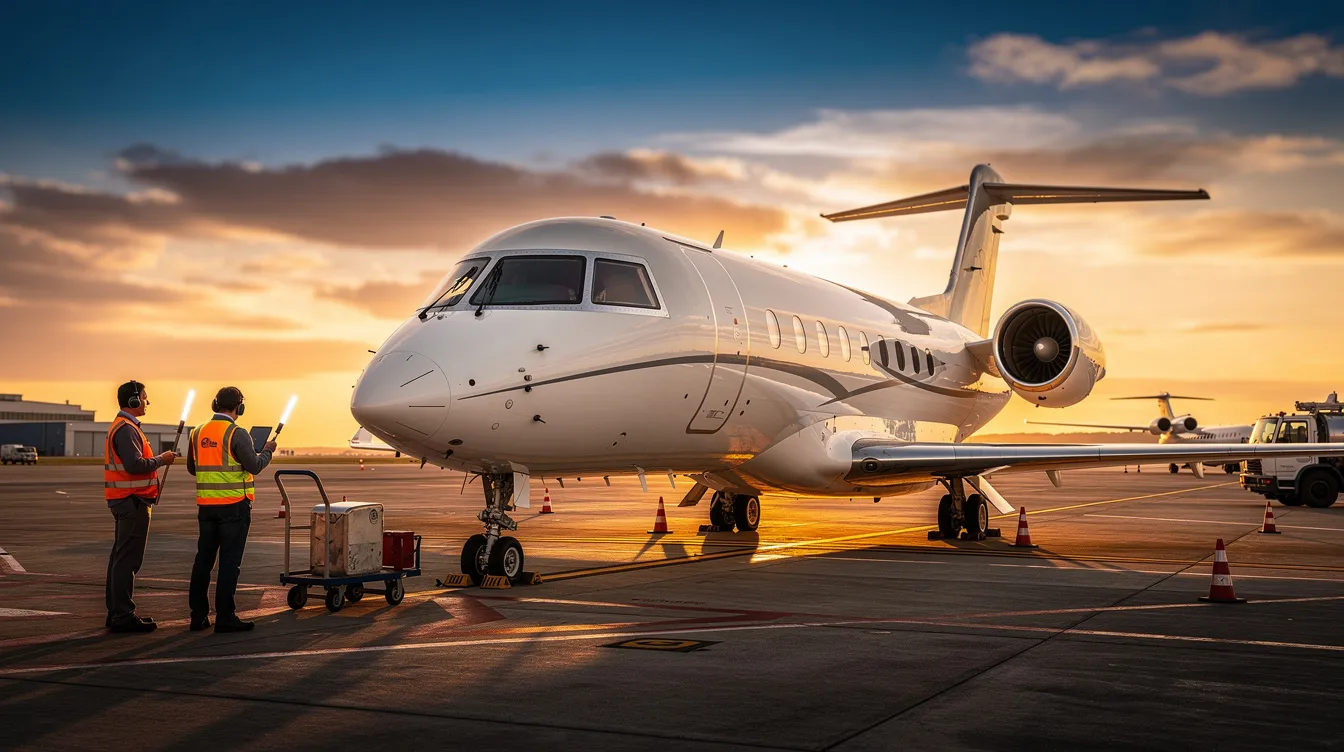
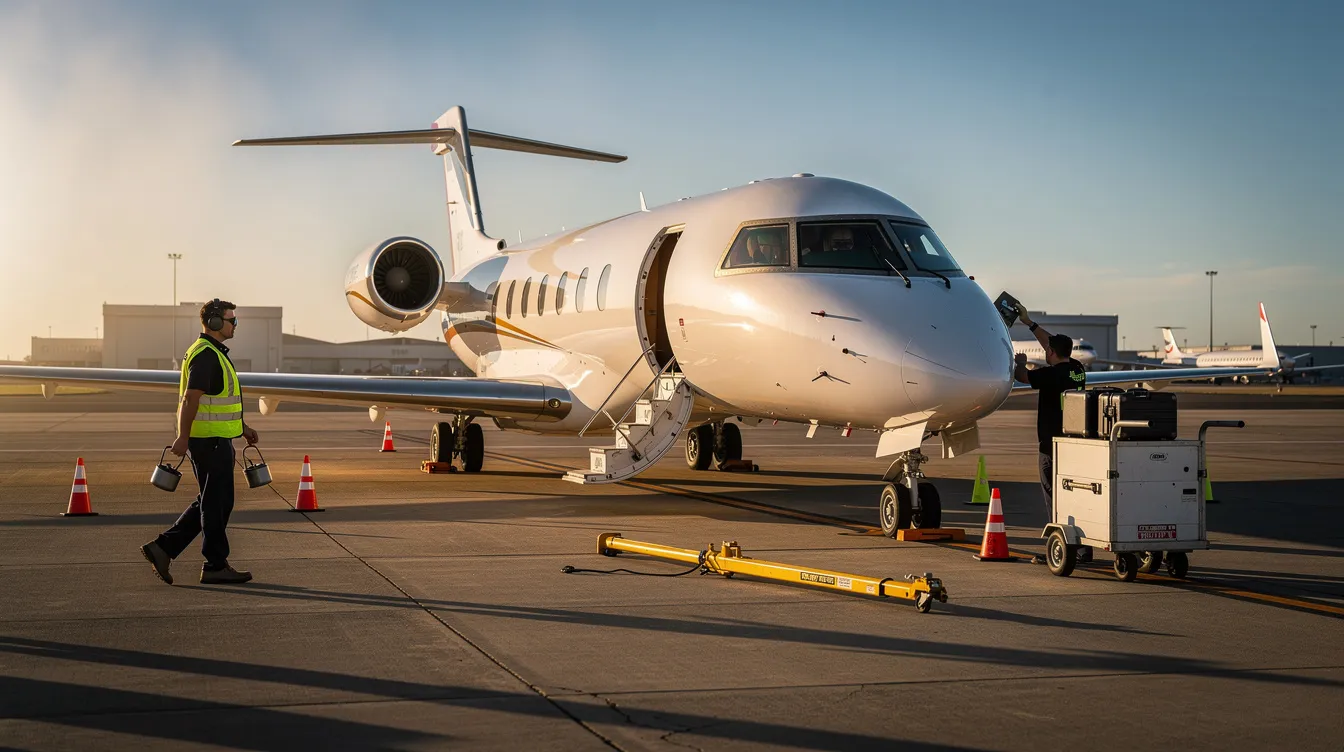
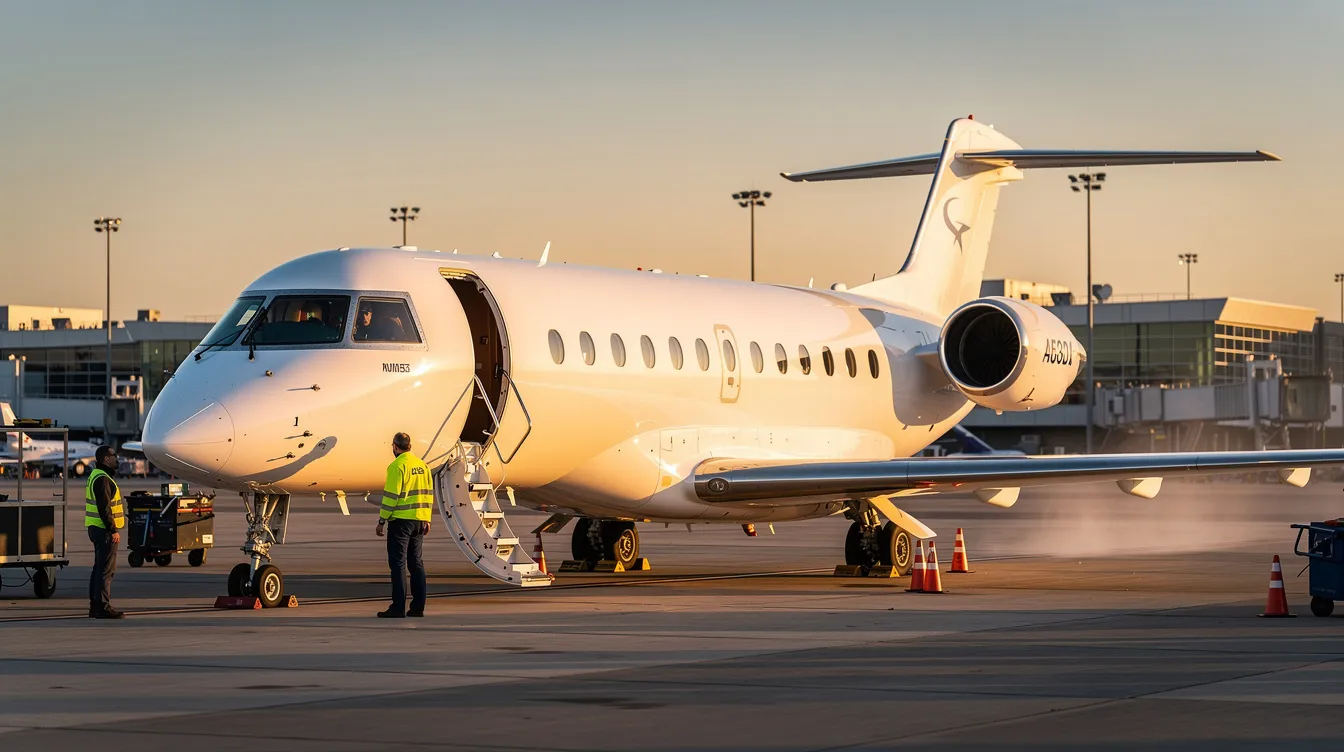
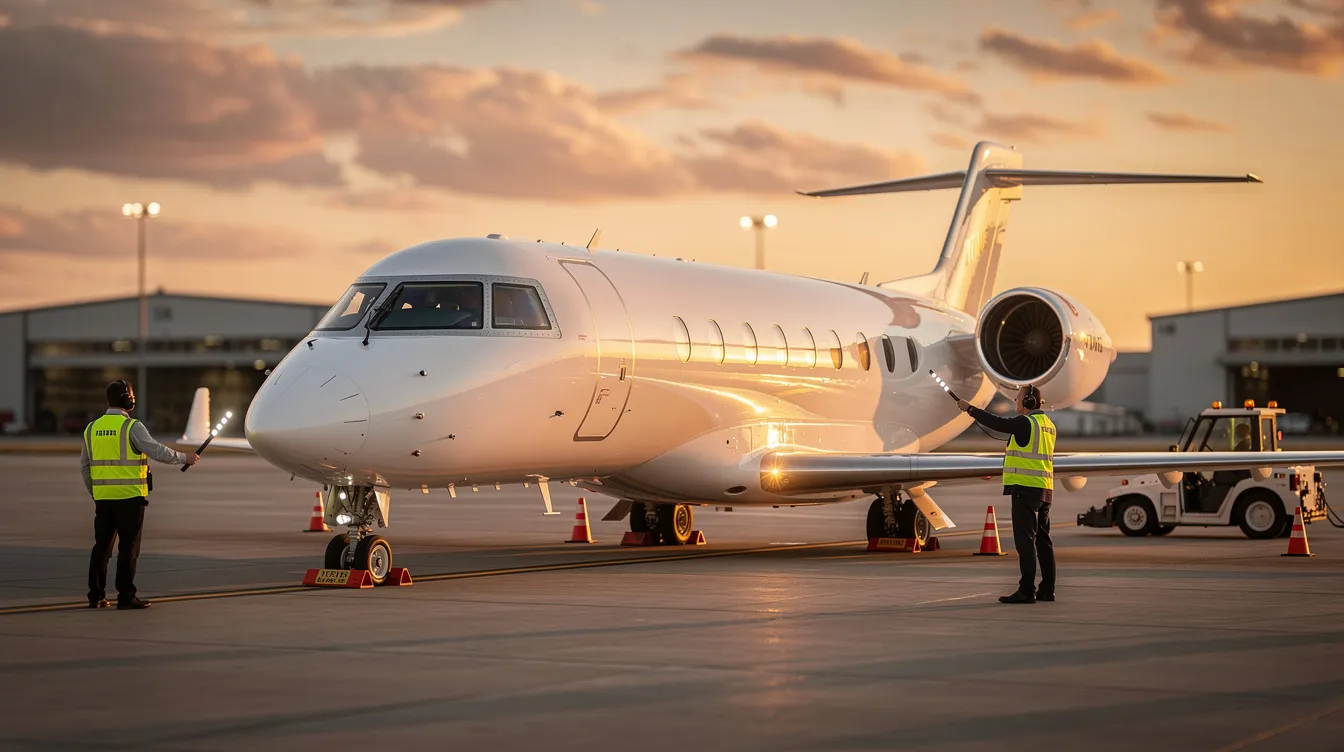
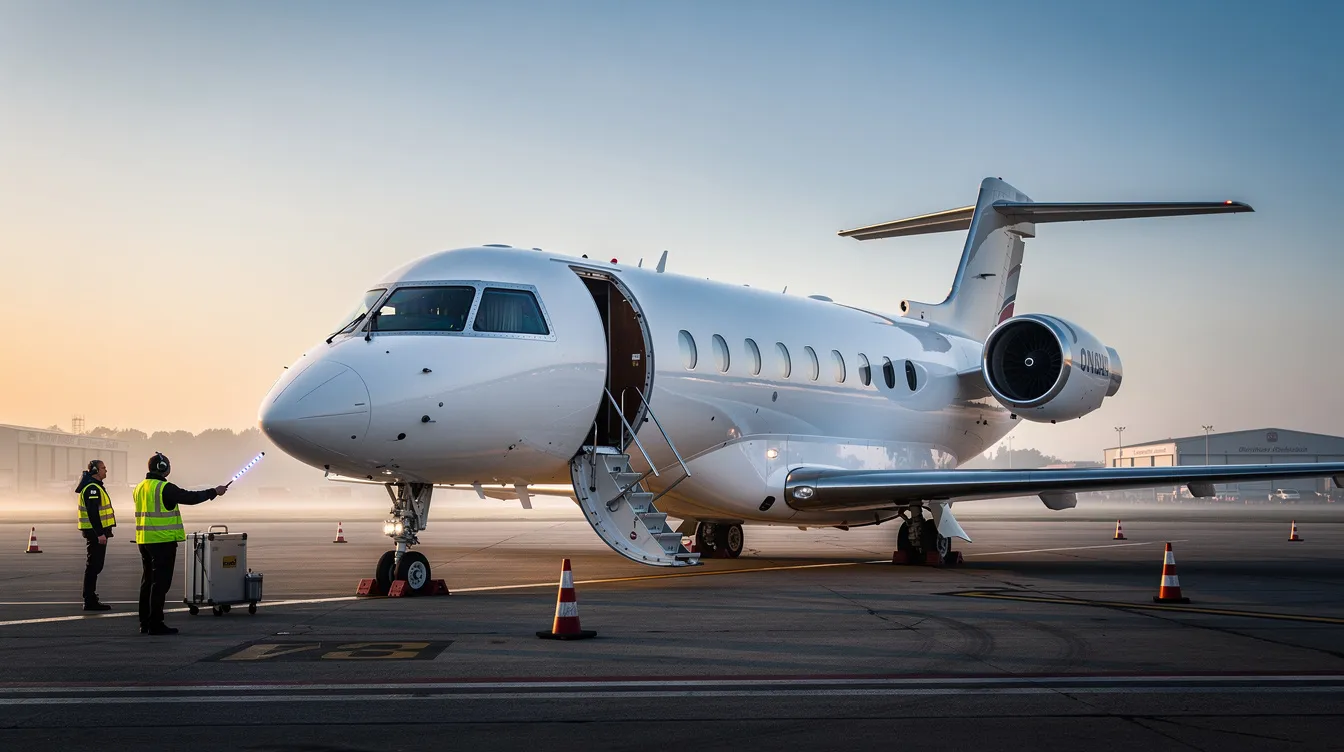
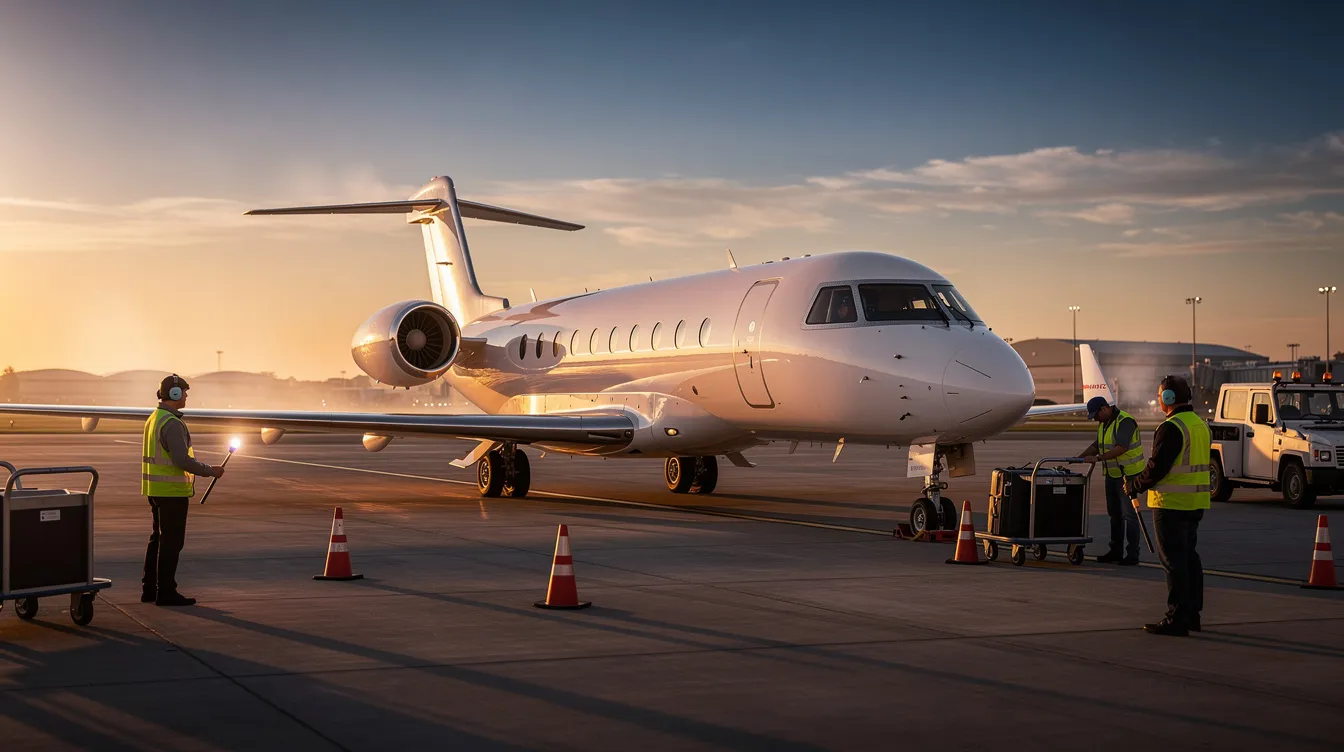
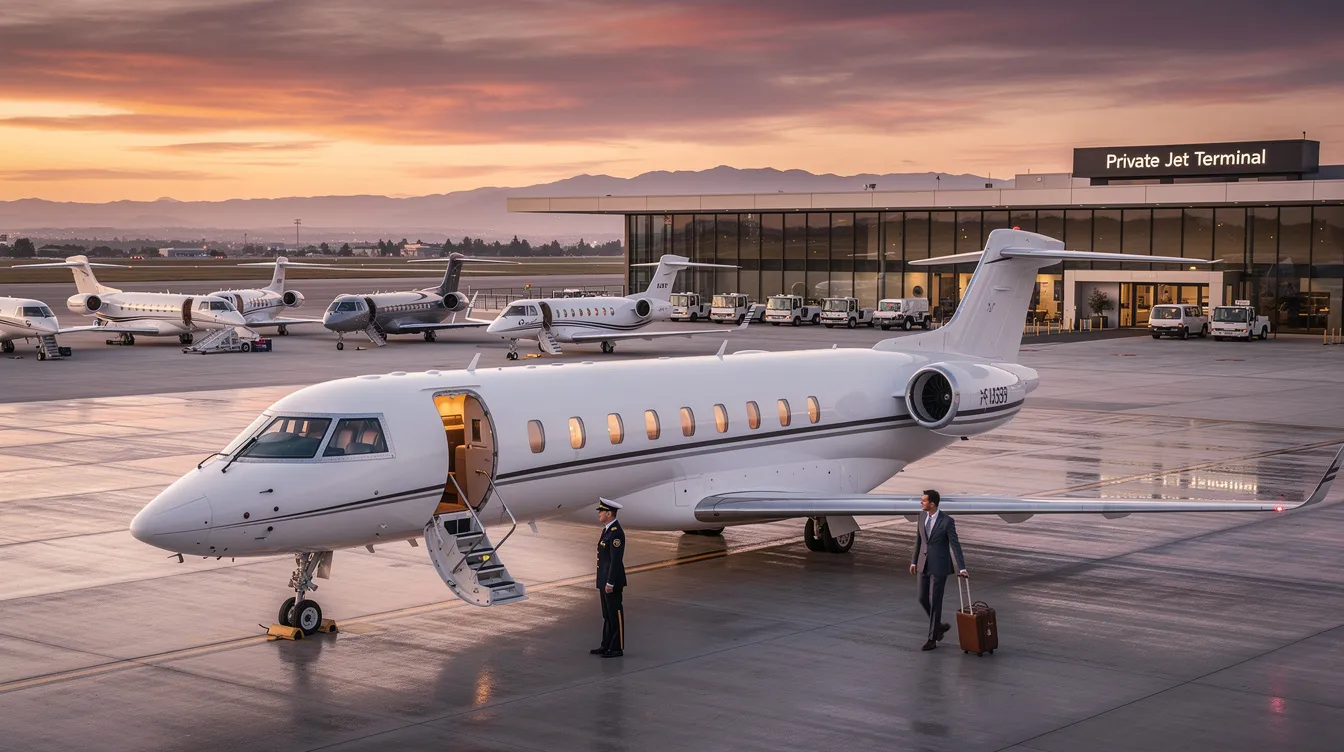
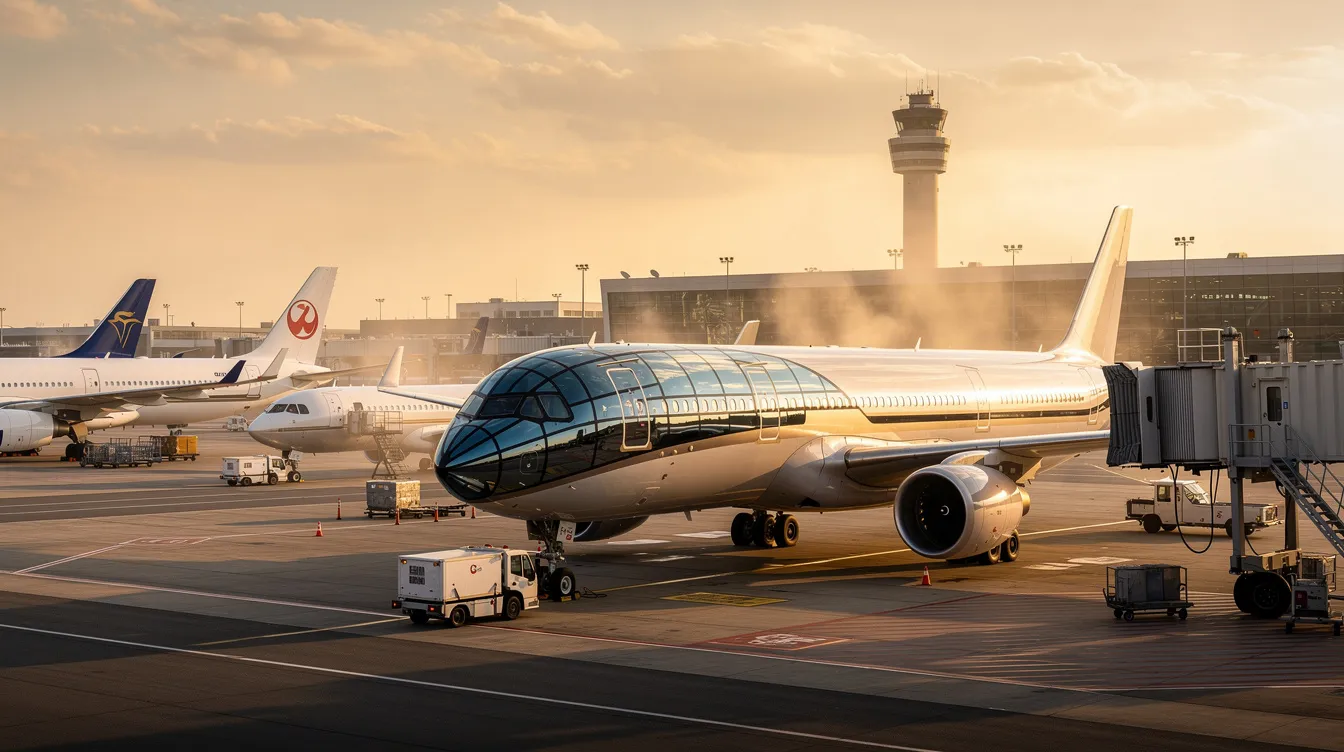
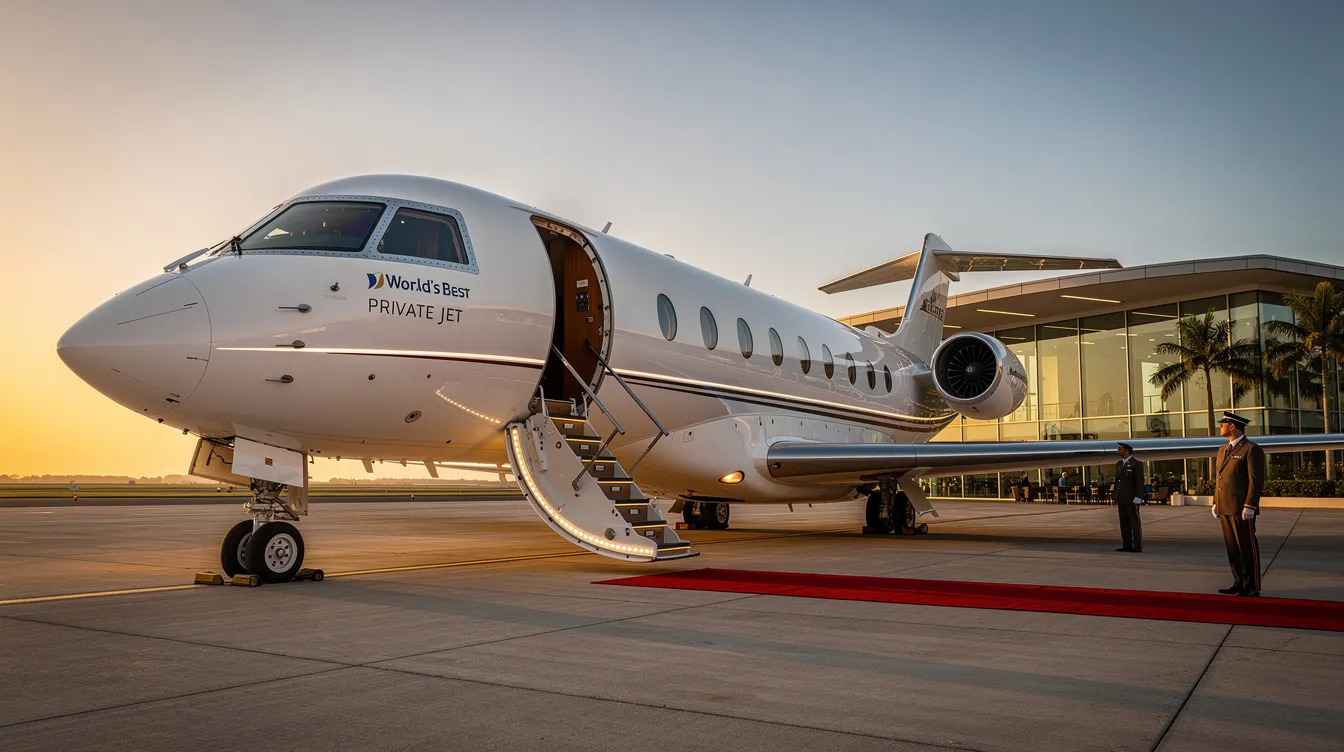
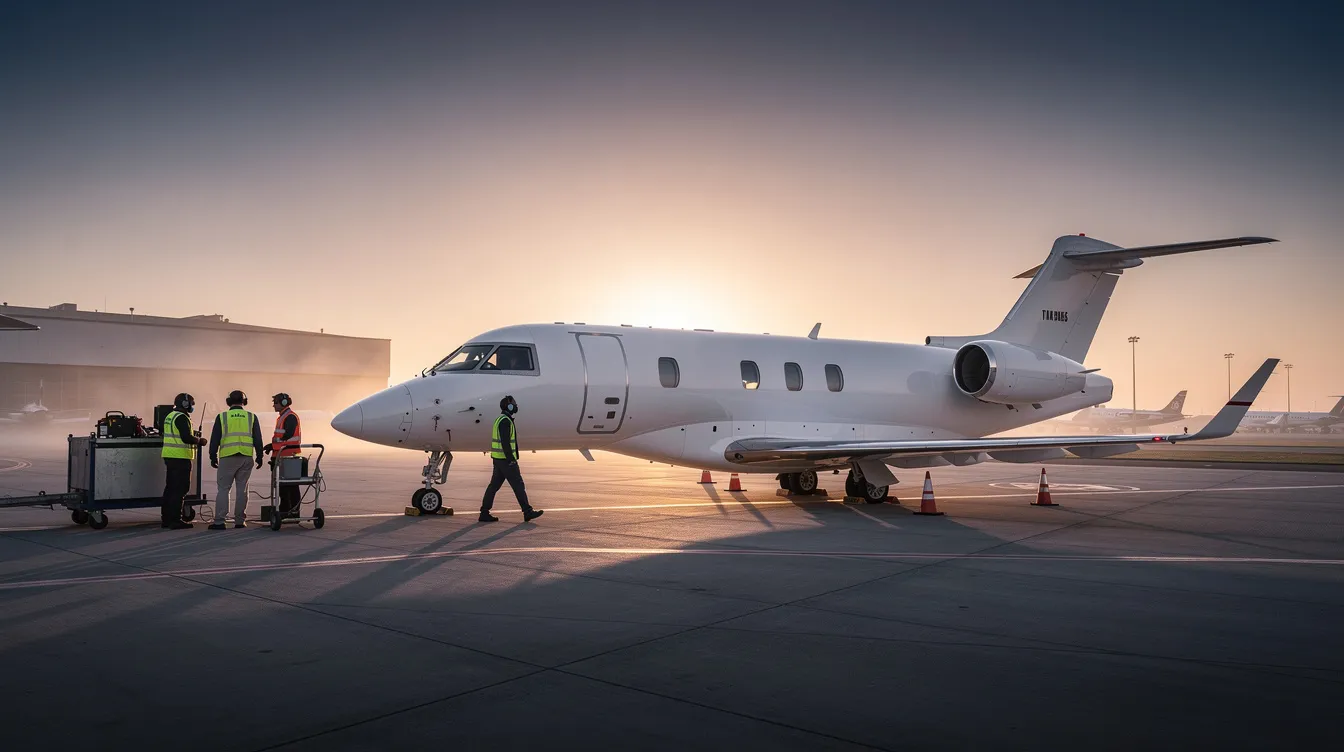
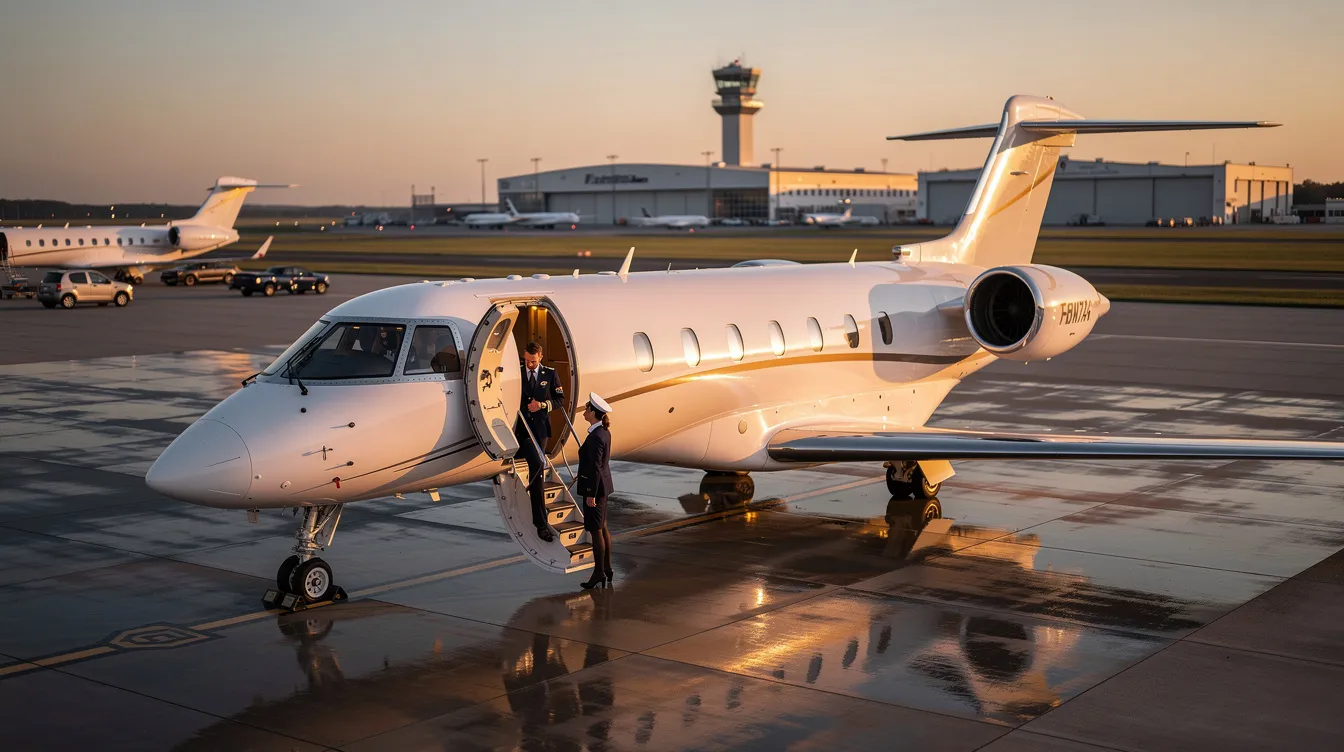
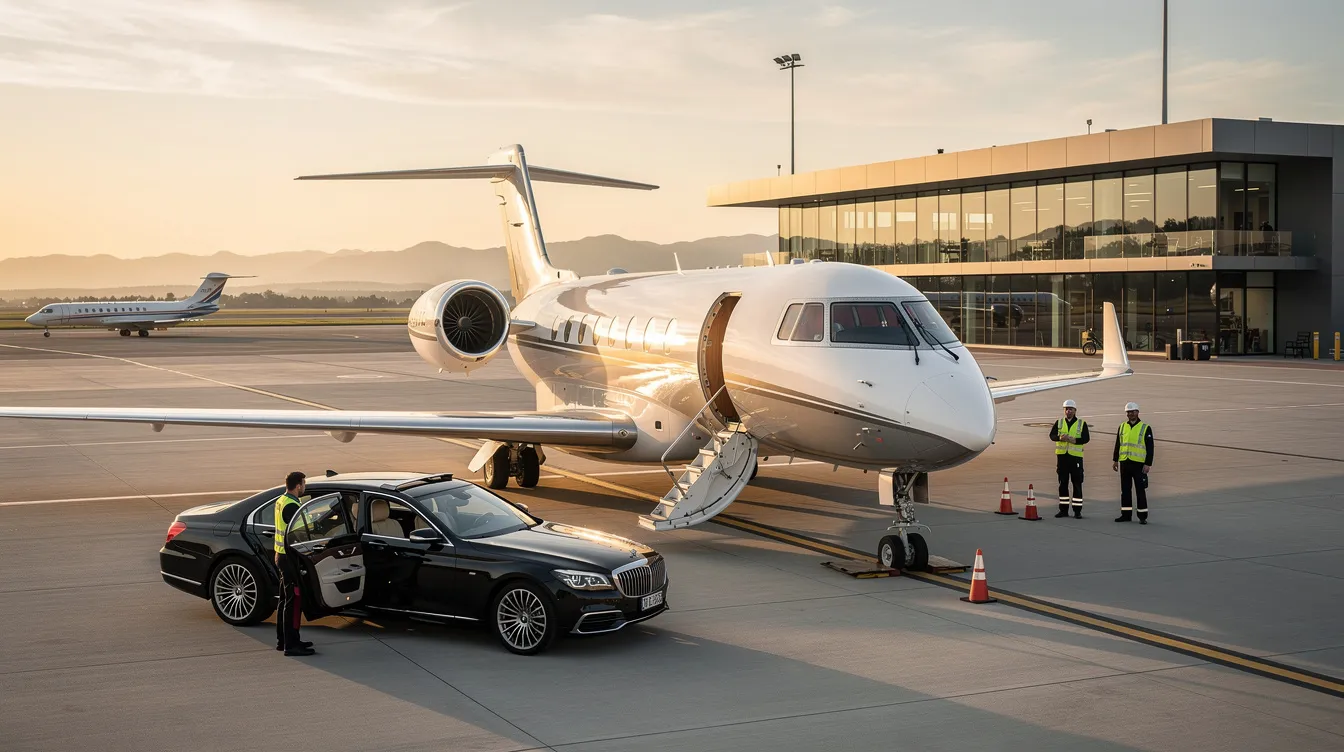
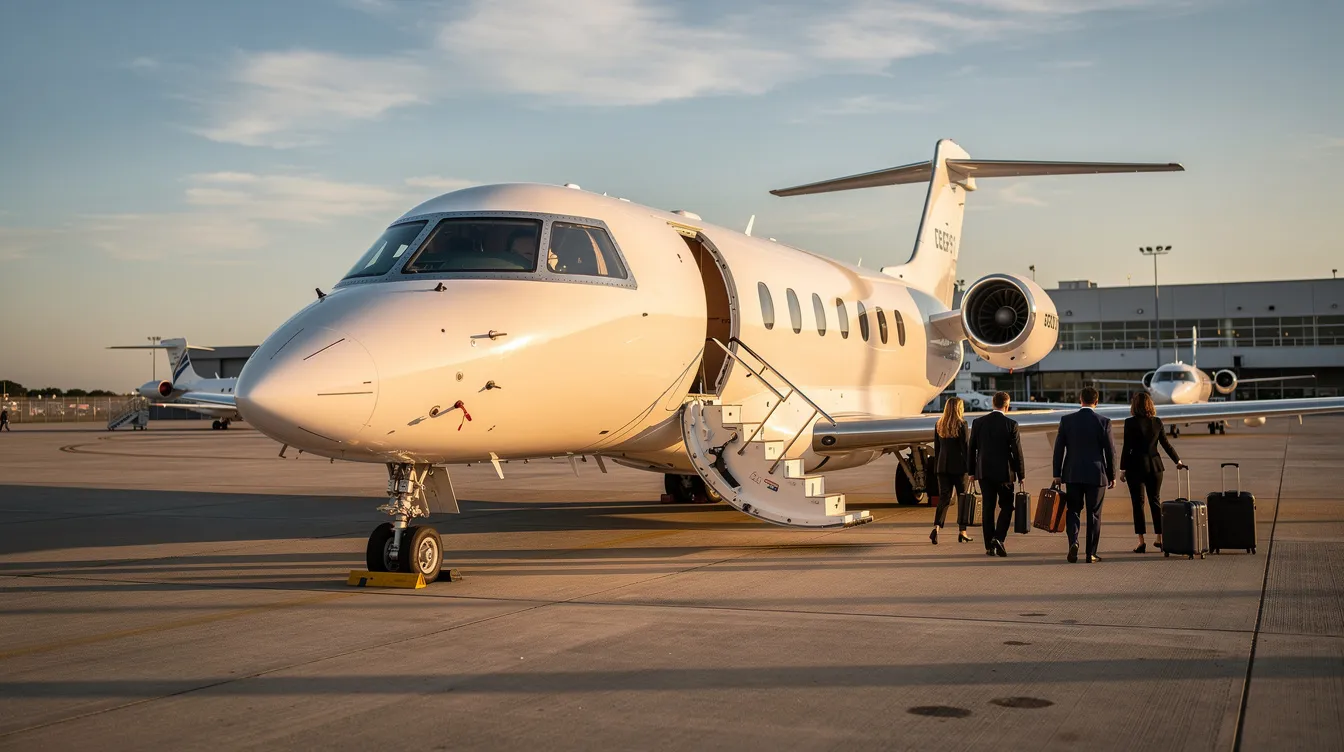
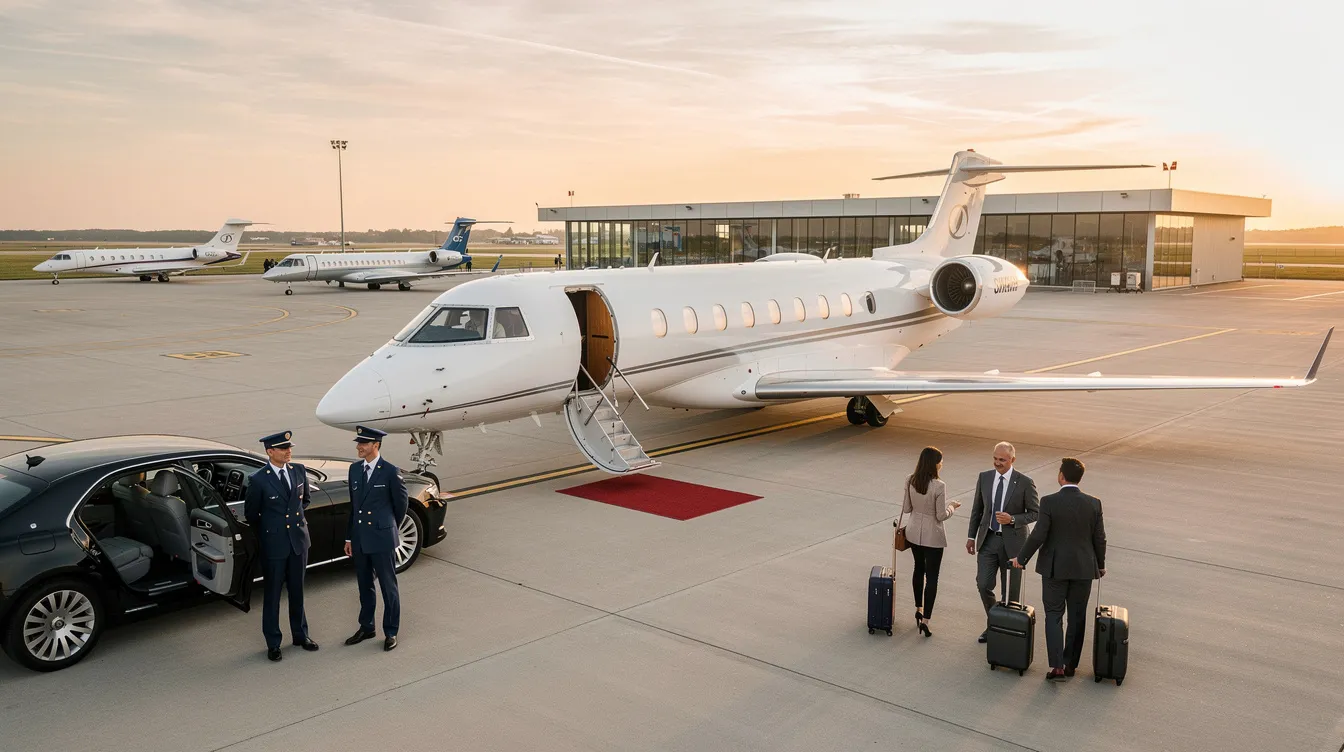
A corporate jet is parked at a Fixed Base Operator (FBO) while an executive approaches it, ready for a private jet travel experience. This scene highlights the luxury and efficiency of private aviation, showcasing the convenience of business jets for executives on the go.

The Role of Professional Brokerage, Appraisals, and Consulting

Complex, multi-million-dollar aircraft transactions benefit from specialist representation. The stakes - financial, operational, and regulatory - are too high for improvisation.

A full-service brokerage like BusinessJets.com handles sourcing on- and off-market aircraft, vetting listings, negotiating terms, coordinating inspections and technical evaluations, and managing closing logistics through to registration. For sellers, the same discipline applies: accurate pricing, qualified buyer screening, and efficient transaction management.

Formal aircraft appraisals and valuation reports protect both buyers and sellers by anchoring expectations to market data rather than sentiment. Operator advisory and fleet strategy consulting serves corporations and charter operators evaluating multiple aircraft or fleet renewal programs.

BusinessJets.com's track record - 1,500+ completed transactions and 5,000+ satisfied clients - reflects decades of market experience across every jet category. The focus is on confidentiality, data-driven decision making, and long-term partnership rather than one-off sales.

Frequently Asked Questions About Private Jet Cost for Sale

What is the cheapest private jet I can buy in 2026? The lowest-priced private jets on the market are typically older very light jets or high-time light jets from the early 2000s, with asking prices starting around $1.5 million. Pre-owned jets can be found for under $2 million, but buyers should budget for potentially higher maintenance and avionics upgrades. Very light jets are priced between $2 million and $5 million new.

How many private jets can I realistically evaluate before deciding? Most buyers review 5 to 15 aircraft before selecting one. The key is narrowing the field early through mission analysis and category selection, then conducting detailed records review and inspections on the top 2 to 3 candidates.

What's the difference in cost between a Cessna Citation light jet and a midsize jet for the same mission? A midsize jet offers more range, payload, and cabin space, but at higher acquisition and per-hour operating costs. Depending on trip length, light jets generally cost between $3.5 million and $9 million new versus midsize jets typically ranging from $5 million to $30 million. Variable costs can differ by $500 to $1,500 per flight hour, and the midsize jet will carry higher annual fixed costs.

At what annual flight hours does owning become cheaper than chartering? It can start to make sense to own private jet access rather than charter at roughly 200–300 hours per year, depending on jet size and charter rates in your region. Charter costs range from $2,300 to $17,000 per flight hour, so the crossover depends heavily on the aircraft category you'd be chartering versus owning.

How much should I budget annually beyond the purchase price? Plan for $500,000 to $900,000 per year for a light jet, $800,000 to $1.5 million for midsize, and $1.5 million to $3 million or more for large cabin aircraft. These ongoing costs cover crew salaries, hangar fees, insurance, management, and maintenance reserves - all of which accrue regardless of how much the aircraft flies.

How long will my jet hold its value? Value retention depends on model popularity, maintenance history, engine program enrollment, avionics currency, and market conditions. Well-maintained modern aircraft on full programs in desirable categories hold value best. New private jets typically cost between $30 million and $80 million at the large-cabin and ultra long range end - and depreciation in the first five years can be steep before stabilizing.

A common misconception is that chartering out your private aircraft will offset all ownership costs. In practice, even popular aircraft types on Part 135 certificates rarely generate enough charter revenue to cover the full cost of ownership, and the wear, scheduling constraints, and insurance implications are substantial.

For complex or jurisdiction-specific questions around tax, regulation, or cross-border financing, we recommend a customized consultation rather than relying on general guidance.

Conclusion and Next Steps with BusinessJets.com

The private aviation market in 2026 offers real opportunity for informed buyers. Acquisition costs range from under $2 million for entry-level pre-owned aircraft to well over $75 million for new large cabin and ultra long range jets. But the acquisition is only the beginning - ownership costs, operating setup, and utilization levels determine whether the investment makes financial sense over the hold period.

Choosing between light jets, mid size jets, and ultra long range aircraft is fundamentally a business decision tied to mission profile, utilization, and risk tolerance. The right aircraft is one that aligns with how you actually fly, not with how you might fly once or twice a year.

If you're actively reviewing private jets for sale, BusinessJets.com can support your process at every stage:

  • Request a confidential aircraft appraisal or valuation

  • Receive a tailored shortlist of specific aircraft matching your mission and budget

  • Engage a consulting team to model operating costs and ownership alternatives

With 1,500+ completed aircraft transactions and 5,000+ clients served, BusinessJets.com operates as an independent adviser focused on long-term client outcomes - not transaction volume.

Contact us to begin an appraisal, list an aircraft for sale, or launch an acquisition search.

Private Jet Cost for Sale: 2026 Buyer's Guide to Prices & Ownership
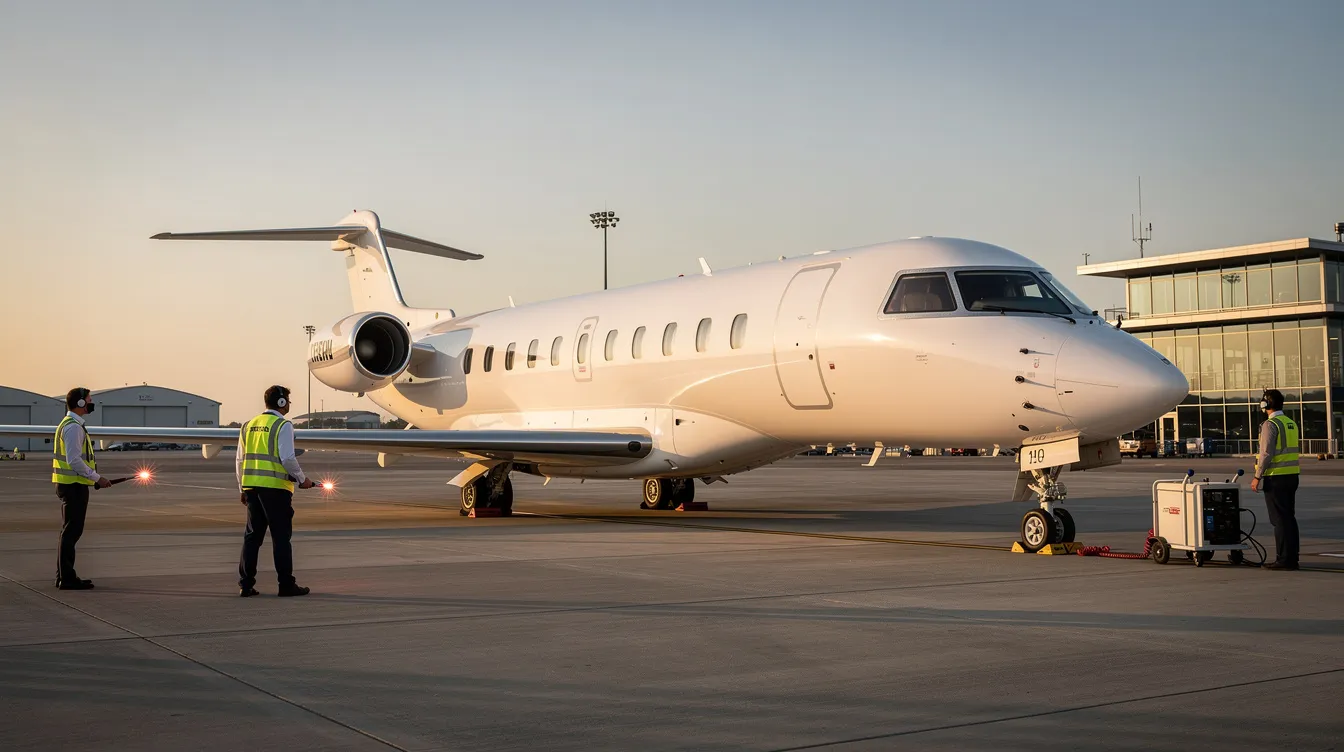
Jay Franco Ser

The typical cost to purchase a private jet ranges from $2 million to over $100 million, and the spread between models, conditions, and categories is wider than most first-time buyers expect. This guide breaks down what private jets actually cost to buy and operate in 2026, covering acquisition prices across every jet category, the real ownership costs that follow closing day, and the structured approach that separates sound investments from expensive mistakes.

Whether you're a private jet owner considering an upgrade, a corporation acquiring its first aircraft, or a fleet manager evaluating renewal options, the numbers here reflect current market conditions and real transaction data - not aspirational list prices.

Key 2026 Takeaways: What a Private Jet Really Costs to Buy

In 2026, new private jets typically range from about $3.5 million for entry-level light jets to $80 million or more for large cabin and ultra long range jets. VIP-configured airliners and top-spec ultra-long-range jets can exceed $100 million in price. Pre-owned jets can be found for under $2 million at the lower end - typically older very light jets or high-time light jets - while late-model large cabin aircraft command $30 million to $60 million on the secondary market.

Pre-owned private jets for sale generally trade at 20% to 50% less than new models, though that discount comes with trade-offs. Aircraft not enrolled in engine or maintenance programs may carry higher ongoing costs and reduced resale appeal. The purchase price, however, is only part of the equation.

Annual operating costs for private jets typically range from $500,000 to $4 million depending on aircraft category and utilization. Light jets carry annual fixed costs of roughly $450,000 to $900,000, with variable costs adding $1,800 to $2,500 per flight hour. Large cabin and ultra-long-range jets push fixed costs to $1.5 million or higher, with variable hourly rates from $4,000 to $9,500. Total ownership costs can exceed $2 million annually for ultra-long-range jets. For most buyers, full ownership is economical around 300+ flight hours annually, and this is often the point where travelers choose to own private jet capacity directly rather than charter, though light and midsize jet owners can see a break-even closer to 200 hours per year depending on operating setup. Below that, chartering is often more cost-effective.

At BusinessJets.com, we help buyers model these numbers against their actual travel patterns before a commitment is made - not after.

Overview of the 2026 Private Jet Market

The private jet market in 2026 has settled into a more balanced phase after the post-COVID surge that drove prices sharply upward from 2021 through 2023. Inventory is gradually expanding, pricing is normalizing, and buyers have regained some negotiating leverage - though high-demand late-model aircraft remain competitive.

How many private jets are currently in service globally? The installed fleet sits at approximately 25,500 business jets, with roughly 60% to 70% based in North America. Demand for late-model jets is high in 2026, driven by corporate travel requirements, ultra-high-net-worth individuals, fleet renewal programs, and charter operators upgrading their charter fleets to meet rising standards.

In terms of available inventory, the number of private jets listed for sale currently stands at about 587 units in certain tracked segments - approximately 60% of 2018 levels. The average price of listed private jets is $6,671,944. Perhaps more telling: about 74% of jets listed for sale are 16 years or older, and only around 6% are five years old or younger.

Buyers can choose from turboprop aircraft for shorter regional missions and lower acquisition costs, then move into very light jets designed for trips under 1,500 nautical miles, light jets that typically seat 3 to 7 passengers, midsize jet options capable of flying up to 3,000 nautical miles, super midsize jets, and ultra long range categories depending on mission requirements. Large-cabin jets support intercontinental flights over 6,000 nautical miles, with ultra-long-range jets reaching beyond 7,500 nautical miles nonstop. Interest rates, fuel prices, and OEM backlogs - estimated at $58 to $62 billion across major manufacturers - continue to influence whether buyers opt for pre-owned aircraft or new delivery slots that may stretch into 2028 or beyond.

BusinessJets.com leverages transaction data from 1,500+ completed deals to benchmark fair values and advise clients on timing their entry into this market.

Real-World Examples: Private Jets for Sale and Their Price Tags

To ground the discussion, here are several specific aircraft types with realistic 2026 asking ranges based on current market activity.

An early-2000s Cessna Citation Bravo or CJ2 represents the entry point for jet ownership, with asking prices typically between $1.5 million and $2.5 million. At this price, buyers get a capable light jet, though older jets like these often face avionics upgrade requirements and may be approaching engine overhaul windows.

A 2015–2019 Embraer Phenom 300 or 300E sits in the $9 million to $14 million range when hours are low and engines enrolled in full programs. These are among the most popular light jets on the market and move quickly when priced fairly.

A 2010 Challenger 605 - straddling the midsize and large cabin categories - typically lists between $9 million and $12 million depending on total time, interior condition, and maintenance status.

For buyers seeking super midsize jets, a 2014–2018 Gulfstream G280 or G450 falls in the low- to mid-teens, roughly $12 million to $18 million. Gulfstream aircraft in this segment benefit from strong brand demand and generally well-supported maintenance networks.

At the top end, a 2016–2020 large-cabin ultra long range jet such as a G650ER, Global 6000, or Airbus ACJ319 VIP airliner commands $35 million to $60 million, with specification level and engine program enrollment driving the spread.

Two aircraft of the same model and year can differ by millions. The gap comes down to engine program enrollment (engines enrolled on programs like CorporateCare versus off-program), modern avionics versus older suites like Pro Line 21, interior age and condition, and proximity to major inspections. A 2012 super-midsize with full program coverage and a fresh interior can easily outprice a lower-time 2014 of the same model that's off-program and approaching a 96-month check.

For a confidential list of current on- and off-market aircraft aligned with your mission profile, reach out to our aircraft sales team.

Price by Jet Category: Very Light, Light, Midsize, and Ultra Long Range

The term "jet category" isn't just marketing shorthand. Banks, insurers, and operators use these classifications to determine financing terms, insurance premiums, crew requirements, and operational approvals. Understanding which aircraft category fits your operation is the first financial decision in any acquisition.

Here are typical 2026 purchase price bands by category:

Very light jets (such as the Cirrus Vision Jet and Eclipse 550) are priced between $2 million and $5 million new, designed for trips under 1,500 nautical miles with minimal cabin space.

Light jets (Cessna Citation M2, CJ3+, HondaJet, Phenom 300) generally cost between $3.5 million and $9 million new, with pre-owned examples from $2 million to $7 million. Light jets typically seat 3 to 7 passengers and handle routes up to roughly 2,000 nautical miles.

Midsize and super-midsize jets (Citation Sovereign+, Latitude, Challenger 300/350, Praetor 600) span $6 million to $25 million or more. Midsize jets can cost between $10 million and $30 million new at the upper end. Midsize jets can fly up to 3,000 nautical miles, while super-midsize models extend to 3,000–3,800 nautical miles. Factors influencing private jet prices include size, range, age, and market demand, and this segment shows the widest variance.

Large cabin and ultra long range jets (G550, G600/700, Global 6000/7500, Falcon 7X/8X) range from the teens for older pre-owned examples to $75 million or more new. Large cabin jets range from $25 million to over $100 million when new, and large jets can exceed $100 million depending on configuration. Large-cabin jets support intercontinental flights over 6,000 nautical miles, with ultra long range models reaching 7,500+ nautical miles nonstop.

The practical advice: align your jet category with 80–90% of your typical business aviation missions rather than rare once-a-year routes. BusinessJets.com routinely models category trade-offs - for example, light versus midsize jet economics - with mission and cost simulations for clients.
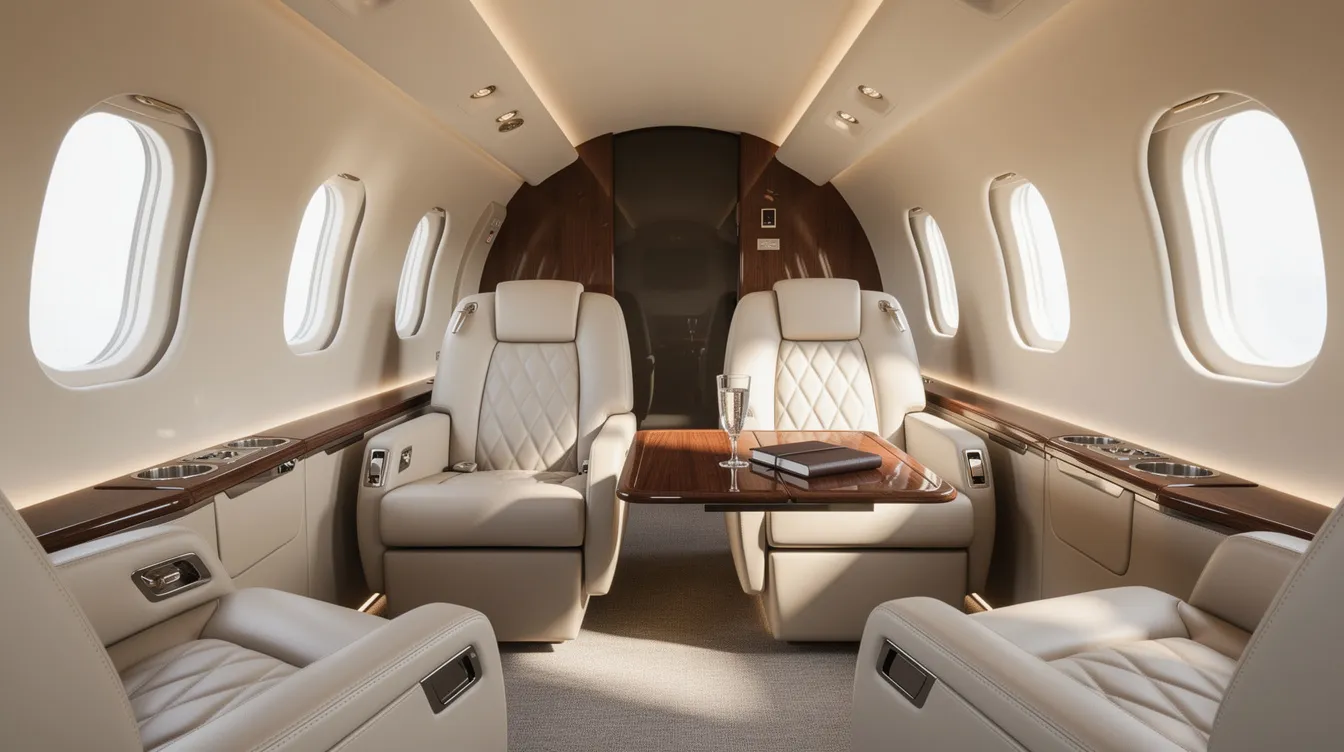
The image showcases the interior of a spacious private jet cabin, featuring luxurious leather seats and abundant natural lighting that enhances the elegant atmosphere. This setting is ideal for private jet owners seeking comfort during their travels, embodying the essence of private aviation.

New vs. Pre-Owned: How Purchase Price and Value Differ

Most corporate and private buyers compare new versus pre-owned private jets for sale before making a commitment, and for good reason - the financial profiles differ substantially.

New aircraft deliver a full OEM warranty, the latest avionics and cabin technology, improved fuel efficiency from current-generation engines, a known and clean maintenance history from day one, and fully selectable interior configuration. They also come with long lead times (often 18–30 months for popular models), high capital costs, and immediate depreciation in the first several years.

Pre-owned aircraft offer 20% to 50% lower acquisition costs, faster availability, and the benefit that the steepest early-life depreciation has already been absorbed. Pre-owned aircraft usually sell for significantly less depending on condition and history, and a well-maintained 5- to 10-year-old aircraft can represent compelling value.

The risks with older pre-owned jets are real: major inspections approaching, cabin refresh needs running into the millions, and avionics upgrades required for regulatory compliance or operational capability. Older aircraft generally depreciate faster unless major components are recently replaced.

When does new make sense? Long-term fleet strategies, strict brand or mission standards, or situations where no suitable pre-owned aircraft exists. For many buyers, though, a high-quality late-model used aircraft provides a more efficient aircraft acquisition path.

BusinessJets.com provides valuation and appraisal reports to quantify the financial trade-off between a new delivery slot and a pre-owned alternative.

Understanding Ownership Costs vs. Purchase Price

The purchase price is often less than 50% of the total 5- to 10-year cost of owning a jet. Buyers who focus only on acquisition spend tend to underestimate what it actually costs to own a private jet outright.

Ownership costs divide into two buckets: fixed (annual) and variable (per flight hour depending on utilization). Here are representative 2026 ranges by jet size:

  • Very light jets: Annual fixed costs of approximately $450,000 to $700,000; variable costs of $1,500 to $2,000 per flight hour

  • Light jets: Annual fixed costs of roughly $450,000 to $900,000; variable costs of $1,800 to $2,500 per flight hour

  • Midsize jets: Annual fixed costs of $800,000 to $1.2 million; variable costs of $2,200 to $2,800 per flight hour

  • Large cabin / ultra long range: Annual fixed costs of $1.4 million to $1.8 million or more; variable costs of $4,000 to $9,500 per flight hour

Annual operating costs for private jets typically range from $500,000 to $4 million, and the exact figure hinges on how many annual flight hours you accumulate.

For example, a large-cabin jet like the Gulfstream G550 has fixed costs of $1.4 to $1.8 million annually, with variable costs of $3,500 to $4,500 per hour. Annual engine overhaul on a Gulfstream G550 costs $2.5 to $3.5 million per engine, making engine program enrollment critical to managing costs.

Total ownership costs can exceed $2 million annually for ultra-long-range jets.

Fixed Annual Costs: Crew, Hangar, Insurance, and Management

Fixed costs accrue whether the aircraft flies one hour or five hundred, making utilization the single most important variable in ownership economics. Annual fixed costs for ownership can exceed $2 million for larger aircraft categories.

Crew salaries for a flight crew - captain and first officer - vary by region, jet size, and experience. In the U.S., total compensation including benefits, recurrent training, and travel expenses for a two-pilot crew on a midsize jet typically runs $250,000 to $450,000 annually. Larger or ultra long range operations that require flight attendants and additional crew add further cost.

Hangar fees depend heavily on location and aircraft size. Major U.S. hubs command significantly higher rates than secondary airports. A large cabin jet requiring 5,000+ square feet of hangar space at a premium FBO can cost several thousand dollars per month.

Private jet insurance is typically priced at 1% to 3% of hull value per year for hull coverage, plus liability. A $30 million large cabin aircraft might carry annual insurance premiums of $300,000 to $900,000. Higher hull values and complex international flights increase premiums.

Management fees from third-party companies typically include monthly retainers plus per-flight-hour overrides, covering scheduling, maintenance supervision, regulatory compliance, and crew management.

Annual fixed costs for midsize jets range from $800,000 to $1.2 million. Large-cabin jets like the Gulfstream G550 have fixed costs of $1.4 to $1.8 million annually. We encourage buyers to benchmark multiple management proposals using independent advisory help rather than accepting the first quote.

Variable Operating Costs: Fuel, Maintenance, and Hourly Expenses

Hourly operating costs are driven primarily by fuel burn, maintenance reserves, and trip-specific fees. These variable costs scale directly with how much the aircraft flies.

Fuel consumption increases with aircraft category. Light jets burn approximately 165 to 225 gallons per hour, while ultra long range jets may consume 475 to 550+ gallons per hour. With jet fuel prices at many U.S. FBOs running between $6.50 and $8.50 per gallon in 2026, fuel cost alone for large cabin aircraft can reach $3,000 to $5,000+ per hour.

Maintenance reserves are per-hour accruals owners set aside for engine restorations, scheduled heavy maintenance, and airframe inspections. These can equal or exceed fuel cost per flight hour in some categories. Variable costs for midsize jets add $2,200 to $2,800 per flight hour when fuel, reserves, and fees are combined.

Trip-specific fees include landing fees, handling charges, de-icing, catering, crew per diem, and overnight accommodations. Navigation and overflight fees add cost for international flights.

All-in per-hour cost - including reserves - can be double the fuel-only figure. This is the number that matters in true cost comparisons between ownership, fractional ownership, and on demand charter. BusinessJets.com appraisals often include projected operating costs as part of the valuation narrative to give buyers a complete picture.

Engine and Maintenance Programs: Impact on Cost and Resale Value

Engine programs like Rolls-Royce CorporateCare, Pratt & Whitney ESP, JSSI, and various MSP options have become central to how institutional buyers evaluate private aircraft. Most sophisticated purchasers strongly prefer aircraft with engines enrolled on comprehensive programs.

These programs convert unpredictable, large engine overhaul bills into steady per-hour fees, dramatically improving budget predictability. For context, annual engine overhaul on a Gulfstream G550 costs $2.5 to $3.5 million per engine - a figure that's far easier to absorb when spread across flight hours over years.

The resale impact is significant. Engine program enrollment often adds 10% to 20% in value versus a similar aircraft not on programs, and reduces days on market considerably. A 2011 light jet enrolled in TAP Blue, for example, will sell faster and at a higher price than a comparable off-program aircraft. Similarly, a large cabin jet with full coverage on engines, APU, and avionics presents far less risk to the next buyer.

While monthly and per-flight-hour program fees increase ongoing costs, they materially de-risk ownership and often improve financing terms. During due diligence, verify coverage level, paid hours banked, and transferability with support from an experienced broker.

How Age, Hours, and Condition Shape the Price You Pay

Within any model type, aircraft age, total airframe time, and maintenance history drive discounts or premiums that can reach millions of dollars.

Depreciation curves for business jets tend to be steepest in the first 5 to 10 years, then flatten considerably after year 10 to 15. Older aircraft generally depreciate faster unless major components are recently replaced. After the initial curve, condition and maintenance history become the primary value differentiators - not calendar age alone. Modern avionics and cabin upgrades substantially increase a jet's value, sometimes recovering a meaningful portion of the investment.

"Low-time" aircraft relative to their age - those with fewer hours and cycles than average - and jets with clean logbooks and no damage history command premiums. Factors affecting resale value include age, total flight hours, and maintenance history. Private jets usually command higher prices if they are accompanied by clear ownership history.

The financial impact of upcoming inspections is also direct. A large cabin jet approaching a 96-month or 192-month inspection may carry a price discount of $500,000 to $2 million or more because the buyer faces a significant near-term expense.

Buyers should always review complete maintenance records, service bulletins, and AD compliance with an independent technical representative. A pre buy inspection is not optional - it's essential. BusinessJets.com's appraisal work factors in both cosmetic condition and technical status to reach realistic, defensible value ranges.

Mission Profile: Matching Jet Category to How You Actually Fly

Mission analysis should precede any aircraft shortlist. Skipping this step - or performing it superficially - leads to acquiring the most unsuitable aircraft for your actual travel patterns.

Key mission variables include average trip length, longest regular route, number of passengers, runway lengths at your typical airports, and whether you need airport access at secondary fields or major hubs, especially where scheduled airlines often cannot serve the same remote or secondary airports. An owner focused on more than one destination within a region has different requirements than one focused on intercontinental point-to-point.

Here are practical examples:

  • An owner flying 2–3 passengers on 500–800 nm trips fits well with light jets or certain Cessna Citation models. The cabin space is adequate, operating costs are manageable, and most regional airports accommodate these efficient aircraft. On shorter sectors, turboprop aircraft can also make sense when the priority is lower operating cost rather than jet speed.

  • A corporate team regularly flying New York–Los Angeles or London–Dubai might require super midsize jets or a large cabin jet to accommodate the team, the range, and the productivity needs.

  • Intercontinental executive operations over 5,000–6,000 nm - transatlantic missions or Asia-Pacific routing to global hubs such as Paris with ultra long range charter options - justify ultra long range jets like the Global 7500 or Gulfstream G700.

Incorrectly sizing the jet creates expensive problems. An unsuitable aircraft that's too large wastes hundreds of thousands per year in unnecessary fixed costs. One that's too small forces fuel stops, limits payload, and restricts airport access - eroding whatever savings drove the decision. BusinessJets.com models real routes and airports to right-size aircraft recommendations for every client engagement.

A private jet is seen taking off from a runway, with majestic mountains in the background, symbolizing the luxury of private aviation. This scene highlights the allure of owning a private jet, often sought after by private jet owners and enthusiasts in the private jet market.

Private Jet Travel Alternatives: Charter, Fractional, and Lease vs. Buying

Many clients evaluate ownership against private jet charter, fractional ownership, or leasing before committing to a purchase - and rightly so.

On demand charter works best for frequent flyers logging under 150–200 hours per year, for those testing different aircraft types, or for bridging an acquisition timeline. Chartering is often more cost-effective for under 200 flight hours annually. Charter costs range from $2,300 to $17,000 per flight hour, depending on aircraft type. VIP airliners can cost $18,000 to $23,000 per hour to rent. Rental prices include aircraft, crew, fuel, and insurance. Government taxes add 7.5% to domestic flight costs. Aircraft age can increase rental costs by $100 to $1,000 per hour.

Fractional ownership offers shared costs but requires long-term commitment, typically three to five years, with no residual value upside. It can suit buyers who need guaranteed access but don't fly enough to justify a full asset. By contrast, buyers who want to own private jet capacity outright are paying for dedicated access rather than sharing the aircraft with other participants.

Dry and wet leasing serve operators and businesses that want capacity without tying up capital. This route is common among charter operators building or supplementing their fleets.

At roughly comparable hours, full ownership tends to deliver better per-hour economics above the 200–300 hour threshold and gives a private plane more scheduling flexibility than airline service or shared programs can offer. We encourage prospective buyers to review their last 12–24 months of private jet travel data with BusinessJets.com to determine whether ownership economics genuinely work.

The End-to-End Purchase Process and Timeline

The private jet buying process typically takes 60 to 120 days from initial search to closing, though new aircraft deliveries extend far longer due to OEM backlog.

Key stages include:

  1. Mission analysis and budget setting - defining what the aircraft needs to do and what you're prepared to spend, including ongoing costs

  2. Aircraft search and initial shortlist - identifying specific aircraft that match your mission, typically reviewing 5 to 15 candidates

  3. Records review and offer - inspecting maintenance records, maintenance status, and logbooks before submitting a letter of intent, which is typically negotiated within one to two weeks

  4. Pre-purchase inspection - a pre-buy inspection usually lasts three to five days and covers airframe, engines, avionics, and interior condition

  5. Closing - closing involves title search and FAA registration transfer, escrow management, and international registry checks for cross-border deals

Buyers should engage lenders before making an offer to ensure financing is aligned with the acquisition timeline. For international flights or cross-border registrations, additional regulatory steps apply.

A seasoned broker like BusinessJets.com coordinates technical teams, legal counsel, tax advisors, and lenders through each phase. Some buyers use charter or interim lift during the acquisition to avoid operational disruption.

Financing, Tax, and Corporate Structure Considerations

The main acquisition structures include cash purchase, financed purchase, operating lease, finance lease, and corporate versus individual ownership. Each carries different implications for cash flow, balance sheet treatment, liability, and tax exposure.

Lenders evaluate jet category, aircraft age, engine program enrollment, and buyer credit when setting loan-to-value ratios. Modern aircraft on full programs typically qualify for more favorable terms than older jets without coverage.

Tax considerations in the U.S. include accelerated depreciation rules (Section 179, bonus depreciation), business versus personal-use allocations, and state-level sales and use tax. Government taxes add 7.5% to domestic flight costs in the form of federal excise tax, which affects ongoing operating economics. Ownership entities - LLCs, trusts, or corporate structures - influence liability protection, tax treatment, and privacy of the private plane's registration.

Buyers should involve aviation-savvy tax counsel early and align financing terms with their projected hold period and residual value assumptions. BusinessJets.com often works alongside clients' legal and tax teams to align aircraft selection and deal structure with their broader financial strategy.

Market Cycles, Timing, and Negotiation Strategy

Private jet values move with broader economic cycles, interest rates, and OEM production capacity. Economic conditions and macro market factors extensively impact private jet demand and pricing, and market supply and demand directly influence private jet pricing at any given moment.

The recent trajectory tells the story: a post-pandemic price surge from 2021–2023 driven by new entrants and supply constraints, followed by gradual normalization through 2024–2026 as inventory expanded and some pandemic-era buyers exited. By mid-2026, buyer–seller dynamics are more balanced, though late-model inventory remains tight.

When evaluating negotiating leverage, consider days on market for the specific aircraft, the number of comparable aircraft listed, and whether the model is still in production. Out-of-production models with strong support networks (like the G450 or Falcon 900LX) hold value differently than those with declining parts availability.

In a tight market, decisive action on a well-priced aircraft is essential. In a softer market, patience and competitive bidding across multiple options yield better outcomes. Objective appraisals and comparable sales data from BusinessJets.com support disciplined offers and counteroffers. Timing upgrades or disposals around major inspections and new model introductions can also preserve value.

How to Evaluate a Specific Aircraft Beyond the Asking Price

Headline price is only one data point. True value depends on technical and commercial context that requires deeper analysis.

Key data points to review on any private jet listing include serial number, year of manufacture, total airframe and engine hours, cycles, engine and APU program status, avionics upgrades (or lack thereof), Wi-Fi capability, and dates of major inspections completed and upcoming.

Deeper due diligence should cover logbook completeness, damage or incident history, corrosion checks, cabin condition, and regulatory compliance items such as ADS-B Out, FANS, and RVSM. Completion and quality of maintenance logs add significant value to a private jet. Missing or incomplete records are a red flag that typically warrants a price adjustment or walking away.

Benchmark the aircraft against recent comparable sales and other private jets for sale in the same aircraft category. Then involve a technical representative and accredited appraiser to translate findings into specific price adjustments or seller concessions. BusinessJets.com packages these findings into a valuation-based negotiation strategy for clients.

Case Scenarios: Light Jet vs. Midsize vs. Ultra Long Range Ownership

Abstract theory only goes so far. Here are three ownership scenarios grounded in real decision-making.

Scenario 1: U.S. Regional Owner-Operator An owner flying 180 annual flight hours on North American routes of 500–1,200 nm, carrying 2–4 passengers. A pre-owned Cessna Citation CJ3+ at approximately $6 million with annual ownership costs of roughly $650,000 in fixed costs plus $2,000 per flight hour delivers solid economics. A small midsize jet would offer more range and cabin space but would increase both acquisition cost (to $10 million or more) and annual fixed costs by $200,000 to $400,000 - difficult to justify at 180 hours per year.

Scenario 2: Corporate Transatlantic Operations A corporate user flying 350 hours per year between major U.S. and European hubs. A super midsize jet like a Praetor 600 handles most transatlantic missions but may require a fuel stop on longer routes. A large cabin aircraft like a G550 or Global 6000 eliminates the stop and adds cabin space for a working team, but the purchase price jumps from the low-to-mid-teens to $25 million or more, and crewing requirements increase. At 350 hours, the incremental cost may be justified by productivity gains and operational flexibility.

Scenario 3: Global Family Office A family office flying 400+ hours per year intercontinentally across multiple time zones. At this utilization, an ultra long range aircraft like a Global 7500 - despite acquisition costs of $55 million or more and annual ownership costs well above $2.5 million - delivers a lower effective cost per hour than chartering comparable aircraft and provides unmatched scheduling control for operation worldwide.

For each scenario, BusinessJets.com structures the mission analysis, cost modeling, and aircraft shortlisting to ensure the category choice is a strategic business decision, not just a preference.
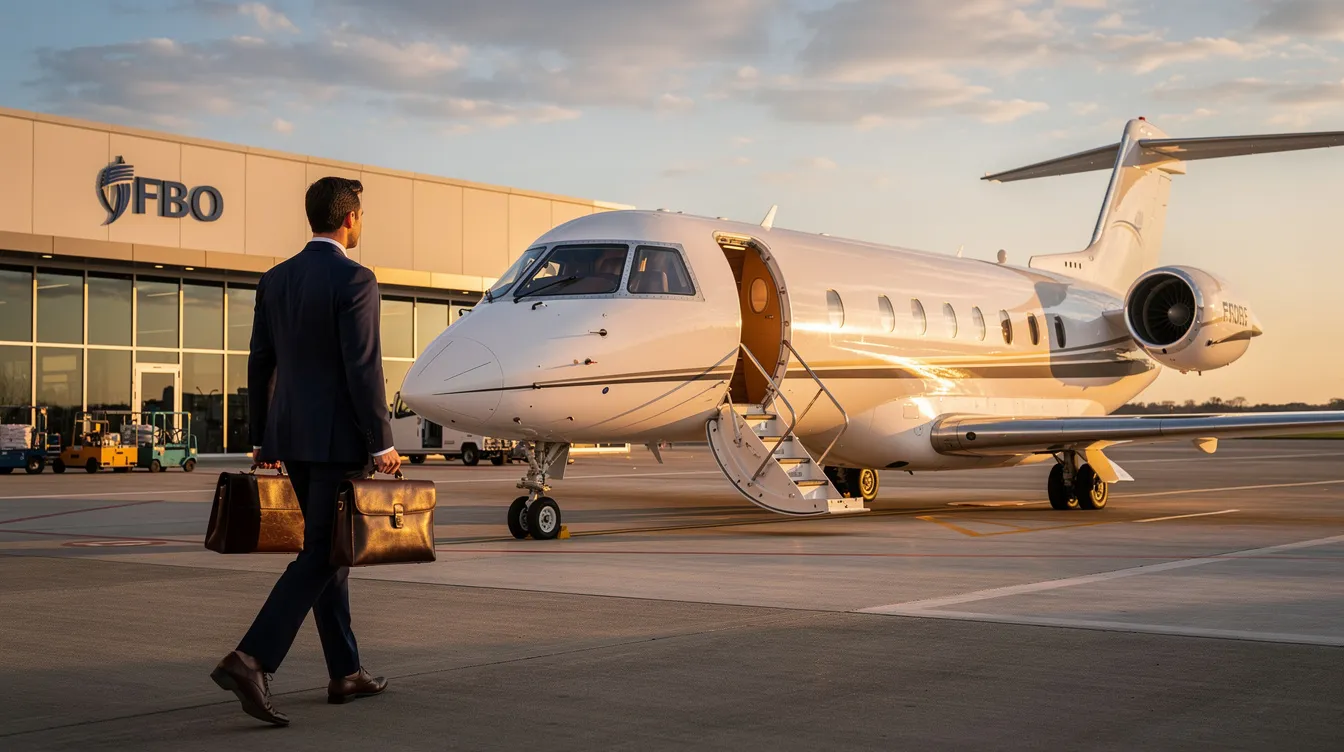
A corporate jet is parked at a Fixed Base Operator (FBO) while an executive approaches it, ready for a private jet travel experience. This scene highlights the luxury and efficiency of private aviation, showcasing the convenience of business jets for executives on the go.

The Role of Professional Brokerage, Appraisals, and Consulting

Complex, multi-million-dollar aircraft transactions benefit from specialist representation. The stakes - financial, operational, and regulatory - are too high for improvisation.

A full-service brokerage like BusinessJets.com handles sourcing on- and off-market aircraft, vetting listings, negotiating terms, coordinating inspections and technical evaluations, and managing closing logistics through to registration. For sellers, the same discipline applies: accurate pricing, qualified buyer screening, and efficient transaction management.

Formal aircraft appraisals and valuation reports protect both buyers and sellers by anchoring expectations to market data rather than sentiment. Operator advisory and fleet strategy consulting serves corporations and charter operators evaluating multiple aircraft or fleet renewal programs.

BusinessJets.com's track record - 1,500+ completed transactions and 5,000+ satisfied clients - reflects decades of market experience across every jet category. The focus is on confidentiality, data-driven decision making, and long-term partnership rather than one-off sales.

Frequently Asked Questions About Private Jet Cost for Sale

What is the cheapest private jet I can buy in 2026? The lowest-priced private jets on the market are typically older very light jets or high-time light jets from the early 2000s, with asking prices starting around $1.5 million. Pre-owned jets can be found for under $2 million, but buyers should budget for potentially higher maintenance and avionics upgrades. Very light jets are priced between $2 million and $5 million new.

How many private jets can I realistically evaluate before deciding? Most buyers review 5 to 15 aircraft before selecting one. The key is narrowing the field early through mission analysis and category selection, then conducting detailed records review and inspections on the top 2 to 3 candidates.

What's the difference in cost between a Cessna Citation light jet and a midsize jet for the same mission? A midsize jet offers more range, payload, and cabin space, but at higher acquisition and per-hour operating costs. Depending on trip length, light jets generally cost between $3.5 million and $9 million new versus midsize jets typically ranging from $5 million to $30 million. Variable costs can differ by $500 to $1,500 per flight hour, and the midsize jet will carry higher annual fixed costs.

At what annual flight hours does owning become cheaper than chartering? It can start to make sense to own private jet access rather than charter at roughly 200–300 hours per year, depending on jet size and charter rates in your region. Charter costs range from $2,300 to $17,000 per flight hour, so the crossover depends heavily on the aircraft category you'd be chartering versus owning.

How much should I budget annually beyond the purchase price? Plan for $500,000 to $900,000 per year for a light jet, $800,000 to $1.5 million for midsize, and $1.5 million to $3 million or more for large cabin aircraft. These ongoing costs cover crew salaries, hangar fees, insurance, management, and maintenance reserves - all of which accrue regardless of how much the aircraft flies.

How long will my jet hold its value? Value retention depends on model popularity, maintenance history, engine program enrollment, avionics currency, and market conditions. Well-maintained modern aircraft on full programs in desirable categories hold value best. New private jets typically cost between $30 million and $80 million at the large-cabin and ultra long range end - and depreciation in the first five years can be steep before stabilizing.

A common misconception is that chartering out your private aircraft will offset all ownership costs. In practice, even popular aircraft types on Part 135 certificates rarely generate enough charter revenue to cover the full cost of ownership, and the wear, scheduling constraints, and insurance implications are substantial.

For complex or jurisdiction-specific questions around tax, regulation, or cross-border financing, we recommend a customized consultation rather than relying on general guidance.

Conclusion and Next Steps with BusinessJets.com

The private aviation market in 2026 offers real opportunity for informed buyers. Acquisition costs range from under $2 million for entry-level pre-owned aircraft to well over $75 million for new large cabin and ultra long range jets. But the acquisition is only the beginning - ownership costs, operating setup, and utilization levels determine whether the investment makes financial sense over the hold period.

Choosing between light jets, mid size jets, and ultra long range aircraft is fundamentally a business decision tied to mission profile, utilization, and risk tolerance. The right aircraft is one that aligns with how you actually fly, not with how you might fly once or twice a year.

If you're actively reviewing private jets for sale, BusinessJets.com can support your process at every stage:

  • Request a confidential aircraft appraisal or valuation

  • Receive a tailored shortlist of specific aircraft matching your mission and budget

  • Engage a consulting team to model operating costs and ownership alternatives

With 1,500+ completed aircraft transactions and 5,000+ clients served, BusinessJets.com operates as an independent adviser focused on long-term client outcomes - not transaction volume.

Contact us to begin an appraisal, list an aircraft for sale, or launch an acquisition search.

Related Posts