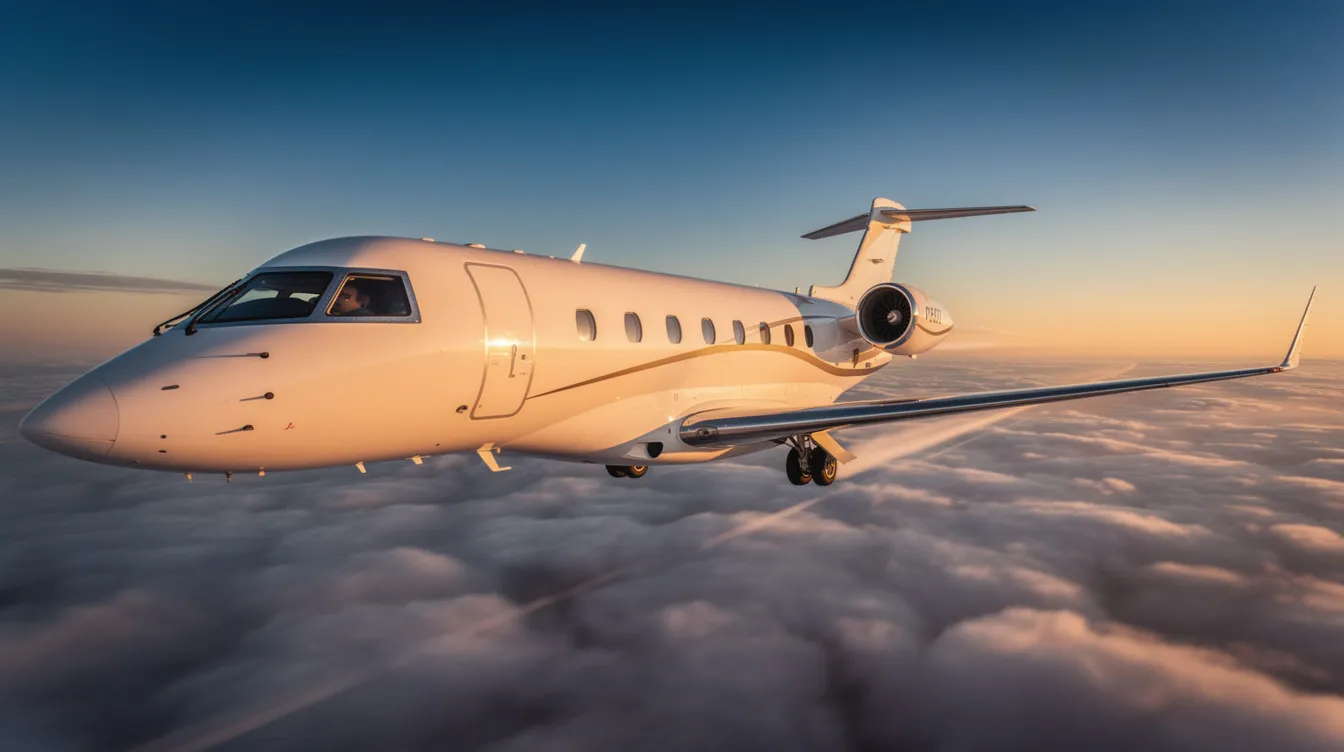
Private Plane Manufacturers: A Strategic Guide for Buyers, Owners, and Operators

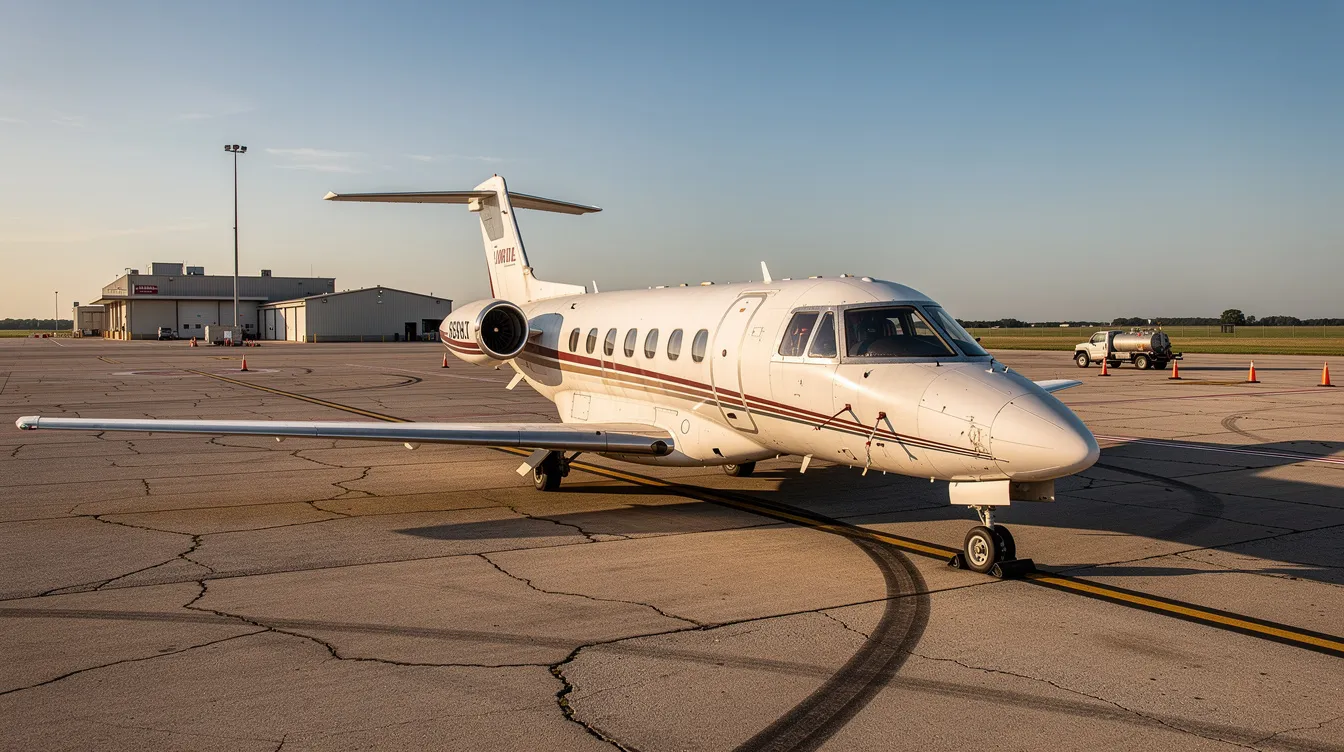
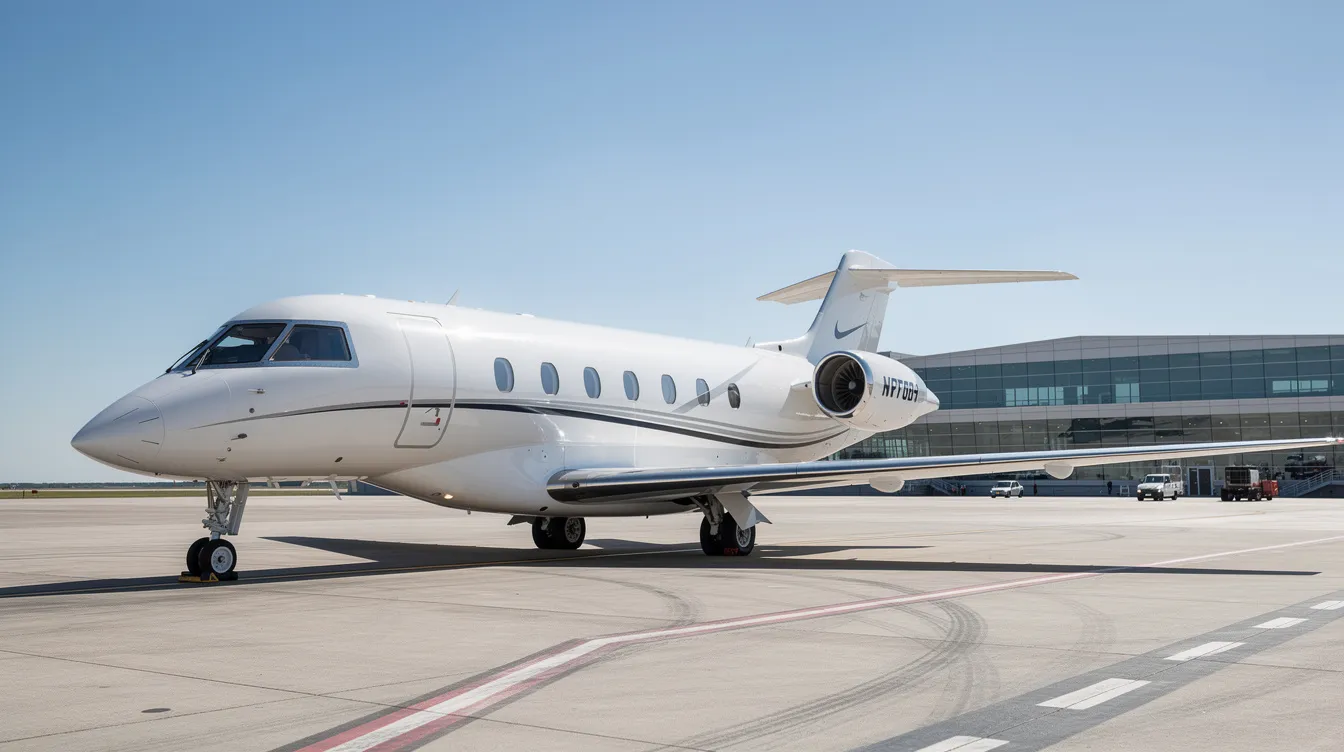
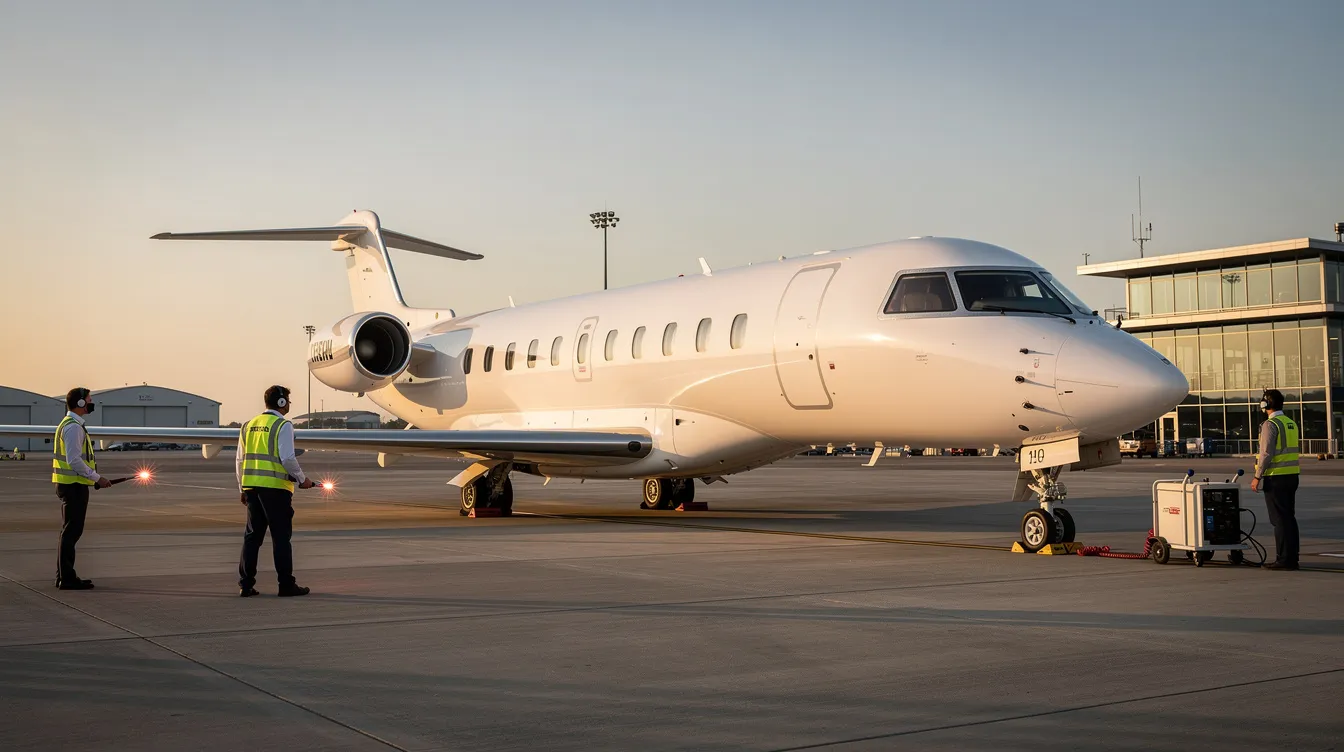
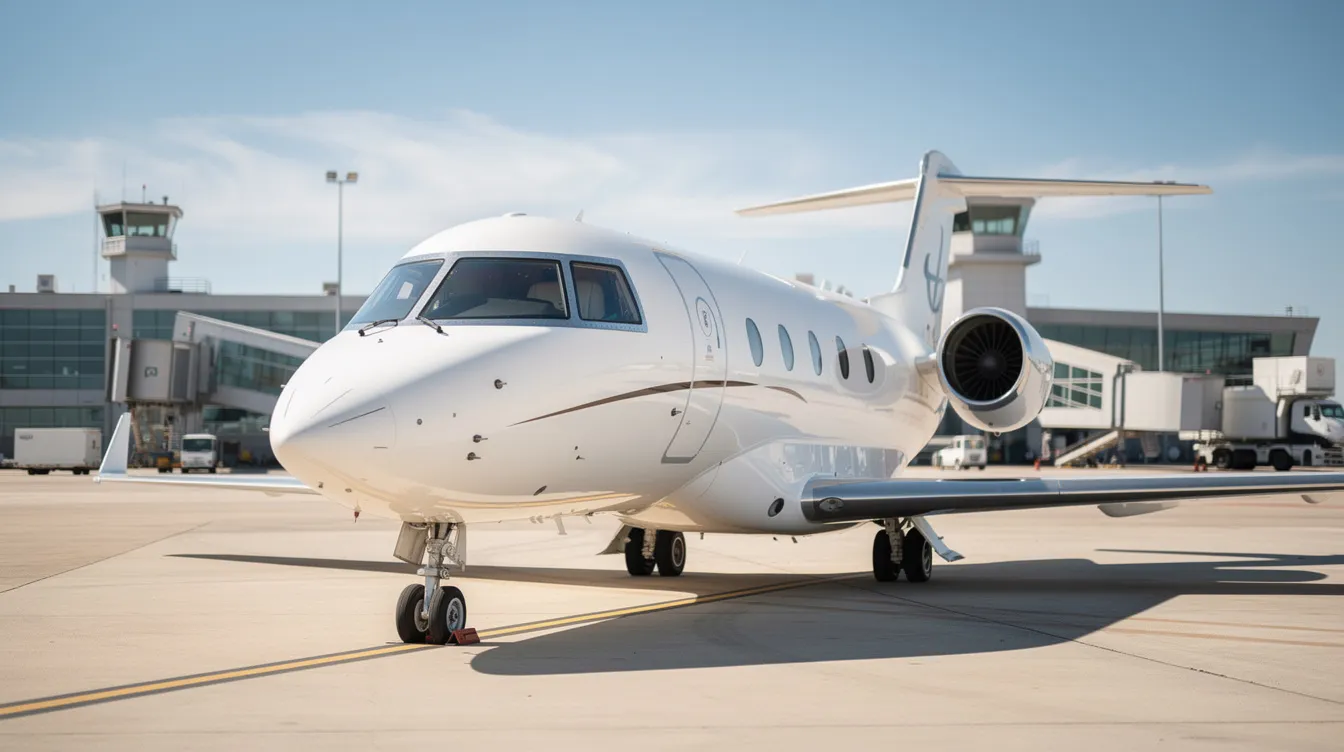
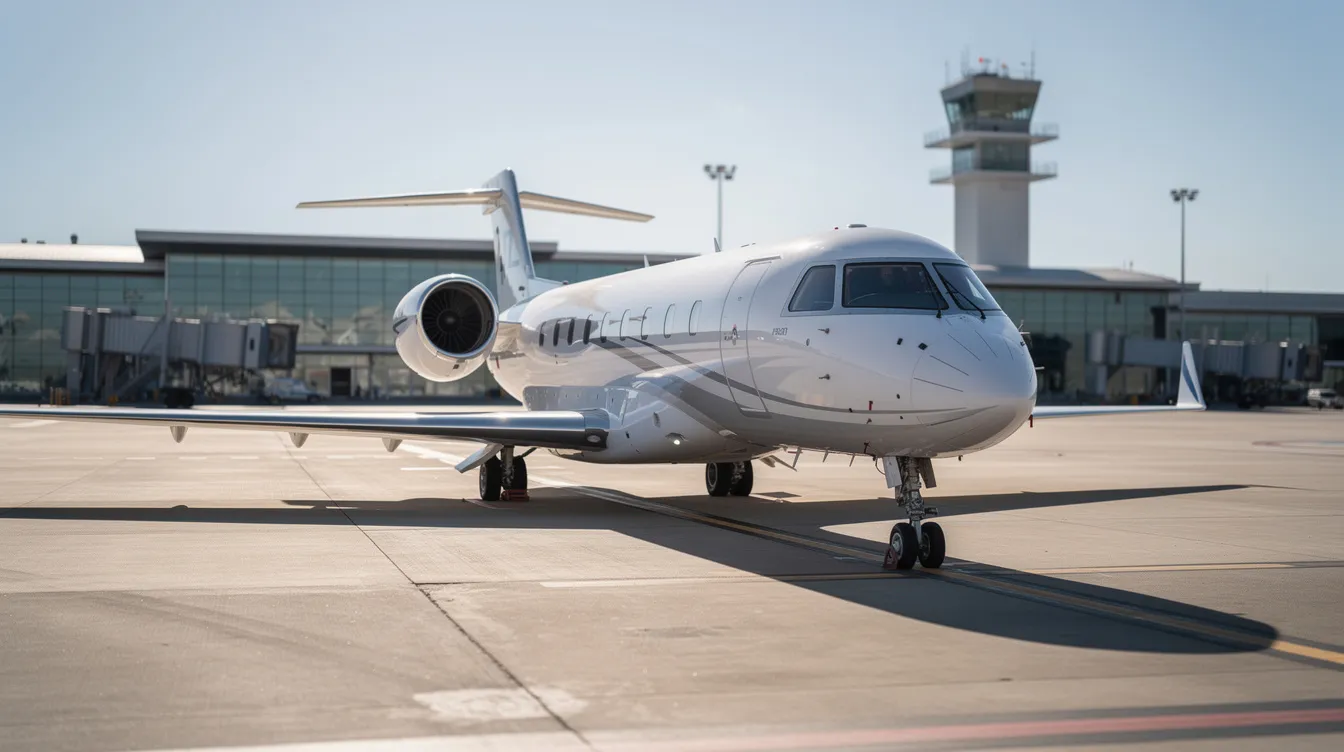
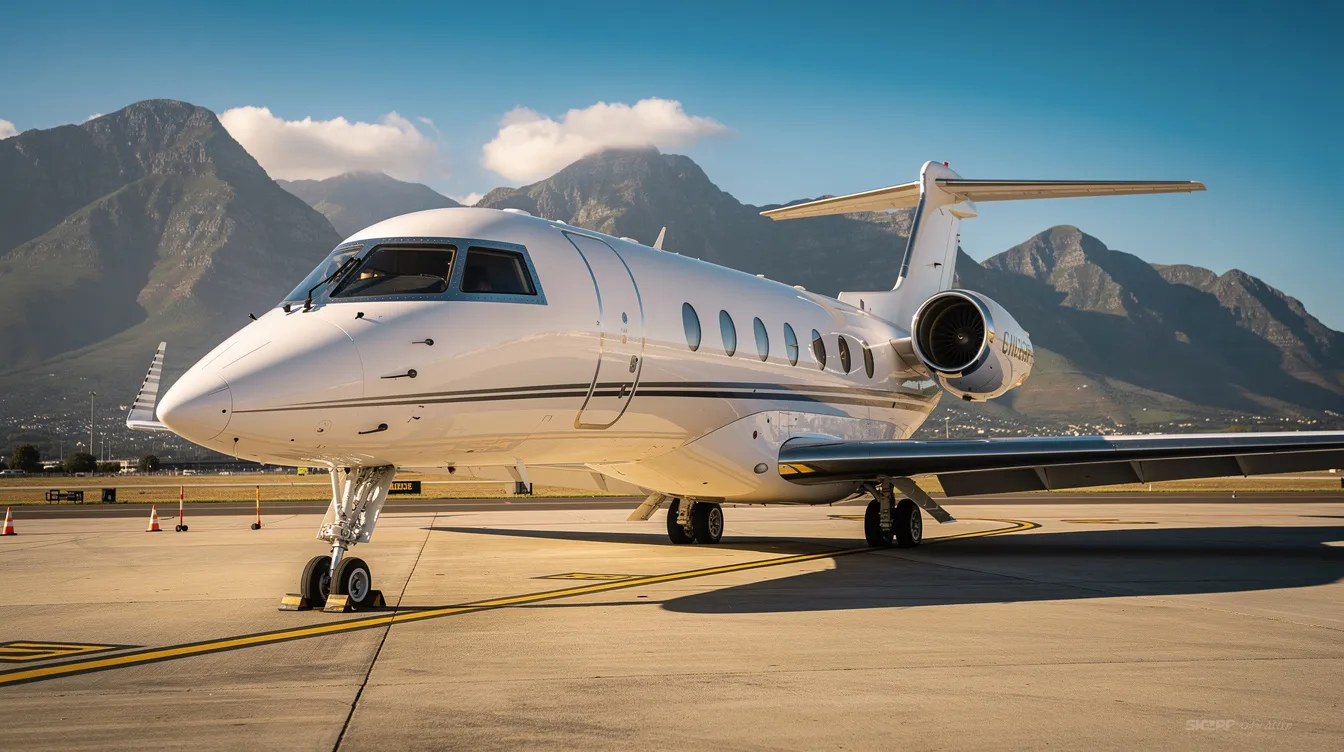
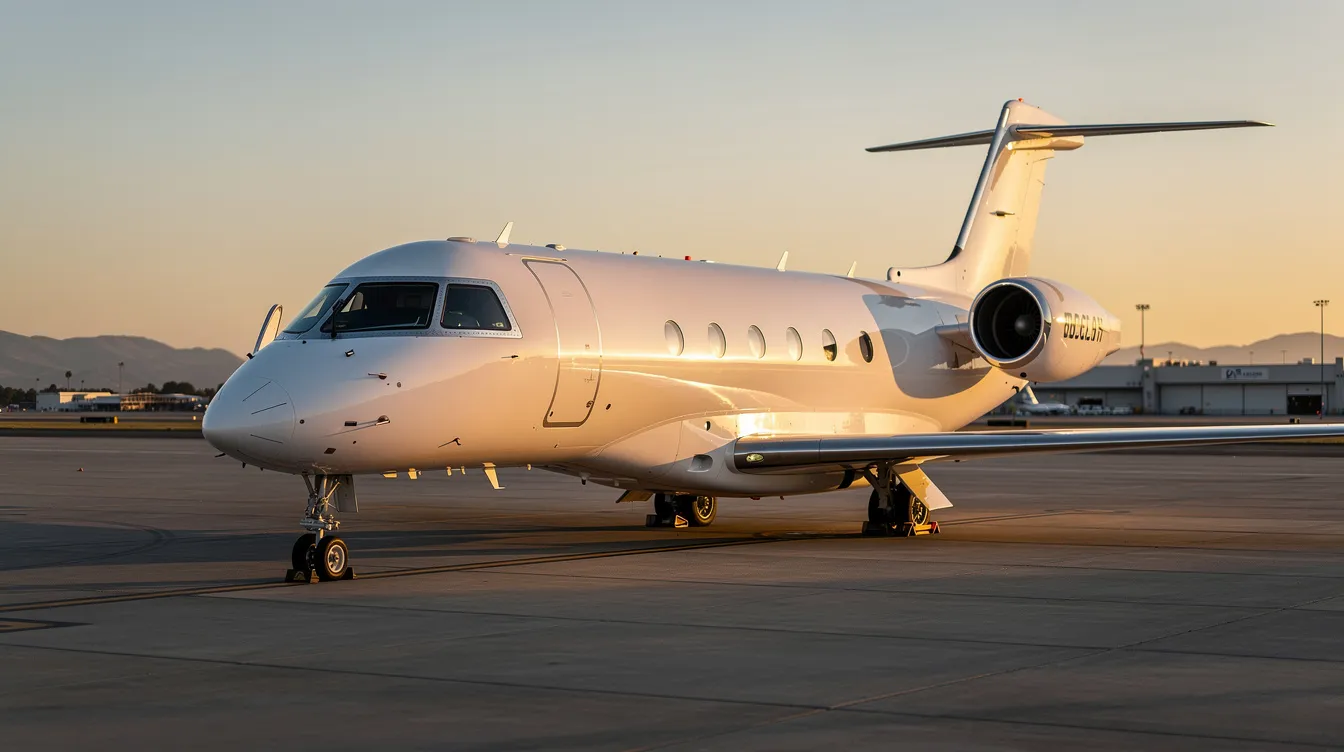
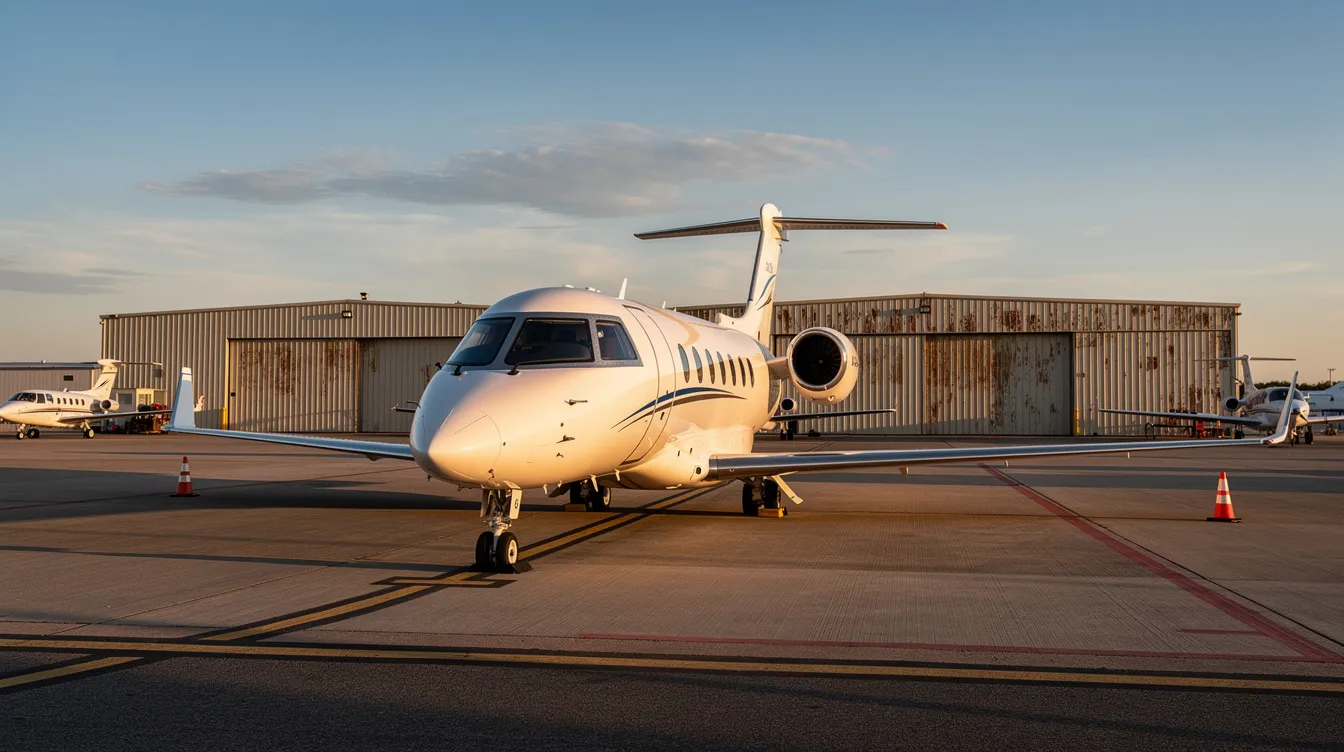
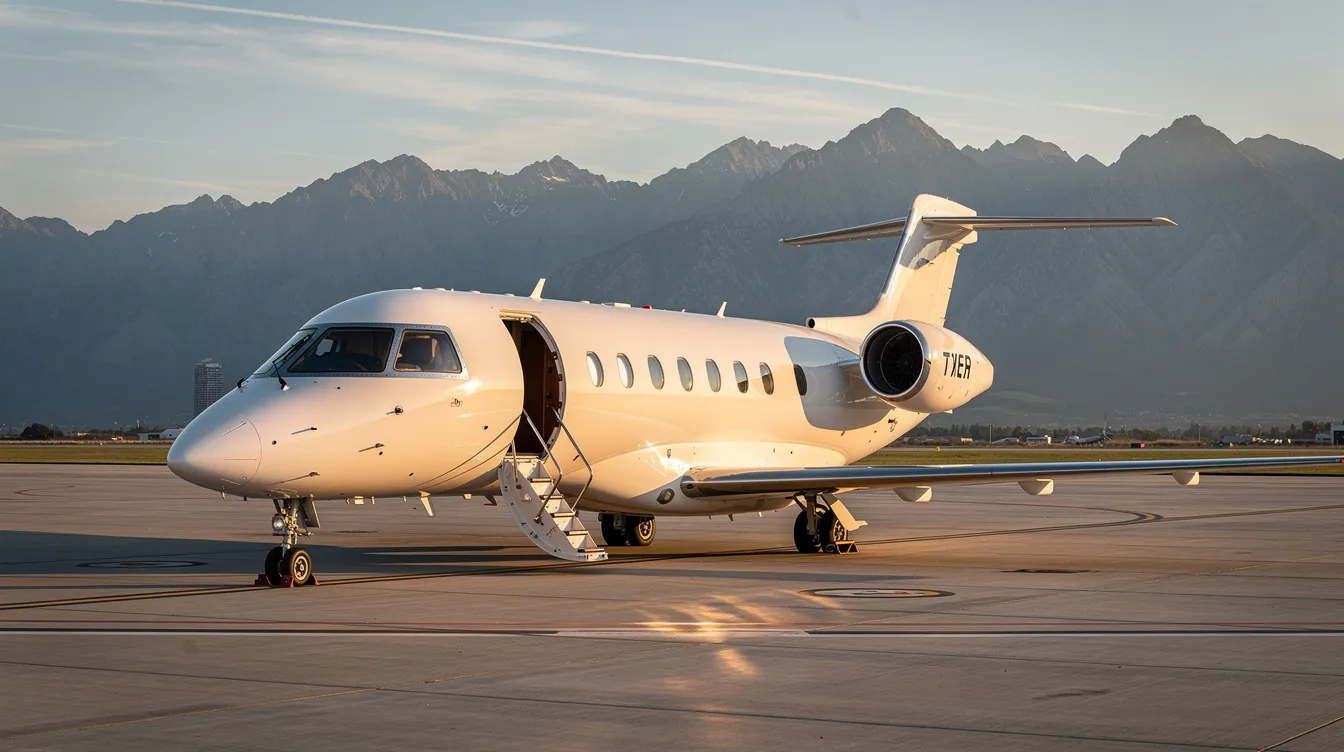
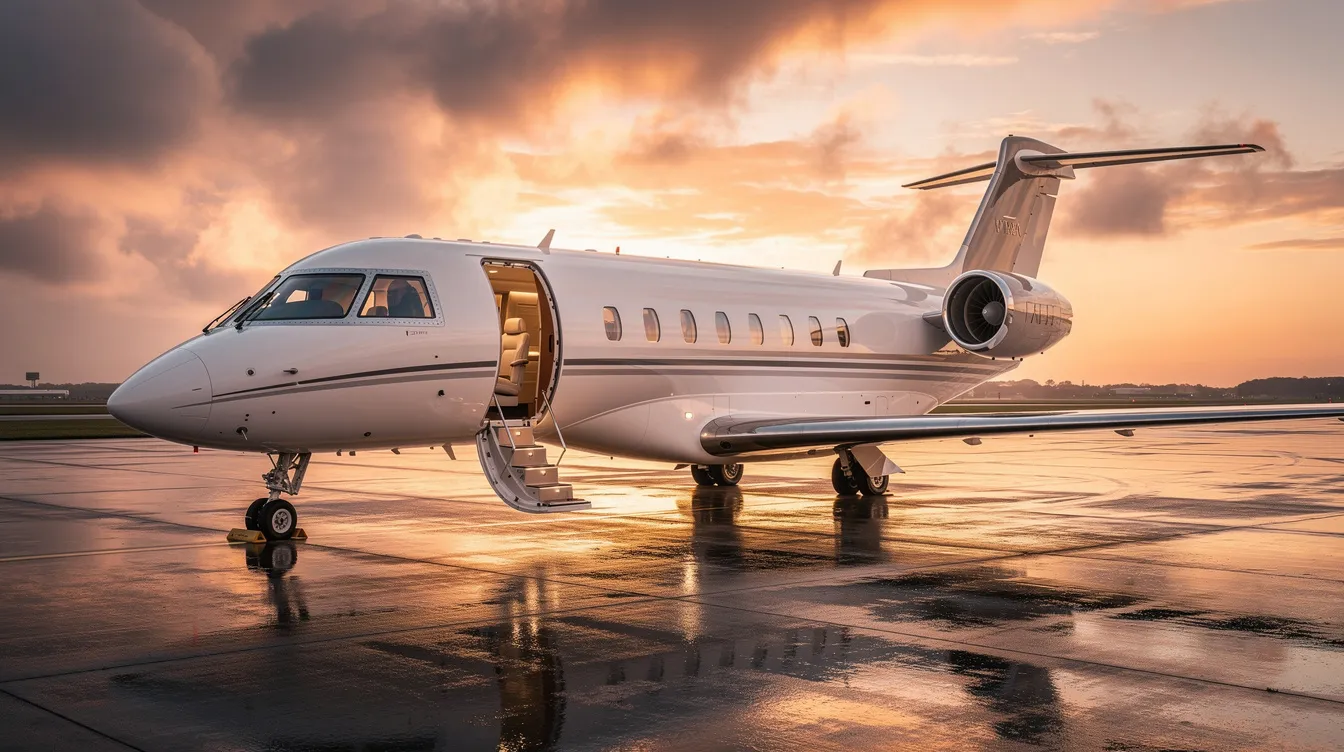
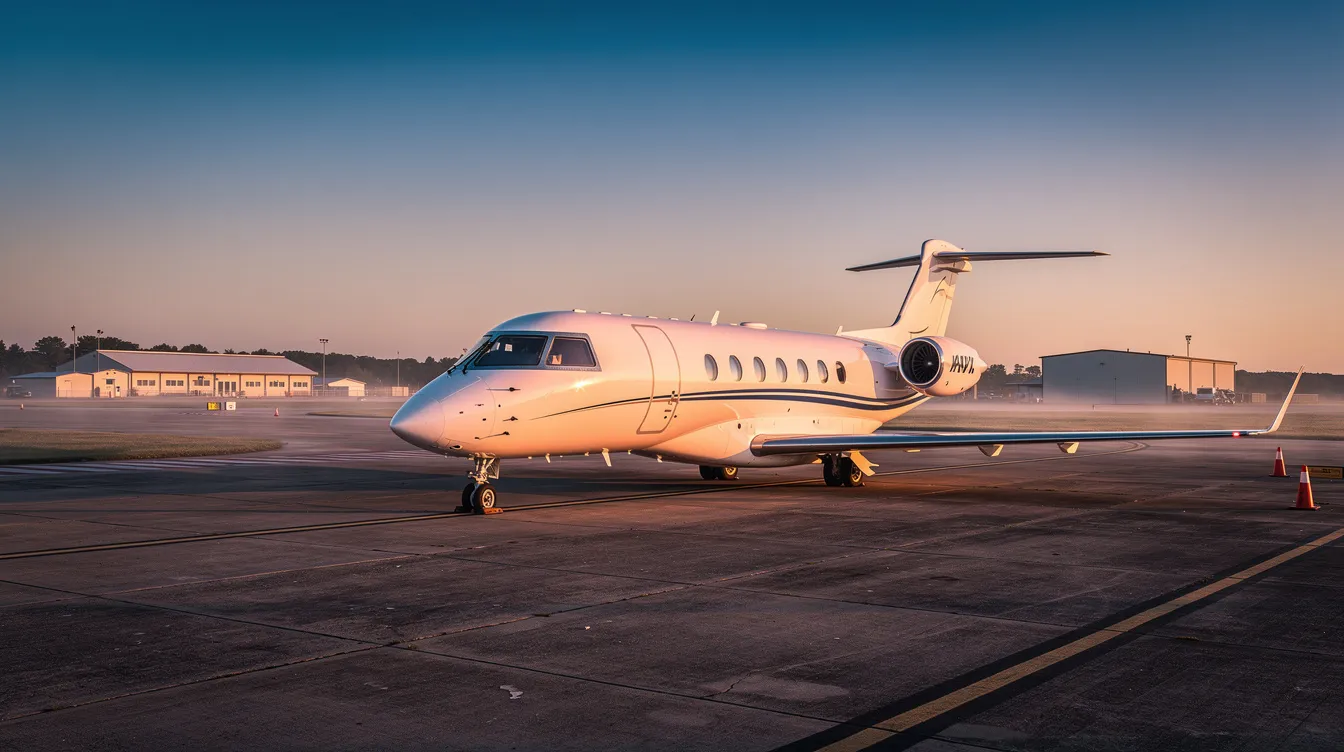
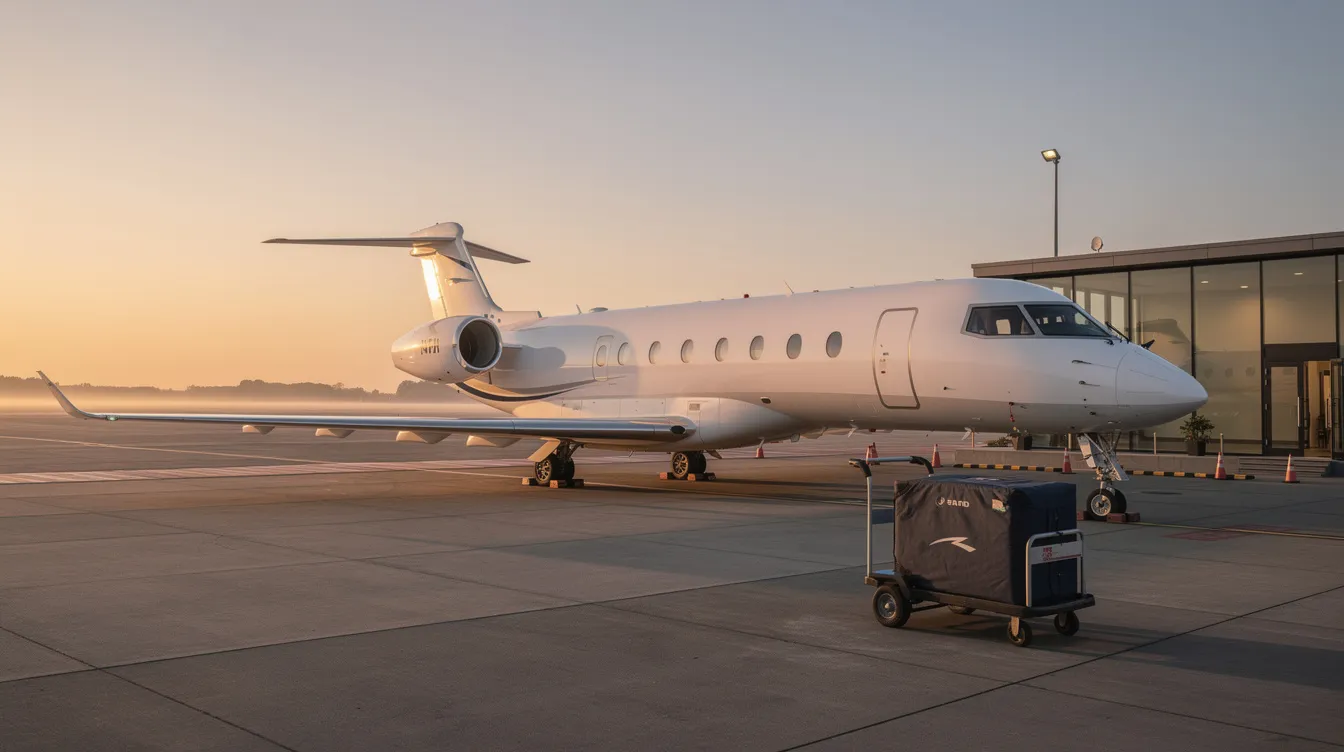
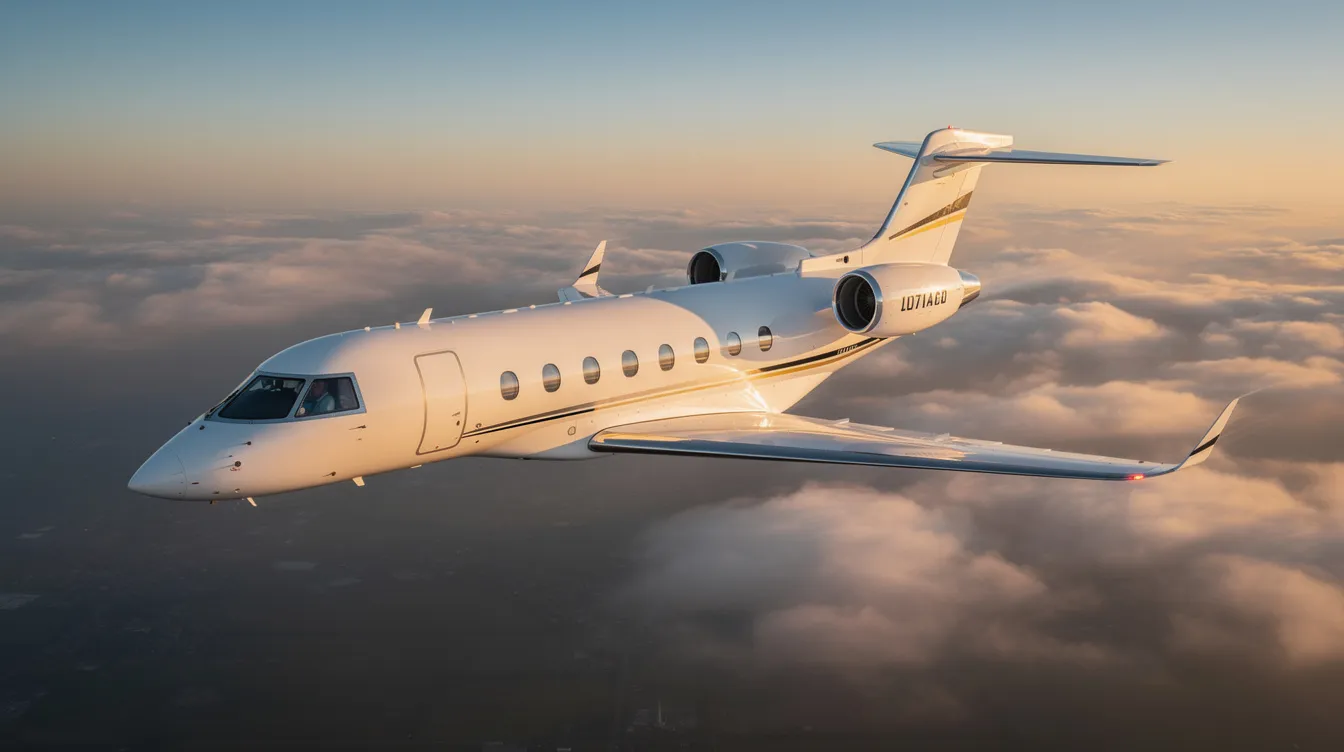
The global business aviation market is led by a dozen manufacturers, each building aircraft around distinct engineering philosophies, cabin designs, and mission profiles. Private plane manufacturers are companies that design, produce, and support aircraft for private, business, or corporate use. The private aviation market features several major manufacturers. Whether you operate a corporate flight department or are acquiring your first private jet, understanding how these manufacturers differ is the foundation of a sound purchase or sale decision.
This guide is intended for buyers, owners, and operators seeking to understand the landscape of private plane manufacturers and make informed decisions.
Key Takeaways
Private jets range from very light jets to ultra-long-range and airliner-based VIP platforms. The private aviation market features several major manufacturers spanning North America, Europe, and Brazil, falling into several categories by size and mission.
Airbus Corporate Jets and Boeing Business Jets convert commercial airliners into large cabin business jets, while Gulfstream Aerospace, Bombardier, and Dassault Aviation build purpose-designed aircraft with different performance envelopes and cost profiles.
Private aircraft manufacturers differentiate themselves by engineering philosophy and cabin design; manufacturer choice directly affects range, cabin size, operating costs, maintenance support, residual value, and charter demand.
BusinessJets.com operates as an independent aircraft brokerage and aviation consulting partner, helping clients compare jet manufacturers, obtain accurate aircraft valuation and appraisals, and structure acquisition or sale strategies.
This article covers flagship models (Cessna Citation, Gulfstream G700/G800, Bombardier Global 7500/8000, Dassault Falcon 10X, Embraer Phenom 300E, and others), plus practical selection criteria for both first-time and seasoned buyers.
Market Overview: Who Are the Major Private Plane and Jet Manufacturers?
Business aviation is built on a core group of aircraft manufacturers organized around specific mission profiles: short-range corporate shuttles, transcontinental flights, ultra-long-range intercontinental missions, and VIP airliner conversions. The private aviation market is influenced by factors like cabin comfort, efficiency, and operational costs across all of these segments.
Principal manufacturers fall into three groups:
Purpose-built business jet makers: Gulfstream Aerospace (a General Dynamics subsidiary), Bombardier, Dassault Aviation, and Embraer Executive Jets
Diversified aviation groups: Textron Aviation (parent of Cessna Aircraft Company and Beechcraft), Airbus Corporate Jets, and the Boeing Company's Boeing Business Jets division
Specialist players: Pilatus, Honda Aircraft Company, Cirrus (Vision Jet), and Piaggio Aerospace
Since 2020, pandemic-driven demand for private aviation pushed order books to multi-year backlogs. Supply-chain constraints on engines and composites, combined with certification delays for next-generation programs, have extended lead times to 18-36 months for popular models. Residual values for in-demand types from Gulfstream, Bombardier, Dassault, and Embraer have held firm through this cycle.
Airbus Corporate Jets: Widebody Comfort in the Sky
Airbus Corporate Jets launched in 1997, producing large business jets derived from Airbus's commercial aircraft platforms. ACJ aircraft are assembled in Toulouse and completed at specialized centers in Hamburg, Indianapolis, and other approved facilities.
The current ACJ portfolio includes the ACJ319neo, ACJ320neo, ACJ330neo, ACJ350, and the ACJ TwoTwenty (based on the A220-100). The ACJ TwoTwenty offers an intercontinental range of about 5,650 nautical miles with a cabin floor area of 73 m² (786 sq ft) arranged across six living zones; a cabin width of 3.30 m and height of 2.10 m. This is roughly three times the floor space of conventional large cabin business jets.
Typical buyers include heads of state, large family offices, and corporations needing VVIP transport for 15-50 passengers on long-haul flights, often flying between major global hubs such as Paris and other key business destinations. Trade-offs are real: ACJ platforms require airline-level maintenance infrastructure, larger crew complements, and carry higher operating costs per flight hour than purpose-built jets. But when a mission calls for bedrooms, offices, and conference rooms aloft, ACJ aircraft deliver cabin volume that no traditional business jet can match.
Boeing Business Jets: Airliner Platforms for Global Missions
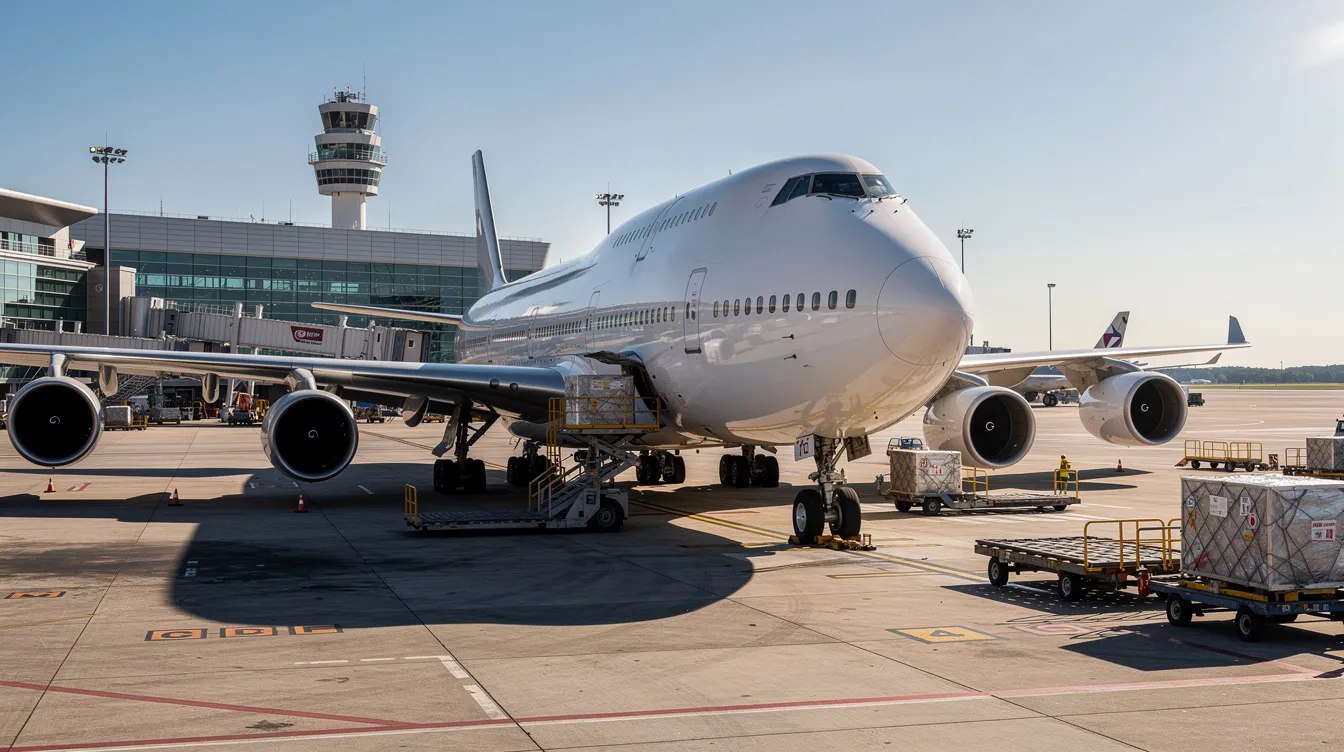
The Boeing Company established Boeing Business Jets in the late 1990s to convert 737-family and widebody commercial airliners (747, 767, 777, 787) into long-range VVIP aircraft. Today, the BBJ portfolio includes the BBJ MAX 7, MAX 8, and MAX 9 (derived from the 737 MAX), the BBJ 787, and the upcoming BBJ 777X. The Boeing BBJ 737 MAX has a range of 12,220 km.
The BBJ 777-8 is advertised with a range of nearly 11,645 nmi (21,570 km) for 75 passengers and a cabin area of 3,256 sq ft; the BBJ 777-9 provides 3,689 sq ft. These are among the longest-range and largest private jets available anywhere in the world.
Boeing Business Jets and Boeing business aircraft serve heads of state and global corporate shuttle operations needing capacity for 25-50+ passengers, separate conference and bedroom zones, and unmatched cabin volume. Compared to Airbus Corporate Jets, BBJ offers different cabin geometries, ranges, and commonality advantages depending on a client's existing fleet and crew base. Because BBJ transactions involve complex completion projects, lifecycle cost modeling and independent technical review are essential before committing capital.
Gulfstream Aerospace, Bombardier, and Dassault Aviation: Ultra-Long-Range Leaders
Gulfstream Aerospace, Bombardier, and Dassault Aviation dominate the high-end business jets segment, offering large cabin and ultra-long-range aircraft capable of connecting most major city pairs nonstop.
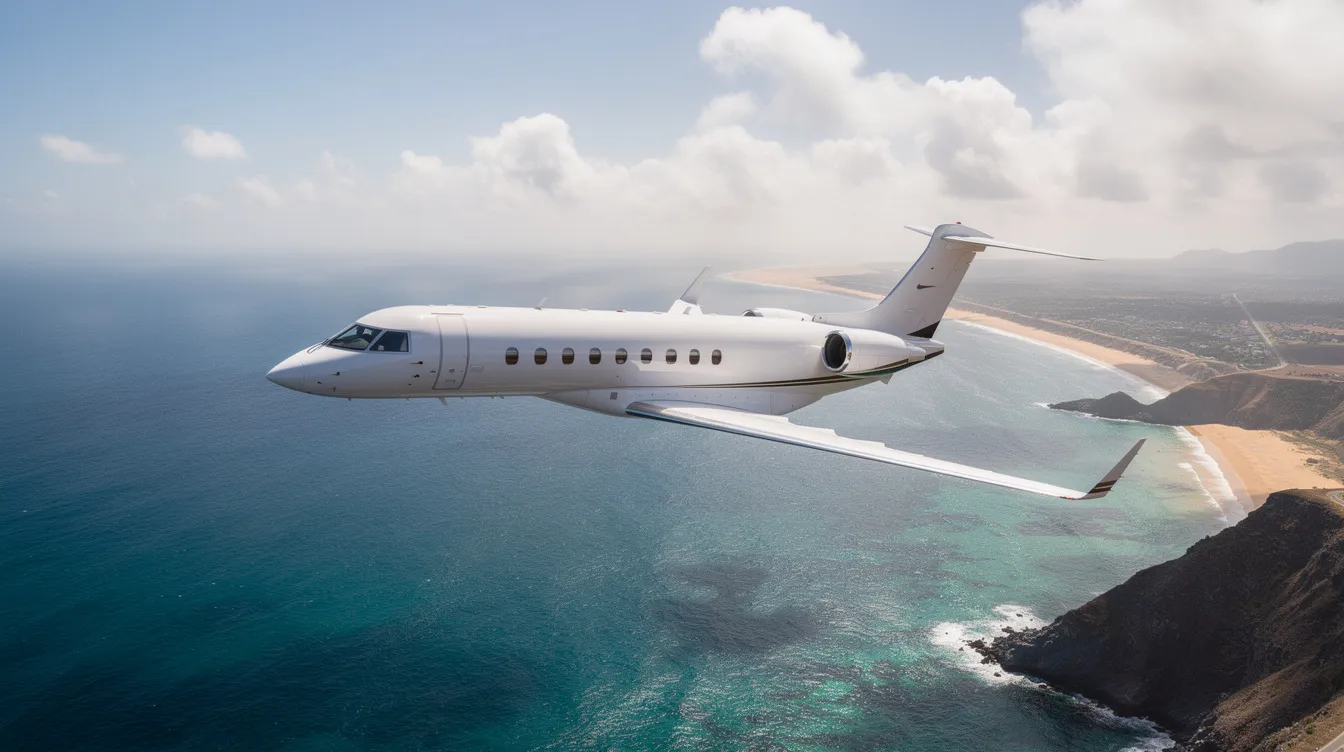
Gulfstream Aerospace specializes in large-cabin, ultra-long-range jets. The current lineup spans the G280 (super midsize), G400/G500/G600 (large cabin), and the flagship G700 and G800. The Gulfstream G800 has a range of 8,200 nautical miles (maximum range of 15,186 km), while the Gulfstream G800 also claims a range of 14,800 km under certain configurations. The G700 received FAA type certification on March 29, 2024, with a range of 7,750 nm at Mach 0.85, a cabin altitude of about 2,840 ft at FL410, and up to five living areas. The Gulfstream G650ER is known for its ultra-long-range capabilities and remains a strong presence on the pre-owned market. Gulfstream jets use Rolls-Royce Pearl 700 engines mounted in a rear-fuselage configuration, delivering improved fuel efficiency and aerodynamic efficiency over prior generations.
Bombardier is recognized for its ultra-smooth rides and spacious interiors. The Challenger 3500 and 650 serve the super midsize and large segments. Bombardier's Global 7500 series is a benchmark for ultra-long-range travel, while the Bombardier Global 8000 is the world's fastest business jet, with speed up to Mach 0.94 and a range of about 8,000 nm (the Bombardier Global 8000 has a range of 14,800 km). These aircraft fly nonstop routes like New York to Tokyo or Singapore to London with greater speed than competitors.
Dassault Aviation was founded in 1929 and produces Falcon jets that span the 2000LXS, 900LX, 6X, 7X, 8X, and the in-development Falcon 10X. Dassault Aviation utilizes military-grade aerodynamics in its business jets, drawing on its Rafale fighter program for fly-by-wire controls and high-performance wing designs. Dassault Falcon jets feature a unique tri-engine design for runway performance in several models, enabling operations from shorter or more demanding airfields. The Dassault Falcon 10X has a range of 13,900 km (7,500 nm at Mach 0.85); its first flight occurred on June 19, 2026, with certification underway. Cabin width is 9 ft 1 in, the widest in purpose-built business jets, with handling qualities optimized through cutting-edge technology in flight controls.
Choosing among these three jet manufacturers depends on runway constraints (Dassault excels on short fields), cabin geometry preferences, speed requirements, support network proximity, and resale demand in key markets.

Embraer Executive Jets and Textron Aviation (Cessna Aircraft Company & Beechcraft)
This segment covers mid-market private jet options from very light jet through super midsize, where Embraer and Textron Aviation lead.
Embraer specializes in technologically advanced aircraft across various categories. The Phenom 100EV/100EX serves the very light jet segment. Embraer's Phenom 300 is the world's best-selling light jet, and the Embraer Phenom 300E is a best-selling light jet that has topped annual delivery charts for over a decade. Embraer's Phenom 300 has been the world's best-selling private jet across all light jets by delivery volume. The Praetor 500 and Praetor 600 cover midsize and super midsize roles, with the Praetor 600 delivering range of about 4,018 nm with four passengers at relatively low operating costs for its class, plus advanced avionics including runway overrun alerting and enhanced vision systems.
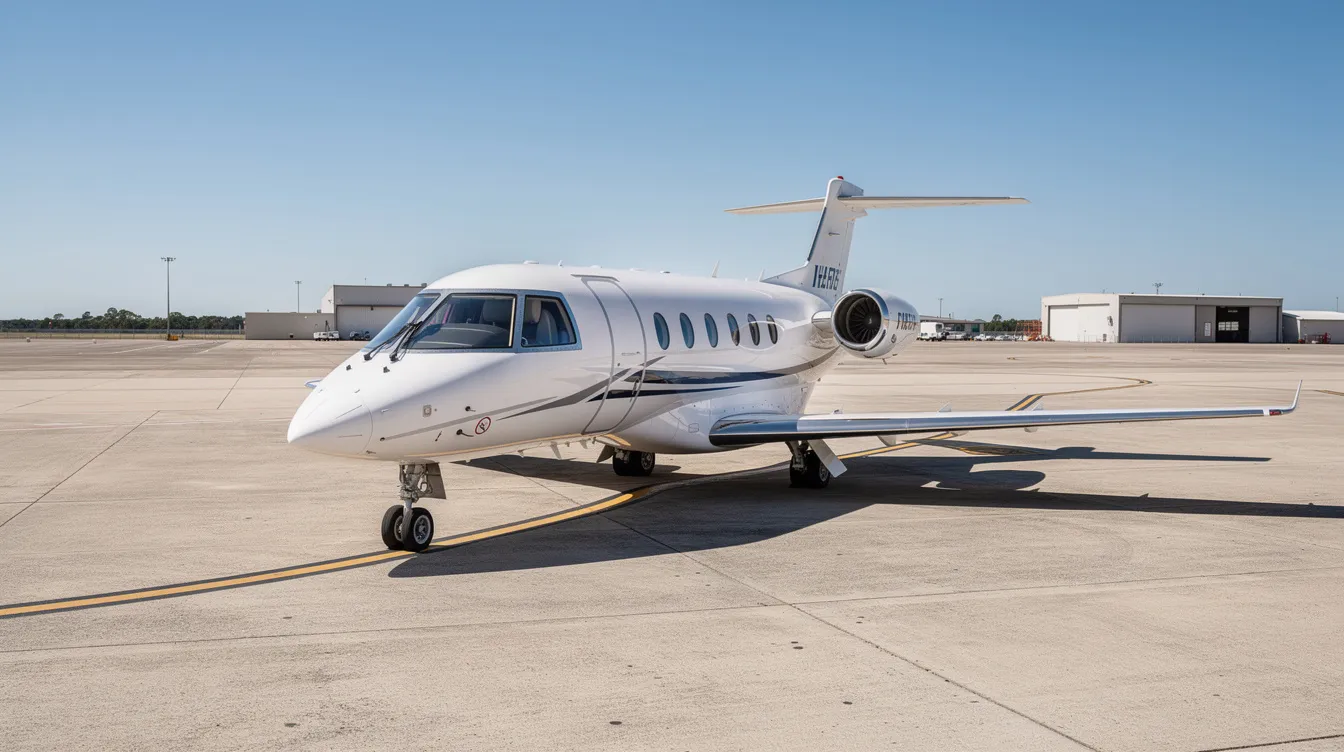
Textron Aviation's Citation line is widely used in corporate aviation. Textron's Cessna Citation series is popular for its operational reliability, spanning the Citation M2 Gen2, CJ3+, CJ4 Gen2, XLS Gen2, Citation Latitude, and Citation Longitude. The Cessna Citation Longitude has a range of 3,500 nautical miles, positioning it as the flagship of the Cessna Citation super midsize lineup. Across the light jet segment and midsize categories, Cessna aircraft carry strong charter flight appeal and broad pre-owned market liquidity.
Beechcraft's King Air 260 and 360/360ER turboprop aircraft complement light jets in corporate and charter fleets, offering low operating costs and access to shorter or unimproved runways. These turboprop aircraft often serve as stepping stones for operators planning to move into jets, or as fleet workhorses for shorter sectors where fuel efficiency matters more than speed.
Specialist Manufacturers: Pilatus, HondaJet, Cirrus, and Piaggio
Several niche aircraft manufacturers fill roles that mainstream business jets may not cover.
Pilatus produces aircraft known for versatility and short-field capability. The PC-12 NGX single-engine turboprop carries passengers and cargo into remote strips, while the Pilatus PC-24 jet is noted for its ability to operate from challenging runways, including unpaved surfaces. Both models appeal to operators needing flexibility that larger jets cannot provide, with reliability proven across military and civilian fleets in the USA and globally.
Honda Aircraft Company builds the HondaJet Elite II, a very light jet with engines mounted over the wing for reduced cabin noise and improved aerodynamic efficiency. The upcoming Echelon project moves Honda into the light jet segment with expanded range and payload. These aircraft target owner-pilots and regional corporate users seeking personalized service and efficient short-range transport.
Cirrus's SF50 Vision Jet is a single-engine personal jet with a whole-aircraft parachute system, bridging hhigh-performancepiston aircraft and traditional business jets. Piaggio Aerospace's P.180 Avanti EVO uses a twin-turboprop pusher configuration to achieve jet-like speed at lower fuel burn, serving as a cost-effective alternative to light jets on certain routes.
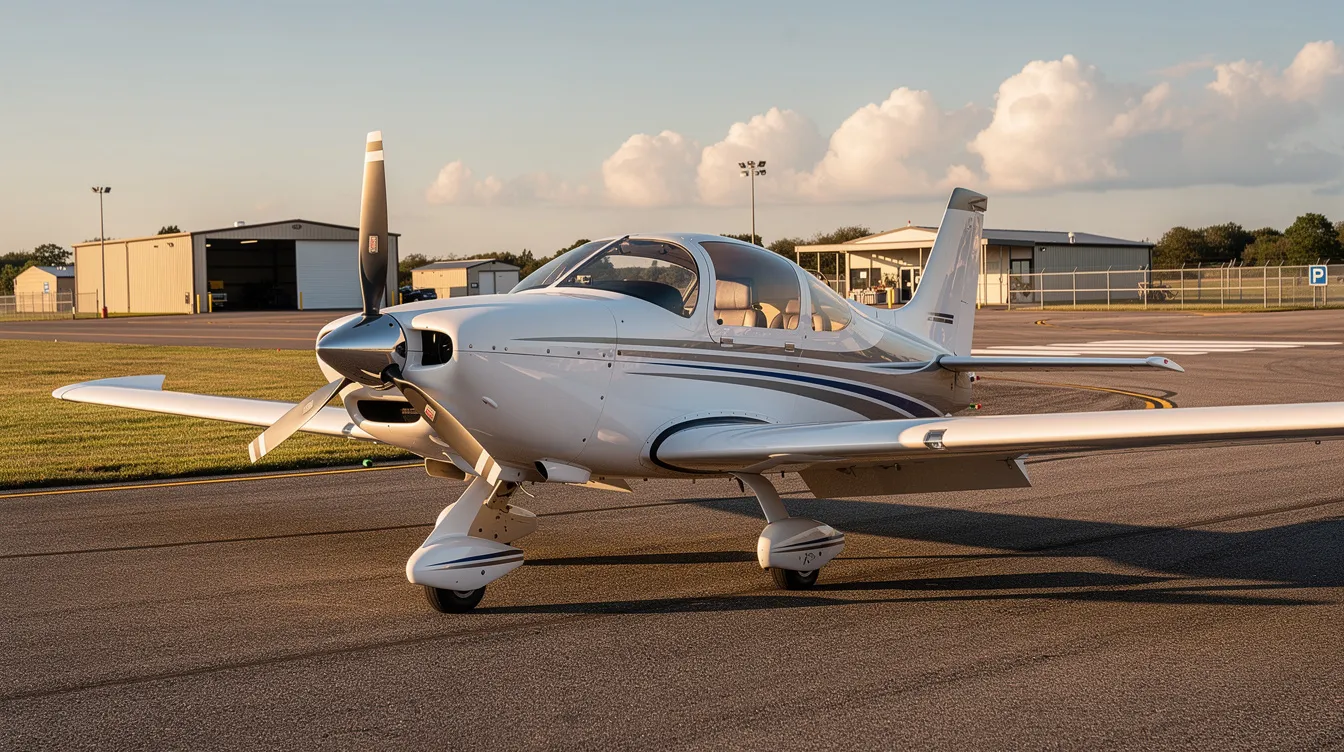
Demand for small aircraft in this category focuses on personal ownership and flight training. Flight schools represent a large share of new aircraft purchases at the entry level, feeding a pipeline of pilots who later move into larger business jets.

How to Choose Between Private Plane Manufacturers for Your Mission
Manufacturer selection should follow mission requirements, not brand preference alone. The perfect aircraft for one operator may be entirely wrong for another. Finding the perfect plane requires structured analysis of:
Stage length: Regional routes under 2,000 nm versus intercontinental flights over 6,000 nm
Passenger count: 4-8 passengers (midsize jet) versus 15+ (large cabin or airliner-based)
Runway environment: Short, contaminated, or high-altitude fields favor Dassault or Pilatus; long paved runways open up the full fleet
Cabin requirements: Bedrooms, meeting spaces, or simple club seating
Technology: Next generation avionics, fly-by-wire, autoland capability
Cost factors include acquisition budget (new versus pre-owned), direct operating costs per hour, maintenance program availability, hangar and crew costs, and how different models perform in terms of residual value. Models from manufacturers with large installed fleets and global service networks tend to carry lower risk at exit.
The importance of support and MRO networks cannot be overstated: proximity of authorized service centers, parts logistics, and OEM backing from companies like Gulfstream Aerospace or Textron Aviation directly affect downtime and total cost of ownership.
Working with BusinessJets.com: Brokerage, Appraisals, and Strategic Advisory
BusinessJets.com is a specialist B2B aircraft brokerage and aviation consulting firm. BusinessJets.com serves high-net-worth individuals and corporations, guiding them through aircraft acquisition, divestment, and fleet planning. BusinessJets.com has completed over 1,500 transactions across all major manufacturers.
Aircraft brokerage facilitates buying and selling private jets. BusinessJets.com sources off-market and listed aircraft from Gulfstream, Bombardier, Dassault, Embraer, Airbus Corporate Jets, Boeing Business Jets, Cessna, Pilatus, and others, managing technical reviews and negotiating agreements.
Private jet appraisals are essential for accurate valuation. BusinessJets.com provides independent market value assessments, comparative analysis by manufacturer and model, and advisory on timing decisions when selling private jets. Aviation consulting supports strategic aircraft transactions, including fleet strategy development, next generation replacement planning, and scenario modeling across manufacturers and cabin classes.
To benchmark manufacturers and aircraft options against your mission and capital strategy, request an aircraft appraisal or schedule a consultation with the BusinessJets.com team.
FAQ: Private Plane and Business Jet Manufacturers
These questions address common decision points for buyers, sellers, and operators comparing aircraft manufacturers.
Which private jet manufacturers typically offer the strongest resale values?
Resale strength varies by market cycle, but aircraft from Gulfstream Aerospace, Bombardier (Global and Challenger families), Cessna Citation, Embraer Phenom/Praetor, and select Dassault Falcon models tend to maintain more liquid secondary markets due to large installed fleets and strong brand recognition. Niche aircraft from smaller manufacturers can deliver strong performance but face thinner buyer pools, making professional valuation and exit planning more important. Owners should obtain periodic appraisal reports to monitor market value and time upgrades or disposals.
How do Airbus Corporate Jets and Boeing Business Jets compare to traditional business jets on operating cost?
ACJ and BBJ aircraft, built on commercial aircraft platforms, carry higher fuel burn, crew, and maintenance costs than purpose-built business jets from Gulfstream, Bombardier, or Dassault Aviation. Per-seat cost can be competitive when carrying 20-50 passengers, but for typical corporate missions with 8-12 passengers, traditional long-range business jets are more efficient. BusinessJets.com builds total cost of ownership models to help clients decide between a VIP airliner and a large cabin business jet for their specific route structure.
Are next-generation business jets worth the premium over proven legacy models?
Next generation aircraft such as the Gulfstream G700/G800, Bombardier Global 8000, Dassault Falcon 6X/10X, and newer Cessna Citation Gen2 variants offer better fuel efficiency, modern avionics, quieter cabins, and often longer range. For operators with high annual utilization, these gains can justify the acquisition premium over 5-10 years. Many operators still prefer proven legacy types with established maintenance histories and broader pre-owned availability, especially when capital is constrained.
Which manufacturers are best for owner-pilots versus fully crewed corporate operations?
Owner-pilots gravitate toward smaller aircraft models such as HondaJet, Embraer Phenom 100/300, Cessna Citation M2, and Pilatus PC-12/PC-24, designed for single-pilot or minimal crew operations. Fully crewed corporate flight departments typically focus on midsize to ultra long range jets from Gulfstream, Bombardier, Dassault, and larger Embraer Praetor models optimized for professional crews and global industry operations. Prospective owner-pilots should align training requirements, insurance limitations, and aircraft choice before committing.
How far in advance should I plan if I want a factory-new jet from a major manufacturer?
Lead times for new business jets range from 12 to 36 months depending on manufacturer and model. High-demand programs from Gulfstream, Bombardier, and Dassault can stretch beyond 24 months. Completion of Airbus Corporate Jets and Boeing Business Jets with custom interiors adds further months. BusinessJets.com can help clients evaluate whether to wait for a new production slot, acquire a nearly new pre-owned aircraft, or fly a bridge aircraft while their preferred jet moves through the production pipeline.
Conclusion: Navigating the Private Plane Manufacturer Landscape with Confidence
Selecting the right private plane manufacturer is a critical step in aligning your aircraft acquisition or sale with your operational, financial, and mission objectives. Each manufacturer brings distinct strengths—whether it’s Gulfstream’s ultra-long-range capabilities, Bombardier’s smooth ride and speed, Dassault’s runway versatility, Embraer and Textron’s broad mid-market appeal, or Airbus and Boeing’s large cabin airliner conversions.
For buyers, owners, and operators, understanding these differences informs smarter decisions around aircraft selection, valuation, timing, and lifecycle costs. Leveraging expert guidance from an experienced partner like BusinessJets.com ensures access to comprehensive market insights, independent appraisals, and tailored consulting that optimize your aircraft investment.
With over 1,500 transactions completed and 5,000+ satisfied clients, BusinessJets.com stands ready to assist you in navigating manufacturer options, securing the right aircraft, and structuring strategic fleet solutions that meet your unique requirements. Whether you seek a first private jet, a fleet upgrade, or advisory on selling your current aircraft, informed manufacturer choice is foundational to success in business aviation.