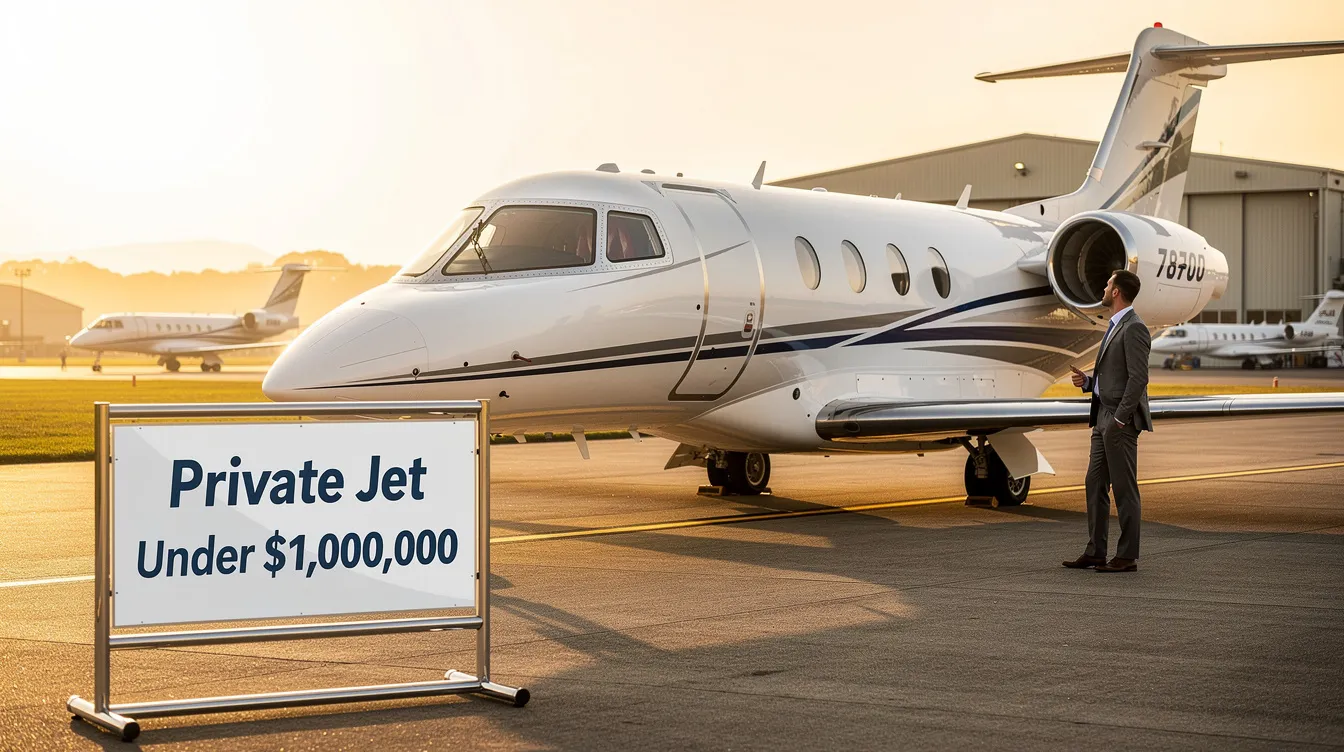
Private Jet Cheap: How to Fly and Own Smarter, Not Just Richer

"Private jet cheap" does not mean compromising safety or flying an obsolete airframe. It means optimizing aircraft choice, ownership structure, and charter strategy to match what you actually need.
The context matters. Post-pandemic demand for private aviation remains elevated. The total number of private jets in operation is approximately 24,270 as of July 2024, and interest in affordable aircraft models like the Cirrus Vision Jet, Embraer Phenom 100, and older Cessna Citation variants continues to grow as buyers look for the most affordable entry point into private flight.
This article is written for serious buyers, corporate decision-makers, and owner-operators—not casual tourists. It covers both flying private through charter and empty leg opportunities, and owning private through pre-owned jets, valuations, and consulting.
BusinessJets.com operates as an aircraft brokerage, appraisal, and aviation consulting firm with a track record of over 1,500 completed transactions and 5,000+ satisfied customers. Our focus is helping clients avoid costly mistakes when pursuing cost-efficient private aviation.
In the sections ahead, you will find realistic cost ranges by aircraft type, how empty leg flights work, when charter versus acquisition makes sense, and what hidden expenses can turn a "bargain" jet into a money pit.
Key Takeaways
In 2026, "cheap private jet" means smart use of pre-owned aircraft, empty leg flights, and right-sizing the aircraft type to your actual mission—not bargain-basement luxury or cutting corners on safety.
Many travelers can fly private from under $1,500 per flight hour on turboprops and very light jets, and repositioning empty leg flights can be discounted by 40% to 75% versus conventional private jet charter rates.
Pre-owned prices for older jets can drop below $2 million. The Cirrus Vision Jet SF50 trades from roughly $1.7–$2.2 million used, while older business jets like early-2000s Citation XLS or Falcon 50 models can be found near or below $3 million depending on condition and flight hours.
The cheapest private jet to own and operate tends to be a very light jet or entry-level light jet, with operating costs often under $1,000–$1,300 per hour.
BusinessJets.com helps buyers and private jet owners find cost-efficient aircraft, appraise jets accurately, and avoid overpaying in a complex 2024–2026 market—backed by 1,500+ completed transactions.

How Much Does It Really Cost to Fly Private on a Budget?
Private jet charter prices typically range from $2,000 to $14,000 per hour, depending on the aircraft type. Here is how 2026 pricing typically breaks down:
Aircraft Type | Typical Charter Cost per Flight Hour | Typical Operating Cost per Hour | Typical Pre-Owned Purchase Price Range |
|---|---|---|---|
Single-engine piston | $500–$1,000 | $300–$500 | $100,000–$300,000 |
Turboprop (e.g., PC-12) | $1,200–$2,800 | $700–$1,200 | $2 million–$5 million |
Very Light Jet (VLJ) | $1,200–$2,800 | $800–$1,000 | $1 million–$2.5 million |
Light Jet | $2,600–$5,000 | $1,000–$1,300 | $1.5 million–$3.5 million |
Mid-size Jet | $4,500–$8,000 | $2,000–$3,500 | $3 million–$8 million |
Heavy Jet/Ultra Long Range | $8,500–$14,000+ | $5,000–$10,000+ | $5 million–$50+ million |
But the hourly rate is only part of the total cost. Private aviation prices can vary significantly depending on aircraft availability and repositioning costs. Positioning legs, FBO handling, landing fees, and taxes can add 20–30% above the quoted base rate. Booking with smaller airports can lower landing and operational fees significantly compared to major metro hubs.
Chartering a private jet typically requires a minimum booking of two flight hours, even for short hops. A light jet from New York to Miami may run $25,000–$30,000+ one-way once all fees are included. A shorter leg—say New York to Chicago on an Embraer Phenom 100—costs less and starts to look competitive when shared.
That is the key insight: groups can dramatically reduce costs by chartering a small jet together. A $9,000 charter flight split among six passengers yields roughly $1,500 per seat, which can rival last-minute business class fares on commercial airlines for certain short-haul routes. Users often save money by splitting charter costs with a group, turning a premium experience into a practical business travel tool.
"Cheap" flying private usually means choosing the smallest plane that safely meets your range and passenger needs, avoiding peak demand dates, and using regional airports where feasible.
Aircraft Types That Keep Private Flying Costs Down
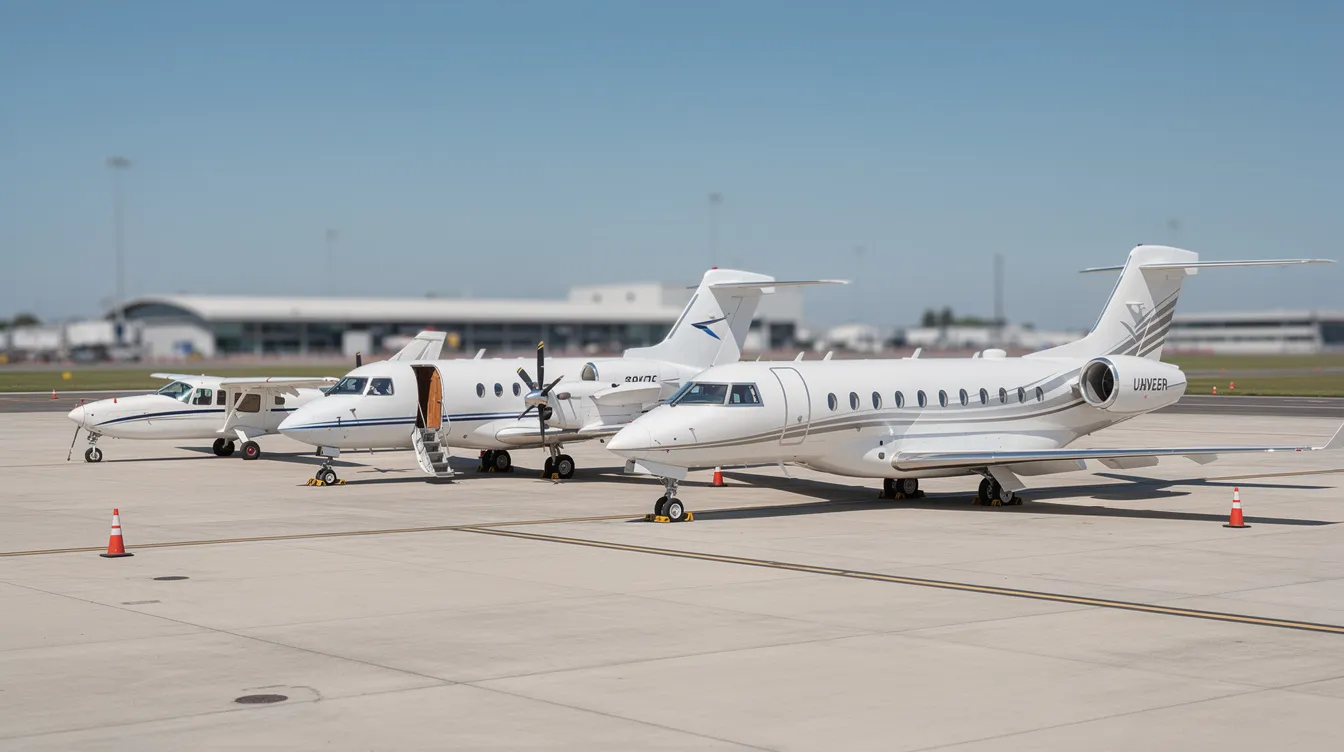
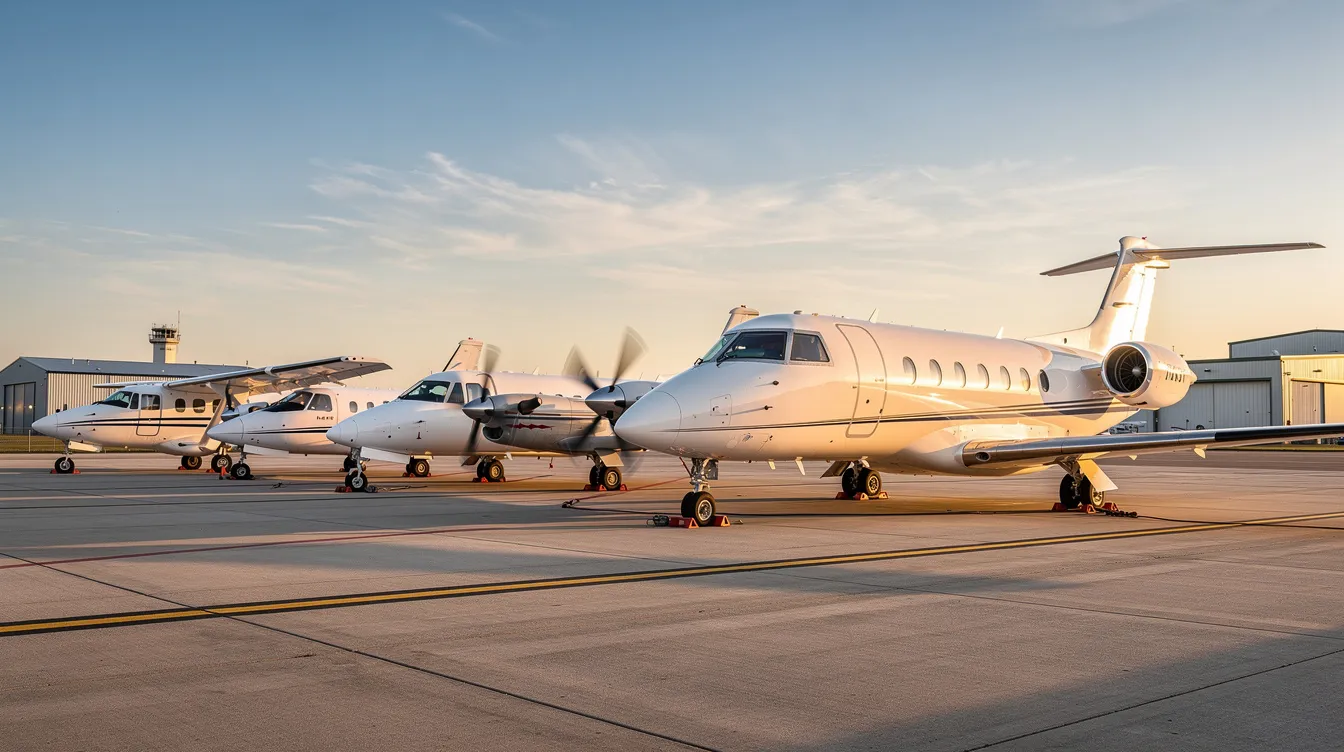
Aircraft type is the single biggest lever you have to control cost. Here is the hierarchy from least to most expensive to operate:
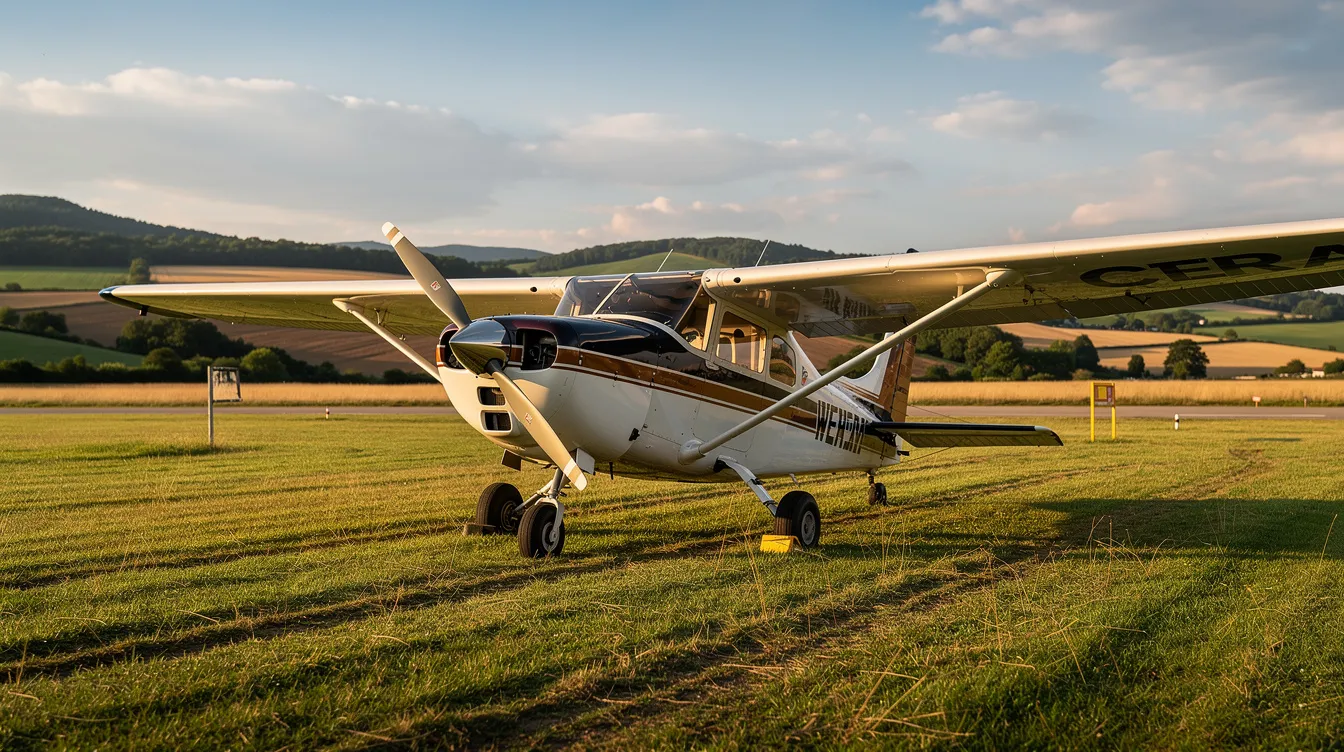
Single-engine piston – lowest cost, limited range and speed
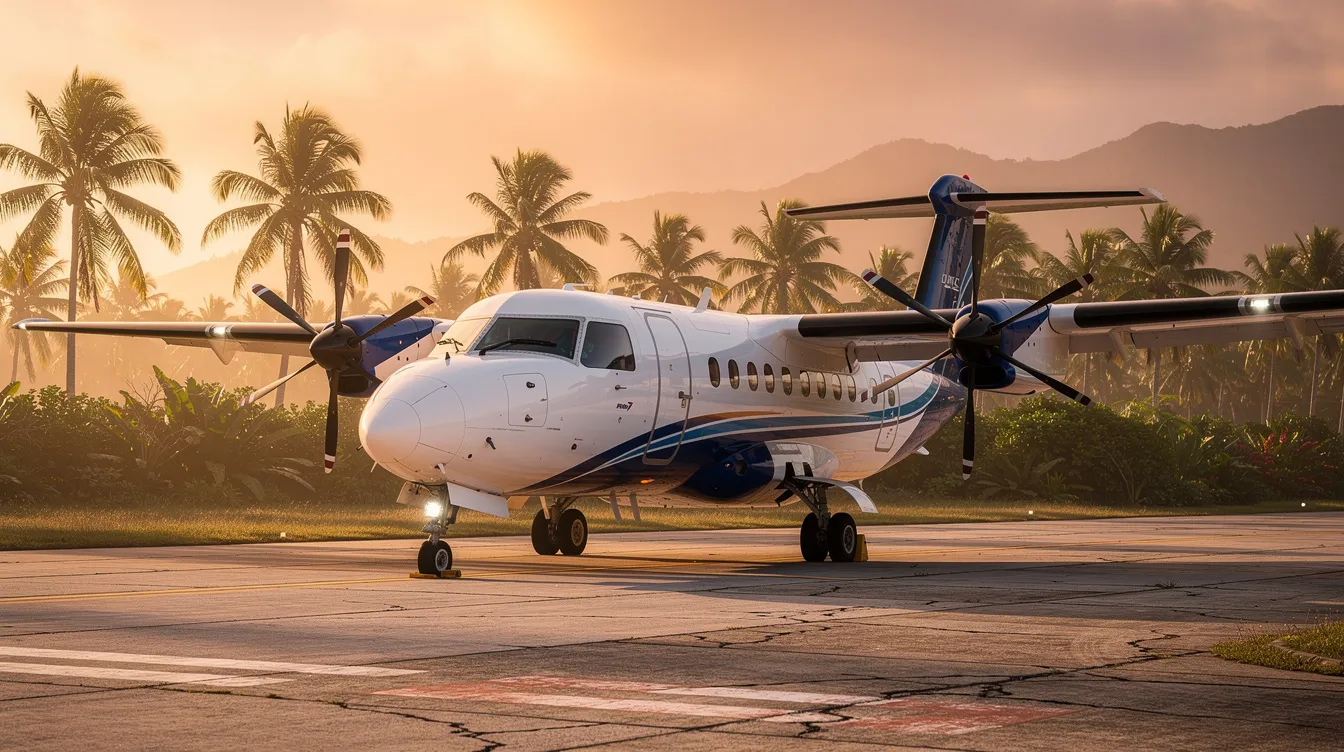
Turboprop (e.g., Pilatus PC-12, King Air) – lower fuel burn, access to shorter runways, strong for sub-800 nm missions
Very light jet – the most affordable private jets in the jet category; high performance for 4–5 passengers at faster cruise speeds
Light jet – broader cabin space, slightly higher operating costs, range often to 1,200–1,500 nm
Mid-size and super mid-size – longer range, spacious cabin, but significantly higher fuel and maintenance
Heavy jet, ultra long range, Boeing Business Jet – maximum range and complete luxury, but operating costs that can exceed $10,000+ per flight hour
Smaller aircraft, such as turboprops and very light jets, are more cost-effective for short trips. A turboprop like the PC-12 burns less fuel and requires less maintenance than a jet, while still operating into smaller airports that airlines cannot serve.
Choosing a heavy jet for a 45-minute hop is the opposite of private jet cheap. It is the aviation equivalent of renting a tour bus for a solo commute.
BusinessJets.com helps clients match aircraft type to mission profile and flight time patterns, ensuring they do not overspecify and overpay for their typical routes.

Spotlight on Affordable Very Light and Light Jets
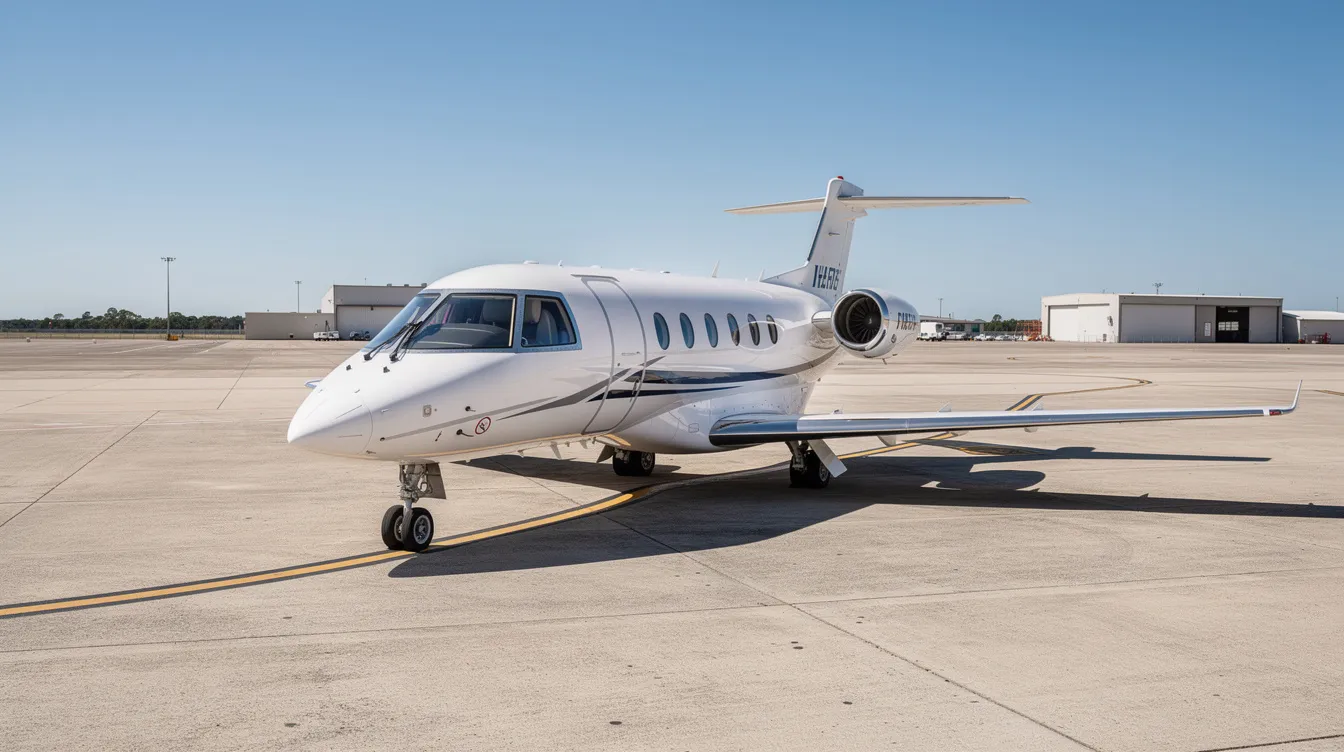
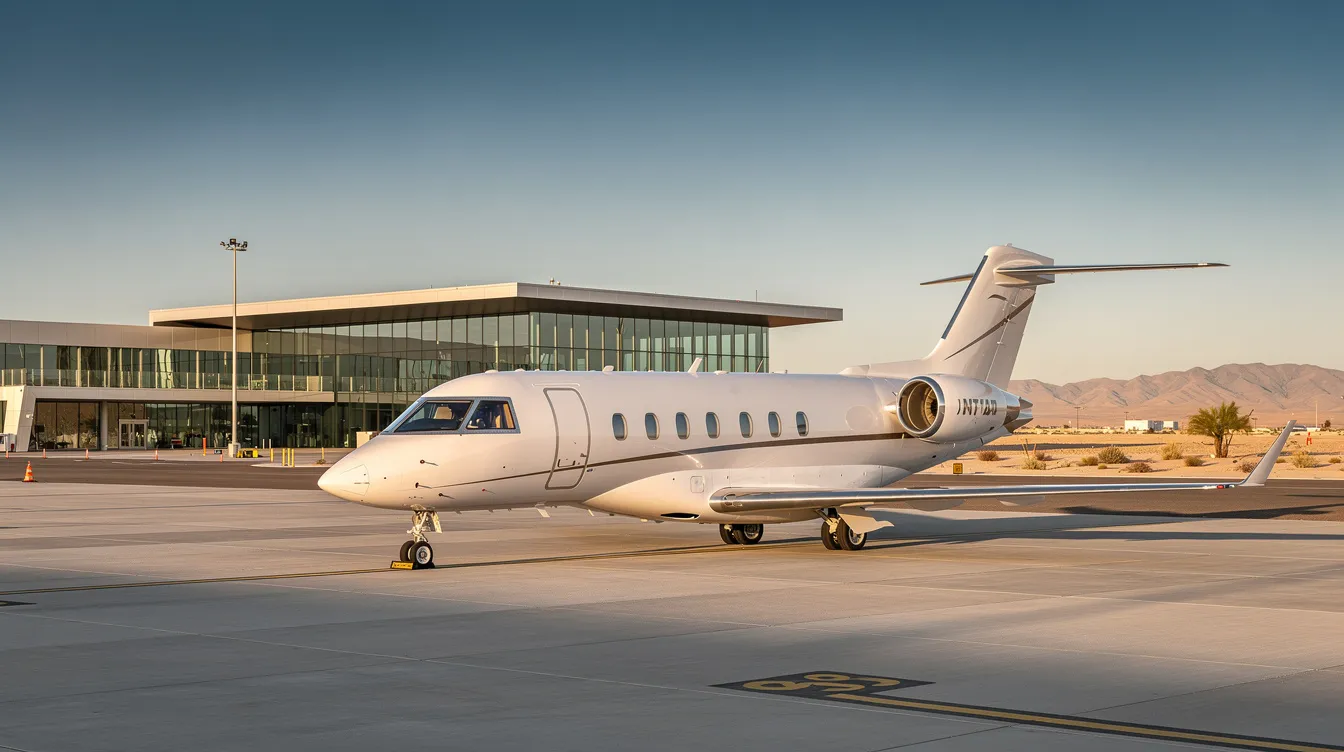
VLJs and entry-level light jets represent the most affordable entry point into private jet ownership for entrepreneurs, family offices, and small corporate flight departments.
Cirrus Vision Jet SF50. The Cirrus Vision Jet is priced around $2 million new, making it the benchmark entry-level jet. It offers a maximum range of roughly 1,200 nm, is certified for single pilot operation, and includes the CAPS whole-airframe parachute system. Operating costs for the Cirrus Vision Jet are estimated under $1,000 per hour for variable expenses, making it an accessible option for owner-operators flying 200–400 hours annually. Used Cirrus Vision Jets trade from roughly $1.7 to $2.2 million.
Embraer Phenom 100/100EV. The Embraer Phenom 100 has a range of up to 1,178 nautical miles and seats 4–6 passengers in a comfortable cabin. Pre-owned Phenom 100s from the early-to-mid 2010s often trade in the $2–$3.5 million range, with strong service support and a reputation as a cost-effective regional business jet.
Cessna Citation Mustang. Pre-owned Cessna Citation Mustang aircraft typically sell for between $1.5 million and $2.5 million as of the mid-2020s. Operating expenses for the Citation Mustang range from $1,000 to $1,200 per flight hour, benefiting from Cessna's widespread maintenance and support network. Operating costs for a Cessna Citation Mustang run $1,000 to $1,200 per hour, and the type benefits from Cessna's extensive service network.
Eclipse 500. For buyers seeking the absolute cheapest private jet to own, the Eclipse 500 can be acquired for $1 million to $1.5 million pre-owned—one of the lowest price points for a certificated jet.
A word of caution: "cheap" airframes in these categories can still become expensive mistakes if they carry deferred maintenance, corrosion, or incomplete logbooks. A professional appraisal and pre-purchase inspection can verify aircraft condition and fair market value before you commit.
Older Midsize and Heavy Jets: Big Cabins at Small Prices
Some older midsize and large jets appear surprisingly affordable to buy. An early-2000s Citation XLS, older Dassault Falcon 50, Gulfstream G200, or Legacy 600 predecessor can sometimes be found near or below $3 million for high-time examples. Older Falcon 50 jets can be found for as low as $1 million in some cases, depending on total time and maintenance status.
The catch is that low acquisition cost often comes with higher ongoing operating costs. Large jets like the Dassault Falcon 50 can fly over 3,000 nautical miles, offering serious long-range capability and seating for 8–10 passengers. But direct operating expenses on tri-engine or twin-engine heavy configurations typically run $4,000–$6,000 per flight hour—fuel burn, crew, and scheduled maintenance all scale up with cabin size and complexity.
These aircraft make sense for corporations and private owners who prioritize cabin space, range, and destination flexibility over absolute hourly cost, and who may consider ultra-spacious charter options such as an Airbus ACJ319 private jet, and who are prepared for major inspections and interior refurbishments within the next 3–5 years.
The critical step is a professional aircraft valuation paired with a 5- to 10-year cost forecast. BusinessJets.com routinely models total cost of ownership on older heavy jets so clients understand whether a "bargain" listing is genuinely financially realistic or a future cost trap masked by a low sticker price.
Using Empty Leg Flights to Fly Private for Less
An empty leg flight is a repositioning leg flown without booked passengers. Operators sell these at significantly reduced rates to recover some operating costs rather than flying the aircraft deadhead at a total loss.
How much can you save? Empty leg flights can cost 40% to 75% less than standard charters. A Citation XLS repositioning from Teterboro to West Palm Beach after a one-way drop, or a Phenom 300 flying empty from London Farnborough to Nice, might be available at dramatically reduced pricing—sometimes bringing light jet or mid-size jet access to price points closer to business-class fares.
The advantages are clear:
Access to light, midsize, and even heavy jets at a fraction of regular charter prices
Per-seat costs that can compete with premium airline tickets when passengers share the charter
A way for frequent flyers to supplement a charter or ownership strategy with opportunistic savings
The trade-offs are real:
Flight schedules and routes for empty leg flights are fixed by the operator
Risk of schedule changes or cancellation if the primary charter client alters plans
Limited ability to customize catering, exact airport, or flight time
Empty leg flights can reduce charter costs by 25–75%, but they work best as a supplement to—not a replacement for—a reliable travel strategy. BusinessJets.com can help operators and frequent flyers identify leg flights directly and structure travel strategies that incorporate empty legs where sensible, while relying on standard charter or private ownership for time-critical missions.

Charter vs. Ownership: When Is Buying a "Cheap" Jet Actually Rational?
The charter-versus-ownership decision comes down to annual utilization. Here are the general thresholds:
Under ~100 flight hours/year: Pure charter flight bookings—plus occasional empty leg deals—are usually more cost-effective. Chartering eliminates the need for aircraft ownership costs entirely.
100–250 hours/year: Fractional ownership, jet cards, or membership programs may offer discounts for frequent private flyers and deserve serious analysis.
Above ~250–300 hours/year: Whole aircraft ownership starts to make financial sense for many operators who can absorb the fixed costs.
Chartering offers access to over 5,000 airports in the US, provides flexible scheduling and destinations, and can save 20–40% during peak demand periods through smart timing and charter broker relationships. But you hold no assets and have no guaranteed availability during busy seasons.
Ownership involves acquisition cost, depreciation, financing, and residual value risk. A regional business logging 150 hours per year between Dallas and surrounding cities on a Citation Mustang or PC-12 might calculate that charter at $3,000–$4,000 per hour × 150 hours equals $450,000–$600,000 annually—potentially more than the variable and fixed cost of owning a VLJ, but with zero capital risk or maintenance surprises.
BusinessJets.com provides impartial acquisition consulting and comprehensive aviation services, modeling multiple scenarios—charter, fractional, outright purchase—over a 5–10 year horizon. We recommend that first-time buyers begin with a structured consultation rather than reacting to a low asking price. Transparent pricing on total cost exposure matters more than the sticker on a listing.
Hidden Costs That Make or Break "Cheap" Private Jet Ownership
A low purchase price means nothing if the ongoing cost profile is unsustainable. Here are the categories that matter:
Fixed costs (whether or not you fly):
Hangar or tie-down: $1,000–$4,000/month at major US airports in 2025–2026
Insurance: $15,000–$50,000+ per year depending on aircraft and pilot experience
Crew salaries for professional pilots on larger jets (often $80,000–$150,000+ per pilot annually)
Training, subscriptions, data services
Variable costs (per flight hour):
Fuel costs for private jets range from $300 to $700 per hour depending on aircraft and market
Scheduled and unscheduled maintenance, engine reserves, parts
Navigation database and weather subscriptions
Annual operating costs for a mid-size jet can total hundreds of thousands of dollars—even before unscheduled events. An aging airframe with upcoming engine overhauls, 96-month inspections, or mandatory avionics upgrades can generate six-figure surprise bills.
The Federal Aviation Administration requires compliance with evolving airworthiness directives and equipment mandates. Older jets may need costly retrofits to remain legal and insurable.
A professional appraisal and records review—available through BusinessJets.com—can estimate upcoming major events and incorporate them into your negotiation strategy. View "cheap" in total cost of ownership terms over 5–10 years, not just initial price.
Choosing the Right Aircraft for Your Mission, Not Just Your Budget
The smartest approach to private jet cheap is to align aircraft selection with your typical mission profile—not the single longest or rarest trip you might take.
Scenario A: A 4-passenger executive team doing 400–800 nm hops 2–3 times per week. A very light jet or light jet like the Cirrus Vision Jet or Cessna Citation Mustang handles this efficiently. Choosing a heavy jet for these legs burns capital unnecessarily.
Scenario B: A family of six with occasional ski trips to short-runway mountain airports. A turboprop or small light jet accommodates passengers and luggage while operating into shorter runways that large jets cannot use.
Scenario C: A multinational firm requiring 8–10 passenger transcontinental missions at 3,000+ nm. Here, a mid-size or super midsize jet—or even a heavy jet—is justified. Models like the Citation XLS, Citation Sovereign+, or Embraer Legacy 650E offer relatively cost-efficient performance for these longer reserved missions, especially on high-demand corridors to major hubs such as Paris by private jet charter.
Comparing quotes from multiple brokers can help identify the lowest prices, but the deeper value is matching aircraft to routes. BusinessJets.com helps clients shortlist 3–5 candidate aircraft types and runs performance and cost modeling against real routes and airport requirements—avoiding misalignment like buying a heavy jet for mainly 300 nm flights.
Before committing, gather 12–24 months of historical travel data: routes, passengers, and flight time. Let the missions you actually fly define what "cheap" means for your operation.
How BusinessJets.com Helps You Find Value in a "Cheap Private Jet" Strategy
BusinessJets.com delivers four core services for cost-conscious aviation clients:
Aircraft brokerage – buying and selling pre-owned and new business jets, with access to current aircraft for sale and off-market inventory
Formal aircraft appraisal – benchmarking realistic market values against recent comparable sales, not just public asking prices
Fleet and operator advisory – helping operators downsize from heavy jets to more economical aircraft types, monetizing existing assets while reducing cost per flight hour
Transaction consulting – managing LOI, pre-buy inspection, and closing for corporate buyers and private owners worldwide
Our team's experience across 1,500+ transactions allows us to model accurate valuations for popular types—Citation XLS, Phenom 100, Gulfstream, Legacy—and identify whether a "cheap" listing is a genuine value or a deferred-maintenance liability.
For a cost-conscious buyer, the typical process starts with an initial consultation to clarify mission and budget, followed by a market survey of suitable aircraft types, comparative valuation of specific serial numbers, and hands-on management through closing.
If you are evaluating a private jet acquisition, considering shared flights or semi-private approaches, or exploring whether to sell and right-size your current aircraft, we invite you to request a confidential appraisal, list a jet for sale, or engage our team for independent acquisition advice.
Frequently Asked Questions
The following FAQ addresses common questions from first-time private flyers and prospective aircraft buyers that were not fully covered above.
Is flying private ever cheaper than business class?
On certain routes—especially short-haul flights with 5–8 passengers—splitting a light jet charter or discounted empty leg can result in per-seat costs similar to or slightly above business class, with far greater time savings and access to smaller airports. For example, a roughly $8,000 light jet charter for six passengers on a busy US route yields about $1,333 per seat, compared to last-minute business-class fares that can exceed $1,200 per ticket on commercial airlines.
For long-range intercontinental flights, private jets remain significantly more expensive per seat than airline business class, even when fully occupied. Shared or seat-based private flights and semi-private services—where passengers purchase individual seats on private routes—can narrow the gap on select high-demand legs like New York to Las Vegas or Miami.
What is the cheapest realistic entry point to owning a private aircraft?
There is a meaningful difference between owning a small piston aircraft (a used Cessna 172 in the $150,000 range) and a true business jet. For jet ownership, the most affordable entry point is a pre-owned very light jet: the Eclipse 500 can be acquired for $1 million to $1.5 million, and older Cirrus Vision Jet G1 models start near $1.7–$2 million.
While acquisition price can seem accessible, owners must budget tens of thousands annually for fixed costs and hundreds of dollars per flight hour for fuel and maintenance. We recommend prospective first-time jet owners engage BusinessJets.com for a preliminary budget and appraisal-driven discussion before committing.
Are single-pilot jets really safe and cheaper to operate?
Many VLJs and light jets—including the Cirrus Vision Jet and certain Cessna Citation and Embraer Phenom models—are certified for single-pilot operation, which can meaningfully reduce crew costs. Safety, however, is driven by regulatory compliance, maintenance quality, and pilot training—not just crew count. Operators often choose two-pilot crews for higher-workload missions, night operations, or instrument conditions.
Discuss crew concepts and insurance implications with an experienced aviation consultant before relying on single-pilot cost savings as a primary strategy.
How do I know if an advertised "bargain" jet is fairly priced?
Key red flags include an asking price well below comparable aircraft, missing logbooks, upcoming engine overhauls, expensive scheduled inspections, or avionics that will soon require costly upgrades to remain compliant. A professional aircraft appraisal benchmarks price against recent comparable sales, adjusts for flight time and maintenance status, and projects near-term capital needs. BusinessJets.com's appraisal and transaction support is a straightforward way to validate whether a specific aircraft is a genuine value or a future cost trap.
Conclusion: Smarter Private Jet Ownership and Chartering with BusinessJets.com
Achieving private jet cheap in 2026 means more than chasing the lowest sticker price—it requires a strategic approach to aircraft selection, ownership structure, and charter usage tailored to your specific mission profile. BusinessJets.com stands ready to assist discerning owners, corporate buyers, and operators in navigating this complex market with expert aircraft brokerage, accurate aircraft appraisals, and comprehensive aviation consulting.
With over 1,500 successful transactions and a client base exceeding 5,000 satisfied customers, BusinessJets.com offers unparalleled insight into matching aircraft types to operational needs, identifying genuine market values, and avoiding costly pitfalls. Whether you seek to acquire an affordable pre-owned jet, optimize your fleet strategy, or leverage empty leg flights to reduce charter expenses, our team provides discreet, practical guidance grounded in real-world data.
Explore how BusinessJets.com can help you fly private smarter—not just richer—by requesting a confidential aircraft appraisal, listing your jet for sale, or engaging our aviation consulting services today. The path to cost-effective private aviation begins with informed decisions supported by trusted expertise.