Plane Price in 2026: What It Really Costs to Buy and Operate a Private Plane

Jay Franco Ser
September 3, 2026

Key Takeaways

  • A used small plane can start as low as $15,000–$80,000 in 2026, while new single-engine planes like the Cirrus SR22 approach $600,000–$1,000,000. Light jets range from about $3 million pre-owned to $12 million new, and large-cabin private jets can exceed $75 million.

  • Total plane cost extends well beyond the purchase price. Fuel costs, maintenance costs, crew salaries, hangar fees, insurance, and capital tied up mean that ownership costs often match or exceed the acquisition price over a 5–10 year hold. Annual operating costs for private aeroplanes range from $500,000 to over $1 million depending on category and utilisation.

  • Pre-owned aircraft are typically 30%–60% cheaper than new, but require a thorough pre-purchase inspection, logbook review, and expert valuation to avoid costly surprises from deferred maintenance or hidden defects.

  • The right plane price is not the lowest sticker—it is the one that aligns with your mission profile, utilisation, and exit strategy.

  • BusinessJets.com helps buyers and private jet owners understand true ownership costs, compare options across new and pre-owned markets, and structure transactions efficiently through independent appraisals and consulting.

How Much Does a Plane Cost in 2026? Quick Market Snapshot

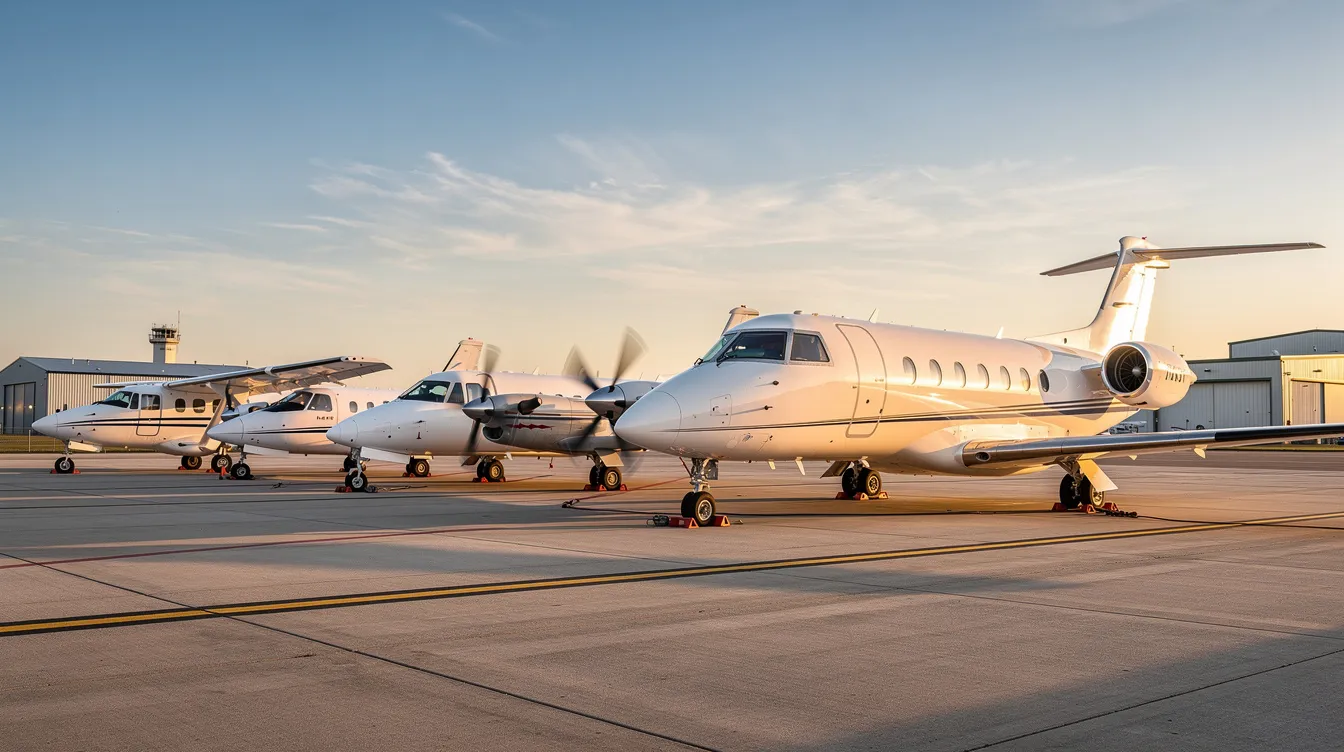
The price of an aeroplane depends on size, intended use, and market conditions. In 2026, the spectrum is wide:

  • Ultralight aircraft: $10,000–$25,000 for single-seat or two-seat models used for personal recreation and sport flying

  • Used small planes (e.g., Cessna 150): $15,000–$80,000

  • New four-seat single-engine piston aircraft (e.g., Cirrus SR22): $600,000–$1,000,000

  • Turboprops (e.g., King Air, Pilatus PC-12): $1 million–$4 million used; $4.8–$9.3 million new for premium models

  • Light jets: $3 million used to $12 million new

  • Super-midsize jets: $13–$35 million depending on age and configuration

  • Large-cabin / ultra-long-range business jets: $35–$80+ million

The total cost of ownership includes acquisition, financing, and operating costs. The purchase price is only a fraction of the financial commitment over a typical 7–10 year hold. BusinessJets.com focuses primarily on business jets and private jets rather than ultralight aircraft or commercial airliners, but these reference points illustrate the full price spectrum.

Plane Prices by Category: From Small Pistons to Large Private Jets

Private jets are categorised by size, and each category affects pricing significantly. Here is what the market looks like in 2026, moving from smallest to largest.

Ultralight and Trainer Aircraft

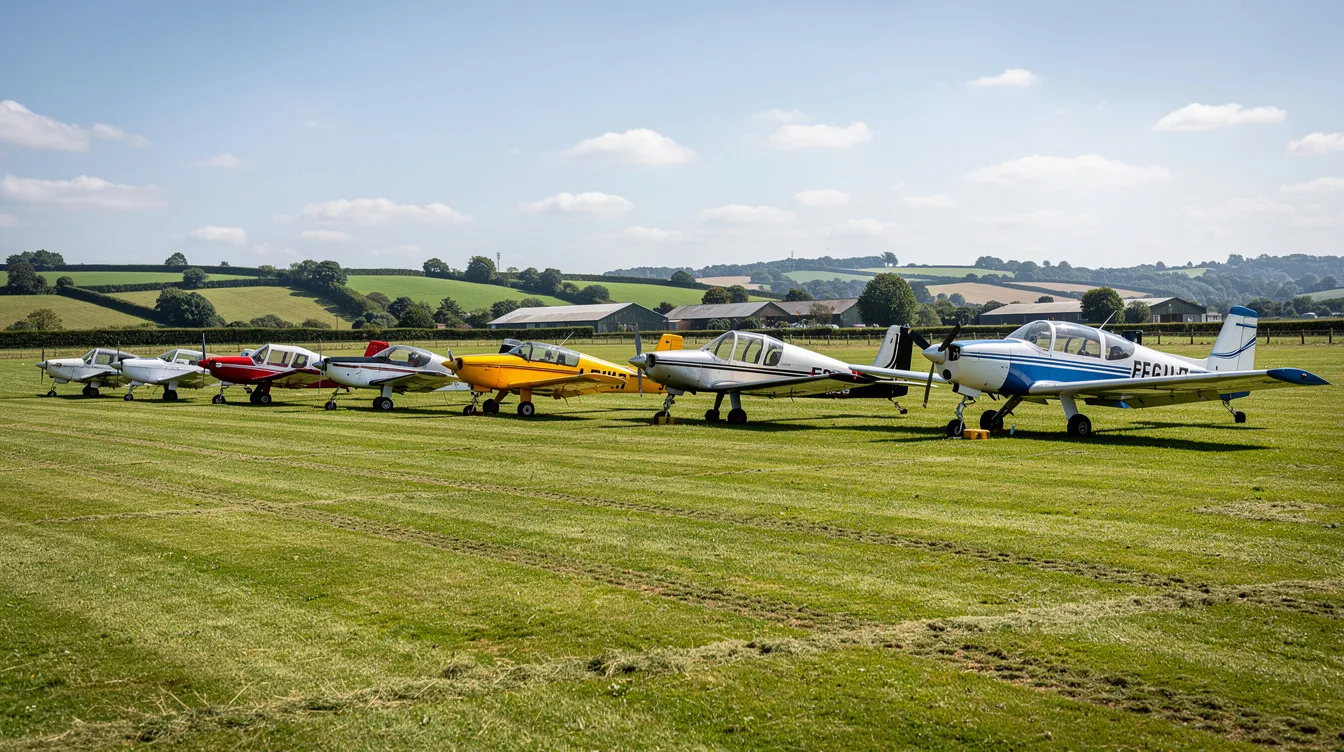
Ultralight and trainer aircraft occupy the bottom of the range. A basic ultralight costs $10,000–$25,000 and serves personal recreation or initial flight training. These small aircraft rarely overlap with business aviation.

Single Engine Planes

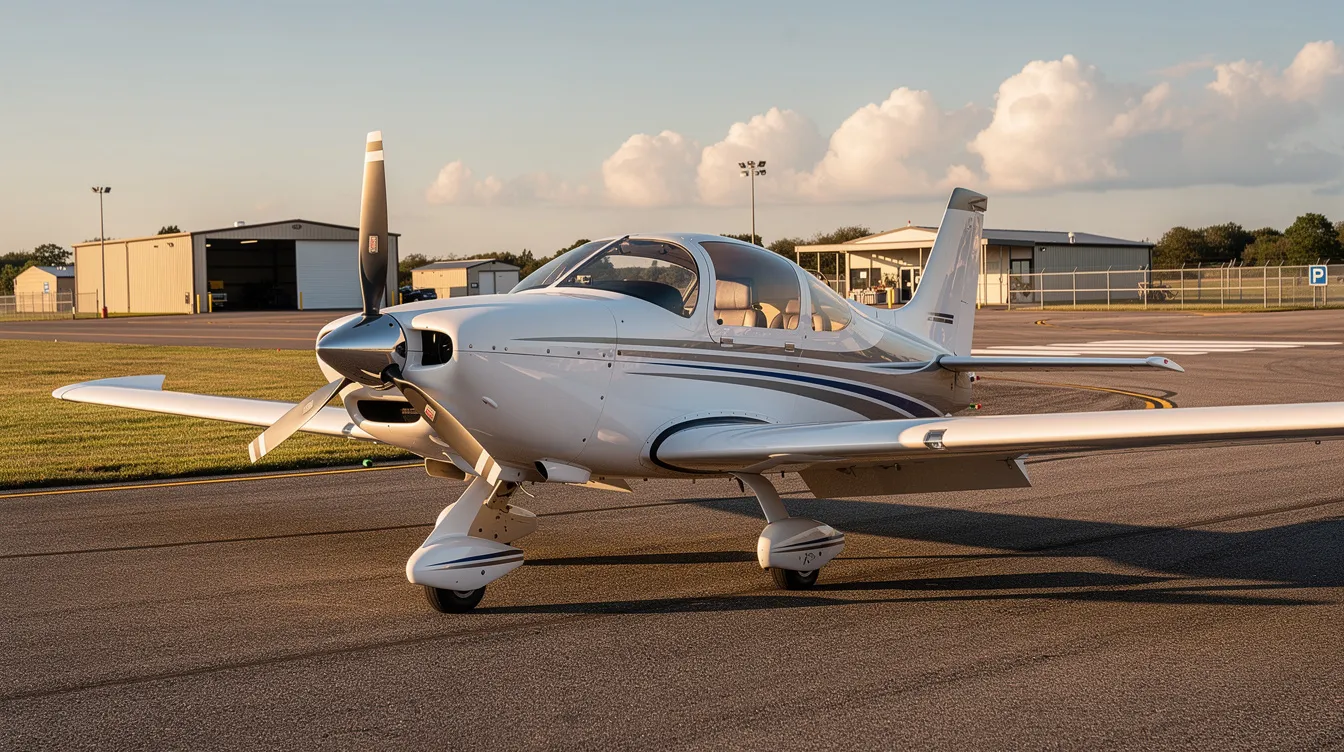
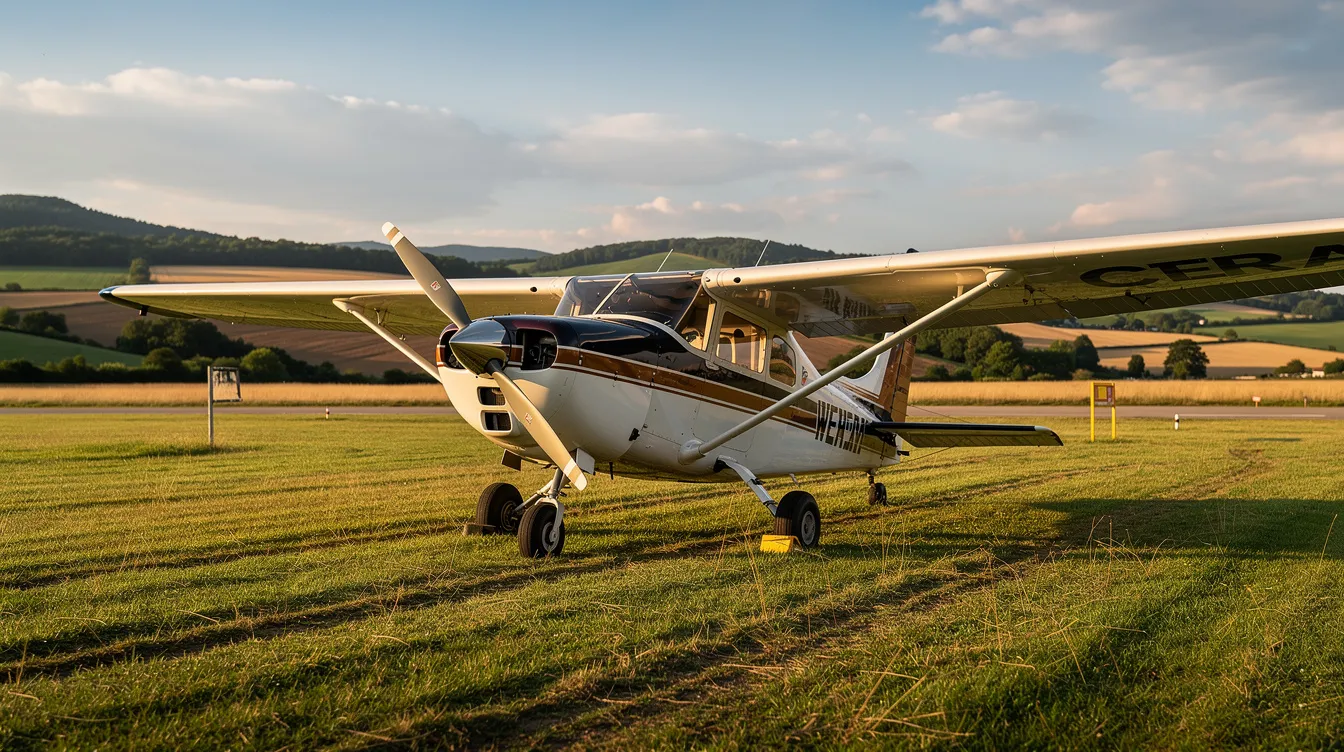
Single-engine planes such as the Cessna 172 or Cessna 182 trade in the used market from roughly $30,000 to $200,000 for older models. Newer production examples run $400,000–$1,000,000. New single-engine pistons like the Cirrus SR22 cost $600,000–$1,000,000. Aircraft manufacturers typically publish list prices, which are often negotiable depending on options and delivery timing.

Multi-Engine Planes

Multi-engine planes like the Beechcraft Baron G58 sit in the $800,000–$1,500,000 range for well-maintained used examples. For instance, a 2014 Beechcraft Baron G58 with low hours and fresh engine work was recently listed at approximately $1,299,000—a concrete reference point for this segment.

Turboprops

Turboprops range from about $1 million to $4 million in the used market. New turboprops from Pilatus, Beechcraft, and Daher list between $4.8 million and $9.3 million. Turboprops offer fuel efficiency and short-field performance that appeal to many owners who operate from rural airports or shorter runways.

Light Jets

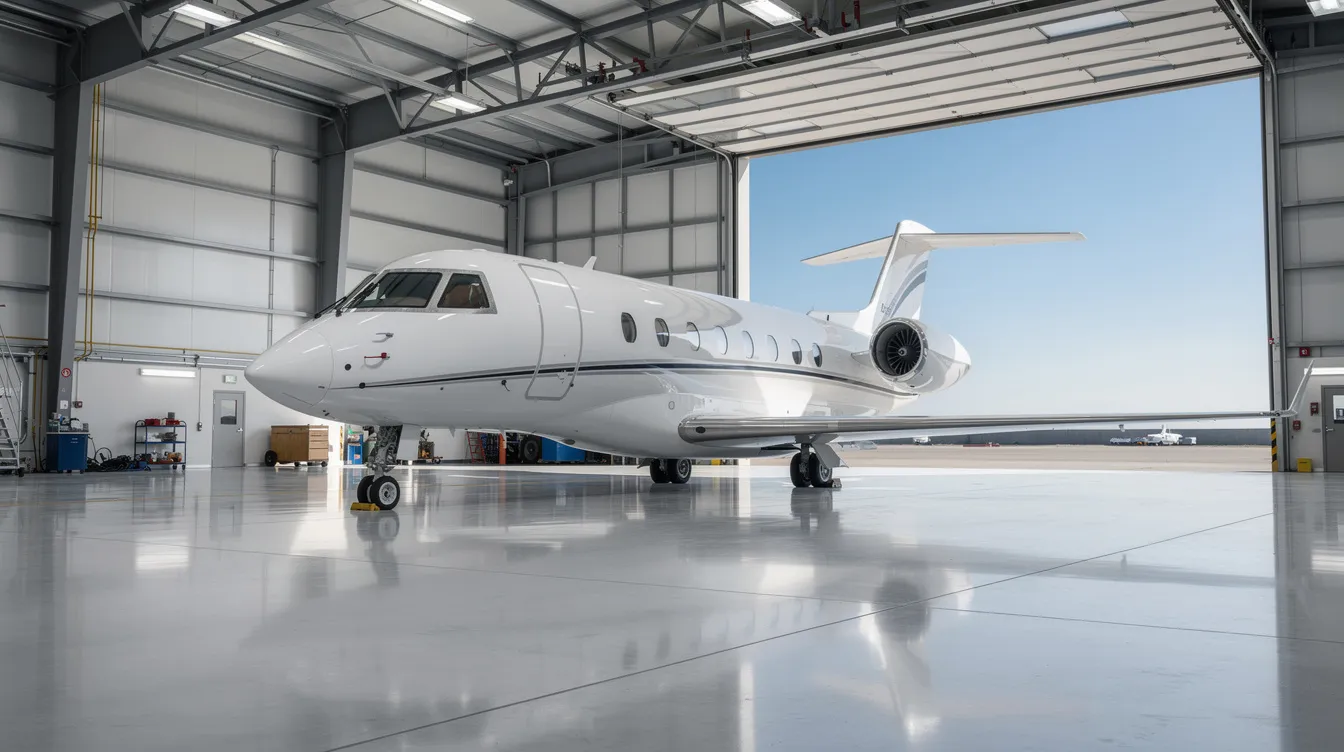
Light jets represent the entry point to jet-powered business aviation. The Cessna Citation family is often the gateway for corporate buyers. A Cessna Citation M2 Gen2 was recently listed at approximately $5,995,000. New light jets range from $9–$13 million; used examples with good pedigree trade at $3–$9 million.

Midsize and Super-Midsize Jets

Midsize and super-midsize jets—models like the Citation Longitude, Challenger 3500, and Praetor 600—list new at $20–$35 million. Pre-owned super-midsize jets often trade between $13 and $23 million.

Large-Cabin and Ultra-Long-Range Jets

Large-cabin and ultra-long-range jets, including the Bombardier Global 6000, Gulfstream G650ER, Airbus ACJ319, and Gulfstream G700 occupy the top of the market. Large business jets can exceed $75 million in price when new and fully optioned. Pre-owned examples range from $20 million to $60 million depending on aircraft condition, interior vintage, and engine program enrollment.

Private buyers evaluate aircraft as transportation, business assets, and luxury products, with key advantages like privacy, security, flexibility, and efficiency shaping that evaluation. Airframe hours and engine cycles determine the value of individual private jets, alongside avionics vintage, cabin condition, and damage history. Most buyers in the corporate segment gravitate toward light jets, super-midsize, or large-cabin models. Charter operators tend toward high-utilisation midsize jets. Individuals flying for business purposes or personal recreation may choose turboprops or light jets as the most cost-effective entry point when those benefits matter but acquisition and operating budgets still need to stay in check.

New vs Pre-Owned Plane Cost: How Much Can You Really Save?

Depreciation and Price Differences

Many corporate buyers and private jet owners choose pre-owned jets because steep early-year depreciation creates attractive discounts. New jets depreciate 30%–40% in the first five years, with some light jets losing 15%–25% of value in year one alone.

Consider the math:

  • A new Cessna Citation light jet at $9–$12 million might have an 8–10-year-old pre-owned counterpart trading at $3–$6 million.

  • Used small planes like the Cessna 150 cost between $15,000 and $80,000 in 2026, making them an accessible entry point for many buyers.

  • New single-engine pistons, such as the Cirrus SR22, approach $600,000 to $1,000,000, reflecting their advanced technology and performance capabilities.

  • Light jets range widely from about $3 million for used models to $12 million for new aircraft, while large-cabin jets can exceed $75 million when new.

The valuation of private aircraft depends heavily on individual specifications and history, including airframe hours and engine cycles, which directly influence market value. Private jets are categorised by size, and each category significantly affects pricing. Commercial aircraft prices are primarily anchored by passenger capacity and range, with commercial aeroplanes typically purchased directly from manufacturers in large fleet orders. Airlines evaluate these aircraft as income-producing assets, often negotiating bulk orders to secure significant discounts.

Factors Influencing Aircraft Prices

Aircraft prices are influenced by age, maintenance, demand, and market supply and demand cycles. New jets typically depreciate 30%–40% within the first five years. Modern engines that offer lower fuel burn command a premium, especially in commercial aviation, where high global jet fuel prices drive demand for newer, fuel-efficient models.

The total cost of ownership extends beyond the purchase price to include acquisition, financing, and operating costs. Annual operating costs for private aeroplanes can exceed $1 million, with fuel costs accounting for up to 70% of variable operational expenses. Maintenance expenses can constitute between 10% and 45% of annual operating costs, with annual inspections for small aircraft generally costing from $750 to $2,000. Storage fees vary significantly, ranging from $100 to $2,000 per month depending on the location, with rural airports typically offering lower rates. Storage costs vary widely, from $100 to $2,000 per month depending on location, including rural airports where rates tend to be lower.

Sales taxes and regulatory compliance costs also impact the effective cost of ownership. Enrollment in maintenance programs can increase resale value but adds recurring per-hour charges. Ownership provides maximum control over aircraft usage and maintenance but carries risks such as depreciation. Chartering, often cheaper for those flying under 150 hours annually, eliminates depreciation risk and fixed costs exposure.

Corporate profits, global GDP growth, and aircraft financing conditions materially influence private jet sales and fleet expansion. Both commercial and private aircraft markets are affected by macroeconomic factors, shaping pricing and demand trends. BusinessJets.com supports clients with expert appraisals and consulting to navigate these complexities and optimise acquisition and ownership strategies.

Pre-Purchase Inspection: Steps and Considerations

A pre-purchase inspection is essential. Without one, hidden defects can be left undetected and cost thousands—or millions—to resolve after closing. Here’s how to approach it:

  1. Schedule a thorough pre-purchase inspection with a qualified maintenance provider.

  2. Review all maintenance logbooks and service records.

  3. Assess airframe hours, engine cycles, and upcoming mandatory inspections.

  4. Evaluate avionics, cabin condition, and compliance with regulatory mandates.

  5. Use findings to renegotiate the purchase price or walk away if major issues are found.

BusinessJets.com supports clients with independent appraisals and valuation, using transaction data from 1,500+ completed deals to benchmark fair market value and flag over- or underpriced listings.

Beyond Purchase Price: True Ownership Costs of a Private Plane

The overall cost of aircraft ownership breaks into three buckets:

Fixed Costs

Fixed costs include crew salaries ($300,000–$450,000 for a two-pilot operation), hangar and storage costs ($60,000–$150,000 annually, with storage costs for aircraft ranging from $100 to $2,000 per month depending on location), insurance ($40,000–$120,000), and management fees. Sales taxes and regulatory costs also affect the effective cost of private aircraft at acquisition.

Variable Operational Costs

Variable operational costs rise with flight hours: fuel, routine maintenance, landing and handling fees, and consumables. For a light or midsize private jet flying 250–300 hours annually, expect:

  • Fuel costs of $400,000–$700,000

  • Maintenance and inspection cost,s including engine reserves of $300,000–$600,000

  • Additional costs for landing fees and cleaning

Capital Costs

Capital costs include debt service on any financing, or the opportunity cost of cash deployed. Ongoing costs include maintenance, fuel, staffing, and insurance—and together they add up fast. Annual operating costs for private aeroplanes can exceed $1 million. Maintenance costs can constitute between 10% and 45% of total annual operating expenses, varying according to the aircraft's age and enrollment in maintenance programs.

Operational expenses can exceed the original acquisition cost several times over across a 7–10 year hold. Ownership provides maximum control over aircraft usage and maintenance, but that control comes at a price. Treat the acquisition price as the down payment on a long-term cost structure, and seek professional consulting before committing capital.

A maintenance technician is closely inspecting an aircraft turbine engine inside a well-lit hangar, highlighting the importance of routine maintenance and thorough pre-purchase inspections for private jet owners. The image emphasizes the intricate details of the engine, crucial for understanding ongoing costs and ensuring aircraft condition.

Key Operating Cost Drivers: Fuel, Maintenance, and Inspections

Variable operational costs are dominated by fuel and maintenance. Fuel costs may account for up to 70% of variable operational costs for most jet categories.

Fuel Use by Aircraft Category

  • Small piston aeroplane: 8–12 gallons per hour of avgas at $5–$8/gallon ($40–$96/hour)

  • Turboprop: 40–70 gallons per hour of Jet A ($200–$400/hour)

  • Light jet: 120–180 gallons per hour ($500–$900/hour at current Jet A prices)

  • Large private jet: 250–400+ gallons per hour ($1,000–$2,000+/hour)

High global jet fuel prices raise demand for newer, fuel-efficient aircraft models. Modern engines that offer lower fuel burn command a premium in both commercial aviation and the private jet market.

Maintenance and Inspection Costs

Inspection costs vary by category. Annual inspections for small aircraft typically cost between $750 and $2,000. For jets, Phase and letter checks escalate from tens of thousands into the high six figures for calendar-based heavy checks at 96-month or 192-month intervals. Engine and APU programs like ESP Gold, Rolls-Royce CorporateCare, and MSP smooth cash flow and protect resale value, while adding $100–$500+ per engine hour in reserves.

Thorough maintenance logbooks, a clean damage history, and a comprehensive pre-purchase inspection are essential to understanding not just what the plane costs today, but what it will cost to keep airworthy and compliant.

One-Time and Additional Costs: Pilot Training, Avionics, and Cabin Upgrades

Beyond day-to-day operations, buyers should budget for several step-change costs around acquisition.

Pilot Training

A private pilot license includes ground school and flight hours, but stepping into jets or turboprops requires additional ratings and type-specific simulator training. Initial type ratings in business jets cost $15,000–$40,000, with recurrent training every 6–12 months at $8,000–$20,000. For pilots, these costs influence insurance premiums and overall operating budgets.

Avionics Upgrades

Avionics upgrades range from $50,000–$200,000 for incremental items—ADS-B transponders, WAAS/LPV approaches, synthetic vision—up to $100,000–$400,000+ for full glass cockpit modernisation in older turboprops and jets. Costs related to certification and compliance significantly impact aircraft pricing and must be factored into any small plane purchase or jet acquisition.

Interior Refurbishment

Interior refurbishment starts in the low six figures for a light soft-goods refresh and can reach mid-to-high six figures for a full cabin overhaul on a large-cabin jet, plus 3–6 weeks of downtime.

The valuation of private aircraft relies on individual specifications and history. BusinessJets.com can advise whether to buy an already-upgraded private plane or acquire a lower-cost airframe and invest in targeted upgrades based on appraisal-driven ROI analysis.

How Mission Shape and Utilisation Levels Influence Plane Cost Decisions

The right plane price is not the cheapest option—it is the one that matches your range, cabin requirements, runway needs, and how many hours you fly annually.

Matching Aircraft to Mission Profile

Consider two scenarios:

  • A regional owner flying 100 hours per year on legs under 500 nautical miles may find a turboprop or light jet optimal.

  • A multinational corporation flying 400–600 hours annually on transcontinental routes will justify the higher cost of a super-midsize or large-cabin jet like a Bombardier Global 6000, Gulfstream G650ER, or even long-range options used for private jet charter to Paris, where the airplane's range and cabin give more flexibility for productive travel.

Chartering is often cheaper for flying under 150 hours annually. Chartering eliminates depreciation risk associated with aircraft ownership and removes fixed cost exposure entirely. Fractional ownership and aircraft rental structures sit between full ownership and charter, offering more flexibility without the full capital commitment. Full ownership starts to make financial sense above roughly 200–300 hours per year, though many owners also value control, privacy, and scheduling certainty.

Charter Revenue and Utilisation

Multiple aircraft owners or fleet managers considering placing aircraft on a charter certificate to offset ownership costs should realistically model utilisation, charter yield, and added wear before assuming breakeven. Annual operating costs for jets can exceed $1 million, and charter revenue rarely covers the full burden.

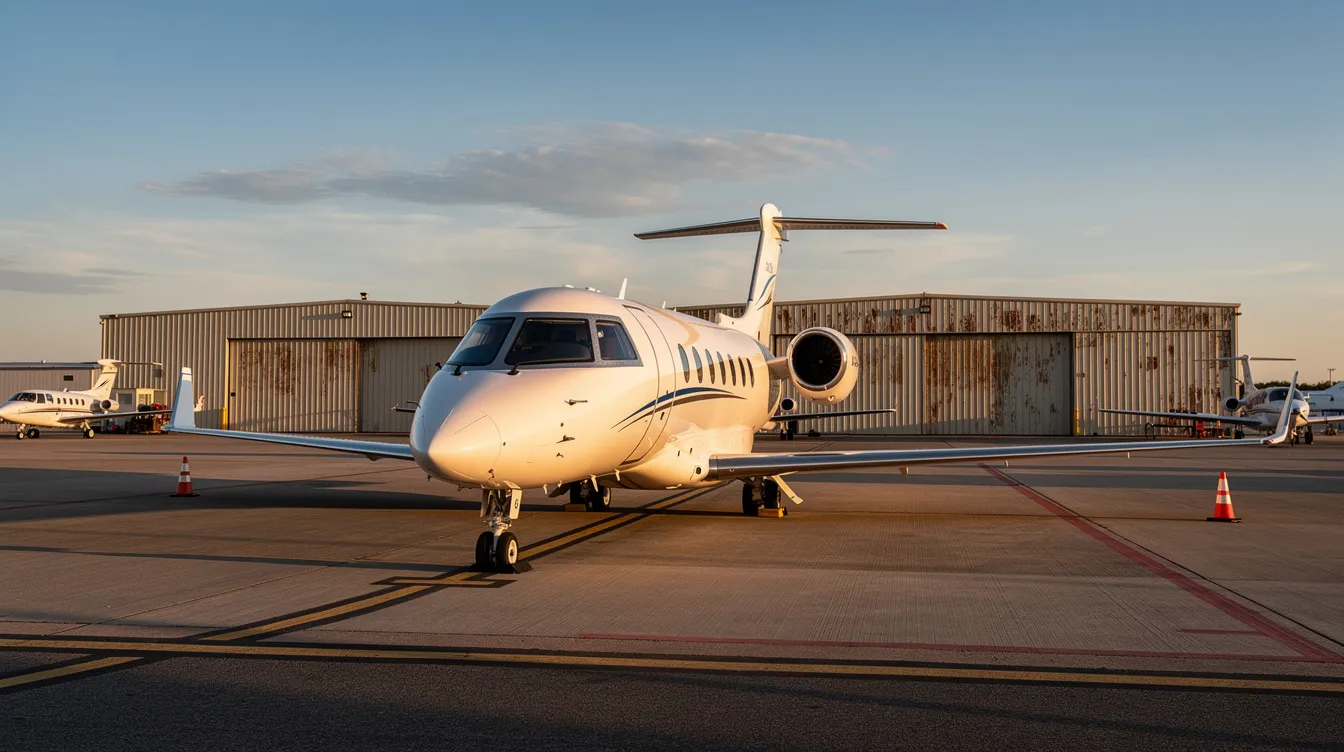
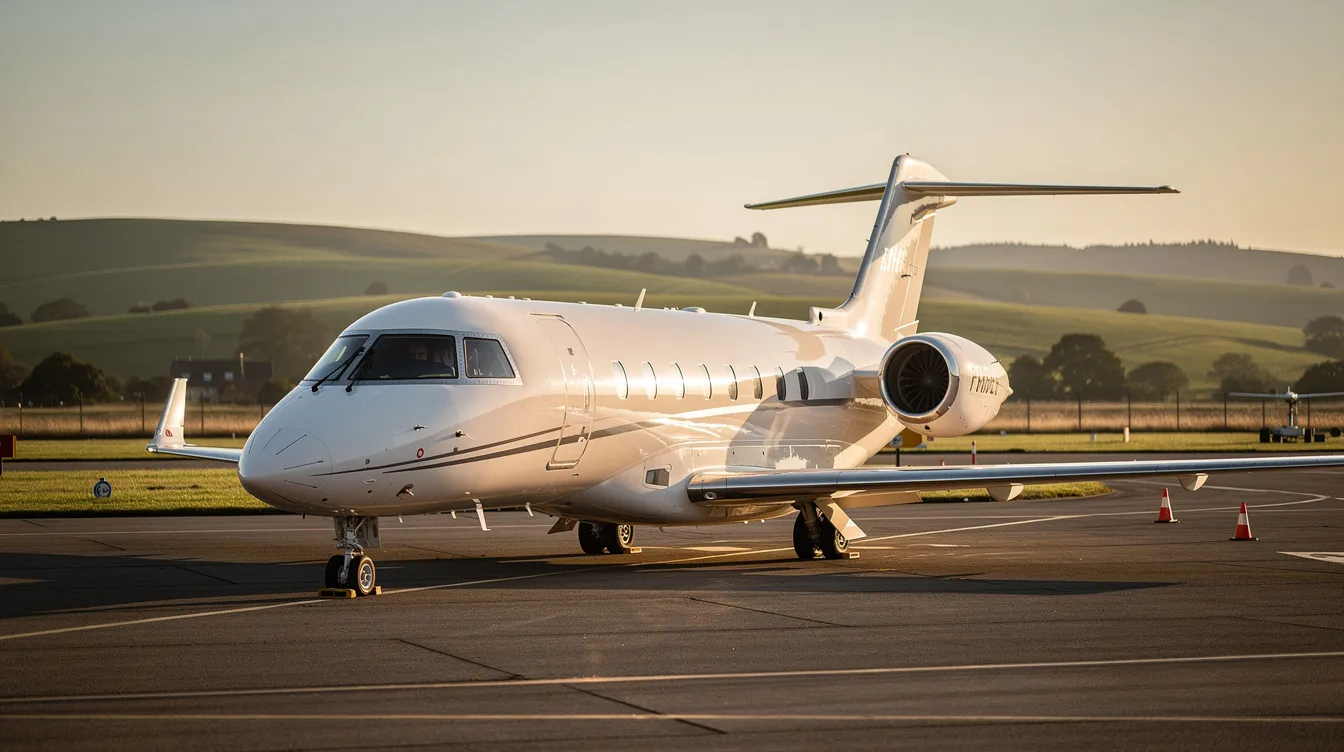
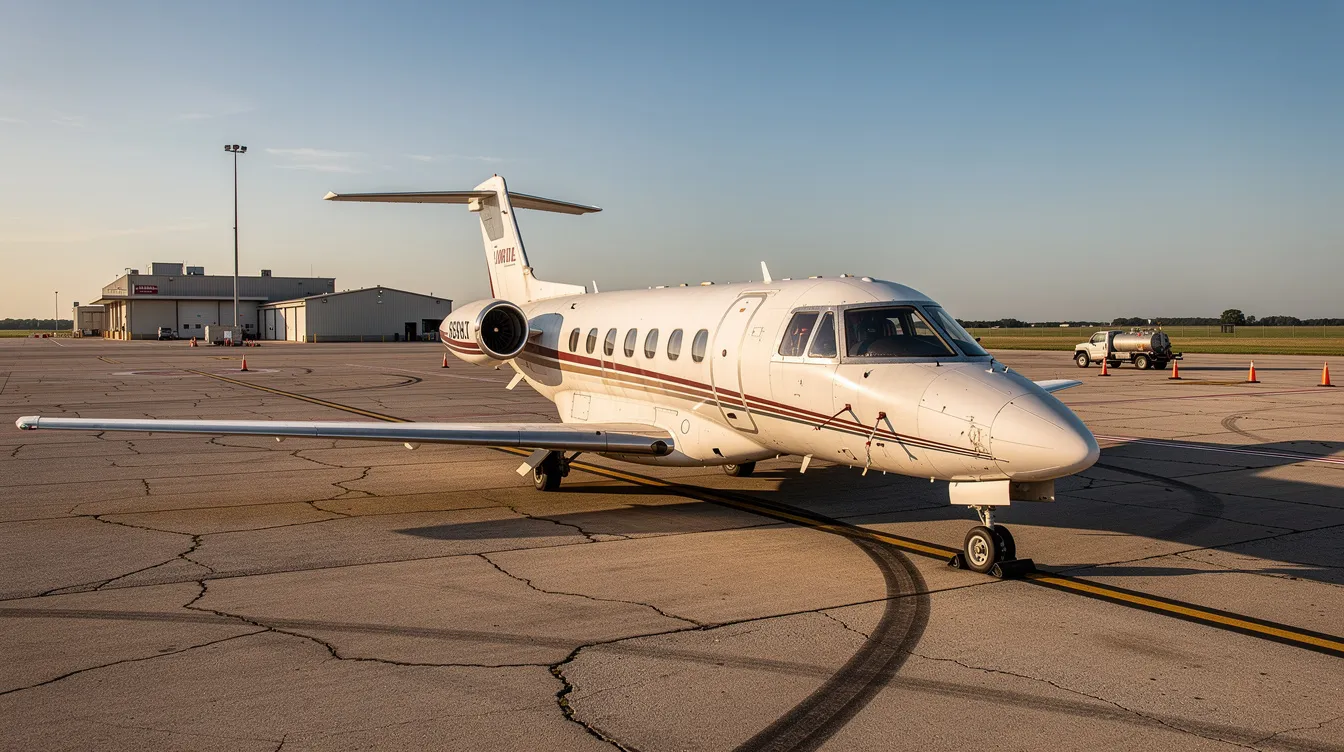
A midsize business jet is seen landing at a small regional airport, surrounded by lush green countryside, highlighting the appeal of private jets for both business and personal recreation. The image captures the essence of aircraft ownership, showcasing the operational efficiency and flexibility that comes with owning a private plane.

Regional Factors and Market Timing: Why the Same Plane Costs Different Amounts

Aircraft prices are affected by supply and demand in the aviation cycle. Geographic location, currency movements, import duties, and local maintenance infrastructure all influence what a plane costs in practice. A Bombardier Global 6000 based in Japan may transact at a different value than the same model in the U.S. due to positioning costs, tax treatment, and local market depth.

Corporate profits and global GDP growth influence private jet sales and fleet expansion. Both commercial and private aircraft markets are influenced by macroeconomic factors—interest rates, energy prices, and business travel demand all move the needle. Aircraft financing conditions can materially influence demand and prices, particularly in higher-value segments. In the commercial space, airlines negotiating bulk orders receive significant discounts on aircraft prices, and commercial aeroplanes are usually purchased directly from manufacturers in large fleet orders. Commercial airlines primarily evaluate aircraft as income-producing assets, where passenger capacity and range are primary price anchors for commercial aircraft.

In the private market, year-specific details matter. According to JETNET's mid-2026 data, approximately 74% of pre-owned inventory is now 16 years or older, which narrows the pool of well-maintained, lower-time aircraft and can shift aircraft values in specific segments. Upcoming heavy inspections, connectivity trends like Starlink adoption, or new avionics mandates can temporarily favour buyers or sellers.

BusinessJets.com tracks aircraft market trends and uses that intelligence to advise clients on when to enter or exit positions to save money and manage risk.

How BusinessJets.com Helps You Navigate Plane Price and Ownership Costs

BusinessJets.com supports buyers, sellers, private jet owners, and fleet managers across the aircraft lifecycle with a focus on pricing accuracy and cost control.

Key services include:

  • Aircraft brokerage for buying and selling private jets, with access to current aircraft for sale across all major categories

  • Independent aircraft appraisals that benchmark against recent completed transactions

  • Valuation reports for financing, insurance, estate planning, and litigation

  • Aviation consulting on fleet strategy, ownership costs, and acquisition timing through comprehensive aviation services

With more than 1,500 successfully closed aircraft transactions and over 5,000 satisfied customers, BusinessJets.com evaluates specialised planes like a Cessna Citation M2 Gen2 or Challenger 604 against market comparables, maintenance status, and upcoming inspection costs to derive realistic offers and list prices.

If you are considering a purchase, sale, or fleet restructuring, request an aircraft appraisal, list a jet for sale, or engage BusinessJets.com for acquisition support and ownership cost modelling tailored to your mission.

FAQs: Plane Price and Private Jet Ownership Costs

The following questions address practical, decision-oriented issues around plane cost and ownership that go beyond what the sections above cover in detail.

What is the minimum realistic budget to own a private jet in 2026?

An entry-level older light jet suitable for private ownership can be found in the $1.5–$3 million pre-owned range. However, the initial purchase price is only part of the equation. Buyers should budget at least $500,000–$800,000 per year in total yearly operating expenses depending on hours flown, whether they hire professional crew, and where the aircraft is based. For owner-operators holding a private pilot license with additional ratings who fly 100–150 hours annually, variable operational costs will be lower, but fixed costs like hangar, insurance, and maintenance reserves remain significant.

How much can a pre-purchase inspection change the final plane cost?

A thorough pre-purchase inspection can reveal deferred maintenance, corrosion, engine time issues, or avionics obsolescence that, if left undetected, would impose major costs post-closing. Findings regularly lead buyers to renegotiate the purchase price by $100,000–$500,000+ on a jet, or to walk away entirely. On other aircraft in the piston or turboprop categories, inspection findings may shift values by $20,000–$100,000. Either way, the inspection protects against multimillion-dollar mistakes and is a non-negotiable step for most buyers.

Is it cheaper to buy a smaller private plane now and upgrade later?

Stepping-stone ownership can work, but it involves transaction costs (broker fees, sales tax, repositioning), market risk, and learning curves. New single-engine pistons like Cirrus SR22 approach $1 million, and trading up to a jet after 18–24 months means absorbing depreciation on the first airplane plus acquisition costs on the second. In many cases, it is financially more cost-effective to go directly to an aircraft that fits the 5–7 year mission profile, particularly in volatile markets where resale value can shift quickly.

How does pilot training affect my overall private plane costs?

For owner-pilots, initial type rating and recurrent simulator costs represent tens of thousands of dollars per year. Ground school, simulator sessions, and check rides for a light jet type rating typically run $20,000–$40,000 initially, with recurrent training of $8,000–$20,000 annually. These investments can reduce insurance premiums and improve safety. For corporate-operated aircraft with professional pilots, training is a major fixed-cost line item managed by the flight department, but it remains part of the ownership cost profile that influences total yearly operating expenses.

How long should I plan to keep a plane to optimise depreciation and resale value?

Many private jet owners plan around 5–10 year holding periods to balance depreciation curves, major inspection cycles, and technological obsolescence. Selling just before a major heavy check or cabin refresh is due often preserves more resale value than absorbing those costs and hoping to recover them in the sale price. BusinessJets.com can model different exit timings against projected market trends so you can make an informed decision about when to divest. For more market insights and guidance, visit the BusinessJets.com blog.

Conclusion: Understanding Plane Price and Ownership Costs in 2026

Navigating the true cost of owning a private plane in 2026 requires a comprehensive approach that goes beyond the initial purchase price. From ultralights at $10,000 to large-cabin jets exceeding $75 million, the market offers a wide range of options tailored to diverse mission profiles and budgets. However, the acquisition price is just the beginning. Buyers must factor in significant ongoing expenses such as fuel, maintenance, crew salaries, insurance, and storage, which can cumulatively match or surpass the original investment over time.

Choosing between new and pre-owned aircraft involves balancing depreciation savings with potential maintenance and upgrade costs. A thorough pre-purchase inspection and expert appraisal are essential to avoid costly surprises and ensure value alignment with your operational needs. Additionally, pilot training, avionics modernisation, and cabin refurbishments represent key investments that impact both safety and long-term value.

BusinessJets.com stands ready to guide buyers, sellers, and fleet managers through these complexities with independent appraisals, market insights, and tailored consulting services. Whether you are acquiring your first aircraft, upgrading your fleet, or optimising ownership costs, informed decision-making supported by expert advice is critical.

For those flying under 150 hours annually or seeking flexibility, chartering remains a practical alternative to ownership, eliminating depreciation risk and fixed costs. For higher utilisation or mission-critical travel, ownership offers control and customisation but demands careful financial planning.

Ultimately, the right plane price is not simply the lowest sticker—it is the one that aligns strategically with your mission, usage, and long-term goals. Engage with BusinessJets.com to explore your options, request a detailed aircraft appraisal, or list your jet for sale with confidence. Our expertise and track record of over 1,500 transactions empower you to make sound aviation investments in 2026 and beyond.

Plane Price in 2026: What It Really Costs to Buy and Operate a Private Plane
Jay Franco Ser

Key Takeaways

  • A used small plane can start as low as $15,000–$80,000 in 2026, while new single-engine planes like the Cirrus SR22 approach $600,000–$1,000,000. Light jets range from about $3 million pre-owned to $12 million new, and large-cabin private jets can exceed $75 million.

  • Total plane cost extends well beyond the purchase price. Fuel costs, maintenance costs, crew salaries, hangar fees, insurance, and capital tied up mean that ownership costs often match or exceed the acquisition price over a 5–10 year hold. Annual operating costs for private aeroplanes range from $500,000 to over $1 million depending on category and utilisation.

  • Pre-owned aircraft are typically 30%–60% cheaper than new, but require a thorough pre-purchase inspection, logbook review, and expert valuation to avoid costly surprises from deferred maintenance or hidden defects.

  • The right plane price is not the lowest sticker—it is the one that aligns with your mission profile, utilisation, and exit strategy.

  • BusinessJets.com helps buyers and private jet owners understand true ownership costs, compare options across new and pre-owned markets, and structure transactions efficiently through independent appraisals and consulting.

How Much Does a Plane Cost in 2026? Quick Market Snapshot

The price of an aeroplane depends on size, intended use, and market conditions. In 2026, the spectrum is wide:

  • Ultralight aircraft: $10,000–$25,000 for single-seat or two-seat models used for personal recreation and sport flying

  • Used small planes (e.g., Cessna 150): $15,000–$80,000

  • New four-seat single-engine piston aircraft (e.g., Cirrus SR22): $600,000–$1,000,000

  • Turboprops (e.g., King Air, Pilatus PC-12): $1 million–$4 million used; $4.8–$9.3 million new for premium models

  • Light jets: $3 million used to $12 million new

  • Super-midsize jets: $13–$35 million depending on age and configuration

  • Large-cabin / ultra-long-range business jets: $35–$80+ million

The total cost of ownership includes acquisition, financing, and operating costs. The purchase price is only a fraction of the financial commitment over a typical 7–10 year hold. BusinessJets.com focuses primarily on business jets and private jets rather than ultralight aircraft or commercial airliners, but these reference points illustrate the full price spectrum.

Plane Prices by Category: From Small Pistons to Large Private Jets

Private jets are categorised by size, and each category affects pricing significantly. Here is what the market looks like in 2026, moving from smallest to largest.

Ultralight and Trainer Aircraft

Ultralight and trainer aircraft occupy the bottom of the range. A basic ultralight costs $10,000–$25,000 and serves personal recreation or initial flight training. These small aircraft rarely overlap with business aviation.

Single Engine Planes

Single-engine planes such as the Cessna 172 or Cessna 182 trade in the used market from roughly $30,000 to $200,000 for older models. Newer production examples run $400,000–$1,000,000. New single-engine pistons like the Cirrus SR22 cost $600,000–$1,000,000. Aircraft manufacturers typically publish list prices, which are often negotiable depending on options and delivery timing.

Multi-Engine Planes

Multi-engine planes like the Beechcraft Baron G58 sit in the $800,000–$1,500,000 range for well-maintained used examples. For instance, a 2014 Beechcraft Baron G58 with low hours and fresh engine work was recently listed at approximately $1,299,000—a concrete reference point for this segment.

Turboprops

Turboprops range from about $1 million to $4 million in the used market. New turboprops from Pilatus, Beechcraft, and Daher list between $4.8 million and $9.3 million. Turboprops offer fuel efficiency and short-field performance that appeal to many owners who operate from rural airports or shorter runways.

Light Jets

Light jets represent the entry point to jet-powered business aviation. The Cessna Citation family is often the gateway for corporate buyers. A Cessna Citation M2 Gen2 was recently listed at approximately $5,995,000. New light jets range from $9–$13 million; used examples with good pedigree trade at $3–$9 million.

Midsize and Super-Midsize Jets

Midsize and super-midsize jets—models like the Citation Longitude, Challenger 3500, and Praetor 600—list new at $20–$35 million. Pre-owned super-midsize jets often trade between $13 and $23 million.

Large-Cabin and Ultra-Long-Range Jets

Large-cabin and ultra-long-range jets, including the Bombardier Global 6000, Gulfstream G650ER, Airbus ACJ319, and Gulfstream G700 occupy the top of the market. Large business jets can exceed $75 million in price when new and fully optioned. Pre-owned examples range from $20 million to $60 million depending on aircraft condition, interior vintage, and engine program enrollment.

Private buyers evaluate aircraft as transportation, business assets, and luxury products, with key advantages like privacy, security, flexibility, and efficiency shaping that evaluation. Airframe hours and engine cycles determine the value of individual private jets, alongside avionics vintage, cabin condition, and damage history. Most buyers in the corporate segment gravitate toward light jets, super-midsize, or large-cabin models. Charter operators tend toward high-utilisation midsize jets. Individuals flying for business purposes or personal recreation may choose turboprops or light jets as the most cost-effective entry point when those benefits matter but acquisition and operating budgets still need to stay in check.

New vs Pre-Owned Plane Cost: How Much Can You Really Save?

Depreciation and Price Differences

Many corporate buyers and private jet owners choose pre-owned jets because steep early-year depreciation creates attractive discounts. New jets depreciate 30%–40% in the first five years, with some light jets losing 15%–25% of value in year one alone.

Consider the math:

  • A new Cessna Citation light jet at $9–$12 million might have an 8–10-year-old pre-owned counterpart trading at $3–$6 million.

  • Used small planes like the Cessna 150 cost between $15,000 and $80,000 in 2026, making them an accessible entry point for many buyers.

  • New single-engine pistons, such as the Cirrus SR22, approach $600,000 to $1,000,000, reflecting their advanced technology and performance capabilities.

  • Light jets range widely from about $3 million for used models to $12 million for new aircraft, while large-cabin jets can exceed $75 million when new.

The valuation of private aircraft depends heavily on individual specifications and history, including airframe hours and engine cycles, which directly influence market value. Private jets are categorised by size, and each category significantly affects pricing. Commercial aircraft prices are primarily anchored by passenger capacity and range, with commercial aeroplanes typically purchased directly from manufacturers in large fleet orders. Airlines evaluate these aircraft as income-producing assets, often negotiating bulk orders to secure significant discounts.

Factors Influencing Aircraft Prices

Aircraft prices are influenced by age, maintenance, demand, and market supply and demand cycles. New jets typically depreciate 30%–40% within the first five years. Modern engines that offer lower fuel burn command a premium, especially in commercial aviation, where high global jet fuel prices drive demand for newer, fuel-efficient models.

The total cost of ownership extends beyond the purchase price to include acquisition, financing, and operating costs. Annual operating costs for private aeroplanes can exceed $1 million, with fuel costs accounting for up to 70% of variable operational expenses. Maintenance expenses can constitute between 10% and 45% of annual operating costs, with annual inspections for small aircraft generally costing from $750 to $2,000. Storage fees vary significantly, ranging from $100 to $2,000 per month depending on the location, with rural airports typically offering lower rates. Storage costs vary widely, from $100 to $2,000 per month depending on location, including rural airports where rates tend to be lower.

Sales taxes and regulatory compliance costs also impact the effective cost of ownership. Enrollment in maintenance programs can increase resale value but adds recurring per-hour charges. Ownership provides maximum control over aircraft usage and maintenance but carries risks such as depreciation. Chartering, often cheaper for those flying under 150 hours annually, eliminates depreciation risk and fixed costs exposure.

Corporate profits, global GDP growth, and aircraft financing conditions materially influence private jet sales and fleet expansion. Both commercial and private aircraft markets are affected by macroeconomic factors, shaping pricing and demand trends. BusinessJets.com supports clients with expert appraisals and consulting to navigate these complexities and optimise acquisition and ownership strategies.

Pre-Purchase Inspection: Steps and Considerations

A pre-purchase inspection is essential. Without one, hidden defects can be left undetected and cost thousands—or millions—to resolve after closing. Here’s how to approach it:

  1. Schedule a thorough pre-purchase inspection with a qualified maintenance provider.

  2. Review all maintenance logbooks and service records.

  3. Assess airframe hours, engine cycles, and upcoming mandatory inspections.

  4. Evaluate avionics, cabin condition, and compliance with regulatory mandates.

  5. Use findings to renegotiate the purchase price or walk away if major issues are found.

BusinessJets.com supports clients with independent appraisals and valuation, using transaction data from 1,500+ completed deals to benchmark fair market value and flag over- or underpriced listings.

Beyond Purchase Price: True Ownership Costs of a Private Plane

The overall cost of aircraft ownership breaks into three buckets:

Fixed Costs

Fixed costs include crew salaries ($300,000–$450,000 for a two-pilot operation), hangar and storage costs ($60,000–$150,000 annually, with storage costs for aircraft ranging from $100 to $2,000 per month depending on location), insurance ($40,000–$120,000), and management fees. Sales taxes and regulatory costs also affect the effective cost of private aircraft at acquisition.

Variable Operational Costs

Variable operational costs rise with flight hours: fuel, routine maintenance, landing and handling fees, and consumables. For a light or midsize private jet flying 250–300 hours annually, expect:

  • Fuel costs of $400,000–$700,000

  • Maintenance and inspection cost,s including engine reserves of $300,000–$600,000

  • Additional costs for landing fees and cleaning

Capital Costs

Capital costs include debt service on any financing, or the opportunity cost of cash deployed. Ongoing costs include maintenance, fuel, staffing, and insurance—and together they add up fast. Annual operating costs for private aeroplanes can exceed $1 million. Maintenance costs can constitute between 10% and 45% of total annual operating expenses, varying according to the aircraft's age and enrollment in maintenance programs.

Operational expenses can exceed the original acquisition cost several times over across a 7–10 year hold. Ownership provides maximum control over aircraft usage and maintenance, but that control comes at a price. Treat the acquisition price as the down payment on a long-term cost structure, and seek professional consulting before committing capital.
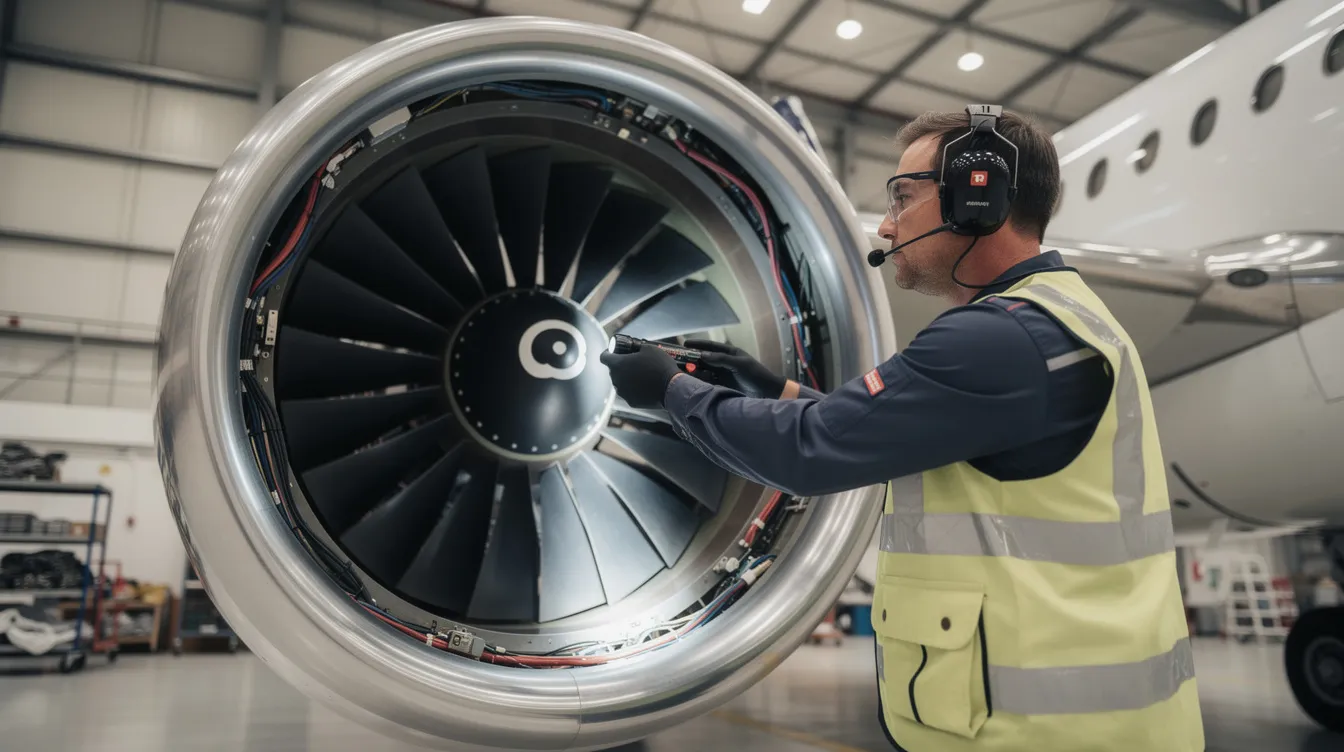
A maintenance technician is closely inspecting an aircraft turbine engine inside a well-lit hangar, highlighting the importance of routine maintenance and thorough pre-purchase inspections for private jet owners. The image emphasizes the intricate details of the engine, crucial for understanding ongoing costs and ensuring aircraft condition.

Key Operating Cost Drivers: Fuel, Maintenance, and Inspections

Variable operational costs are dominated by fuel and maintenance. Fuel costs may account for up to 70% of variable operational costs for most jet categories.

Fuel Use by Aircraft Category

  • Small piston aeroplane: 8–12 gallons per hour of avgas at $5–$8/gallon ($40–$96/hour)

  • Turboprop: 40–70 gallons per hour of Jet A ($200–$400/hour)

  • Light jet: 120–180 gallons per hour ($500–$900/hour at current Jet A prices)

  • Large private jet: 250–400+ gallons per hour ($1,000–$2,000+/hour)

High global jet fuel prices raise demand for newer, fuel-efficient aircraft models. Modern engines that offer lower fuel burn command a premium in both commercial aviation and the private jet market.

Maintenance and Inspection Costs

Inspection costs vary by category. Annual inspections for small aircraft typically cost between $750 and $2,000. For jets, Phase and letter checks escalate from tens of thousands into the high six figures for calendar-based heavy checks at 96-month or 192-month intervals. Engine and APU programs like ESP Gold, Rolls-Royce CorporateCare, and MSP smooth cash flow and protect resale value, while adding $100–$500+ per engine hour in reserves.

Thorough maintenance logbooks, a clean damage history, and a comprehensive pre-purchase inspection are essential to understanding not just what the plane costs today, but what it will cost to keep airworthy and compliant.

One-Time and Additional Costs: Pilot Training, Avionics, and Cabin Upgrades

Beyond day-to-day operations, buyers should budget for several step-change costs around acquisition.

Pilot Training

A private pilot license includes ground school and flight hours, but stepping into jets or turboprops requires additional ratings and type-specific simulator training. Initial type ratings in business jets cost $15,000–$40,000, with recurrent training every 6–12 months at $8,000–$20,000. For pilots, these costs influence insurance premiums and overall operating budgets.

Avionics Upgrades

Avionics upgrades range from $50,000–$200,000 for incremental items—ADS-B transponders, WAAS/LPV approaches, synthetic vision—up to $100,000–$400,000+ for full glass cockpit modernisation in older turboprops and jets. Costs related to certification and compliance significantly impact aircraft pricing and must be factored into any small plane purchase or jet acquisition.

Interior Refurbishment

Interior refurbishment starts in the low six figures for a light soft-goods refresh and can reach mid-to-high six figures for a full cabin overhaul on a large-cabin jet, plus 3–6 weeks of downtime.

The valuation of private aircraft relies on individual specifications and history. BusinessJets.com can advise whether to buy an already-upgraded private plane or acquire a lower-cost airframe and invest in targeted upgrades based on appraisal-driven ROI analysis.

How Mission Shape and Utilisation Levels Influence Plane Cost Decisions

The right plane price is not the cheapest option—it is the one that matches your range, cabin requirements, runway needs, and how many hours you fly annually.

Matching Aircraft to Mission Profile

Consider two scenarios:

  • A regional owner flying 100 hours per year on legs under 500 nautical miles may find a turboprop or light jet optimal.

  • A multinational corporation flying 400–600 hours annually on transcontinental routes will justify the higher cost of a super-midsize or large-cabin jet like a Bombardier Global 6000, Gulfstream G650ER, or even long-range options used for private jet charter to Paris, where the airplane's range and cabin give more flexibility for productive travel.

Chartering is often cheaper for flying under 150 hours annually. Chartering eliminates depreciation risk associated with aircraft ownership and removes fixed cost exposure entirely. Fractional ownership and aircraft rental structures sit between full ownership and charter, offering more flexibility without the full capital commitment. Full ownership starts to make financial sense above roughly 200–300 hours per year, though many owners also value control, privacy, and scheduling certainty.

Charter Revenue and Utilisation

Multiple aircraft owners or fleet managers considering placing aircraft on a charter certificate to offset ownership costs should realistically model utilisation, charter yield, and added wear before assuming breakeven. Annual operating costs for jets can exceed $1 million, and charter revenue rarely covers the full burden.

A midsize business jet is seen landing at a small regional airport, surrounded by lush green countryside, highlighting the appeal of private jets for both business and personal recreation. The image captures the essence of aircraft ownership, showcasing the operational efficiency and flexibility that comes with owning a private plane.

Regional Factors and Market Timing: Why the Same Plane Costs Different Amounts

Aircraft prices are affected by supply and demand in the aviation cycle. Geographic location, currency movements, import duties, and local maintenance infrastructure all influence what a plane costs in practice. A Bombardier Global 6000 based in Japan may transact at a different value than the same model in the U.S. due to positioning costs, tax treatment, and local market depth.

Corporate profits and global GDP growth influence private jet sales and fleet expansion. Both commercial and private aircraft markets are influenced by macroeconomic factors—interest rates, energy prices, and business travel demand all move the needle. Aircraft financing conditions can materially influence demand and prices, particularly in higher-value segments. In the commercial space, airlines negotiating bulk orders receive significant discounts on aircraft prices, and commercial aeroplanes are usually purchased directly from manufacturers in large fleet orders. Commercial airlines primarily evaluate aircraft as income-producing assets, where passenger capacity and range are primary price anchors for commercial aircraft.

In the private market, year-specific details matter. According to JETNET's mid-2026 data, approximately 74% of pre-owned inventory is now 16 years or older, which narrows the pool of well-maintained, lower-time aircraft and can shift aircraft values in specific segments. Upcoming heavy inspections, connectivity trends like Starlink adoption, or new avionics mandates can temporarily favour buyers or sellers.

BusinessJets.com tracks aircraft market trends and uses that intelligence to advise clients on when to enter or exit positions to save money and manage risk.

How BusinessJets.com Helps You Navigate Plane Price and Ownership Costs

BusinessJets.com supports buyers, sellers, private jet owners, and fleet managers across the aircraft lifecycle with a focus on pricing accuracy and cost control.

Key services include:

  • Aircraft brokerage for buying and selling private jets, with access to current aircraft for sale across all major categories

  • Independent aircraft appraisals that benchmark against recent completed transactions

  • Valuation reports for financing, insurance, estate planning, and litigation

  • Aviation consulting on fleet strategy, ownership costs, and acquisition timing through comprehensive aviation services

With more than 1,500 successfully closed aircraft transactions and over 5,000 satisfied customers, BusinessJets.com evaluates specialised planes like a Cessna Citation M2 Gen2 or Challenger 604 against market comparables, maintenance status, and upcoming inspection costs to derive realistic offers and list prices.

If you are considering a purchase, sale, or fleet restructuring, request an aircraft appraisal, list a jet for sale, or engage BusinessJets.com for acquisition support and ownership cost modelling tailored to your mission.

FAQs: Plane Price and Private Jet Ownership Costs

The following questions address practical, decision-oriented issues around plane cost and ownership that go beyond what the sections above cover in detail.

What is the minimum realistic budget to own a private jet in 2026?

An entry-level older light jet suitable for private ownership can be found in the $1.5–$3 million pre-owned range. However, the initial purchase price is only part of the equation. Buyers should budget at least $500,000–$800,000 per year in total yearly operating expenses depending on hours flown, whether they hire professional crew, and where the aircraft is based. For owner-operators holding a private pilot license with additional ratings who fly 100–150 hours annually, variable operational costs will be lower, but fixed costs like hangar, insurance, and maintenance reserves remain significant.

How much can a pre-purchase inspection change the final plane cost?

A thorough pre-purchase inspection can reveal deferred maintenance, corrosion, engine time issues, or avionics obsolescence that, if left undetected, would impose major costs post-closing. Findings regularly lead buyers to renegotiate the purchase price by $100,000–$500,000+ on a jet, or to walk away entirely. On other aircraft in the piston or turboprop categories, inspection findings may shift values by $20,000–$100,000. Either way, the inspection protects against multimillion-dollar mistakes and is a non-negotiable step for most buyers.

Is it cheaper to buy a smaller private plane now and upgrade later?

Stepping-stone ownership can work, but it involves transaction costs (broker fees, sales tax, repositioning), market risk, and learning curves. New single-engine pistons like Cirrus SR22 approach $1 million, and trading up to a jet after 18–24 months means absorbing depreciation on the first airplane plus acquisition costs on the second. In many cases, it is financially more cost-effective to go directly to an aircraft that fits the 5–7 year mission profile, particularly in volatile markets where resale value can shift quickly.

How does pilot training affect my overall private plane costs?

For owner-pilots, initial type rating and recurrent simulator costs represent tens of thousands of dollars per year. Ground school, simulator sessions, and check rides for a light jet type rating typically run $20,000–$40,000 initially, with recurrent training of $8,000–$20,000 annually. These investments can reduce insurance premiums and improve safety. For corporate-operated aircraft with professional pilots, training is a major fixed-cost line item managed by the flight department, but it remains part of the ownership cost profile that influences total yearly operating expenses.

How long should I plan to keep a plane to optimise depreciation and resale value?

Many private jet owners plan around 5–10 year holding periods to balance depreciation curves, major inspection cycles, and technological obsolescence. Selling just before a major heavy check or cabin refresh is due often preserves more resale value than absorbing those costs and hoping to recover them in the sale price. BusinessJets.com can model different exit timings against projected market trends so you can make an informed decision about when to divest. For more market insights and guidance, visit the BusinessJets.com blog.

Conclusion: Understanding Plane Price and Ownership Costs in 2026

Navigating the true cost of owning a private plane in 2026 requires a comprehensive approach that goes beyond the initial purchase price. From ultralights at $10,000 to large-cabin jets exceeding $75 million, the market offers a wide range of options tailored to diverse mission profiles and budgets. However, the acquisition price is just the beginning. Buyers must factor in significant ongoing expenses such as fuel, maintenance, crew salaries, insurance, and storage, which can cumulatively match or surpass the original investment over time.

Choosing between new and pre-owned aircraft involves balancing depreciation savings with potential maintenance and upgrade costs. A thorough pre-purchase inspection and expert appraisal are essential to avoid costly surprises and ensure value alignment with your operational needs. Additionally, pilot training, avionics modernisation, and cabin refurbishments represent key investments that impact both safety and long-term value.

BusinessJets.com stands ready to guide buyers, sellers, and fleet managers through these complexities with independent appraisals, market insights, and tailored consulting services. Whether you are acquiring your first aircraft, upgrading your fleet, or optimising ownership costs, informed decision-making supported by expert advice is critical.

For those flying under 150 hours annually or seeking flexibility, chartering remains a practical alternative to ownership, eliminating depreciation risk and fixed costs. For higher utilisation or mission-critical travel, ownership offers control and customisation but demands careful financial planning.

Ultimately, the right plane price is not simply the lowest sticker—it is the one that aligns strategically with your mission, usage, and long-term goals. Engage with BusinessJets.com to explore your options, request a detailed aircraft appraisal, or list your jet for sale with confidence. Our expertise and track record of over 1,500 transactions empower you to make sound aviation investments in 2026 and beyond.

Related Posts