Transport Planes for Sale: Market Guide, Models & Buying Strategy (2024–2026)

Jay Franco Ser
September 3, 2026

This guide is for operators, corporate buyers, and aviation professionals seeking to purchase or lease transport planes for sale in 2024–2026. The market for transport planes for sale spans everything from aging turboprop workhorses to modern widebody freighters and large-cabin jets configured for cargo and crew. It covers market trends, aircraft types, pricing, due diligence, and transaction strategies for cargo and transport aircraft. Choosing the right transport plane is critical for operational efficiency, cost control, and regulatory compliance in today's dynamic air cargo market. Whether you need to carry goods across continents or move equipment into austere airfields, the right airplane at the right price exists—but finding it requires discipline, data, and expert guidance.

Key Takeaways

  • The 2024–2026 transport aircraft market offers everything from classic freighters like the Boeing 727-200F and McDonnell Douglas DC-10-30F to modern cargo aircraft such as the Boeing 767-300ER-SF, Lockheed Martin C-130J, and large-cabin business jets that double as high-value transport platforms.

  • Prices for used cargo planes range from sub-$1M for older turboprop freighters to over $15M for younger widebody freighters and strategic military-style transports, with total cost of ownership—including fuel burn and maintenance—often exceeding the headline price by a wide margin.

  • BusinessJets.com acts as an independent brokerage and consulting partner, helping operators and corporate buyers source, appraise, and negotiate aircraft for sale worldwide based on mission profile and risk.

  • Careful due diligence—airframe hours, total cycles, maintenance status, regulatory compliance, and supportability—is essential to avoid unexpected capital expenditure and downtime, especially on aging cargo planes and ex-military transport aircraft.

  • Before making offers on any cargo aircraft or transport jet, request an appraisal or confidential acquisition brief from BusinessJets.com.

Market Snapshot: Transport Aircraft & Cargo Planes for Sale (2024–2026)

The current global inventory of transport planes for sale includes a mix of classic cargo aircraft, converted freighters, and transport-capable business jets. Approximately 13–14 dedicated cargo freighters are publicly listed at any given time, alongside thousands of new and used aircraft—business jets and turboprops—that can serve transport missions. Most pure cargo platforms on the market are 25–40 years old, reflecting the long service lives typical of freight operations.

Price bands are wide. Older cargo turboprops can be priced under $1M, while narrowbody freighters from the 1980s and 1990s typically trade between $1.5M and $5M. Widebody freighters like the 767-300ER-SF range from $6M to $20M+ depending on year, cycles, and engine status. The inventory of pre-owned jets has seen lower asking prices recently, creating opportunities for informed buyers. The market for heavy transport planes features options from light turboprops to heavy-lift freighters—something exists for nearly every mission.

Geographically, many classic freighters operate or are offered from Europe, North America, South America, and the Middle East. Eastern-built aircraft concentrate in Africa, Central Asia, and parts of South America. BusinessJets.com primarily supports corporate, charter, and operator customers looking at Western-built cargo aircraft and high-capacity jets, but can advise on niche platforms when regulatory and insurance challenges are understood.

Core Categories of Transport Aircraft for Sale

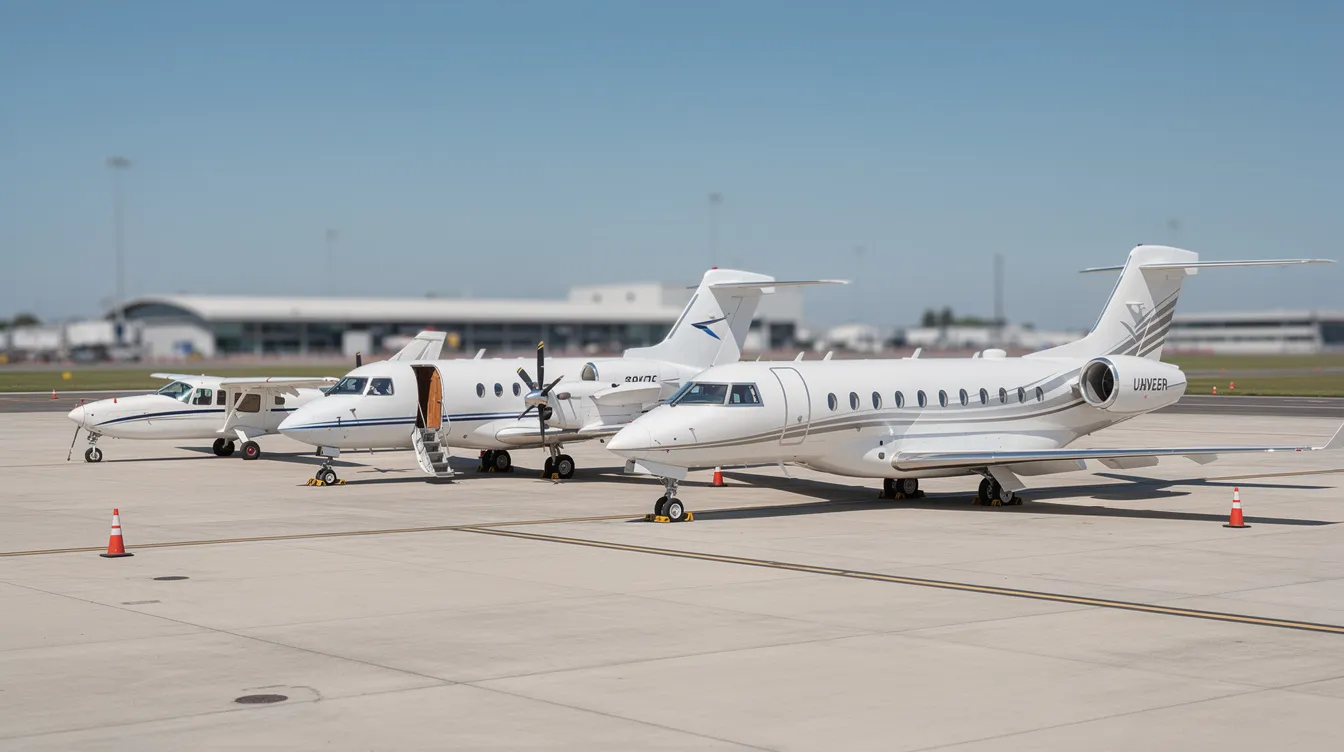
Buyers typically choose among four broad categories, each suited to different specific operational needs. Transport and cargo aircraft include both military and civilian planes, and different aircraft types serve various roles such as freight, passenger transport, and military logistics. Cargo planes include turboprop, narrow-body, and wide-body types:

Key Definitions

  • Transport planes: Aircraft designed to carry cargo, passengers, or both, including military and civilian planes.

  • Cargo planes: Aircraft specifically designed or converted for freight transport, including turboprop, narrow-body, and wide-body types.

  • Freighter aircraft: Dedicated cargo aircraft designed specifically for freight transport.

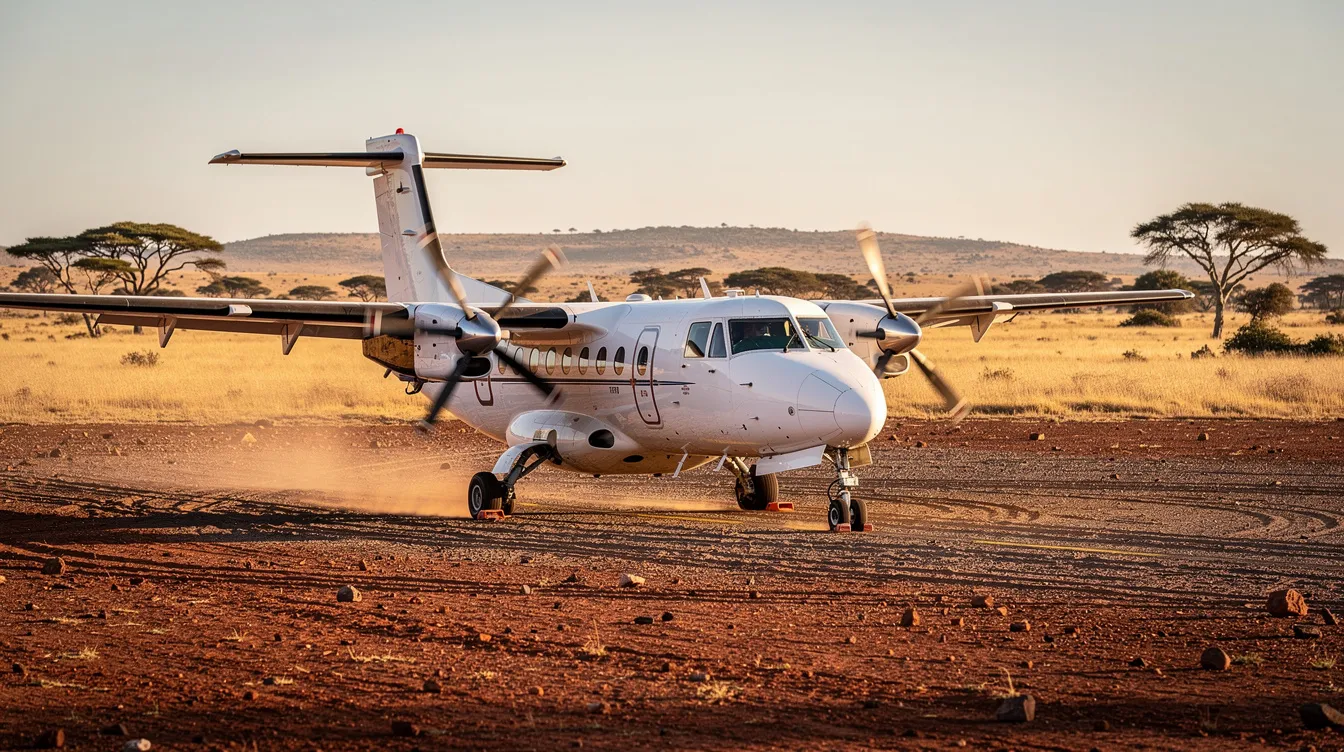
  • Turboprop cargo aircraft: Best for short runways and regional routes due to fuel efficiency.

  • Wide-body freighters: Have a payload capacity of 40 to over 100 tonnes.

  • Mission profile: The operational requirements, including payload, range, and budget,t that determine aircraft suitability.

  • Military-style, humanitarian, and specialized cargo aircraft: Serve freight, passenger transport, and military logistics roles.

  • Different aircraft types serve various roles such as freight, passenger transport, and military logistics.

  • Classic Western freighters - Legacy types like the Boeing 727-200F, DC-10-30F, and 747-200F. Payloads from 20 to 100+ tonnes. Low acquisition cost, high maintenance demands.

  • Converted narrowbody/widebody cargo planes - Retired airliners converted to full freighter specification (737-300/400SF, 757-200PF, 767-300ER-SF). Strong value for regional and intercontinental freight.

  • Tactical/strategic transport aircraft - Platforms like the C-130J or KC-390, capable of carrying troops, equipment, or humanitarian cargo into unprepared fields. Transport aircraft can be military-style, humanitarian, or specialized for cargo.

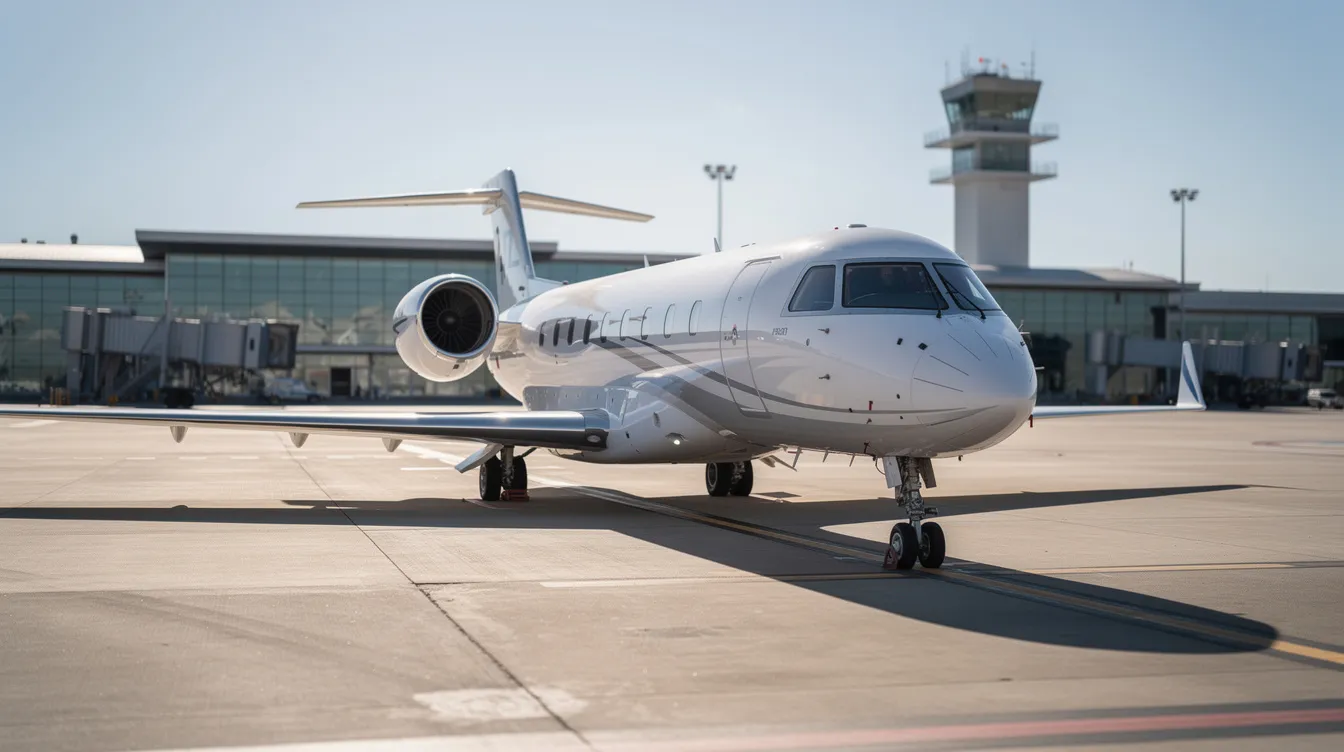
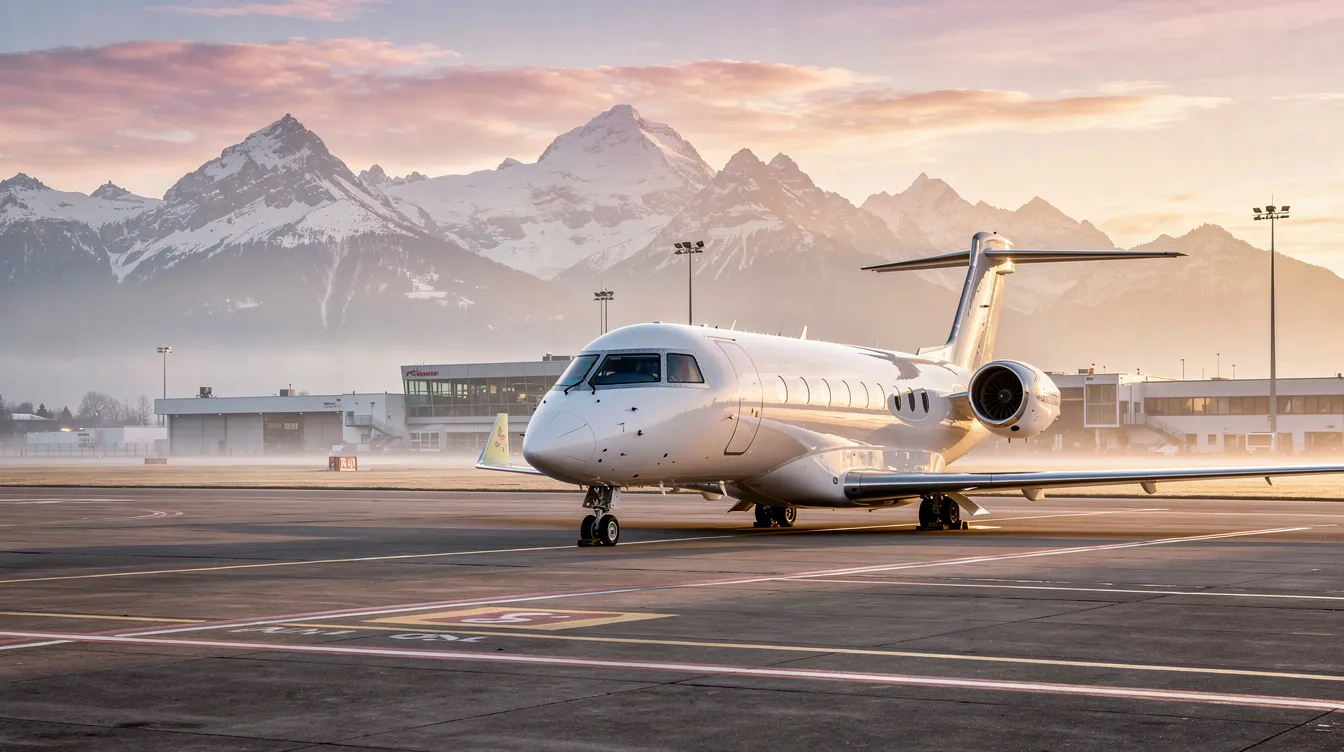
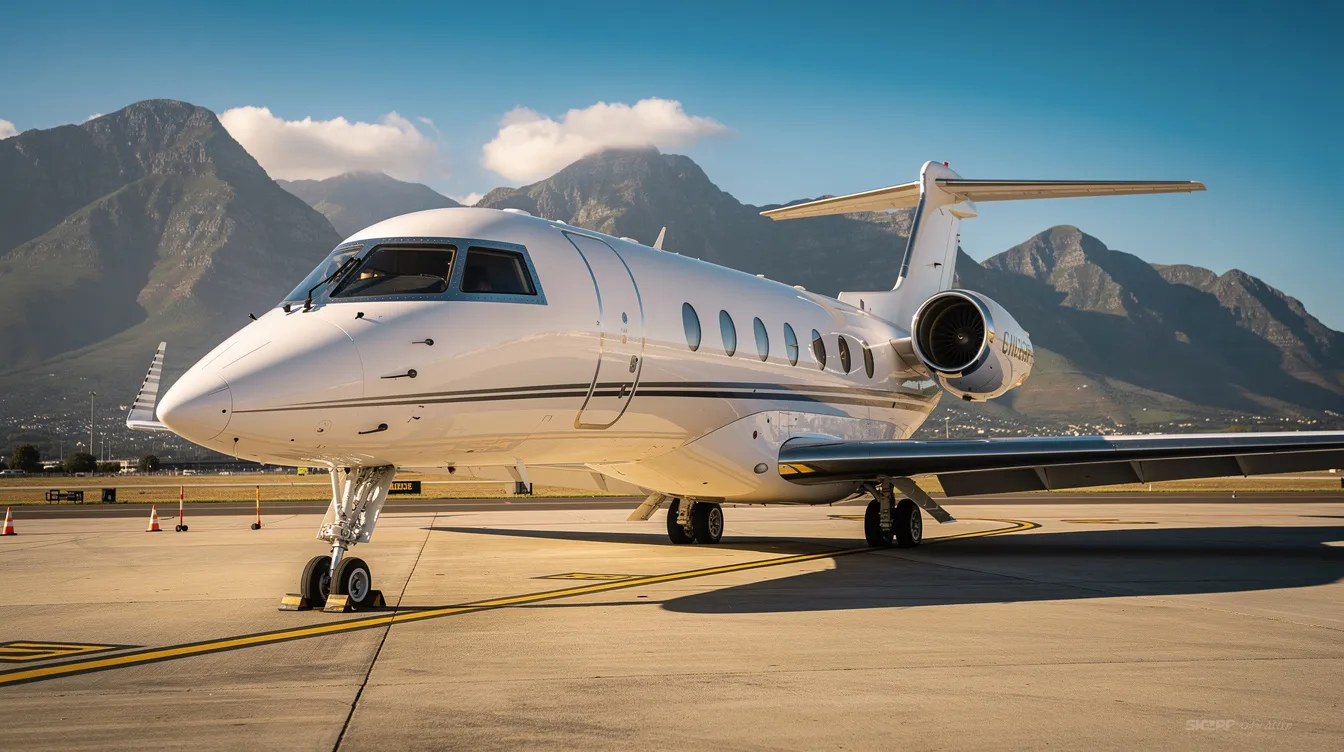
  • Large-cabin business jets - Aircraft like the Global 6000 or Challenger 650, configured for leadership transport, high-value equipment, or medevac missions.

Potential buyers should define mission profiles by considering payload, range, and budget. BusinessJets.com helps clients map these categories to real-world missions—whether that involves e-commerce, heavy equipment, humanitarian lift, or executive transport combined with cargo capacity.

Classic Western Freighters: Boeing, McDonnell Douglas & Douglas

Classic Western freighters include the Boeing 727-200F and DC-10-30F, among others. These are dedicated cargo aircraft designed specifically for freight transport—attractive on acquisition price but demanding in maintenance, fuel, and regulatory compliance. Used aircraft typically come with lower acquisition costs but may require expensive upgrades to remain operational.

Key models and data points:

Model

Era

Payload

2024–2026 Price Range

Boeing 727-200F

1970s–80s

~20–22 tons

$0.35M (airframe) – $3M

Boeing 737-300F

1990s conversion

20 tons

$5M–$8M (converted)

McDonnell Douglas DC-8-63F

1960s–70s

70 tons

Parts value primarily

Boeing 747-200F

Late 1970s–90s

100+ tons (MTOW 409,000 lbs, 16,000 ft³ volume)

$10M–$15M

DC-10-30F

1970s–80s

~60 tons

$2M–$6M

Narrow-body freighters typically have a payload capacity of 15 to 25 tonnes, while aircraft age significantly affects pricing and operational costs. Regulatory compliance includes ADS-B Out, RVSM, and noise regulations—aircraft need to comply with international noise regulations and avionics mandates. Older hush-kitted aircraft face tightening airport access and environmental scrutiny in Europe and elsewhere. Achieving full EU compliance on Stage 3 aircraft is increasingly difficult.

These aircraft still make sense for short–medium haul cargo into secondary airports, ACMI operations, or markets where low acquisition cost offsets higher fuel burn. For buyers considering these types, BusinessJets.com arranges independent pre-buy inspections and market appraisals to quantify remaining useful life and realistic exit scenarios.

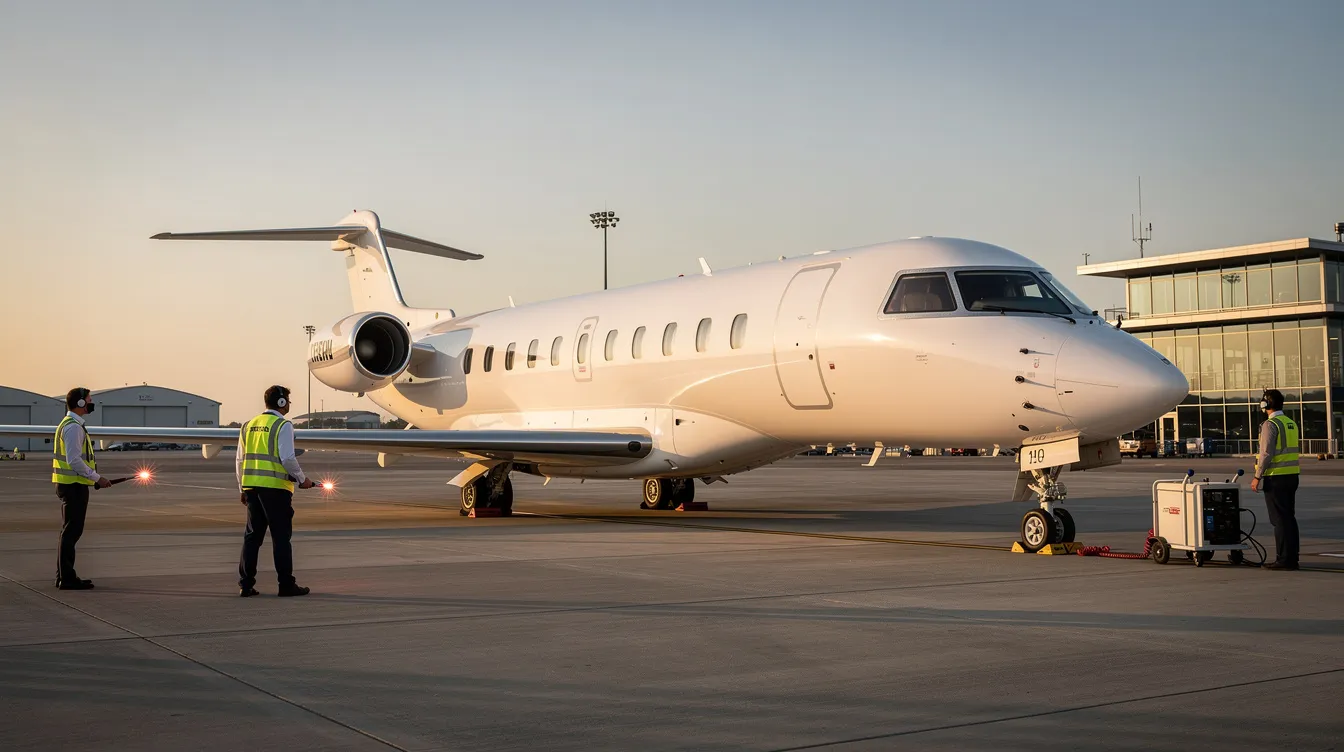
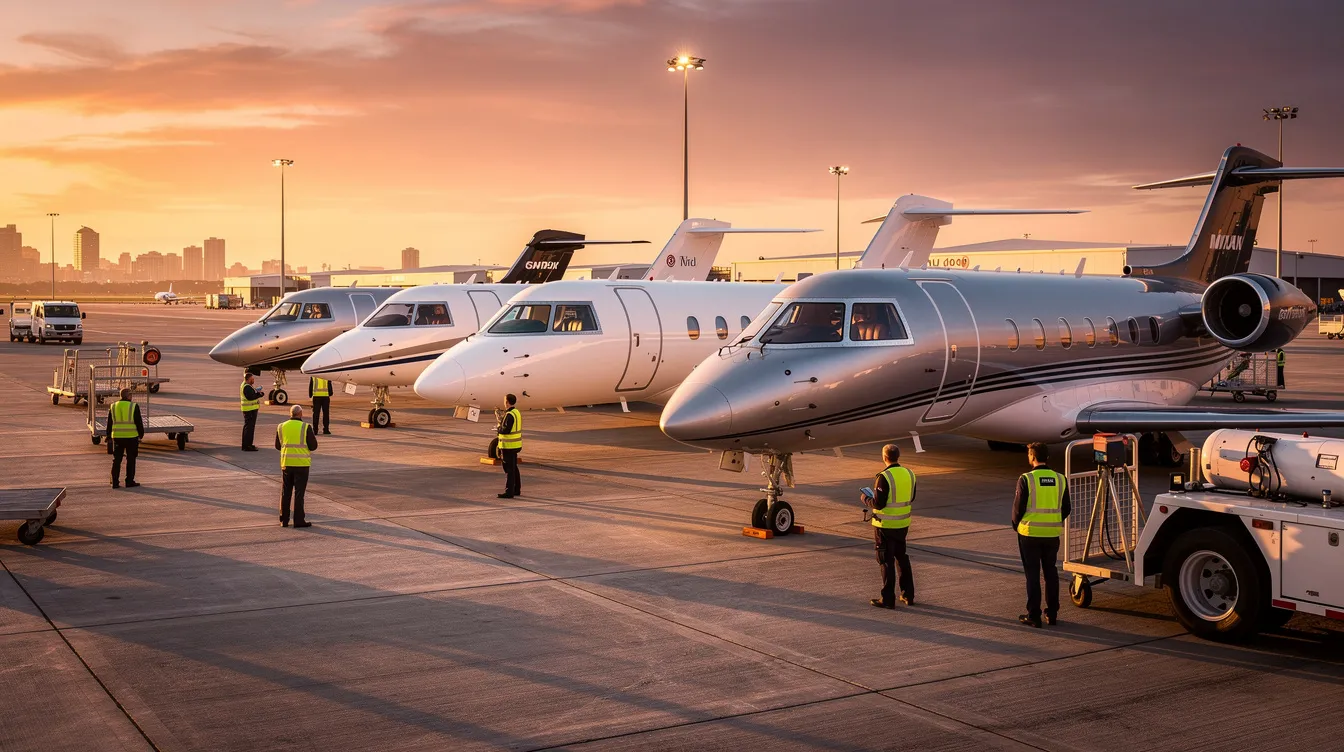
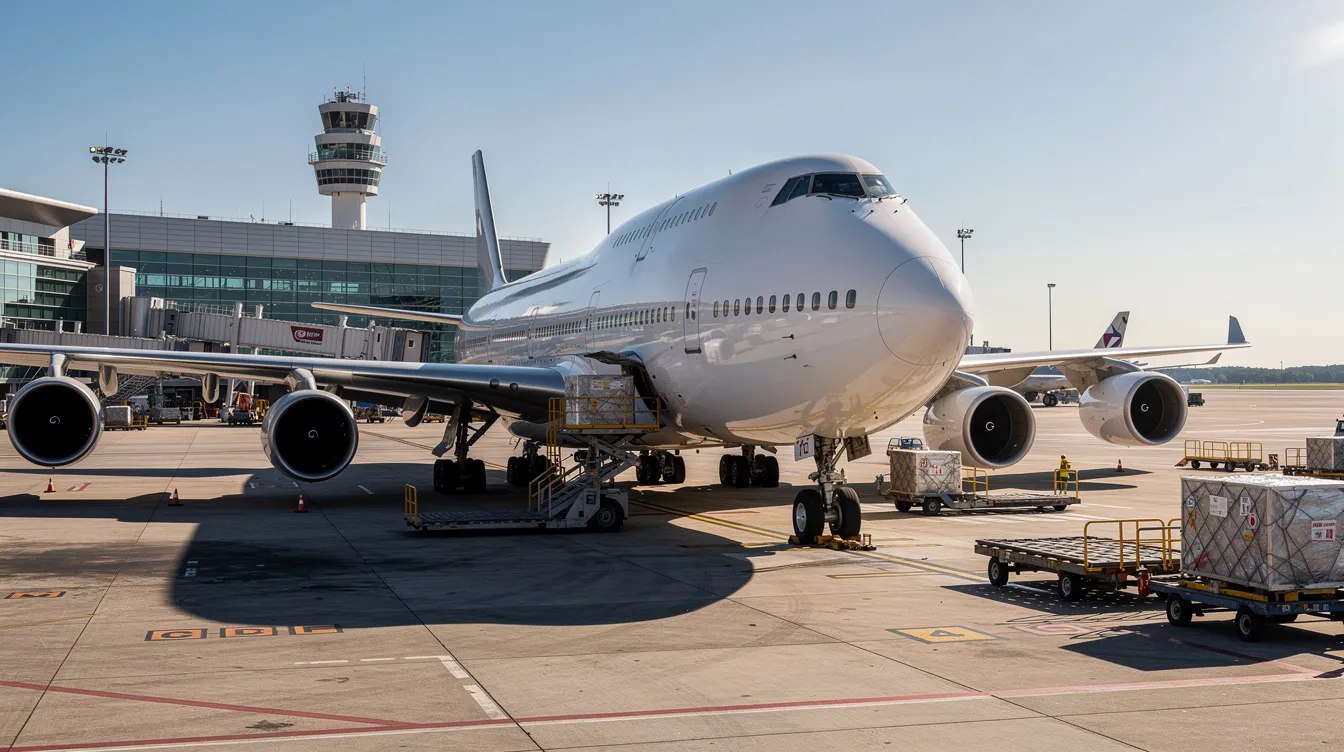
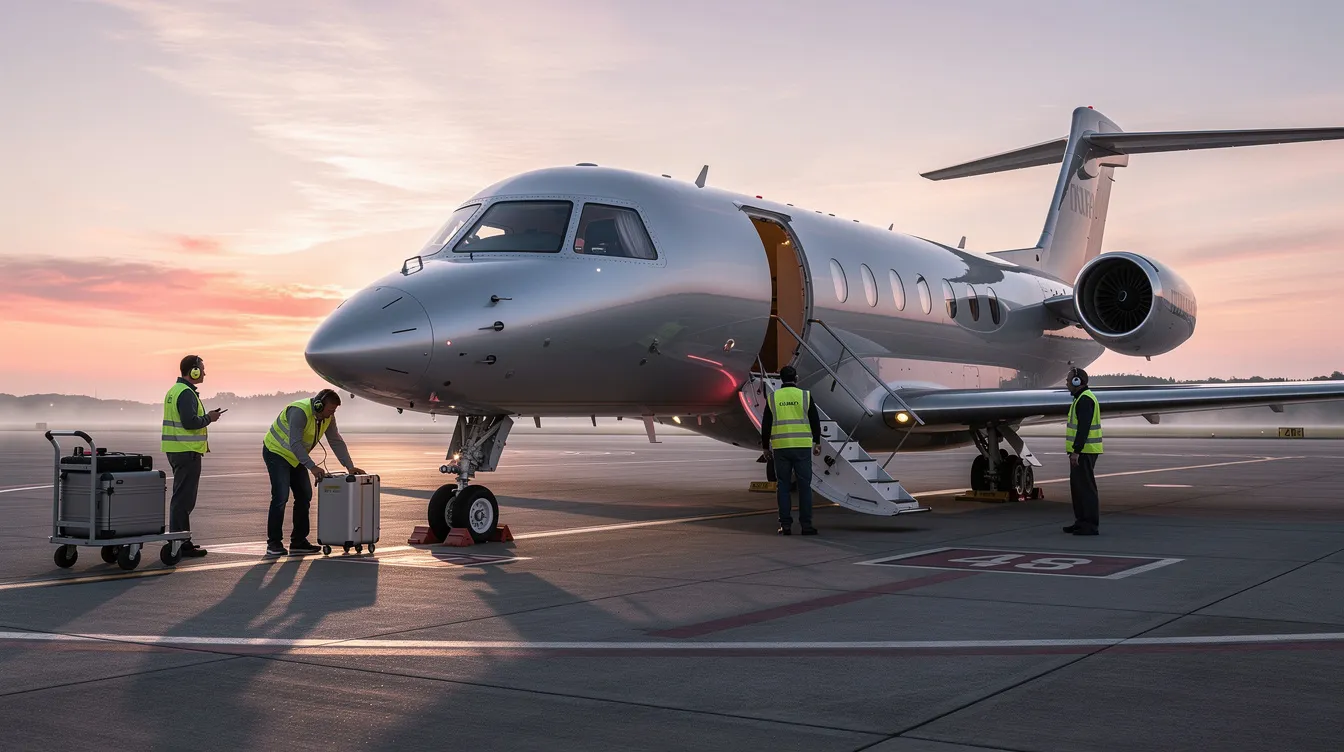
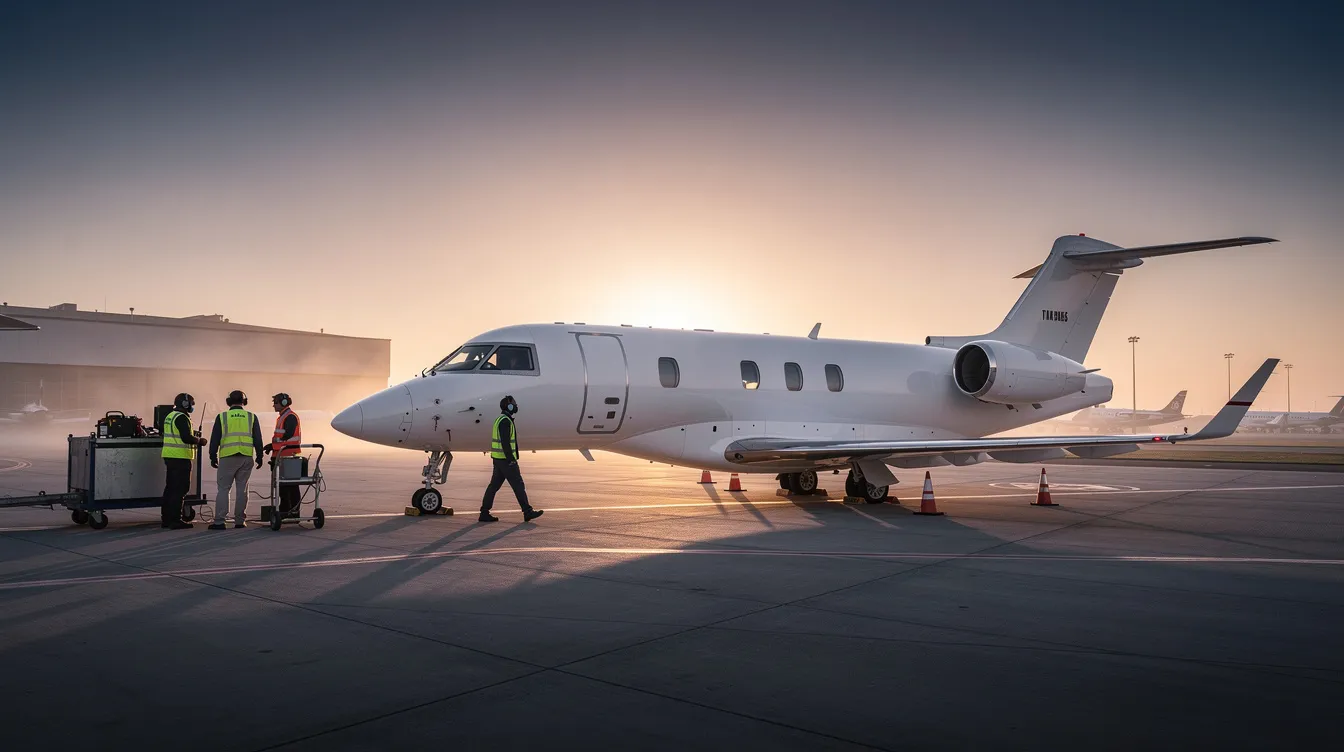
An older widebody cargo aircraft is parked on a remote airport apron, surrounded by cargo containers ready for loading. This transport aircraft is designed for carrying heavy loads over long distances, showcasing its cargo capacity and operational readiness.

Eastern & Emerging-Market Workhorses: Ilyushin, Antonov & Regional Turboprops

Eastern-built cargo aircraft like the Ilyushin IL-76TD, Antonov An-12, An-26, and An-32 remain relevant in rugged, low-infrastructure environments. The IL-76TD carries approximately 40–50 tonnes with a range of 4,600 km; the An-12 handles around 20 tonnes. An-26/32 variants carry 5–7 tonnes into unpaved strips across Africa, South America, Central Asia, and remote regions.

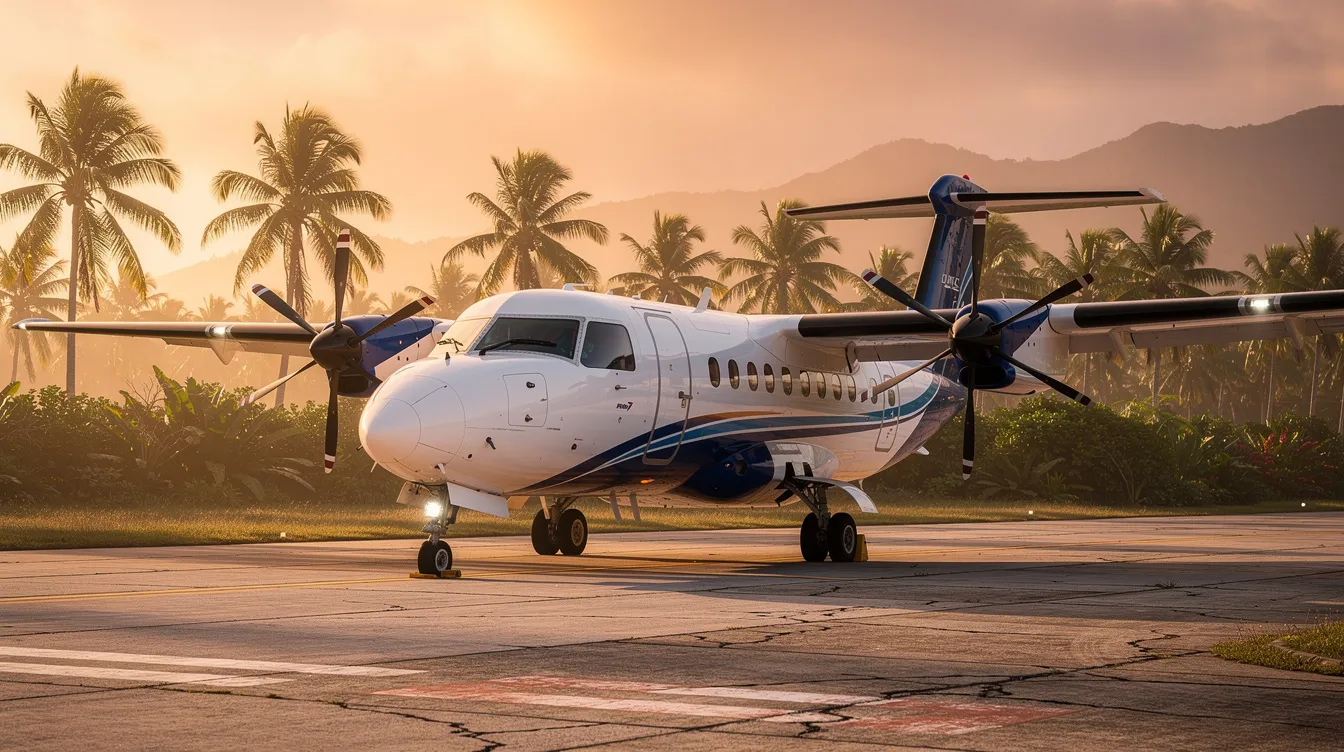
Turboprop cargo aircraft are best for short runways and remote airstrips. Turboprop freighters are ideal for regional and short-haul routes due to fuel efficiency. Serviceable regional turboprops can be priced under $1M, while IL-76TD examples may reach $5M–$10M depending on condition—though some references cite substantially higher figures for fully serviceable units. Availability is affected by geopolitics and sanctions.

Risk factors include parts scarcity, limited OEM support, high insurance costs, certification challenges outside Russian/Ukrainian regulatory systems, and potential EU/US airspace restrictions. BusinessJets.com generally steers corporate and institutional clients toward Western-built cargo aircraft unless a specialist mission, regulatory framework, and local support network clearly favor these platforms.

Modern Converted Freighters: 737 Classics, 757-200F, 767-300ER-SF & Beyond

Converted passenger aircraft dominate the current commercial cargo fleet. Boeing forecasts that roughly two-thirds of the approximately 2,900 freighter deliveries expected by 2044 will be converted from retired airliners rather than built new—a reflection of strong demand and factory delivery delays for the Airbus A350F and Boeing 777X-F.

Common conversion candidates include Boeing 737-300/400 (many of which entered service in the early 1990s as passenger aircraft), 757-200PF/SF, and 767-300ER-SF or 767-300BCF programs. Freighter aircraft often feature reinforced floors and large cargo doors after conversion, with standardized pallet positions—nine pallets on a 737-300F, up to 15 on a 737-400SF, and 24+ on a 767-300ER-SF. Avionics upgrades including ADS-B, TCAS II, and EGPWS are standard.

Converted cargo aircraft can cost $5M to $40M depending on the model. A 737-400SF in half-life condition typically totals $5.9M–$7.75M including feedstock, conversion, and on-ramp maintenance. Wide-body freighters have a payload capacity of 40 to over 100 tonnes, with 767-300ER-SF platforms suitable for 10–15+ years of commercial service after conversion. BusinessJets.com helps clients evaluate whether to buy fully converted aircraft, acquire passenger feedstock and manage conversion, or pursue lease packages integrating capital and maintenance reserves.

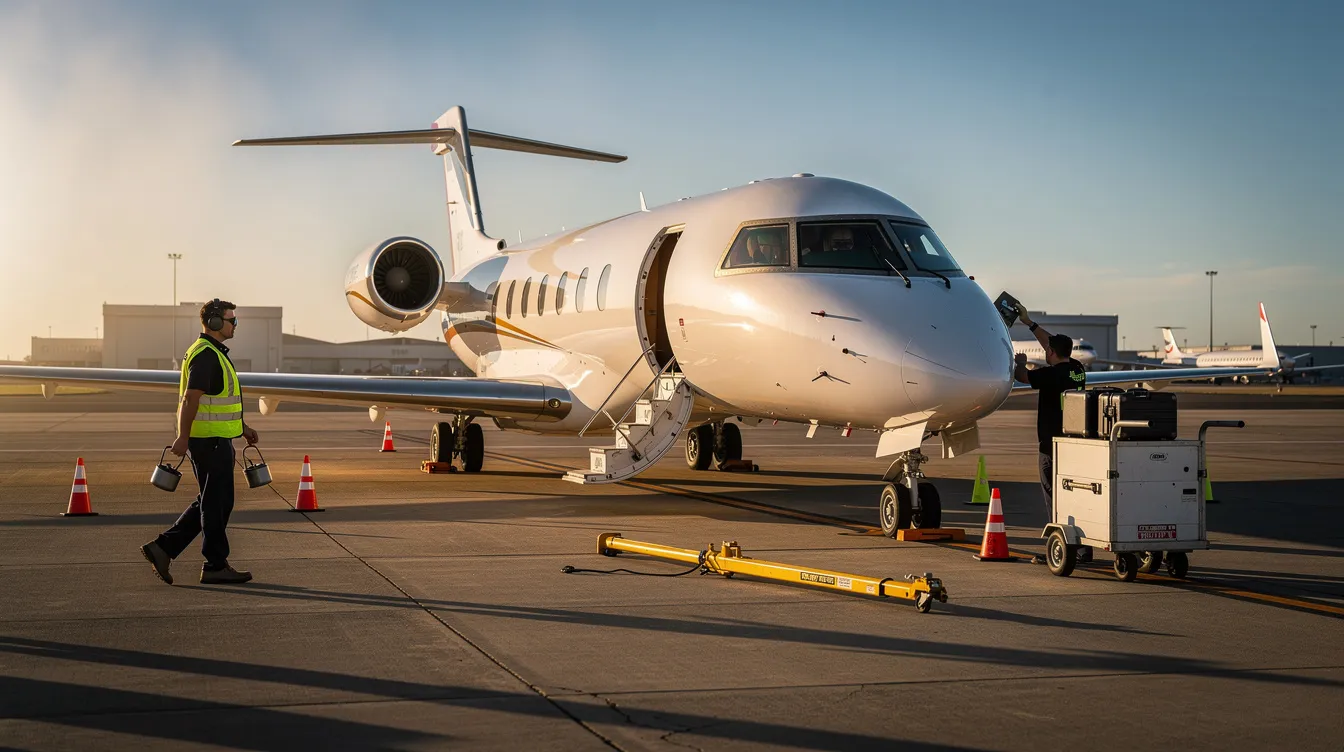
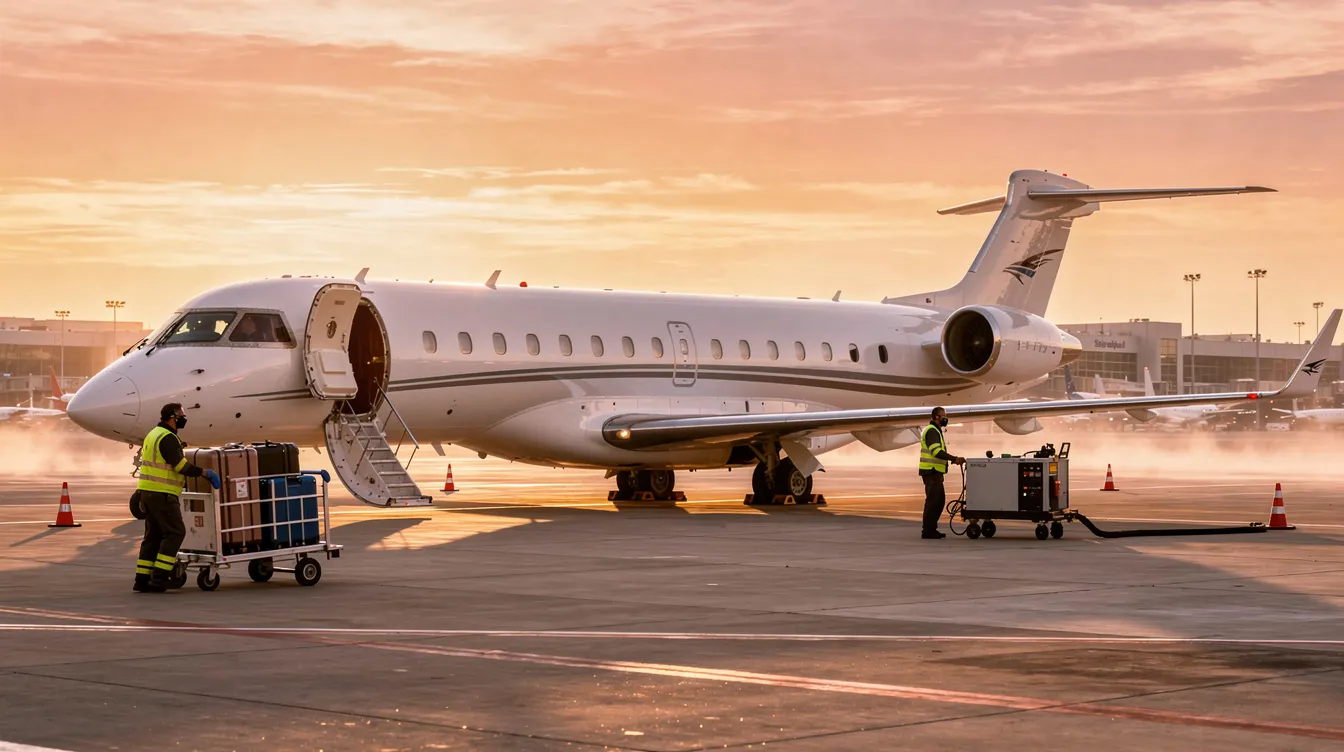
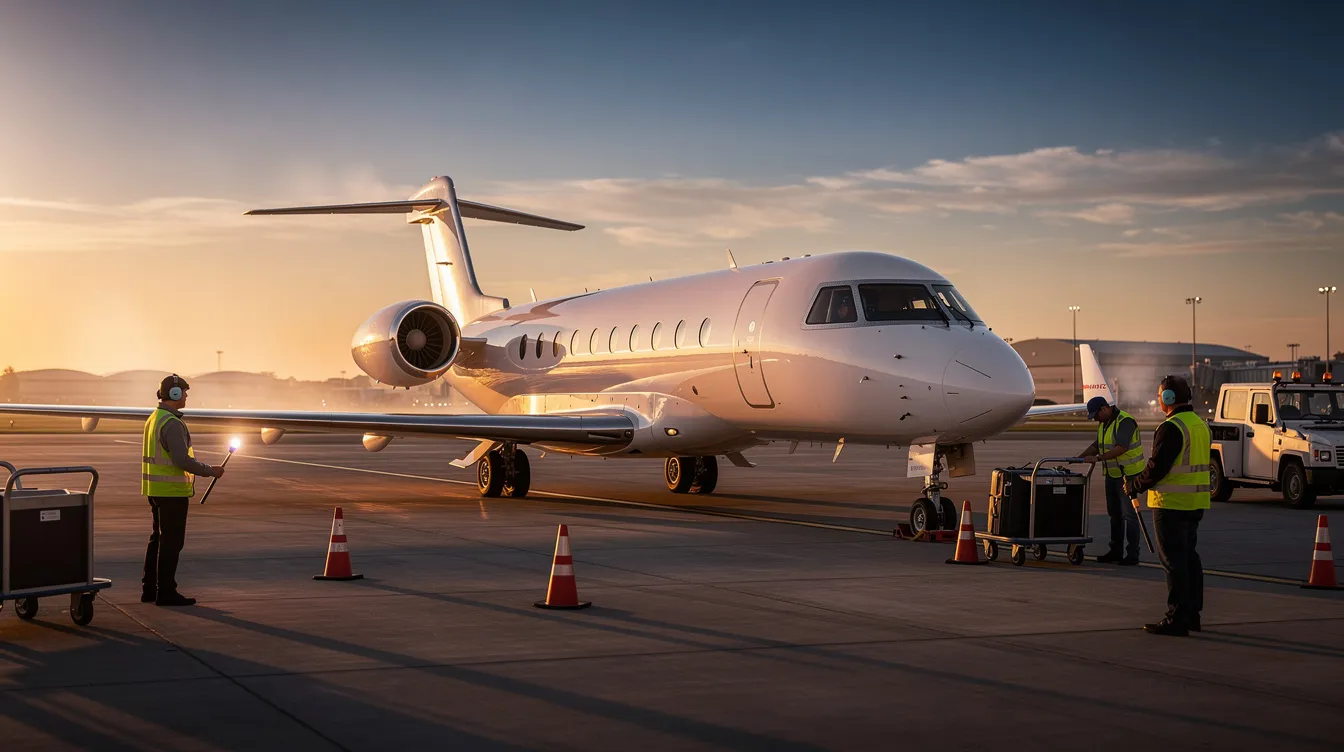
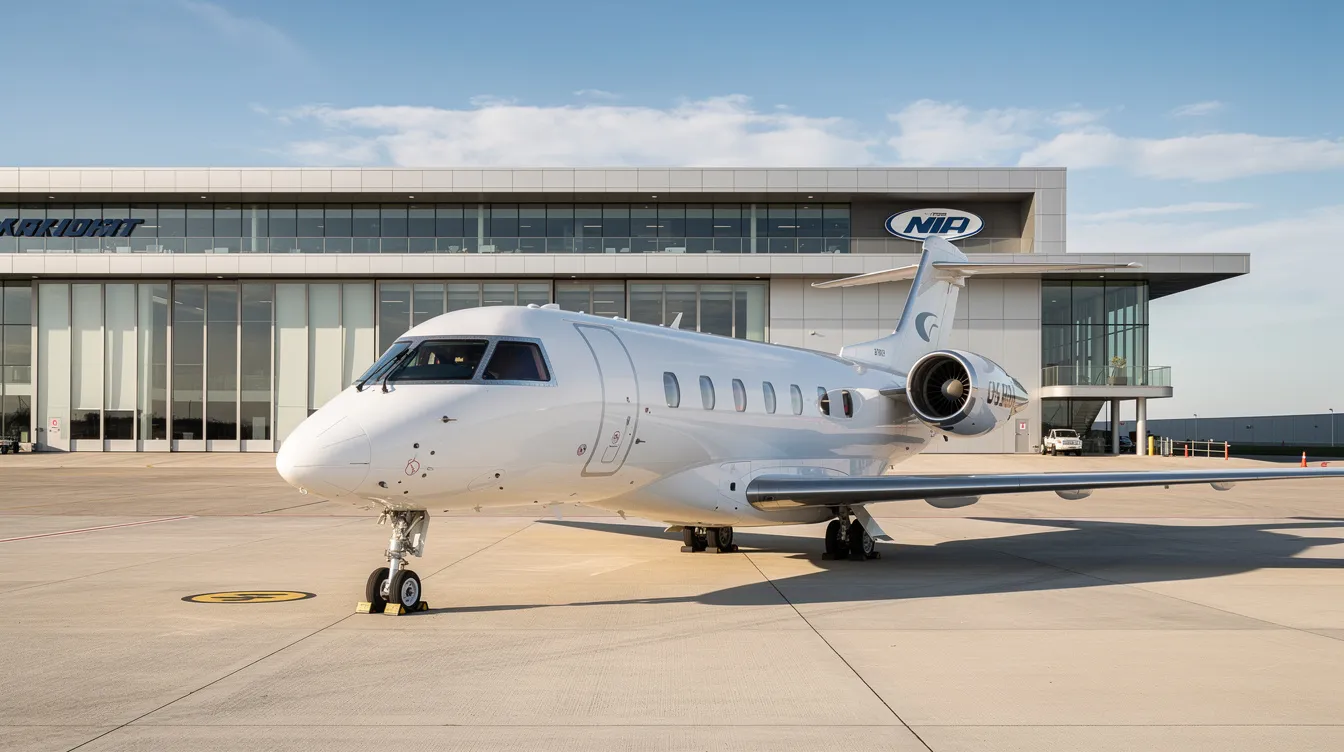
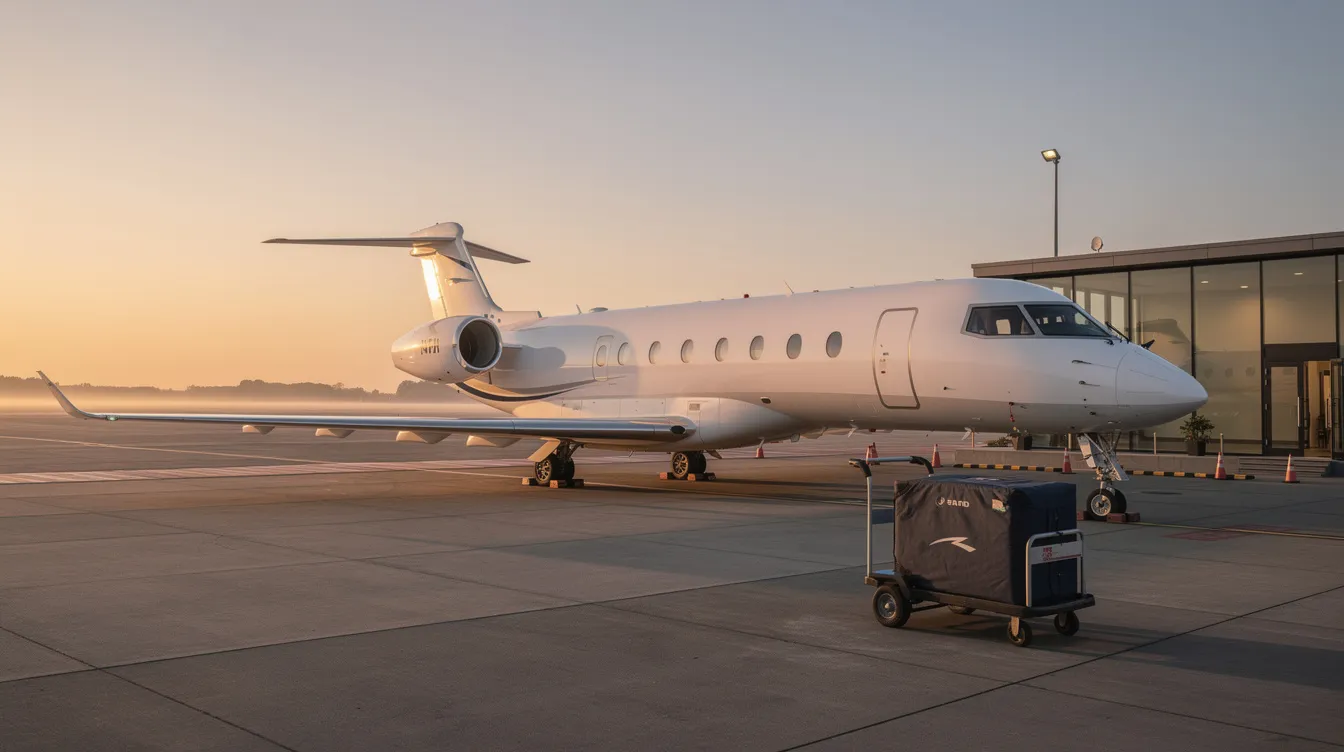
A converted narrowbody cargo aircraft is shown with its large main deck cargo door wide open, actively engaged in loading operations at a modern airport. This cargo aircraft is designed for carrying heavy loads, showcasing its impressive cargo capacity and operational efficiency.

Tactical & Strategic Transport Aircraft: Lockheed Martin, Embraer & Others

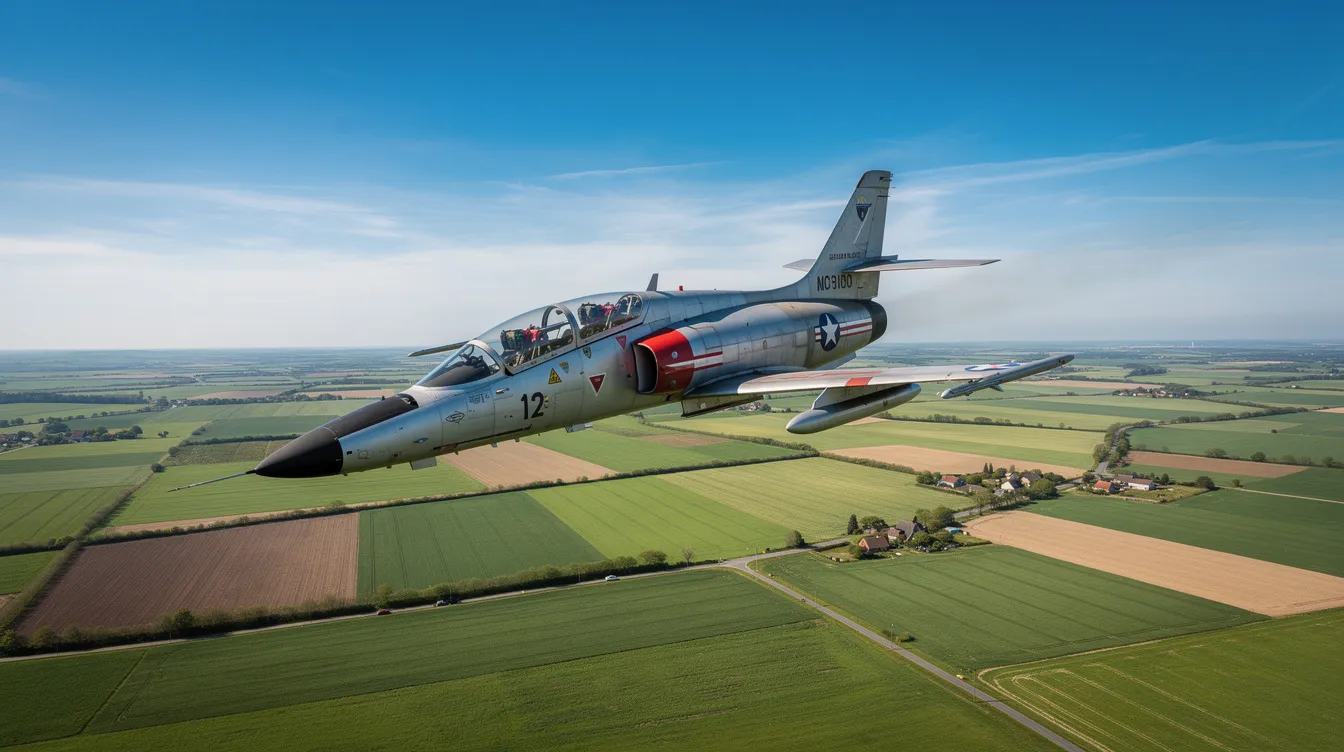
Some buyers—state entities, defense contractors, or large operators—consider military-derived transport aircraft for specialized missions when regulations allow civil or government use. These plane types can carry heavy loads that civilian freighters cannot accommodate, including outsized industrial components. Specialized oversized cargo aircraft are designed for moving large industrial components and equipment alongside troops in military logistics scenarios.

Key platforms include:

  • Lockheed Martin C-130J Super Hercules - Modern tactical transport, ~20–25 ton payload, improved engines and avionics, capable of austere field operation

  • Lockheed C-5M Super Galaxy - Heavy strategic transport, rear loading ramps, outsized cargo flexibility

  • Embraer KC-390 Millennium - Medium jet transport (~23–25 tonnes), dual-role cargo and tanker

  • Boeing C-17 Globemaster III - Context reference for heavy strategic airlift

Heavy transports are capable of carrying loads of 40 to over 120 tonnes. The Boeing 747-8F, while a civilian platform, can transport over 140 tonnes of cargo, illustrating the upper end of what large freighters can achieve. Ex-military aircraft are released through official programs in limited quantities with long lead times and export restrictions.

Challenges include certification for civil operations, crew training, maintenance infrastructure, and long-term support agreements. BusinessJets.com can advise contractors and government-related buyers on feasibility, lifecycle cost, and alternative solutions using certified civilian cargo aircraft where military platforms are impractical. Unlike helicopters, which serve vertical-lift niches, fixed-wing transports dominate for carrying cargo over long distances.

High-Capacity Business Jets as Transport Platforms

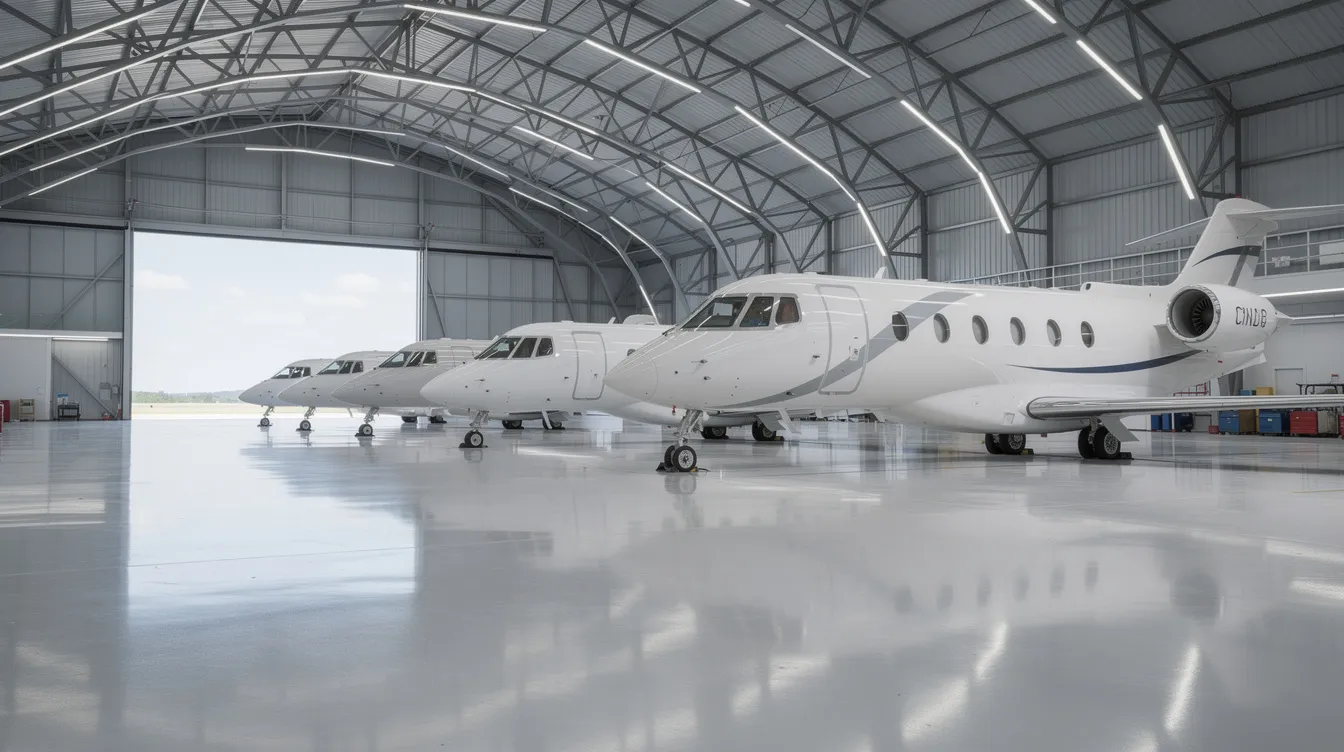
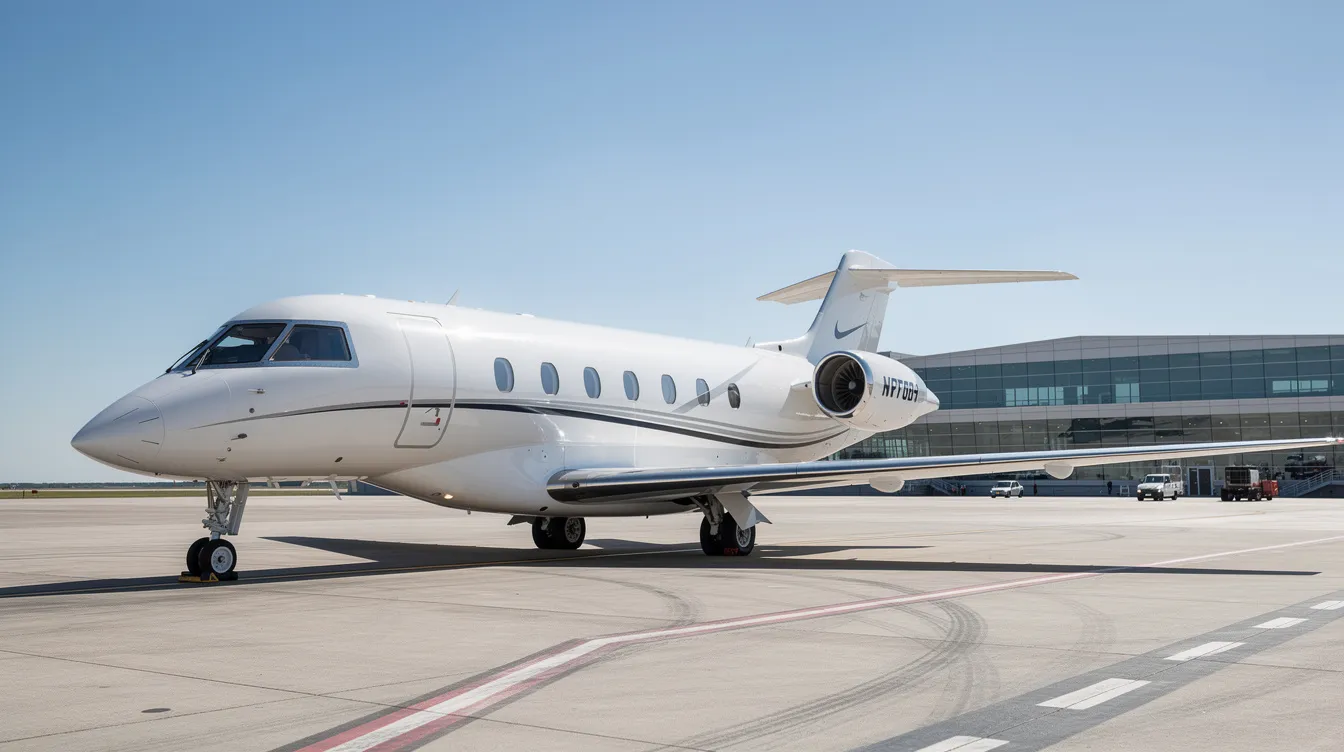
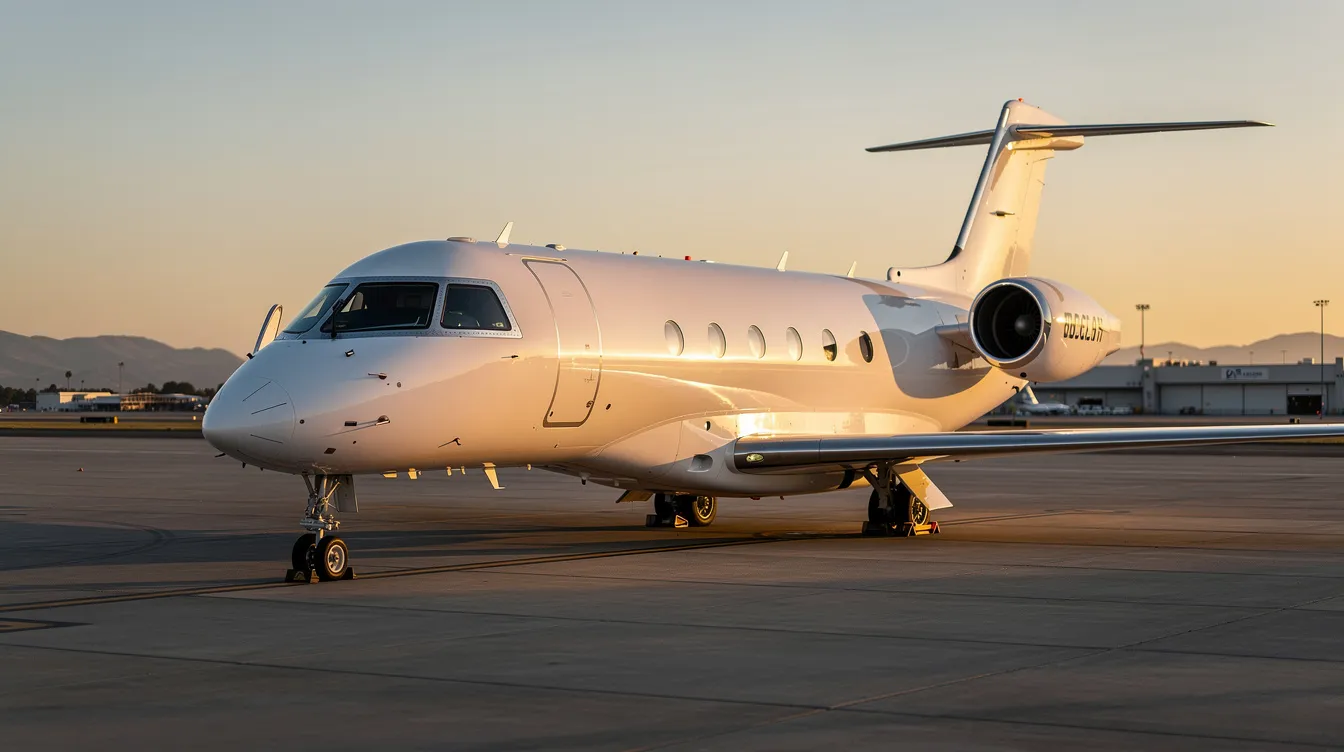
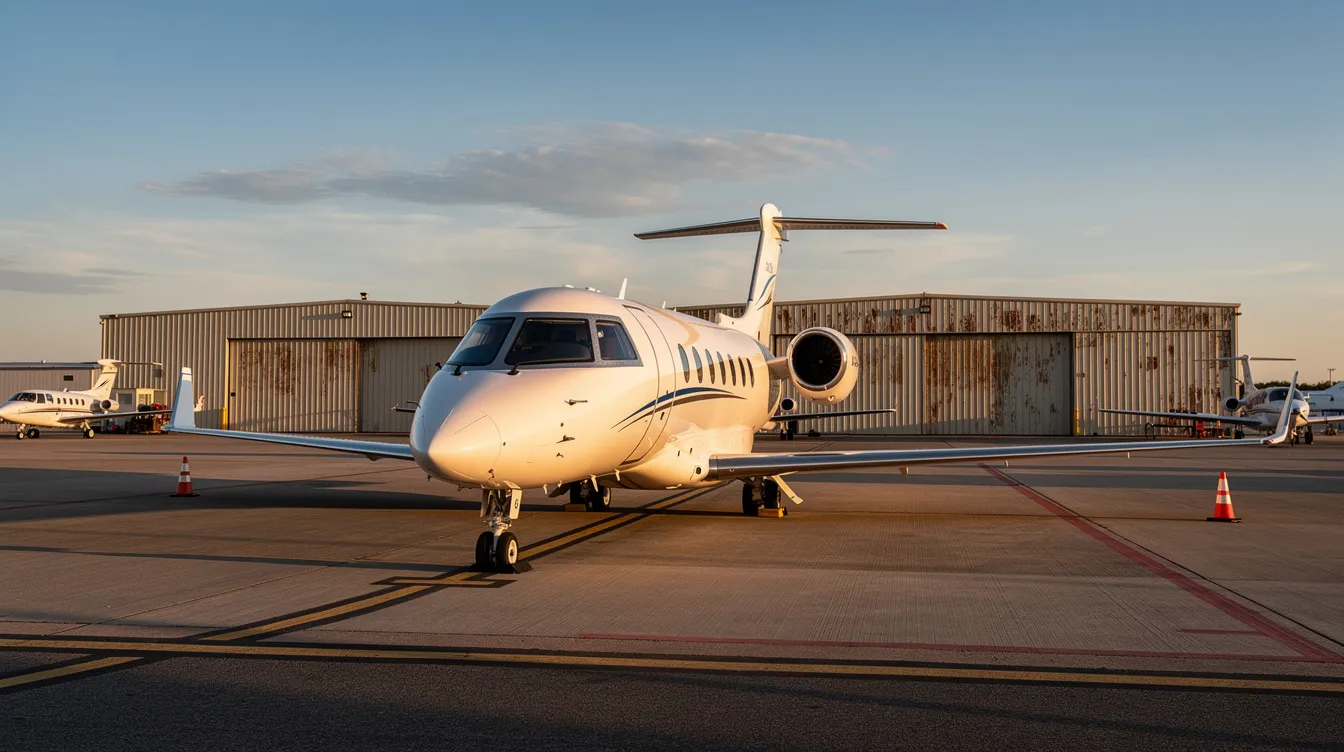
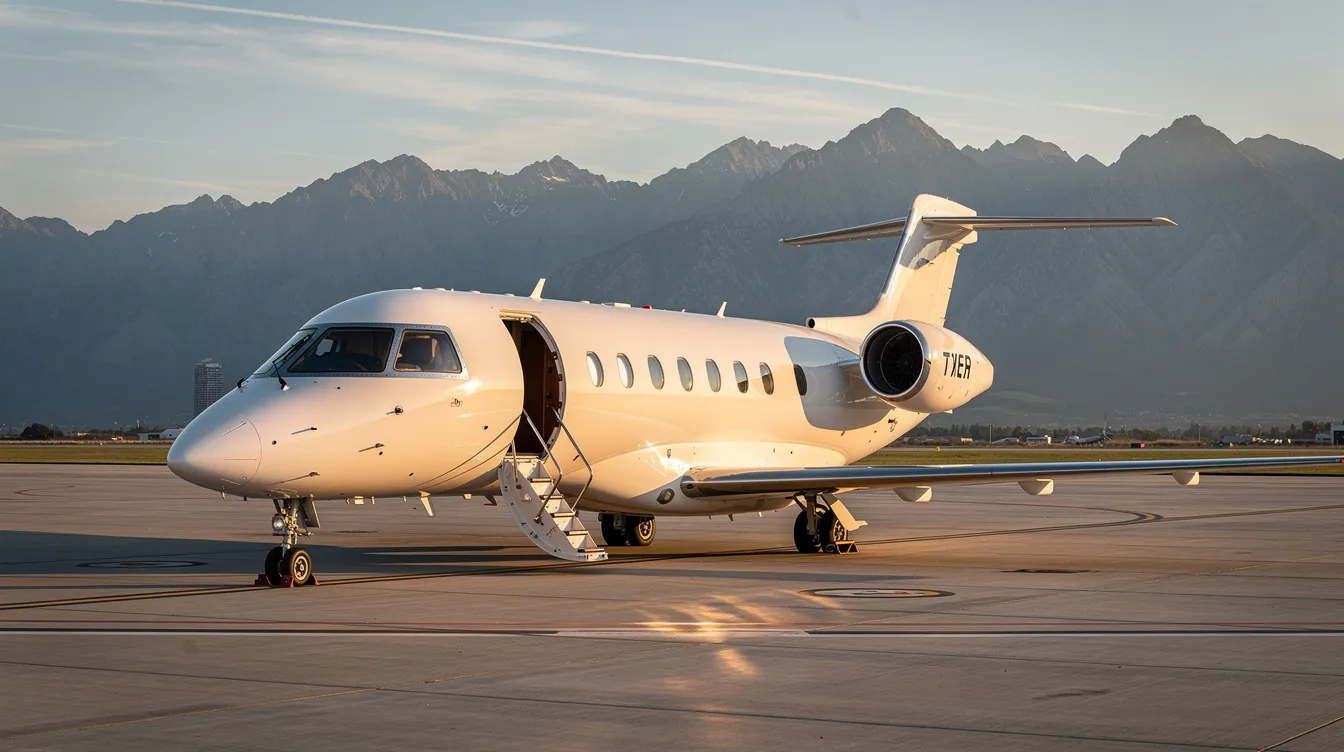
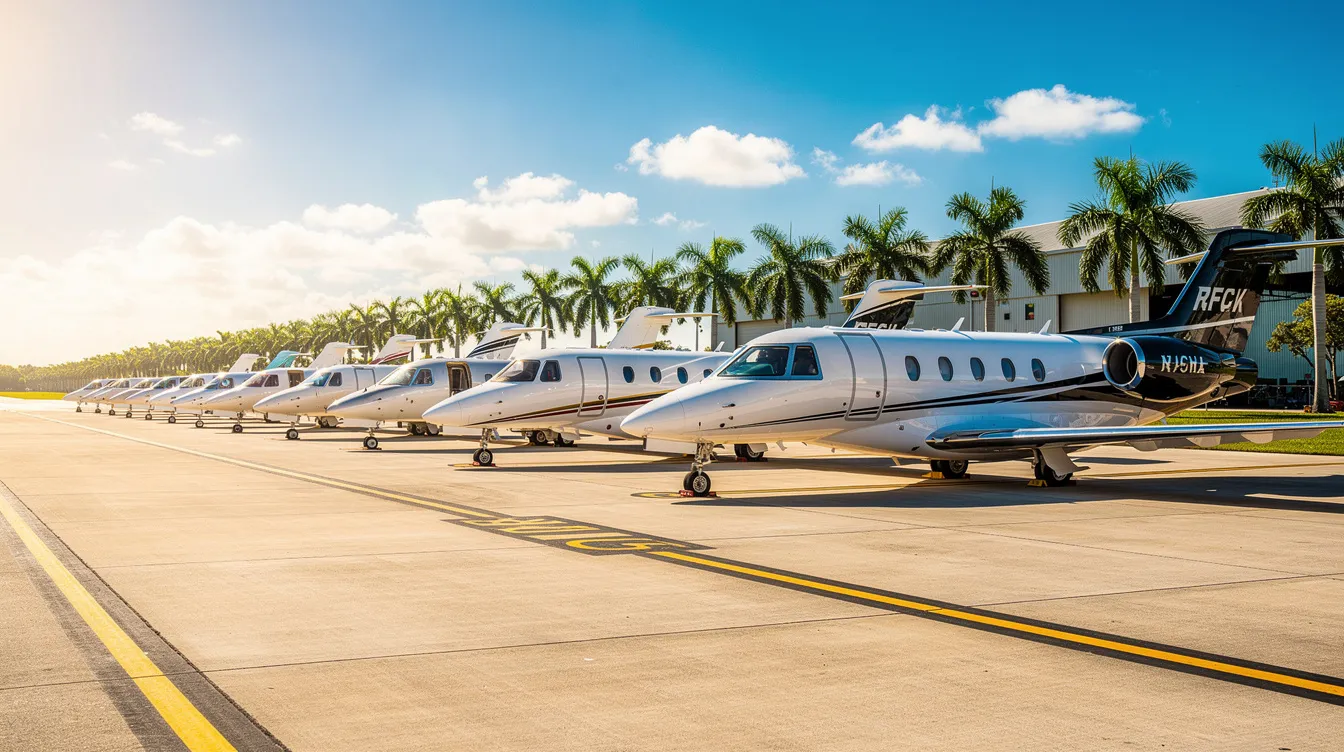
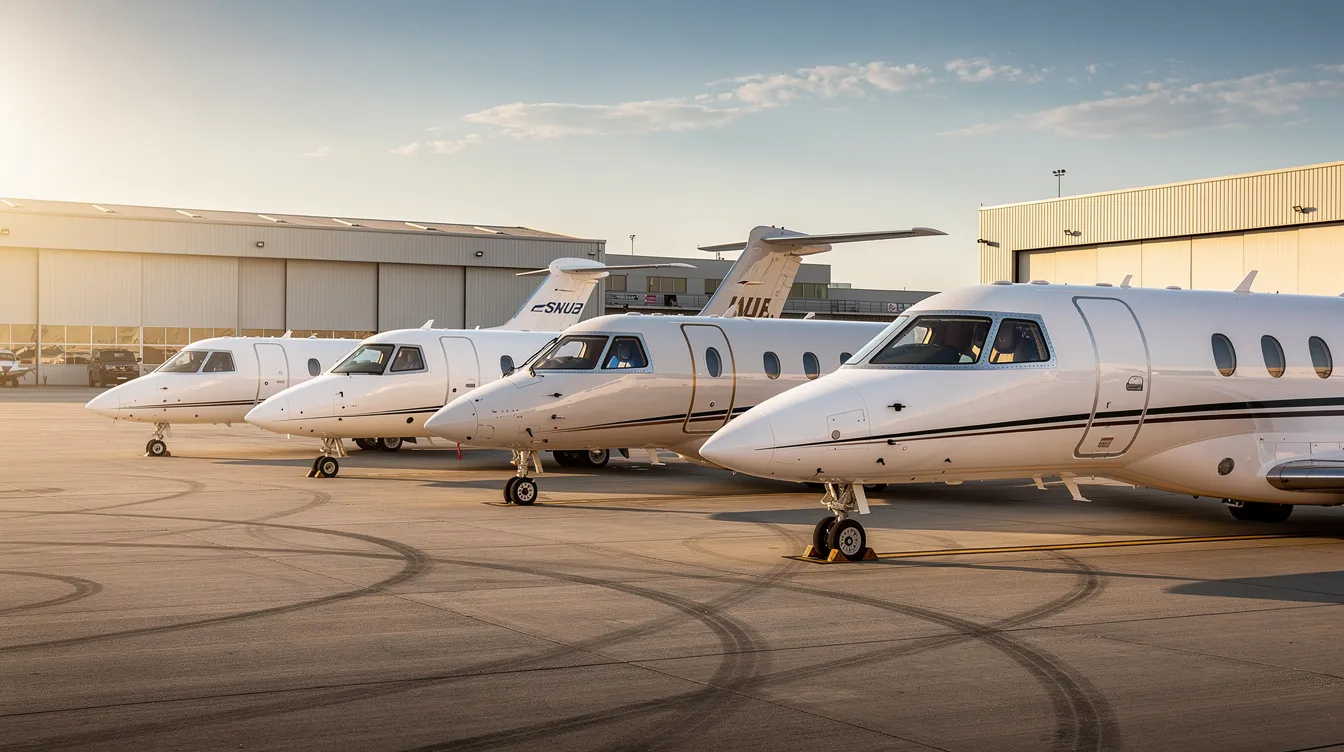
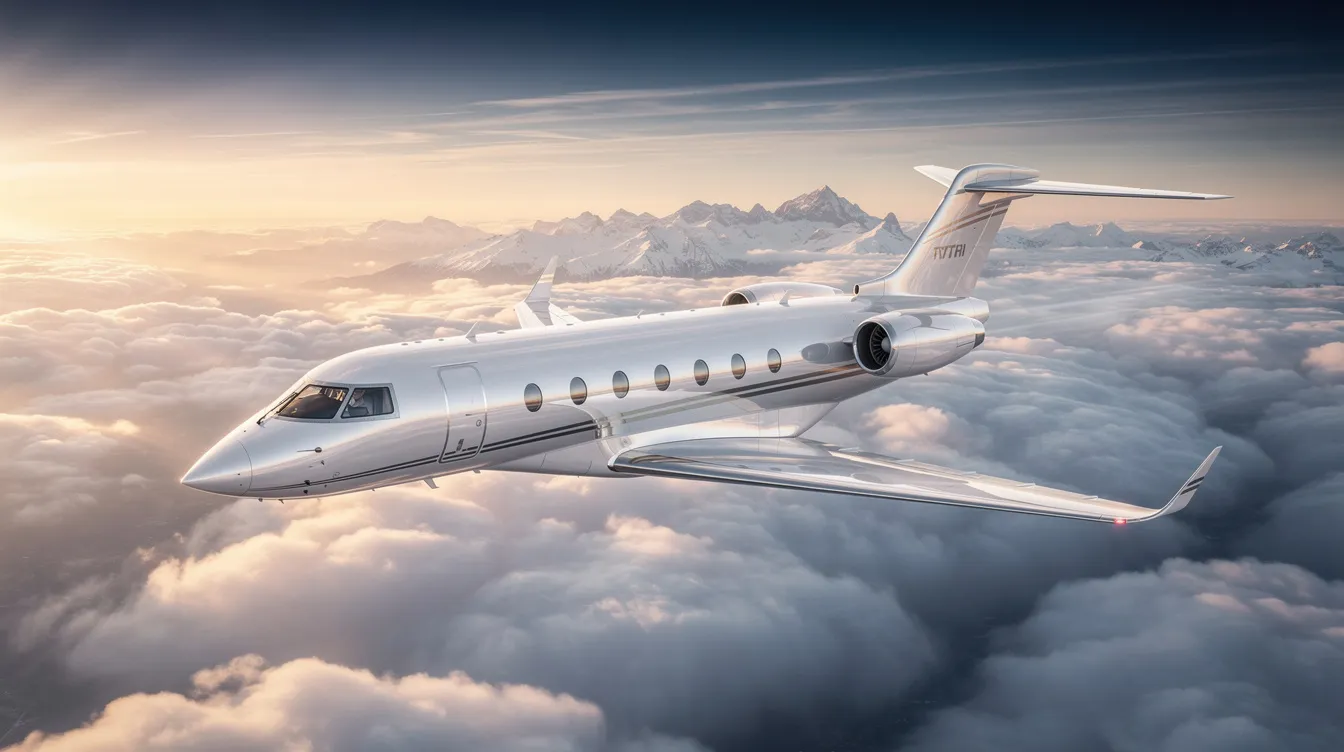
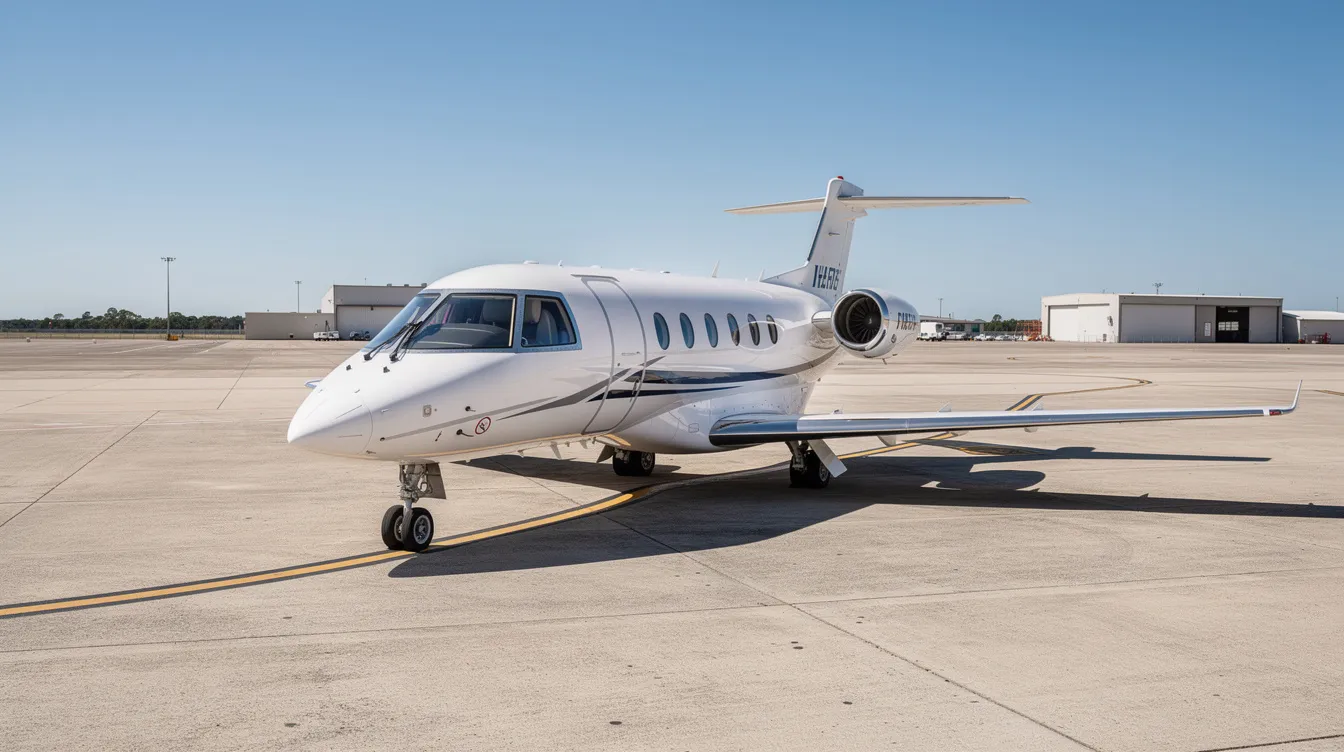
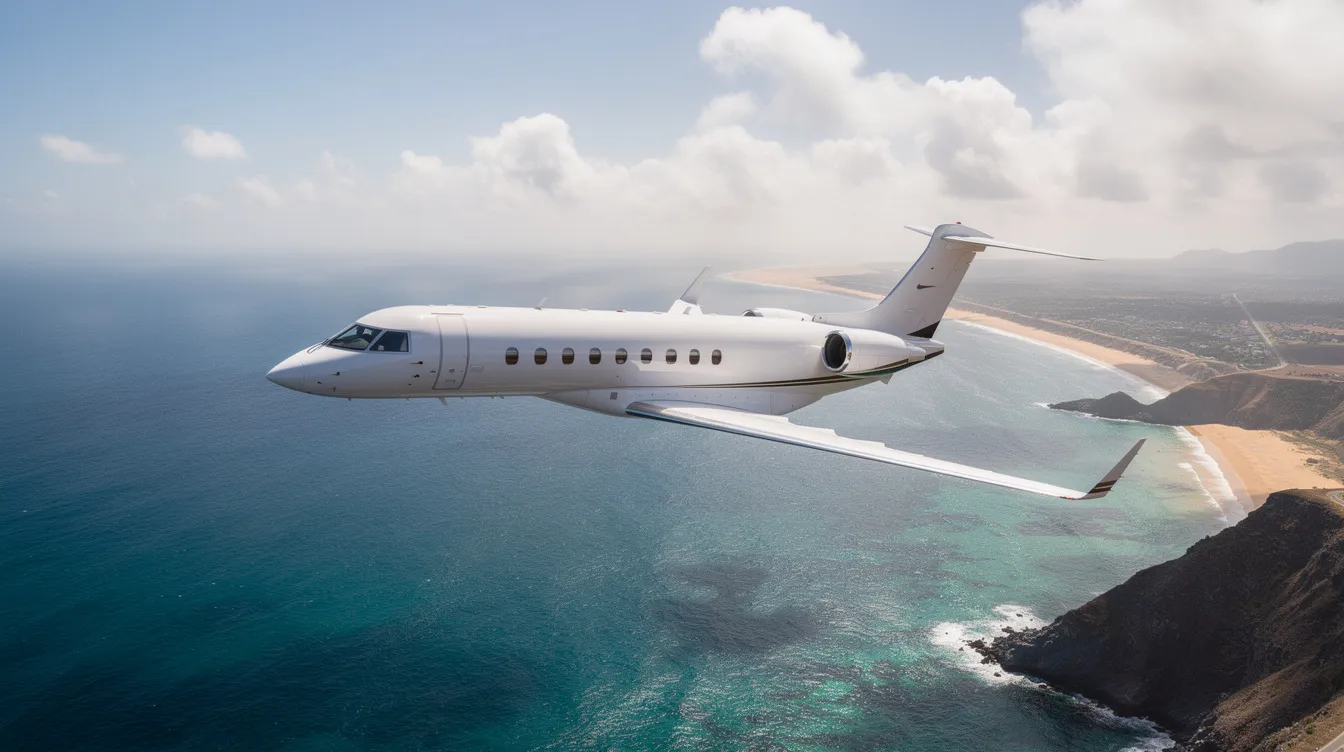
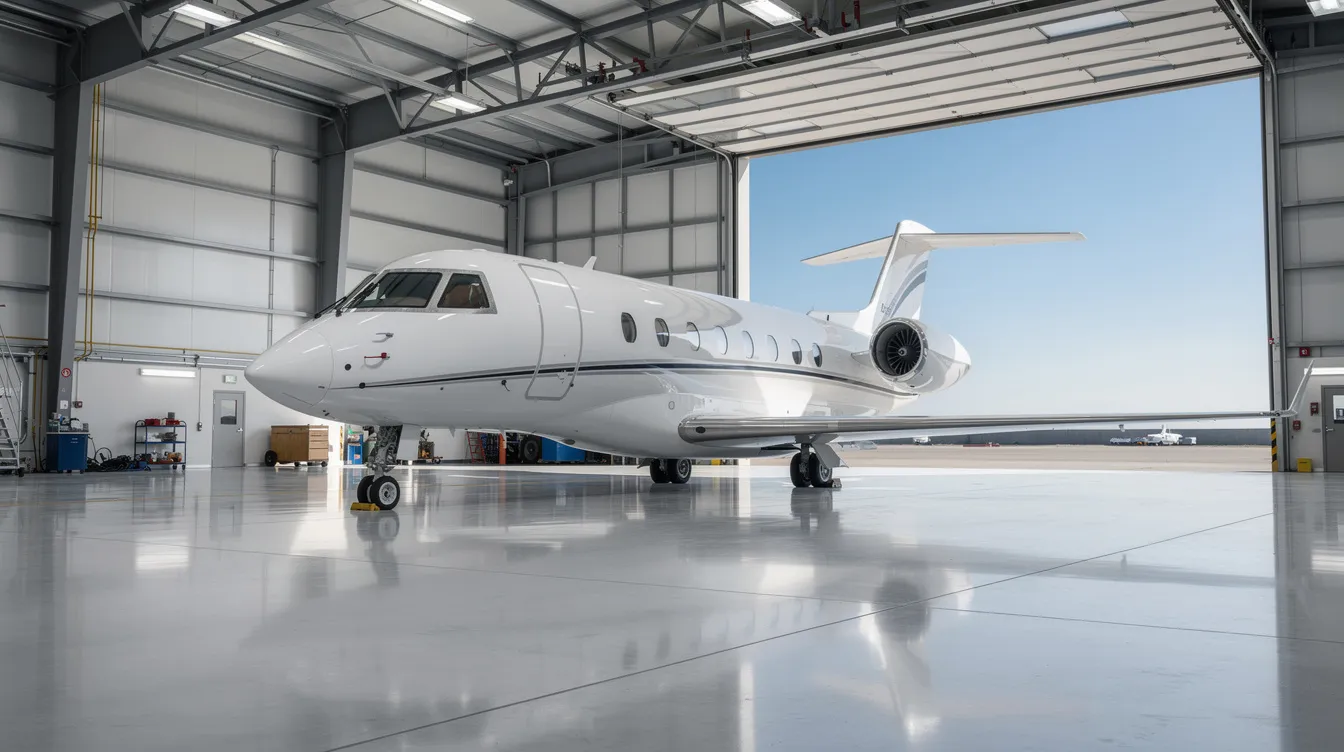
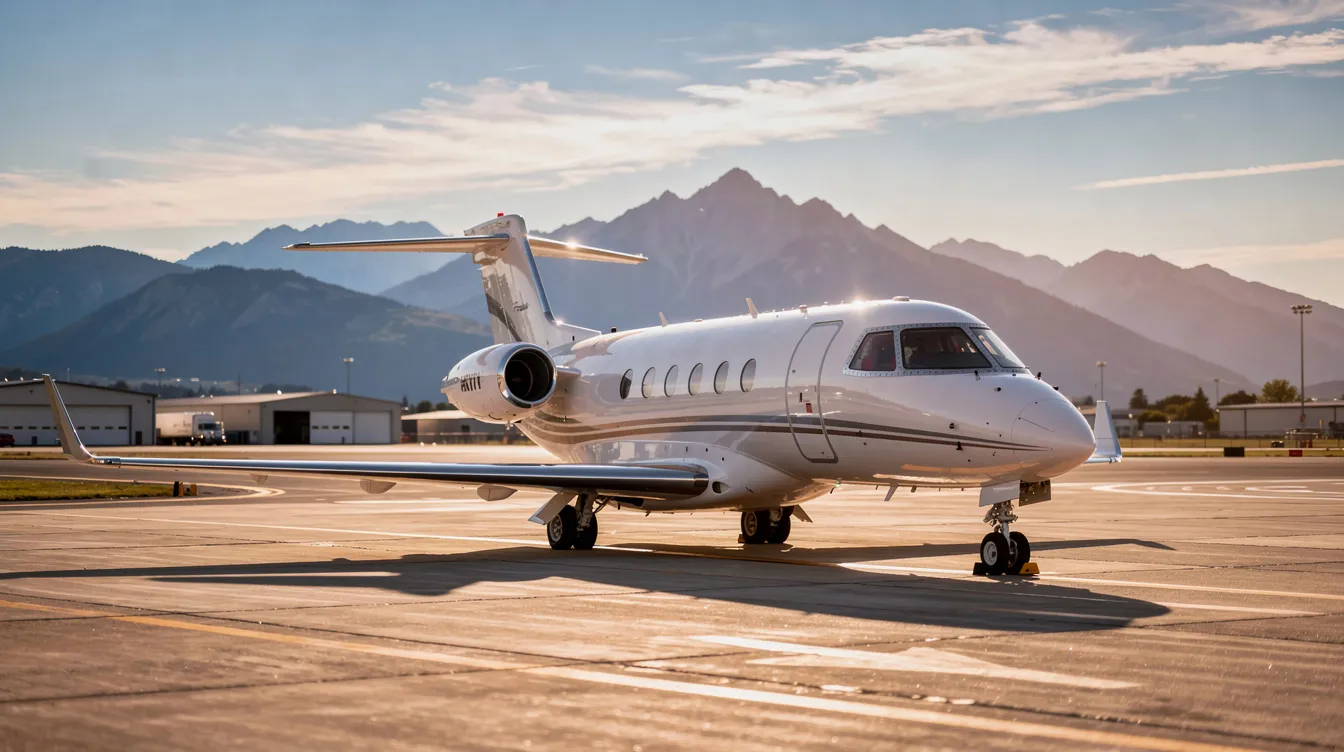
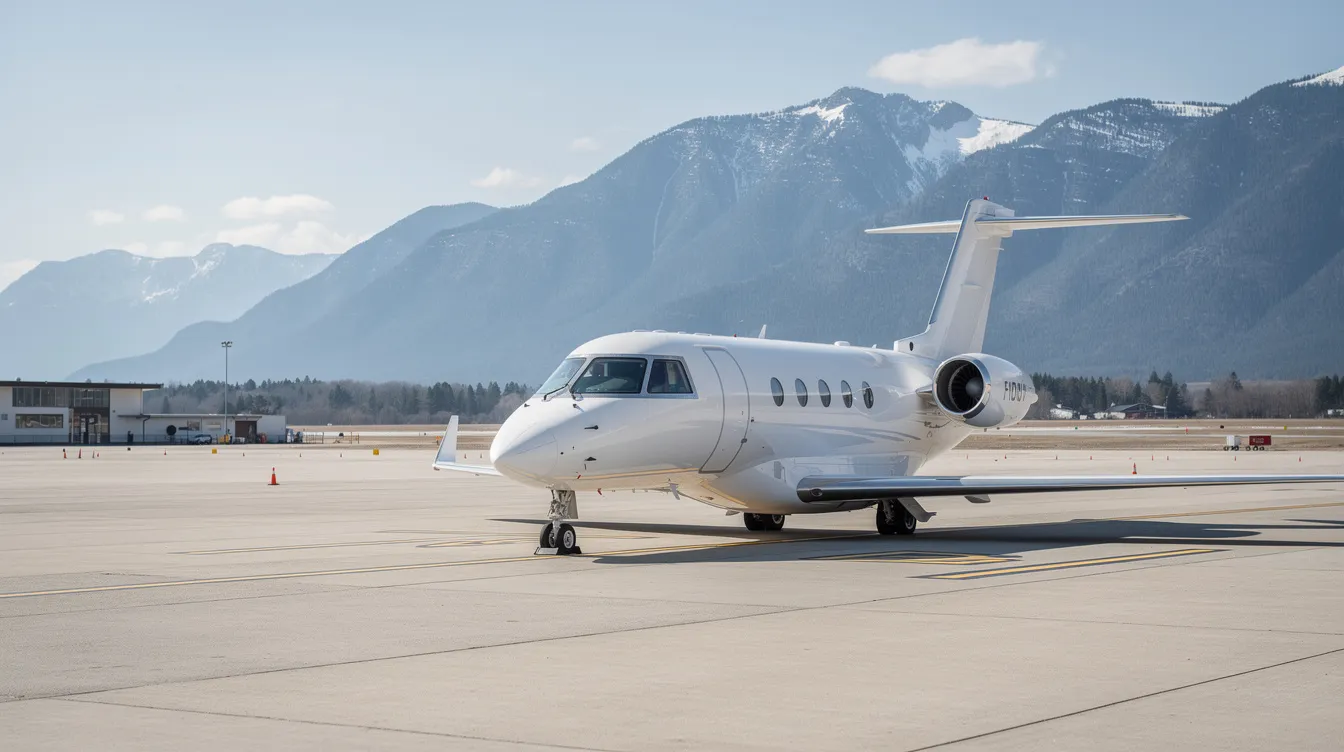
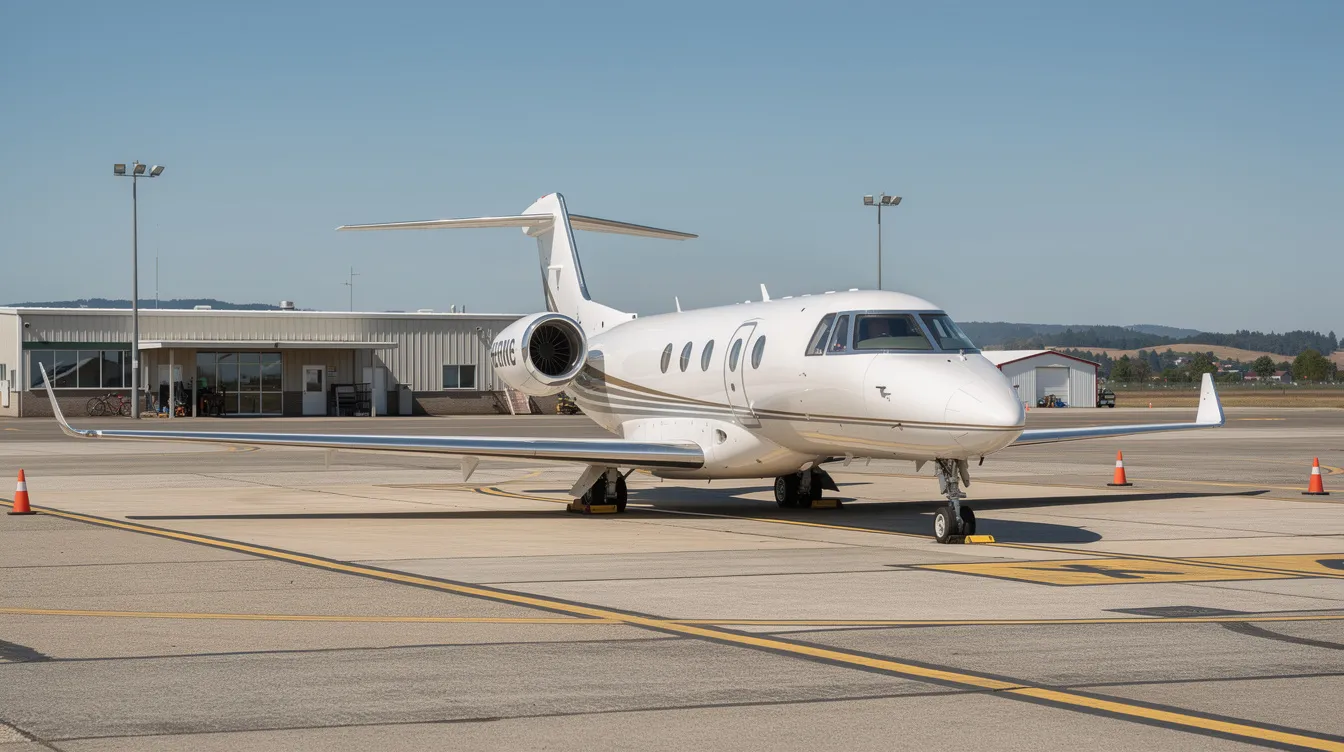
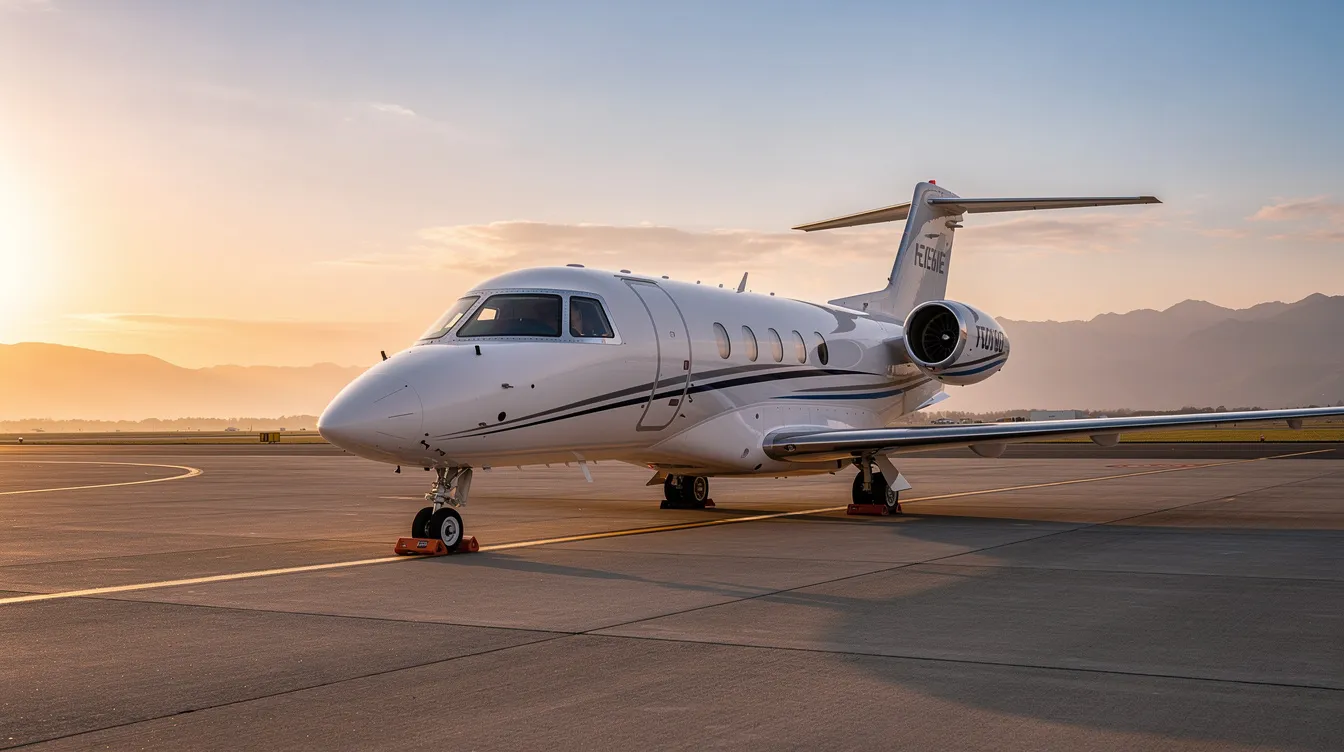
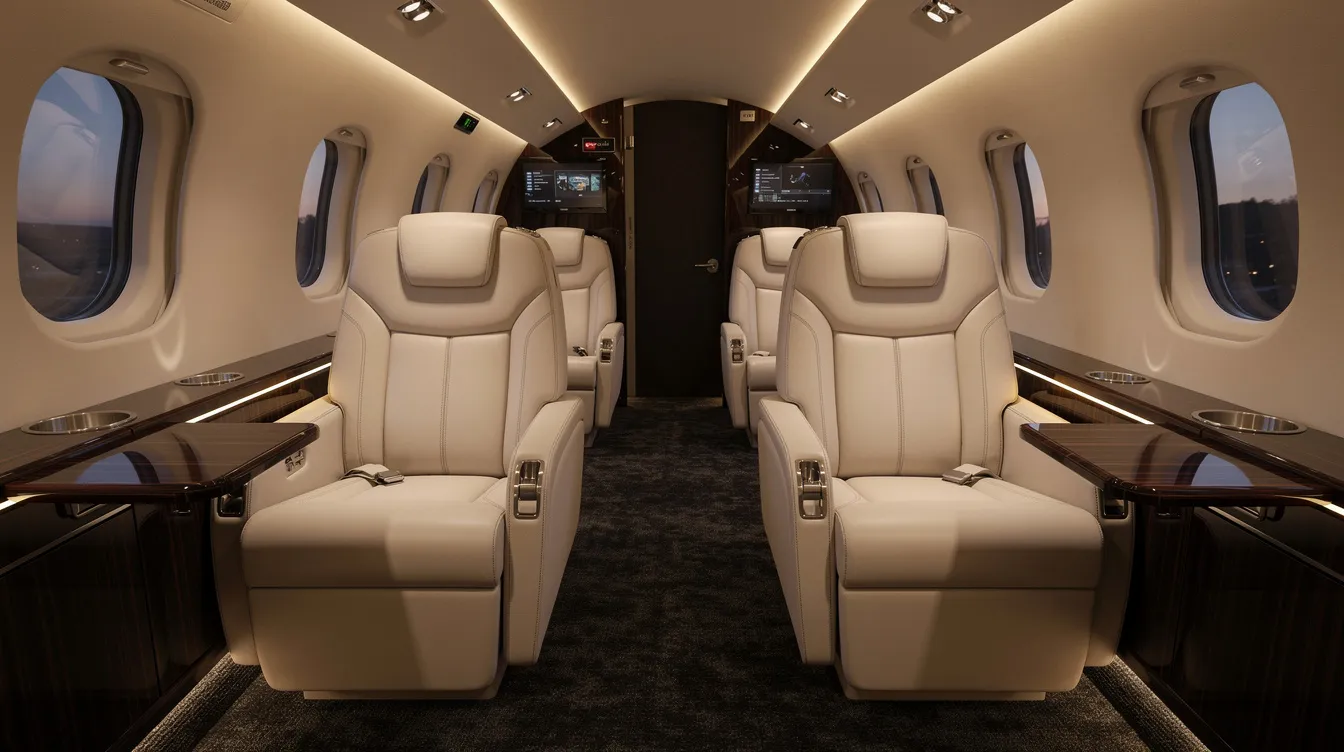
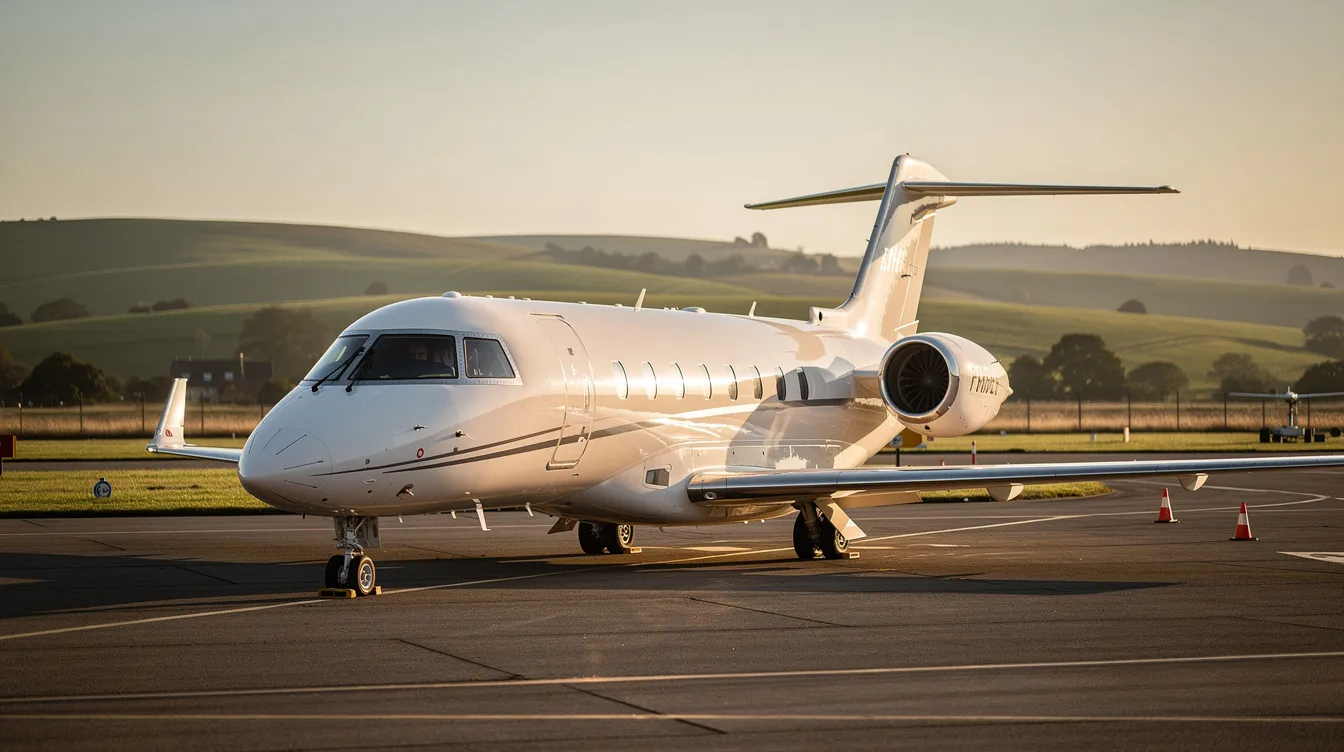
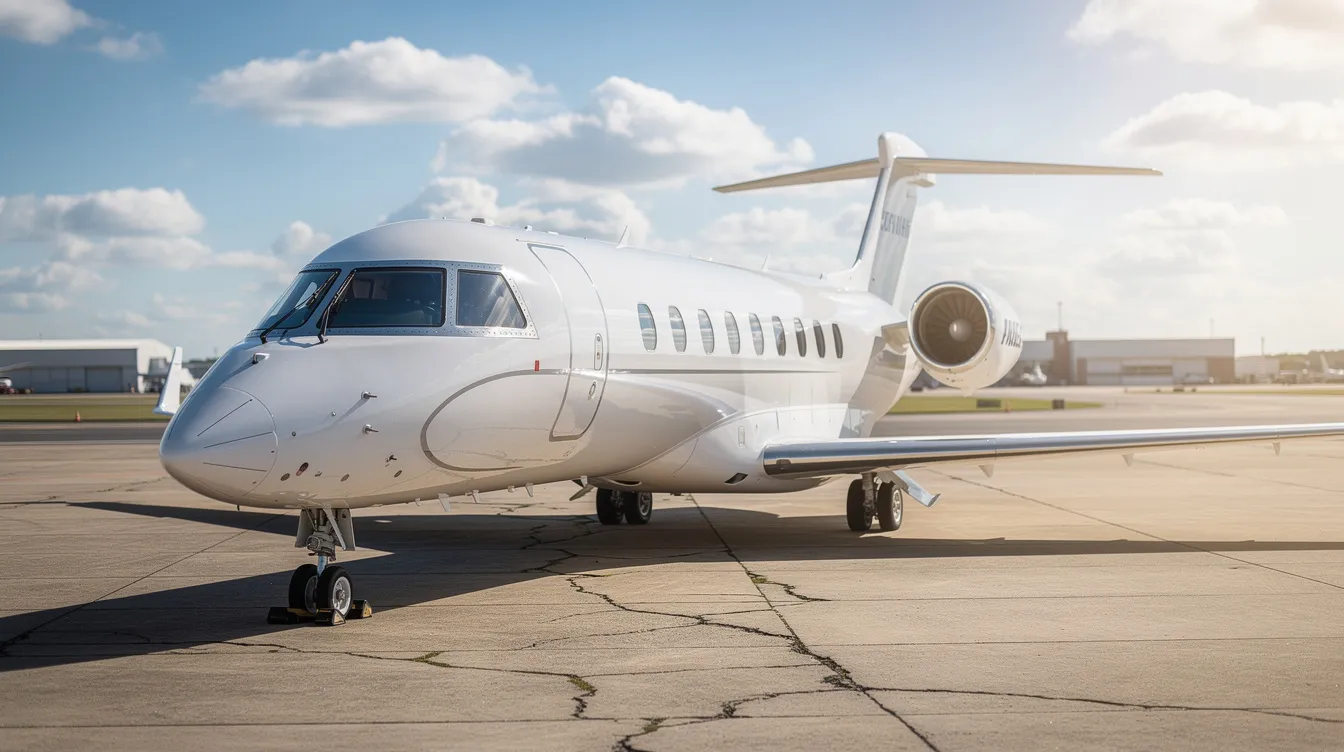
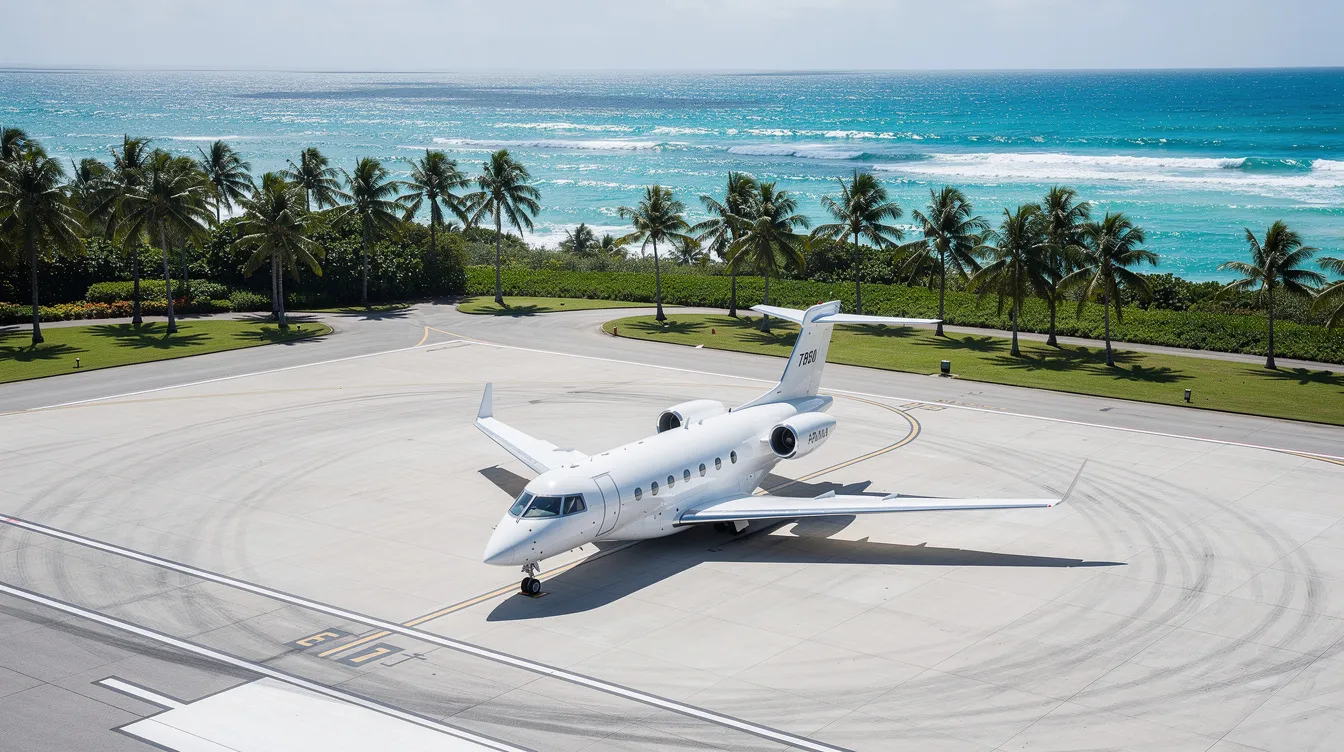
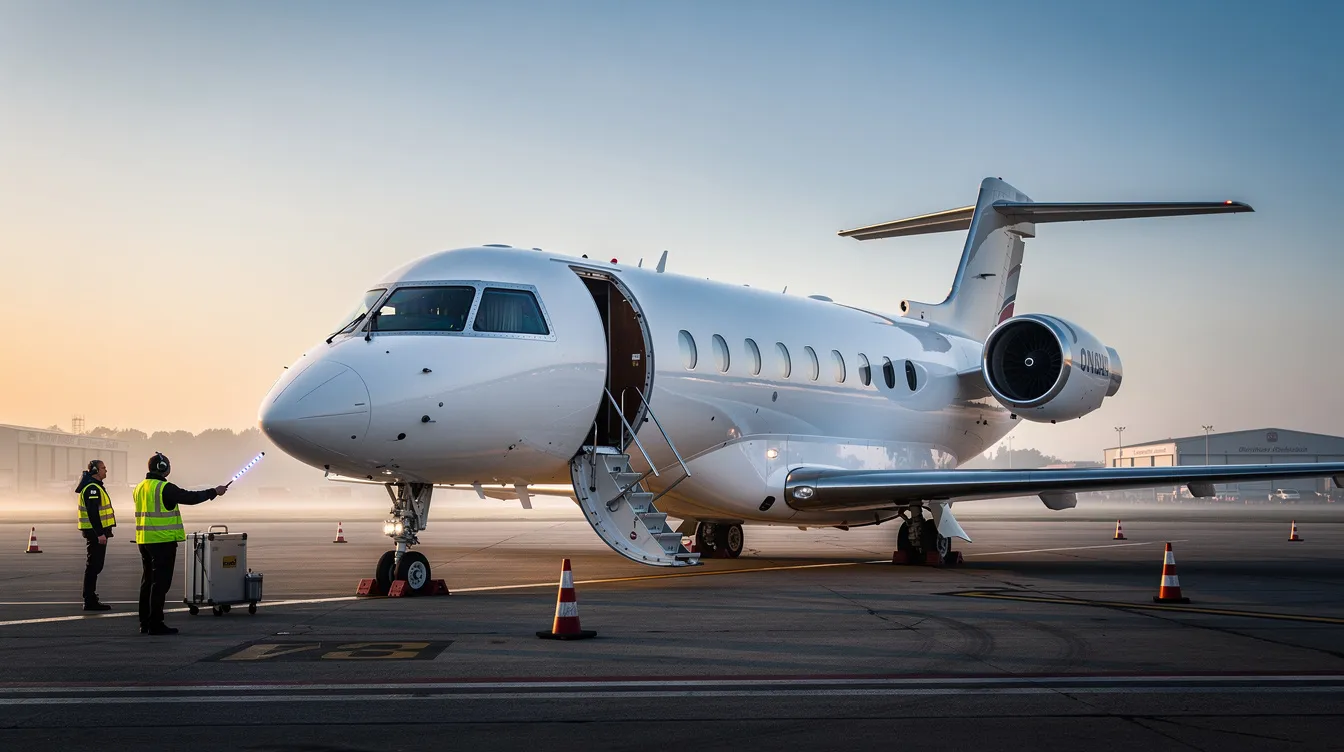
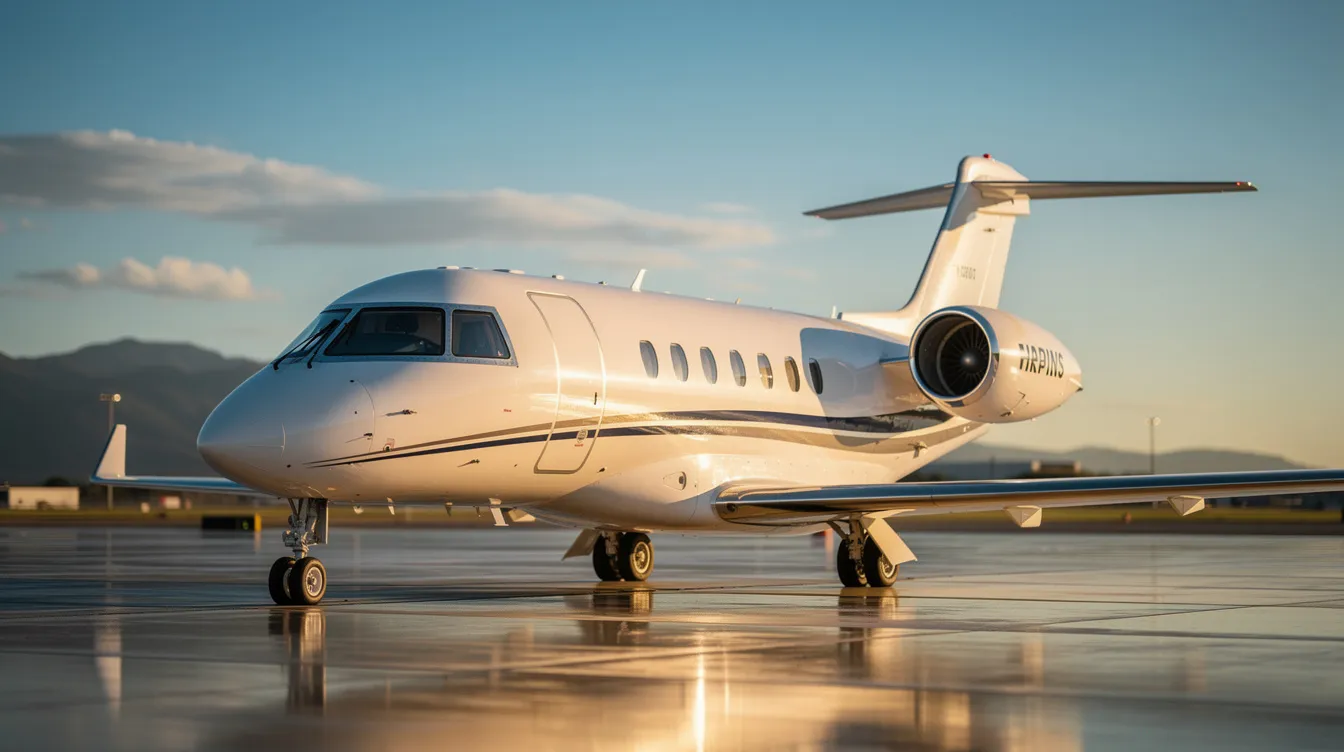
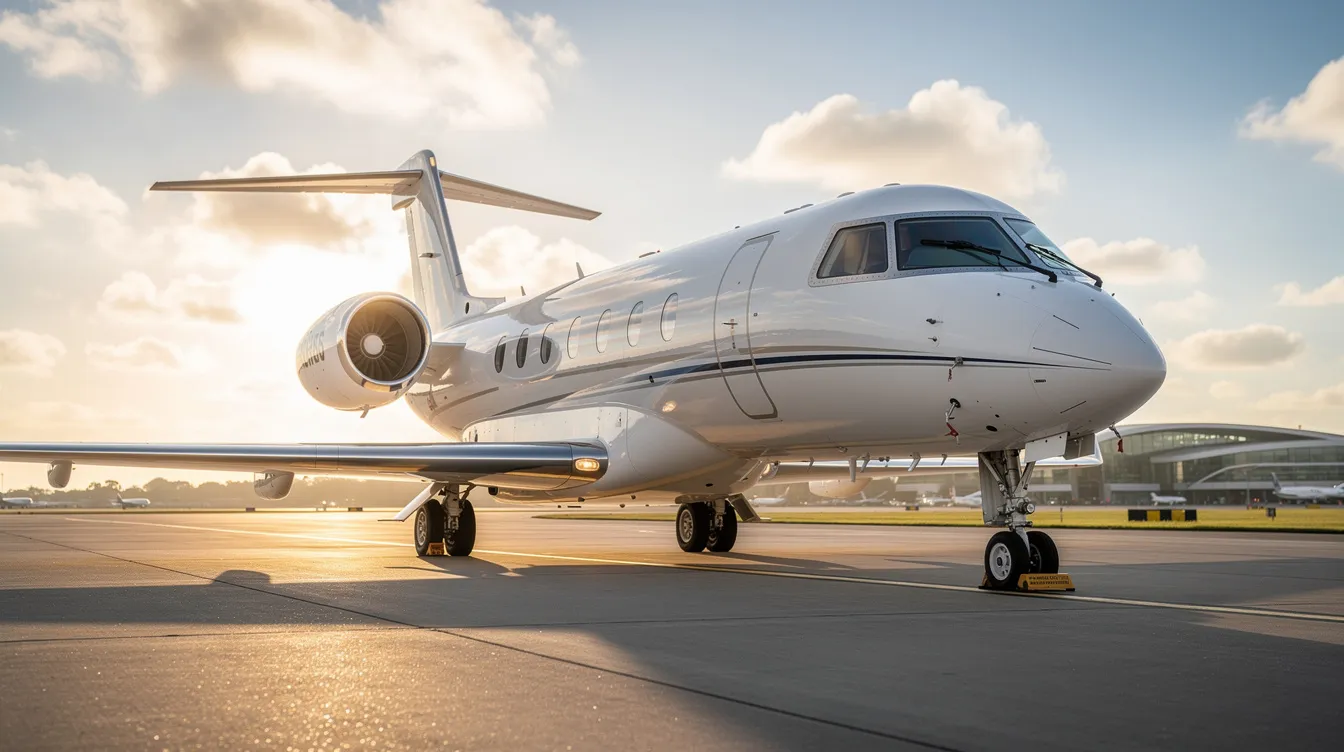
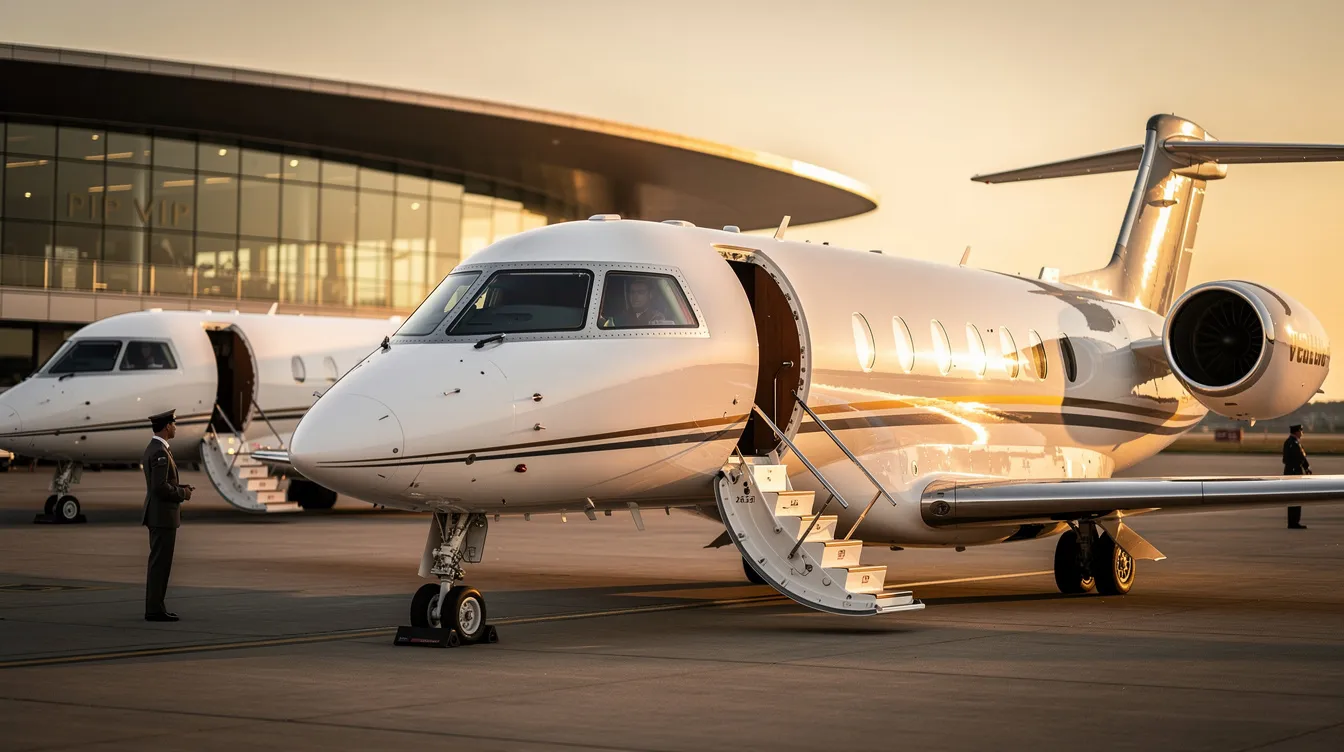
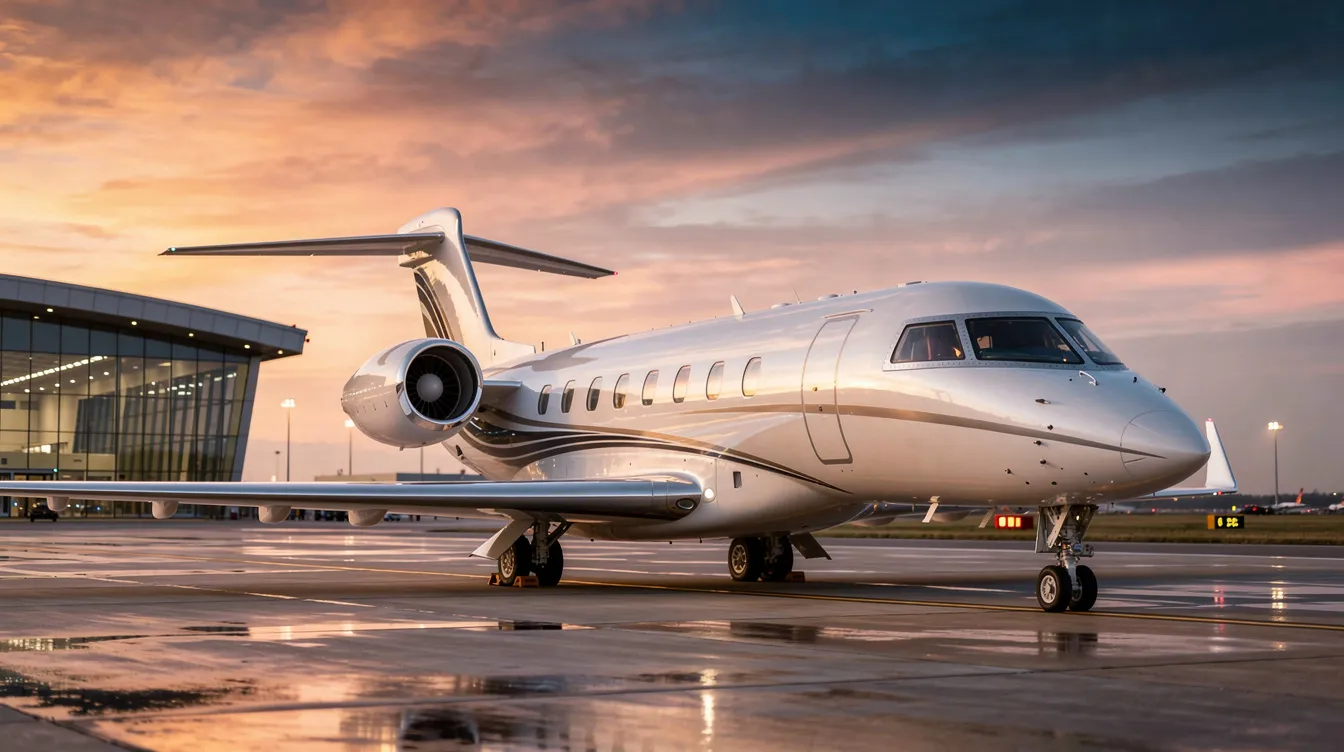
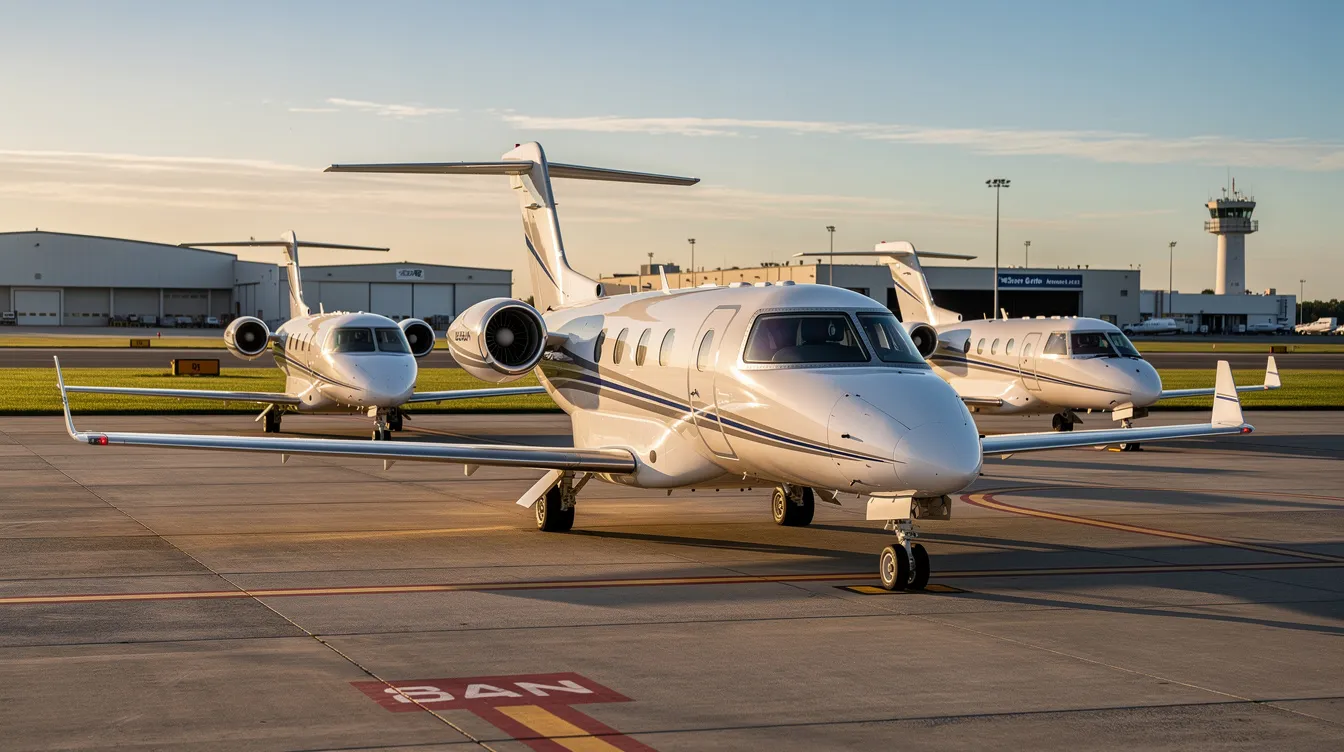
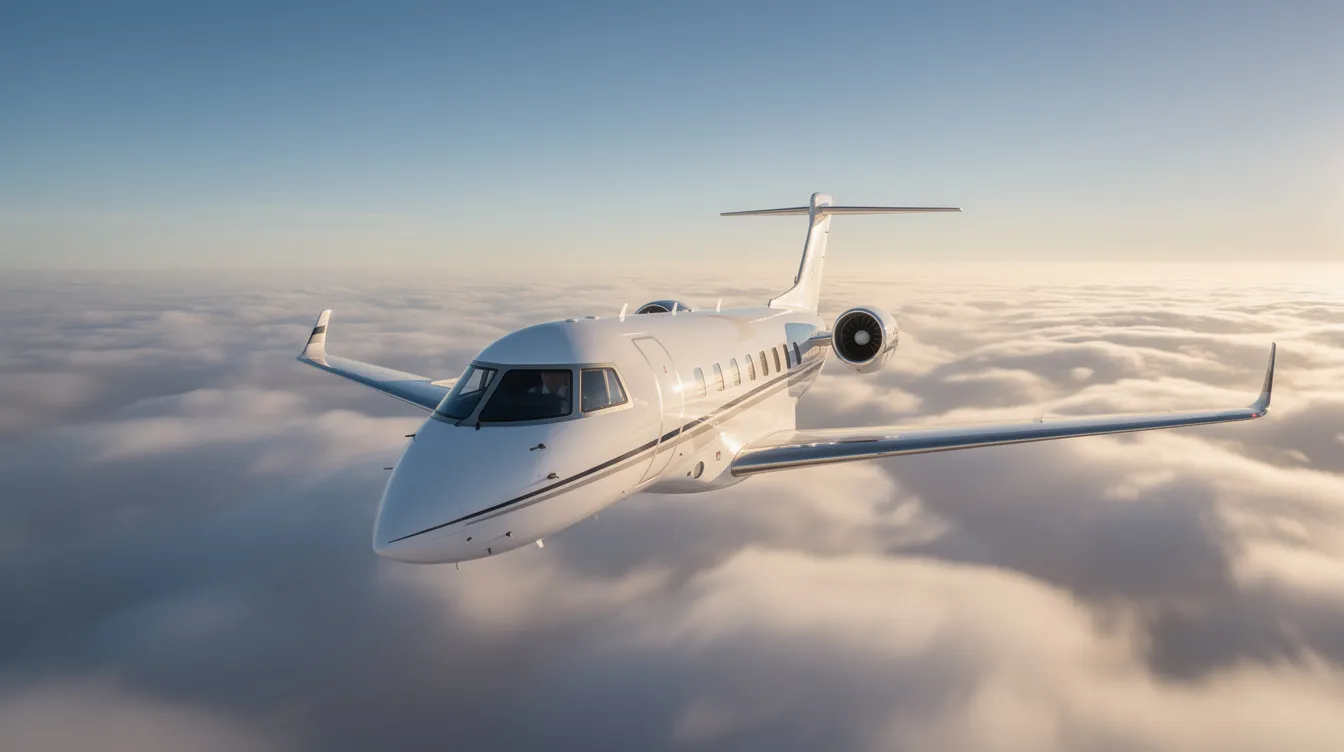
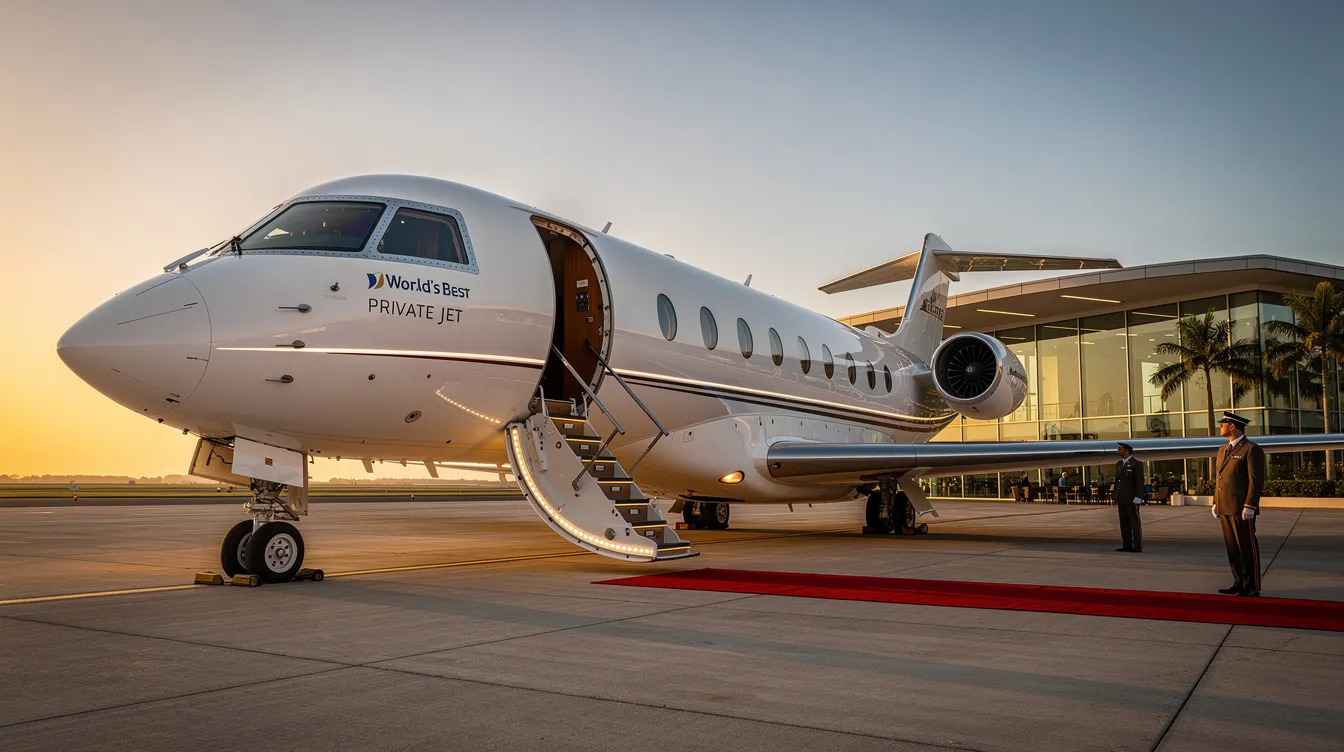
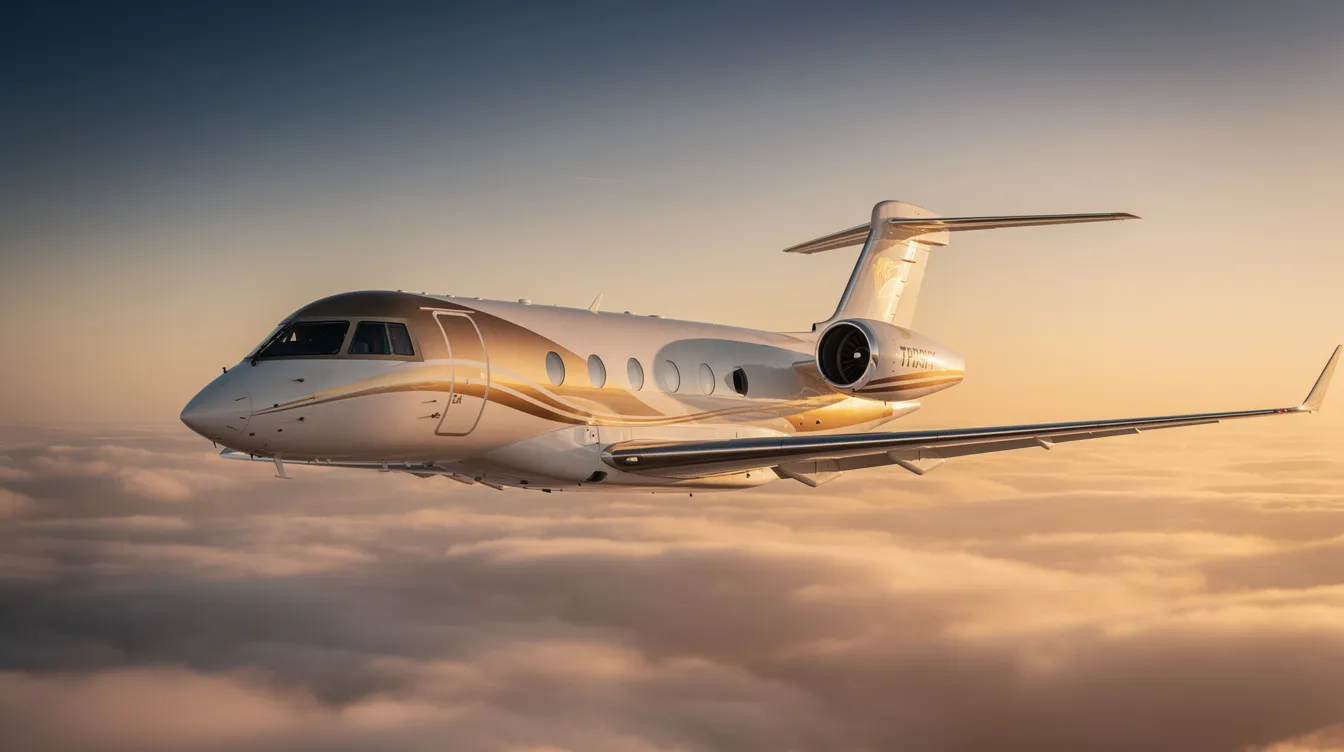
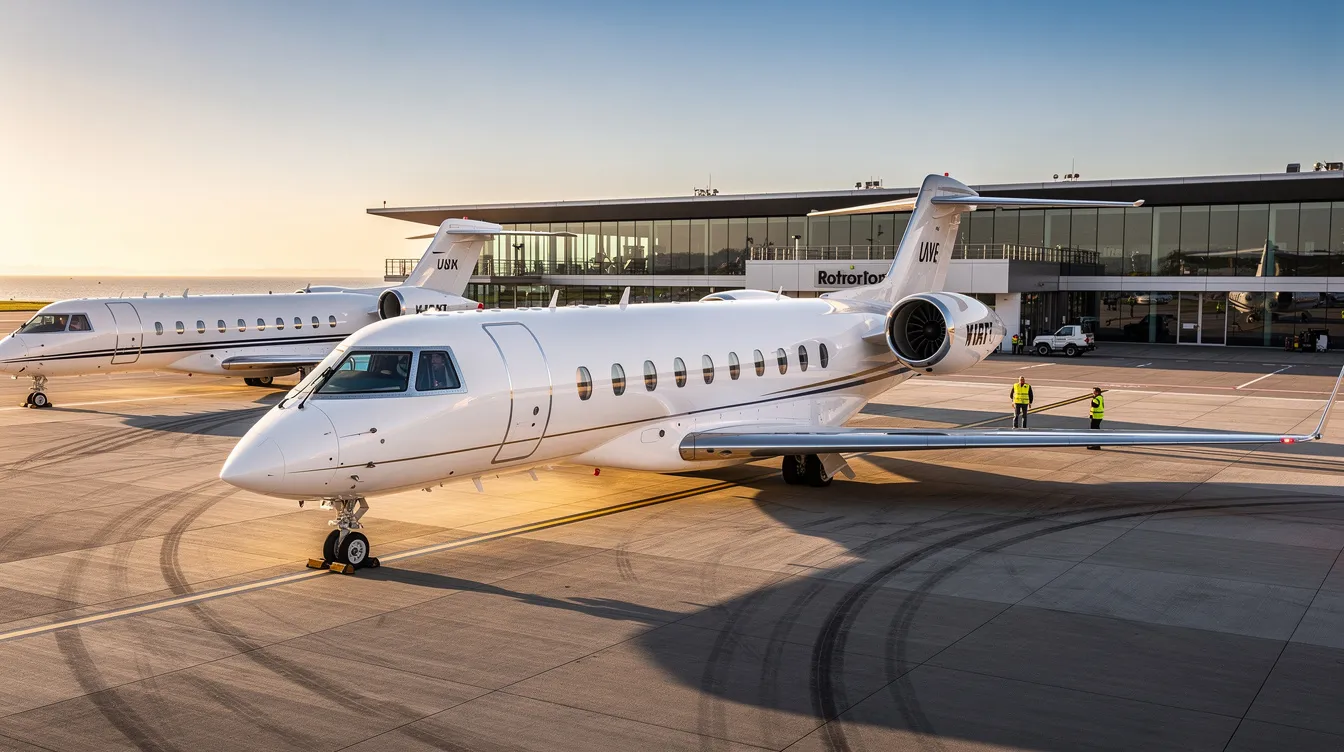
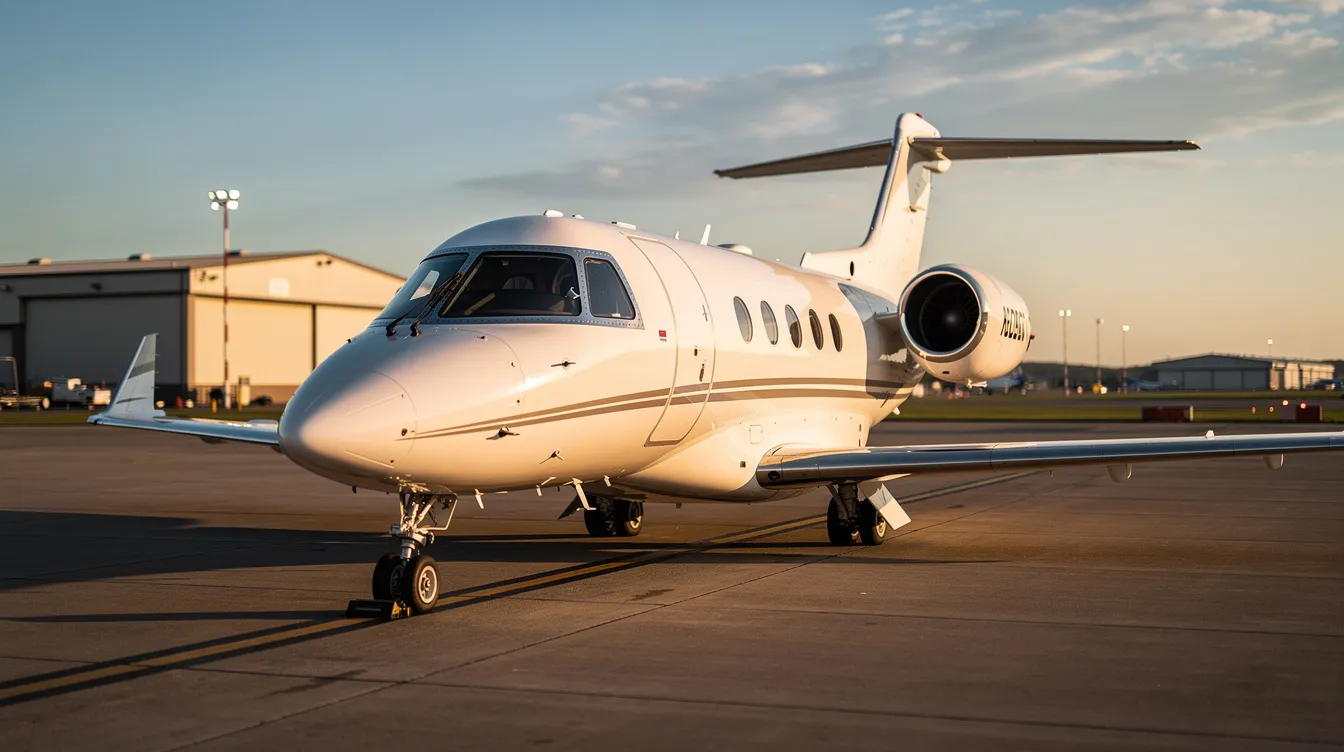
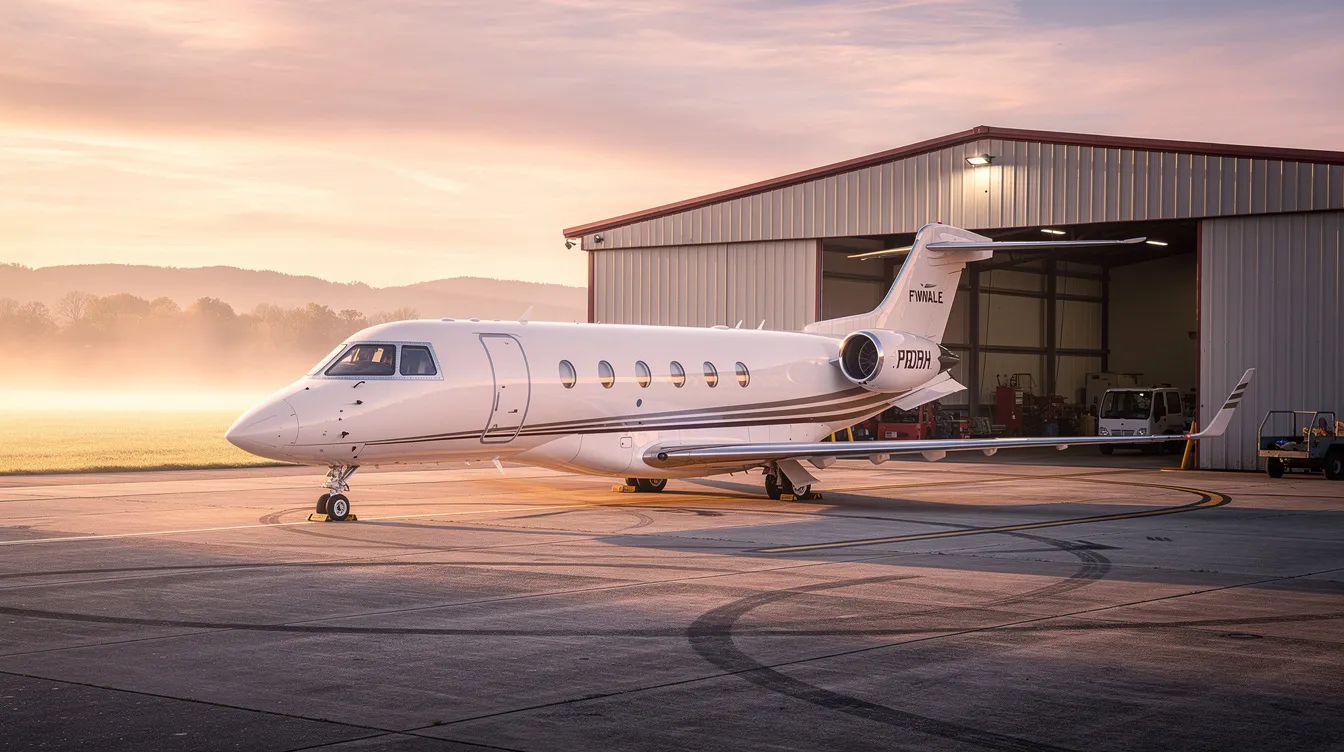
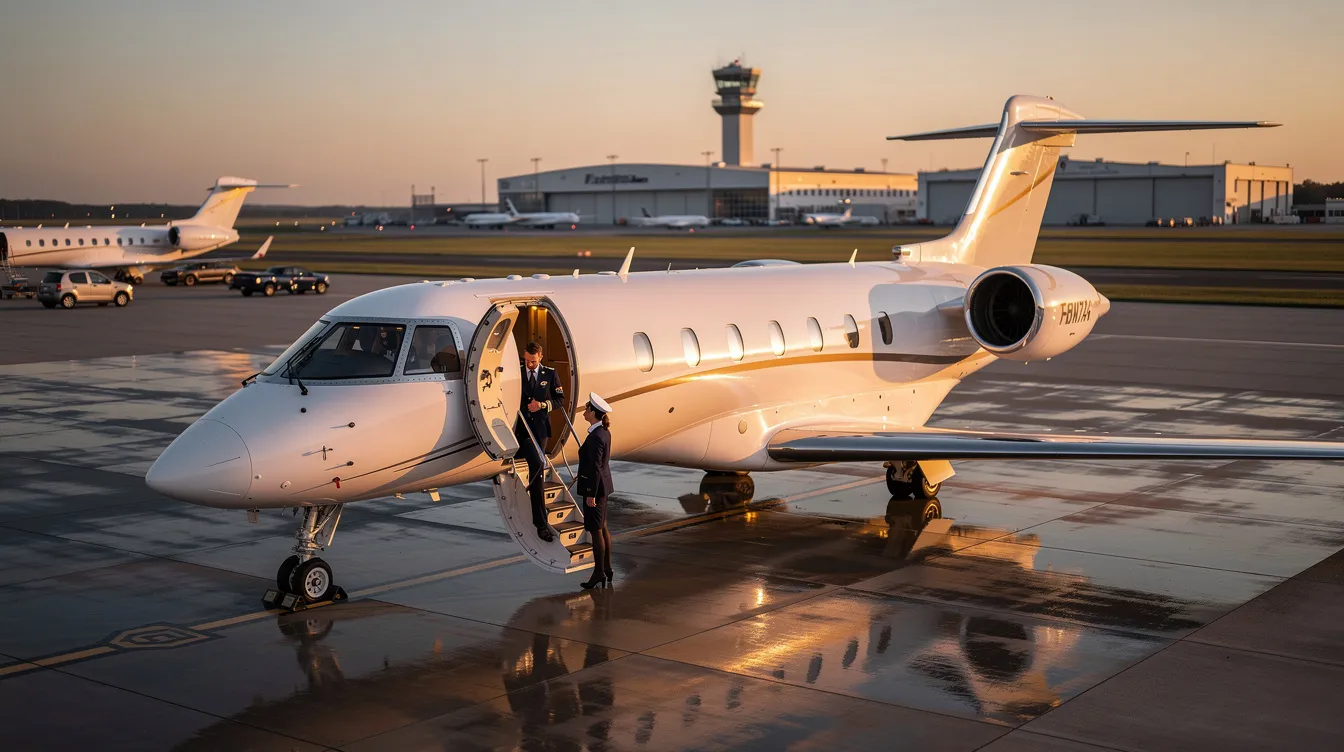
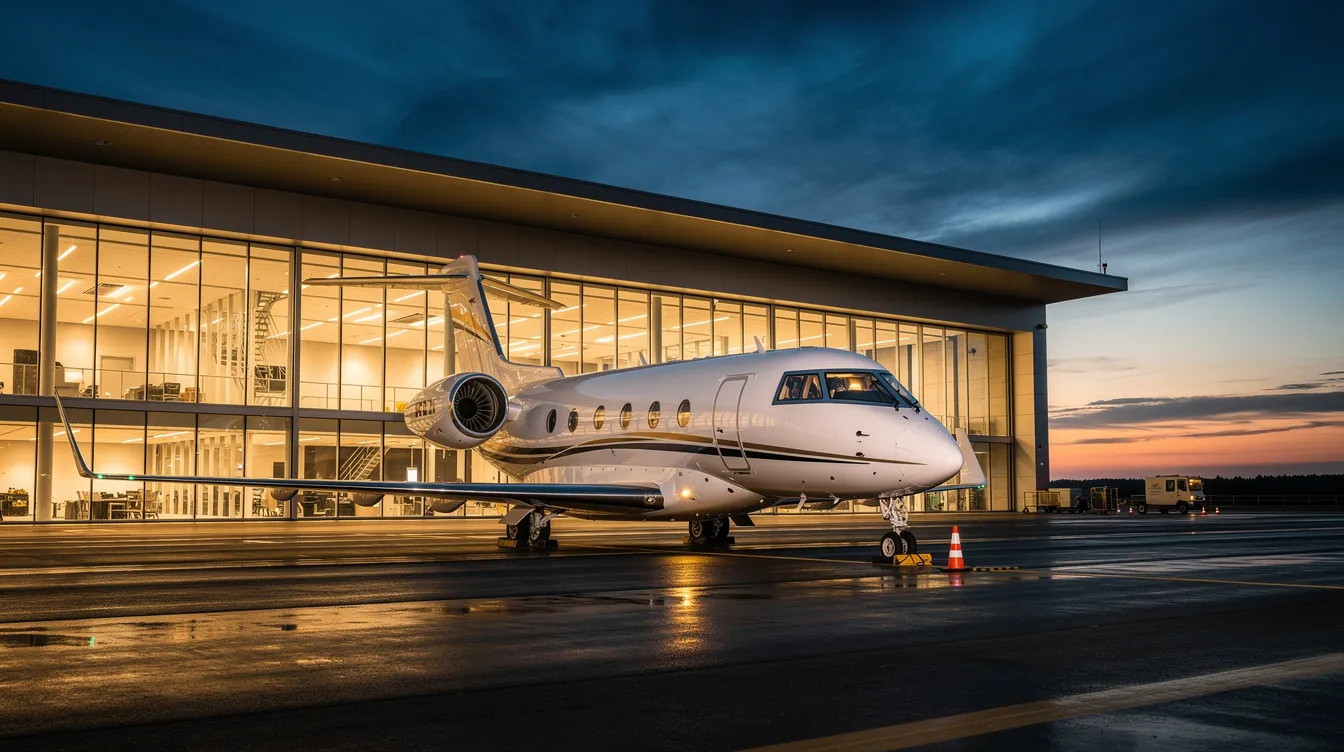
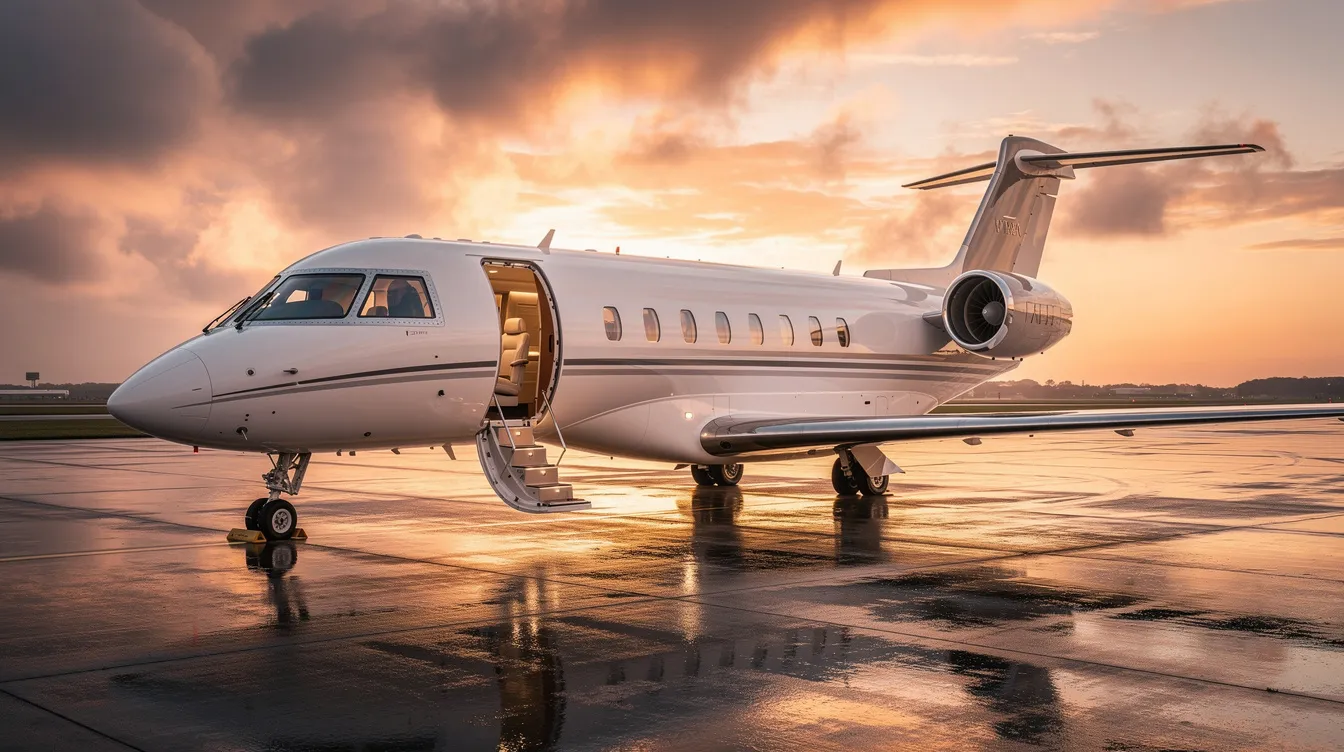
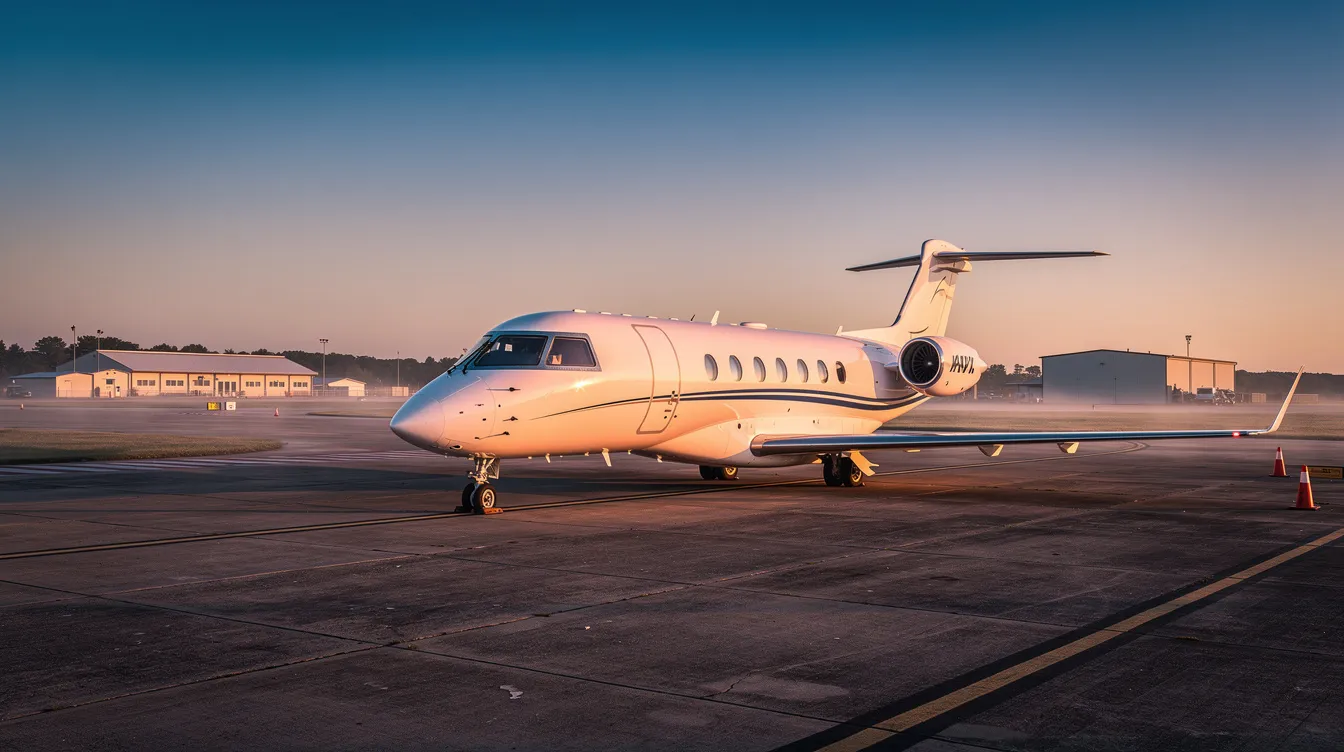
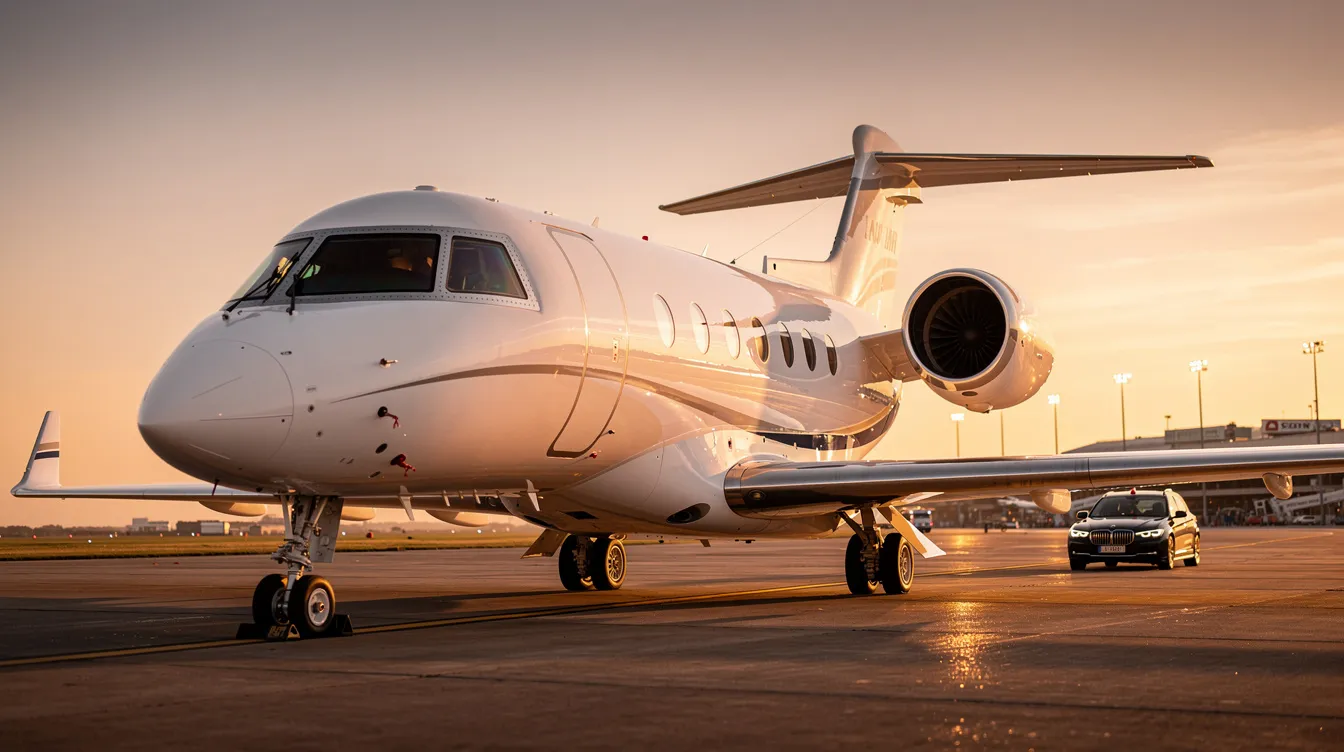
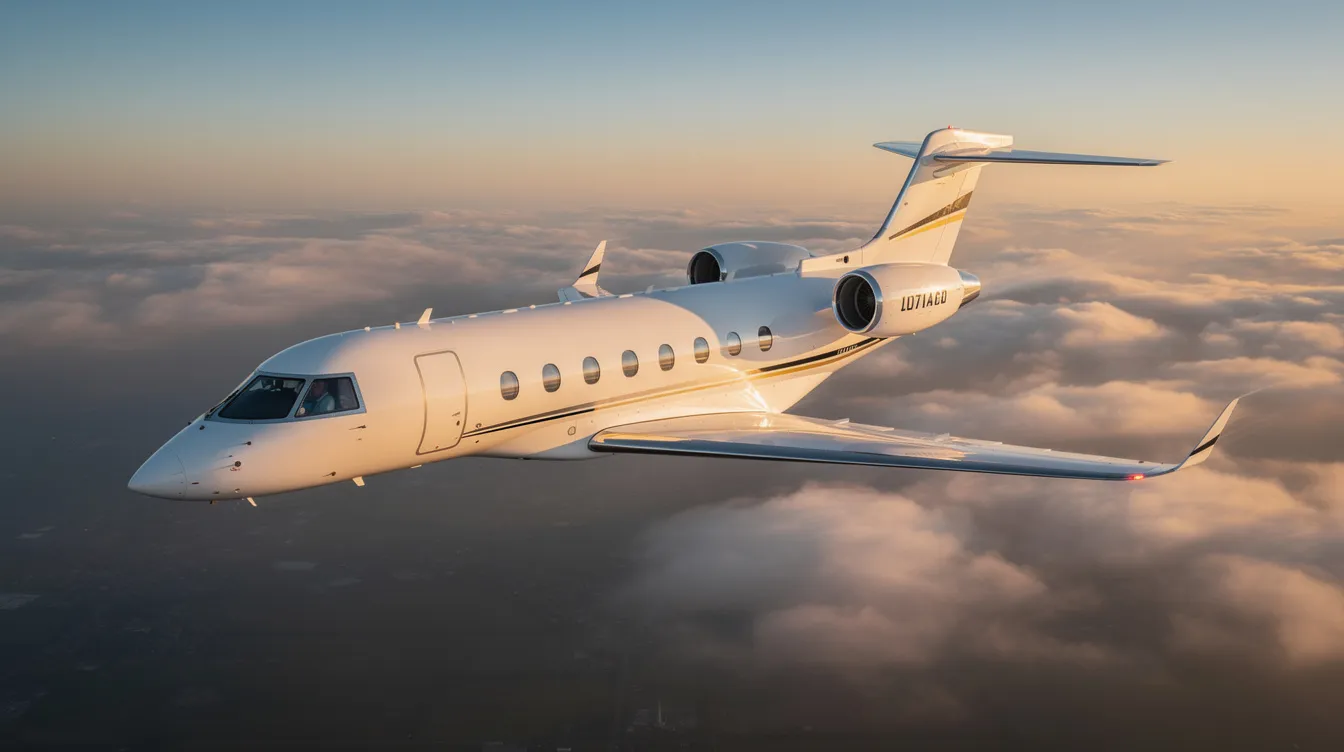
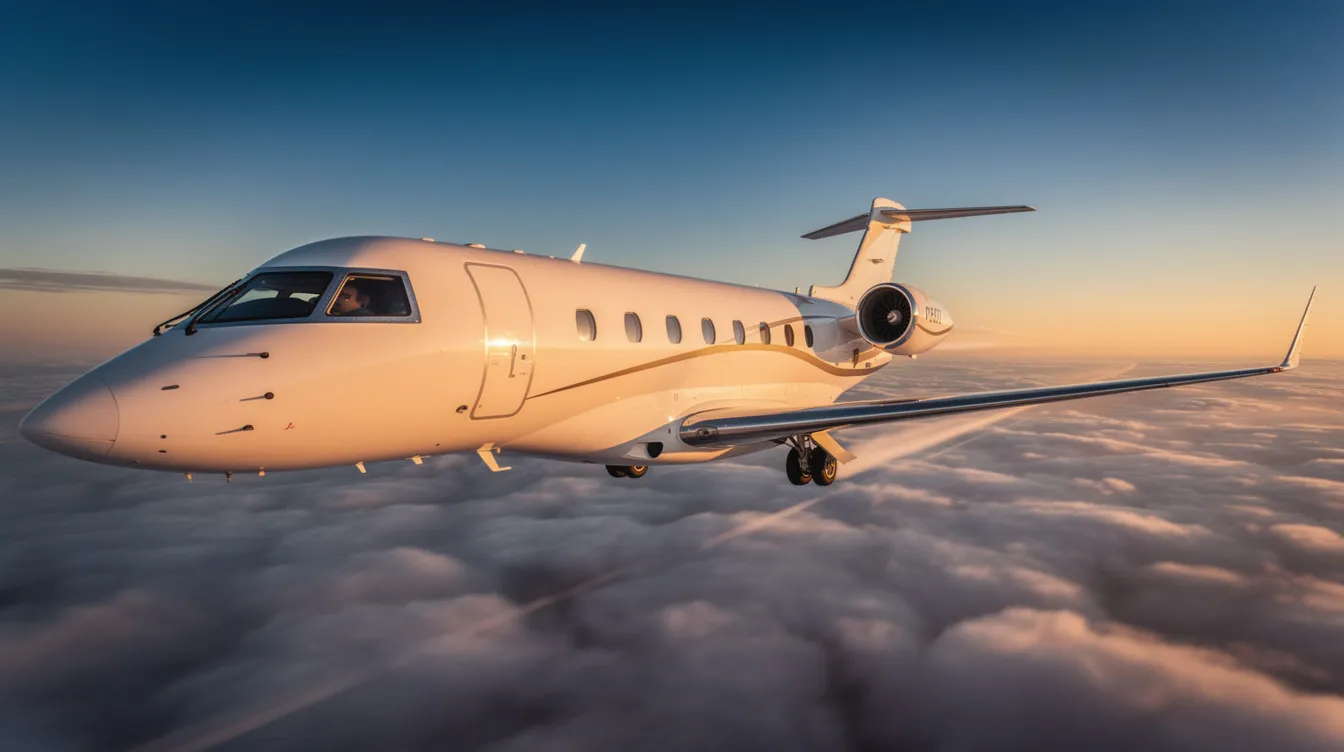
Large-cabin business jets can function as flexible transport planes for leadership teams, technical crew, and high-value equipment—often complementing a pure cargo fleet. These aircraft are widely available for sale in 2024–2026 and offer significant baggage volume alongside passengers.

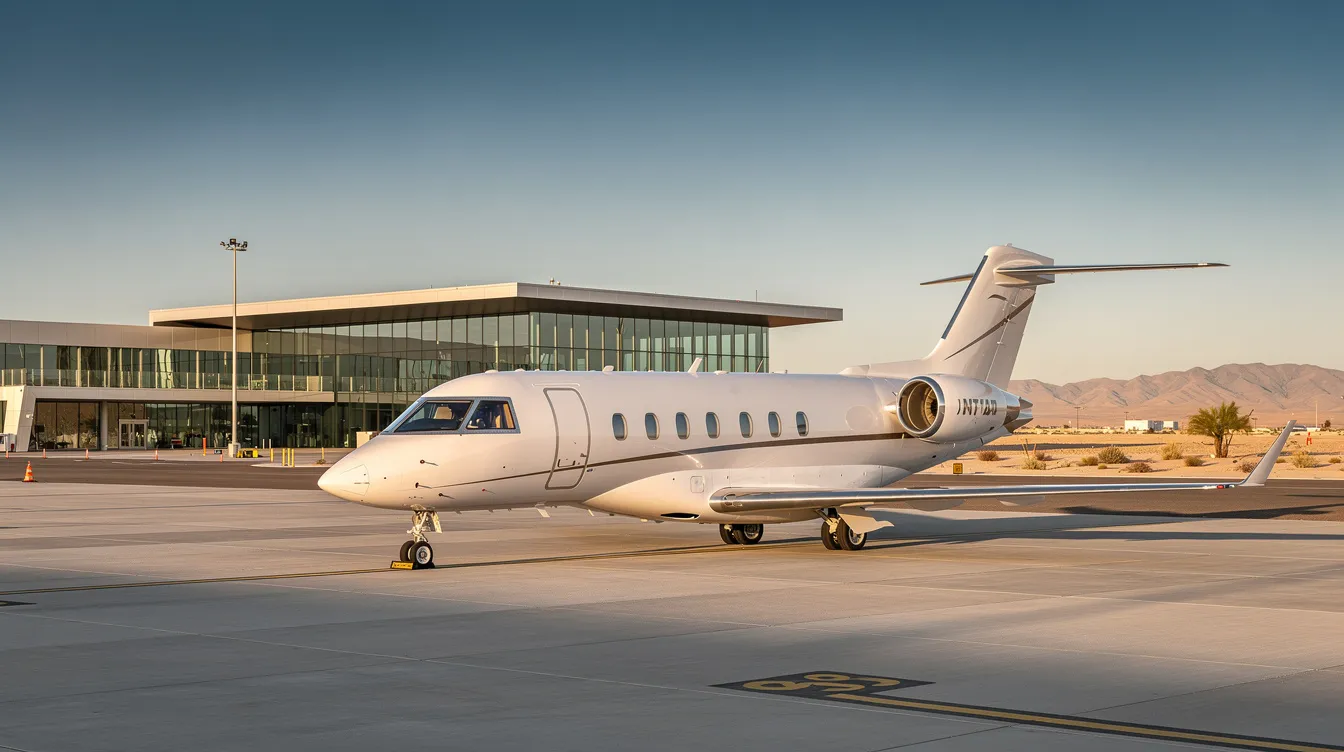
Examples include the Dassault Falcon 2000LX, Bombardier Challenger 604/650, Global Express/Global 6000, Embraer Legacy 600, and Gulfstream IVSP. Typical configurations seat 10–16 passengers with 200+ ft³ of baggage volume on select models. Modern avionics—HUD, Synthetic Vision, WAAS/LPV—and connectivity systems (Starlink, KU-band, SwiftBroadband) enhance operational capability for flying into challenging environments.

Maintenance programs like ESP Gold, MSP Gold, and CorporateCare stabilize operating costs and add measurable resale value. This class of aircraft fits well in fleet strategies involving regular executive shuttles, urgent technical missions, medevac-capable layouts, or government VIP transport roles. BusinessJets.com specializes in sourcing, appraising, and selling these business jets and can advise on complementing dedicated cargo planes with high-capacity passenger transport aircraft.

Technical Due Diligence When Evaluating Transport Planes for Sale

Thorough technical due diligence often makes a larger financial impact than negotiating an extra 2–3% off the asking price. Aircraft typically require a thorough pre-buy inspection, and transport plane availability is influenced by airframe hours, cycles, and maintenance records.

Key areas to examine:

  • Airframe metrics - Total time, total cycles, time since last heavy check (C check, D-check/192-month inspection), landing gear condition and cycle limits, structural corrosion status

  • Documentation - Completeness of maintenance records, life-limited parts tracking, AD/SB status, cargo conversion documentation, modifications such as hush kits or avionics upgrades (ADS-B Out, FANS 1/A+, TCAS II)

  • Engines and APU - Remaining time to overhaul, enrollment in programs (JSSI, ESP, MSP), and impact on both acquisition price and long-term cost per hour

  • Mission matching - Aircraft must match payload capacity and volume to operational requirements; align at least 80–90% of intended missions to avoid overbuying capacity or operating an inefficient profile

  • Airport compatibility - Airport compatibility assessments are necessary for ensuring runway suitability, especially when transporting heavy or oversized cargo into secondary fields

When inspecting older aircraft, verify that landing gear, good engine life remaining, and EASA-approved modifications are properly documented. Freighter aircraft must also consider mission profile, airfield compatibility, and total cost of ownership before any purchase commitment. BusinessJets.com coordinates independent pre-buys, on-site surveys, and formal aircraft appraisals so buyers have a data-driven view of value and risk.

Maintenance, Supportability & Operating Economics

Acquisition of a cargo aircraft or transport jet is only 30–40% of the story. Total cost of ownership considers purchase price, fuel burn, and maintenance costs over the aircraft's remaining economic life. The transport aircraft market includes ground handling and operating cost considerations that vary dramatically by region and airplane type.

  • C-checks are required every 18–24 months, costing $1M–$2M on older cargo jets; extensive corrosion control on 1960s–1980s airframes adds further expense

  • Older aircraft may have higher operating costs due to maintenance, and maintenance includes routine inspections and avionics upgrades to remain compliant

  • Support networks matter: OEM parts availability for Boeing, Airbus, Lockheed Martin, Embraer, and legacy McDonnell Douglas types varies; quality MROs span North America, Europe, the Middle East, Asia, and Africa

  • Maintenance programs can add a 15–25% value premium by de-risking major events through PBH arrangements for engines, APUs, and avionics

  • Operators flying in South America, Africa, or Central Asia must plan for spares, tooling, and qualified technicians to sustain high-dispatch reliability on cargo planes, accounting for the costs of loading and unloading in each operating environment

BusinessJets.com helps operators model total cost of ownership to compare aircraft-for-sale options objectively.

Financing, Leasing & Transaction Strategy for Cargo Aircraft

The main capital access routes for transport aircraft include direct purchase, finance leases, operating leases, and sale-leaseback structures. Financing options for transport planes include leasing solutions that provide significant flexibility. Financing solutions help acquire aircraft without significant capital outlay, which matters when acquisition costs for cargo planes range from sub-$1M to $15M.

Leasing programs allow flexibility to scale cargo fleets, particularly for operators responding to e-commerce demand surges or ACMI contract opportunities. Typical lender requirements include detailed appraisal, verified maintenance status, and operator credit profile—especially critical for older cargo planes and high-cycle airframes.

Key negotiation points include delivery condition (fresh C check, new conversion, avionics compliance), inclusion of spare engines or parts, redelivery conditions, and usage restrictions. BusinessJets.com supports clients by preparing acquisition strategies, running competitive processes with sellers or lessors, and validating that pricing aligns with current market comparables and demand outlook.

Digital Sourcing & Working with a Specialist Transport Aircraft Broker

By 2026, most buyers first encounter cargo aircraft and transport jets on digital platforms—but listings rarely reveal the full technical and commercial story. Filter by year, total time, cycles, payload class, cargo door configuration, and regulatory status (ADS-B Out, RVSM, Stage 4 compliance) before engaging further.

Risks of relying solely on public listings include incomplete maintenance data, non-transparent damage or conversion history, optimistic pricing, and inconsistent documentation. BusinessJets.com is a specialist brokerage and consulting partner with experience across 1,500+ transactions and 5,000+ customers, providing off-market opportunities, detailed appraisals, and structured negotiations for transport aircraft.

Contact BusinessJets.com with your mission profile, target budget, and timing so the team can curate a shortlist of cargo aircraft or transport jets, arrange inspections, and define a transaction plan tailored to your specific operational requirements.

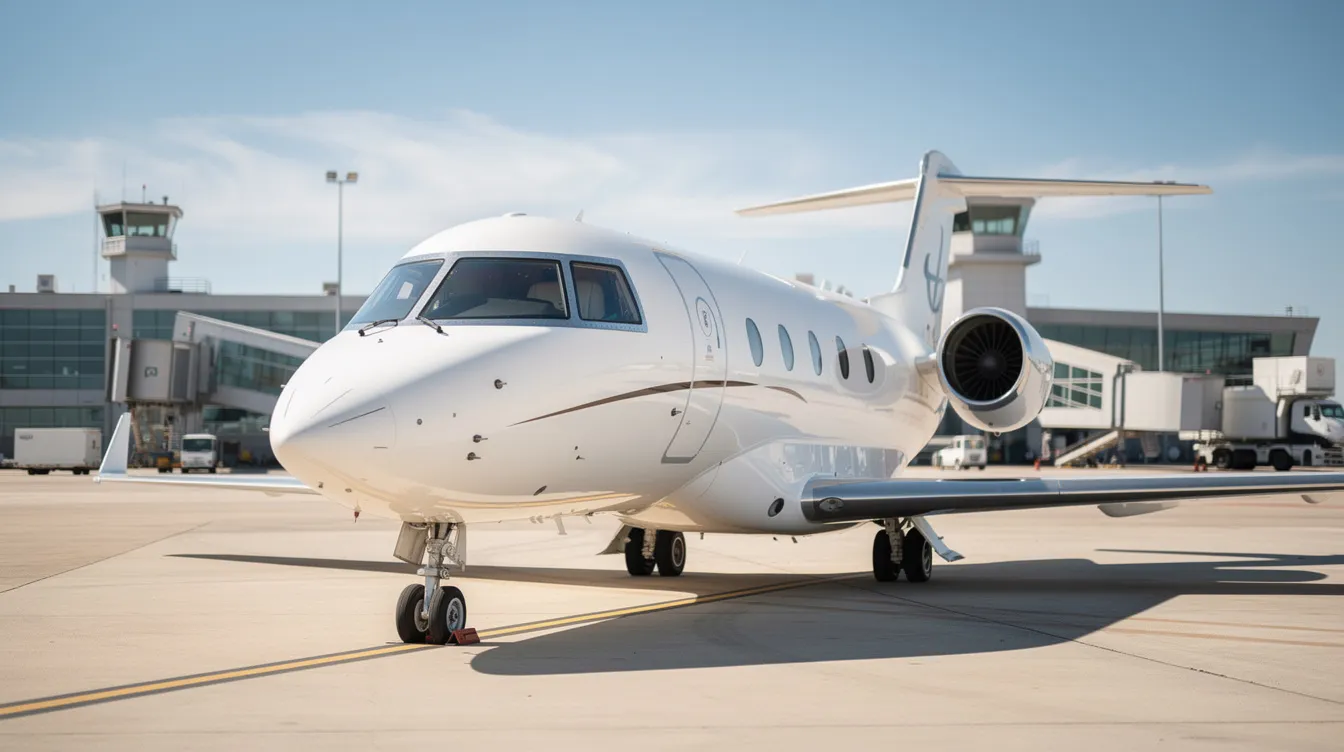
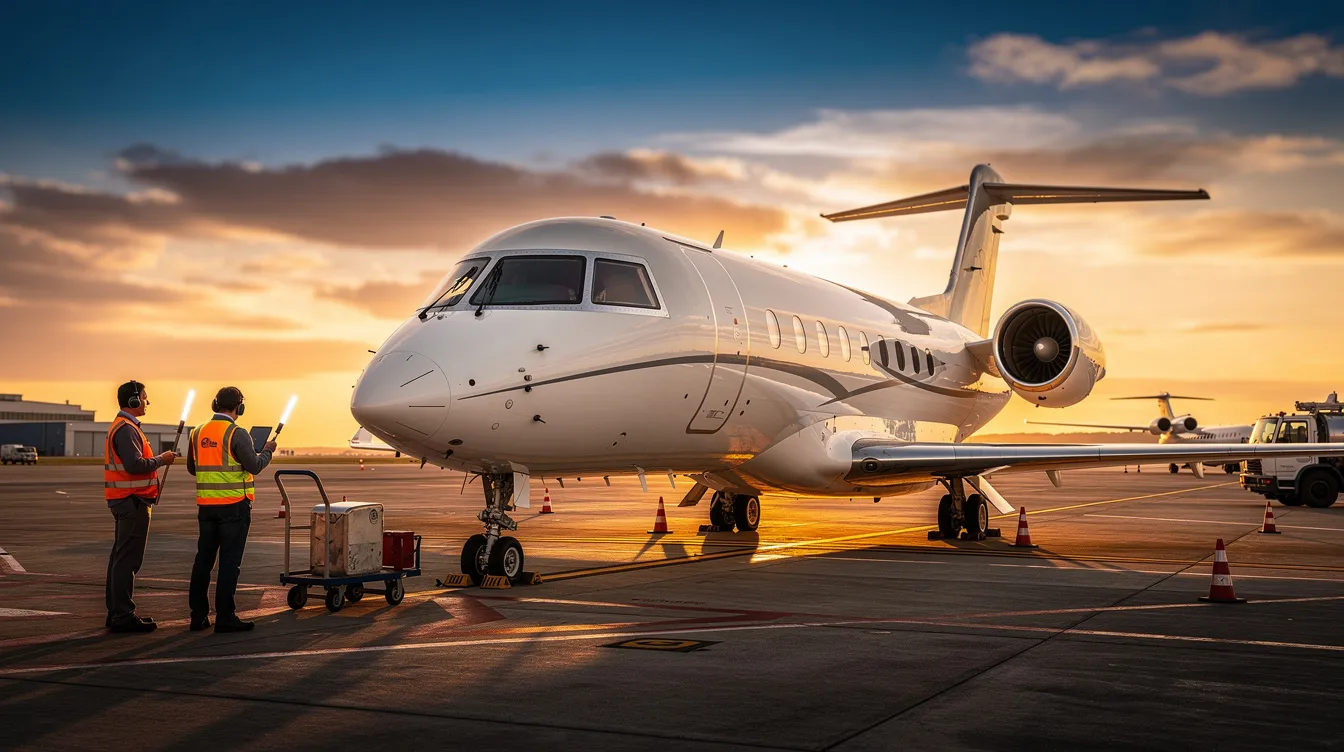
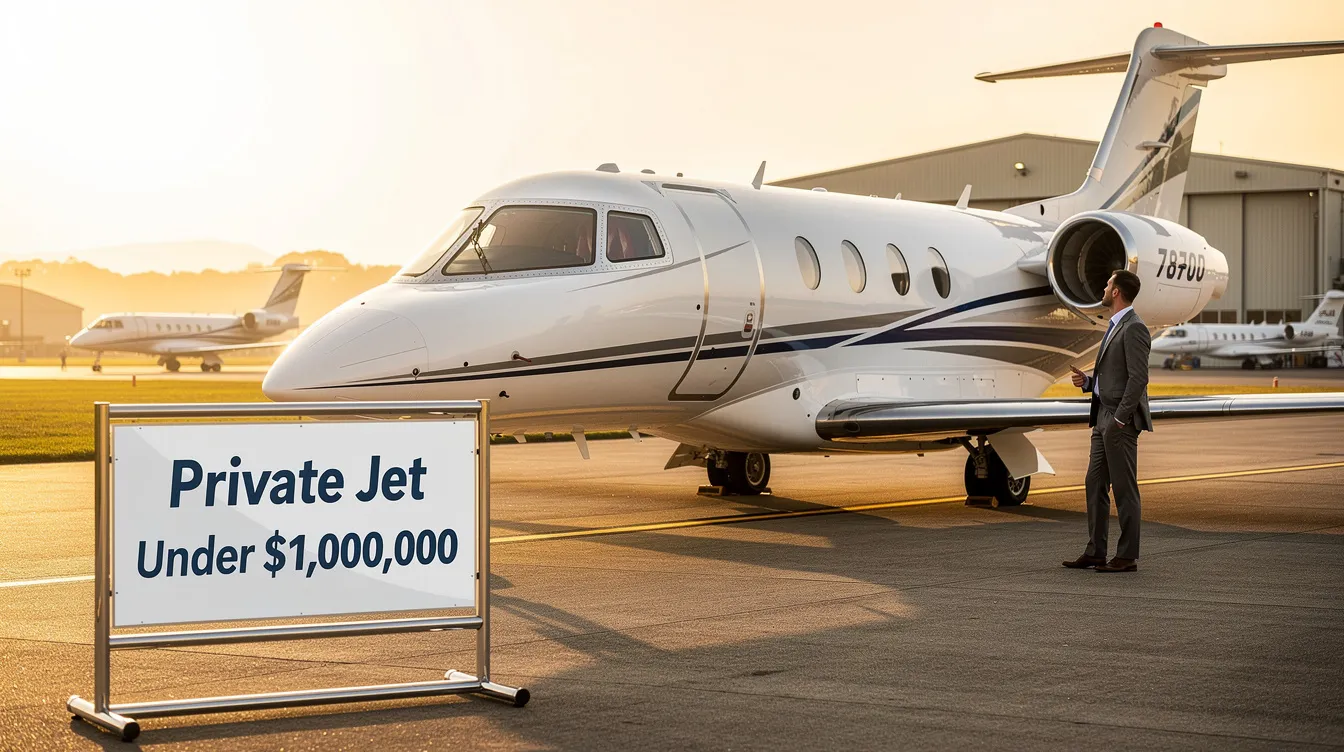
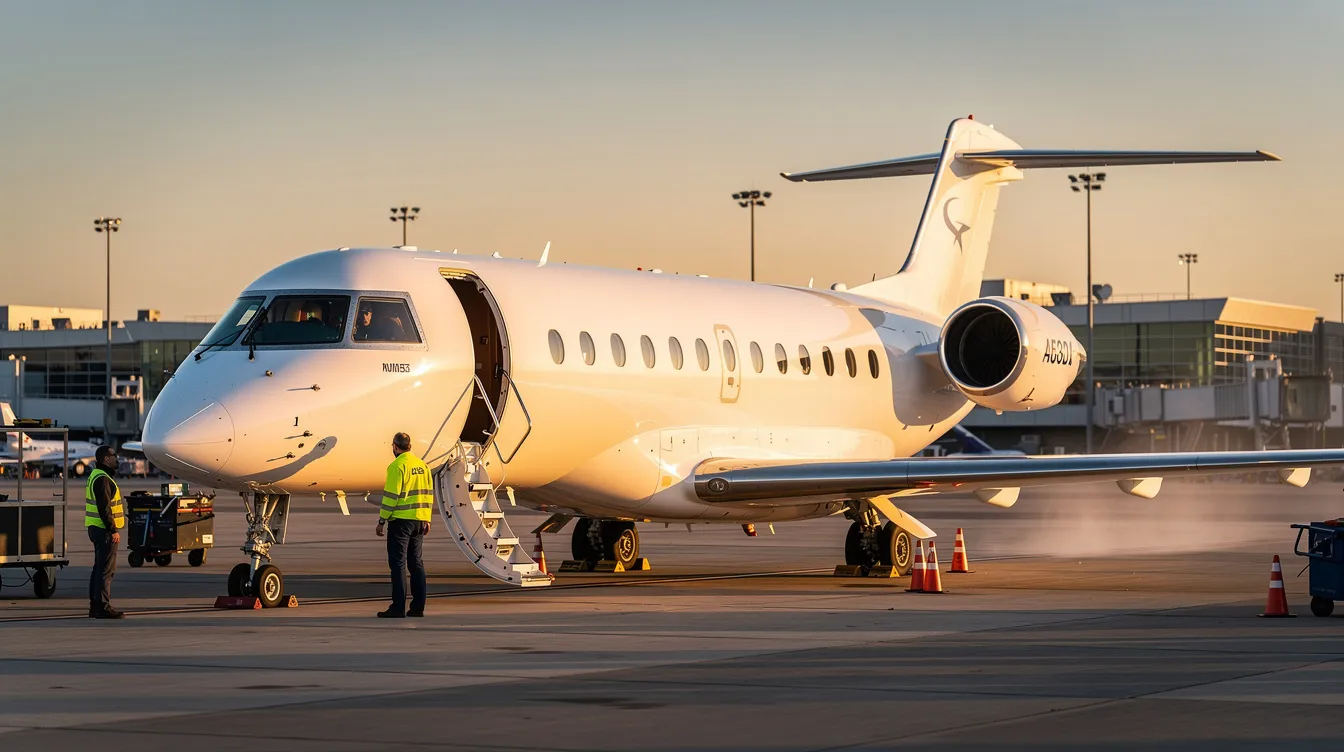
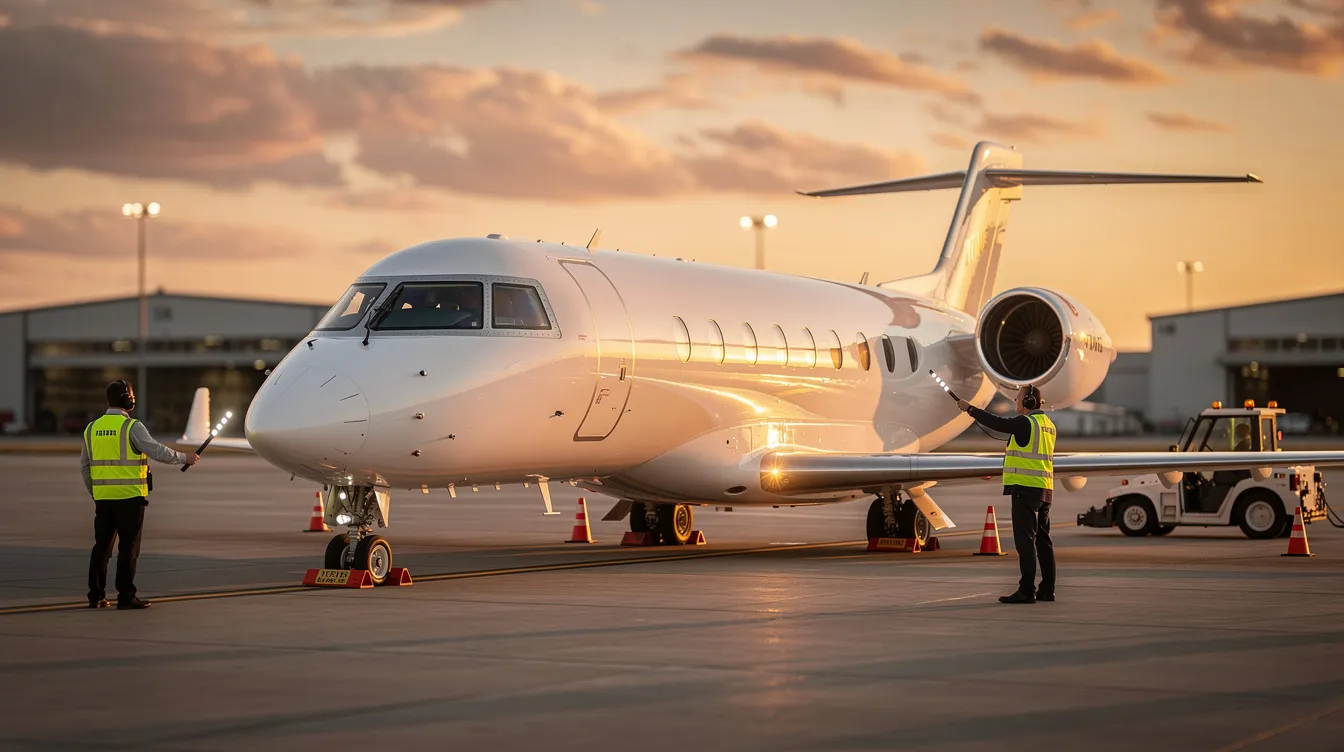
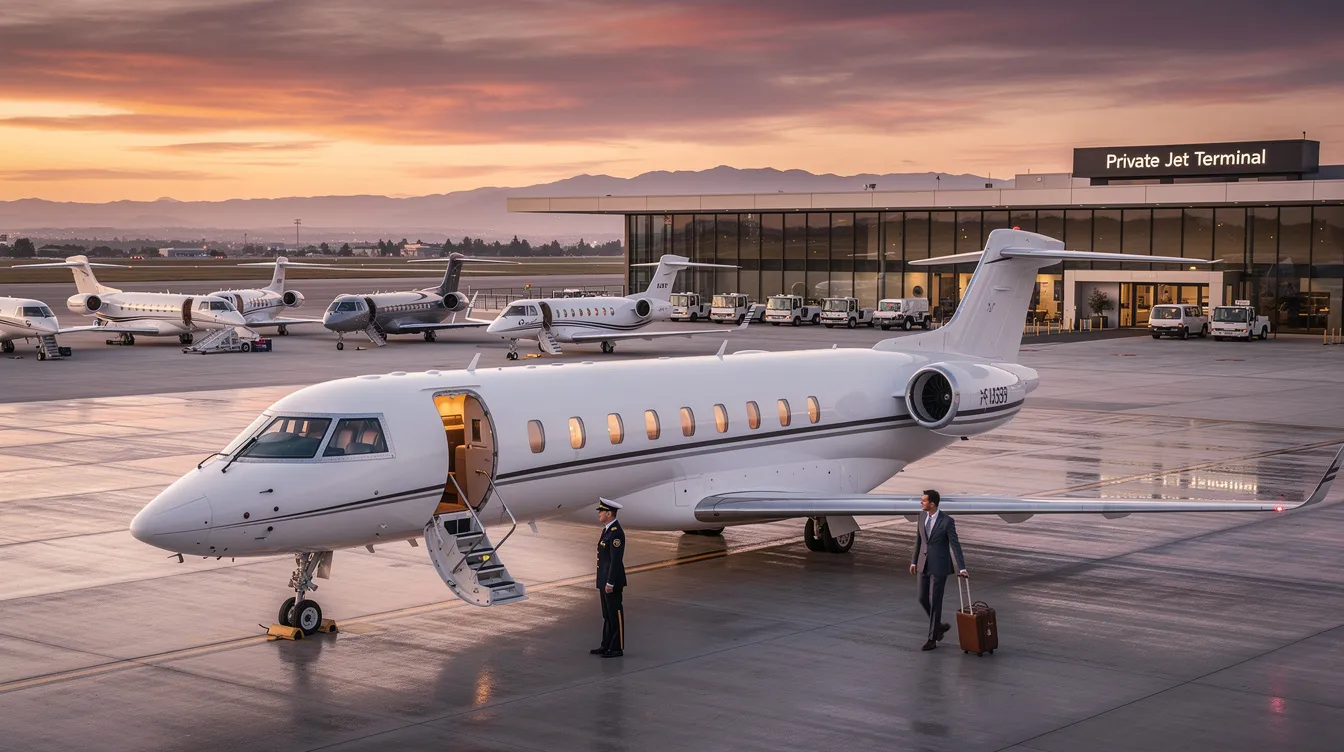
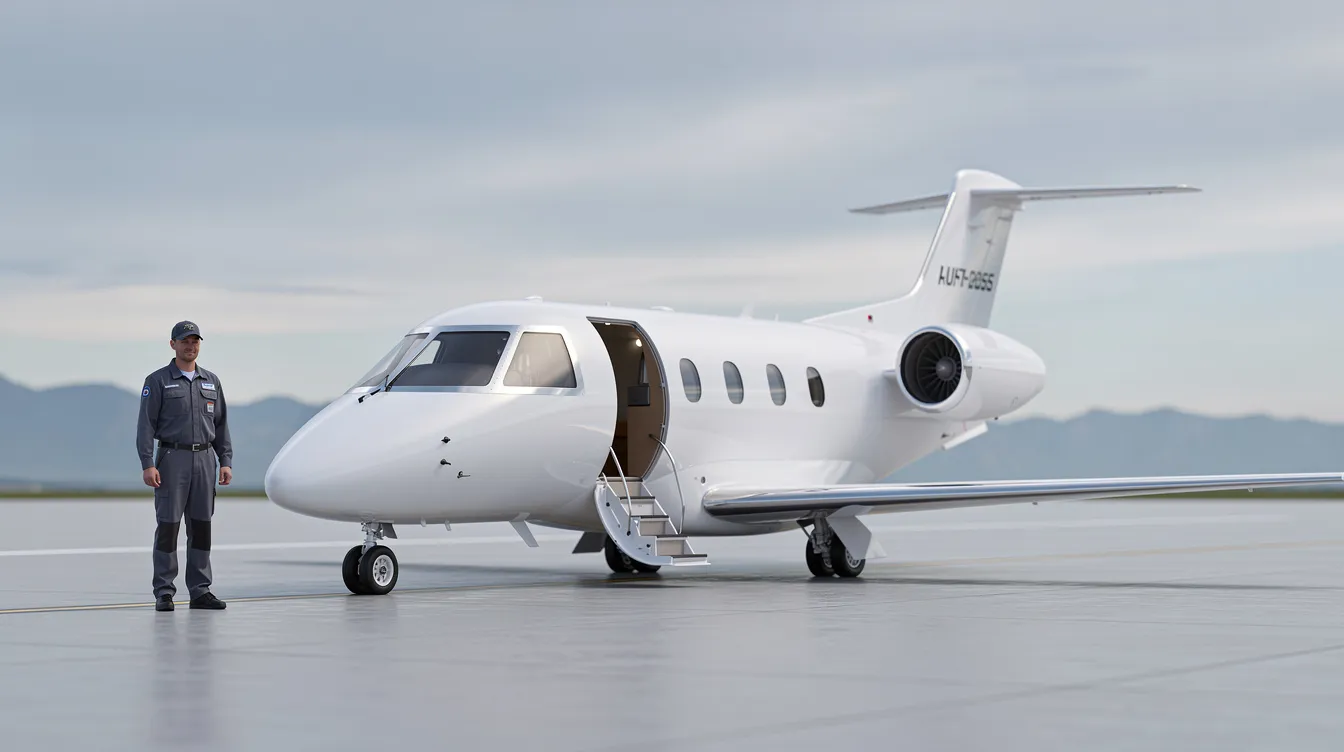
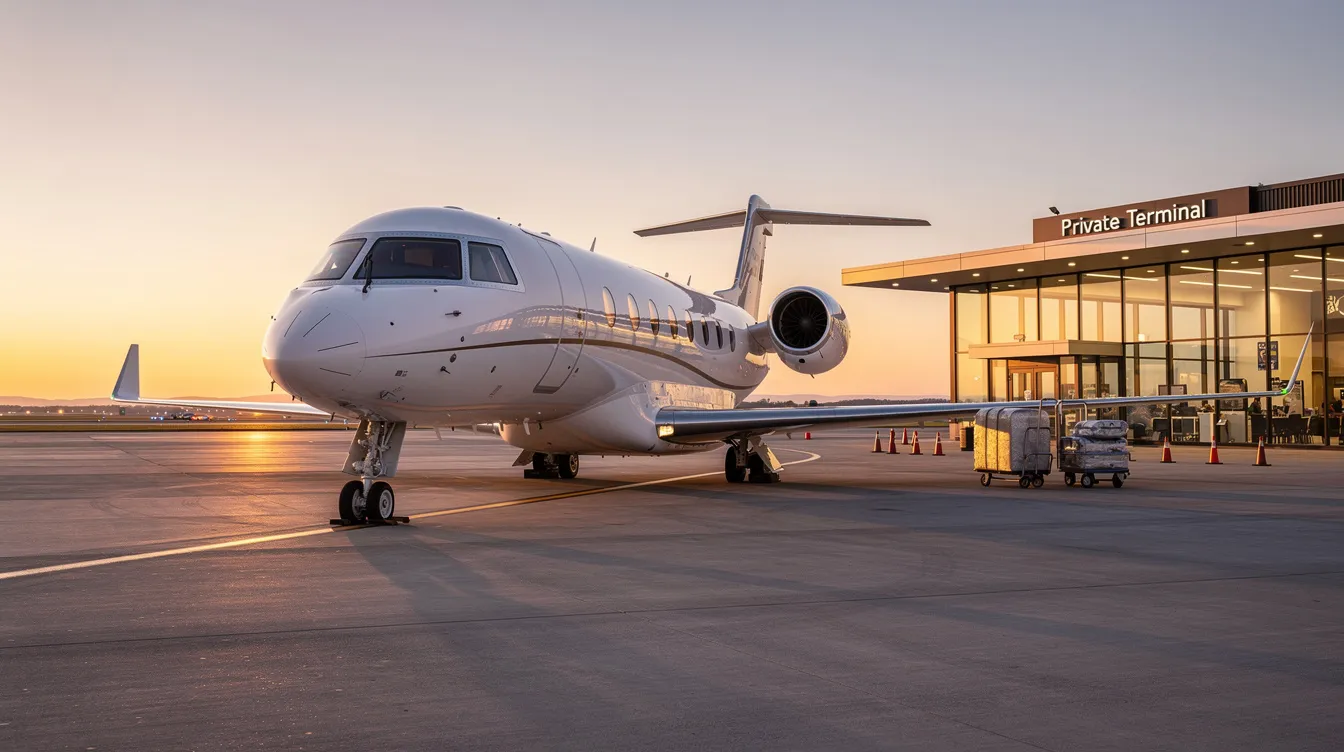
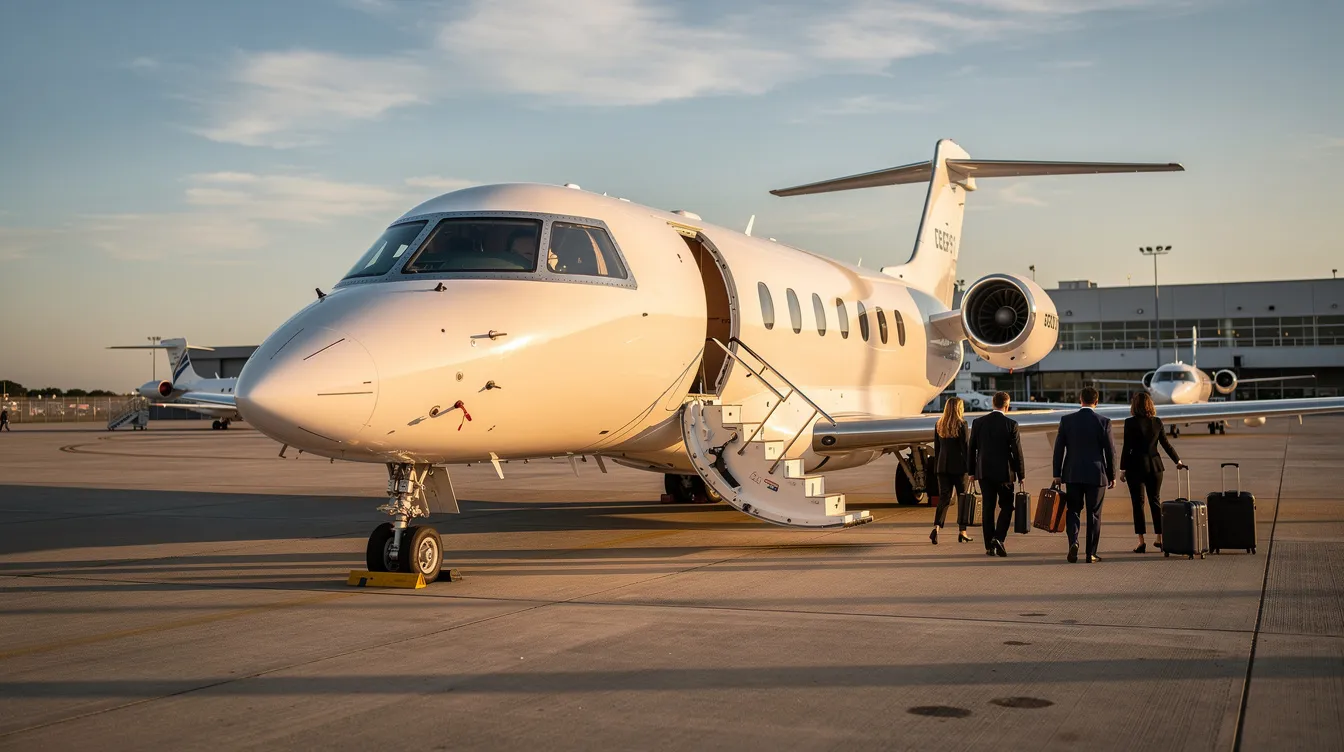
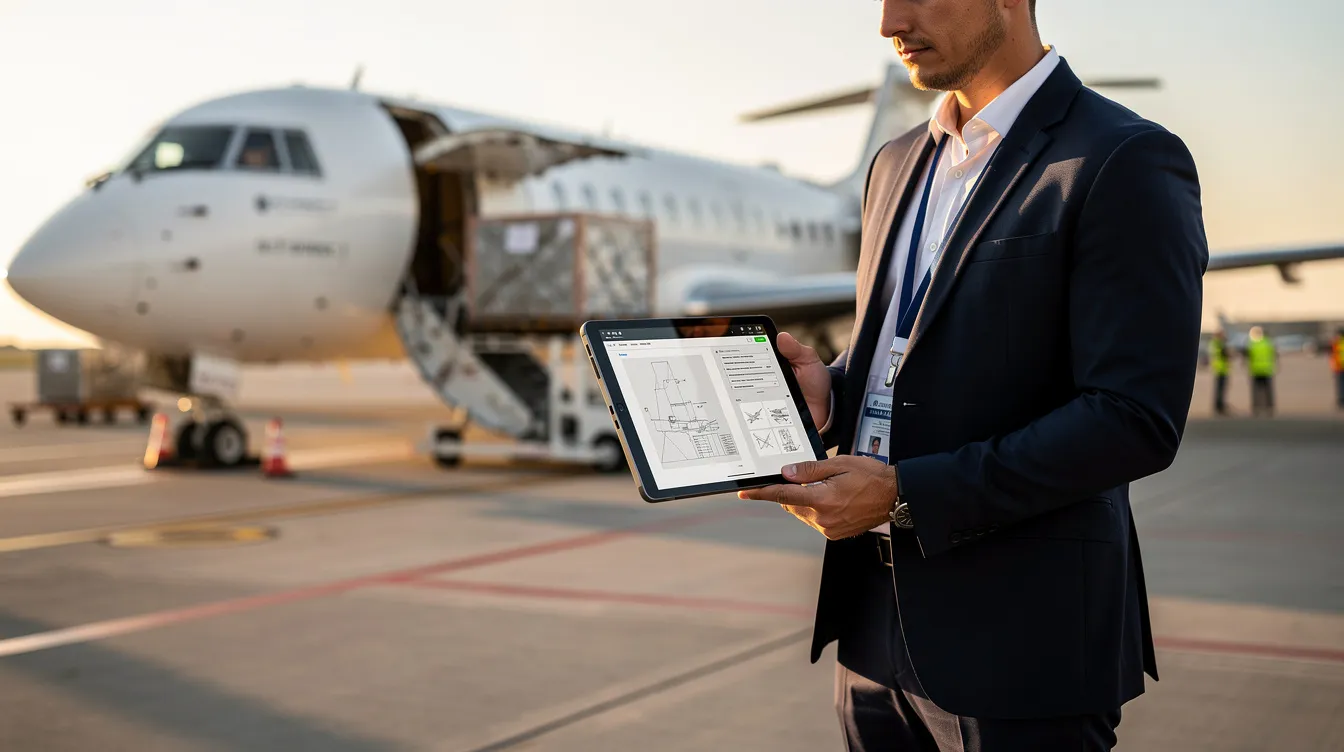
A business aviation professional is standing next to a parked cargo aircraft, reviewing important documents on a tablet. The aircraft, designed for transporting heavy loads and equipped with a cargo door, highlights its capability to carry goods over long distances.

FAQs: Buying and Operating Transport Planes

What is the realistic useful life of a 1990s Boeing 737-400 freighter purchased between 2024 and 2026?

Most 737-400 cargo aircraft for sale in this window have total time in the 45,000–60,000-hour range with 22,000–30,000 cycles from their passenger history prior to conversion. After conversion, many retain 15,000–20,000 hours and around 8,000 cycles of economic life—roughly 8–12 years of intensive regional cargo service at 1,000–1,500 flight hours per year. Actual life depends on maintenance quality, cycle limits on key structural items, and route structure, all verified during pre-buy inspections and appraisal.

How do I choose between a dedicated cargo aircraft and a large-cabin business jet for transport missions?

Start with your mission profile. If typical loads involve pallets, containers, or heavy equipment above 5–10 tons, a dedicated cargo aircraft (737-300F, 767-300ER-SF) is usually the right tool for transporting freight. If the priority is moving leadership teams, specialists, or smaller volumes of high-value equipment on tight schedules, a large-cabin jet (Falcon 2000LX, Global 6000, Challenger 650) is more efficient. Mixed fleets or charter/ACMI partnerships can balance both needs—BusinessJets.com can model different scenarios and recommend an optimal combination.

Can ex-military transport aircraft be operated commercially by private companies?

It is sometimes possible, but heavily dependent on aircraft type, export controls, civil certification status, and the regulatory framework of the operator's state. Converting a military transport for civil commercial use typically requires significant modification, documentation work, and engagement with both the OEM and national FAA or aviation authority—often making certified civilian cargo aircraft more practical. Any buyer considering ex-military aircraft should engage specialist advisors early to perform feasibility, regulatory, and cost analysis.

How do maintenance programs affect the value of transport aircraft and business jets?

Enrollment in reputable engine, APU, and airframe programs—ESP Gold, MSP Gold, JSSI, CorporateCare—usually increases resale value by 15–25% and makes aircraft easier to finance and resell. For high-cycle cargo aircraft, such programs cap overhaul exposure and provide predictable cost per flight hour. BusinessJets.com includes program status in all appraisals and helps clients evaluate whether joining or exiting a maintenance program is financially justified.

When should I request an independent aircraft appraisal during a transport plane purchase?

Obtain an independent appraisal as soon as a specific aircraft for sale becomes a serious candidate—ideally before issuing a letter of intent with binding price terms. Appraisals combine market comparables, technical condition, equipment status, and remaining life to determine a defensible value, which materially influences negotiation strategy and financing options. Contact BusinessJets.com for a formal appraisal or valuation report tailored to cargo aircraft, transport jets, or mixed-role fleets. Selection: Contact BusinessJets.com for a formal appraisal or valuation report tailored to cargo aircraft, transport jets, or mixed-role fleets.

This comprehensive guide incorporates key facts about financing, market trends, aircraft specifications, maintenance, and operational considerations for transport planes and cargo aircraft available in the 2024–2026 market:

  • Financing options include leasing solutions that provide flexibility to scale cargo fleets and acquire aircraft without significant capital outlay.

  • Acquisition costs range widely from sub-$1M for older turboprop freighters to over $15M for modern widebody freighters and converted aircraft.

  • There are approximately 13-14 dedicated cargo freighters available globally, with most pure cargo platforms aged 25-40 years.

  • Prices for transport planes vary from under $1M to $40M depending on model and conversion status.

  • Cargo planes can transport payloads from 15 tons in narrow-body freighters to over 140 tonnes in large wide-body models like the Boeing 747-8F.

  • The Boeing 747-200F features a maximum takeoff weight of 409,000 lbs and a cargo volume of 16,000 cubic feet.

  • The DC-8-63 freighter has a cargo capacity of approximately 70 tons; the Boeing 737-300F carries around 20 tons.

  • Market segments include turboprop cargo aircraft suited for short runways and regional routes, narrow-body freighters for medium-haul, and wide-body freighters for long-haul, heavy-lift missions.

  • Transport planes include military-style, humanitarian, and specialized cargo aircraft serving freight, passenger transport, and military logistics roles.

  • Regulatory compliance is critical, covering ADS-B Out, RVSM, noise regulations, and avionics/navigation mandates.

  • Airport compatibility assessments ensure runway suitability for specific aircraft types.

  • Maintenance is a significant factor, with C-checks required every 18-24 months, routine inspections, avionics upgrades, and maintenance programs that can add a 15-25% value premium.

  • Older aircraft may incur higher operating costs due to maintenance and upgrades.

  • Total cost of ownership includes purchase price, fuel burn, maintenance, ground handling, and operating costs.

  • Buyers must define mission profiles considering payload, range, and budget to match aircraft capabilities and operational needs.

  • Freighter aircraft feature reinforced floors and large cargo doors to facilitate loading and unloading.

  • Specialized oversized cargo aircraft are designed for transporting large industrial components.

BusinessJets.com offers expert brokerage and consulting services to help buyers and operators navigate this complex market, providing independent appraisals, acquisition strategy, and tailored support to optimize transport aircraft purchases and operations.

Conclusion: Navigating the Transport Plane Market with Expertise

The 2024 6 transport plane and cargo aircraft market offers a broad spectrum of options, from classic freighters to modern converted jets and specialized military transports. Success in acquiring the right aircraft hinges on a clear understanding of mission requirements, thorough due diligence on airframe and maintenance status, and strategic financial planning including leasing and financing options.

BusinessJets.com stands as a trusted partner for buyers and operators, leveraging deep industry experience and a comprehensive network to provide tailored appraisals, market insights, and negotiation support. Whether your needs focus on heavy palletized freight, regional turboprop operations, or large-cabin business jets with cargo capability, expert guidance ensures you optimize value, operational reliability, and compliance.

Engage with BusinessJets.com early in your transport aircraft search to align your acquisition strategy with market realities, mitigate risks, and secure the best possible outcome for your fleet and operational goals. Request a confidential appraisal or consultation today to explore how our expertise can support your transport plane purchase or sale with confidence and precision.

Transport Planes for Sale: Market Guide, Models & Buying Strategy (2024–2026)

Jay Franco Ser

This guide is for operators, corporate buyers, and aviation professionals seeking to purchase or lease transport planes for sale in 2024–2026. The market for transport planes for sale spans everything from aging turboprop workhorses to modern widebody freighters and large-cabin jets configured for cargo and crew. It covers market trends, aircraft types, pricing, due diligence, and transaction strategies for cargo and transport aircraft. Choosing the right transport plane is critical for operational efficiency, cost control, and regulatory compliance in today's dynamic air cargo market. Whether you need to carry goods across continents or move equipment into austere airfields, the right airplane at the right price exists—but finding it requires discipline, data, and expert guidance.

Key Takeaways

  • The 2024–2026 transport aircraft market offers everything from classic freighters like the Boeing 727-200F and McDonnell Douglas DC-10-30F to modern cargo aircraft such as the Boeing 767-300ER-SF, Lockheed Martin C-130J, and large-cabin business jets that double as high-value transport platforms.

  • Prices for used cargo planes range from sub-$1M for older turboprop freighters to over $15M for younger widebody freighters and strategic military-style transports, with total cost of ownership—including fuel burn and maintenance—often exceeding the headline price by a wide margin.

  • BusinessJets.com acts as an independent brokerage and consulting partner, helping operators and corporate buyers source, appraise, and negotiate aircraft for sale worldwide based on mission profile and risk.

  • Careful due diligence—airframe hours, total cycles, maintenance status, regulatory compliance, and supportability—is essential to avoid unexpected capital expenditure and downtime, especially on aging cargo planes and ex-military transport aircraft.

  • Before making offers on any cargo aircraft or transport jet, request an appraisal or confidential acquisition brief from BusinessJets.com.

Market Snapshot: Transport Aircraft & Cargo Planes for Sale (2024–2026)

The current global inventory of transport planes for sale includes a mix of classic cargo aircraft, converted freighters, and transport-capable business jets. Approximately 13–14 dedicated cargo freighters are publicly listed at any given time, alongside thousands of new and used aircraft—business jets and turboprops—that can serve transport missions. Most pure cargo platforms on the market are 25–40 years old, reflecting the long service lives typical of freight operations.

Price bands are wide. Older cargo turboprops can be priced under $1M, while narrowbody freighters from the 1980s and 1990s typically trade between $1.5M and $5M. Widebody freighters like the 767-300ER-SF range from $6M to $20M+ depending on year, cycles, and engine status. The inventory of pre-owned jets has seen lower asking prices recently, creating opportunities for informed buyers. The market for heavy transport planes features options from light turboprops to heavy-lift freighters—something exists for nearly every mission.

Geographically, many classic freighters operate or are offered from Europe, North America, South America, and the Middle East. Eastern-built aircraft concentrate in Africa, Central Asia, and parts of South America. BusinessJets.com primarily supports corporate, charter, and operator customers looking at Western-built cargo aircraft and high-capacity jets, but can advise on niche platforms when regulatory and insurance challenges are understood.

Core Categories of Transport Aircraft for Sale

Buyers typically choose among four broad categories, each suited to different specific operational needs. Transport and cargo aircraft include both military and civilian planes, and different aircraft types serve various roles such as freight, passenger transport, and military logistics. Cargo planes include turboprop, narrow-body, and wide-body types:

Key Definitions

  • Transport planes: Aircraft designed to carry cargo, passengers, or both, including military and civilian planes.

  • Cargo planes: Aircraft specifically designed or converted for freight transport, including turboprop, narrow-body, and wide-body types.

  • Freighter aircraft: Dedicated cargo aircraft designed specifically for freight transport.

  • Turboprop cargo aircraft: Best for short runways and regional routes due to fuel efficiency.

  • Wide-body freighters: Have a payload capacity of 40 to over 100 tonnes.

  • Mission profile: The operational requirements, including payload, range, and budget,t that determine aircraft suitability.

  • Military-style, humanitarian, and specialized cargo aircraft: Serve freight, passenger transport, and military logistics roles.

  • Different aircraft types serve various roles such as freight, passenger transport, and military logistics.

  • Classic Western freighters - Legacy types like the Boeing 727-200F, DC-10-30F, and 747-200F. Payloads from 20 to 100+ tonnes. Low acquisition cost, high maintenance demands.

  • Converted narrowbody/widebody cargo planes - Retired airliners converted to full freighter specification (737-300/400SF, 757-200PF, 767-300ER-SF). Strong value for regional and intercontinental freight.

  • Tactical/strategic transport aircraft - Platforms like the C-130J or KC-390, capable of carrying troops, equipment, or humanitarian cargo into unprepared fields. Transport aircraft can be military-style, humanitarian, or specialized for cargo.

  • Large-cabin business jets - Aircraft like the Global 6000 or Challenger 650, configured for leadership transport, high-value equipment, or medevac missions.

Potential buyers should define mission profiles by considering payload, range, and budget. BusinessJets.com helps clients map these categories to real-world missions—whether that involves e-commerce, heavy equipment, humanitarian lift, or executive transport combined with cargo capacity.

Classic Western Freighters: Boeing, McDonnell Douglas & Douglas

Classic Western freighters include the Boeing 727-200F and DC-10-30F, among others. These are dedicated cargo aircraft designed specifically for freight transport—attractive on acquisition price but demanding in maintenance, fuel, and regulatory compliance. Used aircraft typically come with lower acquisition costs but may require expensive upgrades to remain operational.

Key models and data points:

Model

Era

Payload

2024–2026 Price Range

Boeing 727-200F

1970s–80s

~20–22 tons

$0.35M (airframe) – $3M

Boeing 737-300F

1990s conversion

20 tons

$5M–$8M (converted)

McDonnell Douglas DC-8-63F

1960s–70s

70 tons

Parts value primarily

Boeing 747-200F

Late 1970s–90s

100+ tons (MTOW 409,000 lbs, 16,000 ft³ volume)

$10M–$15M

DC-10-30F

1970s–80s

~60 tons

$2M–$6M

Narrow-body freighters typically have a payload capacity of 15 to 25 tonnes, while aircraft age significantly affects pricing and operational costs. Regulatory compliance includes ADS-B Out, RVSM, and noise regulations—aircraft need to comply with international noise regulations and avionics mandates. Older hush-kitted aircraft face tightening airport access and environmental scrutiny in Europe and elsewhere. Achieving full EU compliance on Stage 3 aircraft is increasingly difficult.

These aircraft still make sense for short–medium haul cargo into secondary airports, ACMI operations, or markets where low acquisition cost offsets higher fuel burn. For buyers considering these types, BusinessJets.com arranges independent pre-buy inspections and market appraisals to quantify remaining useful life and realistic exit scenarios.
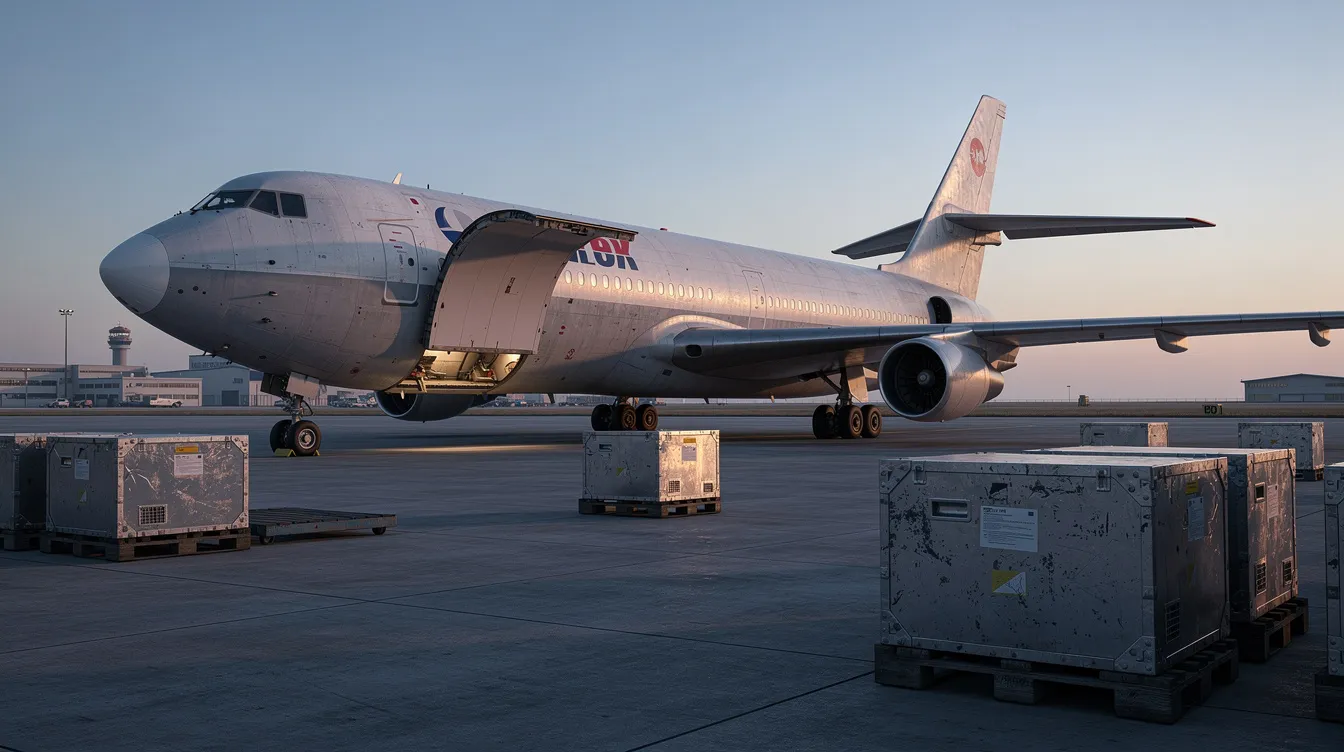
An older widebody cargo aircraft is parked on a remote airport apron, surrounded by cargo containers ready for loading. This transport aircraft is designed for carrying heavy loads over long distances, showcasing its cargo capacity and operational readiness.

Eastern & Emerging-Market Workhorses: Ilyushin, Antonov & Regional Turboprops

Eastern-built cargo aircraft like the Ilyushin IL-76TD, Antonov An-12, An-26, and An-32 remain relevant in rugged, low-infrastructure environments. The IL-76TD carries approximately 40–50 tonnes with a range of 4,600 km; the An-12 handles around 20 tonnes. An-26/32 variants carry 5–7 tonnes into unpaved strips across Africa, South America, Central Asia, and remote regions.

Turboprop cargo aircraft are best for short runways and remote airstrips. Turboprop freighters are ideal for regional and short-haul routes due to fuel efficiency. Serviceable regional turboprops can be priced under $1M, while IL-76TD examples may reach $5M–$10M depending on condition—though some references cite substantially higher figures for fully serviceable units. Availability is affected by geopolitics and sanctions.

Risk factors include parts scarcity, limited OEM support, high insurance costs, certification challenges outside Russian/Ukrainian regulatory systems, and potential EU/US airspace restrictions. BusinessJets.com generally steers corporate and institutional clients toward Western-built cargo aircraft unless a specialist mission, regulatory framework, and local support network clearly favor these platforms.

Modern Converted Freighters: 737 Classics, 757-200F, 767-300ER-SF & Beyond

Converted passenger aircraft dominate the current commercial cargo fleet. Boeing forecasts that roughly two-thirds of the approximately 2,900 freighter deliveries expected by 2044 will be converted from retired airliners rather than built new—a reflection of strong demand and factory delivery delays for the Airbus A350F and Boeing 777X-F.

Common conversion candidates include Boeing 737-300/400 (many of which entered service in the early 1990s as passenger aircraft), 757-200PF/SF, and 767-300ER-SF or 767-300BCF programs. Freighter aircraft often feature reinforced floors and large cargo doors after conversion, with standardized pallet positions—nine pallets on a 737-300F, up to 15 on a 737-400SF, and 24+ on a 767-300ER-SF. Avionics upgrades including ADS-B, TCAS II, and EGPWS are standard.

Converted cargo aircraft can cost $5M to $40M depending on the model. A 737-400SF in half-life condition typically totals $5.9M–$7.75M including feedstock, conversion, and on-ramp maintenance. Wide-body freighters have a payload capacity of 40 to over 100 tonnes, with 767-300ER-SF platforms suitable for 10–15+ years of commercial service after conversion. BusinessJets.com helps clients evaluate whether to buy fully converted aircraft, acquire passenger feedstock and manage conversion, or pursue lease packages integrating capital and maintenance reserves.

A converted narrowbody cargo aircraft is shown with its large main deck cargo door wide open, actively engaged in loading operations at a modern airport. This cargo aircraft is designed for carrying heavy loads, showcasing its impressive cargo capacity and operational efficiency.

Tactical & Strategic Transport Aircraft: Lockheed Martin, Embraer & Others

Some buyers—state entities, defense contractors, or large operators—consider military-derived transport aircraft for specialized missions when regulations allow civil or government use. These plane types can carry heavy loads that civilian freighters cannot accommodate, including outsized industrial components. Specialized oversized cargo aircraft are designed for moving large industrial components and equipment alongside troops in military logistics scenarios.

Key platforms include:

  • Lockheed Martin C-130J Super Hercules - Modern tactical transport, ~20–25 ton payload, improved engines and avionics, capable of austere field operation

  • Lockheed C-5M Super Galaxy - Heavy strategic transport, rear loading ramps, outsized cargo flexibility

  • Embraer KC-390 Millennium - Medium jet transport (~23–25 tonnes), dual-role cargo and tanker

  • Boeing C-17 Globemaster III - Context reference for heavy strategic airlift

Heavy transports are capable of carrying loads of 40 to over 120 tonnes. The Boeing 747-8F, while a civilian platform, can transport over 140 tonnes of cargo, illustrating the upper end of what large freighters can achieve. Ex-military aircraft are released through official programs in limited quantities with long lead times and export restrictions.

Challenges include certification for civil operations, crew training, maintenance infrastructure, and long-term support agreements. BusinessJets.com can advise contractors and government-related buyers on feasibility, lifecycle cost, and alternative solutions using certified civilian cargo aircraft where military platforms are impractical. Unlike helicopters, which serve vertical-lift niches, fixed-wing transports dominate for carrying cargo over long distances.

High-Capacity Business Jets as Transport Platforms

Large-cabin business jets can function as flexible transport planes for leadership teams, technical crew, and high-value equipment—often complementing a pure cargo fleet. These aircraft are widely available for sale in 2024–2026 and offer significant baggage volume alongside passengers.

Examples include the Dassault Falcon 2000LX, Bombardier Challenger 604/650, Global Express/Global 6000, Embraer Legacy 600, and Gulfstream IVSP. Typical configurations seat 10–16 passengers with 200+ ft³ of baggage volume on select models. Modern avionics—HUD, Synthetic Vision, WAAS/LPV—and connectivity systems (Starlink, KU-band, SwiftBroadband) enhance operational capability for flying into challenging environments.

Maintenance programs like ESP Gold, MSP Gold, and CorporateCare stabilize operating costs and add measurable resale value. This class of aircraft fits well in fleet strategies involving regular executive shuttles, urgent technical missions, medevac-capable layouts, or government VIP transport roles. BusinessJets.com specializes in sourcing, appraising, and selling these business jets and can advise on complementing dedicated cargo planes with high-capacity passenger transport aircraft.

Technical Due Diligence When Evaluating Transport Planes for Sale

Thorough technical due diligence often makes a larger financial impact than negotiating an extra 2–3% off the asking price. Aircraft typically require a thorough pre-buy inspection, and transport plane availability is influenced by airframe hours, cycles, and maintenance records.

Key areas to examine:

  • Airframe metrics - Total time, total cycles, time since last heavy check (C check, D-check/192-month inspection), landing gear condition and cycle limits, structural corrosion status

  • Documentation - Completeness of maintenance records, life-limited parts tracking, AD/SB status, cargo conversion documentation, modifications such as hush kits or avionics upgrades (ADS-B Out, FANS 1/A+, TCAS II)

  • Engines and APU - Remaining time to overhaul, enrollment in programs (JSSI, ESP, MSP), and impact on both acquisition price and long-term cost per hour

  • Mission matching - Aircraft must match payload capacity and volume to operational requirements; align at least 80–90% of intended missions to avoid overbuying capacity or operating an inefficient profile

  • Airport compatibility - Airport compatibility assessments are necessary for ensuring runway suitability, especially when transporting heavy or oversized cargo into secondary fields

When inspecting older aircraft, verify that landing gear, good engine life remaining, and EASA-approved modifications are properly documented. Freighter aircraft must also consider mission profile, airfield compatibility, and total cost of ownership before any purchase commitment. BusinessJets.com coordinates independent pre-buys, on-site surveys, and formal aircraft appraisals so buyers have a data-driven view of value and risk.

Maintenance, Supportability & Operating Economics

Acquisition of a cargo aircraft or transport jet is only 30–40% of the story. Total cost of ownership considers purchase price, fuel burn, and maintenance costs over the aircraft's remaining economic life. The transport aircraft market includes ground handling and operating cost considerations that vary dramatically by region and airplane type.

  • C-checks are required every 18–24 months, costing $1M–$2M on older cargo jets; extensive corrosion control on 1960s–1980s airframes adds further expense

  • Older aircraft may have higher operating costs due to maintenance, and maintenance includes routine inspections and avionics upgrades to remain compliant

  • Support networks matter: OEM parts availability for Boeing, Airbus, Lockheed Martin, Embraer, and legacy McDonnell Douglas types varies; quality MROs span North America, Europe, the Middle East, Asia, and Africa

  • Maintenance programs can add a 15–25% value premium by de-risking major events through PBH arrangements for engines, APUs, and avionics

  • Operators flying in South America, Africa, or Central Asia must plan for spares, tooling, and qualified technicians to sustain high-dispatch reliability on cargo planes, accounting for the costs of loading and unloading in each operating environment

BusinessJets.com helps operators model total cost of ownership to compare aircraft-for-sale options objectively.

Financing, Leasing & Transaction Strategy for Cargo Aircraft

The main capital access routes for transport aircraft include direct purchase, finance leases, operating leases, and sale-leaseback structures. Financing options for transport planes include leasing solutions that provide significant flexibility. Financing solutions help acquire aircraft without significant capital outlay, which matters when acquisition costs for cargo planes range from sub-$1M to $15M.

Leasing programs allow flexibility to scale cargo fleets, particularly for operators responding to e-commerce demand surges or ACMI contract opportunities. Typical lender requirements include detailed appraisal, verified maintenance status, and operator credit profile—especially critical for older cargo planes and high-cycle airframes.

Key negotiation points include delivery condition (fresh C check, new conversion, avionics compliance), inclusion of spare engines or parts, redelivery conditions, and usage restrictions. BusinessJets.com supports clients by preparing acquisition strategies, running competitive processes with sellers or lessors, and validating that pricing aligns with current market comparables and demand outlook.

Digital Sourcing & Working with a Specialist Transport Aircraft Broker

By 2026, most buyers first encounter cargo aircraft and transport jets on digital platforms—but listings rarely reveal the full technical and commercial story. Filter by year, total time, cycles, payload class, cargo door configuration, and regulatory status (ADS-B Out, RVSM, Stage 4 compliance) before engaging further.

Risks of relying solely on public listings include incomplete maintenance data, non-transparent damage or conversion history, optimistic pricing, and inconsistent documentation. BusinessJets.com is a specialist brokerage and consulting partner with experience across 1,500+ transactions and 5,000+ customers, providing off-market opportunities, detailed appraisals, and structured negotiations for transport aircraft.

Contact BusinessJets.com with your mission profile, target budget, and timing so the team can curate a shortlist of cargo aircraft or transport jets, arrange inspections, and define a transaction plan tailored to your specific operational requirements.
A business aviation professional is standing next to a parked cargo aircraft, reviewing important documents on a tablet. The aircraft, designed for transporting heavy loads and equipped with a cargo door, highlights its capability to carry goods over long distances.

FAQs: Buying and Operating Transport Planes

What is the realistic useful life of a 1990s Boeing 737-400 freighter purchased between 2024 and 2026?

Most 737-400 cargo aircraft for sale in this window have total time in the 45,000–60,000-hour range with 22,000–30,000 cycles from their passenger history prior to conversion. After conversion, many retain 15,000–20,000 hours and around 8,000 cycles of economic life—roughly 8–12 years of intensive regional cargo service at 1,000–1,500 flight hours per year. Actual life depends on maintenance quality, cycle limits on key structural items, and route structure, all verified during pre-buy inspections and appraisal.

How do I choose between a dedicated cargo aircraft and a large-cabin business jet for transport missions?

Start with your mission profile. If typical loads involve pallets, containers, or heavy equipment above 5–10 tons, a dedicated cargo aircraft (737-300F, 767-300ER-SF) is usually the right tool for transporting freight. If the priority is moving leadership teams, specialists, or smaller volumes of high-value equipment on tight schedules, a large-cabin jet (Falcon 2000LX, Global 6000, Challenger 650) is more efficient. Mixed fleets or charter/ACMI partnerships can balance both needs—BusinessJets.com can model different scenarios and recommend an optimal combination.

Can ex-military transport aircraft be operated commercially by private companies?

It is sometimes possible, but heavily dependent on aircraft type, export controls, civil certification status, and the regulatory framework of the operator's state. Converting a military transport for civil commercial use typically requires significant modification, documentation work, and engagement with both the OEM and national FAA or aviation authority—often making certified civilian cargo aircraft more practical. Any buyer considering ex-military aircraft should engage specialist advisors early to perform feasibility, regulatory, and cost analysis.

How do maintenance programs affect the value of transport aircraft and business jets?

Enrollment in reputable engine, APU, and airframe programs—ESP Gold, MSP Gold, JSSI, CorporateCare—usually increases resale value by 15–25% and makes aircraft easier to finance and resell. For high-cycle cargo aircraft, such programs cap overhaul exposure and provide predictable cost per flight hour. BusinessJets.com includes program status in all appraisals and helps clients evaluate whether joining or exiting a maintenance program is financially justified.

When should I request an independent aircraft appraisal during a transport plane purchase?

Obtain an independent appraisal as soon as a specific aircraft for sale becomes a serious candidate—ideally before issuing a letter of intent with binding price terms. Appraisals combine market comparables, technical condition, equipment status, and remaining life to determine a defensible value, which materially influences negotiation strategy and financing options. Contact BusinessJets.com for a formal appraisal or valuation report tailored to cargo aircraft, transport jets, or mixed-role fleets. Selection: Contact BusinessJets.com for a formal appraisal or valuation report tailored to cargo aircraft, transport jets, or mixed-role fleets.

This comprehensive guide incorporates key facts about financing, market trends, aircraft specifications, maintenance, and operational considerations for transport planes and cargo aircraft available in the 2024–2026 market:

  • Financing options include leasing solutions that provide flexibility to scale cargo fleets and acquire aircraft without significant capital outlay.

  • Acquisition costs range widely from sub-$1M for older turboprop freighters to over $15M for modern widebody freighters and converted aircraft.

  • There are approximately 13-14 dedicated cargo freighters available globally, with most pure cargo platforms aged 25-40 years.

  • Prices for transport planes vary from under $1M to $40M depending on model and conversion status.

  • Cargo planes can transport payloads from 15 tons in narrow-body freighters to over 140 tonnes in large wide-body models like the Boeing 747-8F.

  • The Boeing 747-200F features a maximum takeoff weight of 409,000 lbs and a cargo volume of 16,000 cubic feet.

  • The DC-8-63 freighter has a cargo capacity of approximately 70 tons; the Boeing 737-300F carries around 20 tons.

  • Market segments include turboprop cargo aircraft suited for short runways and regional routes, narrow-body freighters for medium-haul, and wide-body freighters for long-haul, heavy-lift missions.

  • Transport planes include military-style, humanitarian, and specialized cargo aircraft serving freight, passenger transport, and military logistics roles.

  • Regulatory compliance is critical, covering ADS-B Out, RVSM, noise regulations, and avionics/navigation mandates.

  • Airport compatibility assessments ensure runway suitability for specific aircraft types.

  • Maintenance is a significant factor, with C-checks required every 18-24 months, routine inspections, avionics upgrades, and maintenance programs that can add a 15-25% value premium.

  • Older aircraft may incur higher operating costs due to maintenance and upgrades.

  • Total cost of ownership includes purchase price, fuel burn, maintenance, ground handling, and operating costs.

  • Buyers must define mission profiles considering payload, range, and budget to match aircraft capabilities and operational needs.

  • Freighter aircraft feature reinforced floors and large cargo doors to facilitate loading and unloading.

  • Specialized oversized cargo aircraft are designed for transporting large industrial components.

BusinessJets.com offers expert brokerage and consulting services to help buyers and operators navigate this complex market, providing independent appraisals, acquisition strategy, and tailored support to optimize transport aircraft purchases and operations.

Conclusion: Navigating the Transport Plane Market with Expertise

The 2024 6 transport plane and cargo aircraft market offers a broad spectrum of options, from classic freighters to modern converted jets and specialized military transports. Success in acquiring the right aircraft hinges on a clear understanding of mission requirements, thorough due diligence on airframe and maintenance status, and strategic financial planning including leasing and financing options.

BusinessJets.com stands as a trusted partner for buyers and operators, leveraging deep industry experience and a comprehensive network to provide tailored appraisals, market insights, and negotiation support. Whether your needs focus on heavy palletized freight, regional turboprop operations, or large-cabin business jets with cargo capability, expert guidance ensures you optimize value, operational reliability, and compliance.

Engage with BusinessJets.com early in your transport aircraft search to align your acquisition strategy with market realities, mitigate risks, and secure the best possible outcome for your fleet and operational goals. Request a confidential appraisal or consultation today to explore how our expertise can support your transport plane purchase or sale with confidence and precision.

Related Posts