Warplane for Sale: How BusinessJets.com Helps You Buy or Sell Historic Military Aircraft
Introduction
The market for historic military aircraft spans from $50,000 project airframes to winning bids that go beyond $10 million depending on rarity. This guide is designed for private collectors, corporate buyers, and museum foundations seeking to navigate the complex and highly regulated market for historic military aircraft. Understanding the unique challenges and opportunities in this niche market is essential for protecting your investment and ensuring a successful transaction. Whether you are a private collector, corporate buyer, or museum foundation, finding the right warplane for sale requires more than browsing ads — it demands expert guidance through one of aviation's most complex transaction categories.
Key Takeaways
Market prices for warbirds can exceed $5 million for rare WWII fighters, while piston engine trainers are often priced between $50,000 and $350,000. Prices for military aircraft range from $50,000 to several million dollars across the world.
A warbird is a demilitarized warplane, typically a historic military aircraft, that is privately owned and usually lacks operational weapons and sensitive military systems. Regulations mandate deactivation of weapon systems for civilian ownership of warbirds.
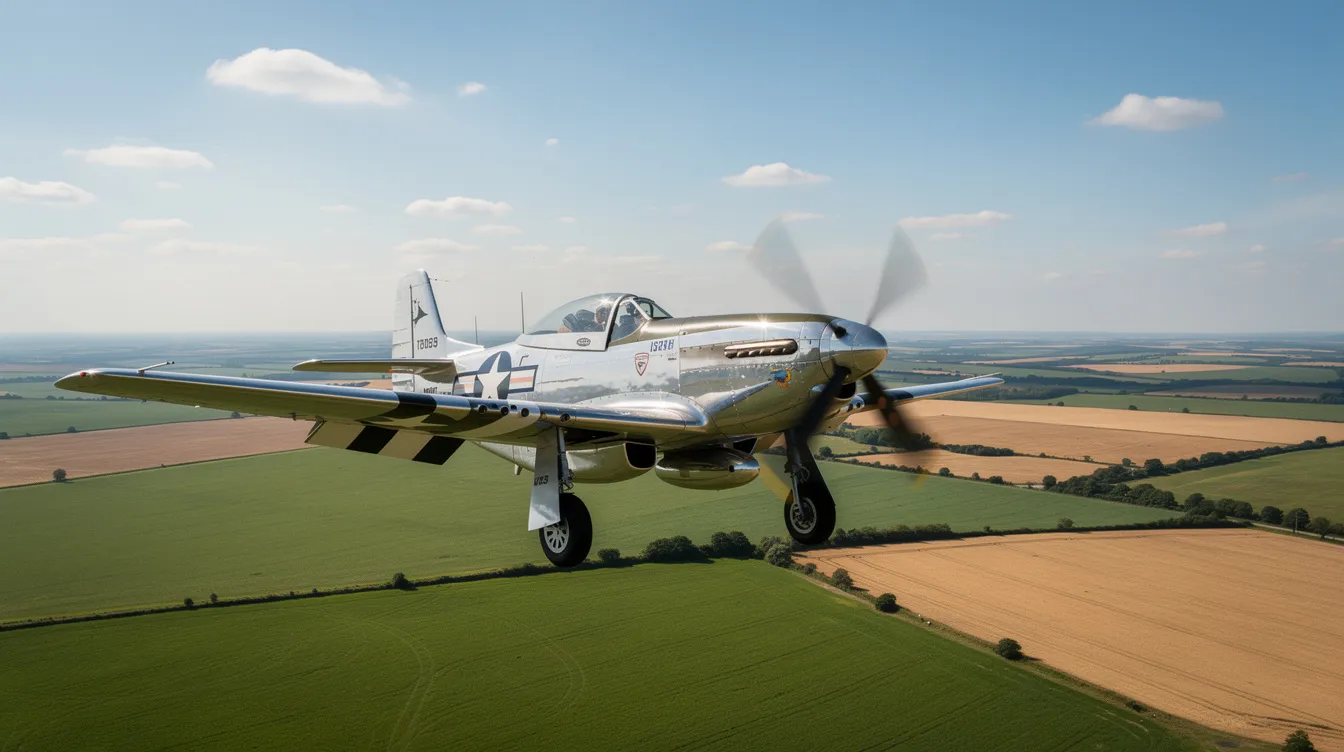
BusinessJets.com works with both piston warbirds (P-51D Mustang, Spitfire Mk.XIV, DC-3) and ex-military jets (L-29 Delfín, L-39 Albatros), and regularly surfaces price-reduced opportunities for qualified buyers.
Warplane transactions are more complex than standard aircraft sales — subject to export controls, demilitarization requirements, specialized parts sourcing, and elevated insurance demands. Private collectors can own demilitarized warplanes known as warbirds, but the process requires careful navigation.
Aviation consulting supports aircraft transactions worldwide. With over 1,500 aircraft transactions and 5,000+ satisfied clients, BusinessJets.com brings the research, network, and discipline needed to protect value on both sides.
The warbird market features specialized brokers handling high-end vintage military aircraft. Before you buy or list any warplane for sale, request an appraisal or confidential consultation.
Featured Warplanes for Sale: From WWI Biplanes to Cold War Jets
BusinessJets.com can represent a broad range of warplanes — from early biplanes to Cold War-era jets. Currently, approximately 62 piston military aircraft listings are available for sale across the market, alongside a growing number of jet trainers and restored fighters. The 1944 North American P-51D Mustang remains one of the most popular warbirds, with active listings averaging around $3.4 million. Representative types include:
A 1943 North American P-51D Mustang with dual controls and airshow history in the United States
A Supermarine Spitfire Mk.XIVe restored in the 2010s and based in the UK
A 1942 Douglas C-47 / DC-3 with documented WWII service and current Part 91 operation
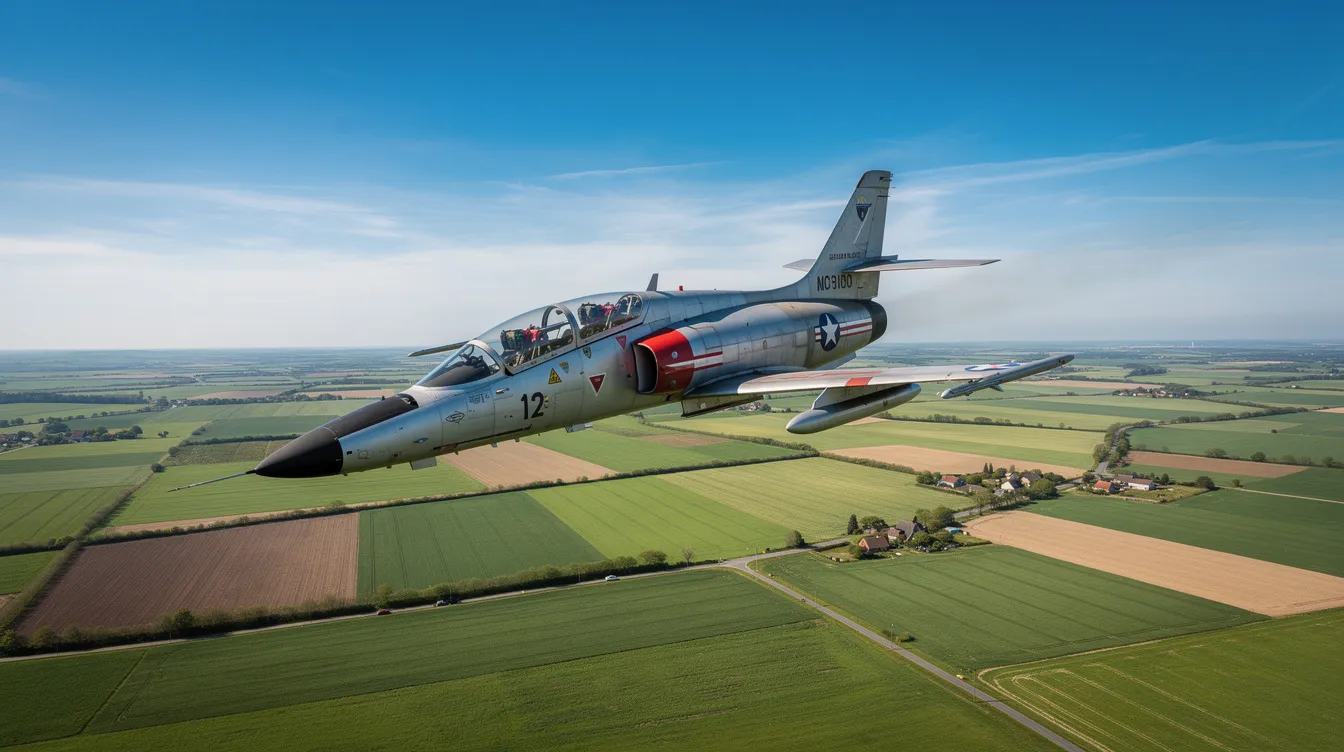
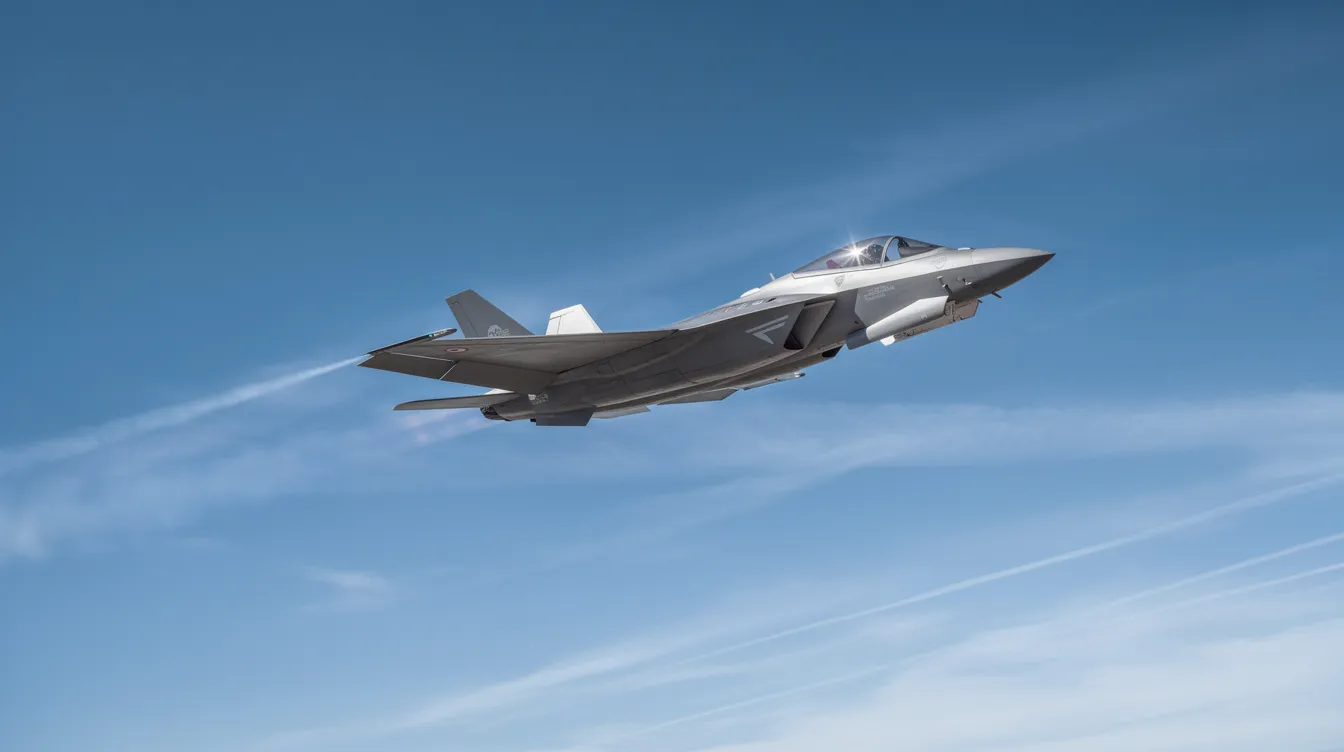
A 1980s Aero L-39 Albatros or L-29 Delfín jet trainer based in Central Europe
At the entry level, a 1943 Vultee BT-13A is listed for $175,000, and a 1986 SOCATA TB-30 Epsilon is available for $390,000. Each aircraft card on our listings page shows year of manufacture, total airframe time, engine time since overhaul, last major restoration date, current registration and country, and basic asking price or "price on request." Some listings carry a price reduced tag — particularly long-marketed restorations or aircraft coming out of a recent reno and repositioned for quicker sale. All featured aircraft are pre-screened for documentation, ownership, and market realism.
Price Reduced Warplanes: Finding Value in a Niche Market
A price-reduced label in the warbird space typically reflects owners adjusting expectations due to market shifts, rising operating costs, or timing needs — not distressed sales. Historic fighters have dramatically appreciated in value over decades, but individual listings still require realistic pricing. Restored warbirds can command high market prices due to historical significance, yet stale listings signal a disconnect.
Example scenarios include:
A WWII-era trainer in Australia reduced by $50,000 (exclusive of GST) to align with recent 2025–2026 comparable sales
A Cold War jet in the United States receiving a 15% price cut after completing a fresh annual inspection and avionics upgrade, making it ready for immediate operation
BusinessJets.com advises sellers on timing adjustments based on comparable warplane transactions in the previous 12–24 months, time on market and number of qualified inquiries, current demand for specific types (Yak-52s versus P-51s versus L-39s), and global macro factors like fuel prices and insurance changes. Consultants help buyers and sellers navigate these market forces with data, not guesswork. Owners who have had a warplane listed elsewhere without traction should contact us for a fresh appraisal and pricing strategy.
What to Consider Before Buying a Warplane Aircraft
Warplane purchases require assessing operating costs, regulatory compliance, and airworthiness — even for experienced pilots. Key considerations include mission requirements and lifecycle costs. Here are the critical evaluation points:
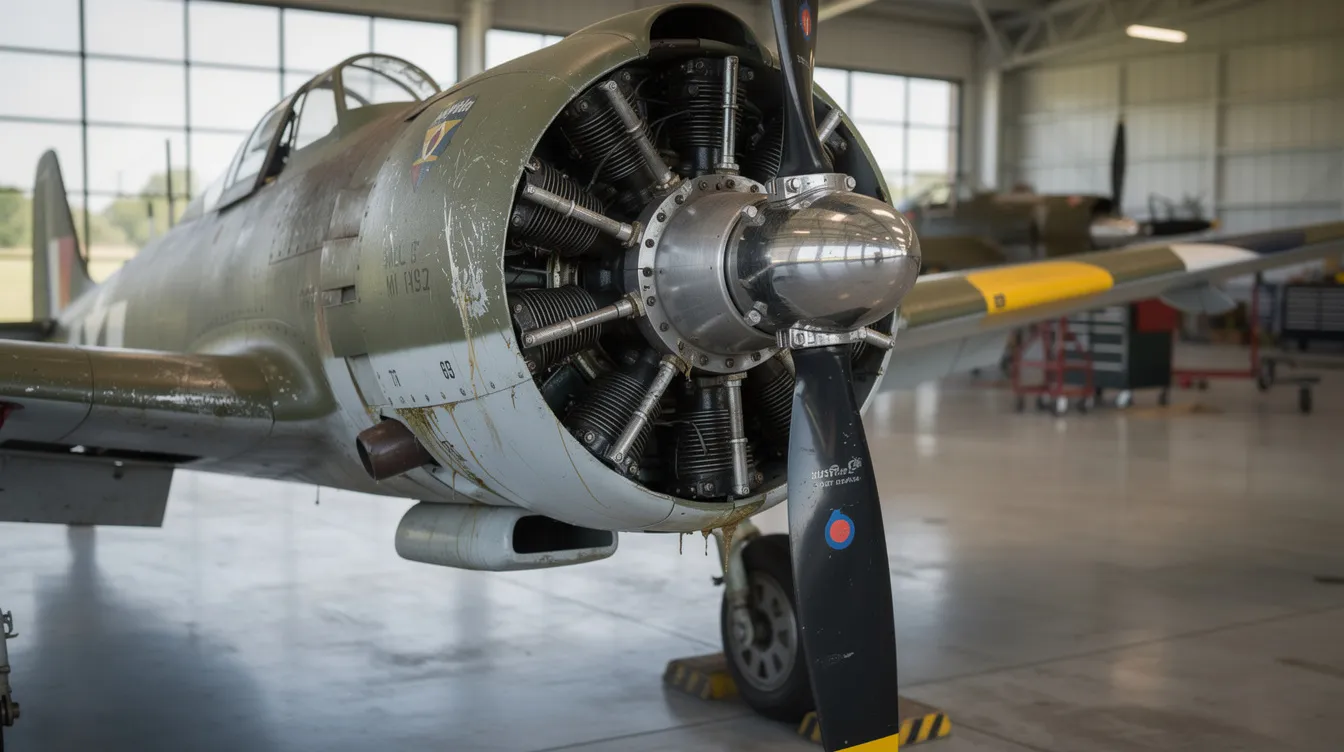
Condition and restoration quality. Determine whether the airplane is factory-spec or modified, who performed the restoration, and when. Restoration costs for military aircraft can exceed $1 million, and specialized mechanics are often needed for vintage aircraft maintenance. Specialized parts for vintage aircraft can increase maintenance costs significantly, with Merlin engine overhauls alone running $150,000–$250,000.
Maintenance history. Logbook completeness matters. Aircraft in storage since the 1980s–1990s face corrosion, structural fatigue, and fuel system degradation. Piston military aircraft often require climate-controlled storage. Condition and maintenance history significantly affect valuation. Airworthiness verification is crucial — confirm the airplane is maintained and airworthy before making an offer.
Certification status. U.S. warbirds typically fly under Experimental/Exhibition; equivalent regimes exist in the EU, UK, Australia, and New Zealand. Demilitarized warbirds usually lack operational weapons and sensitive military systems. Regulations mandate deactivation of weapon systems for civilian ownership. Legal regulations for military aircraft ownership are complex and vary by jurisdiction.
Operating economics. Warplane operating costs include fuel, maintenance, parts, and crew training. Expect $2,000–$3,000 per flight hour for piston fighters like the P-51D, $300–$500 per hour for trainers like the T-6 Texan, and $1,000–$1,500+ per hour for ex-military jets. Ongoing costs include maintenance, fuel, and insurance. Annual fixed costs for fighters can reach $50,000–$150,000.
Parts and specialist support. Proximity to reputable restoration shops matters. BusinessJets.com can connect buyers with maintenance organizations familiar with specific types — Spitfire, T-6 Texan, Lockheed variants, or CJ-6A.
Legal and regulatory issues. Potential export-control and ITAR restrictions apply to certain ex-military aircraft and avionics. Legal regulations for ex-military aircraft are complex, covering demilitarization, noise, and airspace restrictions near metropolitan areas. Insurance for high-performance warbirds demands specialized training and experience; specialized training is often required for warbird pilots.
BusinessJets.com supports buyers with acquisition consulting, including pre-buy inspection coordination, appraisal, and transaction structuring.
How BusinessJets.com Manages Warplane Sales for Owners
Selling a rare warplane demands discretion, process, and global reach. BusinessJets.com acts as a process-driven partner, protecting both the aircraft's legacy and its value. Consulting services include aircraft valuation and strategic guidance throughout the following steps:
Discovery and appraisal - Document review, site visit, and preliminary value range based on recent comparable sales. Consultants assist with FAA paperwork for aircraft sales and registration verification.
Market positioning - Deciding whether to market globally, regionally, or to a curated list of known collectors and museums.
Listing strategy - Full asking price, price reduced messaging, or price on application for high-profile aircraft.
Buyer qualification - Verification of financial capability, assessment of buyer type (collector, corporate owner, museum, operator), and confirmation of pilot qualifications for high-performance types.
Marketing - High-quality photography, historical narrative, and maintenance highlights promoted via specialist warbird channels, airshow networks, and direct outreach - leveraging BusinessJets.com's network built across 1,500+ completed transactions.
Negotiation and closing - Structuring offers that account for restoration work, spares, logbooks, replaced components, and training packages. Coordinating escrow, legal agreements, and regulatory approvals for cross-border deals, plus arranging ferry flights or shipping.
Owners can choose between a full brokerage mandate or tailored consulting if they are already in discussions with a buyer but need expert oversight. While firms like Platinum Fighter Sales specialize in historic warbird aircraft, BusinessJets.com brings the added benefits of business aviation discipline — due diligence, negotiation rigor, and global deal structuring.
Warplane Appraisals, Valuation, and Market Trends
Accurate valuation is critical before listing any warplane for sale. History and airworthiness significantly impact the warbird market, and military aircraft appraisals can range from $50,000 to millions. Appraisals require consideration of aircraft history and condition, including:
Technical condition and airworthiness status
Restoration quality, originality, and extent of modification
Historical significance - combat history, notable squadrons, museum provenance
Current and projected market demand for the specific type
WWII frontline fighters (Spitfire, P-51, Bf 109 derivatives) have generally appreciated over the last decade. Trainers and liaison aircraft (T-6 Texan, Yak-52) see more price sensitivity, sometimes leading to price-reduced listings when fuel or hangar costs rise. Ex-military jets (L-29, L-39) can see value shifts when regulatory or insurance rules change. Legal regulations complicate the valuation of ex-military aircraft across jurisdictions.
BusinessJets.com's valuation methodology uses recent comparable sales, adjustments for configuration and avionics (e.g., modern IFR glass cockpit installed 2023–2025), regional factors (North America versus Europe versus Asia-Pacific), and time-on-market expectations. Operators and fleet managers use these insights when deciding whether to retain, upgrade, or divest a historic aircraft — or when planning capital expenditure for restorations based on realistic end values. Aircraft acquisition decisions involve long-term strategic, economic, and geopolitical factors.
Request a formal appraisal for any warplane you own or are considering today.
Why Work with a Specialist Broker for Warplanes?
Warplanes sit at the intersection of aviation, history, and regulation. Interoperability with allied forces is a critical factor in military aircraft procurement at the state level, but even private transactions face regulatory layers that standard business jet deals do not. BusinessJets.com offers:
Experience across 1,500+ aircraft transactions including complex international deals
Understanding of both business aviation and historic aircraft communities
Ability to combine private jet brokerage practices (due diligence, documentation) with the nuances of warbird culture
Risk mitigation is central: avoiding undocumented modifications or incomplete logbooks, identifying regulatory red flags early, and structuring contracts that allocate responsibilities for ferry flights, training, and spares. We support private collectors buying their first significant warplane, corporations acquiring a historic airplane for VIP experience flights, and museums seeking fair value and long-term custodians.
Contact BusinessJets.com by phone or email for confidential advice. Whether you want to read more about our process, list a warplane, or find your next acquisition - we are ready to help.
Frequently Asked Questions About Buying and Selling Warplanes
Below are practical questions that complement the guidance above.
What kind of pilot experience do I need to fly a high-performance warplane like a P-51 or ex-military jet?
You will typically need a private pilot license plus tailwheel, high-performance, and complex endorsements. For jets, a turbine or jet class rating is required. Insurance underwriters often mandate 10–25 hours of dual instruction in-type before solo flight. Specialized training is often required for warbird pilots, and training pathways vary by jurisdiction — check local regulatory requirements in the US, UK, or Australia before committing to buy.
How long does it typically take to sell a warplane, from initial appraisal to closing?
Well-documented, attractively restored examples in popular types may sell within 3–6 months. Rare or historically significant warplanes often take 6–9 months or longer. Projects or partial restorations, including a project emerging from a reno, may require 9–18 months or longer if documentation or condition verification is incomplete. Delays often stem from buyer due diligence, export paperwork, and condition verification.
Can a company or brand legally operate a warplane for passenger experience flights or corporate events?
Yes, with caveats. The aircraft must be certified under the appropriate category (Experimental/Exhibition or equivalent), fully demilitarized, and stripped of weapon systems. Insurance must cover public liability, and revenue operations may require additional certification. Consult BusinessJets.com before structuring any commercial use.
What additional insurance considerations apply when operating a warbird?
Hull insurance is elevated due to value and rarity. Liability premiums reflect higher risk from speed, tailwheel handling, or jet characteristics. Underwriters require detailed maintenance records, restoration documentation, and pilot type experience. Annual premiums for fighters can run into tens of thousands of dollars.
How does BusinessJets.com charge for brokerage and consulting on warplane transactions?
Fee structures are typically percentage-based on final sale price, sometimes with an advance retainer or appraisal fee. Consulting engagements — valuation, marketing strategy, buyer qualification — may be structured as flat-fee or milestone-based. Contact us to discuss a tailored arrangement for your specific warplane for sale or acquisition project.
Conclusion
Navigating the warplane for sale market requires specialized expertise, given the unique challenges of historic military aircraft transactions. BusinessJets.com offers a trusted, experienced partner to guide buyers and sellers through every step—from accurate appraisals and regulatory compliance to strategic marketing and closing.
Whether acquiring a prized WWII fighter, a Cold War jet trainer, or a piston-engine warbird, our comprehensive brokerage and consulting services protect your investment and preserve the aircraft's legacy. Contact BusinessJets.com today to request an appraisal, list your warplane for sale, or explore acquisition support with confidence.